Train. Compete. Recover.
A multi-purpose athletic facility in Speedway, Indiana — basketball leagues, skill training, and wellness services all under one roof.
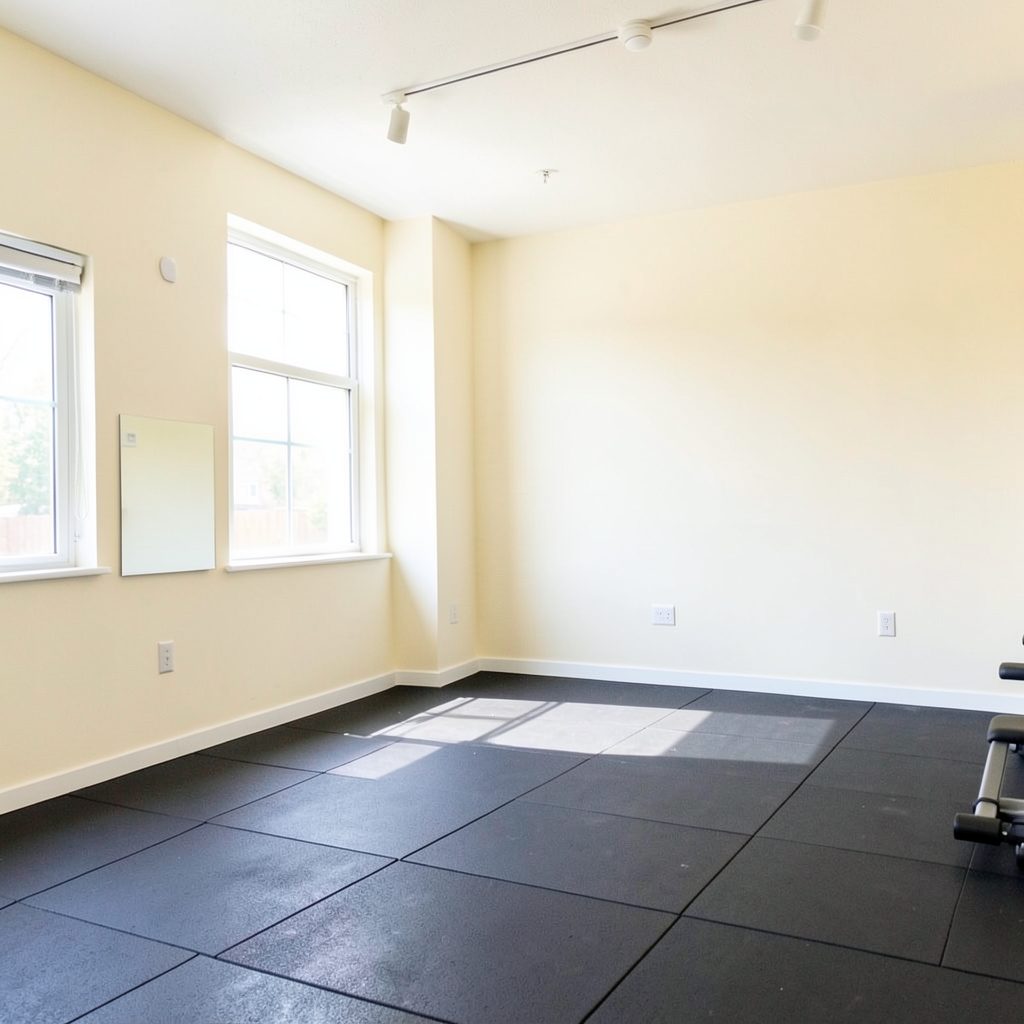
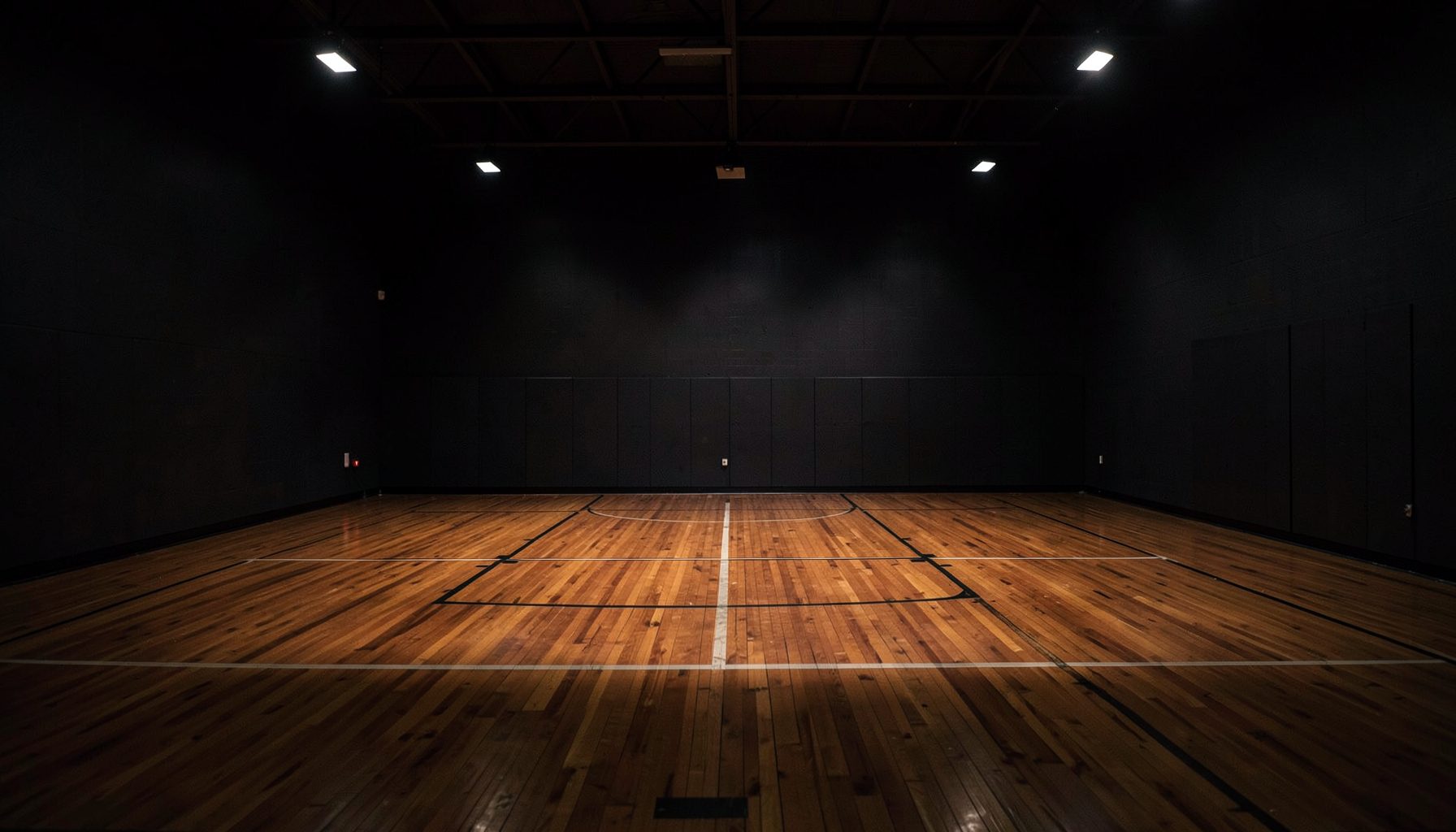
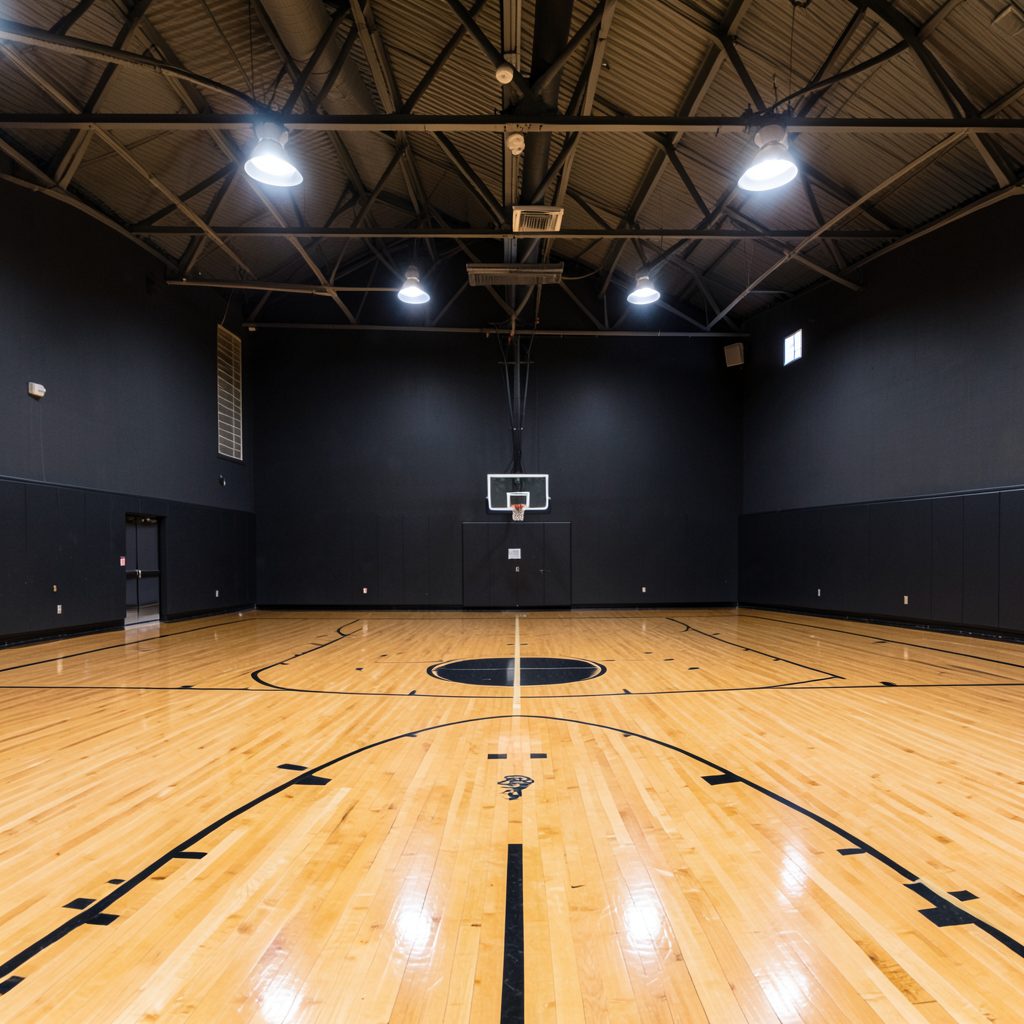
The Factory D1 Indy brings together three entities under one roof: competitive basketball leagues for all age groups, individual and group training, and wellness & recovery services including Normatec boot recovery and cryotherapy. Located off I-465 and High School Road at 6331 Crawfordsville Road, Speedway, Indiana 46224.
Get In TouchProtein’s role in recovery after basketball and spin class
Basketball practice and spin class place different demands on the body, yet both can finish with tired legs, sore muscles and low energy. High-intensity intervals, repeated direction changes, jumping and the heat of an indoor cycle room mean recovery is more than simply resting. Protein supplies amino acids for muscle repair and adaptation while supporting immune function after demanding training.
Good recovery combines protein with carbohydrate, fluids, sleep and appropriate loading. At The Factory D1 Indy, basketball coaching, competitive leagues, cycle classes and recovery services such as Normatec compression therapy and cryotherapy can all shape the same training week. The aim is a repeatable routine that matches an athlete’s body mass, workload, age and schedule rather than relying on a single recovery product or supplement.
Why training creates a recovery demand
Basketball sessions combine acceleration, cutting, jumping and occasional contact, so muscles may experience unfamiliar strain. Spin class adds repetitive lower-leg work, sweat loss and sustained effort, particularly when intervals or resistance are included. A hard practice can therefore raise recovery needs even when the movements look different.
The body uses protein-derived amino acids to repair damaged muscle proteins and build adaptations to future loads. Adequate food also helps restore energy and support processes that continue overnight. Recovery demand is highest after unfamiliar, intense or long sessions, but it can remain elevated across several days during tournaments or a busy training week.
Protein cannot erase soreness by itself. When total energy and carbohydrate intake are too low, the body may struggle to rebuild tissue or recover between sessions. A balanced recovery plan treats nutrition as one part of performance preparation, alongside sleep, hydration and a gradual return to training.
Setting a practical protein target
For adults who train regularly, sports nutrition guidance often uses roughly 1.4–2.0 grams of protein per kilogram of body mass per day as a broad starting range. Needs can sit higher during heavy training or an energy deficit, while some athletes need less. Body mass, training history, health and dietary preferences all matter.
Using kilograms fits everyday practice in Australia. A 70 kg athlete working within that range would aim for about 98–140 g of protein across the day rather than consuming that amount at every meal. Spreading intake over three or four eating occasions can make the target easier, with roughly 25–40 g at a meal often used as a practical guide.
That range is not a diagnosis or a compulsory prescription. Athletes with kidney disease, a history of disordered eating or other medical concerns should seek individual advice from an accredited dietitian or doctor. Beginners can benefit from a simple food-first approach, while experienced competitors can use body-mass and training-load data to refine the plan.
Timing protein around training
Timing matters less than many marketing claims suggest, provided total protein and total energy are adequate. Before an early practice or class, a normal meal containing protein and carbohydrate two to three hours beforehand can support both satiety and fuel. If time is short, a smaller snack is more realistic than trying to force a large meal.
After basketball practice or spin class, aim to eat a balanced meal within a few hours. It can supply 25–40 g of protein, plus carbohydrate for glycogen replacement and vegetables or fruit for micronutrients. The often-promoted 30-minute “anabolic window” is not a hard deadline; muscle protein building remains possible when protein arrives later.
A portable option helps athletes who work, study or travel between sessions. A shake mixed with milk or fortified soy milk, Greek yoghurt, or a sandwich with chicken and tuna can bridge the gap. Add carbohydrate when another session is close, and replace fluid and sodium after heavy sweating rather than treating protein as the only recovery need.
Choosing foods in the Australian market
Australian supermarkets make a food-first plan straightforward. Woolworths and Coles stock tubs of Greek yoghurt, cottage cheese, eggs, canned tuna, chicken, lean beef, tofu, lentils and frozen mixed vegetables. These foods combine with local staples such as peanut butter, oats and bananas to produce meals that are quick enough for a week shaped by school, work or club basketball.
Busy calendars in Sydney, Melbourne and Brisbane often place training beside AFL, NRL or A-League fixtures, creating a familiar risk of under-fuelling during busy periods. Chemist Warehouse and sports-nutrition stores also make protein powders, ready-to-drink shakes and fortified plant milks widely available, although powders are optional rather than essential.
The Factory D1 Indy’s reflections on adult basketball league community show how shared training can reinforce healthy routines. League peers and coaches can encourage athletes to prepare recovery food, organise equipment and keep habits consistent through a demanding week.
Making recovery work in the real world
Recovery services can complement food and sleep without replacing them. At The Factory D1 Indy, Normatec compression therapy and cryotherapy can be incorporated around basketball or spin sessions, while coaches help athletes match future workload to recent load. The nutrients that support tissue repair still have to come from the diet, and recovery should feel progressively easier as the body adapts.
Mobility and body awareness are also part of a complete routine. DStudio Yoga’s guidance on pelvic floor awareness is written for prenatal participants, yet its careful attention to breathing, alignment and individual limitations reflects a wider recovery principle: movement should be adapted to the person rather than pushed through discomfort.
| Recovery option | Typical protein amount | Convenient pairing | Best fit |
|---|---|---|---|
| Complete meal | 25–40 g | Cottage cheese, tuna or chicken with rice and vegetables | Main post-session meal when time allows |
| Yoghurt and fruit bowl | 20–30 g | Greek yoghurt with banana and oats | Breakfast or a light recovery snack |
| Protein shake | 20–30 g per serve | Mixed with milk or fortified soy milk | Travel or a short gap between sessions |
| Plant-based plate | 20–35 g | Tofu, tempeh or beans with grains | Meat-free days and varied menus |
Choose one protein-rich food you enjoy and pair it with your next post-practice meal. Keep a second option at work or in your training bag, and plan carbohydrate and fluids as carefully as the protein. Athletes using The Factory D1 Indy’s skills training, leagues, spin classes and recovery services can build that routine into the same schedule as their next session.
Make the next training block count by arriving with a recovery plan already decided: a meal or snack, enough carbohydrate for the work ahead and time protected for sleep. Consistent nutrition gives basketball and spin athletes a stronger foundation for practice, competition and the sessions that follow.
Inside The Factory

Three Entities, One Roof
Leagues
Eight league divisions span every age group: Indy Pro AM, 18+ Open Men's, 30+ Men's, Bite Size (ages 3–6), Impact League, 5th/6th Grade, Middle School, and High School. Gather your team and compete.
Training
Individual and group basketball training for all skill levels. Major M.O.V.E.S. Basketball Training serves ages 4–7 on Wednesday and Thursday evenings at 6:30 PM — $30 per session or $100 unlimited monthly.
Wellness & Recovery
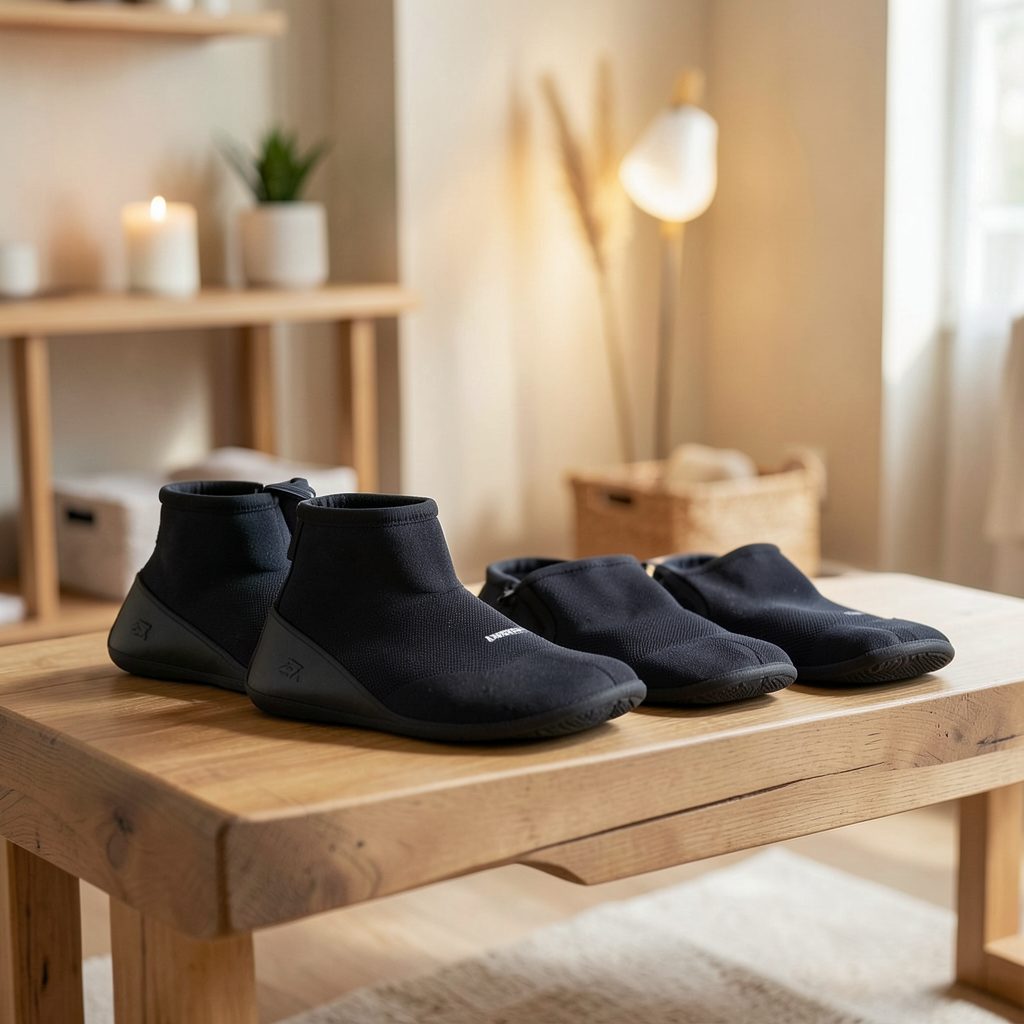
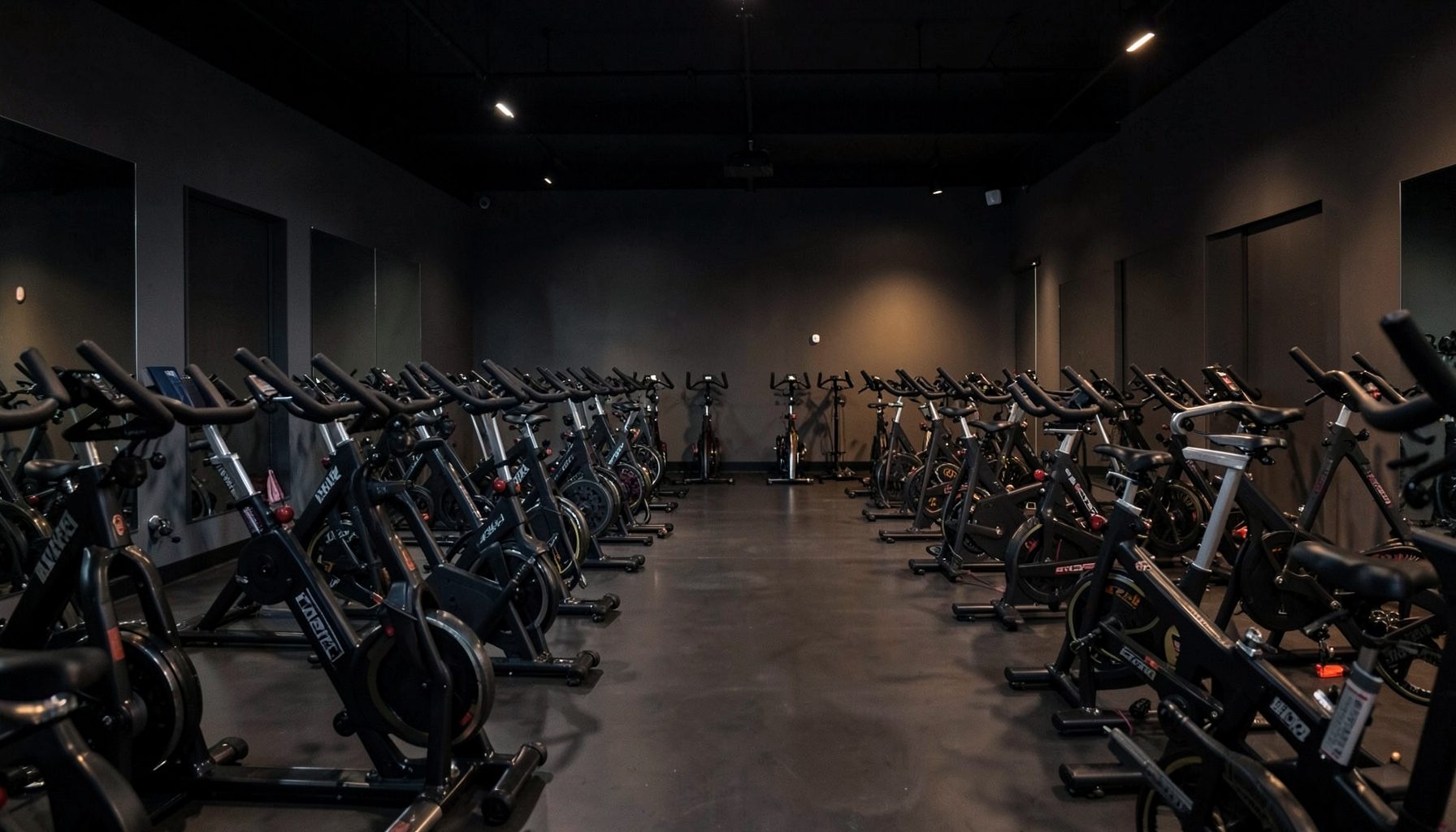
Normatec boot recovery and cryotherapy treatments help athletes bounce back faster. Cycle and spin classes add a cardio dimension to the holistic performance approach.
Have a Question?