Train. Compete. Recover.
A multi-purpose athletic facility in Speedway, Indiana — basketball leagues, skill training, and wellness services all under one roof.
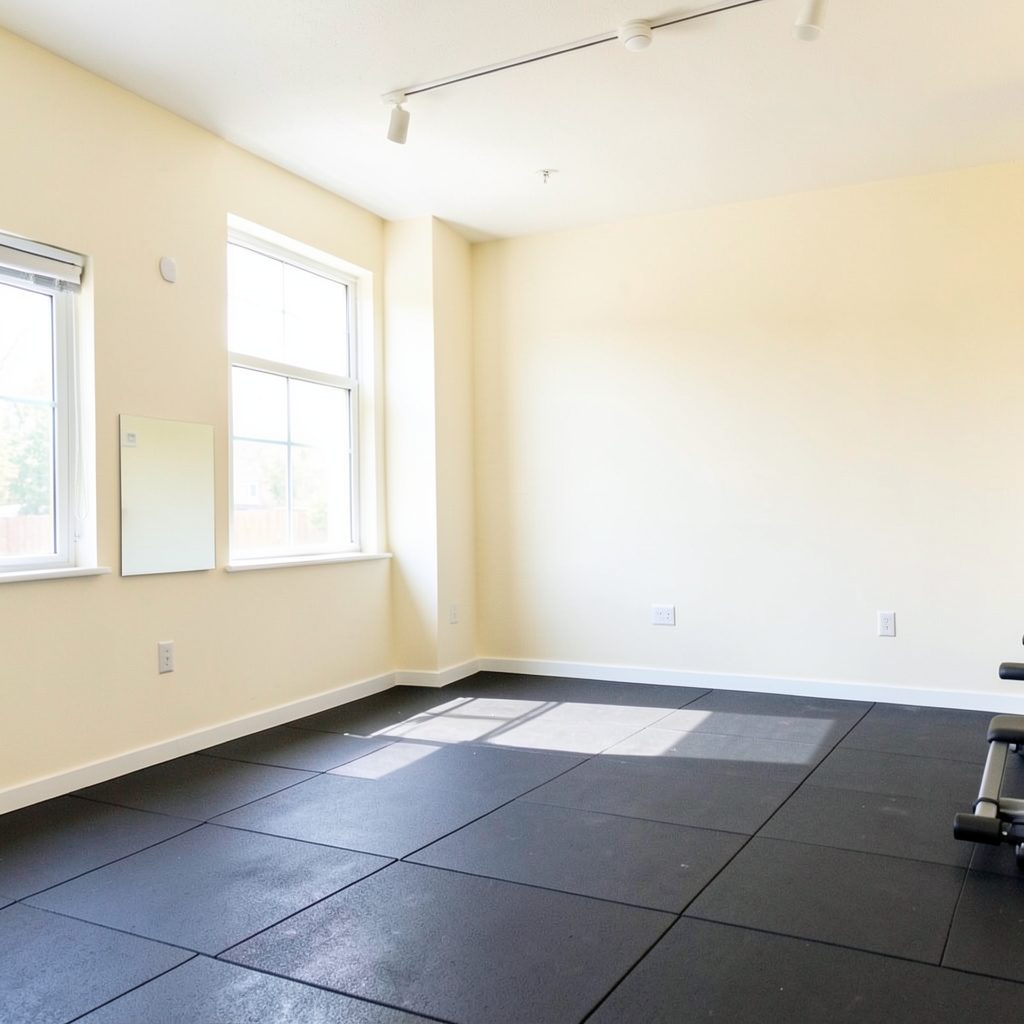
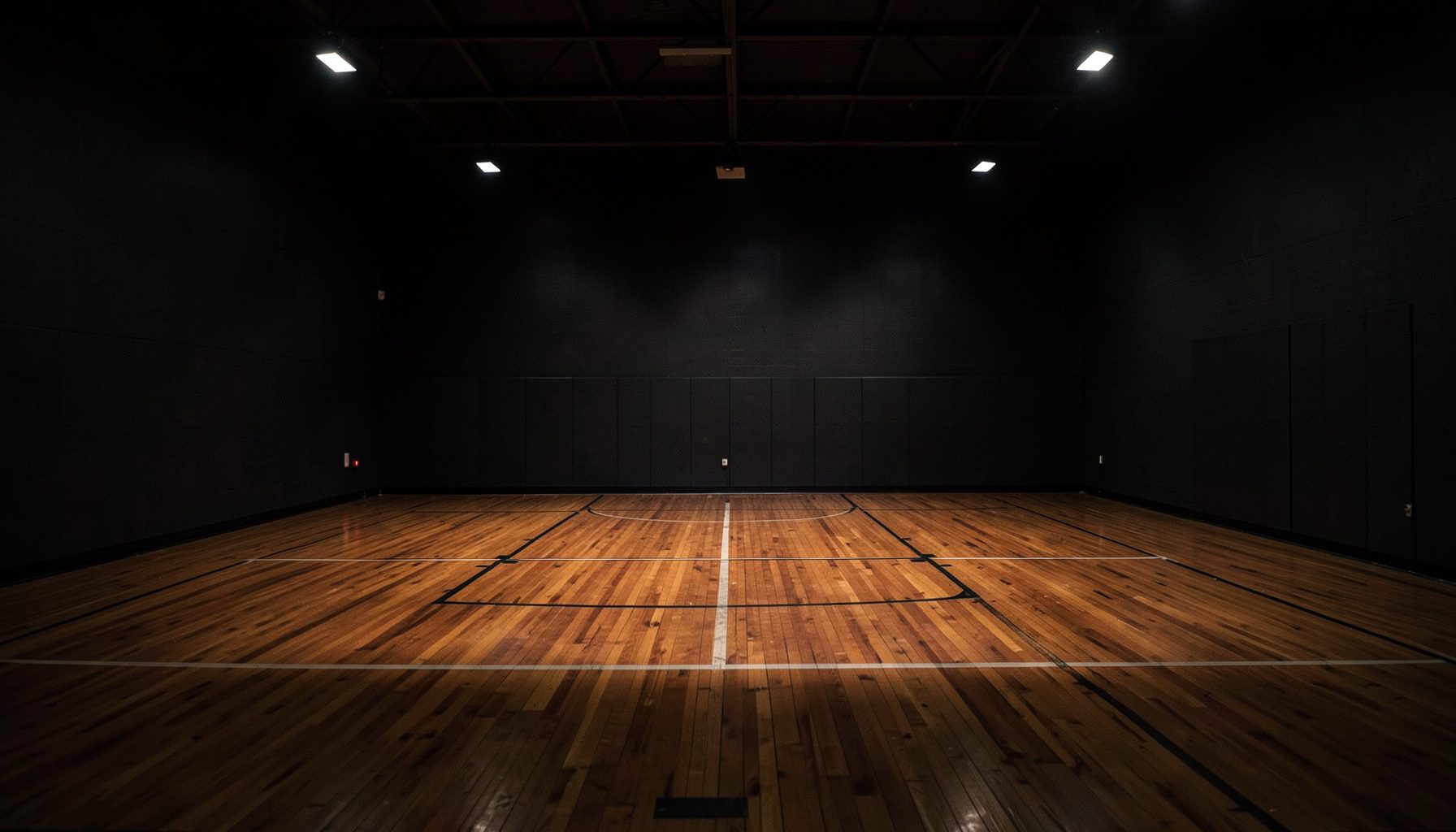
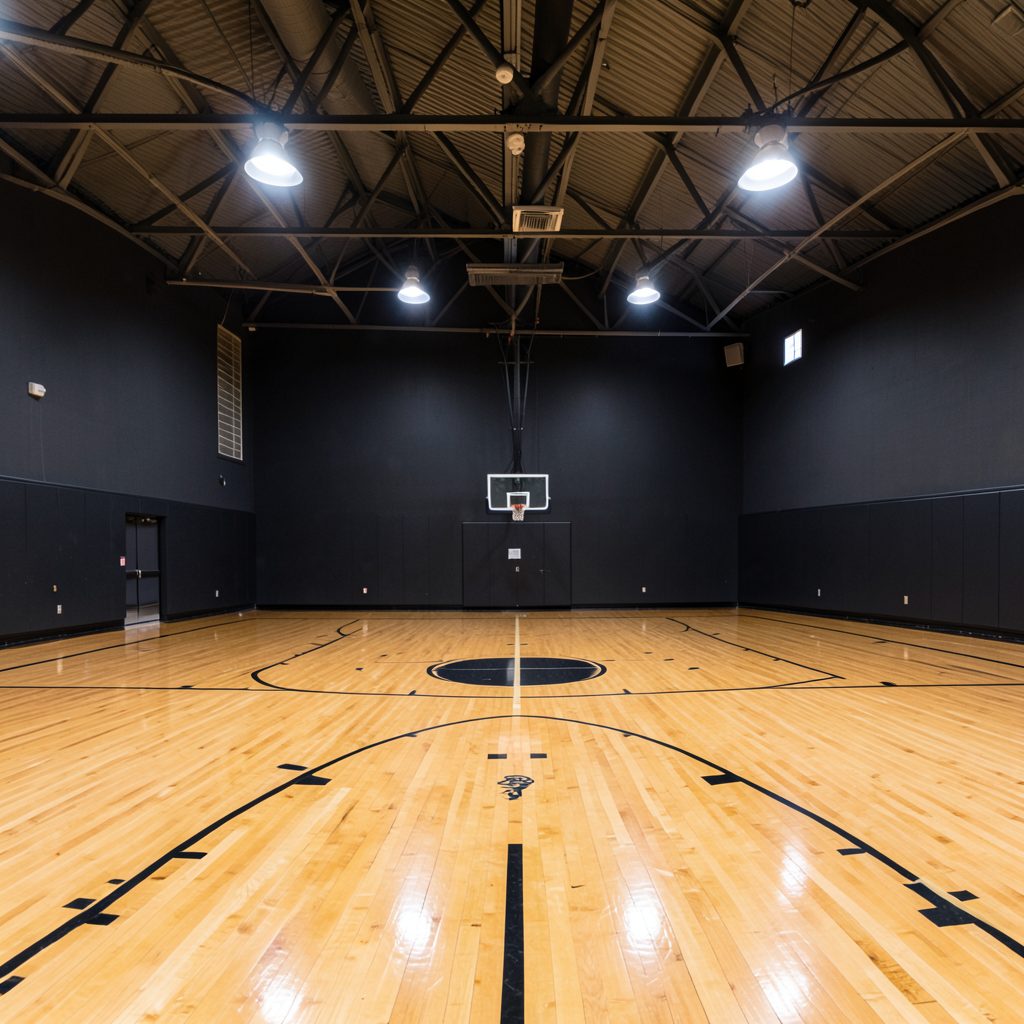
The Factory D1 Indy brings together three entities under one roof: competitive basketball leagues for all age groups, individual and group training, and wellness & recovery services including Normatec boot recovery and cryotherapy. Located off I-465 and High School Road at 6331 Crawfordsville Road, Speedway, Indiana 46224.
Get In TouchPreparing Your Body With Self-Myofascial Release Before Normatec
Recovery is no longer an afterthought for serious athletes. Across community courts in Brisbane, suburban strength rooms in Melbourne, and high-performance centres in Sydney, players and everyday gym-goers are stacking evidence-based recovery methods to handle the wear and tear of modern training. Two tools that pair especially well are self-myofascial release and Normatec compression therapy, and understanding how they work in sequence can dramatically improve how your legs, hips, and shoulders feel the morning after a hard session.
Before stepping into the compression boots, a few minutes of targeted foam rolling or ball work can loosen dense tissue, calm overactive muscle spindles, and prime the circulatory system. The remainder of this article walks through what each technique does, why order matters, and how athletes in Australia can build both practices into a routine that holds up through summer pre-seasons, winter strength blocks, and everything in between.
What self-myofascial release actually does
Self-myofascial release is a soft-tissue technique where pressure is applied with a tool, usually a foam roller, lacrosse ball, or peanut, to tense or knotted areas of muscle and fascia. The aim is not to smash tissue into submission but to modulate the tone of the nervous system, hydrate movement planes, and restore slide between layers of connective tissue. Think of it as a manual nudge that tells overprotective muscles it is safe to lengthen again.
The research picture is clearer than it was a decade ago. Foam rolling appears to increase range of motion without a measurable drop in strength or force output, which makes it especially useful as a warm-up tool for field-sport athletes who need to stay explosive. Cricket fast bowlers training through the Australian summer, for example, often use brief rolling sequences on the quads, calves, and thoracic spine before nets to feel looser through their run-up without slowing their stride. The effect is more about perception and tissue glide than about physically breaking up scar tissue, which is a common misconception in the recovery space.
How Normatec compression supports the work
Normatec devices use dynamic compression sleeves that pulse from the feet upward, mimicking the muscle-pumping action of the calf and encouraging fluid movement through the limbs. The session feels like a rhythmic squeeze and release that travels in waves, and many users describe the experience as the most relaxed ten or twenty minutes of their training week. In Australia, recovery studios in Sydney's CBD and recovery lounges attached to AFL-aligned gyms have made these sessions almost routine for athletes preparing for round one of the season.
What compression does particularly well is move blood and lymph. When used after manual release, the loosened tissue and open movement planes allow the compression pulse to do its job more effectively, sliding into deeper tissue layers and supporting circulation back to the heart. Think of foam rolling as opening the gates and Normatec as the flow that follows. Without that preparation, the compression can still help, but the perceived benefit tends to be more surface than systemic.
Why sequencing matters for athletes
The order in which you stack recovery techniques shapes the outcome. If you jump straight into the boots without addressing tight bands first, you are essentially pressing on tissue that is already braced. Foam rolling first gives you a chance to find tender spots, hold them under tolerable pressure, and breathe through the discomfort, which downregulates the local nervous system. By the time you step into the sleeves, your nervous system is in a calmer state and your tissues are better positioned to accept the flush.
For the rugby league crowd training through a hot Brisbane pre-season, this sequencing can be the difference between walking off the field heavy-legged on Friday and feeling springy on Saturday morning. The same logic applies to weekend warriors in Perth who stack a long run with a recovery session afterwards. A three to eight minute rolling block, followed by ten to thirty minutes of compression, tends to outperform either tool used in isolation.
Tools you will find in Australian studios and gyms
Most modern recovery spaces in Melbourne, Adelaide, and the Gold Coast now stock a spread of rollers and balls that cover different needs. A standard high-density foam roller works well for the quads, calves, hamstrings, and upper back. A softer grid roller is friendlier for beginners or anyone rolling through sensitive IT bands. Lacrosse balls and peanut tools excel at precision work in the glutes, shoulder blades, and arch of the foot, areas where a flat roller simply cannot reach with any accuracy.
For athletes who train outdoors through an Australian winter, vibration rollers have grown in popularity because the added oscillation seems to relax tight calves after long sessions on cold, unforgiving turf. Whatever tool you choose, the goal is the same: tolerate pressure, breathe slowly, and move through the available range rather than chasing pain. If you are unsure which tool suits your body, the digital magazine from The Factory D1 Indy publishes practical breakdowns of recovery equipment that can help guide your next purchase.
A simple pre-session routine you can follow
Start by spending around sixty seconds on each major area. Roll the calves, hamstrings, quads, glutes, thoracic spine, and lats with slow passes, pausing on tender spots for a breath or two. Avoid rolling directly over joints, the lower back, or any area with acute injury. The intensity should feel like a seven out of ten, firm enough to challenge the tissue but light enough that you can stay calm and breathe through it.
Once the rolling block is finished, hydrate, change into compression-friendly clothing, and settle into the Normatec sleeves. Use the session as a quiet window to breathe, scroll through recovery notes from your coach, or simply close your eyes. Many users report that pairing the routine with slow nasal breathing amplifies the parasympathetic effect, leaving them noticeably calmer before bed. Consistency matters more than duration here, and a short rolling pass followed by a moderate compression session three times a week will outperform a heroic once-a-month effort.
Mistakes that undermine the protocol
The first mistake is rolling too aggressively. White-knuckling a lacrosse ball into your piriformis rarely speeds recovery and often leaves you more guarded the next day. A second common error is skipping the rolling block entirely because the compression boots feel more relaxing, missing the priming benefit of manual work. A third issue is treating either tool as a substitute for sleep, hydration, and balanced training load. Normatec and foam rolling are amplifiers, not magic.
There is also a timing trap. Rolling immediately before a max-effort lift can blunt force output in some athletes, so keep intense rolling for separate sessions or pair it with lighter warm-ups. Finally, athletes often forget the upper body. AFL-listed midfielders and cricket all-rounders in particular carry significant upper-back and shoulder tension from overhead work, and skipping the lats and thoracic spine can leave the legs recovered while the shoulders still feel heavy.
Building a recovery rhythm that lasts
Recovery is built on habits you can repeat, not on one-off sessions. Pair your self-myofascial release with a regular Normatec block, choose the same two or three days each week, and protect them the way you would a skills session. Track how your legs feel the next morning, tweak the rolling time, and adjust the compression level until you find a rhythm that matches your training load.
If you train in a shared facility, talk to the staff about how the equipment is set up and whether any sessions are scheduled around team commitments. Coaches in community clubs from Darwin to Hobart are increasingly willing to programme recovery windows into the weekly plan, and a short chat with the right person can open doors. If you would like tailored guidance on building a routine around Normatec and related recovery tools, you can reach out to the team at The Factory D1 Indy for advice specific to your sport and schedule.
Book your next Normatec session, roll out the foam cylinder tonight, and give your body the two-minute window it needs to feel noticeably better by tomorrow.
Inside The Factory

Three Entities, One Roof
Leagues
Eight league divisions span every age group: Indy Pro AM, 18+ Open Men's, 30+ Men's, Bite Size (ages 3–6), Impact League, 5th/6th Grade, Middle School, and High School. Gather your team and compete.
Training
Individual and group basketball training for all skill levels. Major M.O.V.E.S. Basketball Training serves ages 4–7 on Wednesday and Thursday evenings at 6:30 PM — $30 per session or $100 unlimited monthly.
Wellness & Recovery
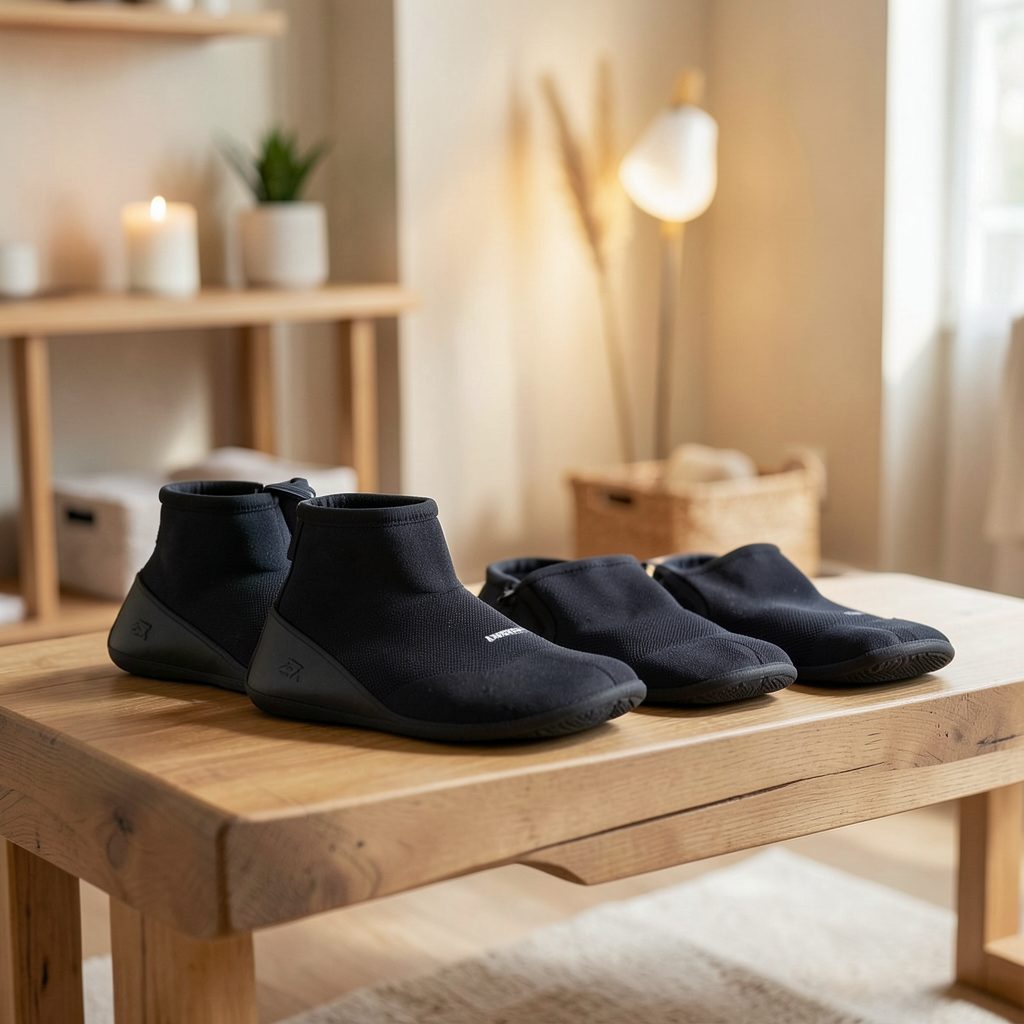
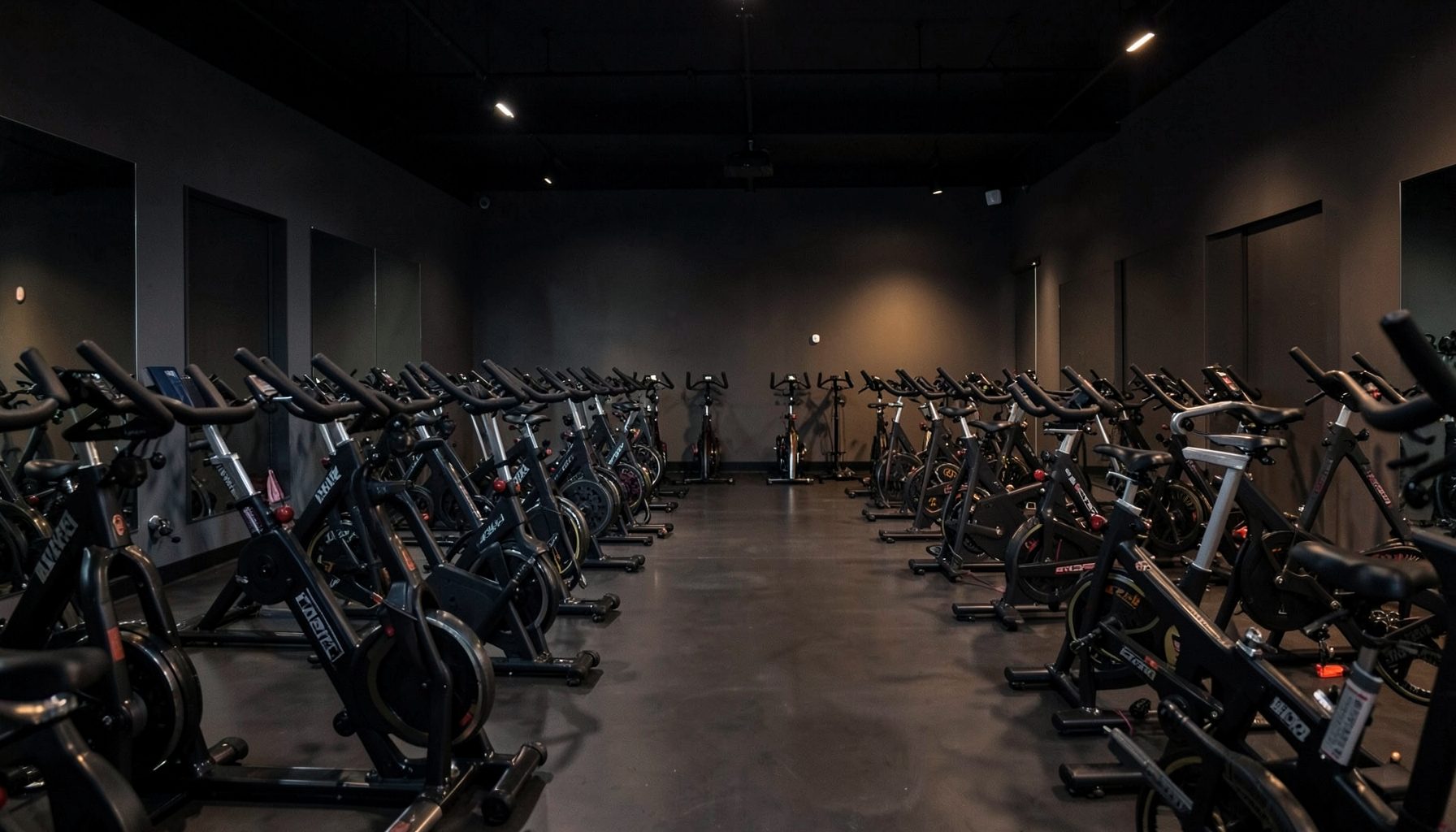
Normatec boot recovery and cryotherapy treatments help athletes bounce back faster. Cycle and spin classes add a cardio dimension to the holistic performance approach.
Have a Question?