Train. Compete. Recover.
A multi-purpose athletic facility in Speedway, Indiana — basketball leagues, skill training, and wellness services all under one roof.
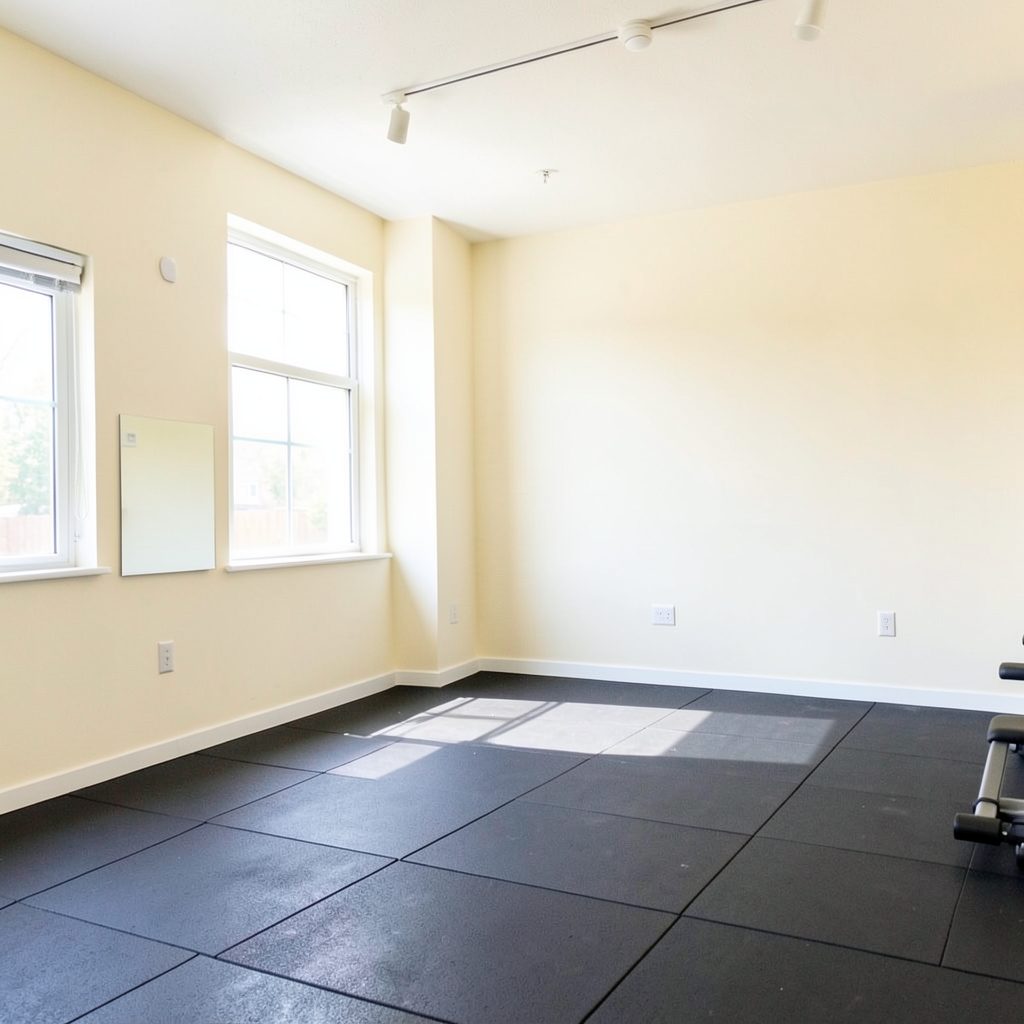
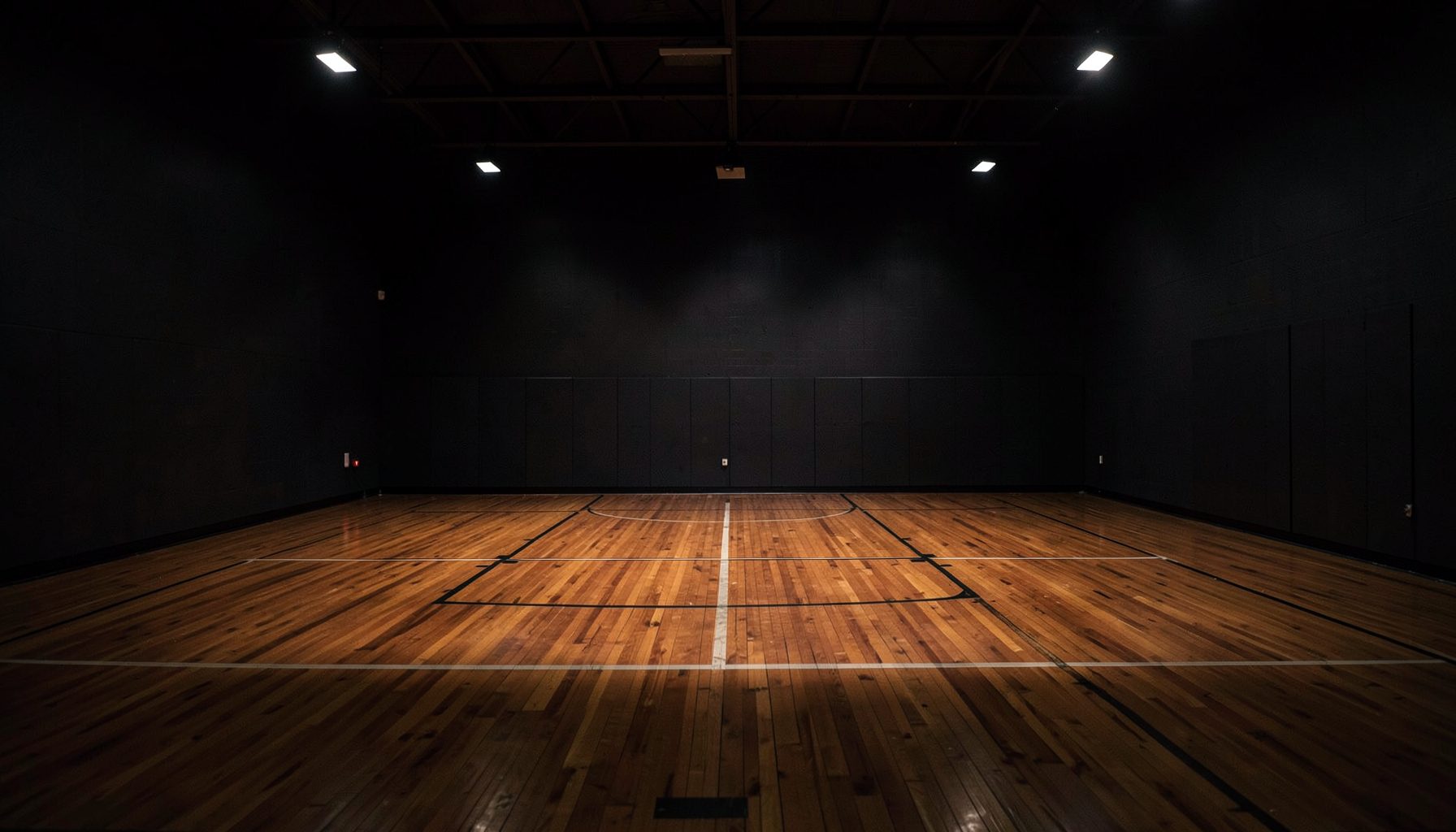
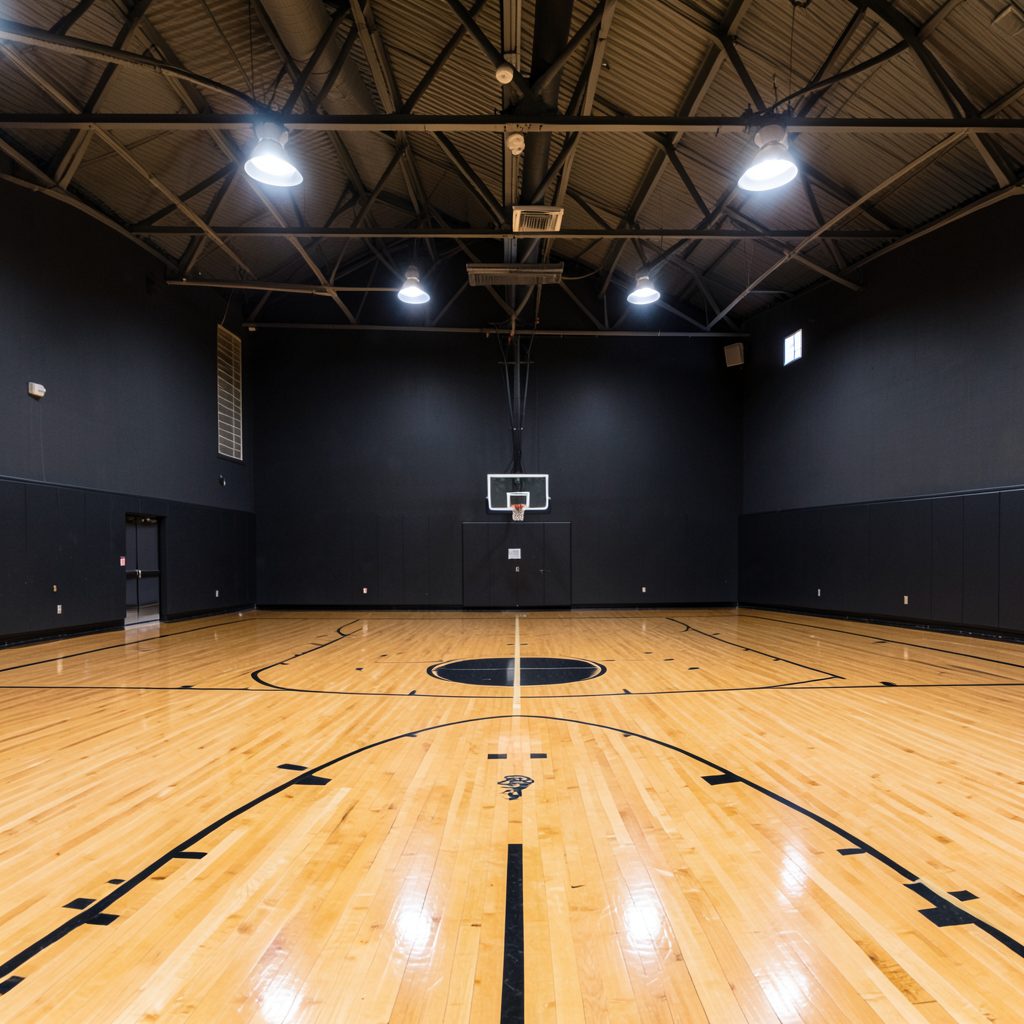
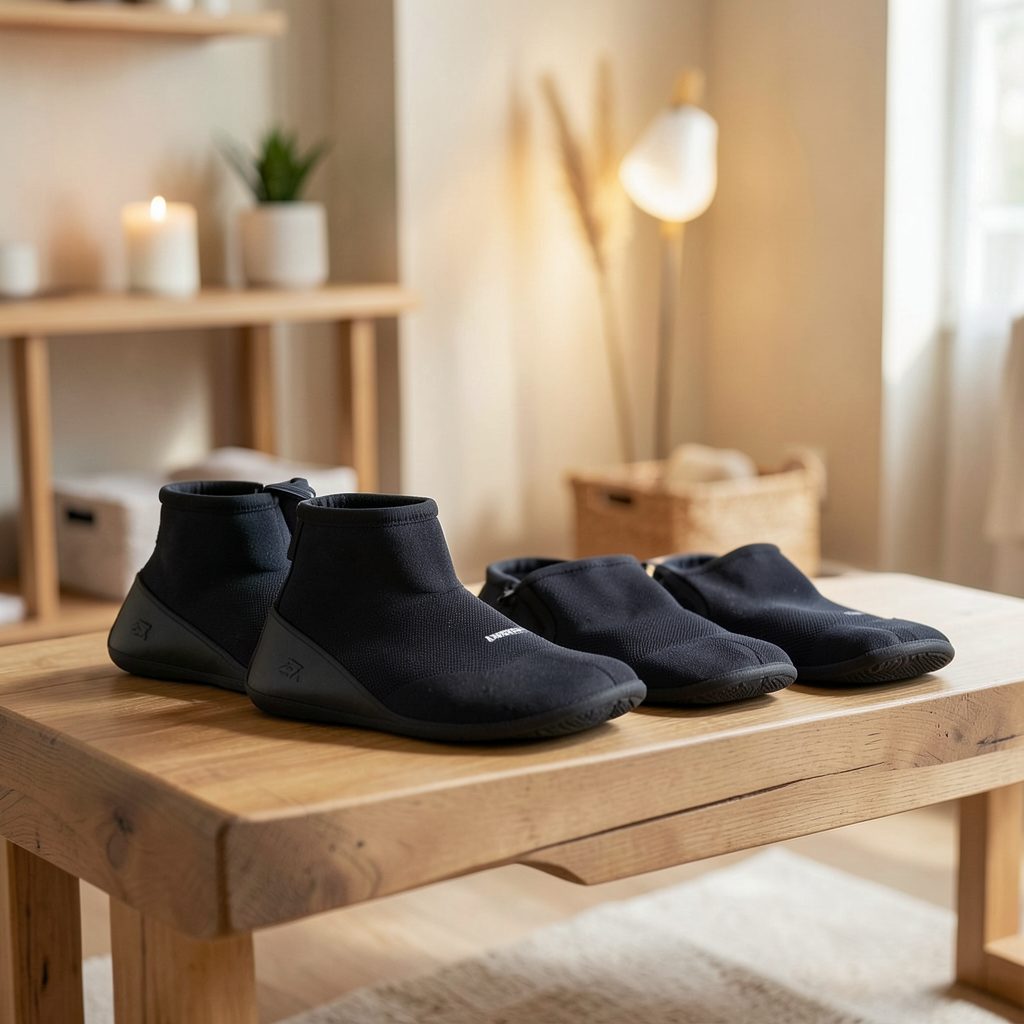
The Factory D1 Indy brings together three entities under one roof: competitive basketball leagues for all age groups, individual and group training, and wellness & recovery services including Normatec boot recovery and cryotherapy. Located off I-465 and High School Road at 6331 Crawfordsville Road, Speedway, Indiana 46224.
Get In TouchStatic Stretching After Basketball Games for Flexibility
Basketball places repeated demands on the body through sprinting, jumping, braking and sudden changes of direction. After full-court games, hips and calves often feel tight, while ankles, hamstrings and the lower back may feel compressed from repeated crouching. A useful cooldown addresses those patterns without assuming every athlete needs the same range of motion.
Static stretching involves holding a comfortable position without bouncing. It can settle the body after intense physical work, particularly when muscles are still warm. Its immediate effects may feel easier than they are permanent, so athletes should distinguish between a temporary increase in movement tolerance and a lasting change in muscle length.
The role of static stretching after basketball games for long-term flexibility is practical rather than magical. A short, consistent routine can ease residual tension, reinforce comfortable movement limits and establish a dependable recovery habit. Tissue adaptation comes from repeating movement and loading well over weeks, not from forcing a deeper split once.
A useful routine also respects recovery needs. Walking, hydration, sleep and appropriate nutrition matter alongside mobility work. Static stretching works best as one part of a broader plan that includes strength, basketball-specific movement and enough rest between demanding sessions.
What post-game stretching contributes
Static stretching uses sustained, low-speed pressure to position a muscle at a comfortable length. After basketball, holds for the calves, hamstrings, hip flexors, glutes and upper back can reduce the feeling of stiffness created by repeated acceleration, landing and directional change. Each position should remain controlled rather than aggressive.
Different athletes develop different restrictions. A guard who struggles to change direction may need ankle mobility, while a taller player may feel limited through the hips and hamstrings. Postural rotation can also matter for players who spend parts of games reaching, screening or tracking the ball. The routine should address relevant movement patterns rather than simply trying to touch the floor.
What flexibility gains really last
The clearest evidence supports a temporary improvement in range of motion after static stretching. Muscles and nervous-system tolerance may allow an athlete to move a little farther during the cooldown. That change can be useful, although it does not prove that the underlying tissues have permanently lengthened.
Durable flexibility develops through repeated, comfortable mobility alongside progressive strength and sport-specific loading. Athletes who maintain an active range while building calf, hamstring and hip strength are more likely to retain it. Holding a stretch for several minutes after one game cannot compensate for a training week dominated by immobility or inadequate recovery.
Static stretching by itself is not a reliable injury-prevention programme. Dynamic warm-ups before play, controlled strength training, suitable footwear and progressive game loads carry greater importance. Post-game stretching may support comfort and movement variety, but athletes should never treat it as permission to ignore pain, weakness or sudden changes in performance.
Building a practical basketball cooldown
Begin with several minutes of easy walking while breathing normally. This allows breathing and heart rate to settle without moving immediately into deep positions. Gentle ankle circles, hip controlled rotations and a few relaxed squats can follow, especially when a game finishes suddenly or the athlete feels unusually stiff.
A simple sequence might include one or two rounds of 20-to-30-second holds for each side of the calves, hamstrings, hip flexors and glutes. Upper-body players can add gentle chest and shoulder positions, while thoracic rotation drills can restore the turning motion used for screens, rebounds and passes. Comfortable, repeatable positions are more valuable than forcing symmetry.
Keep breathing slow and avoid bouncing. Stretching should not create sharp pain, tingling, numbness or a loss of control. If a position produces those sensations, release the stretch and seek assessment when symptoms persist. Athletes also need not compete with teammates or compare range of motion during the same cooldown.
Pairing mobility with recovery
Static stretching fits most naturally after activity, while dynamic mobility generally prepares an athlete before it. Before the next game, athletes may benefit from walking lunges, leg swings, lateral shuffles and controlled rotation that gradually raise temperature and movement confidence. The post-game routine can then use slower holds to settle tissues and restore comfortable mobility.
Recovery tools can complement stretching without directly creating long-term flexibility. Compression may help manage the feeling of heavy or tired legs after demanding games, while cryotherapy may provide temporary pain relief for some athletes. This recovery science overview explains how those modalities fit within a wider recovery strategy. Neither should be used to mask warning signs or replace medical advice when injury is suspected.
Sleep, food and hydration influence how athletes respond to mobility work. Adequate protein, regular meals and replacing fluid lost through sweating support tissue recovery. Australian summer games may be especially demanding, so athletes training outdoors should monitor fluid intake carefully rather than relying solely on thirst during fast, extended play.
Australian conditions and training rhythms
Basketball seasons run opposite those in Europe and North America, placing pre-season preparation around the Australian spring. Weather can also change quickly. Melbourne’s variable conditions, Sydney’s humid summers, Brisbane’s tropical heat and Perth’s dry summers can all affect perceived tightness and fatigue, even when games take place indoors.
Many Australian players arrive at training directly after school, work or travel. Community courts, school gyms and multi-sport clubs are common training environments, which makes short routines especially valuable. A cooldown that can be completed in ten to twelve minutes is more likely to survive a busy week than an elaborate protocol requiring equipment or a private treatment room.
The Australian fitness market includes council centres, private studios, specialised academies and clubs offering recovery memberships. Players should consider whether group access, coaching and recovery services are included or charged separately. Value matters, but transparent conditions and qualified supervision matter more than an expensive list of technologies.
Turning consistency into measurable progress
Athletes can track progress without constantly checking whether they can touch their toes. Record the time needed to complete the routine, note which positions feel restricted and record one simple mobility measure each week. A comfortable squat, ankle-rocking drill or controlled hip rotation can show whether usable range is being maintained alongside strength.
The Factory D1 Indy digital magazine provides practical material for basketball training and recovery. Players can apply the same principle across individual skills sessions, group programmes and age-appropriate leagues: use consistent cues, adjust the routine to the athlete and avoid chasing a single flexibility score.
Progress should remain gradual. Increasing hold time can be useful when it does not create strain, but adding gentle strength through the stretched position often translates more directly to basketball movement. Reducing falls, improving balance and reaching defensive positions with greater control are meaningful signs that mobility work is becoming useful on court.
Choosing a responsible training environment
A qualified coach or exercise professional should understand joint movement, muscle anatomy and the demands of basketball. Youth programmes also require appropriate supervision, clear communication with parents and progression based on age and ability. Athletes should feel free to ask why a position is being used and how staff will modify it for pain, previous injury or restricted movement.
Recovery claims deserve the same scrutiny as training claims. No stretching protocol, compression session or cold treatment can guarantee injury prevention or permanent flexibility. Under Australian Consumer Law, businesses must avoid misleading conduct and provide clear pricing and material terms for memberships, classes and recovery add-ons. Consumers can therefore compare what a programme includes instead of relying on exaggerated promises.
Make the next post-game routine simple: walk, breathe, stretch the relevant areas and record how it felt. Players at Factory D1 Indy can build that routine around skills training, competitive leagues, conditioning and appropriate recovery services. Consistent movement, combined with strength and adequate rest, turns the post-game block into lasting on-court flexibility.
Inside The Factory

Three Entities, One Roof
Leagues
Eight league divisions span every age group: Indy Pro AM, 18+ Open Men's, 30+ Men's, Bite Size (ages 3–6), Impact League, 5th/6th Grade, Middle School, and High School. Gather your team and compete.
Training
Individual and group basketball training for all skill levels. Major M.O.V.E.S. Basketball Training serves ages 4–7 on Wednesday and Thursday evenings at 6:30 PM — $30 per session or $100 unlimited monthly.
Wellness & Recovery
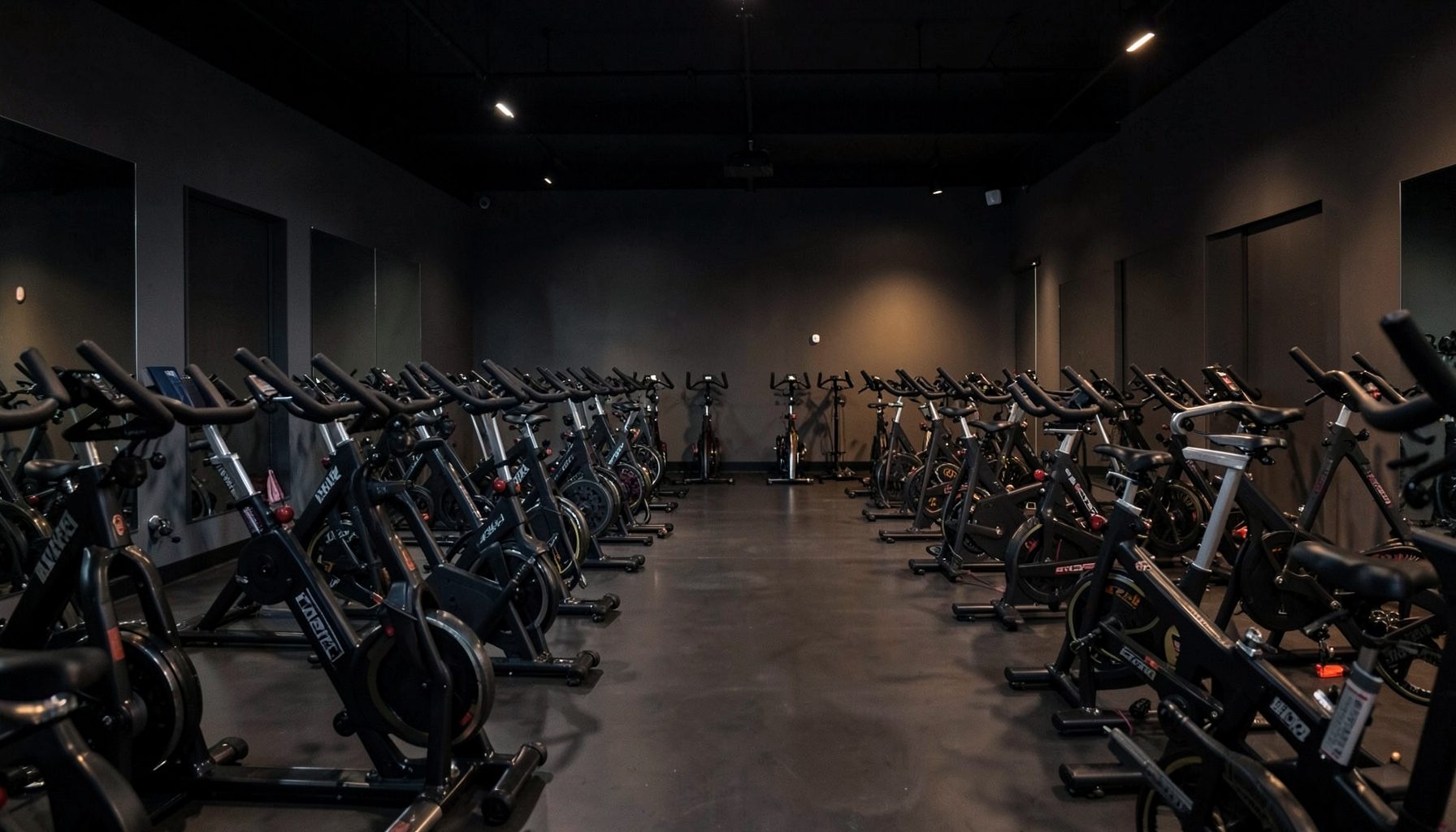
Normatec boot recovery and cryotherapy treatments help athletes bounce back faster. Cycle and spin classes add a cardio dimension to the holistic performance approach.
Have a Question?