Train. Compete. Recover.
A multi-purpose athletic facility in Speedway, Indiana — basketball leagues, skill training, and wellness services all under one roof.
The Factory D1 Indy brings together three entities under one roof: competitive basketball leagues for all age groups, individual and group training, and wellness & recovery services including Normatec boot recovery and cryotherapy. Located off I-465 and High School Road at 6331 Crawfordsville Road, Speedway, Indiana 46224.
Get In TouchThe Science Behind Cryotherapy for Muscle Inflammation Relief
Hard training creates useful stress, but it can also leave muscles sore, stiff, and temporarily less capable. Basketball players who sprint, jump, change direction, and compete repeatedly may experience delayed-onset muscle soreness, minor swelling, and fatigue after practices or games. Recovery methods aim to manage these responses without interfering with the body’s natural repair process.
Cryotherapy uses controlled cold exposure to influence pain signals, blood flow, and tissue temperature. It can involve a targeted cold treatment, an ice bath, or whole-body exposure in a specialized chamber. Each approach affects the body differently, and the best choice depends on the athlete’s goals, timing, health history, and training demands.
Understanding the physiology helps athletes use cold therapy more intelligently. Cryotherapy can provide short-term relief and support comfort after intense activity, but it is not a cure for an injury and should not replace medical evaluation, sound programming, hydration, sleep, or appropriate strength work.
How Cold Changes Muscle Response
When cold is applied to the skin and underlying tissue, local blood vessels constrict. This vasoconstriction can reduce blood flow temporarily and may limit fluid movement into an area experiencing exercise-related swelling. Lower tissue temperature also slows nerve conduction, which can reduce the speed and intensity of pain signals reaching the brain.
Cold exposure may decrease muscle spindle activity as well. Muscle spindles help detect stretch and contribute to the sensation of tightness or protective muscle guarding. By dampening these signals, cryotherapy can make a fatigued area feel less uncomfortable and improve the athlete’s perception of recovery.
These effects are temporary. Once the cold stimulus ends and tissue temperature returns toward normal, circulation gradually increases again. The relief athletes feel may come from a combination of reduced nerve sensitivity, altered pain processing, decreased local fluid movement, and a general change in how the brain interprets discomfort.
Inflammation, Soreness, And Tissue Repair
Exercise-related inflammation is not automatically harmful. It is part of the body’s response to training stress and helps coordinate tissue remodeling. Immune cells, chemical messengers, and increased circulation participate in the repair process after demanding activity. The goal of recovery is to manage excessive discomfort and swelling while preserving the adaptations that make the body stronger.
Cold therapy may reduce some inflammatory symptoms, especially short-term swelling and soreness. However, the response depends on the treatment’s temperature, duration, timing, and the type of exercise performed. A brief, controlled application is different from prolonged or repeated exposure that significantly lowers tissue temperature.
Research on post-exercise cold treatment shows mixed results. Many athletes report less perceived soreness and improved comfort during the first day or two after strenuous activity. Evidence is less consistent regarding faster muscle repair, improved performance, or long-term training adaptations. Regularly using intense cold immediately after every resistance-training session may potentially blunt some signaling involved in muscle growth, so timing matters.
Comparing Cryotherapy Methods
“Cryotherapy” describes several practices rather than one standardized treatment. Localized cooling targets a specific muscle group, while cold-water immersion affects a larger portion of the body. Whole-body cryotherapy chambers expose the skin to very cold air for a short period, but the actual cooling of deep muscle tissue may differ from what occurs during immersion.
The table below summarizes the main distinctions athletes should consider when choosing a recovery strategy.
| Method | Primary Exposure | Potential Benefits | Important Considerations |
|---|---|---|---|
| Localized cold therapy | Ice pack or cooling device applied to one area | May ease focal soreness, tenderness, or mild swelling | Protect skin and avoid excessive duration |
| Cold-water immersion | Legs or body placed in cold water | Can reduce perceived soreness after intense competition | Temperature and immersion time strongly affect tolerance |
| Whole-body cryotherapy | Brief exposure to very cold air | May provide temporary pain relief and a refreshed feeling | Evidence for deep-tissue recovery remains limited |
| Active recovery | Low-intensity movement after training | Supports circulation and maintains mobility | Usually comfortable and easy to combine with other methods |
| Compression therapy | External pressure applied to limbs | May reduce feelings of heaviness and support fluid movement | Does not directly cool tissue or replace injury care |
For athletes at a multi-purpose facility, combining methods can be practical. A light mobility session may restore range of motion, while compression or cryotherapy can address discomfort after a demanding training block. The right combination should be based on symptoms and workload rather than a fixed recovery ritual.
Timing Cold Therapy Around Training
Cryotherapy is often most useful when soreness or swelling is interfering with normal movement. After a tournament, repeated games, or a high-volume conditioning session, cold exposure may help an athlete feel more comfortable later that day. It can also be useful when the priority is short-term readiness for another event within a limited recovery window.
Timing deserves more care after strength training. If building muscle and improving strength are primary goals, immediate, frequent cold exposure may not be ideal because inflammation and cellular stress signaling contribute to adaptation. Athletes may choose other strategies first, such as food, sleep, gentle movement, and hydration, then reserve cryotherapy for periods of unusually high soreness or dense competition schedules.
Cold can also create a misleading sense of readiness. Reduced pain does not necessarily mean that a strained muscle, sprained joint, or irritated tendon is healed. An athlete who feels better after treatment should still complete a proper warm-up and use movement quality, strength, and coordination as markers before returning to full intensity.
Recovery For Basketball Athletes
Basketball places repeated demands on the calves, quadriceps, hamstrings, hips, and feet. Frequent jumping and deceleration can create cumulative soreness even when no single movement causes an obvious injury. Recovery services can help athletes manage the physical cost of practices and competitions while keeping their routines organized.
At The Factory D1 Indy, cryotherapy can fit into a broader athletic schedule that includes basketball skills training, competitive leagues, conditioning, and wellness services. Athletes balancing school, work, and competition can use a structured recovery appointment to support consistency rather than waiting until soreness becomes disruptive. Players preparing for their next game can also review league registration details while planning training and recovery around their schedule.
The most useful approach is individualized. A youth athlete, an adult recreational player, and a high-level competitor may have different recovery needs, tolerance levels, and reasons for using cold therapy. Coaches and facility staff can help athletes think about workload, symptoms, and upcoming activity, while medical professionals should handle suspected injuries or persistent pain.
Safety And Sensible Use
Cold exposure is not appropriate for everyone. People with cold intolerance, Raynaud’s phenomenon, certain circulation disorders, uncontrolled high blood pressure, significant heart disease, reduced sensation, or open skin injuries should seek medical guidance before using cryotherapy. Pregnancy, diabetes, and medication use may also require individual assessment.
A safe session should be supervised according to the equipment and facility protocol. Athletes should follow recommended exposure times, keep skin protected when using localized cooling, and stop immediately if they experience intense burning, numbness that does not resolve, dizziness, unusual shortness of breath, chest discomfort, or confusion. More intense cold is not automatically more effective.
Cryotherapy should also be avoided over an undiagnosed injury when the cold might conceal important symptoms. Severe swelling, deformity, inability to bear weight, bruising that worsens, or pain that persists should be assessed by a qualified healthcare professional. Recovery treatments support a training plan; they do not replace diagnosis or rehabilitation.
Practical Recovery Recommendations
Athletes can make cold therapy more useful by treating it as one part of a complete recovery plan:
- Use cryotherapy for short-term soreness or swelling relief, not as proof that an injury has healed.
- Consider the next training session before choosing immediate post-workout cold exposure.
- Pair recovery treatments with adequate sleep, hydration, nutrition, mobility, and appropriately scaled training.
- Follow facility instructions and report discomfort, numbness, or unusual symptoms during a session.
- Seek professional evaluation when pain is severe, persistent, or associated with loss of function.
A well-timed cryotherapy session may help an athlete feel less sore and more prepared to move, especially during congested competition schedules. Its greatest value comes from thoughtful use: matching the treatment to the body’s condition, the demands of the sport, and the athlete’s longer-term goals.
Schedule recovery alongside your next training session or competition at The Factory D1 Indy, and make evidence-informed care part of how you train, compete, and stay ready.
Inside The Factory
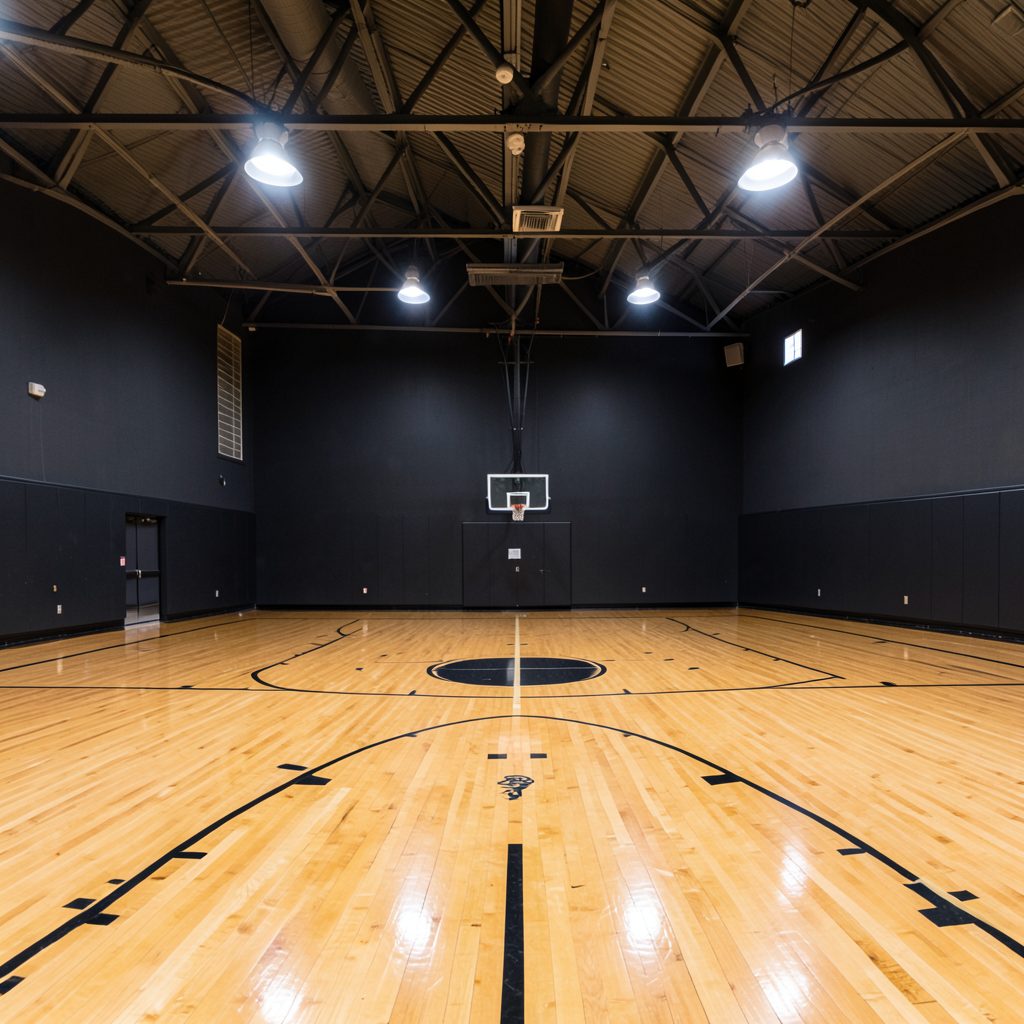

Three Entities, One Roof
Leagues
Eight league divisions span every age group: Indy Pro AM, 18+ Open Men's, 30+ Men's, Bite Size (ages 3–6), Impact League, 5th/6th Grade, Middle School, and High School. Gather your team and compete.
Training
Individual and group basketball training for all skill levels. Major M.O.V.E.S. Basketball Training serves ages 4–7 on Wednesday and Thursday evenings at 6:30 PM — $30 per session or $100 unlimited monthly.
Wellness & Recovery
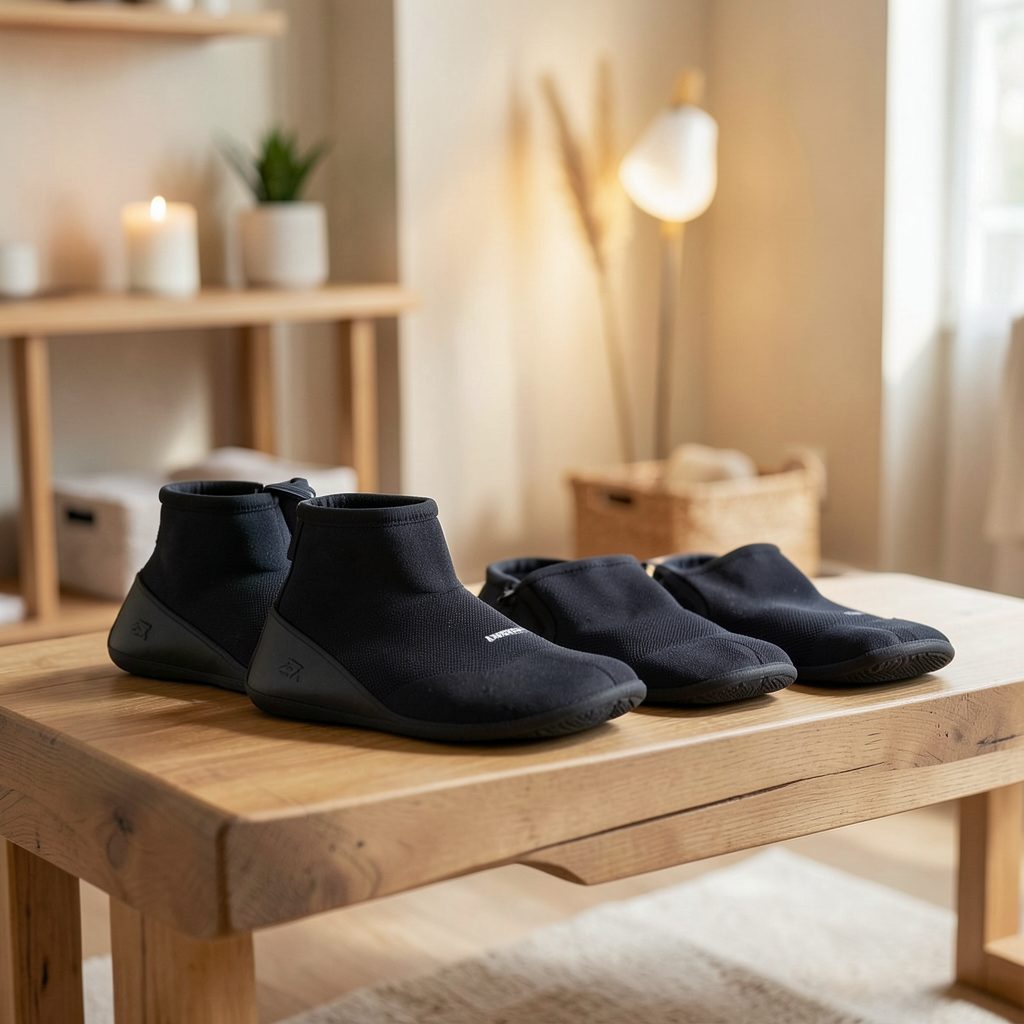
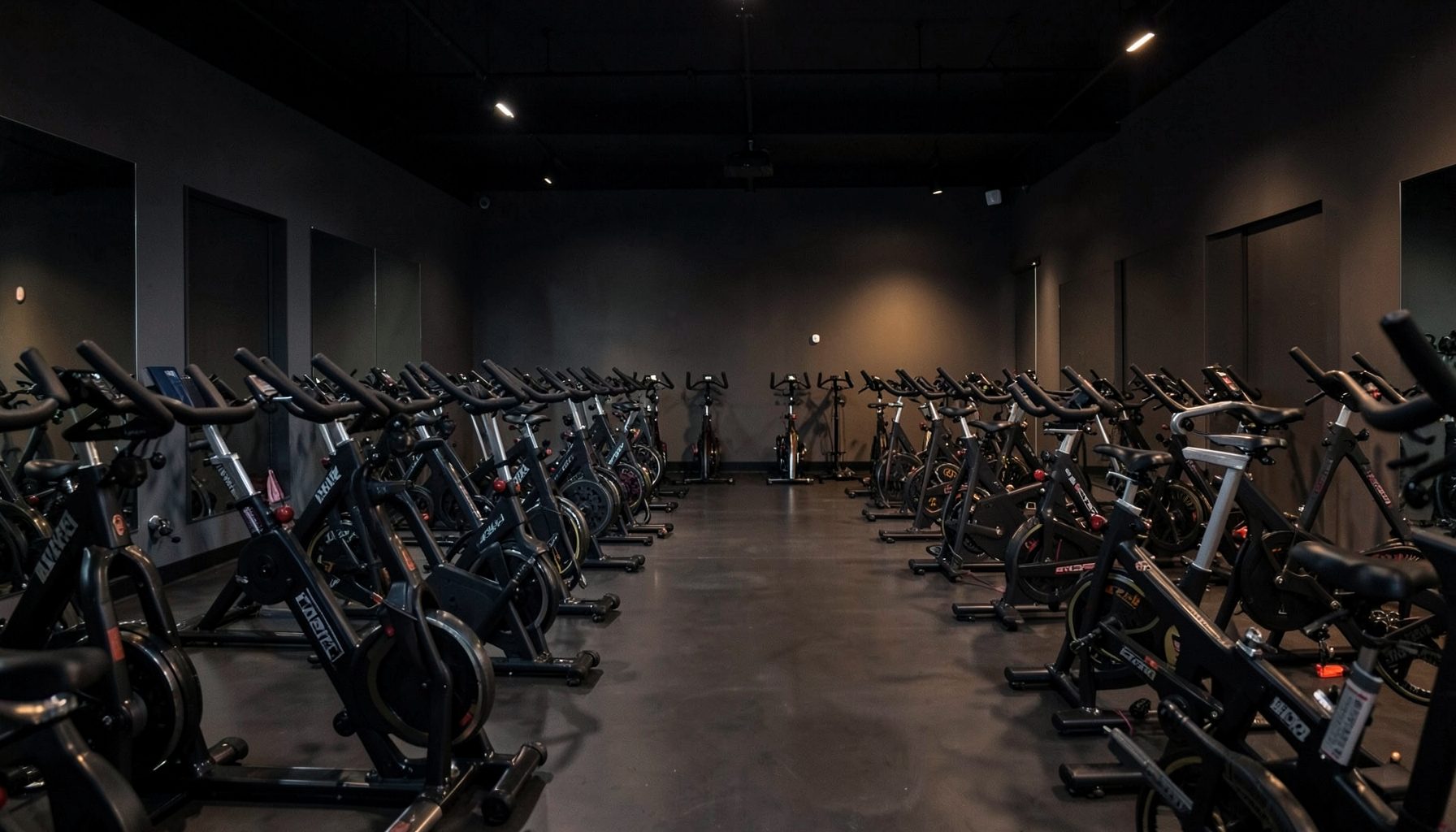
Normatec boot recovery and cryotherapy treatments help athletes bounce back faster. Cycle and spin classes add a cardio dimension to the holistic performance approach.
Have a Question?