Train. Compete. Recover.
A multi-purpose athletic facility in Speedway, Indiana — basketball leagues, skill training, and wellness services all under one roof.
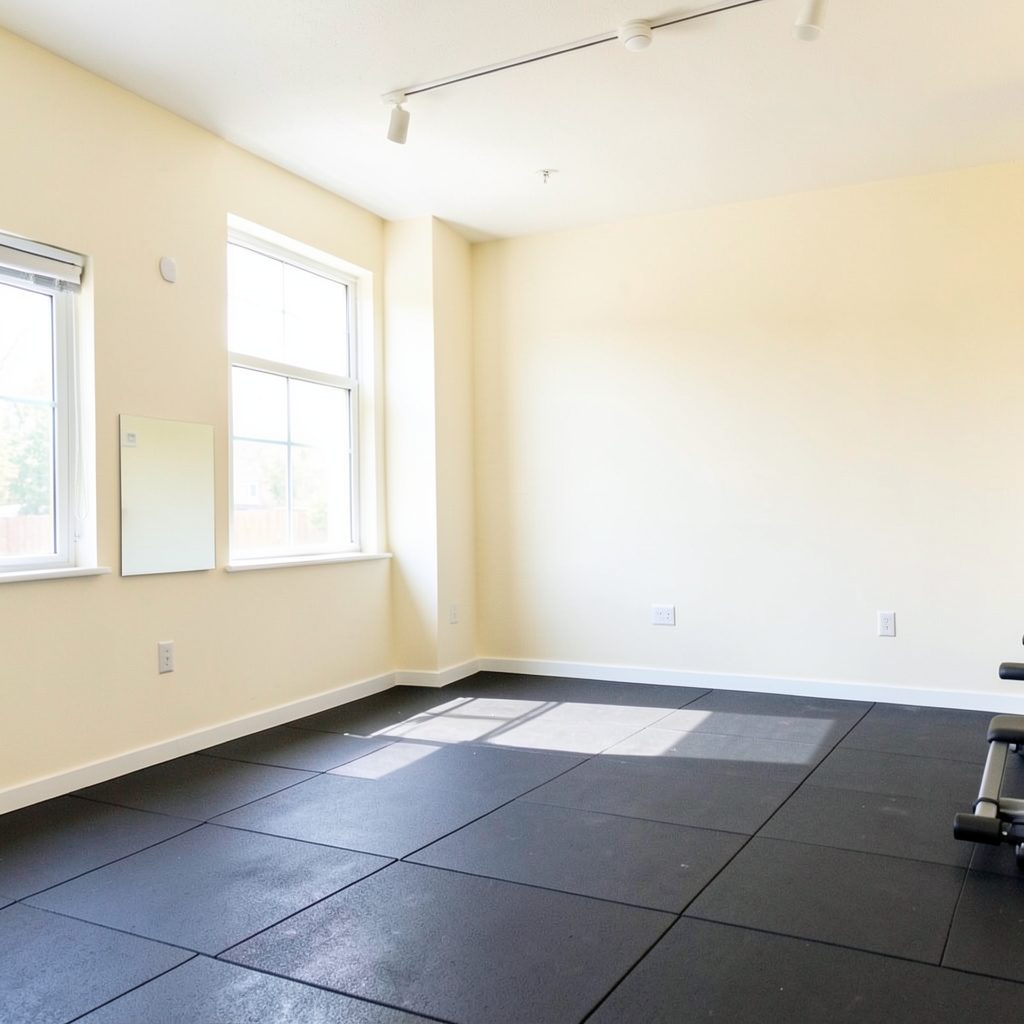
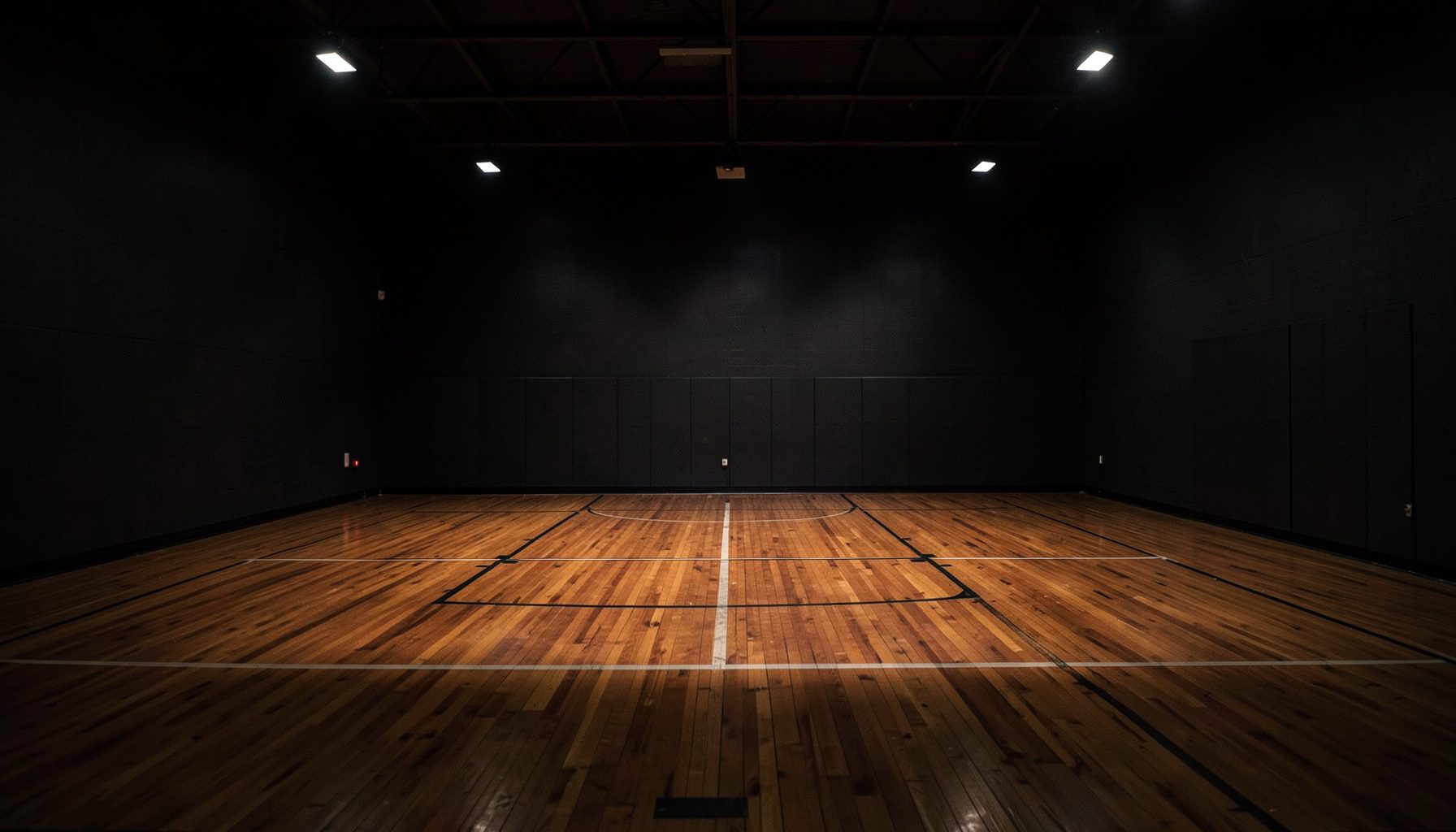
The Factory D1 Indy brings together three entities under one roof: competitive basketball leagues for all age groups, individual and group training, and wellness & recovery services including Normatec boot recovery and cryotherapy. Located off I-465 and High School Road at 6331 Crawfordsville Road, Speedway, Indiana 46224.
Get In TouchThe Science Behind Normatec Boots And Lymphatic Drainage For Athletes
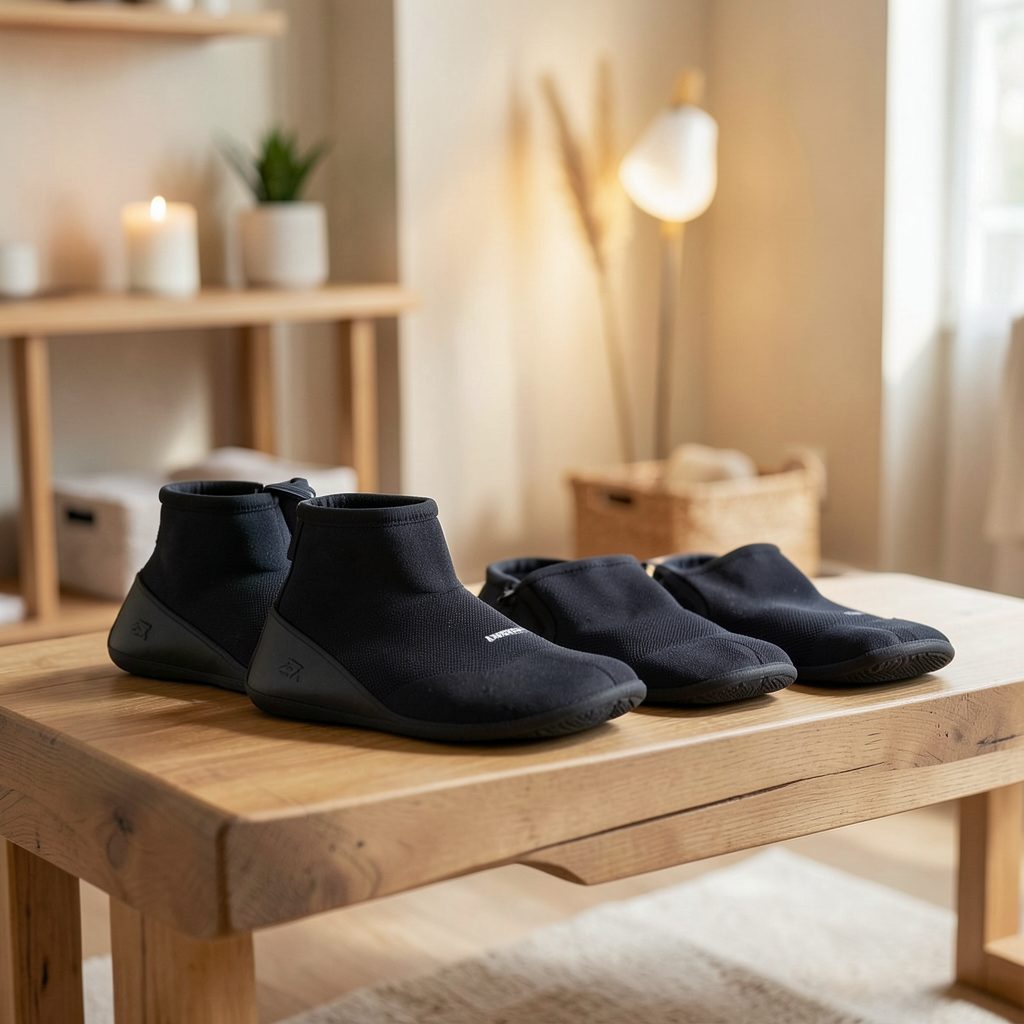
Athletes are increasingly using pneumatic compression after training, competition and long travel. Normatec boots are designed to apply controlled pressure around the legs, creating a sequence that may support circulation and ease the heavy, tired feeling that often follows hard exercise. The technology is popular among basketball players, runners, cyclists and field-sport athletes because it is passive, convenient and easy to fit into a recovery routine.
For Australian athletes, recovery has a practical dimension. A basketball session in Brisbane humidity, a long drive home after a Melbourne tournament or an early training start in Sydney can all add to the sensation of swollen, fatigued legs. Understanding what compression can and cannot do helps athletes use it sensibly alongside sleep, hydration, nutrition, mobility work and appropriate medical care.
How Pneumatic Compression Works
Normatec systems use inflatable chambers that wrap around the legs. The chambers fill and release in sequence, usually moving from the foot and ankle upward toward the calf and thigh. This pattern is called intermittent pneumatic compression. It creates a gentle external pressure gradient rather than holding the entire limb under the same force at once.
The main physiological target is fluid movement through the circulatory system. Pressure can help compress superficial veins and encourage venous blood to travel back toward the heart. It may also assist the movement of interstitial fluid, the liquid surrounding cells. This is relevant after exercise because muscle contractions normally act as a natural pump, but that pumping action stops when an athlete sits or lies down.
The boots do not actively “flush” lactic acid from muscles, and they cannot remove every waste product associated with exercise. Lactate is processed relatively quickly by the body and is not the primary cause of next-day muscle soreness. The more realistic benefits are temporary changes in limb comfort, circulation and perceived recovery.
Lymphatic Drainage And Athletic Recovery
The lymphatic system collects excess fluid, proteins and cellular material from tissues before returning lymph to the bloodstream. Unlike the heart, it does not have one central pump. Lymph flow is influenced by breathing, movement, muscle contractions and pressure changes in surrounding tissues. A compression device may support this process by gently encouraging fluid toward larger lymphatic pathways.
That mechanism is different from manual lymphatic drainage, which is a specialised hands-on technique performed by a trained practitioner. Boots provide broad, repeated pressure; they do not assess individual lymph pathways or adapt touch to scar tissue, fibrosis or complex swelling. For healthy athletes with ordinary post-training heaviness, pneumatic compression may be a useful recovery tool. It should not be treated as a substitute for clinical lymphoedema management.
Research on recovery outcomes remains mixed. Some studies report improved perceived freshness, reduced limb discomfort or a short-term improvement in range of motion. Evidence for faster muscle repair, greater strength recovery or improved performance is less consistent. An athlete may feel better after a session without the underlying tissue damage being fully resolved, so comfort should not be mistaken for complete recovery.
Where Compression Fits In
The most useful time to wear recovery boots is usually after demanding training, competition or prolonged sitting. A session may be especially comfortable when the legs feel heavy after repeated jumps, court sprints or cycling intervals. Athletes can also use compression after travelling to tournaments, although regular movement breaks, water and a well-fitting travel plan remain important.
At The Factory D1 Indy, athletes can combine training with recovery services through the facility’s wellness and recovery offering. The broader lesson applies to Australian settings too: compression works best as one part of a structured routine rather than as a replacement for conditioning, rehabilitation or professional assessment.
The appropriate pressure and duration depend on the device, the user and the reason for using it. More pressure is not automatically better. A session should feel firm and rhythmic, never painful, numb or sharply restrictive. Following the manufacturer’s instructions and starting with a moderate programme gives the athlete a safer way to judge comfort and response.
Safety, Screening And Sensible Use
Compression is not suitable for everyone. People with suspected or diagnosed deep-vein thrombosis, significant peripheral arterial disease, uncontrolled heart failure, acute infection, unexplained one-sided swelling or serious vascular conditions should seek medical advice before using pneumatic boots. Sudden calf pain, heat, redness, marked swelling or shortness of breath requires urgent medical attention rather than a recovery session.
Australian athletes should also understand the difference between a wellness service and healthcare treatment. A device supplied in Australia must meet applicable requirements administered by the Therapeutic Goods Administration when it is regulated as a medical device. That status does not guarantee that every advertised recovery claim is appropriate for every person, and it does not replace assessment by a physiotherapist, sports doctor or other qualified clinician.
Good practice includes checking skin sensation, avoiding use over open wounds and stopping if tingling, pain, dizziness or unusual colour changes develop. Athletes under 18 should use equipment with suitable supervision. People managing diabetes, vascular disease, cancer treatment, pregnancy-related swelling or recent surgery should obtain individual advice before trying compression.
Australian Athletes And The Recovery Market
Recovery habits vary across Australia’s sporting communities. Basketball players in Melbourne and Adelaide may move between school, work and evening competitions, while athletes in Sydney, Perth or Brisbane often build sessions around long commutes and busy club schedules. In regional areas, access to sports medicine can involve considerable travel, making clear self-care boundaries especially important.
Australia’s warm climate also affects how recovery feels. Training in summer heat can increase fluid loss and perceived fatigue, but boots do not replace water, electrolytes when appropriate, cooling strategies or rest. A compression session after an outdoor workout should come after the athlete has cooled down and rehydrated sensibly, not as a substitute for managing heat exposure.
The local fitness market includes physiotherapy clinics, boutique recovery studios, gyms and team-based sports facilities. Prices, device quality and staff expertise vary, so athletes should look for transparent instructions, hygienic equipment and claims grounded in reasonable evidence. A service that promises to cure injuries or guarantee performance gains is giving a stronger message than current research supports.
The Factory D1 Indy’s facility background reflects a wider idea that athletic development includes training, competition and recovery. For an Australian club or individual, the same principle can guide decision-making: use compression when it makes a practical difference, track how the body responds and keep proven foundations at the centre of the programme.
A sensible routine might include a gradual warm-up, sport-specific training, a cool-down, sufficient carbohydrates and protein, regular sleep and active movement the next day. Compression can then serve as a comfortable addition, particularly during congested competition periods. It is most valuable when it helps an athlete follow a consistent recovery plan rather than when it becomes a shortcut around pain or fatigue.
Use Normatec boots as a measured recovery option, follow safety guidance and seek qualified advice for persistent swelling or injury symptoms. Athletes, parents and coaches can build better routines by pairing compression with rest, hydration and evidence-based care, helping every training session support long-term performance.
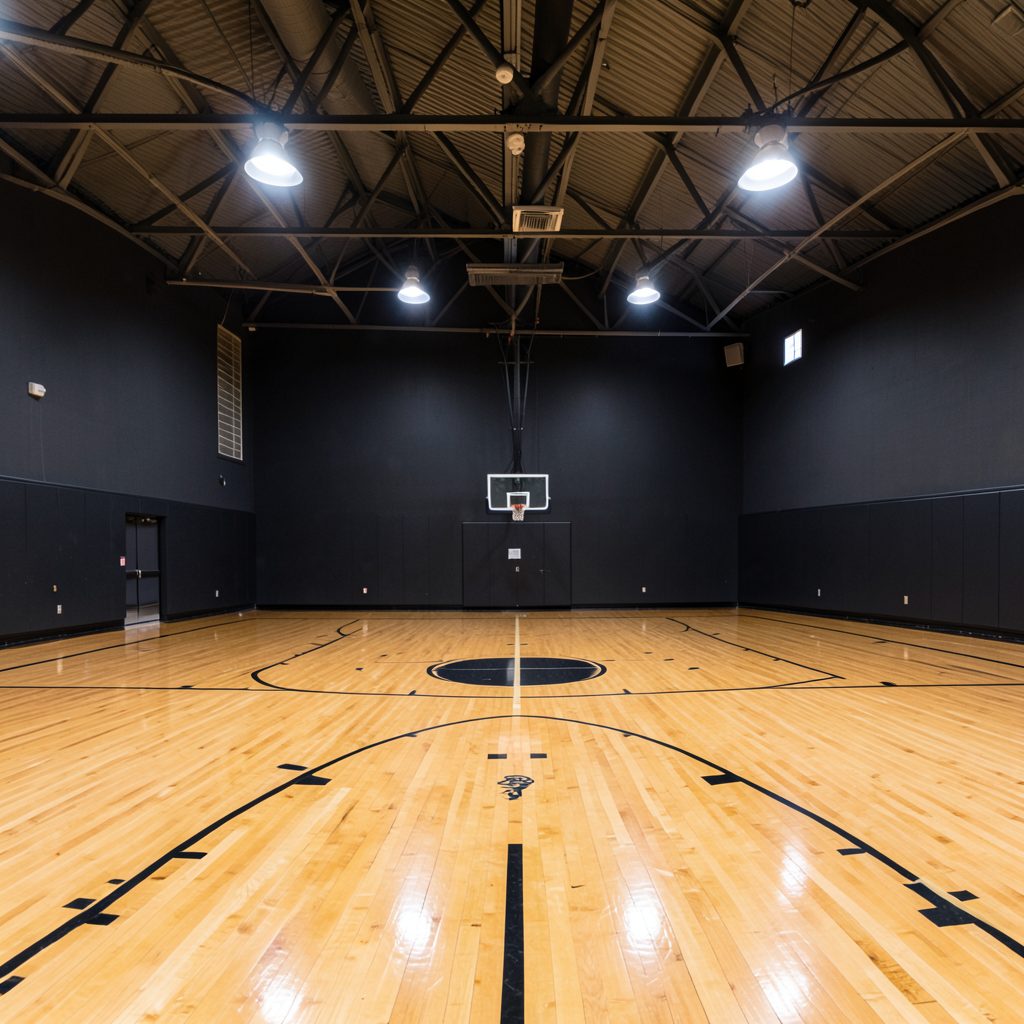
Inside The Factory

Three Entities, One Roof
Leagues
Eight league divisions span every age group: Indy Pro AM, 18+ Open Men's, 30+ Men's, Bite Size (ages 3–6), Impact League, 5th/6th Grade, Middle School, and High School. Gather your team and compete.
Training
Individual and group basketball training for all skill levels. Major M.O.V.E.S. Basketball Training serves ages 4–7 on Wednesday and Thursday evenings at 6:30 PM — $30 per session or $100 unlimited monthly.
Wellness & Recovery
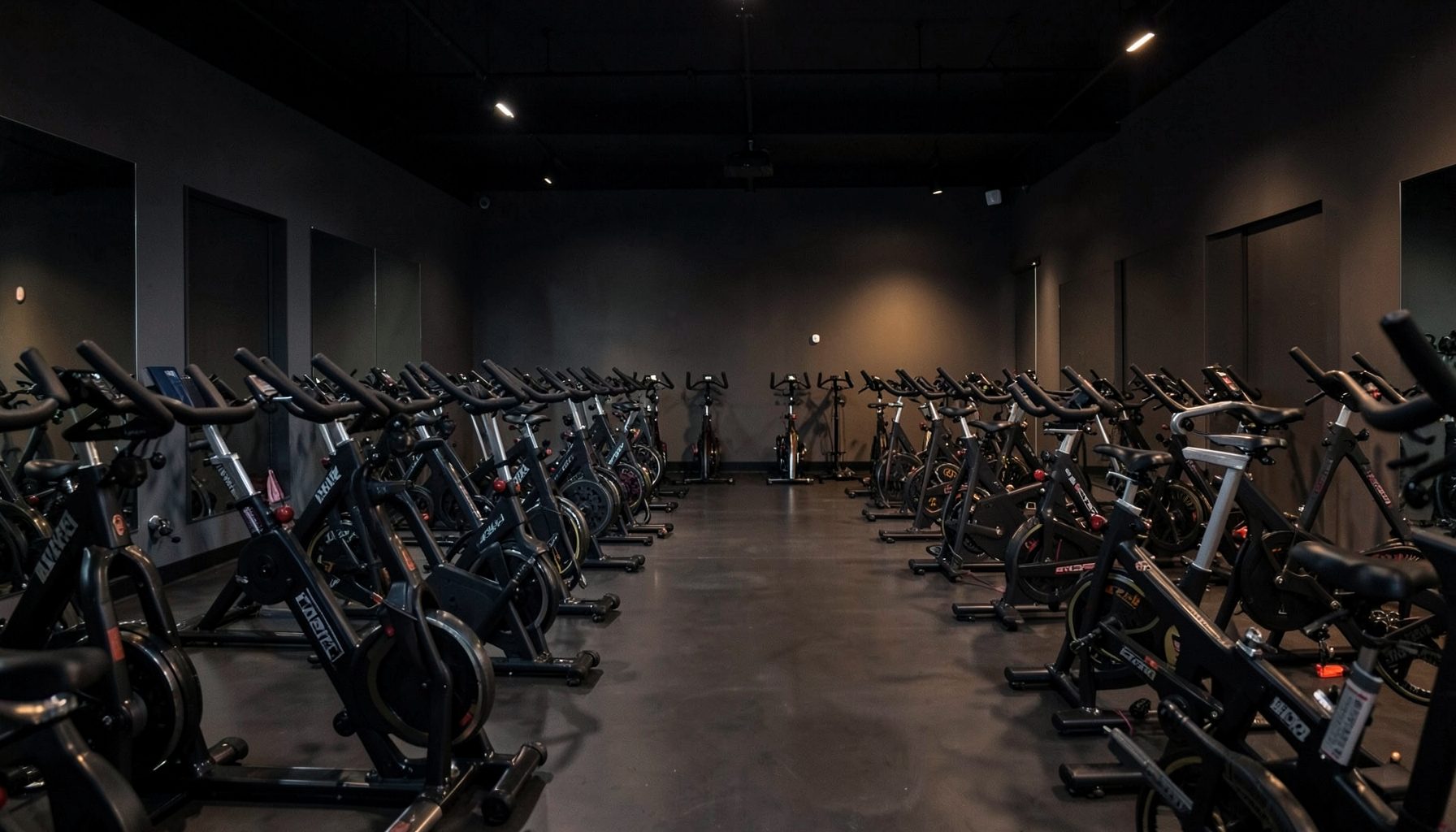
Normatec boot recovery and cryotherapy treatments help athletes bounce back faster. Cycle and spin classes add a cardio dimension to the holistic performance approach.
Have a Question?