Train. Compete. Recover.
A multi-purpose athletic facility in Speedway, Indiana — basketball leagues, skill training, and wellness services all under one roof.
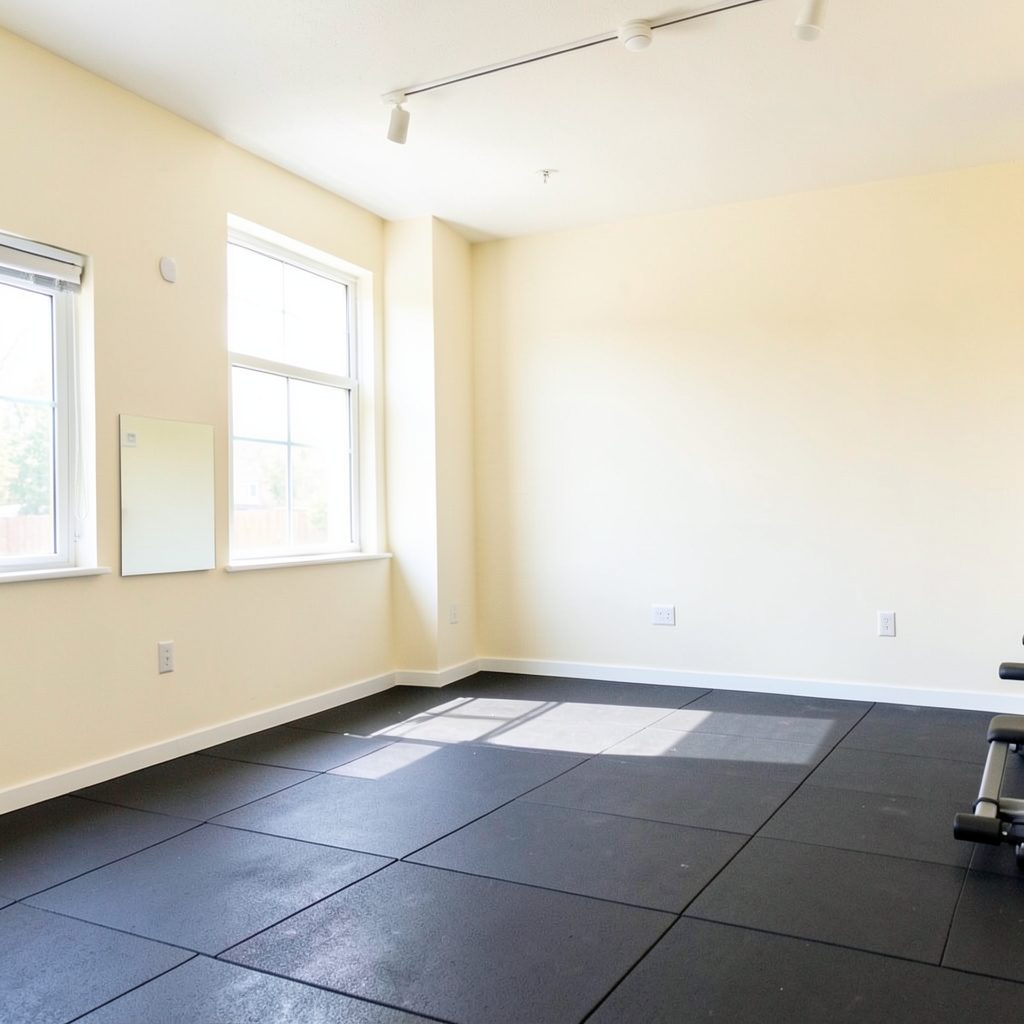
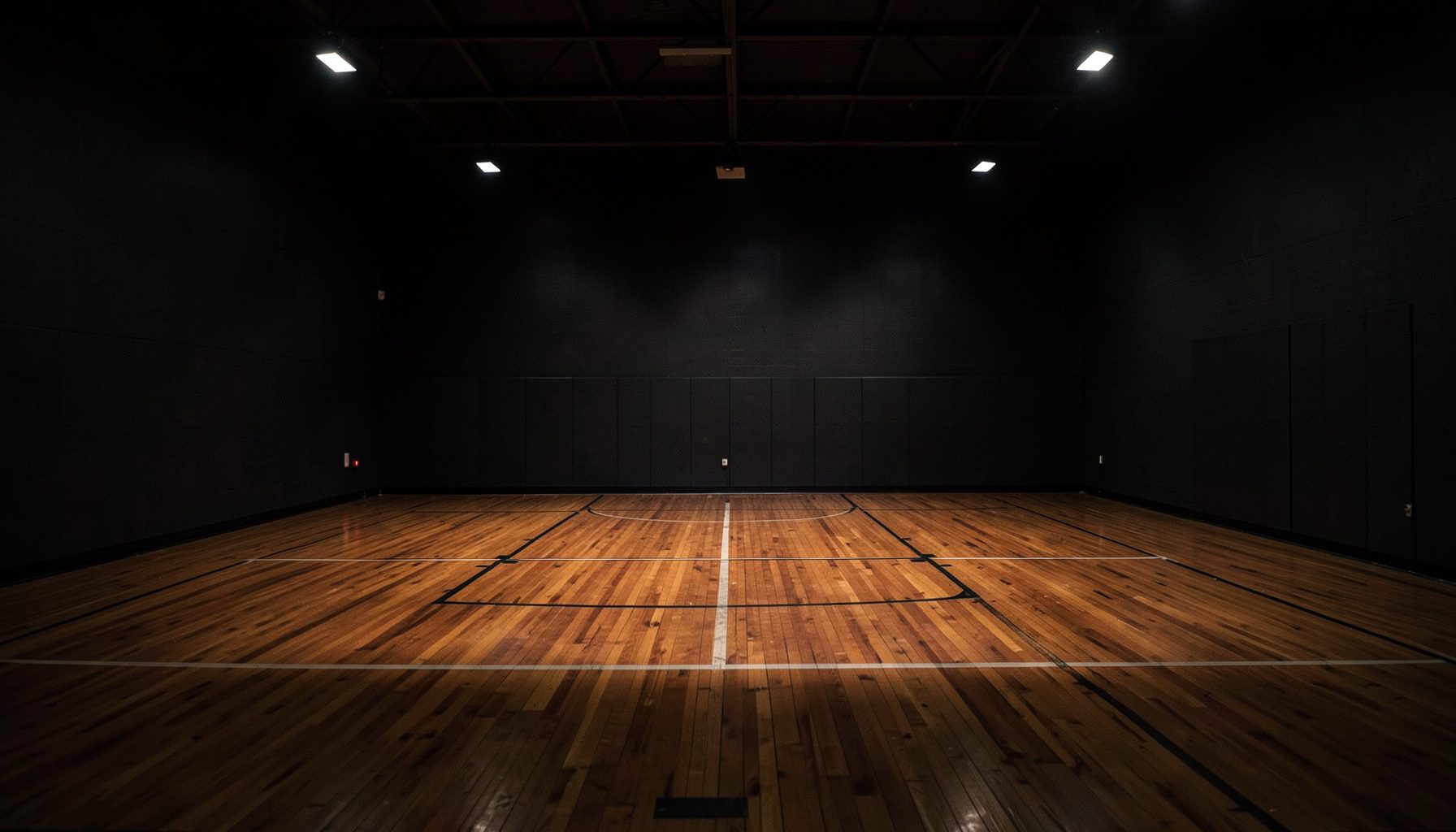
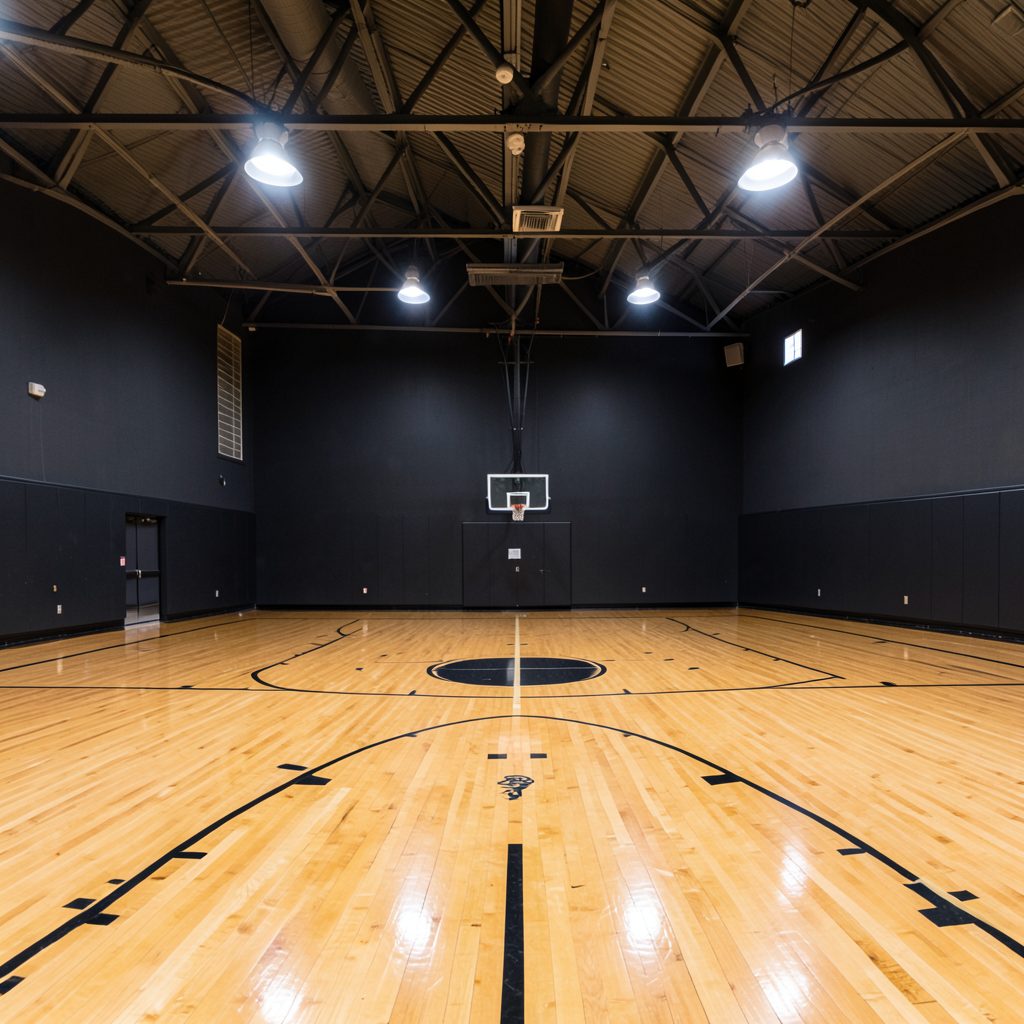
The Factory D1 Indy brings together three entities under one roof: competitive basketball leagues for all age groups, individual and group training, and wellness & recovery services including Normatec boot recovery and cryotherapy. Located off I-465 and High School Road at 6331 Crawfordsville Road, Speedway, Indiana 46224.
Get In TouchWhy Cooling Down After a Spin Class Stops the Room From Spinning
You grind out the final sprint, the playlist hits its crescendo, and the instructor calls time. You hop off the bike, take a few proud strides toward your water bottle, and suddenly the floor tilts. The lights feel too bright, your vision narrows, and for a few uneasy seconds you need the wall to stay upright. Post-spin dizziness is so common that regulars in Bondi's boutique studios and inner-Melbourne cycling rooms share hacks for it like other Australians swap coffee tips. Yet most riders treat the cool-down as an optional extra rather than the safety net it actually is.
The transition from maximum effort to standing still is a physiological event, not just a change of pace. Inside those ten minutes after the final beat drops, your cardiovascular system, blood vessels, and inner ear are all recalibrating. Treating that window with intention is the single most reliable way to keep your head clear, your legs steady, and your next session as strong as this one.
What Happens Inside Your Body When You Stop Pedalling
During a hard climb or sprint, your leg muscles act as a second heart, squeezing blood back toward the chest and brain against gravity. When you suddenly stand still on cold studio tiles, that pump vanishes. Blood pools in the calves and thighs, venous return to the heart drops, and cardiac output briefly falls. Meanwhile, your brain has been enjoying elevated catecholamines, adrenaline and noradrenaline that briefly constrict blood vessels and raise blood pressure. The moment exercise stops, those hormones linger while the heart rate plummets, creating a mismatch that the inner ear reads as motion. The result is the classic head-rush, or in more dramatic cases, full syncope.
Heat amplifies the effect. On a 35-degree February afternoon in Brisbane or a humid Sydney morning, your body is already shunting blood to the skin for thermoregulation. Combine that with the elevated core temperature of an indoor ride, and the post-class drop in blood pressure becomes even sharper. Cooling down gives your autonomic nervous system a graded transition rather than a cliff edge.
The Ten-Minute Window and Why Studio Climate Matters
Most Australian fitness governing bodies, including the Australian Sports Commission, recommend a structured cool-down of roughly five to ten minutes for high-intensity indoor cycling. The duration is not arbitrary. It mirrors the time required for heart rate to fall below 100 beats per minute and for stroke volume to normalise, both markers physiologists use to confirm the body has truly shifted into recovery mode.
The air around you influences how long that window needs to be. Studios in coastal suburbs like Coogee or St Kilda run air-conditioning hard during summer, but outdoor cyclists training on Adelaide's hills or Perth's river paths face dry heat that dehydrates silently. Even well-ventilated indoor spaces can climb above 28 degrees during a packed 6pm class, particularly when humidity creeps in off the harbour. Riders in those conditions benefit from extending the cool-down rather than rushing to the change room, because the body needs extra time to redirect blood away from the skin and back to the core.
Breath Work and Fluid Replacement for Aussie Riders
Hydration is the often-overlooked half of the cool-down equation. Australia leads the world in per-capita bottled electrolyte sales, partly because public health campaigns from groups like the Heart Foundation have educated riders about sodium loss during long sessions. Brands such as Hydralyte and Endura, both manufactured locally and listed with the Therapeutic Goods Administration, are formulated to match the sodium-glucose ratio that drives rapid water absorption in the small intestine. Plain water is fine for rides under an hour, but after a sweat-soaked 45-minute climb, an electrolyte drink shortens recovery time and reduces the orthostatic drop that triggers dizziness.
Breathing is the other lever most riders forget. A slow, diaphragmatic pattern, four seconds in through the nose, six seconds out through pursed lips, helps restore vagal tone and stabilises blood pressure. Many Sydney and Melbourne instructors now weave this cue into the final track, and pairing it with slow walking rather than sudden standing is the difference between stepping off the bike steady-headed and grabbing the handlebar for dear life. If the studio allows it, finishing with two minutes of walking the room while breathing deliberately is a small habit with an outsized effect.
Stretching, Slow Spinning and Active Recovery
A gradual wind-down on the bike itself is more effective than flopping onto a mat. Keeping the pedals turning at low resistance for three to five minutes keeps the calf and thigh muscles engaged just enough to maintain venous return. Once you dismount, dynamic stretches targeting the hip flexors, hamstrings and calves help release the tension built up during heavy resistance work without dropping blood pressure further.
Static stretching has its place, but not immediately after intense effort. Holding a deep quad stretch while your heart rate is still elevated can aggravate the head-rush sensation, because you are combining gravitational pooling with sustained muscular tension. Save the long, passive holds for after you have walked, drunk water and feel steady. Foam rolling the calves and glutes is a popular alternative in Perth and Adelaide studios, and the gentle compression seems to support the same venous-return mechanism that active recovery does.
Recognising When Dizziness Is More Than a Cool-Down Issue
Most post-spin light-headedness resolves within minutes of slowing down. There are, however, red flags that should send you to a GP rather than back to the locker room. Brief loss of consciousness, chest pain, an irregular heartbeat, or dizziness that persists for more than fifteen minutes after the ride ends are not normal cool-down symptoms. The Royal Australian College of General Practitioners recommends assessment for any exercise-related syncope, because it can occasionally signal an underlying arrhythmia or cardiac condition.
Riders over forty, those returning after illness, or anyone on blood-pressure medication should be especially cautious. Combining prescribed beta-blockers with a sudden stop after a high-intensity class can blunt the heart rate response even further. If you fall into one of those groups, mention it to your instructor; most will gladly guide you through a longer cool-down and avoid the rapid dismounts that trigger symptoms.
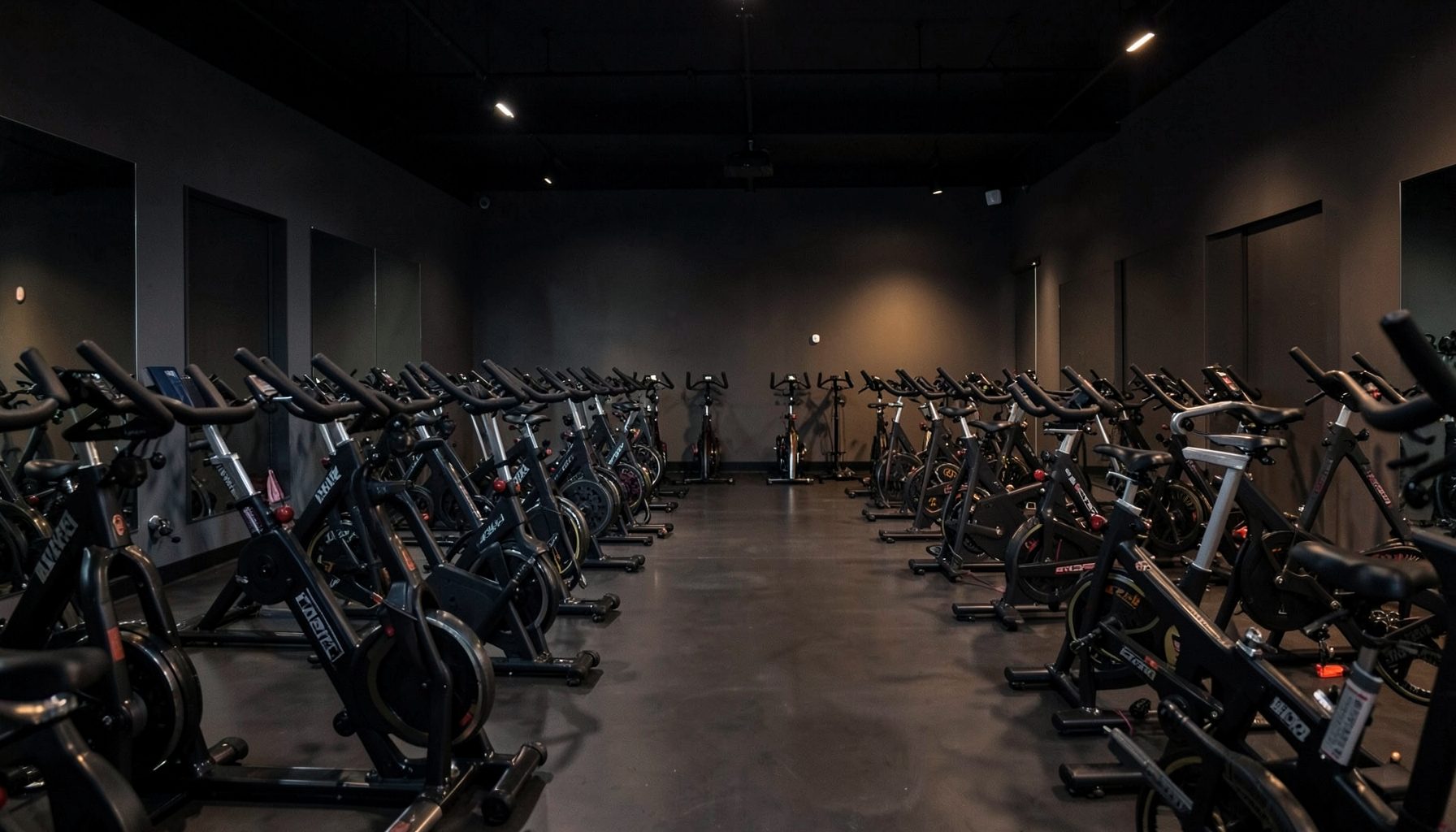
Cooling down properly is not a sign of weakness or an optional flourish. It is the bridge that protects your brain, your heart and your next workout. Athletes who treat those final ten minutes with the same intensity as the sprint interval behind them recover faster, perform better and keep showing up week after week. If you are building out a broader routine that pairs indoor cycling with strength work and active recovery, the team at The Factory D1 Indy brings those elements together under one roof, and you can see the space for yourself by browsing their training facility gallery before booking your first visit.
Inside The Factory

Three Entities, One Roof
Leagues
Eight league divisions span every age group: Indy Pro AM, 18+ Open Men's, 30+ Men's, Bite Size (ages 3–6), Impact League, 5th/6th Grade, Middle School, and High School. Gather your team and compete.
Training
Individual and group basketball training for all skill levels. Major M.O.V.E.S. Basketball Training serves ages 4–7 on Wednesday and Thursday evenings at 6:30 PM — $30 per session or $100 unlimited monthly.
Wellness & Recovery
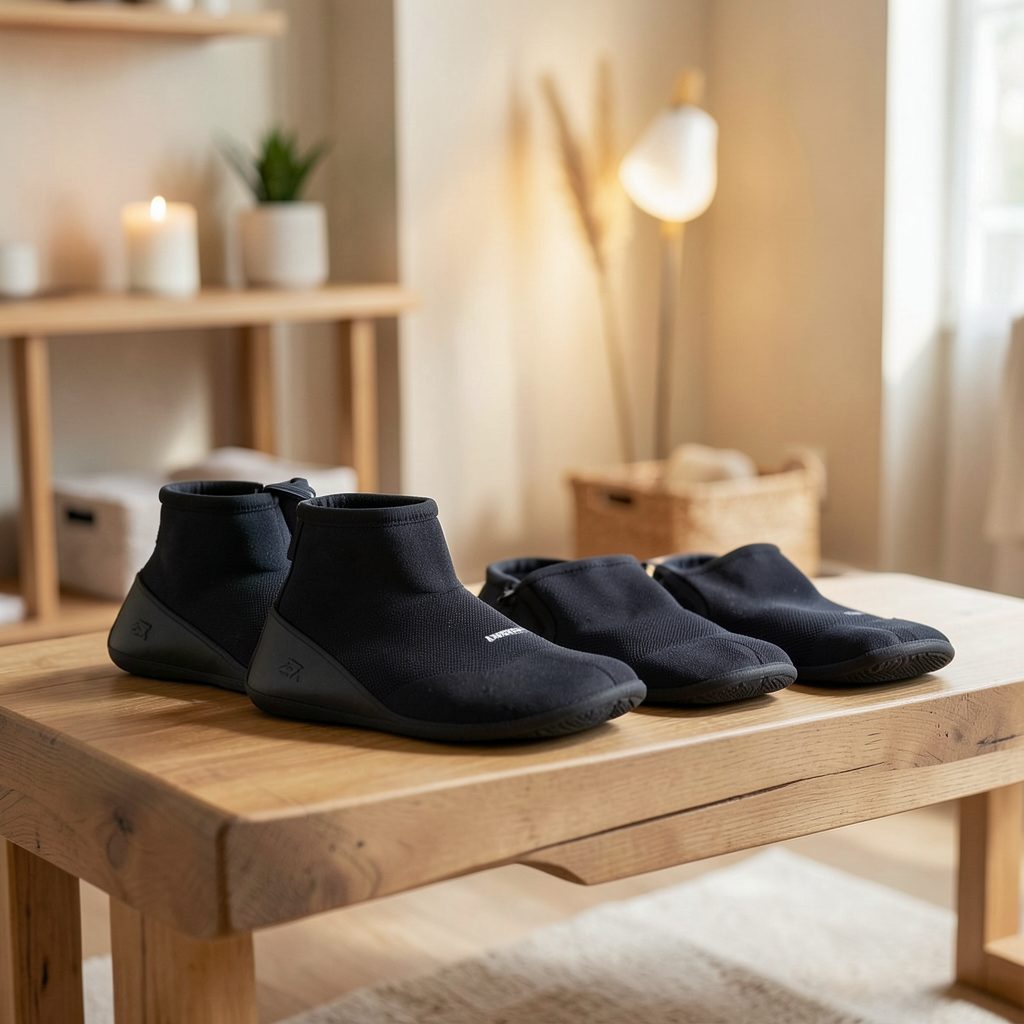
Normatec boot recovery and cryotherapy treatments help athletes bounce back faster. Cycle and spin classes add a cardio dimension to the holistic performance approach.
Have a Question?