Train. Compete. Recover.
A multi-purpose athletic facility in Speedway, Indiana — basketball leagues, skill training, and wellness services all under one roof.
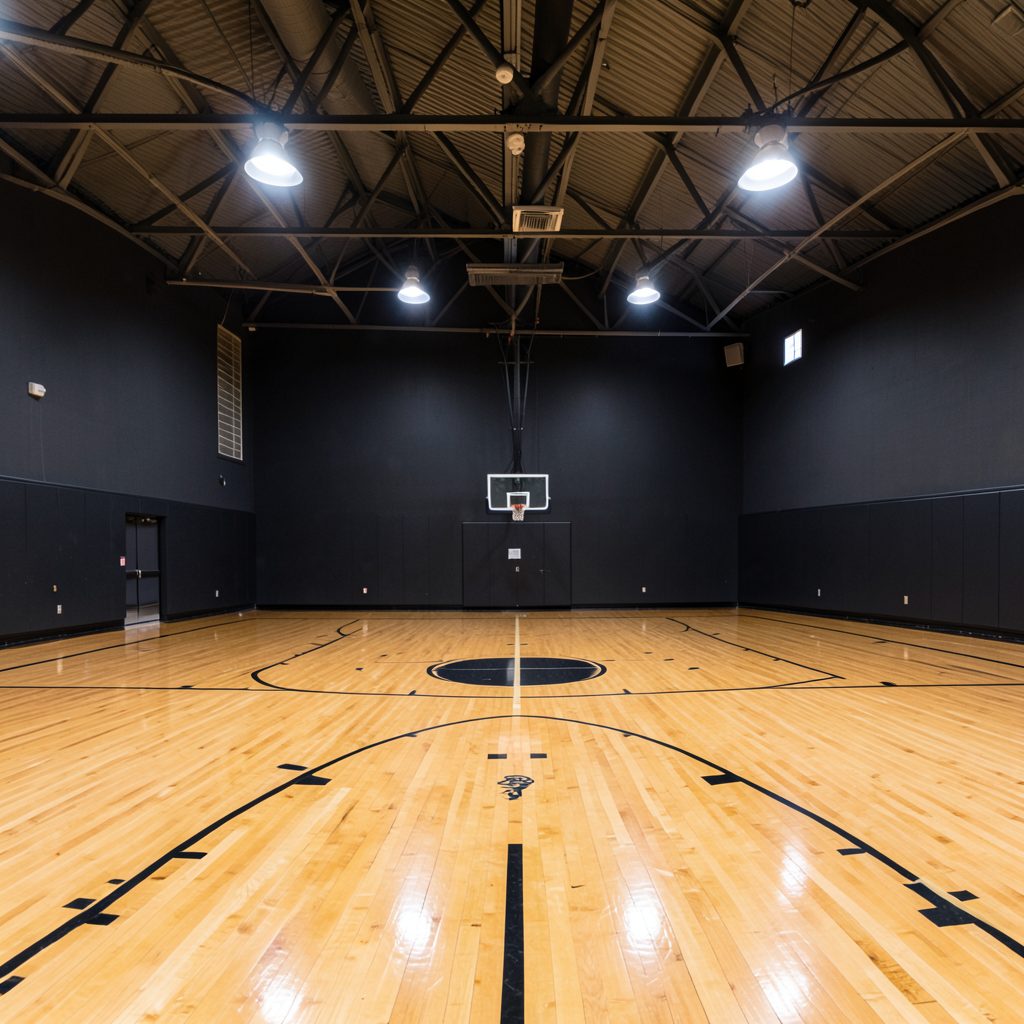
The Factory D1 Indy brings together three entities under one roof: competitive basketball leagues for all age groups, individual and group training, and wellness & recovery services including Normatec boot recovery and cryotherapy. Located off I-465 and High School Road at 6331 Crawfordsville Road, Speedway, Indiana 46224.
Get In TouchThe Science Behind Muscle Recovery After Intense Basketball Games
A demanding basketball game places several forms of stress on the body at once. Repeated sprints tax the energy systems, jumps and hard stops load the muscles and connective tissue, while physical contact adds further strain. Even skilled athletes can finish a game with depleted fuel stores, fluid loss, and temporary reductions in coordination.
Recovery is the process that helps the body restore performance after that workload. It includes replenishing muscle glycogen, repairing microscopic tissue damage, calming the nervous system, and returning joints and muscles to a useful range of motion. The right approach can help athletes practice with better quality and reduce the likelihood that fatigue will affect mechanics.
There is no single recovery tool that replaces sleep, nutrition, or sensible training design. Compression, cold exposure, mobility work, and low-intensity exercise can support the process, but their value depends on timing and purpose. Understanding what the body needs makes post-game routines more effective for youth players, competitive athletes, and adults.
What Happens Inside The Body During A Game
Basketball uses the phosphagen, anaerobic glycolytic, and aerobic energy systems. A player may explode toward the basket, recover briefly, jog through a possession, and then repeat the sequence dozens of times. These changes in intensity require rapid energy production and place a high demand on stored muscle glycogen, the body’s readily available carbohydrate fuel.
Acceleration, deceleration, and jumping create substantial mechanical loading. The quadriceps, hamstrings, calves, glutes, and hip muscles absorb force when a player lands or changes direction. Small disruptions to muscle fibers and surrounding connective tissue are normal after intense activity. They can contribute to soreness and temporary weakness, particularly when the game follows a hard training week.
Fatigue also affects the brain and nervous system. As concentration declines, reaction time and movement precision can suffer. A tired athlete may land less efficiently, reach late on defense, or rely on poor posture during a drive. Recovery therefore supports skill execution as much as it supports the muscles themselves.
Why Nutrition And Hydration Matter
The first recovery priority is replacing what the game consumed. Carbohydrates help restore glycogen, while protein supplies amino acids used in muscle repair and adaptation. A meal or snack containing both within the hours after competition is a practical way to begin refueling. The exact amount depends on body size, game duration, training schedule, and whether another session is coming soon.
Protein is most useful when it is distributed consistently across the day rather than consumed in one large serving. Foods such as milk, yogurt, eggs, lean meat, fish, beans, and tofu can provide high-quality protein. Carbohydrate-rich choices such as rice, potatoes, fruit, oats, and whole-grain bread help replenish energy for the next practice.
Sweat removes water and electrolytes, especially sodium. Athletes should drink steadily after a game and include fluids with meals. For longer or hotter sessions, a sports drink may help replace both carbohydrate and sodium, while water is often sufficient for shorter activity. Urine color, thirst, body weight changes, and sweat rate can provide useful clues, though individual hydration needs vary.
Sleep And Low-Intensity Movement
Sleep is one of the most powerful recovery tools available. During adequate sleep, the body regulates hormones involved in tissue repair, immune function, learning, and energy balance. The brain also processes movement patterns, which matters for shooting technique, defensive footwork, and decision-making. A consistent sleep schedule is often more valuable than an elaborate collection of recovery products.
Gentle movement can improve comfort without adding significant stress. An easy walk, light cycling session, or relaxed mobility routine increases circulation and keeps joints moving. The goal is to promote normal movement, not to create another workout. If an athlete feels sharp pain, unusual swelling, instability, or worsening symptoms, rest and professional evaluation take priority.
Active recovery is especially useful after a game with heavy legs but no signs of injury. Five to fifteen minutes of easy movement followed by comfortable stretching may reduce the sensation of stiffness. Stretching does not erase muscle damage, but it can help an athlete feel less restricted while normal recovery takes place.
| Recovery Method | Main Purpose | Best Use | Important Limitation |
|---|---|---|---|
| Carbohydrates and protein | Restore fuel and support tissue repair | After games and hard practices | Needs to fit the athlete’s overall diet |
| Hydration and electrolytes | Replace fluid and sodium losses | Hot, long, or highly sweaty sessions | Overhydration can also be harmful |
| Sleep | Support repair, coordination, and adaptation | Every night, especially after competition | Cannot be fully replaced by supplements |
| Easy cycling or walking | Maintain circulation and mobility | The day after intense play | Should remain low intensity |
| Compression therapy | Provide external pressure and comfort | When legs feel heavy or fatigued | Benefits vary between athletes |
| Cold exposure | Temporarily reduce soreness or discomfort | When short-term comfort is useful | May not be ideal immediately after every strength goal |
Compression And Cold Therapy Explained
Compression garments and pneumatic systems apply pressure to the limbs. This may help some athletes feel less heavy or sore by supporting fluid movement and offering a mild sense of stability. Compression is generally best viewed as a comfort and recovery aid rather than a method that dramatically accelerates muscle repair.
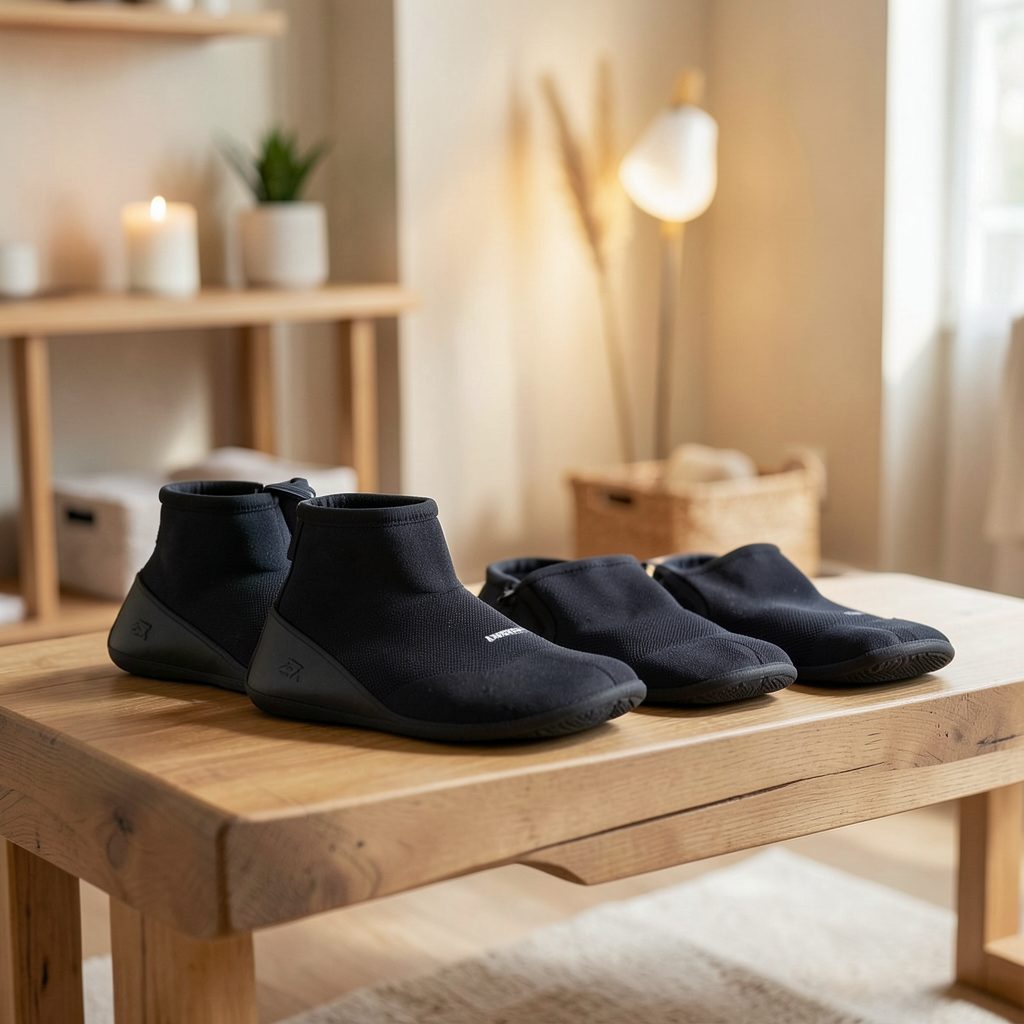
Normatec-style compression therapy uses sequential air chambers that inflate and release along the legs. Athletes may appreciate it after tournaments, long travel, or multiple games in a short period. The response is individual, and pressure settings should be comfortable. It should not be used casually by someone with a known vascular condition without medical guidance.
Cryotherapy and cold-water exposure can reduce the sensation of soreness and may temporarily numb discomfort. That can be useful when an athlete needs to feel fresher between competitions. However, cold is not a substitute for nutrition or sleep, and frequent use immediately after resistance training may blunt some of the signals involved in long-term strength adaptation. The most appropriate choice depends on the athlete’s schedule and performance goal.
Training Load And Recovery Timing
Recovery begins before the final whistle through appropriate workload management. Coaches and athletes can monitor game minutes, sprint volume, jumping demands, perceived exertion, and soreness. A high-load game followed by a high-load practice may leave too little time for adaptation. Alternating intense sessions with lower-demand technical work gives the body a better chance to rebuild.
Competitive schedules make planning especially important. A player facing two games in one weekend may prioritize rapid comfort and restored energy between contests. During an off-season strength phase, the same player may choose fewer cold treatments so the body can respond fully to training. Recovery should match the objective instead of following a rigid routine.
Basketball communities also benefit when athletes have structured opportunities to compete at an appropriate level. Players can review league registration options and choose a schedule that fits their age, experience, and current training capacity. A well-matched league can provide meaningful competition without turning every week into an unmanaged physical test.
Practical Habits For Better Recovery
A useful post-game routine is simple enough to repeat. It should address immediate needs first, then continue through the following day. Athletes can adjust the details based on temperature, sweat loss, game minutes, injury history, and whether another practice is scheduled.
- Drink fluids and eat a balanced snack or meal with carbohydrates and protein soon after play.
- Complete five to fifteen minutes of easy walking or cycling before settling into prolonged sitting.
- Use comfortable mobility exercises for the ankles, hips, thoracic spine, and shoulders.
- Aim for a consistent night of sleep in a cool, dark, quiet environment.
- Reserve compression or cold therapy for a specific purpose, such as heavy legs, soreness management, or a quick turnaround between games.
These habits work best when repeated across the week rather than saved for tournament weekends. Athletes should also record soreness, sleep quality, energy, and performance. Patterns can reveal whether the training load is appropriate or whether additional rest, food, or medical support is needed.
Recognizing Normal Soreness And Warning Signs
Delayed-onset muscle soreness often develops several hours after intense activity and peaks within one to three days. It usually feels like generalized tenderness, stiffness, or discomfort when contracting the affected muscles. Gentle movement may help, and symptoms should gradually improve.
Pain that is sharp, localized, or associated with swelling deserves more attention. A popping sensation, significant bruising, joint instability, numbness, dark urine, or an inability to bear weight should not be treated as ordinary post-game fatigue. Athletes should stop play and seek appropriate medical advice when these signs appear.
Recovery is most effective when it becomes part of basketball preparation rather than an emergency response. Fuel the body, sleep consistently, move gently, and use specialized services with a clear reason. Build those practices into the days after every demanding game so the next session begins with greater readiness, confidence, and control.
Inside The Factory

Three Entities, One Roof
Leagues
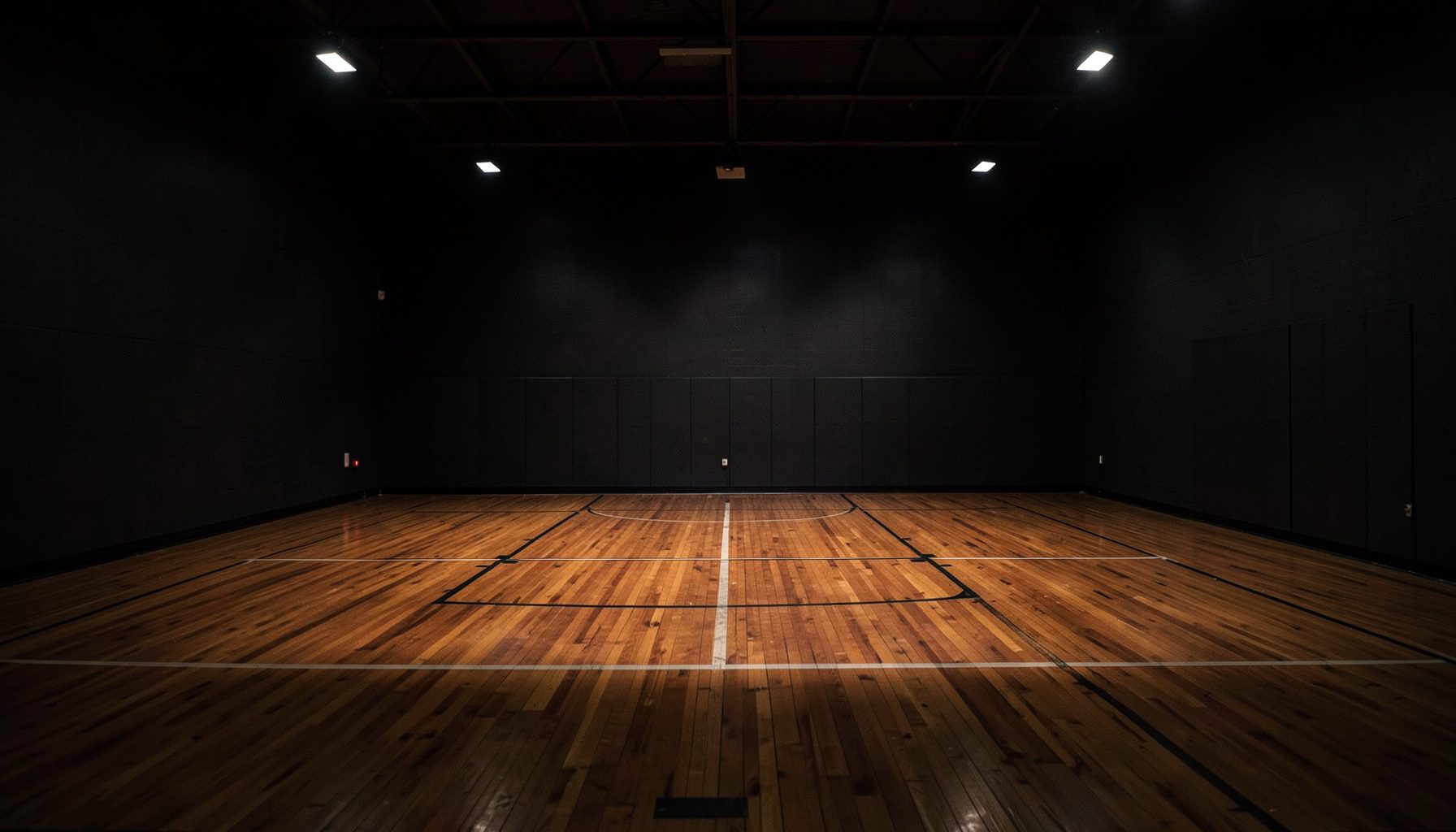
Eight league divisions span every age group: Indy Pro AM, 18+ Open Men's, 30+ Men's, Bite Size (ages 3–6), Impact League, 5th/6th Grade, Middle School, and High School. Gather your team and compete.
Training
Individual and group basketball training for all skill levels. Major M.O.V.E.S. Basketball Training serves ages 4–7 on Wednesday and Thursday evenings at 6:30 PM — $30 per session or $100 unlimited monthly.
Wellness & Recovery
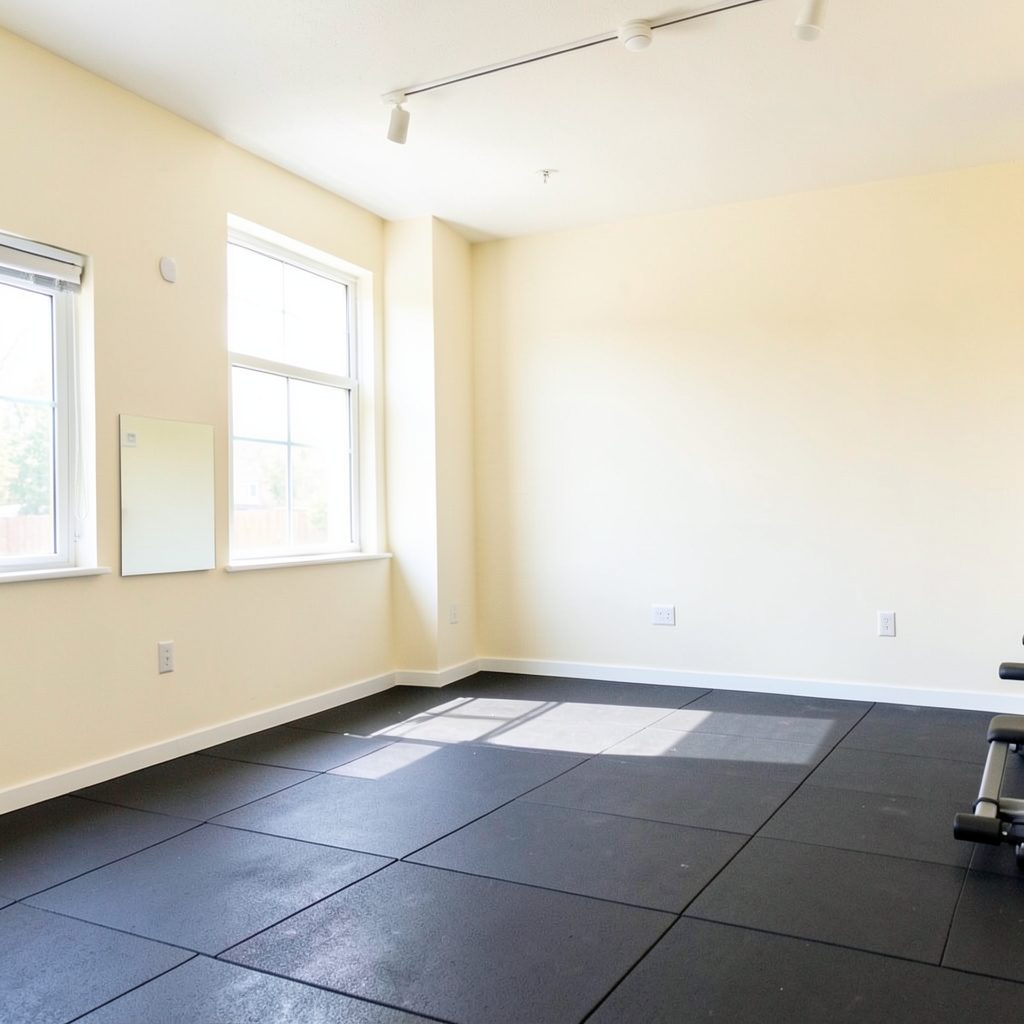
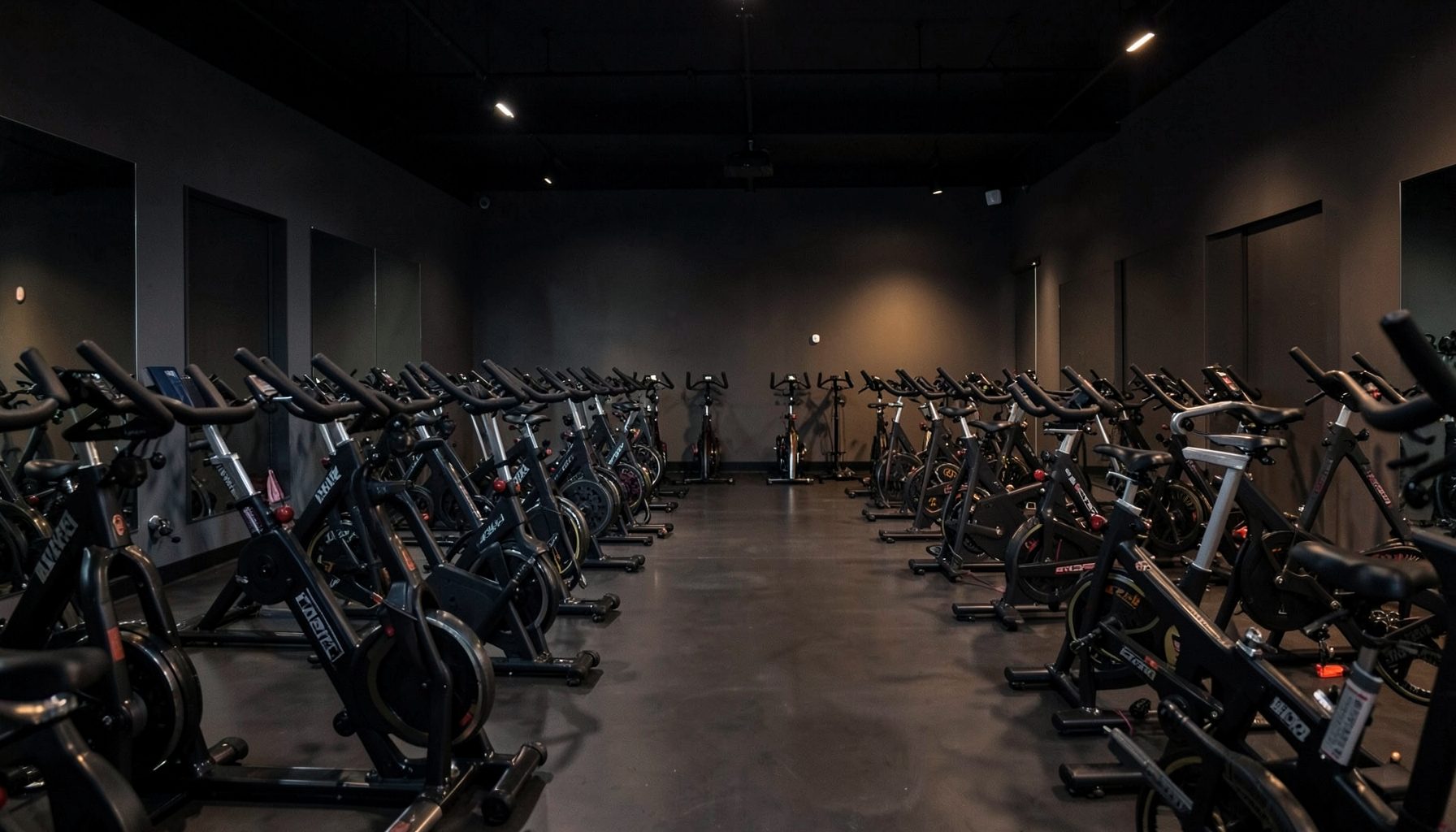
Normatec boot recovery and cryotherapy treatments help athletes bounce back faster. Cycle and spin classes add a cardio dimension to the holistic performance approach.
Have a Question?