Train. Compete. Recover.
A multi-purpose athletic facility in Speedway, Indiana — basketball leagues, skill training, and wellness services all under one roof.
The Factory D1 Indy brings together three entities under one roof: competitive basketball leagues for all age groups, individual and group training, and wellness & recovery services including Normatec boot recovery and cryotherapy. Located off I-465 and High School Road at 6331 Crawfordsville Road, Speedway, Indiana 46224.
Get In TouchWhat to Expect From an Adult Basketball League Season
An adult basketball league season gives players a reliable rhythm of weekly competition, team camaraderie and measurable progress. At The Factory D1 Indy in Speedway, Indiana, the format is designed for athletes who want organised games without giving up work, family commitments or individual training.
For Australian players comparing local competitions or planning basketball travel in the United States, the structure will feel familiar. Like many social and competitive leagues in Sydney, Melbourne, Brisbane and Perth, the season generally combines regular-season fixtures with a finals opportunity. The main difference is learning the venue’s registration process, game-night routines and timing.
What adult players can expect
A typical adult league season runs across several weeks, with one scheduled game per week for each team. The exact calendar can vary by division, registration numbers and facility availability, but a season commonly includes a regular-season phase followed by playoffs or a championship round.
Teams usually register as a group, although individual players may be able to join an existing roster or enter as a free agent. Before the first match, the league organiser confirms team lists, playing times, rules, division placement and any required fees. Reviewing the current adult league details is the best way to check the active season dates and entry requirements.
The adult division can suit several types of players. Some athletes are former school or college competitors looking for a serious contest, while others are returning to basketball after a long break. A clear league structure helps both groups find competitive games at an appropriate pace.
How the season is paced
The regular season is usually the foundation of the programme. Teams play a sequence of fixtures against opponents in the same division, building a win-loss record while becoming familiar with each other’s styles. A weekly schedule also makes it easier to plan around work, university, family responsibilities and other sport.
For Australians used to winter basketball in Melbourne or weekday evening competitions in Sydney, the rhythm will be recognisable. American leagues may use different terminology for divisions, playoffs and standings, yet the practical experience remains similar: arrive prepared, play hard, and maintain availability across the season.
The first few games often reveal how balanced the division is. Teams may use this period to settle positions, test defensive systems and identify reliable combinations. Mid-season games usually carry greater importance as the standings begin to separate, while the final fixtures can influence seeding for the finals stage.
| Season stage | What usually happens | Player focus |
|---|---|---|
| Registration | Teams or individuals enter the competition and complete fees or waivers | Confirm availability and division level |
| Regular season | Weekly games establish the standings | Build consistency and learn team systems |
| Mid-season | Coaches and captains adjust line-ups and tactics | Improve defence, communication and fitness |
| Finals qualification | Standings determine playoff places or match-ups | Protect concentration and manage recovery |
| Playoffs | Qualified teams compete in elimination or championship games | Perform under pressure and follow league rules |
What happens on game night
A normal game night starts with players arriving early enough to change, warm up and check the fixture board. Allowing extra time is especially useful for first-time visitors who need to locate the court, confirm their team and complete any outstanding registration requirements.
Warm-ups may include shooting, dynamic movement and short team drills. Players should bring suitable indoor basketball shoes, comfortable kit, water and any personal support equipment they normally use. A consistent pre-game routine can help recreational athletes prepare just as effectively as more experienced competitors.
The game itself follows the league’s published rules, including timing, fouls, substitutions and scoring procedures. Officials manage the contest while teams focus on communication and execution. Captains are generally the main point of contact for questions about fixtures, uniforms, conduct or administrative matters.
Australian players should also remember that sports terminology can differ slightly between local competitions and American facilities. Confirming details such as game length, timeouts, roster limits and overtime procedures before opening night prevents confusion. This is particularly helpful for people moving between Basketball Australia-style competitions and United States recreational leagues.
Standings, finals and team responsibilities
Regular-season results normally determine the order of teams in the standings. Depending on the number of entrants, every team may qualify for the finals, or only the highest-ranked teams may advance. Seeding can affect the first playoff match-up, home-court arrangements or the route to the championship game.
A playoff format may use single-elimination games, a short bracket or a final round based on league size. The purpose is to give strong regular-season performances value while preserving a clear pathway for teams to compete for a title. Even when a team does not reach the final, the weekly games provide useful competition and a social reason to stay active.
Team responsibilities continue throughout the season. Players should communicate absences early, respect officials and opponents, and arrive prepared for each fixture. Captains may need to manage roster updates, collect information from league staff and ensure that everyone understands the schedule.
For teams travelling from Australia, planning becomes more detailed. Indiana operates on Eastern Time, while Perth, Adelaide, Melbourne and Sydney follow different time zones and daylight-saving patterns during parts of the year. Anyone coordinating travel, streaming or remote communication should check the local calendar rather than relying on a simple time conversion.
Training, conditioning and recovery between games
A weekly fixture is easier to manage when players support it with sensible training. Short skill sessions can improve ball handling, shooting under pressure and finishing around the rim. Strength and conditioning work may help athletes handle repeated accelerations, defensive slides and contact, especially if they have moved from casual social basketball into a competitive division.
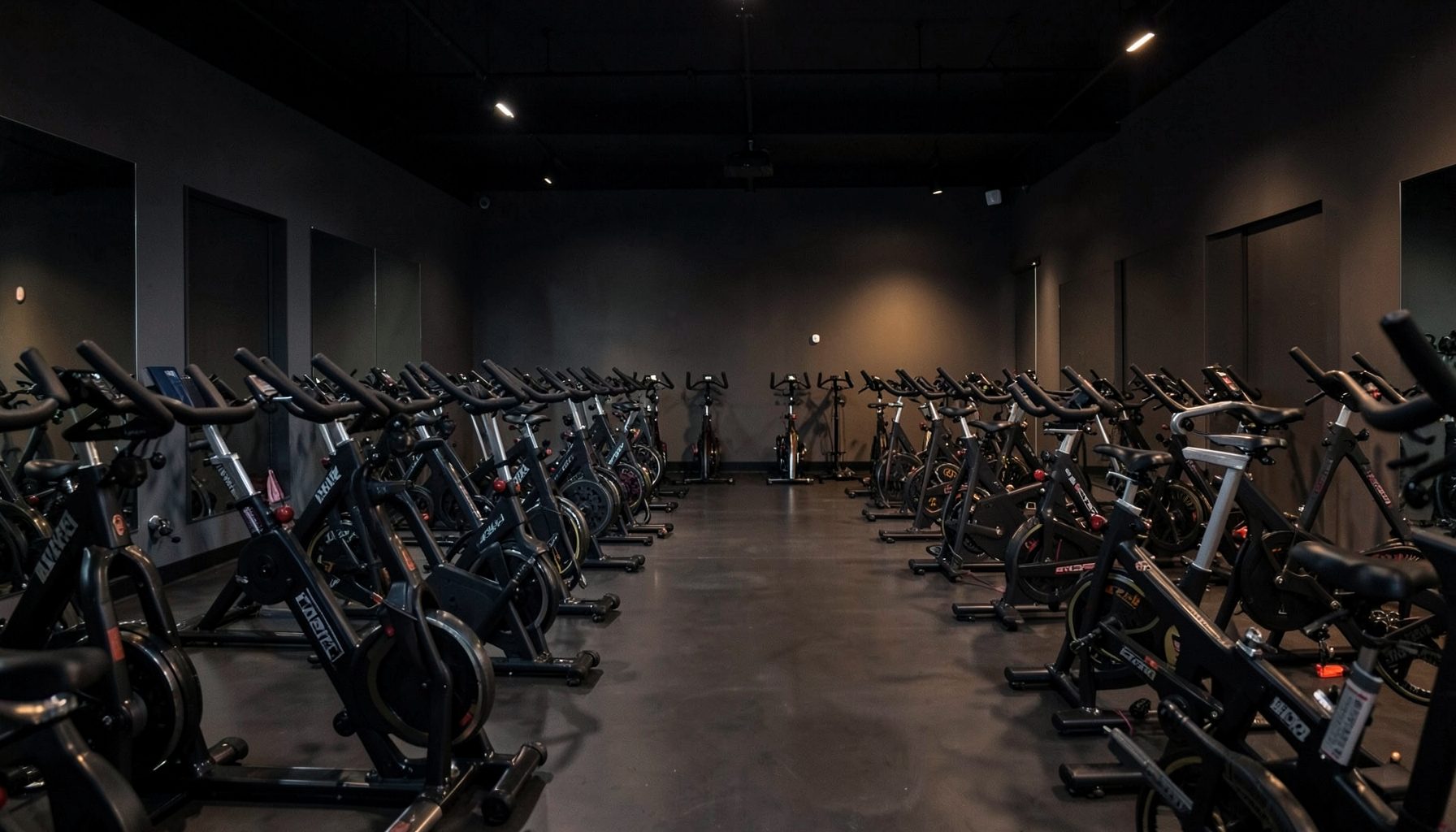
The Factory D1 Indy’s wider athletic environment can complement league participation. Basketball skills training, cycle and spin classes, and recovery services such as Normatec compression therapy and cryotherapy give athletes different ways to prepare and recover. Players do not need to train intensely every day; the aim is to arrive at the next game healthy, mobile and ready to contribute.
Recovery habits matter more as the season progresses. Sleep, hydration, mobility work and appropriate rest can reduce the effect of accumulated soreness. This is relevant to Australian athletes accustomed to long commutes, late-night competitions or back-to-back weekend sport. A practical weekly plan might include light movement after the game, one focused training session and a lower-load day before the next fixture.
The final weeks often reward teams that have maintained attendance and fitness. Players who communicate well, share responsibility and keep their bodies prepared are better positioned for playoff pressure. The season becomes more than a series of isolated games; it becomes a structured athletic commitment with a clear competitive target.
Registration should be completed early because division places, team spots and preferred game times may fill before the opening fixture. Check the current league information, organise your roster and prepare for a season that combines competitive basketball with a welcoming community atmosphere at The Factory D1 Indy.
Inside The Factory
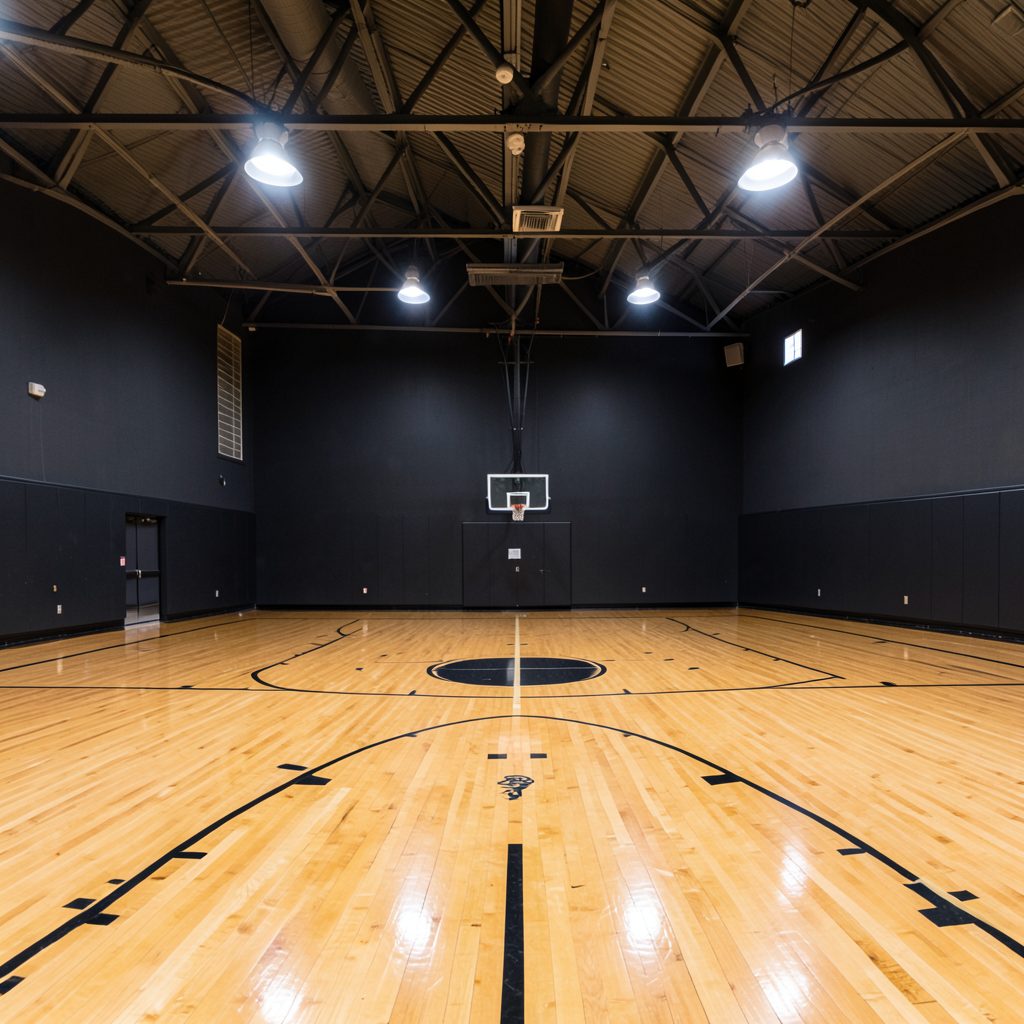

Three Entities, One Roof
Leagues
Eight league divisions span every age group: Indy Pro AM, 18+ Open Men's, 30+ Men's, Bite Size (ages 3–6), Impact League, 5th/6th Grade, Middle School, and High School. Gather your team and compete.
Training
Individual and group basketball training for all skill levels. Major M.O.V.E.S. Basketball Training serves ages 4–7 on Wednesday and Thursday evenings at 6:30 PM — $30 per session or $100 unlimited monthly.
Wellness & Recovery
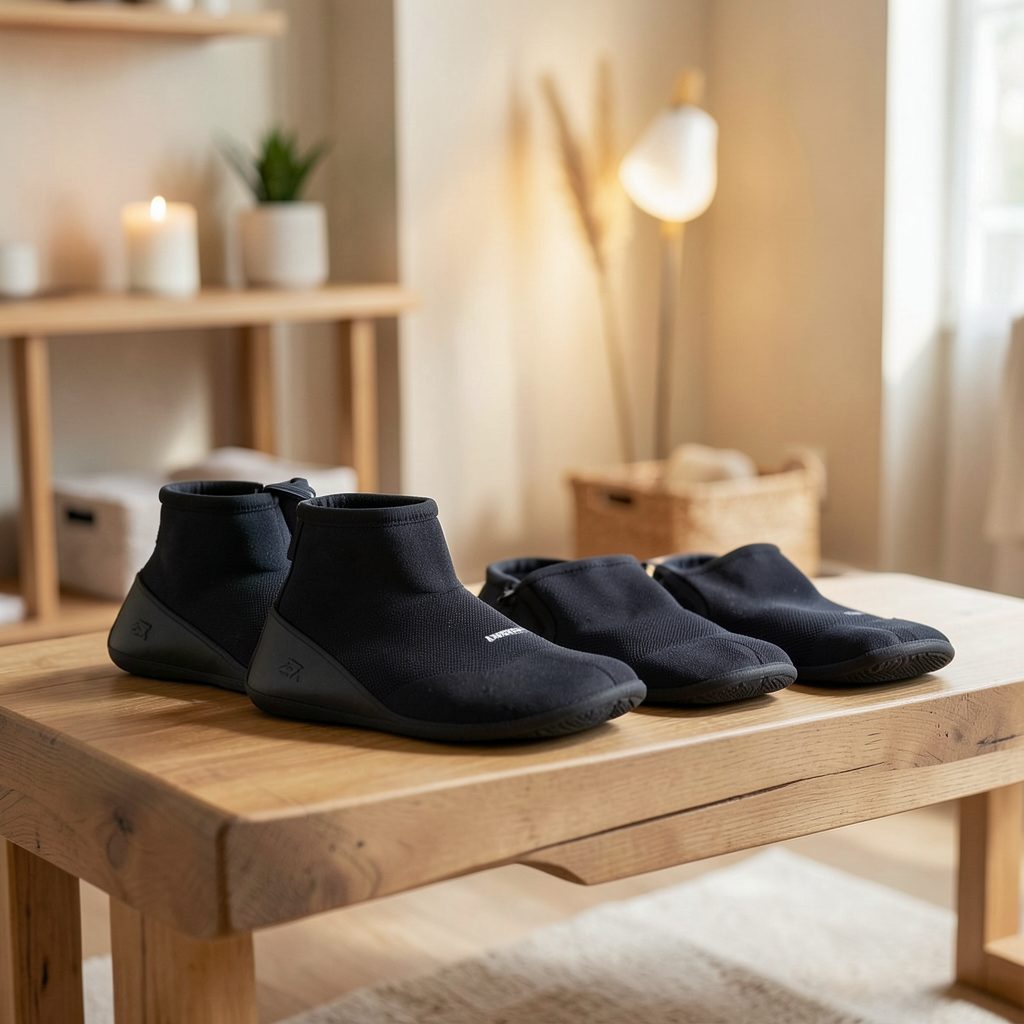
Normatec boot recovery and cryotherapy treatments help athletes bounce back faster. Cycle and spin classes add a cardio dimension to the holistic performance approach.
Have a Question?