Train. Compete. Recover.
A multi-purpose athletic facility in Speedway, Indiana — basketball leagues, skill training, and wellness services all under one roof.
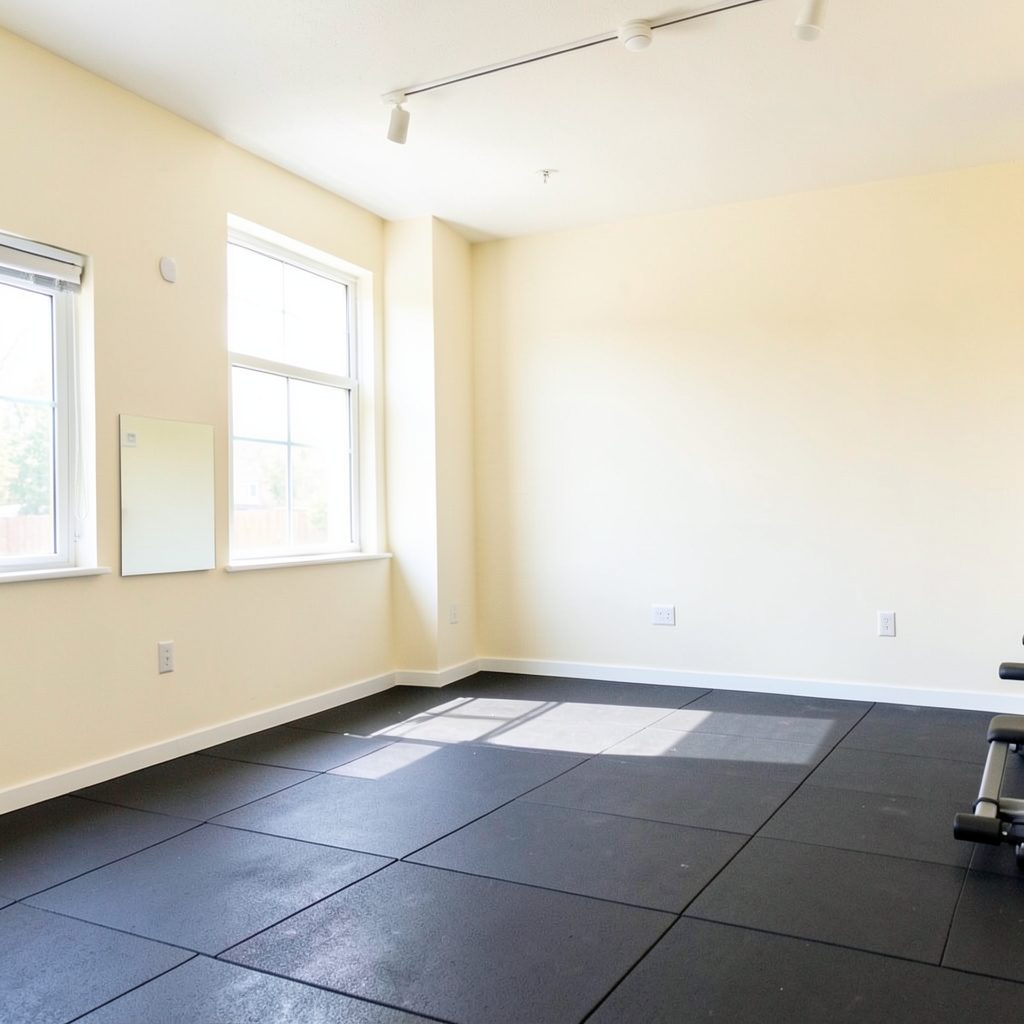
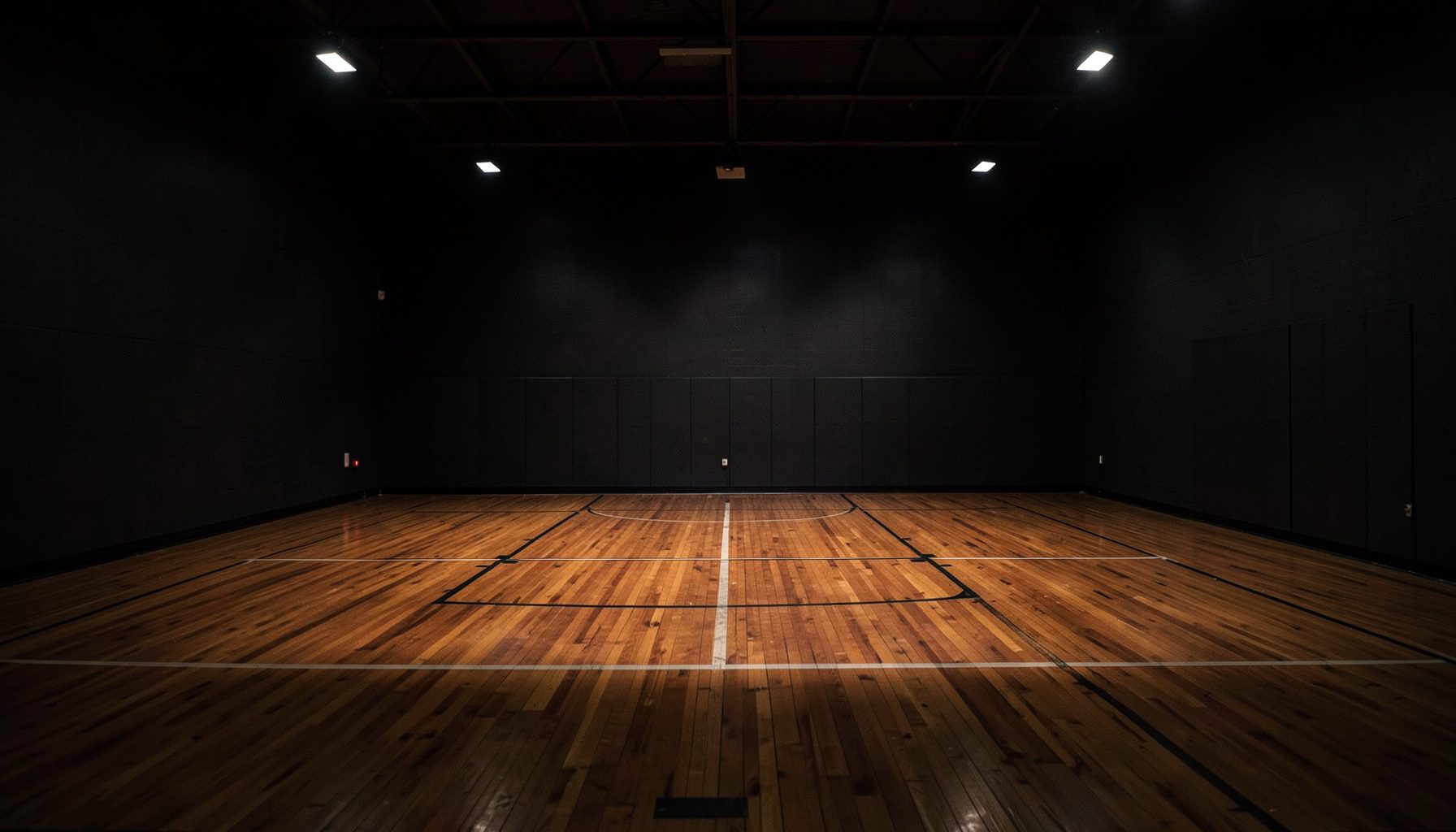
The Factory D1 Indy brings together three entities under one roof: competitive basketball leagues for all age groups, individual and group training, and wellness & recovery services including Normatec boot recovery and cryotherapy. Located off I-465 and High School Road at 6331 Crawfordsville Road, Speedway, Indiana 46224.
Get In TouchSmarter Ways To Prevent Basketball Injuries In Young Athletes
Basketball gives young athletes valuable opportunities to build strength, coordination, confidence, and teamwork. It also involves repeated jumping, quick stops, sharp cuts, physical contact, and frequent overhead movement. Without sensible preparation, those demands can contribute to ankle sprains, knee pain, shin discomfort, muscle strains, and overuse injuries.
Injury prevention is less about avoiding hard work and more about preparing the body for it. A well-designed routine combines movement quality, gradual conditioning, appropriate footwear, recovery, and attention to early warning signs. Coaches, parents, and athletes all play a role in creating habits that support long-term participation.
The best approach is age appropriate. A beginning player needs balance and landing skills, while an older athlete may need more advanced strength training and workload monitoring. Training at a community facility such as The Factory D1 Indy can help athletes develop those habits in a structured basketball environment.
Build Movement Skills Before Adding Intensity
Young players should learn how to move efficiently before they are asked to move faster or compete at a higher intensity. Fundamental skills include stopping under control, changing direction with a lowered center of gravity, and keeping the knees aligned with the feet during squats, jumps, and lunges.
Coaches can teach athletes to land softly with bent hips and knees rather than locking the legs or allowing the knees to collapse inward. Landing mechanics matter after rebounds, layups, and defensive jumps, when a player may come down near another athlete or on an uneven angle.
Balance drills are useful for developing body awareness. Single-leg stands, controlled step-downs, lateral shuffles, and low-speed deceleration exercises can be added to practice without requiring specialized equipment. Progress should come when the athlete can perform the movement consistently, not simply because the calendar says it is time to advance.
Protect Ankles, Knees, And Feet
Ankle sprains are common in basketball because players frequently land on another athlete’s foot or roll an ankle during a cut. Supportive basketball shoes with a secure fit and adequate traction can help athletes feel stable, though footwear cannot replace sound movement technique. Shoes should be replaced when the sole is worn or the midsole no longer provides useful cushioning.
Knee protection begins with strength around the hips, glutes, hamstrings, and quadriceps. Exercises such as bodyweight squats, split squats, bridges, and carefully supervised resistance movements can improve control during jumping and stopping. Young athletes should use a load that allows precise form rather than chasing heavier weights.
Foot and lower-leg conditioning also deserve attention. Calf raises, tibialis exercises, and gradual jumping drills can prepare the tissues for repeated impact. Persistent swelling, limping, instability, or pain that changes an athlete’s movement should be evaluated by a qualified healthcare professional instead of being dismissed as ordinary soreness.
Use A Purposeful Warmup
A basketball warmup should raise body temperature and rehearse the movements that will appear in practice or competition. Easy jogging, skips, defensive slides, controlled backpedaling, and progressive acceleration are more useful than standing still for long periods.
Dynamic mobility can address the hips, ankles, shoulders, and upper back. Walking lunges with rotation, ankle rocks, arm circles, and controlled leg swings help athletes move through practical ranges of motion. Static stretching may have a place after activity or during a separate flexibility session, but it should not be the only preparation before explosive play.
The final part of the warmup should gradually approach game speed. Athletes might begin with low-intensity dribbling and footwork, progress to closeout drills, and finish with short bursts, jumps, or shooting actions. A consistent routine also gives coaches a chance to notice fatigue, stiffness, or an existing injury before competition starts.
Match Training Demands To Readiness
A young athlete’s injury risk can rise when the amount of running, jumping, or competition increases too quickly. Sudden changes may occur when a player joins a travel team, attends a basketball camp, returns from vacation, or begins a new school season. Training volume should build gradually so the body has time to adapt.
The following guide shows how prevention priorities can change with age and experience. These are general principles, not rigid rules; biological maturity, medical history, skill level, and sport schedule should shape individual decisions.
| Athlete stage | Main prevention focus | Useful training examples | Warning signs |
|---|---|---|---|
| Early childhood | Play-based coordination and balance | Hopping games, gentle starts and stops, basic jumping | Avoidance of play, repeated falls, persistent limp |
| Elementary age | Landing, footwork, and movement control | Squats, single-leg balance, low-intensity agility | Knee collapse, ankle instability, pain during activity |
| Middle school | Strength foundations and workload habits | Lunges, bridges, calf raises, progressive sprinting | Pain lasting into the next day, declining movement quality |
| High school | Sport-specific conditioning and recovery | Supervised resistance training, cutting drills, planned rest | Recurrent soreness, reduced speed, swelling, fatigue |
| Returning from injury | Medical clearance and gradual progression | Modified practice, controlled skill work, stepwise competition | Pain, weakness, compensation, loss of confidence |
A simple training log can record practice duration, games, extra workouts, sleep, and soreness. This does not need to become an elaborate data project. A few notes can reveal when an athlete is accumulating too much stress or failing to recover between sessions.
Make Recovery Part Of Training
Recovery supports tissue repair, learning, and readiness for the next session. Young athletes need consistent sleep, regular meals, enough fluids, and breaks from organized basketball. Rest days are productive when they allow the body and nervous system to rebuild.
Hydration should begin before practice rather than waiting for intense thirst. Water is appropriate for many routine sessions, while longer or especially demanding activities may require guidance from a parent, coach, or sports nutrition professional. Meals and snacks should include carbohydrates for activity and protein to support recovery, with fruits and vegetables adding useful micronutrients.
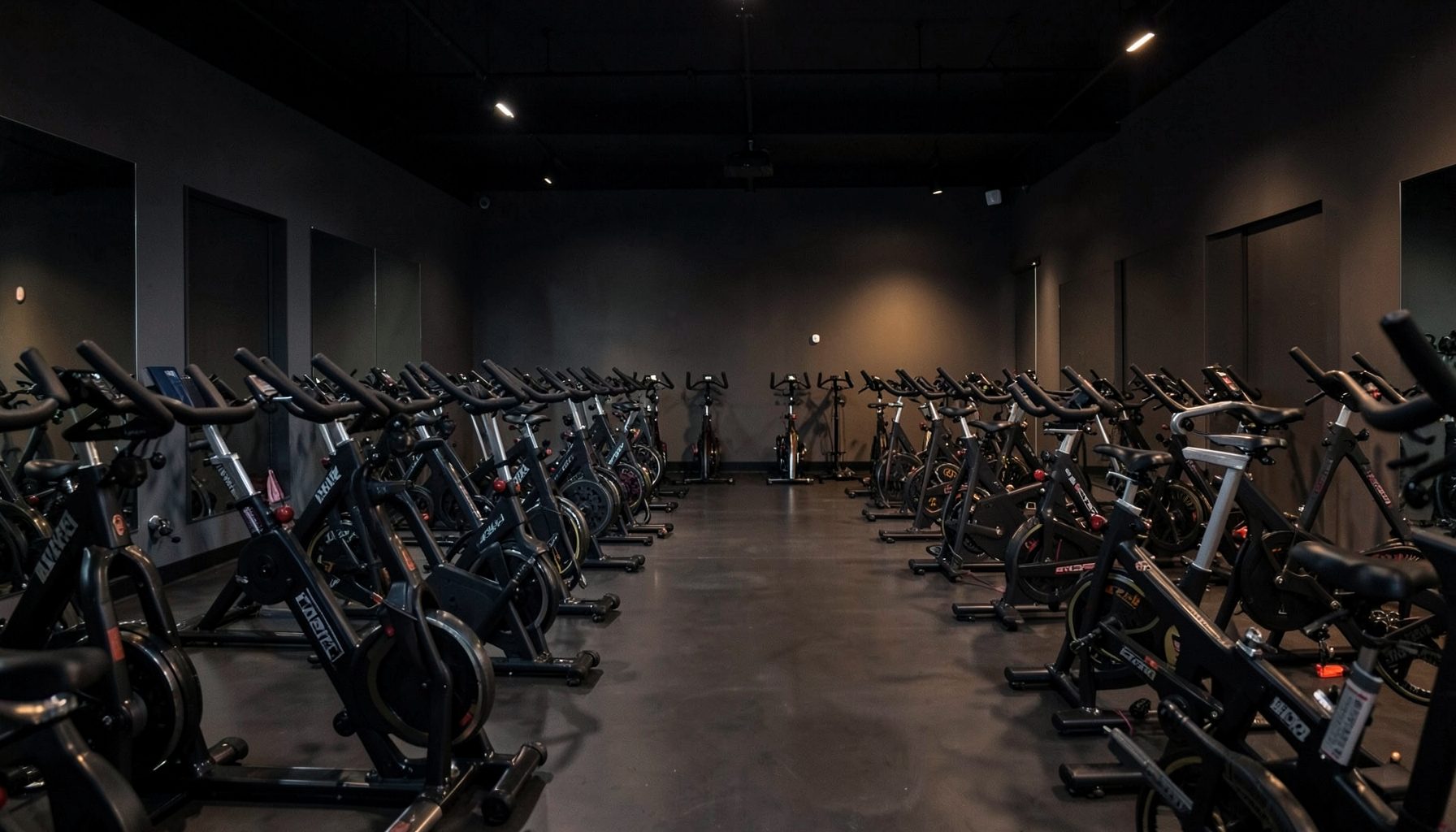
Low-impact conditioning can be a sensible alternative to another hard basketball workout. For athletes who enjoy cycling, supervised spin classes can provide cardiovascular work while reducing the repetitive jumping and landing found on the court. The activity still needs to fit the athlete’s total workload and recovery needs.
Recognize Pain Before It Escalates
Young players may hide discomfort because they want to stay in the game or avoid disappointing teammates. Adults should create an environment where reporting pain is treated as responsible behavior, not weakness. Athletes should describe where the pain is, when it appears, and whether it changes their running, jumping, or shooting.
A bruise or brief ache may improve with rest and basic care, but sharp pain, increasing swelling, numbness, a noticeable pop, joint instability, or an inability to bear weight deserves prompt medical attention. Symptoms that repeatedly return during practice should also be assessed rather than managed indefinitely with pain medication.
After an injury, return to basketball should be progressive. An athlete may first walk and jog, then practice individual skills, participate in controlled team drills, and finally return to full competition when movement is comfortable and strength has been restored. Clearance from a qualified professional is especially important after a concussion, fracture, significant ligament injury, or recurring problem.
A Practical Prevention Checklist
Families and coaches can make injury prevention easier by building it into the normal weekly routine. The goal is consistency rather than a demanding extra program that athletes cannot maintain. A short, focused preparation sequence before every session is often more useful than occasional intense conditioning.
Use these habits throughout the season:
- Begin with dynamic movement and finish the warmup at gradually higher intensity.
- Teach quiet, balanced landings and controlled changes of direction.
- Check that shoes fit securely and are appropriate for the playing surface.
- Increase practice, game, and conditioning demands gradually.
- Schedule rest, sleep, hydration, and nutritious meals as part of training.
- Respond promptly to pain, swelling, limping, dizziness, or a change in technique.
Coaches should adjust drills when fatigue causes form to deteriorate. Parents can help by tracking busy periods and encouraging honest communication. Athletes can contribute by reporting symptoms early, completing exercises with care, and understanding that a short pause may prevent a longer absence from the court.
At The Factory D1 Indy, young athletes can pursue basketball development in a setting that connects skill work, competition, fitness, and recovery. Families can support safer participation by making preparation and communication routine. Visit the facility to explore training and wellness options that help young players build durable habits for the seasons ahead.
Inside The Factory

Three Entities, One Roof
Leagues
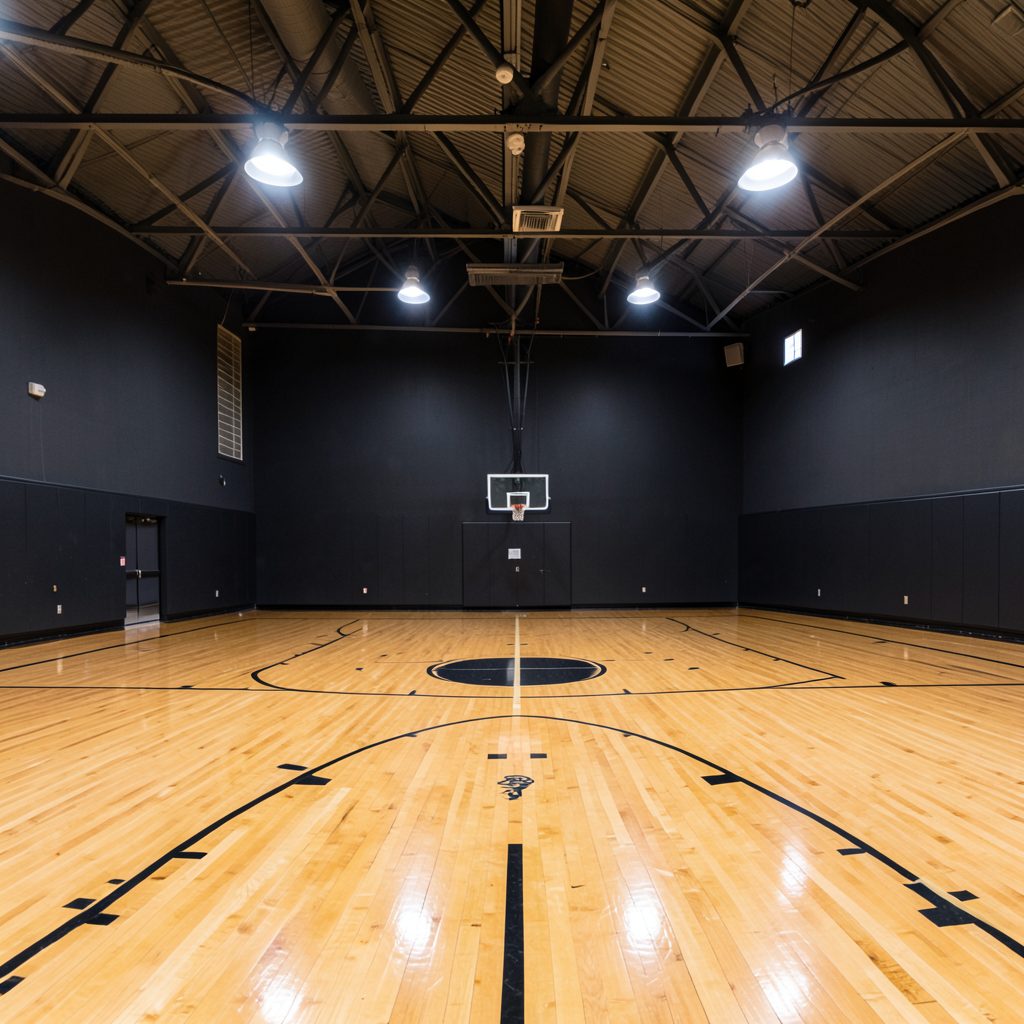
Eight league divisions span every age group: Indy Pro AM, 18+ Open Men's, 30+ Men's, Bite Size (ages 3–6), Impact League, 5th/6th Grade, Middle School, and High School. Gather your team and compete.
Training
Individual and group basketball training for all skill levels. Major M.O.V.E.S. Basketball Training serves ages 4–7 on Wednesday and Thursday evenings at 6:30 PM — $30 per session or $100 unlimited monthly.
Wellness & Recovery
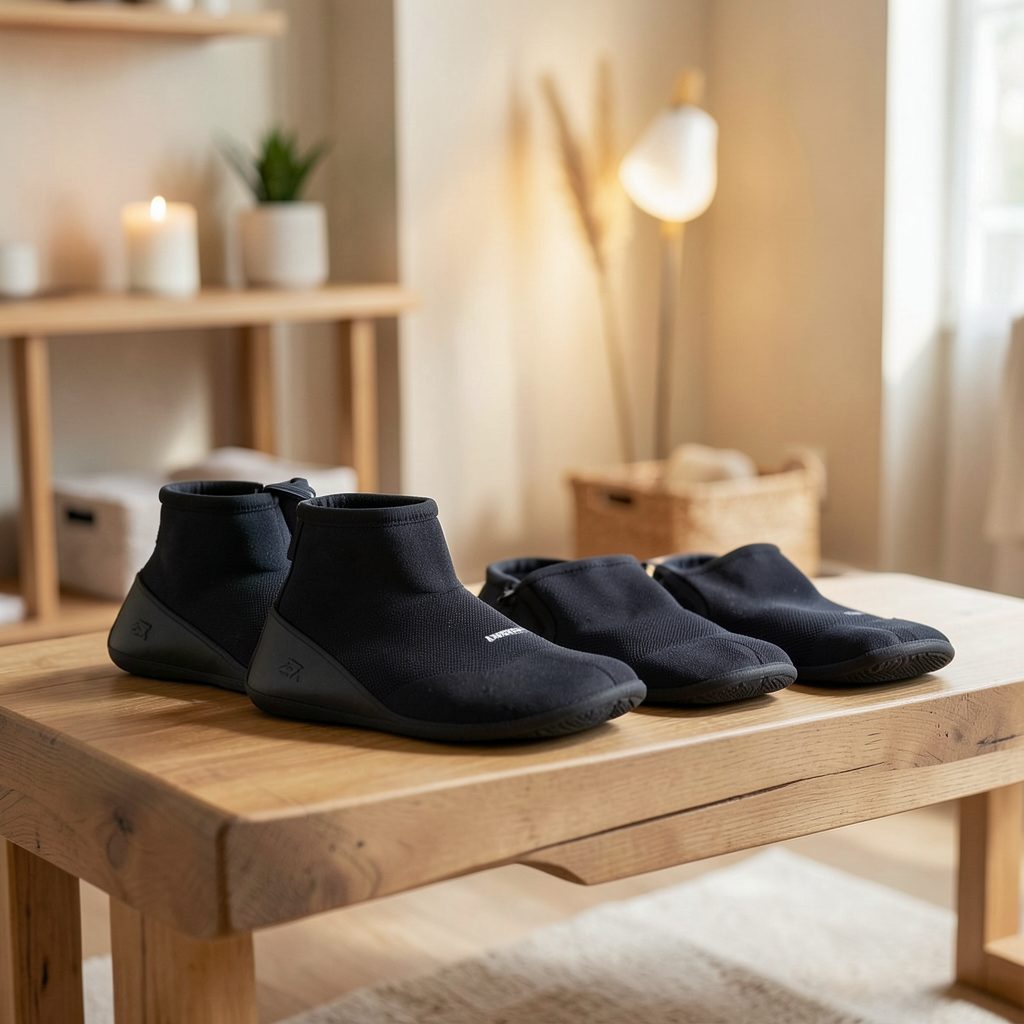
Normatec boot recovery and cryotherapy treatments help athletes bounce back faster. Cycle and spin classes add a cardio dimension to the holistic performance approach.
Have a Question?