Train. Compete. Recover.
A multi-purpose athletic facility in Speedway, Indiana — basketball leagues, skill training, and wellness services all under one roof.
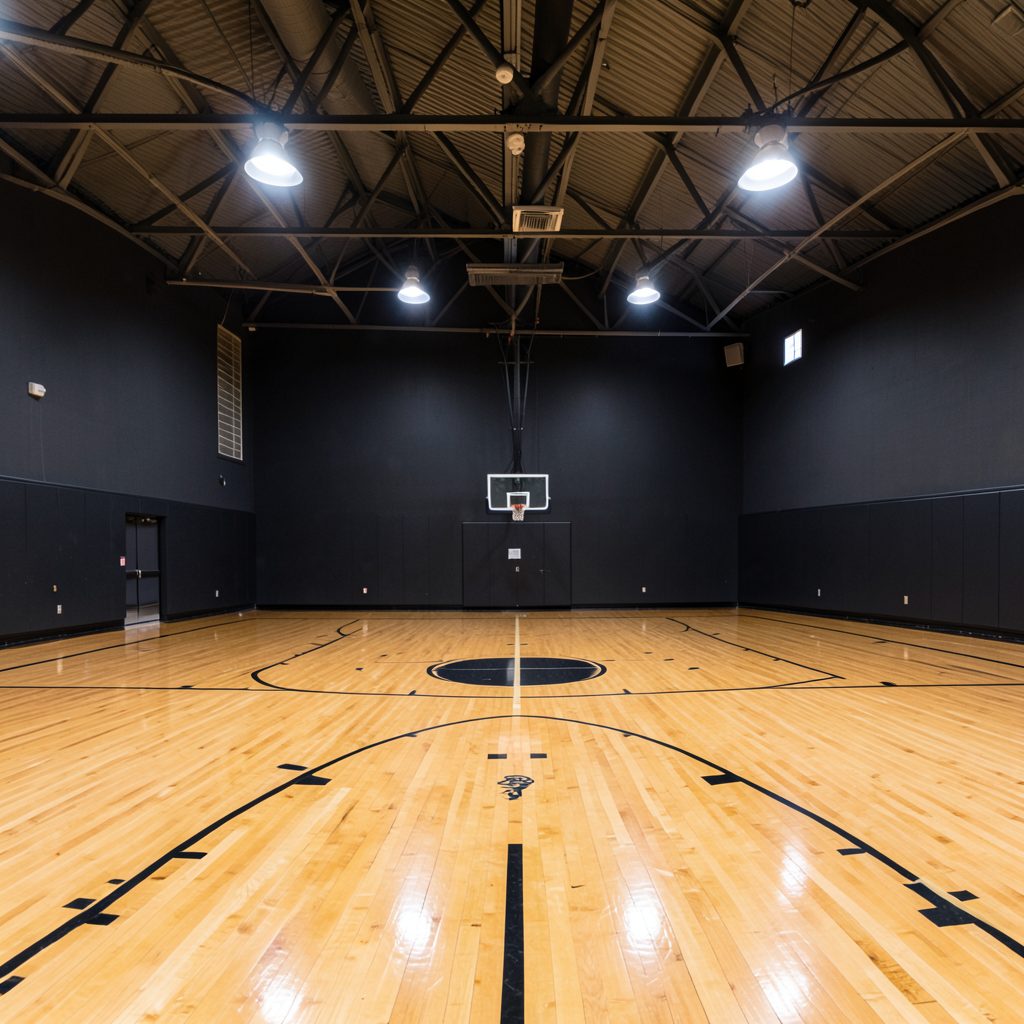
The Factory D1 Indy brings together three entities under one roof: competitive basketball leagues for all age groups, individual and group training, and wellness & recovery services including Normatec boot recovery and cryotherapy. Located off I-465 and High School Road at 6331 Crawfordsville Road, Speedway, Indiana 46224.
Get In TouchHow Youth Players Prepare Before Every League Game
A youth league warm-up is more than a few laps and a hurried stretch. At The Factory D1 Indy, the pre-game routine is designed to prepare young athletes for the pace, decision-making and physical demands of basketball while creating a calm, organised start to competition.
For families joining from Australia, the structure may feel familiar but the details can differ from local junior basketball in Melbourne, Sydney, Brisbane or Perth. Indoor courts, American league formats and different age divisions all influence how players get ready. The goal remains consistent: raise body temperature, activate key muscles, sharpen skills and help every child feel ready to contribute.
The routine also gives coaches a valuable opportunity to observe movement, manage nerves and reinforce safe habits before the opening tip. Rather than treating warm-up time as lost game time, we use it to build focus and confidence from the moment athletes enter the court.
| Warm-up phase | Main purpose | Typical player actions | Coaching focus |
|---|---|---|---|
| Arrival and readiness | Establish focus and check wellbeing | Change, hydrate and listen for instructions | Attendance, equipment and player comfort |
| Movement preparation | Increase temperature and mobility | Jogging, skipping, shuffles and dynamic movements | Balance, posture and controlled effort |
| Basketball activation | Rehearse core skills | Dribbling, passing, lay-ups and footwork | Technique, communication and spacing |
| Game-speed preparation | Match the intensity of competition | Defensive slides, close-outs and short bursts | Safe effort, reaction speed and teamwork |
| Final reset | Settle nerves and clarify roles | Breath control, reminders and team huddle | Confidence, sportsmanship and readiness |
Arriving ready for the court
Preparation begins before the first movement. Players are expected to arrive with enough time to put on suitable footwear, secure jewellery and personal items, fill a drink bottle and hear the coach’s instructions. A rushed arrival can affect concentration, so allowing extra time is especially helpful for families travelling through busy Speedway roads or arriving after school.
Young athletes should tell a coach if they feel unwell, sore or unusually tired. This is particularly important for children balancing basketball with swimming, Australian rules football, netball or school athletics. A warm-up should prepare the body, never hide an injury or encourage a player to push through pain.
Hydration is part of readiness as well. Indiana’s summer humidity can make an indoor session feel demanding, just as a hot afternoon in Brisbane or a dry spell in Adelaide can affect energy levels. Water is generally the best choice for young players, with regular small drinks preferred to waiting until thirst becomes strong.
Raising temperature with dynamic movement
The first active section uses controlled movement to increase circulation and prepare joints for basketball positions. Players may jog, skip, move sideways, backpedal and change direction at a comfortable pace. These patterns help the body transition from sitting in a car or classroom to running, stopping and defending.
Dynamic movements are prioritised over long static holds before competition. Walking lunges, arm circles, leg swings, ankle movements and gentle rotations can help athletes explore their range of motion while staying active. Coaches watch for control rather than maximum flexibility, as loose, rushed movements can create unnecessary risk.
This part of the session is adapted to the age and experience of the group. Younger children may follow simple movement games that develop balance and listening. Older players can handle more specific mobility sequences, such as hip activation, defensive stance work and controlled acceleration.
Activating basketball skills
Once players are warm, the routine connects movement preparation with the skills they will use in the match. Ball-handling patterns may include dominant- and non-dominant-hand dribbling, changes of direction, protected dribbles and movement through space. Passing work reinforces accurate chest passes, bounce passes, receiving with two hands and calling for the ball.
Finishing drills usually progress from simple lay-ups to game-like actions. Athletes might practise footwork on both sides of the basket, jump stops, pivots and short-range shooting before moving further away. The emphasis is on rhythm and reliable technique rather than taking a large number of rushed shots.
For Australian families, this progression may differ from a casual shootaround at a local stadium or school gym. Players are encouraged to stay involved, rotate efficiently and respect shared court space. Those habits translate well across basketball environments, whether a child is competing in a suburban association in Melbourne or adapting to a league game in Indiana.
Preparing for speed, defence and contact
A league game quickly moves beyond individual skills, so the final active drills raise intensity in short, controlled bursts. Players may complete defensive slides, close-outs, backpedal-to-sprint actions and reaction games. These exercises prepare the legs for repeated accelerations without exhausting athletes before the game begins.
Coaches reinforce safe defensive positioning throughout this phase. Players learn to keep their eyes up, avoid reaching across an opponent and stop under control. Younger athletes also receive reminders about spacing, body awareness and avoiding unnecessary contact. The aim is to make competition faster and smarter, not more aggressive.
Intensity is adjusted according to age, ability and the length of the upcoming game. Early-childhood divisions need playful, brief activities with clear demonstrations. Older youth divisions can include more tactical movement, but the same principle applies: a warm-up should leave players alert and energetic rather than depleted.
Using the routine to settle nerves
Many young athletes experience pre-game nerves, particularly before a first league fixture, a new division or a match against a familiar rival. A predictable sequence gives players something constructive to follow. Repeating the same broad stages each week can make the environment feel manageable, even when the competition feels important.
Coaches use simple cues and positive feedback to help athletes focus on controllable actions. Listening, moving safely, communicating and making the next play are more useful than worrying about the final score. A short team huddle may reinforce sportsmanship, respect for officials and support for teammates.
Parents also influence this emotional preparation. Calm encouragement is usually more helpful than giving detailed technical instructions from the sideline. Australian families are accustomed to lively support at junior sport, from Saturday morning basketball in Canberra to community competitions around Hobart, but children still benefit when adults keep the message positive and clear.
Finishing with purpose before tip-off
The last minutes are used for a final reset rather than extra conditioning. Players may take a few controlled shots, review positions, confirm substitutions and listen for one or two tactical reminders. Coaches check that everyone is settled, understands the starting activity and has access to water.
The routine supports the wider league experience at The Factory D1 Indy. Families can review league registration details when choosing a suitable competition, while athletes can build skills through regular training and game exposure. A well-managed warm-up is one part of a broader pathway that includes coaching, healthy routines and opportunities to compete.
Recovery matters after the final whistle, too. Young players should cool down gradually, drink water and eat a balanced meal or snack when appropriate. Older athletes and active families may also use conditioning or recovery services at the facility, while a separate cycle and spin programme can support general fitness without replacing basketball-specific preparation.
A consistent pre-game protocol helps every athlete enter competition with a prepared body and a focused mind. Register for a youth league at The Factory D1 Indy, arrive ready to take part, and let each game build stronger movement, better habits and greater confidence on the court.
Inside The Factory

Three Entities, One Roof
Leagues
Eight league divisions span every age group: Indy Pro AM, 18+ Open Men's, 30+ Men's, Bite Size (ages 3–6), Impact League, 5th/6th Grade, Middle School, and High School. Gather your team and compete.
Training
Individual and group basketball training for all skill levels. Major M.O.V.E.S. Basketball Training serves ages 4–7 on Wednesday and Thursday evenings at 6:30 PM — $30 per session or $100 unlimited monthly.
Wellness & Recovery
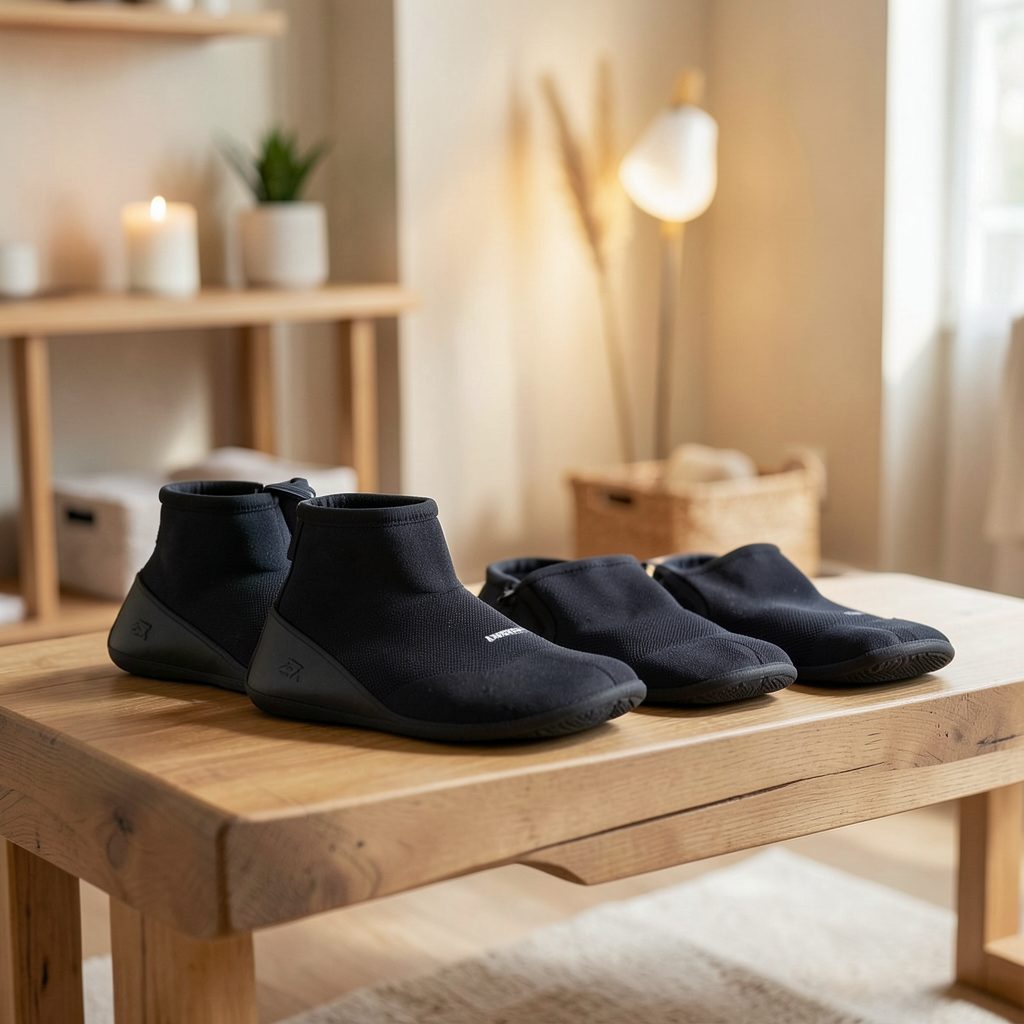
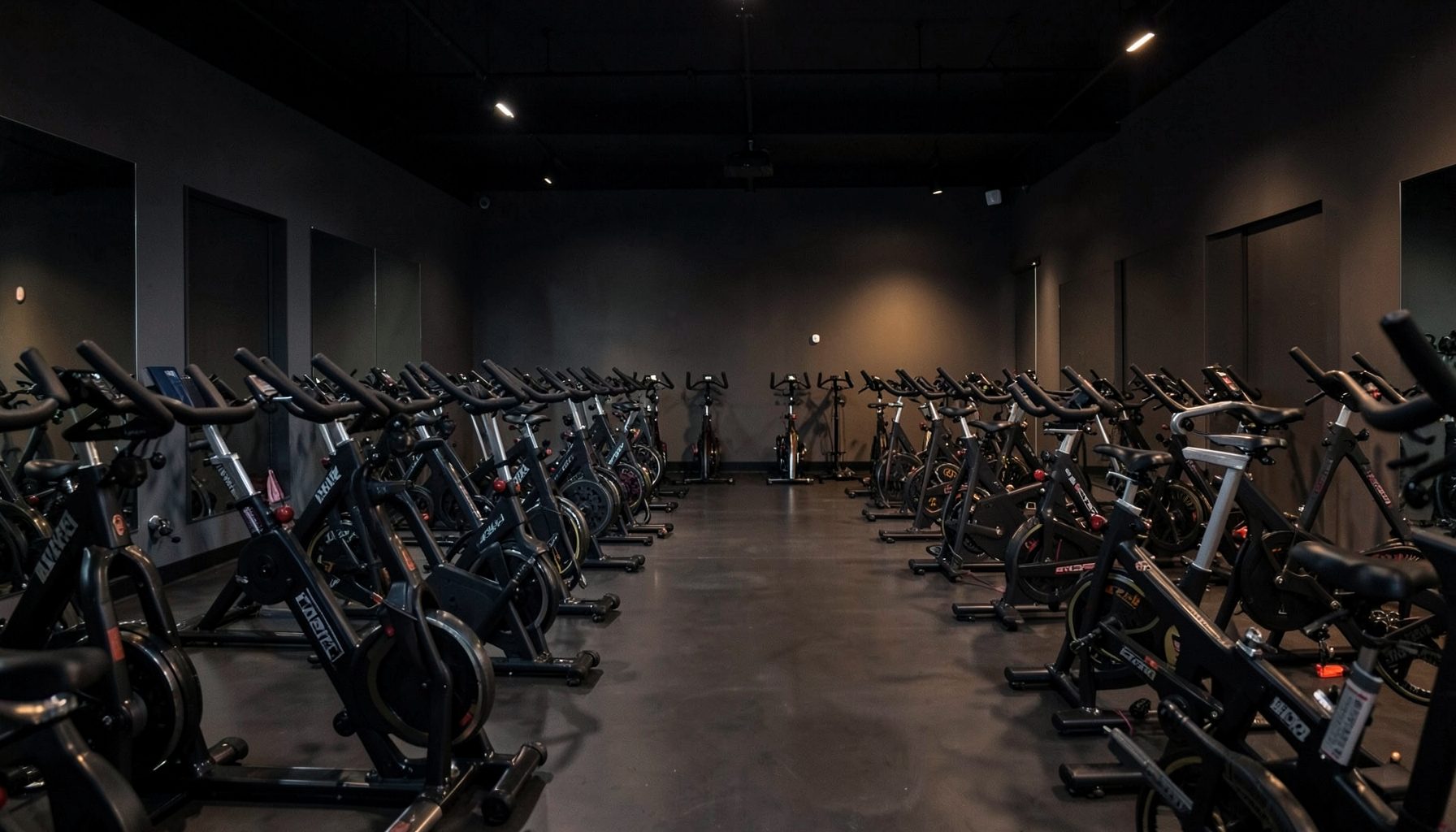
Normatec boot recovery and cryotherapy treatments help athletes bounce back faster. Cycle and spin classes add a cardio dimension to the holistic performance approach.
Have a Question?