Train. Compete. Recover.
A multi-purpose athletic facility in Speedway, Indiana — basketball leagues, skill training, and wellness services all under one roof.
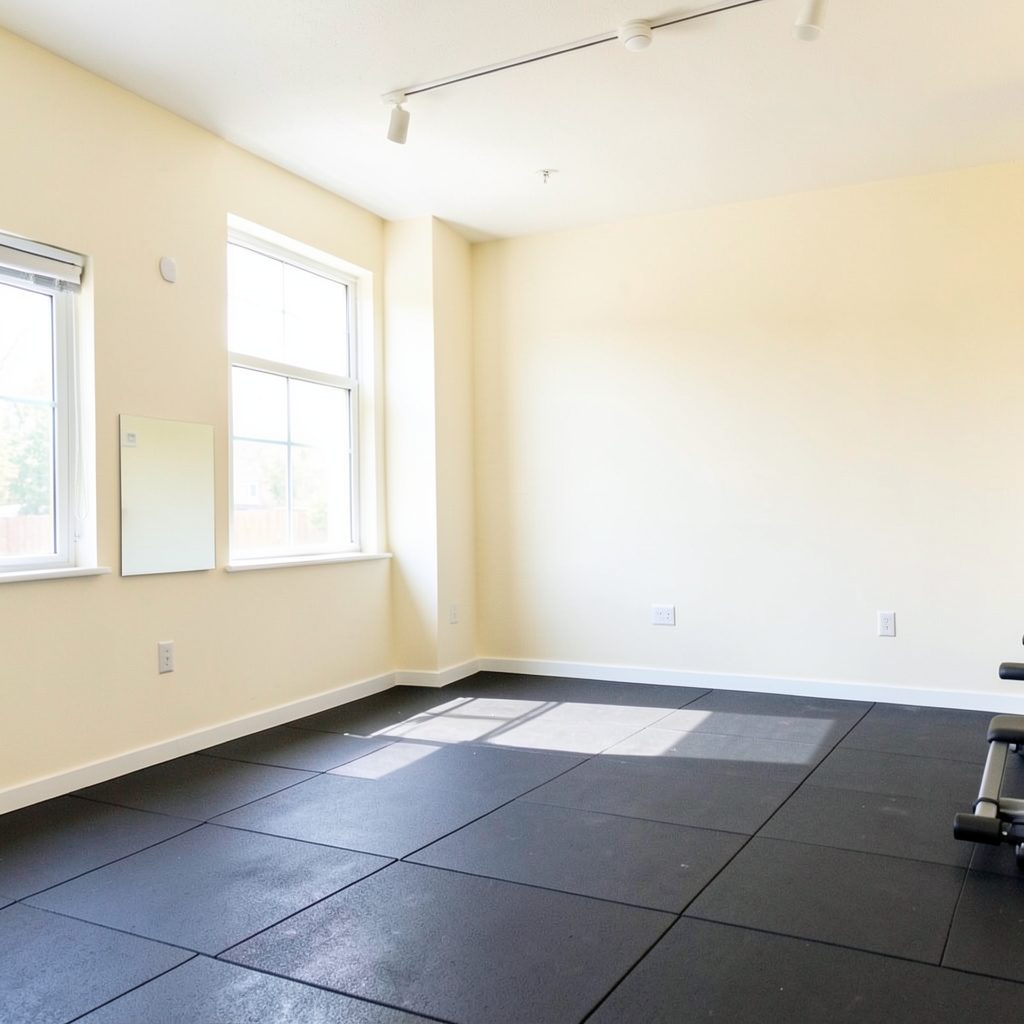
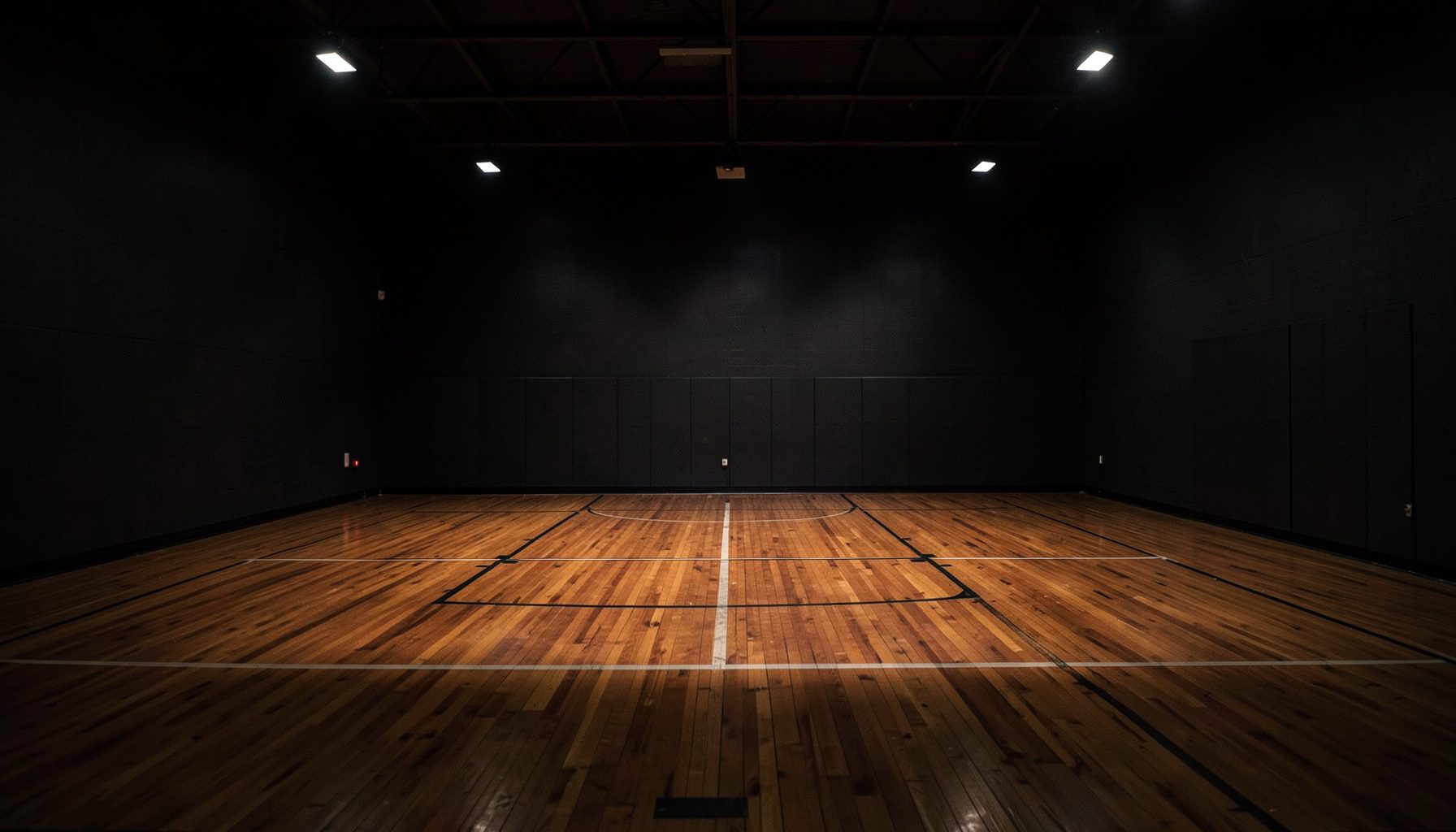
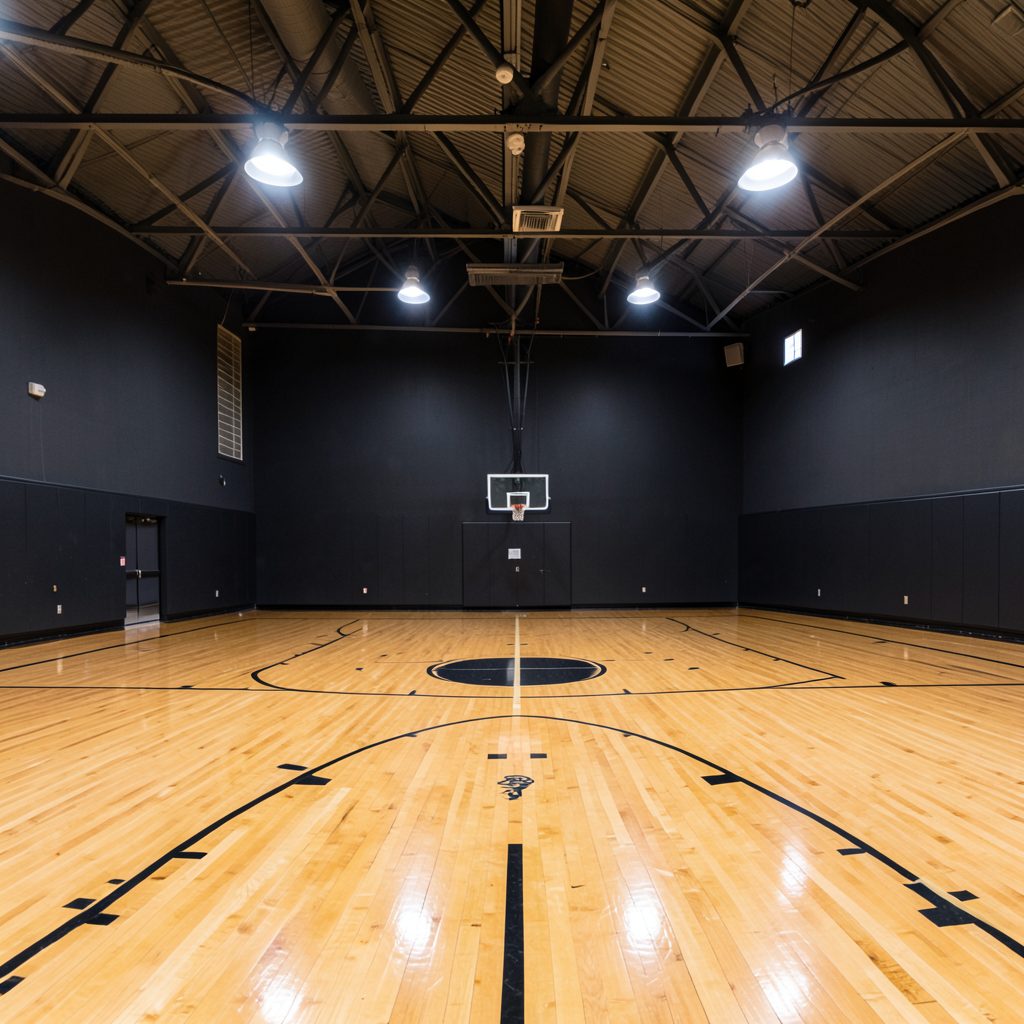
The Factory D1 Indy brings together three entities under one roof: competitive basketball leagues for all age groups, individual and group training, and wellness & recovery services including Normatec boot recovery and cryotherapy. Located off I-465 and High School Road at 6331 Crawfordsville Road, Speedway, Indiana 46224.
Get In TouchUsing Foam Rolling and Normatec Together for Maximum Recovery
Basketball, cycling, strength training, and league competition place repeated demands on muscles, tendons, and joints. Hard sessions can leave athletes with tight hips, sore calves, heavy legs, or restricted movement the next day. A consistent recovery routine helps restore comfort and mobility so the body is ready for the next practice or workout.
Foam rolling and Normatec compression therapy address recovery from different directions. A roller provides targeted self-myofascial release, while Normatec uses sequential pneumatic compression to create a rhythmic squeezing action around the limbs. Used thoughtfully, these methods can become a practical part of post-training care at home or in a performance facility.
The goal is not to erase every sensation of soreness or force the body into complete relaxation. Effective recovery supports circulation, comfortable range of motion, and readiness for future activity. The best results come from matching the method, pressure, and timing to the athlete’s current needs.
Why These Recovery Methods Work Well Together
Foam rolling applies direct pressure to areas that feel tense or restricted. Slow passes over the quadriceps, hamstrings, glutes, calves, upper back, and lats may help reduce the feeling of stiffness and improve short-term mobility. It should feel like manageable pressure rather than sharp pain, numbness, or aggressive bruising.
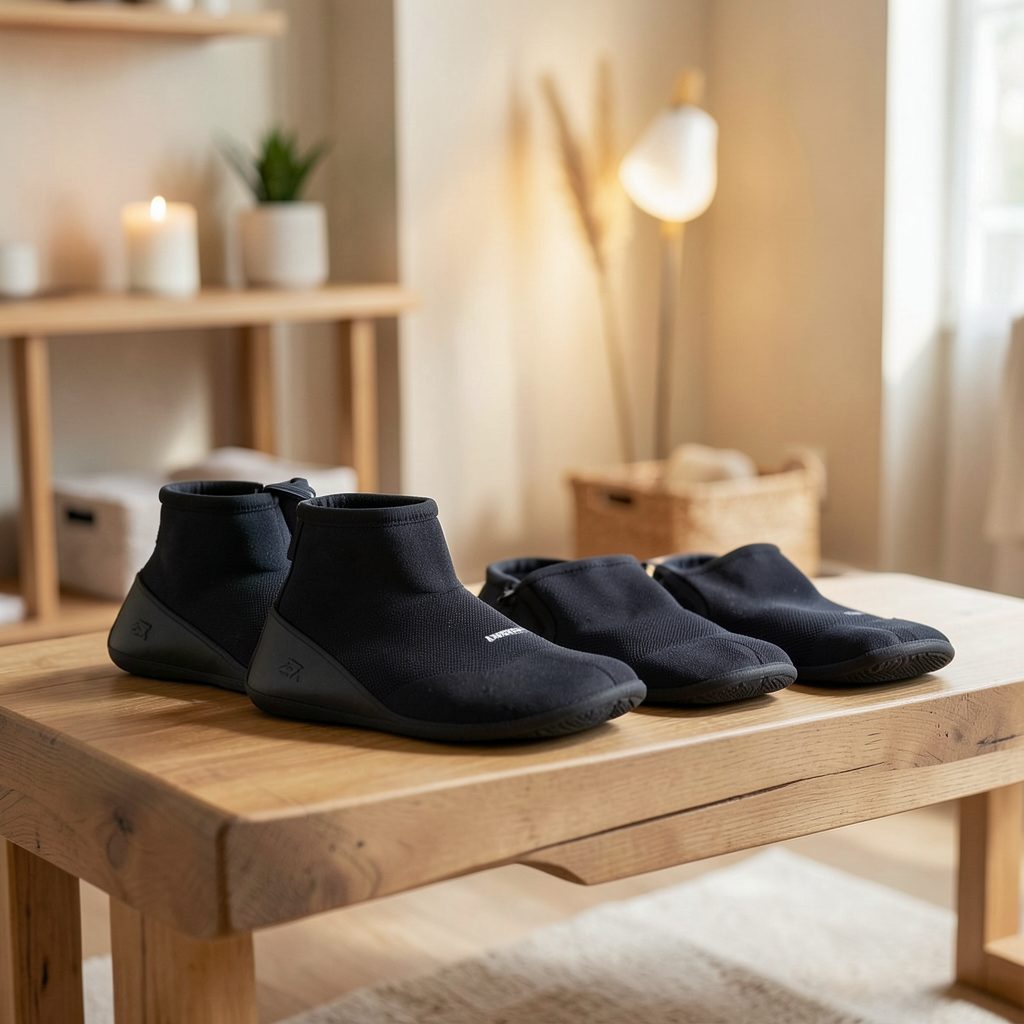
Normatec boots or sleeves use air-filled chambers that inflate and release in sequence. This compression pattern can promote a sense of lighter legs after prolonged standing, intense exercise, or repeated sprinting. It is especially useful when both legs feel generally fatigued rather than when one small area needs precise attention.
Combining the two creates a logical progression. Rolling gives focused attention to tight muscle groups, while compression provides a broader, low-effort recovery session afterward. Neither treatment replaces sleep, hydration, nutrition, or appropriate load management, but both can support those fundamentals.
When To Roll And When To Compress
Foam rolling is often most useful before training when an athlete wants temporary mobility without static stretching for a long period. A brief session can help prepare the ankles, hips, thoracic spine, and other regions for movement. Before basketball, use gentle pressure and controlled breathing instead of an exhausting, extended rolling routine.
After exercise, rolling can be followed by Normatec for a more complete cooldown. This order makes sense because the roller addresses specific areas first, while compression can then provide a relaxing whole-limb sequence. Many athletes prefer this combination after games, tournaments, long cycling classes, or demanding lower-body workouts.
Timing does not need to be complicated. Five to ten minutes of focused rolling followed by approximately 20 to 30 minutes of compression is a reasonable starting point. Athletes should observe how they feel later that day and the following morning, then adjust duration and intensity rather than assuming a harder session will create better results.
A Practical Post-Training Routine
Begin with a few minutes of easy walking, gentle cycling, or relaxed mobility work. Cooling down gradually allows breathing and heart rate to settle before deeper recovery work. Have water available, especially after a hot practice or high-sweat conditioning session.
Use the foam roller on broad muscle groups, moving slowly for about 30 to 60 seconds per region. Pause briefly on areas that feel dense or tender, but do not roll directly over bones, joints, the front of the neck, or painful injuries. For basketball athletes, the calves, quadriceps, glutes, hamstrings, and outer hip region are common areas to address.
After rolling, place the Normatec attachments on clean, dry skin and select a comfortable setting. Start with moderate compression and a shorter cycle if the athlete is new to pneumatic recovery. The pressure should feel firm and rhythmic, never painful or restrictive. Relax during the session, then stand up slowly and notice whether the legs feel more comfortable and mobile.
Choosing The Right Approach
Foam rolling is portable, affordable, and easy to target. It works well for athletes who know exactly where they feel tight or who want to prepare a specific movement pattern. It also gives the user control over speed, body position, and pressure, although that control requires good judgment.
Normatec is convenient when fatigue is widespread or when an athlete wants a hands-free recovery option. The consistent compression sequence can be easier to tolerate after a demanding session than repeated active mobility drills. It may also fit naturally into a broader wellness visit that includes hydration, stretching, or quiet rest.
| Recovery need | Foam rolling | Normatec compression | Combined use |
|---|---|---|---|
| Local muscle tightness | Highly targeted | Less specific | Roll the area first |
| General leg fatigue | Moderate benefit | Well suited | Use rolling briefly, then compress |
| Short-term mobility | Often helpful | Indirect support | Roll before movement or compression |
| Post-game relaxation | Requires active effort | Passive and rhythmic | Pair both after cooldown |
| Travel or prolonged sitting | Portable option | Useful when available | Roll briefly, then use compression |
| Beginner control | Easy to modify | Requires correct fit and setting | Begin gently with both methods |
The comparison shows why the methods can complement one another without being interchangeable. An athlete with a tight calf may benefit from careful rolling, while someone with heavy legs after a full day of competition may prefer compression. Using both is most useful when each tool has a clear purpose.
Adjusting Recovery For Different Athletes
Youth athletes should use simple, supervised routines with light pressure and short sessions. The emphasis should be on learning body awareness and recovering comfortably rather than chasing intense sensations. Coaches and parents can help ensure that children do not roll over injuries or use equipment incorrectly.
Adult recreational athletes may need recovery strategies that fit around work, family responsibilities, and inconsistent training schedules. A short routine after a cycle class or evening basketball game can be more sustainable than a complicated protocol. Consistency usually matters more than adding multiple devices or extending every session.
Competitive players facing frequent practices, leagues, or tournaments should consider the full training week. Recovery can support readiness between sessions, but it cannot compensate for excessive workload. Athletes participating in local competition can review league registration while building a routine that includes skill work, conditioning, recovery, and adequate rest.
Safety, Comfort, And Professional Guidance
Avoid foam rolling directly over open wounds, recent fractures, acute swelling, severe bruising, or areas of unexplained pain. Stop if rolling causes tingling, numbness, sharp pain, or symptoms that travel down an arm or leg. Discomfort from pressure is different from pain that signals a possible injury.
Compression therapy may not be appropriate for everyone. People with known or suspected blood clots, serious circulation problems, uncontrolled hypertension, acute infection, significant heart conditions, or certain vascular disorders should seek medical advice before using pneumatic compression. Anyone recovering from surgery or managing a chronic condition should follow guidance from a qualified healthcare professional.
Equipment fit matters. Sleeves should sit securely without creating excessive constriction, skin color changes, or persistent discomfort. A trained staff member can help athletes select an appropriate setting and recognize when recovery equipment should be avoided. Normatec should support a broader wellness plan, not serve as a substitute for diagnosis or rehabilitation.
Building A Sustainable Recovery Habit
A useful routine is easy to repeat after training and flexible enough for different levels of fatigue. Keep the sequence brief on busy days and extend it only when the body responds well. Record simple observations such as soreness, range of motion, sleep quality, and next-day energy to identify patterns.
- Use gentle rolling before activity when mobility feels limited.
- Roll specific muscle groups after training, avoiding joints and injured areas.
- Follow with 20 to 30 minutes of comfortable Normatec compression.
- Drink fluids and include adequate protein and carbohydrates in the daily plan.
- Seek medical guidance for persistent pain, swelling, numbness, or circulation concerns.
Athletes can also schedule recovery alongside regular training rather than waiting until soreness becomes severe. A basketball player may use the routine after a tournament day, while a cyclist may prefer it after a demanding spin class. The most effective approach is the one that fits the athlete’s schedule and produces comfortable, repeatable results.
At The Factory D1 Indy, athletes can make recovery part of a larger performance routine alongside basketball training, competitive leagues, cycling, and wellness services. Book time for foam rolling and Normatec compression after your next demanding session, then return to training with a more deliberate plan for mobility, circulation, and rest.
Inside The Factory
Three Entities, One Roof
Leagues
Eight league divisions span every age group: Indy Pro AM, 18+ Open Men's, 30+ Men's, Bite Size (ages 3–6), Impact League, 5th/6th Grade, Middle School, and High School. Gather your team and compete.
Training
Individual and group basketball training for all skill levels. Major M.O.V.E.S. Basketball Training serves ages 4–7 on Wednesday and Thursday evenings at 6:30 PM — $30 per session or $100 unlimited monthly.
Wellness & Recovery
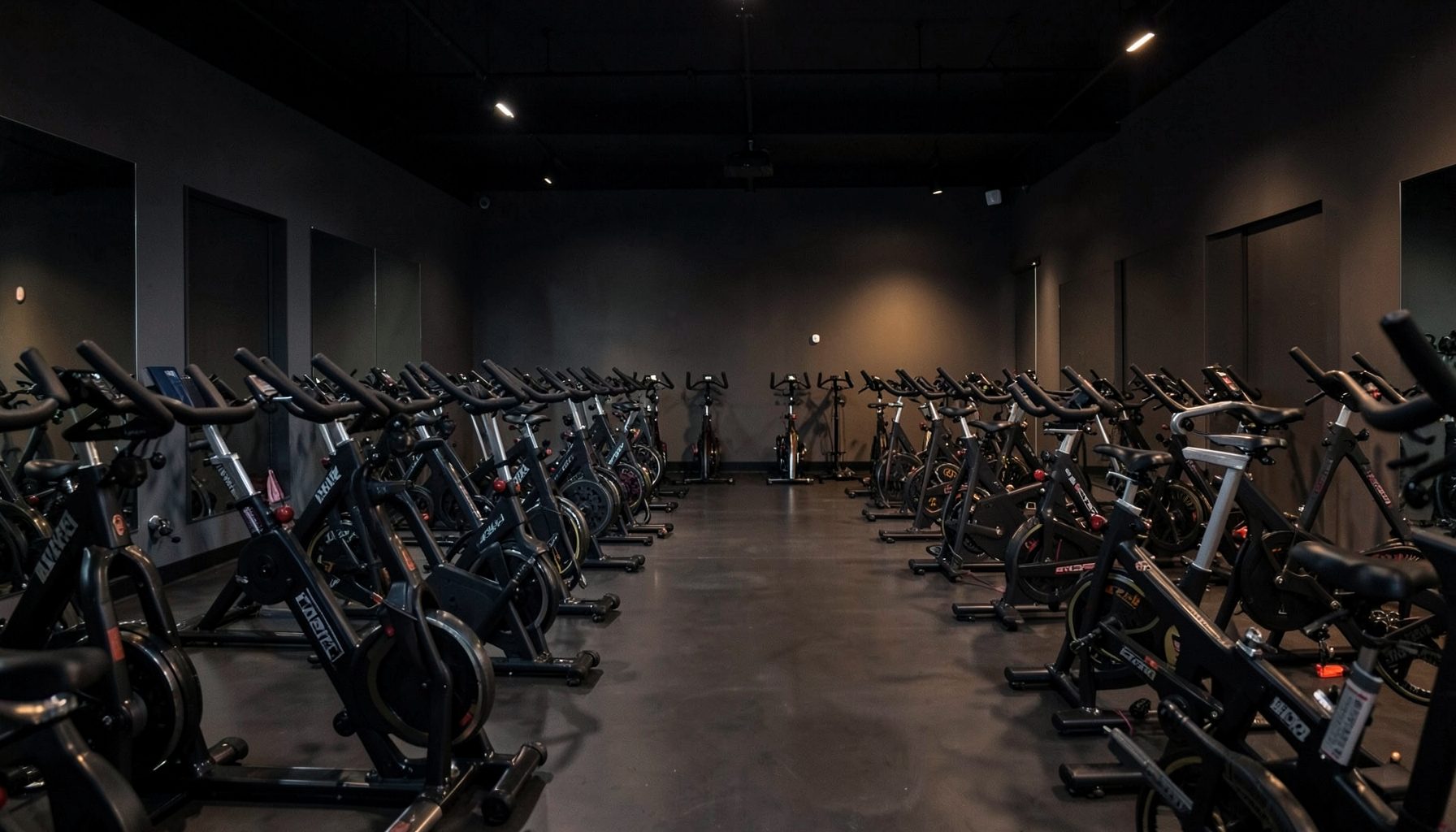
Normatec boot recovery and cryotherapy treatments help athletes bounce back faster. Cycle and spin classes add a cardio dimension to the holistic performance approach.
Have a Question?