Train. Compete. Recover.
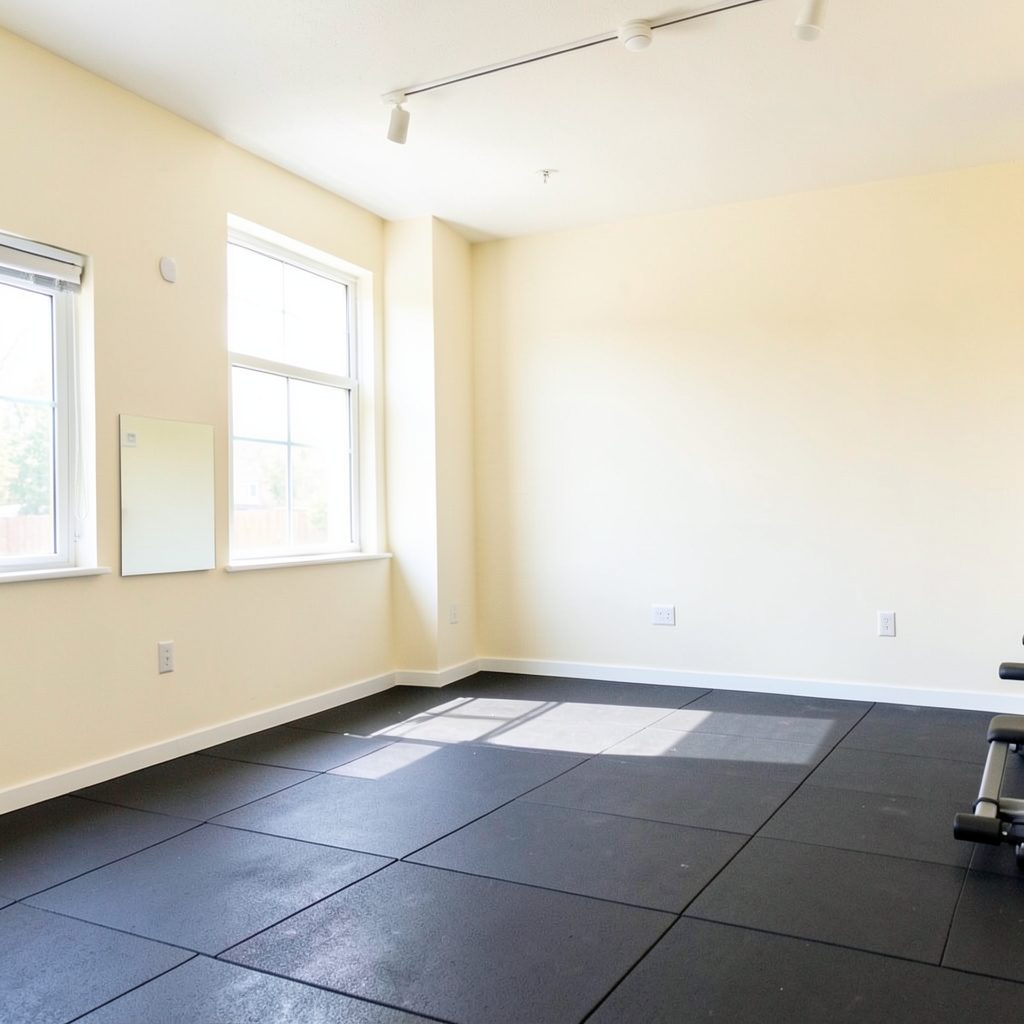
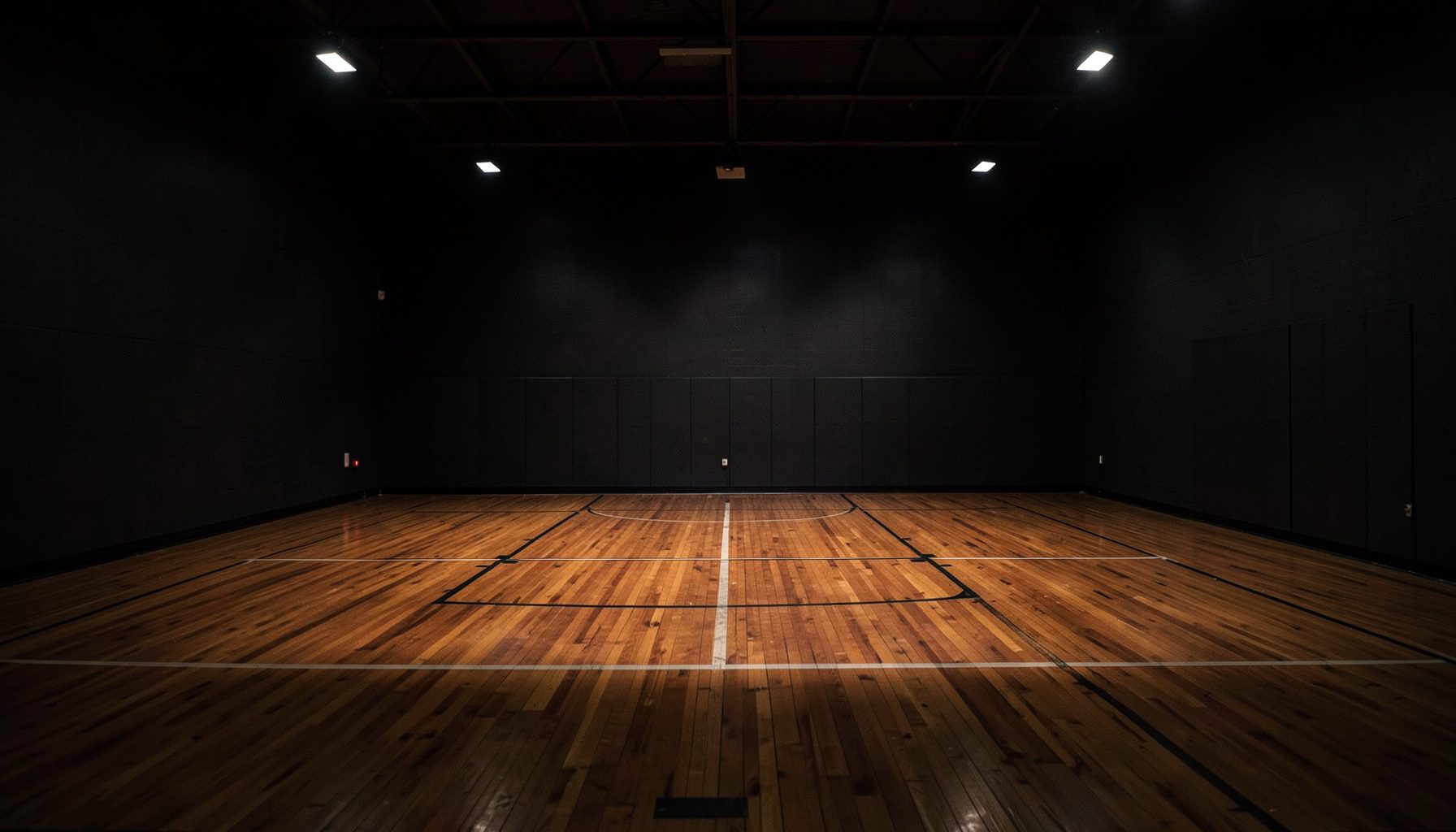
A multi-purpose athletic facility in Speedway, Indiana — basketball leagues, skill training, and wellness services all under one roof.
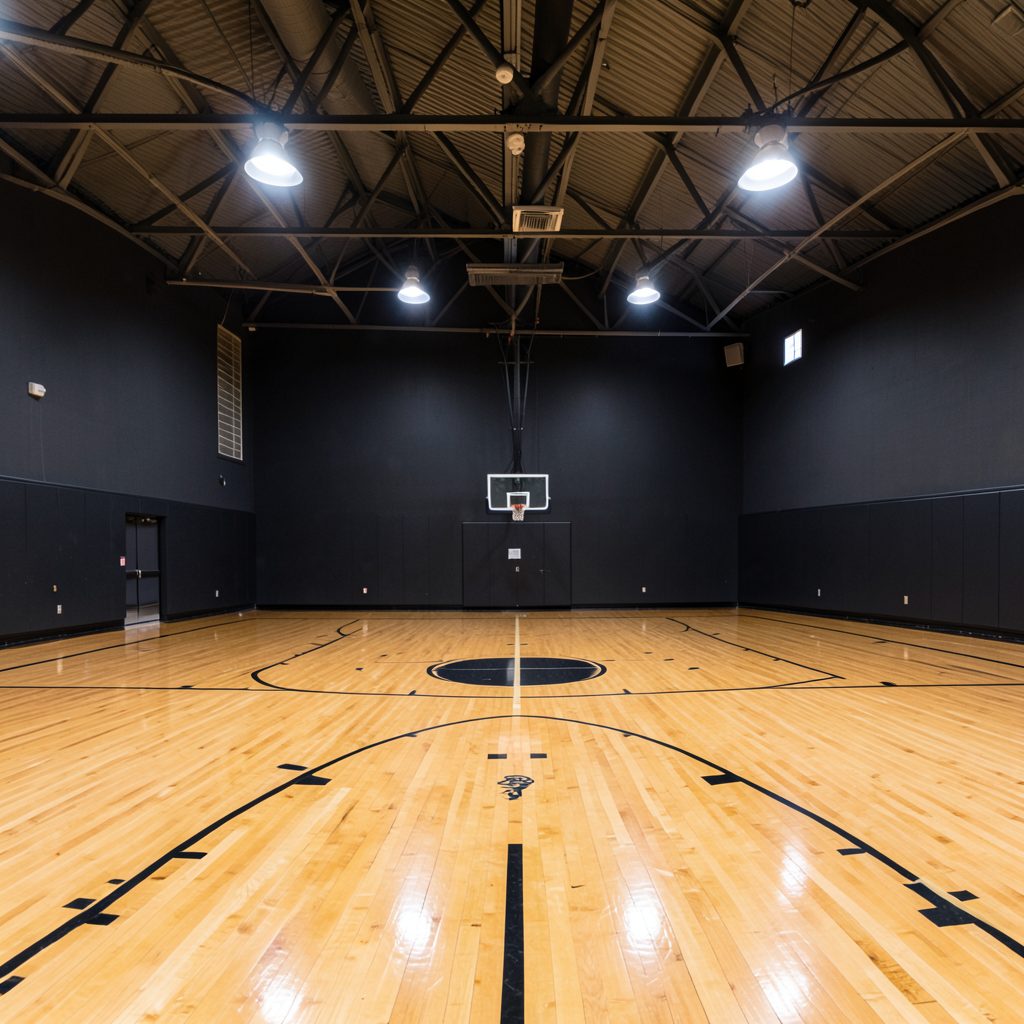
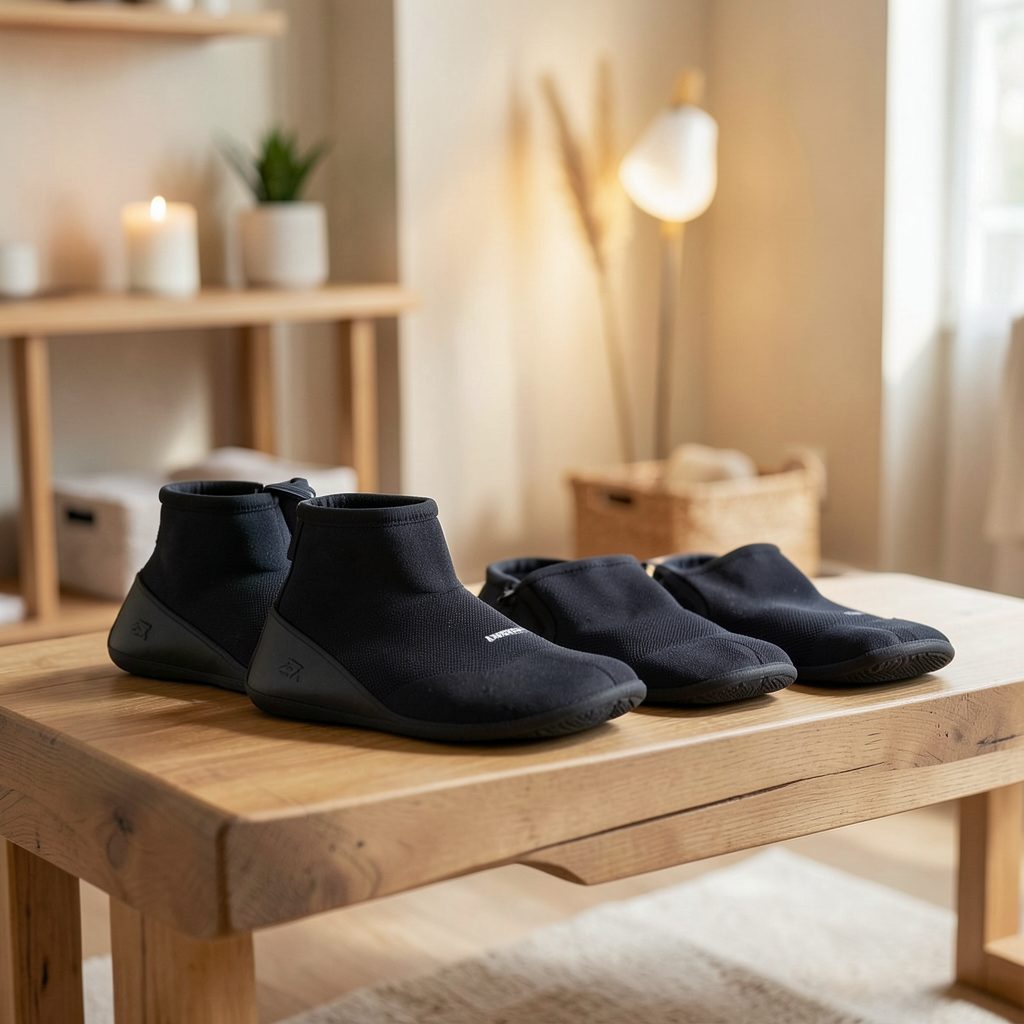
The Factory D1 Indy brings together three entities under one roof: competitive basketball leagues for all age groups, individual and group training, and wellness & recovery services including Normatec boot recovery and cryotherapy. Located off I-465 and High School Road at 6331 Crawfordsville Road, Speedway, Indiana 46224.
Get In TouchUsing Resistance Bands To Strengthen Your Jump Shot
A reliable jump shot depends on more than arm strength. Power must travel from the floor through the legs, hips, core, shoulder, elbow, and wrist in a coordinated sequence. Resistance bands can help athletes rehearse that sequence while building stability and control through the shooting motion.
Unlike heavy weights, bands provide adjustable tension and allow basketball players to train familiar movement patterns. They can be used during warmups, skill sessions, or strength work without requiring much space. The goal is not to make every shooting drill harder. It is to improve the physical qualities that support a repeatable release.
For younger players, bands can also make strength training approachable and engaging. Older athletes may use them to address weaknesses such as a collapsing shooting elbow, poor shoulder control, or an inconsistent follow-through. Good technique remains the priority, with resistance serving as a tool rather than a replacement for regular shooting practice.
Why Band Training Helps Your Shooting Motion
A jump shot requires the body to stabilize as it rises and releases the ball. Resistance bands challenge that stability by pulling the limbs away from the intended path. When used carefully, they encourage the shoulders, upper back, trunk, and hips to work together so the athlete can maintain posture under tension.
Band exercises can strengthen the muscles involved in scapular control, shoulder rotation, and elbow positioning. These areas matter because a stable upper body gives the shooting arm a consistent platform. Stronger hips and legs also help players create force from the ground instead of trying to generate all of their range with the arm.
Bands are especially useful for correcting movement habits. A light loop around the wrists can encourage the hands to stay aligned during a form shot. A mini-band around the thighs can remind a player to keep the knees tracking over the toes during a jump. These small cues support efficient mechanics without turning the workout into a complicated weightlifting session.
Choosing The Right Band And Setup
Start with light or moderate resistance. If the band causes the shooting arm to drift, the elbow to flare, or the shoulders to tense, it is too strong for technical work. Athletes should be able to complete each repetition smoothly and stop before fatigue changes the movement.
Long loop bands work well for rows, pull-aparts, resisted presses, and lower-body exercises. Mini-bands are useful for lateral walks, squat variations, and hip activation. A handled tube can provide a familiar grip for pressing or rotational movements, although it should be anchored securely and checked for wear before use.
Perform band work in a clear area with stable footing. Keep the face and eyes focused toward the target during shooting movements, and avoid attaching a band in a way that could snap toward the athlete. Coaches should supervise younger players and select resistance based on control, not age alone.
Drills That Connect Strength To Shot Mechanics
Begin with band pull-aparts. Hold a light band at chest height with straight but relaxed arms, then pull it apart while keeping the ribs down and shoulder blades controlled. Complete 10 to 15 repetitions. This exercise activates the upper back and supports the posture needed to receive, raise, and release the ball.
Next, try a resisted set-point raise. Hold the band lightly between both hands and move the shooting hand from the chest to the set point near the forehead. The non-shooting hand should remain relaxed rather than forcing the ball upward. Pause briefly at the set point, then return with control. Ten slow repetitions per side are enough for most athletes.
For lower-body support, place a mini-band just above the knees and practice athletic-stance rises. Dip into the legs while keeping the knees aligned with the feet, then rise onto the balls of the feet as if beginning a jump shot. Add the ball once the movement feels natural. This teaches players to produce force from the floor while maintaining balance.
| Drill | Main Focus | Suggested Volume | Coaching Cue |
|---|---|---|---|
| Band Pull-Apart | Upper-back control | 2 sets of 10–15 | Keep shoulders away from ears |
| Set-Point Raise | Shooting-arm path | 2 sets of 8–10 each side | Move smoothly, not quickly |
| Mini-Band Athletic Rise | Leg alignment and lift | 2 sets of 8–12 | Track knees over toes |
| Band-Resisted Core Hold | Trunk stability | 2 sets of 15–20 seconds | Keep hips and ribs steady |
| Light Band Form Shots | Release rhythm | 2 sets of 5–8 | Remove tension before fatigue |
The final drill should return to the basketball. Use a very light band around the wrists for close-range form shots, making sure it does not interfere with the hands. Shoot from one to three feet away, emphasizing a quiet lower body, a straight elbow path, soft fingers, and a balanced finish. Remove the band and repeat the same shots so the athlete can transfer the feeling into normal form.
Pairing Resistance Work With Basketball Practice
Band exercises are most effective when they prepare or reinforce skill training. A short activation series before practice may include pull-aparts, lateral walks, and controlled set-point raises. Keep the volume low enough that the shoulders and legs feel ready rather than tired.
Strength-focused band work can also follow a shooting session. After technical repetitions, athletes can perform rows, presses, split-stance holds, and anti-rotation exercises. This order protects shot quality because fatigue is less likely to distort mechanics during the most important skill work.
A useful weekly rhythm includes two or three short band sessions, separated by recovery days when possible. Players should still prioritize live shooting, footwork, passing, and game-speed decisions. Resistance training supports these skills; it does not replace them. Record makes and misses during normal shooting sessions to see whether improved control carries into competition.
Common Mistakes To Avoid
Many athletes choose a band that is too difficult because heavier resistance feels more productive. In shooting development, excessive tension often creates compensations. The wrist may become stiff, the elbow may move away from the body, or the player may finish off balance. Light resistance with precise form usually offers greater value.
Another mistake is treating every repetition as a race. A controlled two-second lift and two-second return can reveal weaknesses that fast repetitions hide. Breathing should remain steady, and the athlete should stop when the movement becomes jerky or the shooting shoulder begins to rise.
Use these recommendations to keep band-based jump-shot training focused:
- Select the lightest resistance that creates a clear challenge without changing alignment.
- Complete technical drills near the basket before attempting longer-range shots.
- Keep the shooting hand relaxed and avoid squeezing the band or ball.
- Match every resisted shooting set with unresisted repetitions.
- Ask a coach to check elbow position, balance, and landing mechanics.
Turning Better Mechanics Into Game Confidence
The transfer from resistance work to competition happens through gradual progression. Start with stationary form shots, then add a small jump, a one-two footwork pattern, or a hop. Progress to catch-and-shoot repetitions, shots after a change of direction, and attempts taken while mildly fatigued. Each step should preserve the same release rhythm.
Players can also use bands to prepare for different demands. A guard may emphasize shoulder endurance and anti-rotation control for repeated pull-up shots. A forward may prioritize hip strength, balance, and contact stability around the lane. Coaches can adapt the exercises while keeping the central goals consistent: a strong base, a stable torso, a repeatable set point, and a relaxed follow-through.
Training in a structured basketball environment makes it easier to apply these ideas to real movement. At The Factory D1 Indy, athletes can combine skills training, competitive play, conditioning, and recovery as part of a broader development routine. Players or families interested in available programs can contact the facility to learn how basketball training may fit their goals.
Use resistance bands as a bridge between physical preparation and shooting skill. Begin with controlled movements, keep the tension appropriate, and finish with unresisted shots that reflect game technique. With consistent practice and thoughtful coaching, band training can help build the strength, stability, and confidence behind a smoother jump shot.
Inside The Factory

Three Entities, One Roof
Leagues
Eight league divisions span every age group: Indy Pro AM, 18+ Open Men's, 30+ Men's, Bite Size (ages 3–6), Impact League, 5th/6th Grade, Middle School, and High School. Gather your team and compete.
Training
Individual and group basketball training for all skill levels. Major M.O.V.E.S. Basketball Training serves ages 4–7 on Wednesday and Thursday evenings at 6:30 PM — $30 per session or $100 unlimited monthly.
Wellness & Recovery
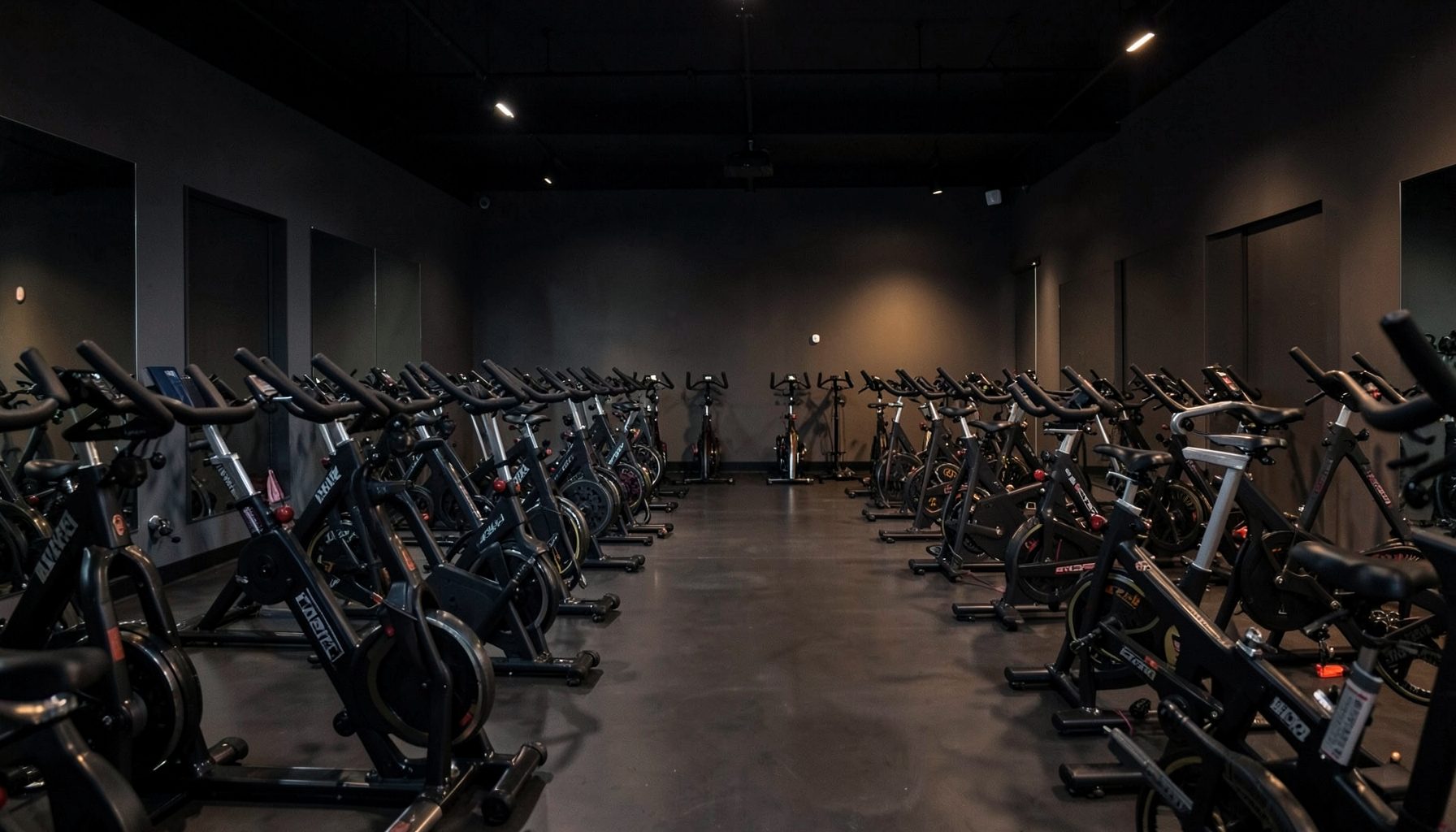
Normatec boot recovery and cryotherapy treatments help athletes bounce back faster. Cycle and spin classes add a cardio dimension to the holistic performance approach.
Have a Question?