Train. Compete. Recover.
A multi-purpose athletic facility in Speedway, Indiana — basketball leagues, skill training, and wellness services all under one roof.
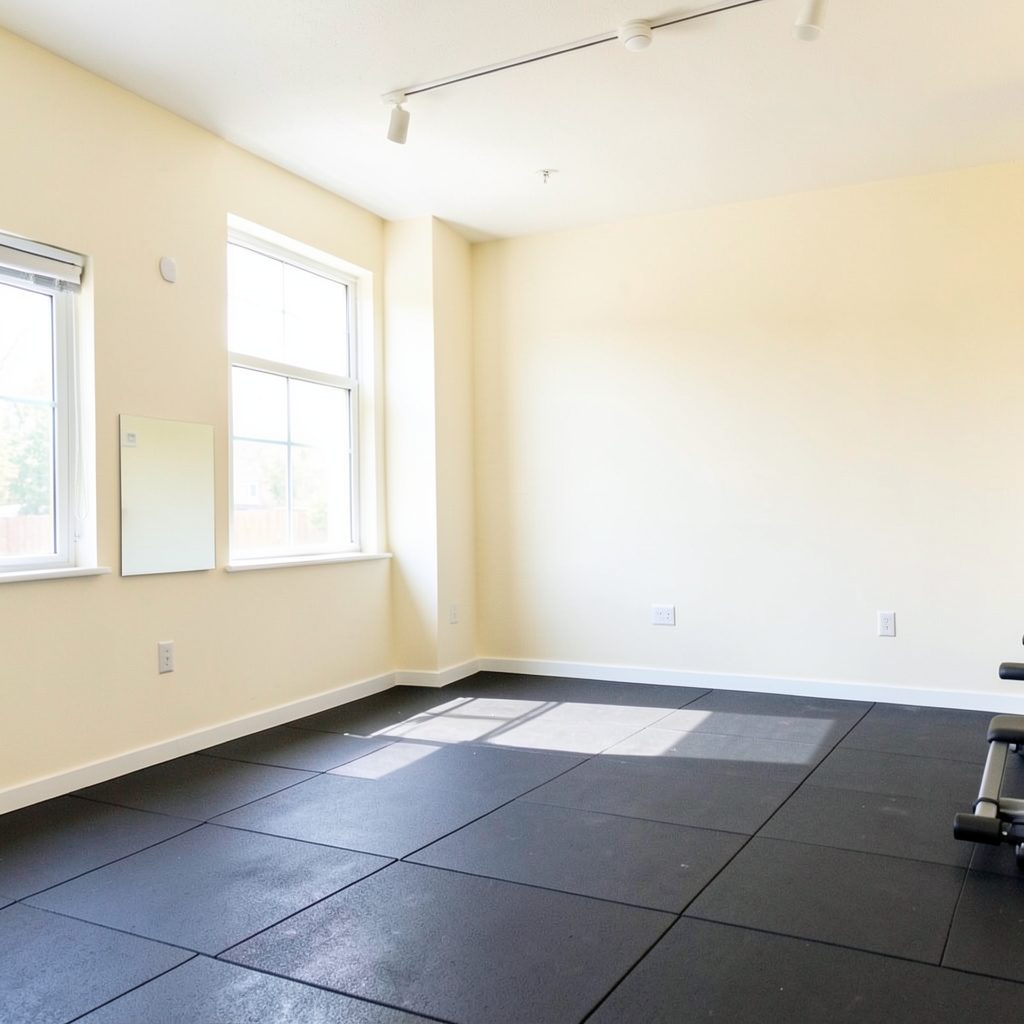
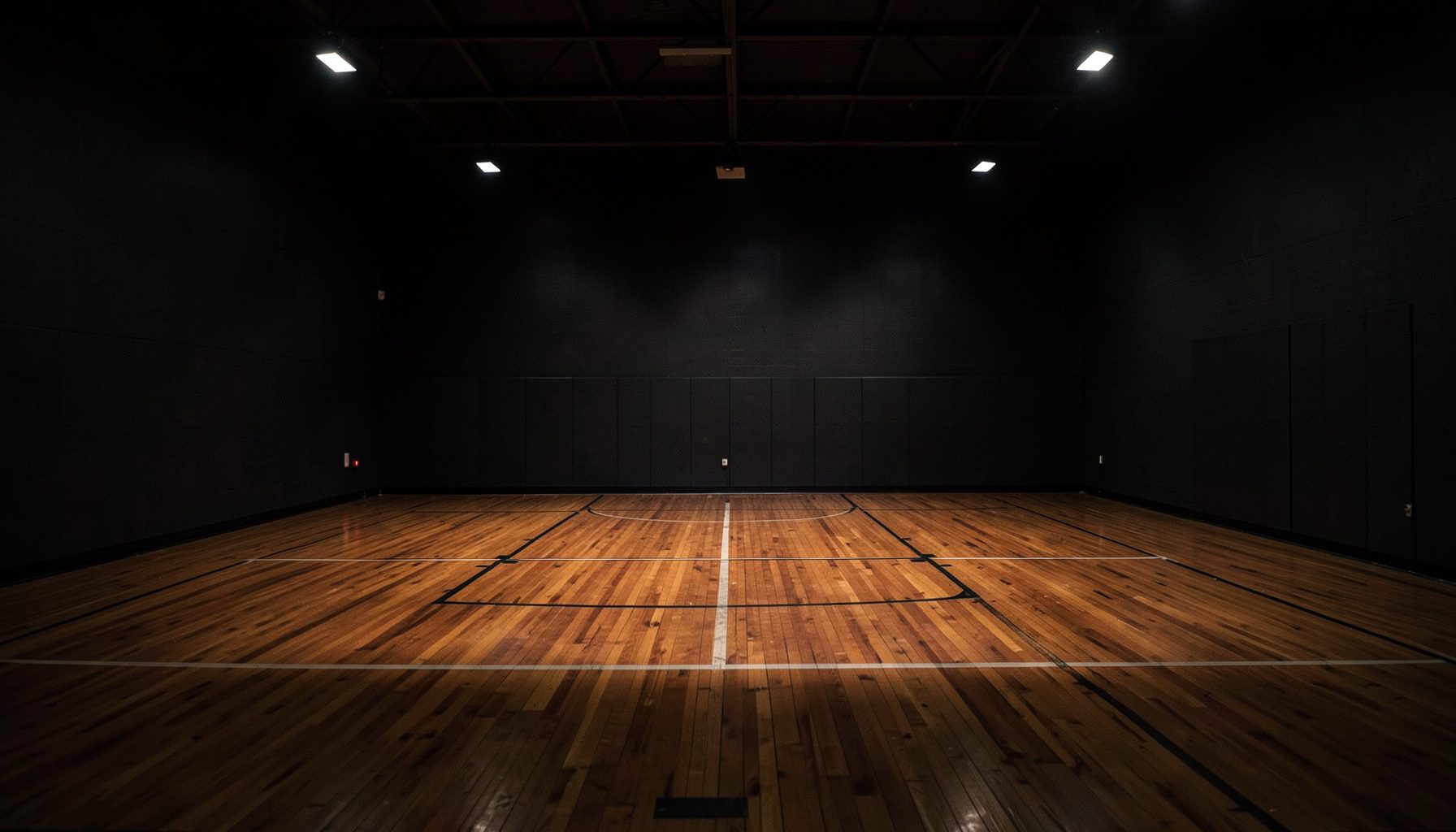
The Factory D1 Indy brings together three entities under one roof: competitive basketball leagues for all age groups, individual and group training, and wellness & recovery services including Normatec boot recovery and cryotherapy. Located off I-465 and High School Road at 6331 Crawfordsville Road, Speedway, Indiana 46224.
Get In TouchFinding the Right Age for Basketball Skills Training
The best age to begin formal basketball skills training is usually the age when a child can enjoy instruction, follow simple directions and stay engaged for a reasonable period. That may be five for one athlete and eight for another. A child does not need to be physically advanced or already playing in a competition to benefit from well-designed coaching.
At The Factory D1 Indy, basketball development can be adjusted for different ages, abilities and goals. Early sessions should feel active and encouraging, while older athletes may work towards competitive leagues, school teams or more specialised performance targets. The focus should always match the child’s stage of development.
For Australian families, the decision often sits alongside school sport, weekend commitments and other popular codes. A child might spend winter playing basketball in Melbourne, Sydney or Brisbane, then switch attention to cricket, Australian rules football or swimming. A flexible training pathway helps basketball remain enjoyable rather than becoming another source of pressure.
The phrase “formal basketball skills training” can sound more intense than it needs to be. For younger players, it may simply mean structured games that teach balance, ball control, passing and movement. For teenagers, it can develop shooting mechanics, defensive footwork, decision-making and conditioning in a purposeful setting.
Early childhood is about movement and enjoyment
Children around four to six can start learning basketball foundations when sessions are designed for their attention span and coordination level. At this stage, coaching should use short activities, plenty of movement and simple demonstrations. A young player may practise rolling, catching, dribbling with two hands, stopping safely and aiming at a lower target.
The goal is familiarity rather than technical perfection. A coach can introduce the language of basketball—pivot, pass, space and defend—without expecting a child to execute every skill consistently. Games involving colour cues, relay races and partner passing often teach more effectively than long lines or repetitive drills.
Australian children commonly balance basketball with swimming lessons, footy clinics and school activities, so early training should complement a busy family routine. A 30- to 45-minute session may be more productive than a demanding programme that leaves a child tired or frustrated. Positive experiences at this age can create the confidence to keep playing through primary school.
Ages seven to nine are ideal for basic technique
Between seven and nine, many children are ready for more organised skill development. They can usually listen for longer, understand simple rules and begin connecting a coach’s instruction with their performance. This is a useful age to establish ball-handling habits, passing technique, lay-up footwork, shooting form and basic defensive positioning.
Children still develop at different rates. A tall nine-year-old may find some movements easier, while a smaller or less experienced player may show better coordination. Good coaching avoids making body size or early athleticism the measure of potential. It teaches both sides of the body, encourages balanced movement and gives each athlete achievable targets.
This stage can also prepare children for school competitions and local junior associations, whether they are playing in an Australian primary-school programme or an overseas community league. Training should include decision-making rather than drills performed without context. Small-sided games give young athletes regular touches of the ball and help them learn when to pass, cut, shoot or defend.
Ages ten to twelve bring greater game awareness
Around ten to twelve, players often become ready for a more deliberate basketball development plan. They can absorb technical detail while beginning to understand how individual actions affect teammates. Sessions may include shooting consistency, change-of-direction dribbling, close-outs, rebounding position, transition play and reading defensive pressure.
This is also a suitable period for group training. Working with peers introduces communication, competition and accountability without making every session feel like a high-stakes selection trial. Athletes can learn to accept feedback, respond after mistakes and contribute in different roles. Those habits matter in junior leagues and later school or representative basketball.
Families should still protect variety and recovery. In Australia, a child may be moving between basketball, netball, football, athletics or surf lifesaving depending on the season and location. Early specialisation is not essential for most players. A broad athletic base—running, jumping, rotating, balancing and reacting—can support long-term basketball progress.
Teenagers can pursue specialised development
Teenagers who are already committed to basketball may benefit from formal training that becomes more individualised. Coaches can assess shooting mechanics, footwork, strength, speed, ball-screen decisions and defensive habits, then build sessions around the athlete’s position and goals. A guard may need advanced ball control and pick-and-roll reads, while a forward may focus on finishing, rebounding and perimeter skills.
This is often the right time to connect training with a clear objective, such as making a school team, improving representative performance or preparing for university basketball. Australian athletes may be thinking about NBL1 pathways, state programmes or US college opportunities, while others simply want to perform better at their local club. Training should reflect that goal without promising identical results for every player.
Physical development requires care during adolescence. Growth spurts can temporarily affect balance, timing and coordination, and heavy workloads may increase fatigue. Coaches should monitor training volume, encourage sound warm-ups and make room for rest. Conditioning can support basketball, but it should build resilience rather than punish young athletes.
Older beginners can still learn effectively
There is no upper age limit for starting structured basketball instruction. A teenager or adult beginner can improve quickly when coaching begins with the fundamentals and removes unnecessary embarrassment. Passing, shooting, defensive stance and movement can be taught progressively, with drills adapted to the athlete’s current fitness and coordination.
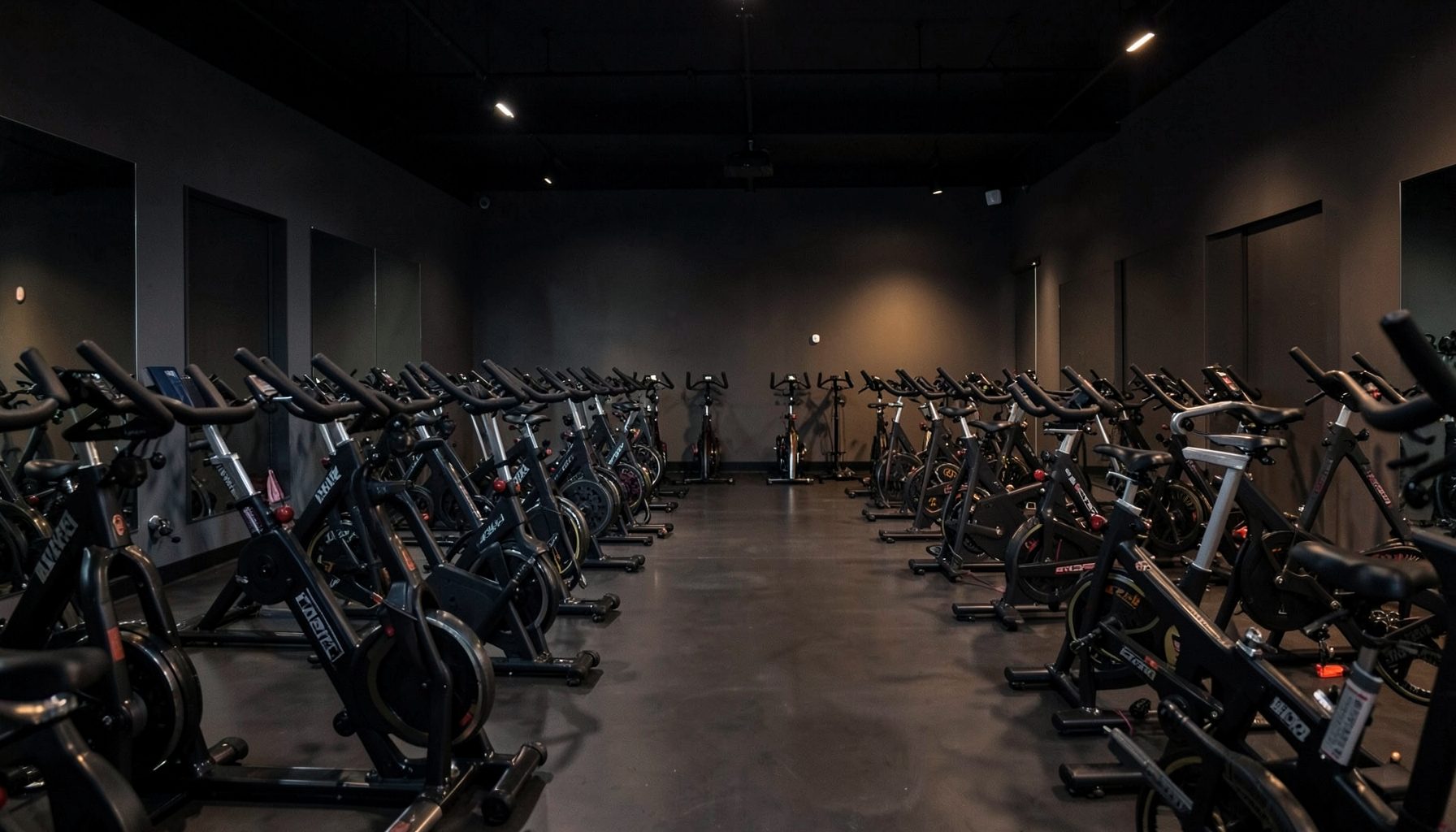
Adults may train for social competition, workplace leagues, general fitness or a return to sport after many years away. The Factory D1 Indy offers a broader athletic environment, so basketball sessions can sit alongside cycling and recovery options. Athletes interested in managing training fatigue can explore wellness and recovery services such as compression therapy and cryotherapy, where appropriate.
For Australian adults, this approach can fit around work, family and community sport. A casual player from Perth, Adelaide or the Gold Coast may want sharper skills before joining a social league, while a former junior athlete may be rebuilding confidence after time away. Consistent practice matters more than starting at a supposedly perfect age.
Choosing the right programme for your athlete
Age is only one factor when deciding whether a child is ready. Look at attention span, willingness to participate, ability to follow safety instructions and response to group activities. A mature five-year-old may enjoy a beginner class, while an easily overwhelmed eight-year-old may need a slower entry. The right programme creates challenge without making the athlete feel behind.
Parents should ask how sessions are organised, whether groups are separated by age or experience, and how coaches adapt drills for different abilities. It is also worth checking whether the facility offers individual instruction, group development and competitive leagues as the athlete progresses. Information about programmes, values and the wider organisation is available through the facility’s story.
A useful progression might begin with playful fundamentals, move into consistent technique, then add game decisions and position-specific work. Competition can be introduced when a player understands basic rules and can manage winning and losing with support. The pathway should remain flexible, because children’s interests, confidence and physical development change over time.
The strongest starting point is the programme that makes an athlete want to return. Contact The Factory D1 Indy to discuss age-appropriate basketball training, group options and competitive opportunities. With patient coaching and regular practice, athletes can build skills at a pace that supports enjoyment, confidence and long-term participation.
Inside The Factory

Three Entities, One Roof
Leagues
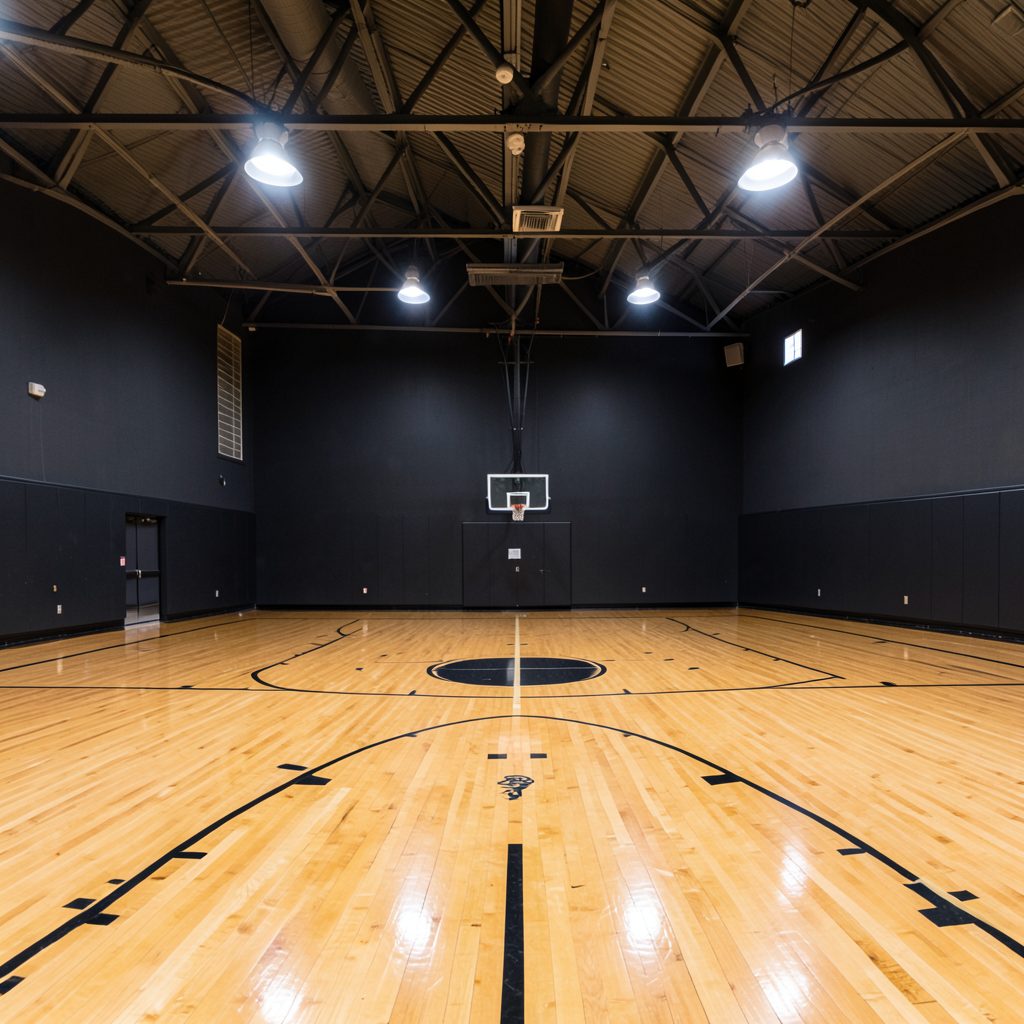
Eight league divisions span every age group: Indy Pro AM, 18+ Open Men's, 30+ Men's, Bite Size (ages 3–6), Impact League, 5th/6th Grade, Middle School, and High School. Gather your team and compete.
Training
Individual and group basketball training for all skill levels. Major M.O.V.E.S. Basketball Training serves ages 4–7 on Wednesday and Thursday evenings at 6:30 PM — $30 per session or $100 unlimited monthly.
Wellness & Recovery
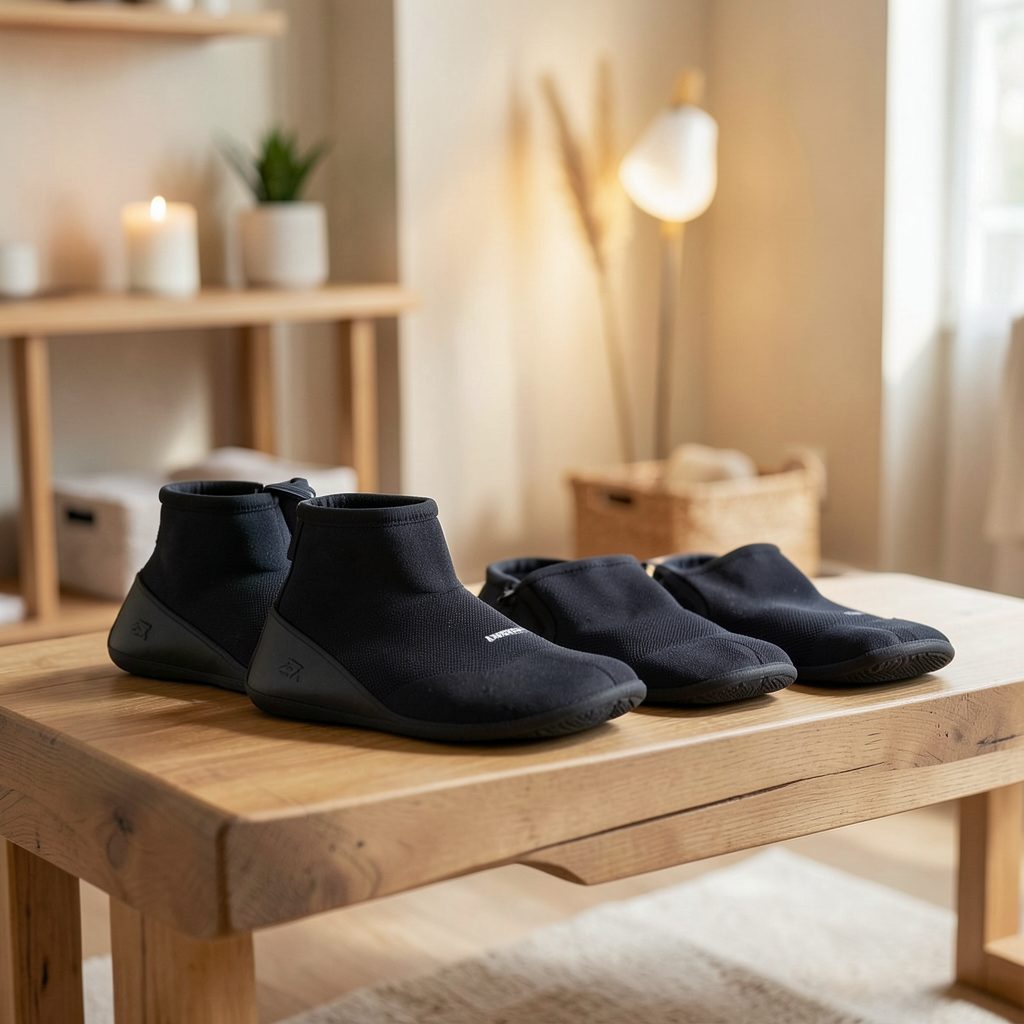
Normatec boot recovery and cryotherapy treatments help athletes bounce back faster. Cycle and spin classes add a cardio dimension to the holistic performance approach.
Have a Question?