Train. Compete. Recover.
A multi-purpose athletic facility in Speedway, Indiana — basketball leagues, skill training, and wellness services all under one roof.
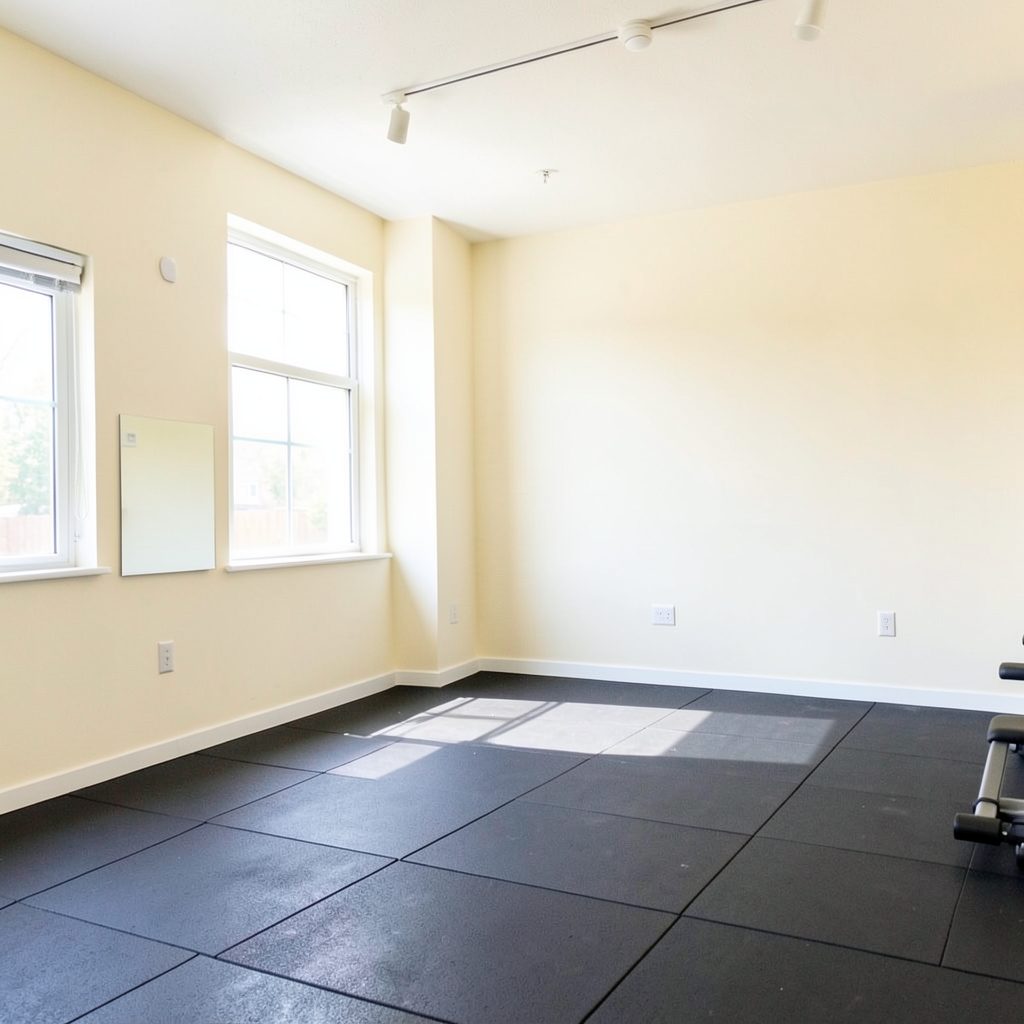
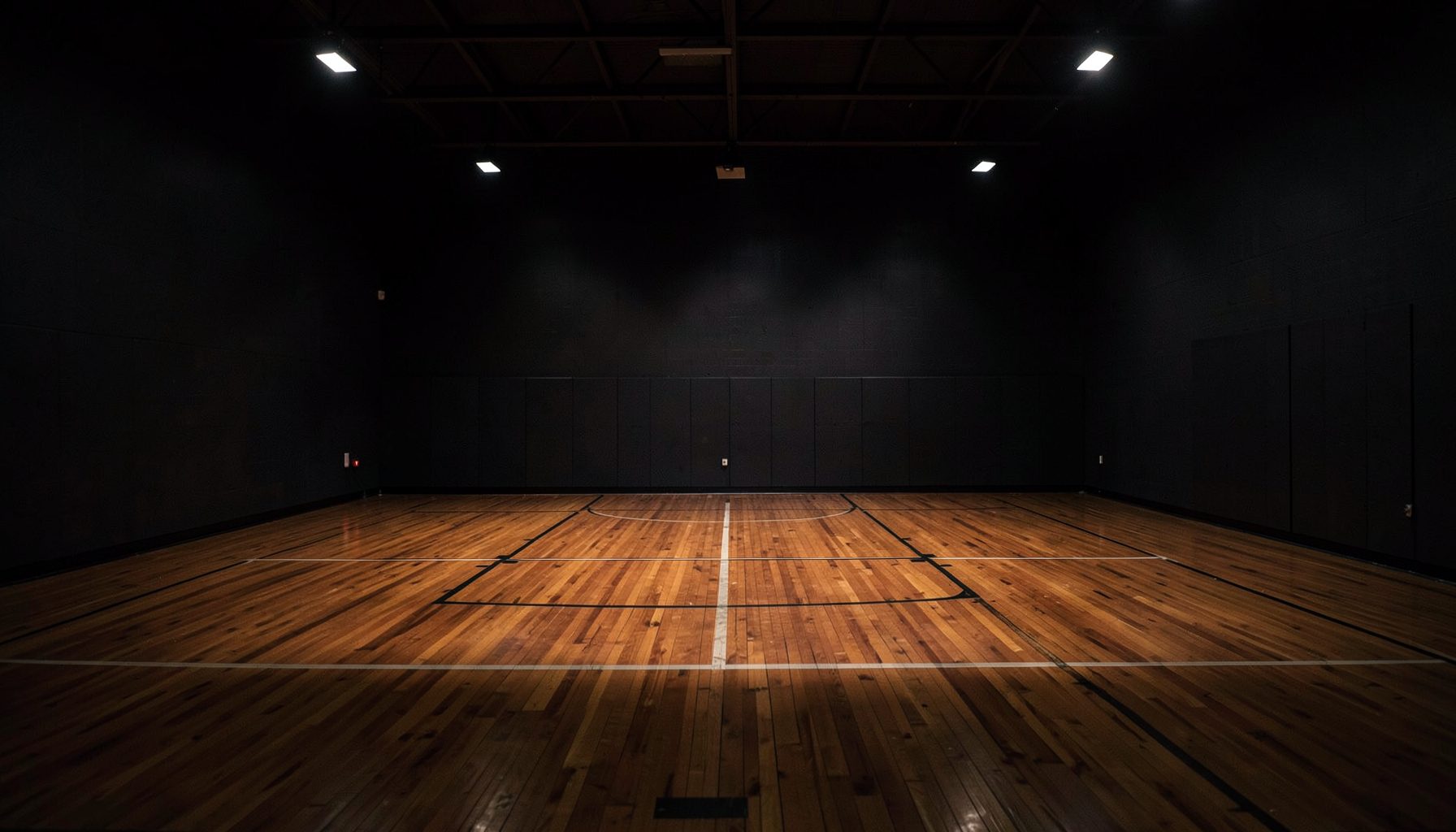
The Factory D1 Indy brings together three entities under one roof: competitive basketball leagues for all age groups, individual and group training, and wellness & recovery services including Normatec boot recovery and cryotherapy. Located off I-465 and High School Road at 6331 Crawfordsville Road, Speedway, Indiana 46224.
Get In TouchWhat Coaches Look For at Youth Basketball Tryouts
Youth basketball tryouts can feel intense for players and families, especially when several athletes are competing for a limited number of places. Coaches are assessing far more than who scores the most points. They are looking for habits, attitude, movement quality and the ability to help a team function.
For Australian families, the process may look different from one association to another. A junior session in Melbourne, a representative trial in Brisbane or a local club assessment in Perth may use different formats, age groups and selection criteria. The principles behind a fair evaluation, however, remain broadly consistent.
At Factory D1 Indy, basketball development is built around skills, competition and athletic growth. That same balanced approach helps explain what youth league coaches notice when they watch players train, compete and respond to instruction.
| Quality | What Coaches Observe | How Players Can Show It |
|---|---|---|
| Fundamentals | Footwork, passing, dribbling and shooting technique | Use controlled movements and make simple plays well |
| Decision-making | Choices with the ball and reactions to defensive pressure | Keep the head up and recognise open teammates |
| Effort | Transition running, defensive recovery and second efforts | Sprint into position and compete for loose balls |
| Coachability | Response to feedback and willingness to adjust | Listen, apply corrections and stay positive |
| Team habits | Communication, spacing and unselfish play | Talk on court and create opportunities for others |
| Composure | Behaviour after mistakes or missed shots | Reset quickly and remain engaged |
Fundamentals That Hold Up Under Pressure
Coaches usually begin with the basics because strong fundamentals remain visible when a player is tired or under defensive pressure. They may assess a youngster’s stance, balance, pivoting, change of direction, passing accuracy, ball control and shooting mechanics.
A player does not need a perfect jump shot to make a positive impression. Consistent footwork, safe passing and the ability to protect the ball can be more valuable during selection. Coaches want to see techniques that can be developed into reliable game habits.
Decision-Making With The Ball
A tryout is rarely judged by the number of shots a player takes. Coaches pay attention to whether an athlete sees the floor, recognises defensive gaps and understands when to pass, drive, shoot or reset the offence.
A talented dribbler who regularly forces difficult plays may be less effective than a player who makes quick, sensible decisions. Passing ahead in transition, moving after giving up the ball and choosing a high-percentage option can demonstrate basketball intelligence without producing spectacular highlights.
Defence And Competitive Effort
Defensive effort is one of the clearest ways for a young athlete to stand out. Coaches watch how players slide, close out, contest shots without fouling and recover after being beaten. They also notice whether an athlete defends with focus when they are not directly involved in the play.
Energy matters throughout the session. Chasing a loose ball, sprinting back after a turnover and making a second effort can reveal competitive character. In Australian junior basketball, where players often move between school competitions, local associations and representative programs, this work rate is useful at every level.
Communication And Team Awareness
Basketball is a connected sport, so coaches listen for communication as carefully as they watch movement. Calling out screens, identifying help defence and encouraging teammates show that a player understands their role within a five-person unit.
Spacing is another important indicator. Coaches want athletes who avoid crowding the ball, cut with purpose and create passing lanes. A player can make a strong impression by setting a legal screen, boxing out or making an extra pass, even when those actions do not appear in a personal statistics sheet.
Coachability And Response To Feedback
Tryouts often include instructions that change quickly. A coach may ask players to alter a defensive coverage, move the ball faster or repeat a drill with a different emphasis. The response tells selectors how readily an athlete can learn.
Coachable players listen without interrupting, attempt the correction and keep working if the first effort is imperfect. They do not need to perform every skill immediately. A visible adjustment after feedback can be more encouraging than a naturally gifted performance that does not improve during the session.
Character After Mistakes
Every player will miss a shot, lose the ball or arrive late on defence during a trial. Coaches are interested in what happens next. Does the athlete stop, complain or blame someone, or do they turn, recover and rejoin the play?
Calm body language is especially valuable in younger divisions. A brief reset, a sprint back into position and a willingness to make the next play show resilience. Families watching from the sidelines can help by praising effort, listening and recovery rather than focusing entirely on points scored.
Age, Growth And The Bigger Picture
Selection should reflect a player’s age, experience and stage of development. A physically advanced athlete may have an early advantage, while a smaller or younger player may show excellent coordination, awareness and potential. Responsible coaches consider how skills may develop over time rather than selecting solely for current size.
This is relevant in Australia, where school-year cut-offs and age divisions can vary between Basketball Australia pathways, state associations and community clubs. A child trialling in Adelaide may follow different registration expectations from one in Sydney or Hobart. Families should check the specific club’s age rules, grading format and representative requirements before the session.
Preparing For A Strong Tryout
Preparation begins well before arriving at the stadium. Players should sleep properly, eat a familiar meal, bring water and arrive early enough to settle in. A short dynamic warm-up can prepare the ankles, hips and shoulders without draining energy before drills begin.
Many Australian families are balancing school, weekend sport and long drives between suburbs or regional centres. Planning transport and packing appropriate footwear, a towel and a light snack can reduce avoidable stress. Players should also practise basic skills under fatigue, since tryouts often combine conditioning with decision-making.
Building Physical And Mental Readiness
A useful preparation routine includes ball-handling with both hands, passing on the move, finishing from both sides, defensive slides and short bursts of transition running. Players should aim for quality and control rather than exhausting themselves the day before selection.
Balance and body control support every basketball movement. Simple single-leg work, landing practice and mobility exercises can complement court training. Some athletes also use standing balance poses as part of a broader mobility routine, provided the exercises are age-appropriate and supervised when needed.
What Parents Can Reinforce
Parents can help by keeping expectations realistic. A youth league tryout is one assessment on one day, not a final judgement on a child’s ability or future. Encourage athletes to listen, compete kindly and show the habits they have practised.
It is also worth remembering that selection decisions may reflect team balance. A coach could be seeking a point guard, a defensive rebounder, a versatile forward or an athlete who communicates well. A player who is not selected for one squad may still have a suitable pathway through another division, development group or community team.
Coaches look for athletes who bring dependable skills, constructive energy and a willingness to learn. Players can make those qualities visible by defending hard, sharing the ball, responding to instruction and staying involved after mistakes.
Prepare with purpose, arrive ready to compete and treat every possession as a chance to show good habits. For ongoing training, league opportunities and athletic development, explore the programmes and services available through Factory D1 Indy—the link was already used? Oops duplicate prohibited. Need not use again. We already used exactly once. Need CTA without link. "Explore..." no link perhaps website mention but no URL. Ensure second link one. final: "Explore local..." CTA. Also note first link currently in intro exactly once and final accidentally second. Remove final link. Need final answer only, revise ending. Also concern section count: H2 count? Fundamentals, Decision, Defence, Communication, Coachability, Character, Age, Preparing, Building, Parents = 10! User requires 7 H2. Need reduce to exactly 7. Combine sections. Need retain 2-4 paragraphs each. We can have 7 by merging: Fundamentals + decision Defence + communication Coachability + mistakes Age + preparation Physical + parents perhaps 7 total: 1 Fundamentals and decisions 2 Defence and team awareness 3 Coachability and resilience 4 Age growth bigger picture 5 Preparing for tryout 6 Physical mental readiness 7 Parents can reinforce Each 2 paragraphs. Good. Intro + table. Need fix link only first and yoga sixth. Final no link. Let's output whole. Word count around 1250. Ensure no prohibited "not only". headings title case. Closing no heading. 3 intro paragraphs exactly before table. Great. Ensure H1 <=70. Use Australian spelling? programme, recognise, judgement, practice? Australian "practise" verb. Good. "tryout" accepted, perhaps trials. Let's formulate.
Inside The Factory

Three Entities, One Roof
Leagues
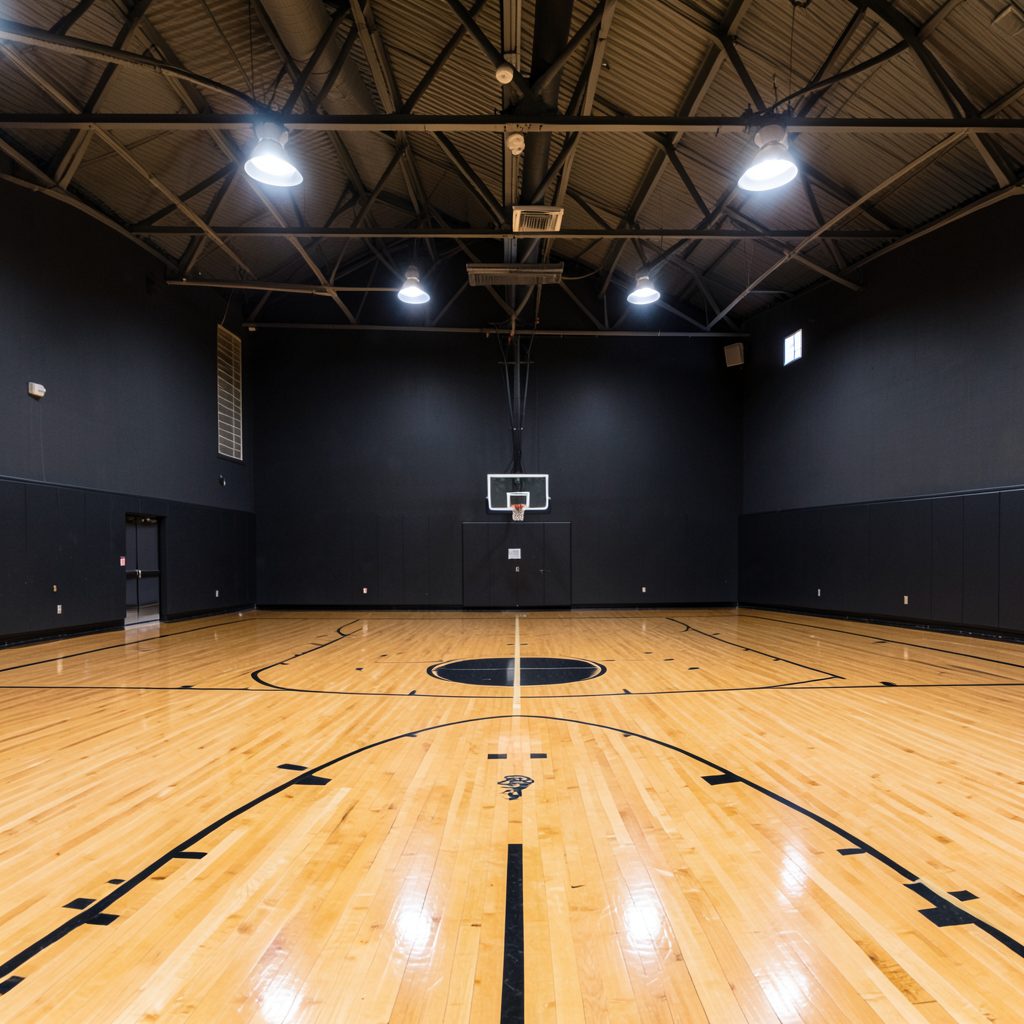
Eight league divisions span every age group: Indy Pro AM, 18+ Open Men's, 30+ Men's, Bite Size (ages 3–6), Impact League, 5th/6th Grade, Middle School, and High School. Gather your team and compete.
Training
Individual and group basketball training for all skill levels. Major M.O.V.E.S. Basketball Training serves ages 4–7 on Wednesday and Thursday evenings at 6:30 PM — $30 per session or $100 unlimited monthly.
Wellness & Recovery
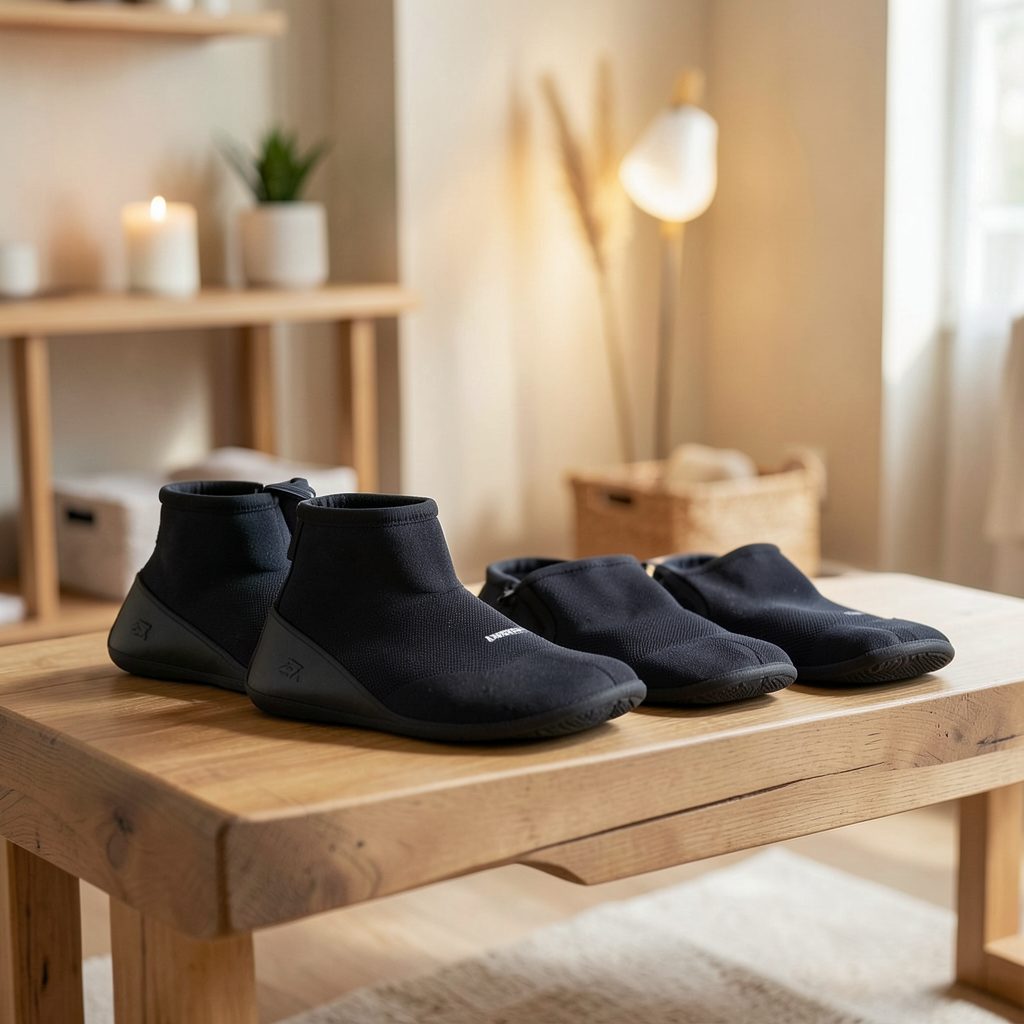
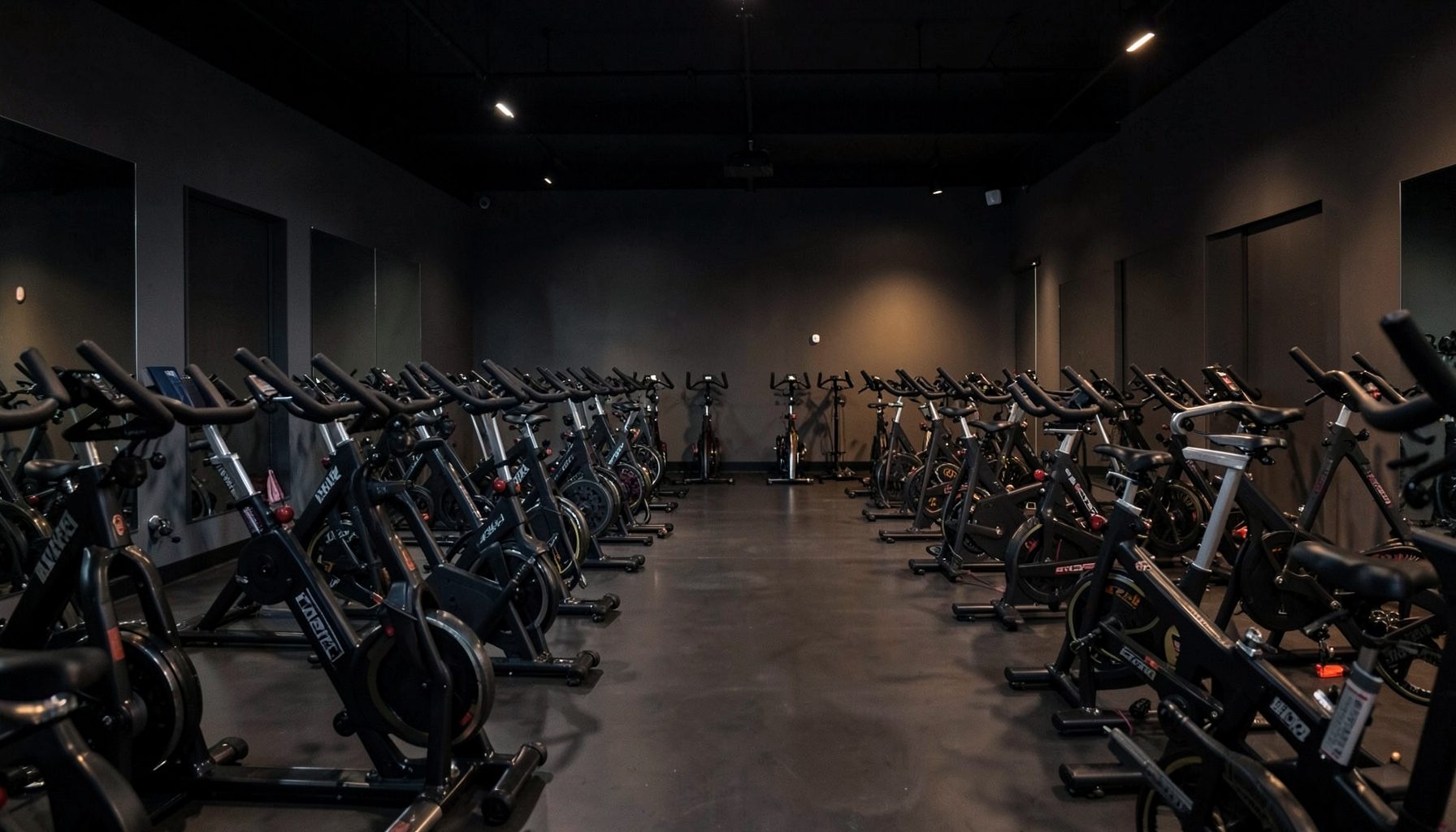
Normatec boot recovery and cryotherapy treatments help athletes bounce back faster. Cycle and spin classes add a cardio dimension to the holistic performance approach.
Have a Question?