Train. Compete. Recover.
A multi-purpose athletic facility in Speedway, Indiana — basketball leagues, skill training, and wellness services all under one roof.
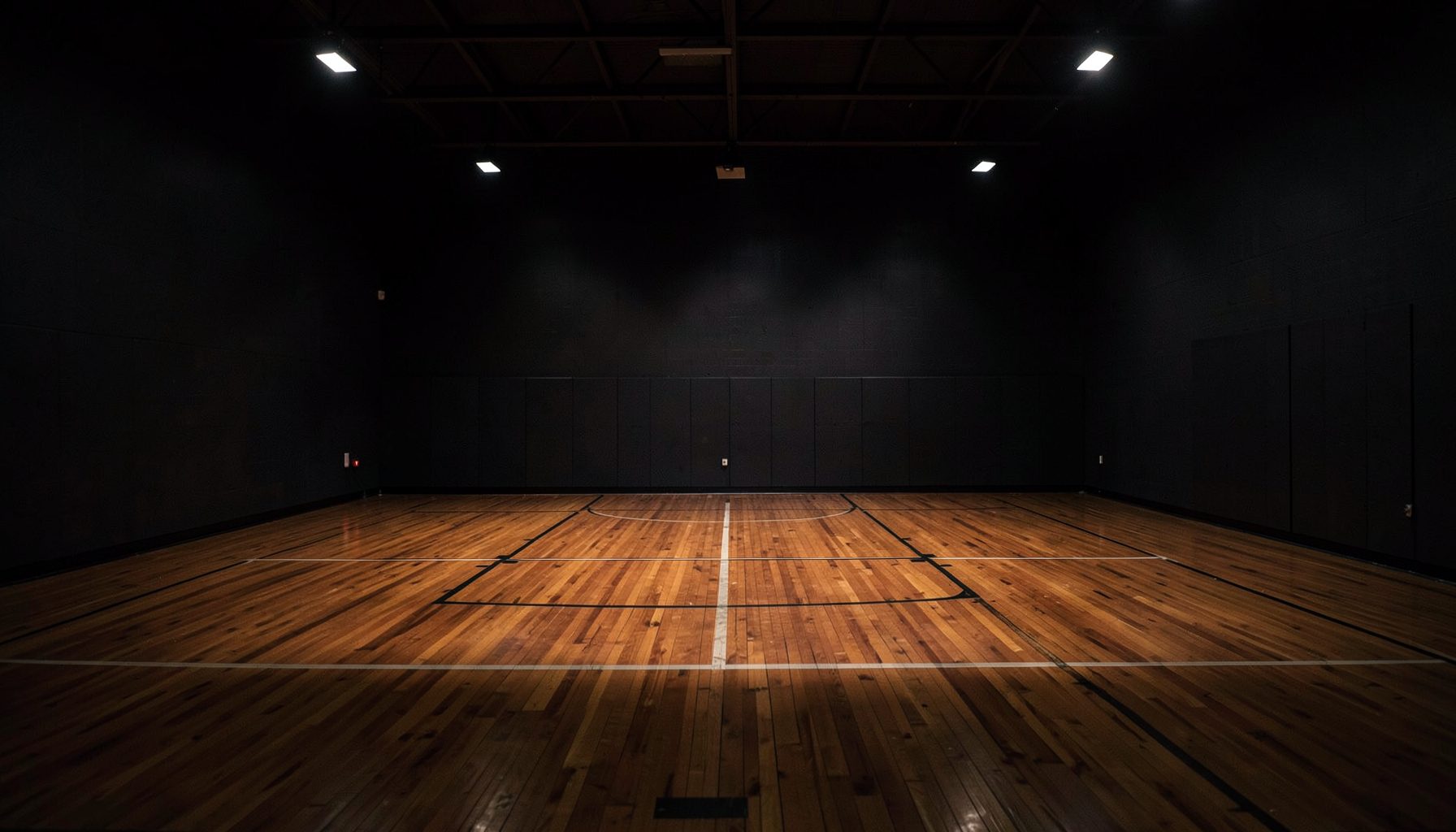
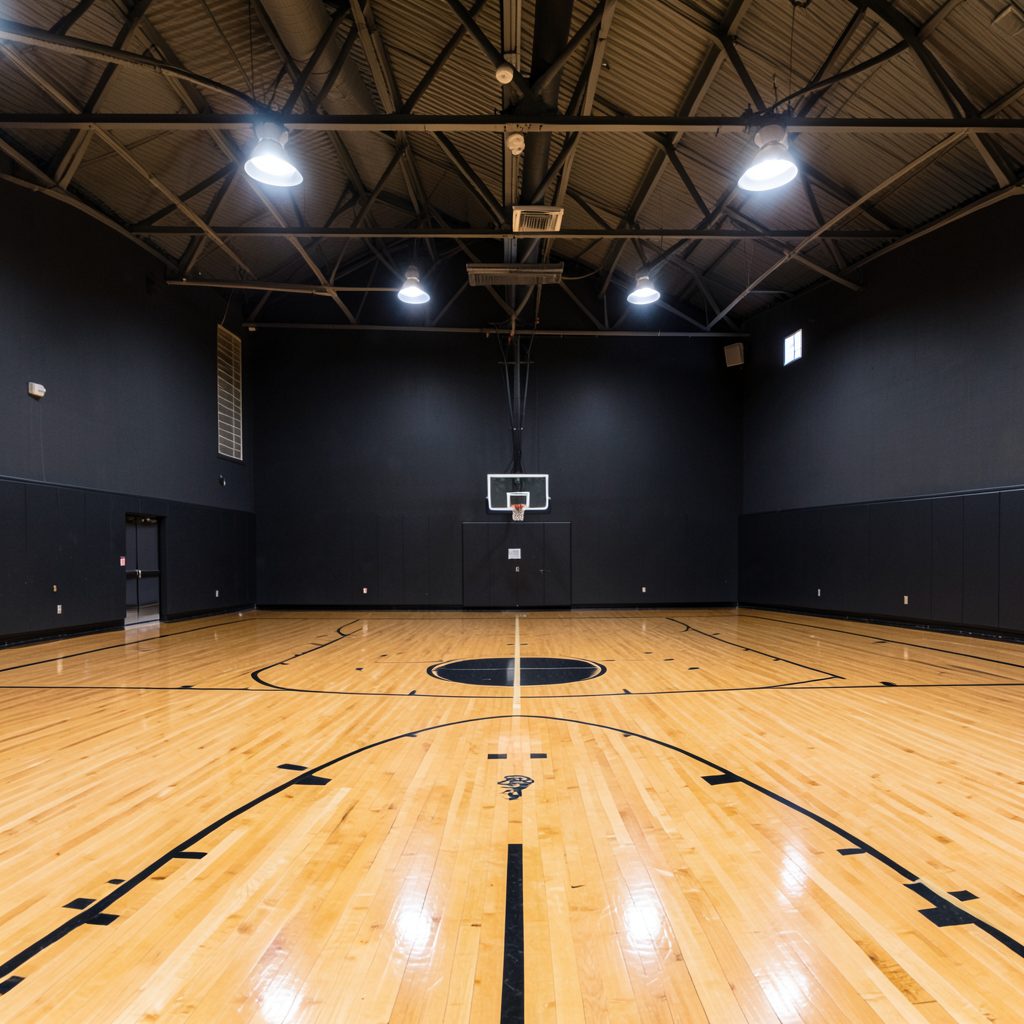
The Factory D1 Indy brings together three entities under one roof: competitive basketball leagues for all age groups, individual and group training, and wellness & recovery services including Normatec boot recovery and cryotherapy. Located off I-465 and High School Road at 6331 Crawfordsville Road, Speedway, Indiana 46224.
Get In TouchHow Our Cycle Studio Protects Athletes and the Floor
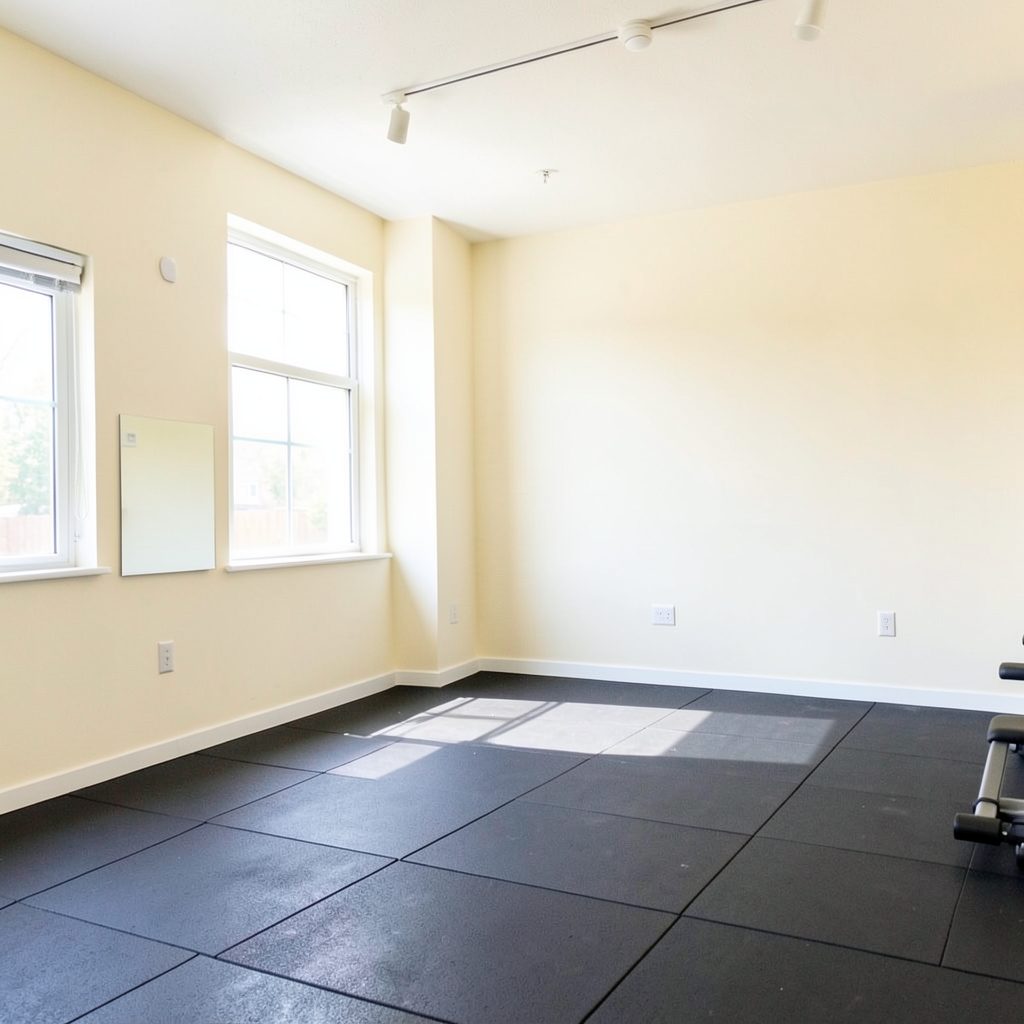
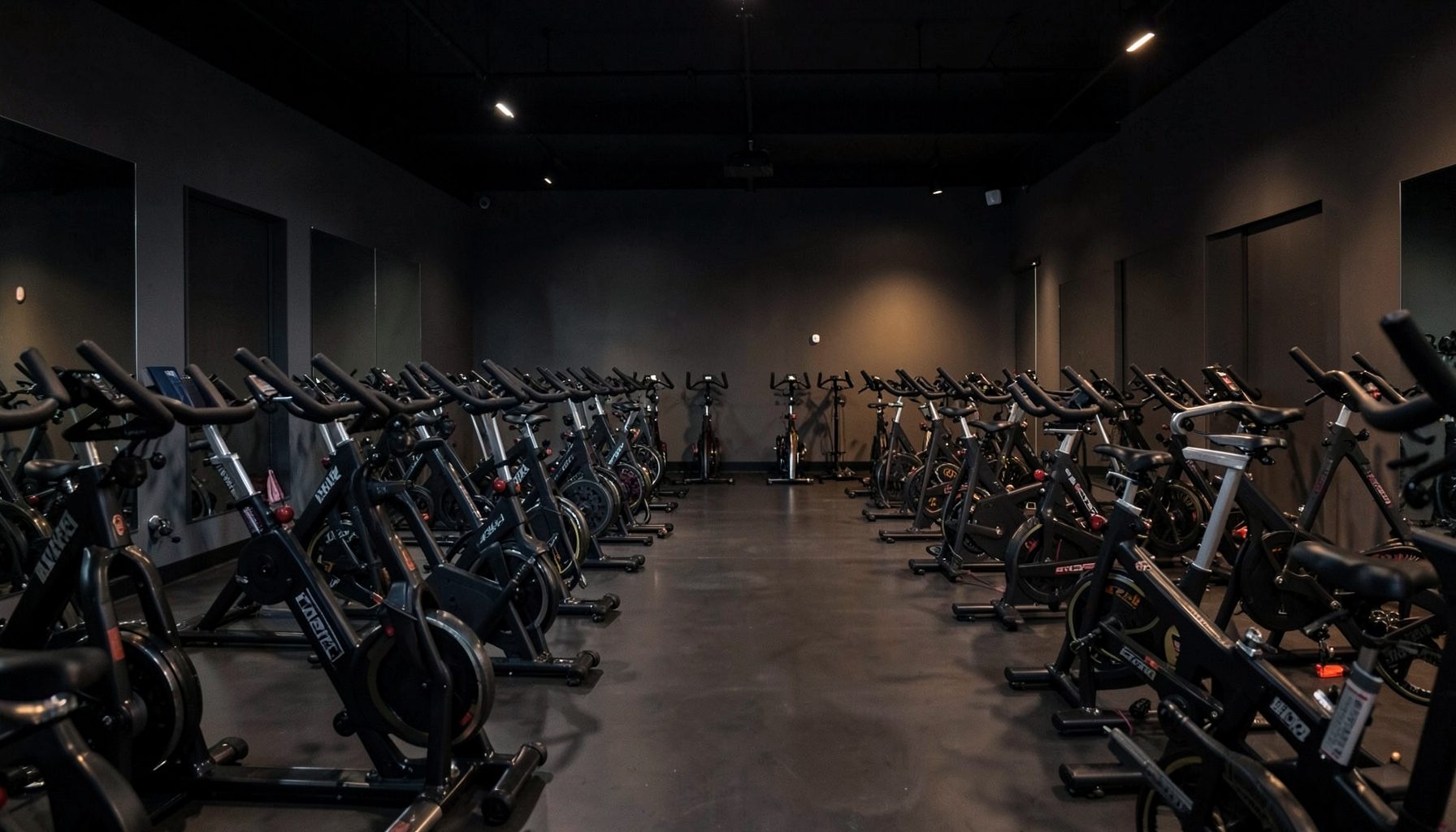
Factory D1 Indy’s cycle studio is part of a busy multi-purpose athletic facility in Speedway, Indiana, so its floor must serve riders, basketball players and families moving between programmes. The work behind that protection comes down to one priority: what our cycle studio does to keep the floor clean and safe for athletes is treat cleanliness as an essential part of the training experience, from the first bike check to the final towel sweep.
For Australian gym-goers, indoor cycling is often called a spin class, and the social atmosphere feels familiar in studios across Melbourne, Sydney and Brisbane. The climate adds another layer, with warm, humid weather capable of turning a busy room into a sweat-heavy one. Good airflow, dry flooring and disciplined equipment hygiene give riders the comfort and confidence expected from group cycling classes in Australia.
A cleaner start at the door
Entrances set the standard for the entire room. Mats placed at the studio door catch grit, dust and moisture from outdoor shoes before riders step onto the training floor. Bikes remain on clean flooring while riders settle in, which helps prevent dirt from being carried across the space by pedals, trainers and cycling shoes.
Staff check the studio before each session begins. This quick inspection covers visible debris, condensation and anything that could create a slipping hazard. It also gives riders confidence that the bikes, pedals and floor are ready before the instructor calls everyone into position.
That preparation is especially useful in Australia, where riders are accustomed to moving between outdoor pavements, car parks and gym interiors in the same session. Bringing a small gym towel is common, but towels should be used to manage personal sweat rather than wipe shared equipment. Keeping that distinction clear helps maintain a cleaner studio without creating extra work for staff.
Resetting the room between classes
A safe floor depends on a consistent reset between sessions. After one class ends, riders leave promptly, staff remove used towels and waste, and the floor is swept before the next group arrives. High-use areas around bike stands, doors and instructor stations receive particular attention because they collect more moisture and contact than open sections of the room.
Cleaning products and tools are used according to manufacturer instructions, with fresh mop heads and cloths for each area. Equipment and floor treatments are kept separate, avoiding the transfer of contaminants from one surface to another. This methodical approach is more reliable than relying on a quick wipe-down while the next riders are already arriving.
Before the studio reopens, the floor must be dry and clear. Staff confirm that there is no standing water, damp patches or visible residue near the entrance and bike lines. The result is a room that feels fresh at the start of every class, whether riders are joining a beginner session or taking part in a demanding conditioning workout.
Managing sweat, air and shared touchpoints
Humidity and perspiration can make a packed studio uncomfortable quickly, especially when a class includes standing sprints or repeated climbs. Ventilation and climate controls are checked before peak periods, and indoor cycling areas are allowed to dry fully between sessions. Fresh, dry air also helps riders maintain better concentration during coached efforts.
Shared touchpoints receive regular attention because they can remain wet even when the floor beneath them appears clean. Handlebars, adjustment knobs, seat posts, water-bottle holders and frequently touched controls are wiped down as part of the reset. These details matter in a fitness market where Australians expect equipment to feel clean without having to wipe every surface themselves.
Lighting, ventilation and other building loads benefit from efficient energy management, as discussed by WL Energy. Sensible use of these systems supports comfort while reducing unnecessary operating costs. It is another example of how safety, comfort and responsible facility management work together rather than operating as separate concerns.
Keeping bikes and recovery spaces in order
Every bike receives a quick check for secure handlebars, functioning pedals, resistance controls and stable adjustment mechanisms. Any bike with an issue is removed from the rotation until it is safe to use. Wiping the saddle and adjacent contact areas keeps the setup fresh without delaying the start of class.
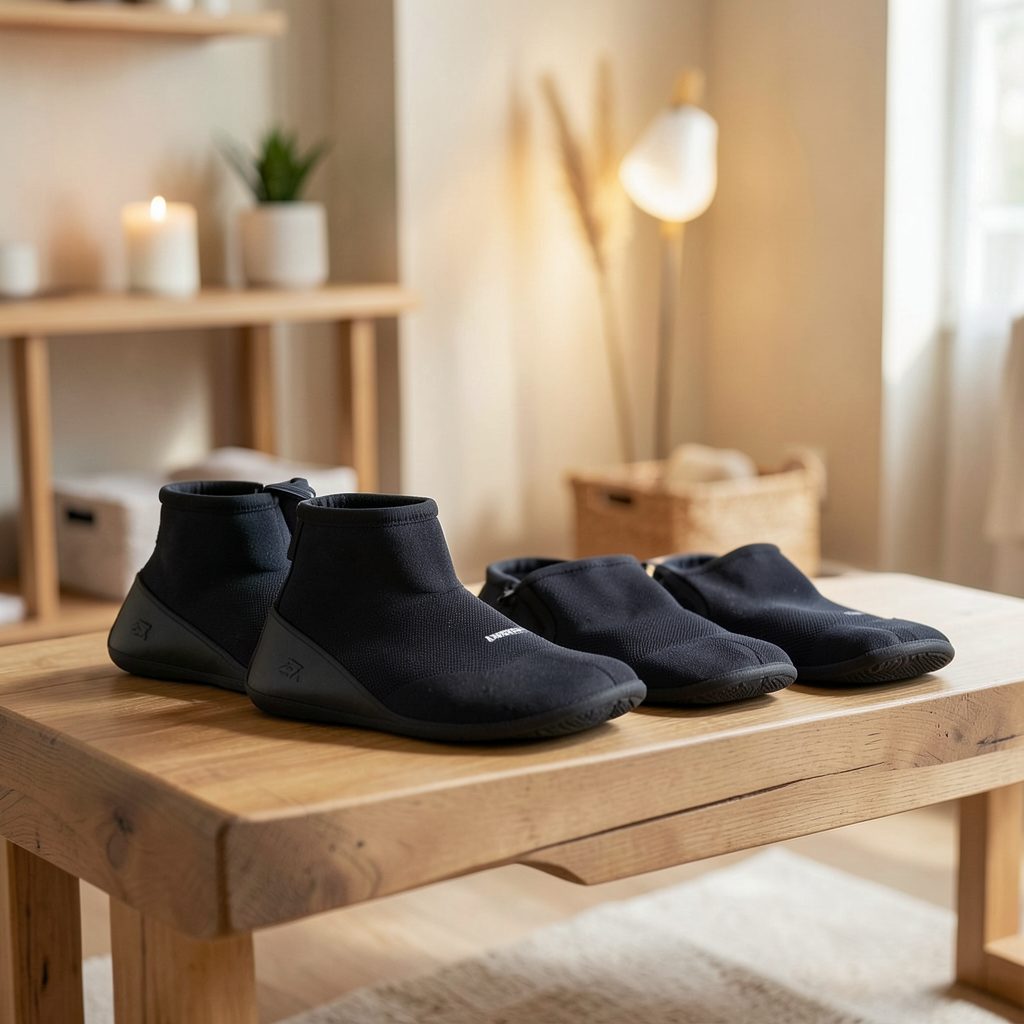
Recovery services such as Normatec compression therapy and cryotherapy create another traffic zone within the facility. Staff keep the approach to recovery equipment clear, remove damp towels and check that floors remain dry where athletes change position between sessions. Smooth movement from cycling to recovery supports both comfort and accessibility.
The booking model is familiar to many Australian fitness members, who often choose class packs, single-session bookings or broader gym memberships. Clear schedules and timely turnarounds help Factory D1 Indy provide that same convenience. Riders can arrive confident that the studio has been reset, while basketball athletes can move through their own programmes without encountering avoidable cleanliness issues.
Connecting cycling with basketball traffic
A multi-use facility has a different safety profile from a standalone cycling studio. Basketball sessions can generate dust, shoe marks and rapid changes in traffic, while cycle classes introduce sweat, water bottles and concentrated movement around bike stations. Scheduling buffers and regular inspections give staff time to reset shared areas before the next group enters.
The facility supports athletes from early-childhood programmes through adult competition, making clear wayfinding and age-appropriate routines essential. Young players need safe crossings around active classes, while experienced riders benefit from enough space to mount, dismount and cool down without rushing. Staff manage these transitions throughout the day.
Reserve a place in a cycle class, arrive with clean trainers and a small towel, and speak with the Factory D1 Indy team about the session that suits your training goals. Basketball players can also complete league registration for the right age division and make the most of the facility’s training and recovery services. A cleaner floor, safer movement and a well-prepared room are ready when you are.
Inside The Factory

Three Entities, One Roof
Leagues
Eight league divisions span every age group: Indy Pro AM, 18+ Open Men's, 30+ Men's, Bite Size (ages 3–6), Impact League, 5th/6th Grade, Middle School, and High School. Gather your team and compete.
Training
Individual and group basketball training for all skill levels. Major M.O.V.E.S. Basketball Training serves ages 4–7 on Wednesday and Thursday evenings at 6:30 PM — $30 per session or $100 unlimited monthly.
Wellness & Recovery
Normatec boot recovery and cryotherapy treatments help athletes bounce back faster. Cycle and spin classes add a cardio dimension to the holistic performance approach.
Have a Question?