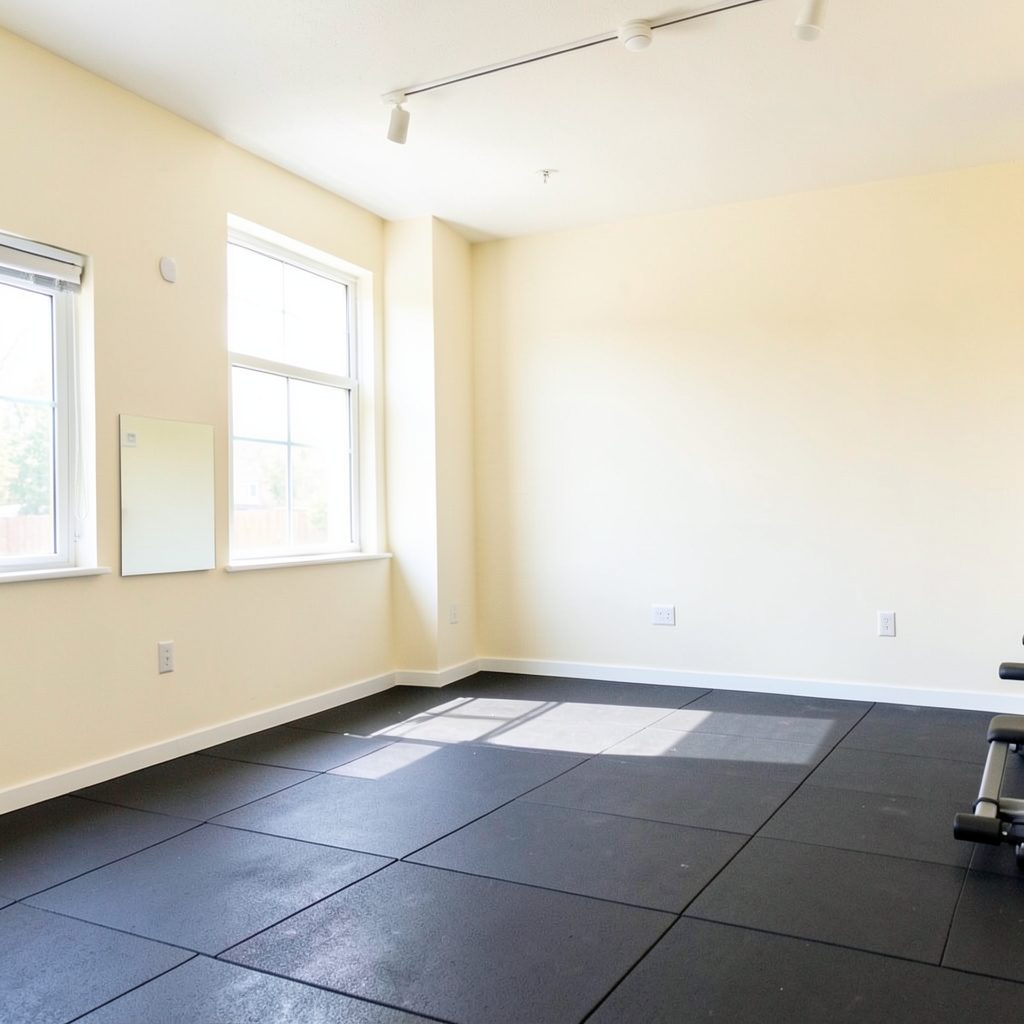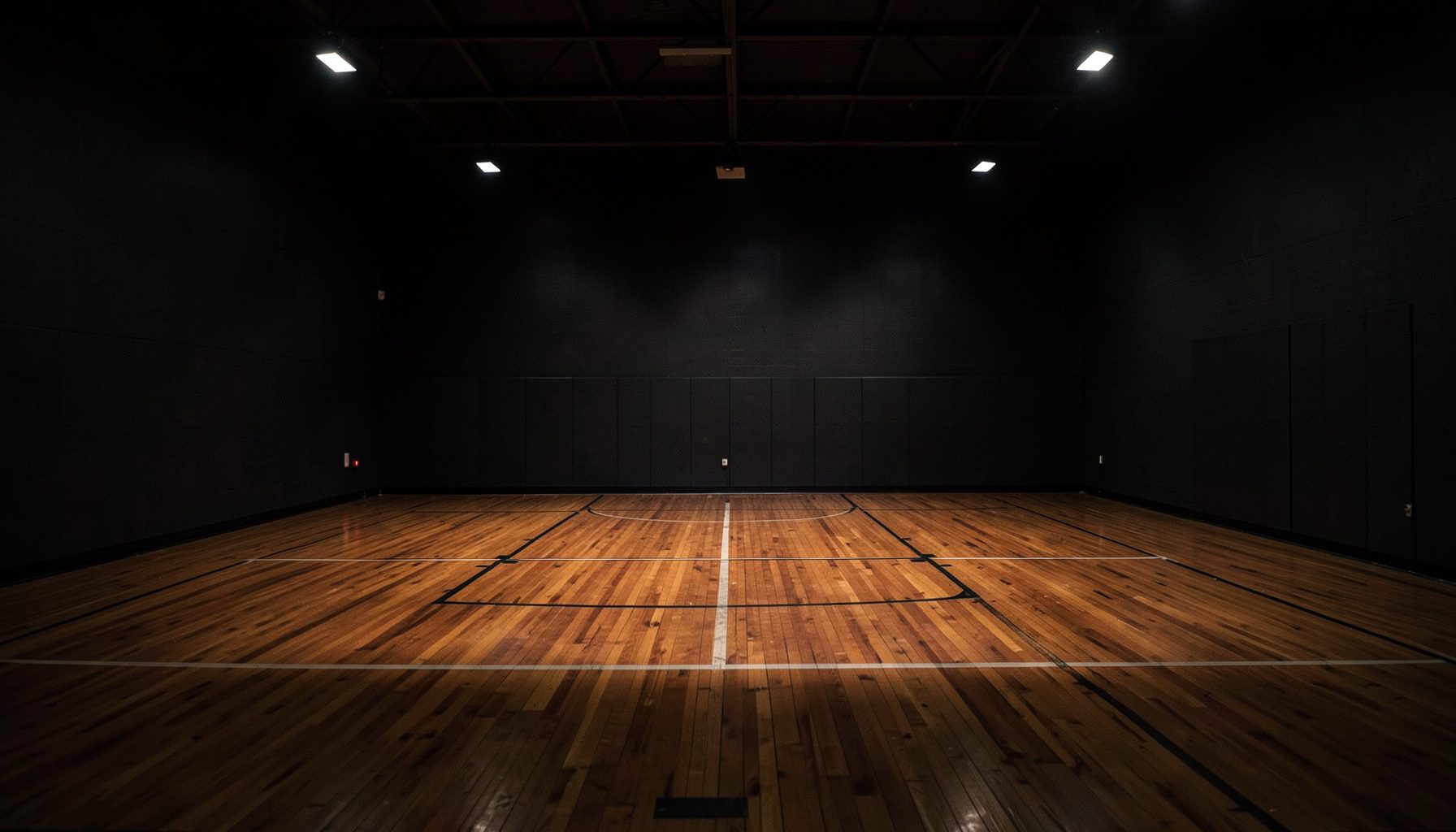
Train. Compete. Recover.
A multi-purpose athletic facility in Speedway, Indiana — basketball leagues, skill training, and wellness services all under one roof.
The Factory D1 Indy brings together three entities under one roof: competitive basketball leagues for all age groups, individual and group training, and wellness & recovery services including Normatec boot recovery and cryotherapy. Located off I-465 and High School Road at 6331 Crawfordsville Road, Speedway, Indiana 46224.
Get In TouchWhat Parents Should Know About Youth League Team Selection
Choosing a youth basketball team can feel significant for a child and their family. Players want to know where they fit, while parents need clear information about evaluations, training expectations, fees, communication and the standard of competition. A well-run selection process should give every athlete a fair opportunity to demonstrate skills and find a suitable team.
At The Factory D1 Indy in Speedway, Indiana, team placement is intended to support development as well as competition. The process considers age, experience, current ability, coachability and the needs of each squad. For Australian families comparing US basketball programs with local club or school pathways, understanding how decisions are made can make registration and travel planning much easier.
What selection is designed to achieve
Team selection is not simply a ranking of the strongest players. Coaches are looking to create balanced groups in which athletes can learn, contribute and compete at an appropriate level. A team may need a mixture of ball-handlers, shooters, defenders, rebounders and developing players, so the final decision reflects the needs of the group as well as individual performance.
Age is an important starting point, but it is rarely the only factor. Physical development can vary considerably between children in the same age division. Coaches may also consider previous playing experience, understanding of spacing and passing, defensive effort, decision-making and the ability to respond positively to instruction.
The goal is to place a young athlete where they can receive useful challenges without feeling overwhelmed. A player placed in a suitable environment may build confidence, attend more consistently and make stronger progress during the season.
What to do before assessment day
Parents should check the registration information carefully, including the age cut-off date, venue, arrival time, required equipment and any forms that must be completed. Players generally need comfortable basketball clothing, suitable court shoes and a water bottle. Families travelling from Australia should also check whether medical information, insurance documentation or consent forms require additional time.
A short conversation with the athlete can help set realistic expectations. Emphasise effort, communication, listening and enjoyment rather than promising a particular team. Children who are nervous may benefit from arriving early, watching the court layout and completing a gentle warm-up instead of rushing straight into drills.
Regular habits matter more than last-minute training. Simple work on dribbling with both hands, passing against a wall, defensive footwork and lay-ups can improve confidence. Recovery should also be part of preparation; families familiar with yoga and mobility sessions may find guided mobility work useful alongside basketball practice, provided the activity is age-appropriate and does not replace rest.
How coaches evaluate players
An assessment may include movement preparation, ball-handling, passing, shooting, defensive slides, rebounding and small-sided games. Game situations are particularly useful because they show how an athlete applies skills under pressure. Coaches can observe whether a player creates space, makes a safe pass, tracks an opponent and stays engaged after making a mistake.
Technical ability is considered alongside behaviour. Hustling back on defence, encouraging teammates, accepting feedback and treating staff respectfully all provide valuable information. A player who is still developing a jump shot may stand out through awareness, effort and willingness to learn.
Parents should avoid coaching from the sideline during evaluations. Children usually perform more freely when adults allow coaches to run the session. In Australia, where many junior competitions are linked to school sport or local associations, families may be used to informal grading days; a structured club assessment can involve more detailed observation across several activities.
How teams are formed
After assessments, coaches may compare notes and review the available roster. They may consider positions, team balance, age spread, training capacity and the competitive level of the league. A player who performs well individually may be moved to a group where their style complements other athletes rather than being placed solely according to a single score.
Selection can also involve more than one session. Attendance at trials, previous participation and observations from training may help coaches make a reliable decision. This is especially relevant for younger children, who may be affected by nerves, fatigue or an unfamiliar venue on a single assessment day.
Placement is not a permanent label. Young athletes develop at different speeds, and a team assignment can change in a future season as skills, confidence and physical readiness evolve. Parents can support this process by treating the outcome as useful feedback rather than a judgement about their child’s long-term potential.
Communication and timing
Families should receive information about the outcome, team level, training schedule and next registration steps through the facility’s nominated communication channel. Parents should keep contact details current and read messages promptly, particularly when sessions, uniforms or competition dates change.
If a child is not placed in the expected group, a calm request for general feedback can be helpful. Coaches may be able to identify development priorities such as left-hand dribbling, defensive positioning, passing decisions or consistency. Feedback should be specific enough to guide practice, while respecting that coaches cannot disclose private information about other athletes.
For Australian families, time zones and travel arrangements deserve attention. Speedway is in Indiana, while Sydney, Melbourne and Brisbane are many hours ahead, with the difference changing around daylight-saving periods. Confirming dates in both local time and Indiana time can prevent missed online meetings, flights or registration deadlines.
Costs, commitments and family responsibilities
Team selection is only one part of the decision. Parents should review season fees, uniforms, tournament costs, transport, training frequency and any additional skills sessions. Families converting from Australian dollars to US dollars should allow for exchange-rate changes and card fees rather than relying on a single estimate.
Attendance expectations should be clear before accepting a place. Regular training supports team development, and late withdrawals can affect rotations, competition entries and other families. At the same time, young people need a healthy balance between basketball, school, sleep, family life and other interests.
Local requirements may differ from those familiar to Australian parents. In Australia, volunteer coaches and junior sport providers commonly work within state-based child-safety systems, including Working with Children Checks, while privacy obligations under the Privacy Act 1988 influence how personal information is handled. Families should ask the relevant program what safeguarding, medical consent and emergency procedures apply to its Indiana-based activities.
Basketball pathways also vary by state. A child from Adelaide may be accustomed to Basketball SA competitions, while a family in Perth or Melbourne may know different club calendars and grading systems. The Factory D1 Indy pathway has its own schedule and league structure, so parents should use the published program information rather than assume it matches Australian association rules.
What happens after placement
Once a player is assigned to a team, families should review the practical details before confirming participation. The following guide highlights the areas that usually deserve attention:
| Area | What parents should check | Why it matters |
|---|---|---|
| Team level | Division, age group and competition standard | Confirms whether the challenge suits the athlete |
| Schedule | Training days, game dates and arrival times | Helps coordinate school, travel and family commitments |
| Fees | Registration, uniform, events and optional training costs | Creates a realistic season budget |
| Communication | Email, app or team-management platform | Ensures families receive changes and reminders |
| Development | Coach feedback and individual goals | Gives the player a clear path for improvement |
| Welfare | Medical forms, emergency contacts and safeguarding procedures | Supports a safe and well-organised experience |
A roster place should come with a clear understanding of what the athlete and family are agreeing to. If the child is new to organised competition, the first season may focus on confidence, teamwork and learning game routines. More experienced players may need measurable goals around decision-making, defensive responsibility or preparation.
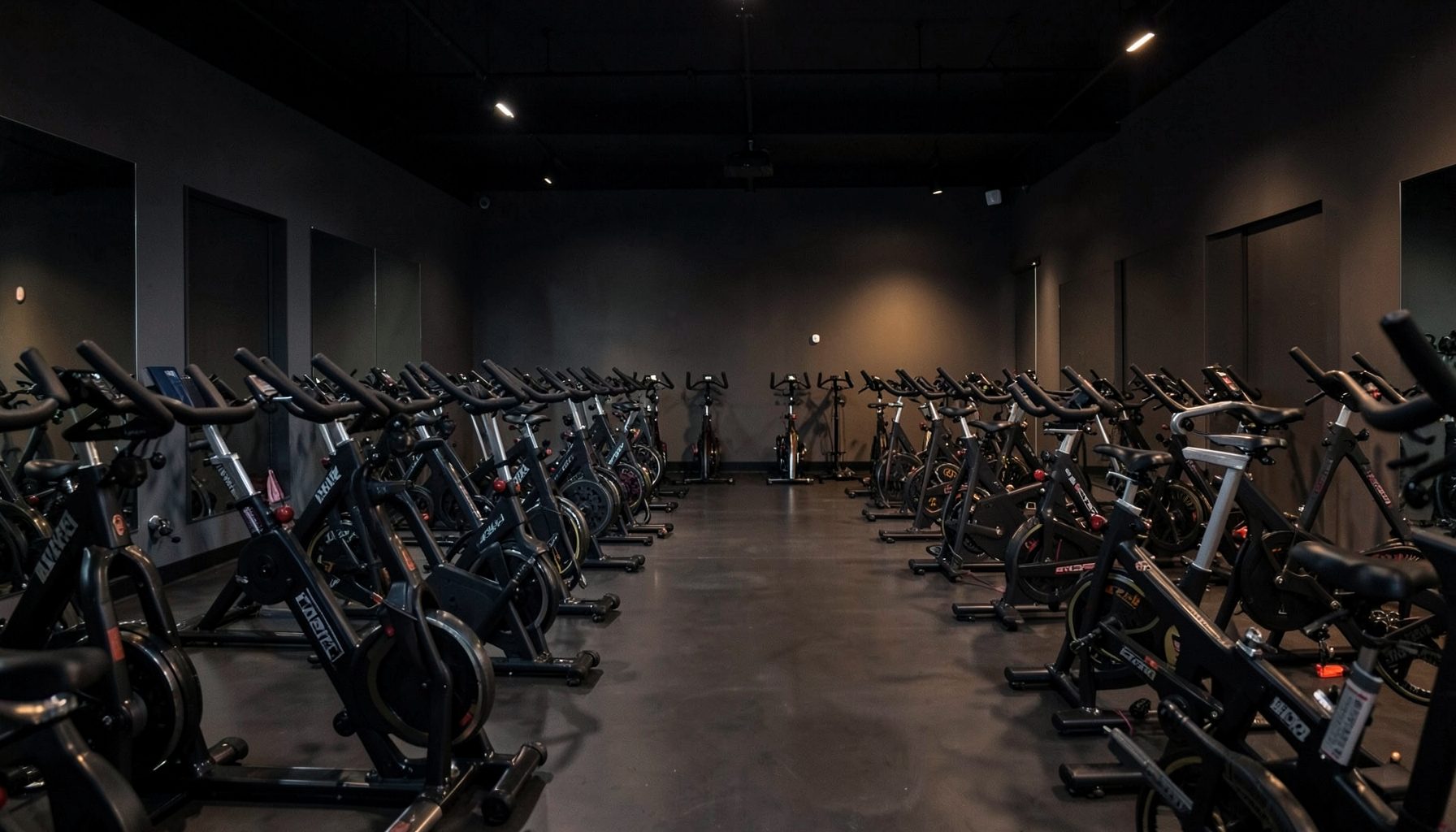
The broader facility environment can also support an athlete’s routine. Alongside basketball training and leagues, The Factory D1 Indy provides Speedway basketball programs and services such as cycling, spin, compression recovery and cryotherapy. Parents should choose add-on services according to the child’s age, health needs and coach or medical guidance, rather than assuming every option is necessary.
Review the registration details, prepare the player for assessment and keep communication open with the coaching team. With realistic expectations and a focus on steady development, families can make the selection experience a positive step in their child’s basketball journey.
Inside The Factory
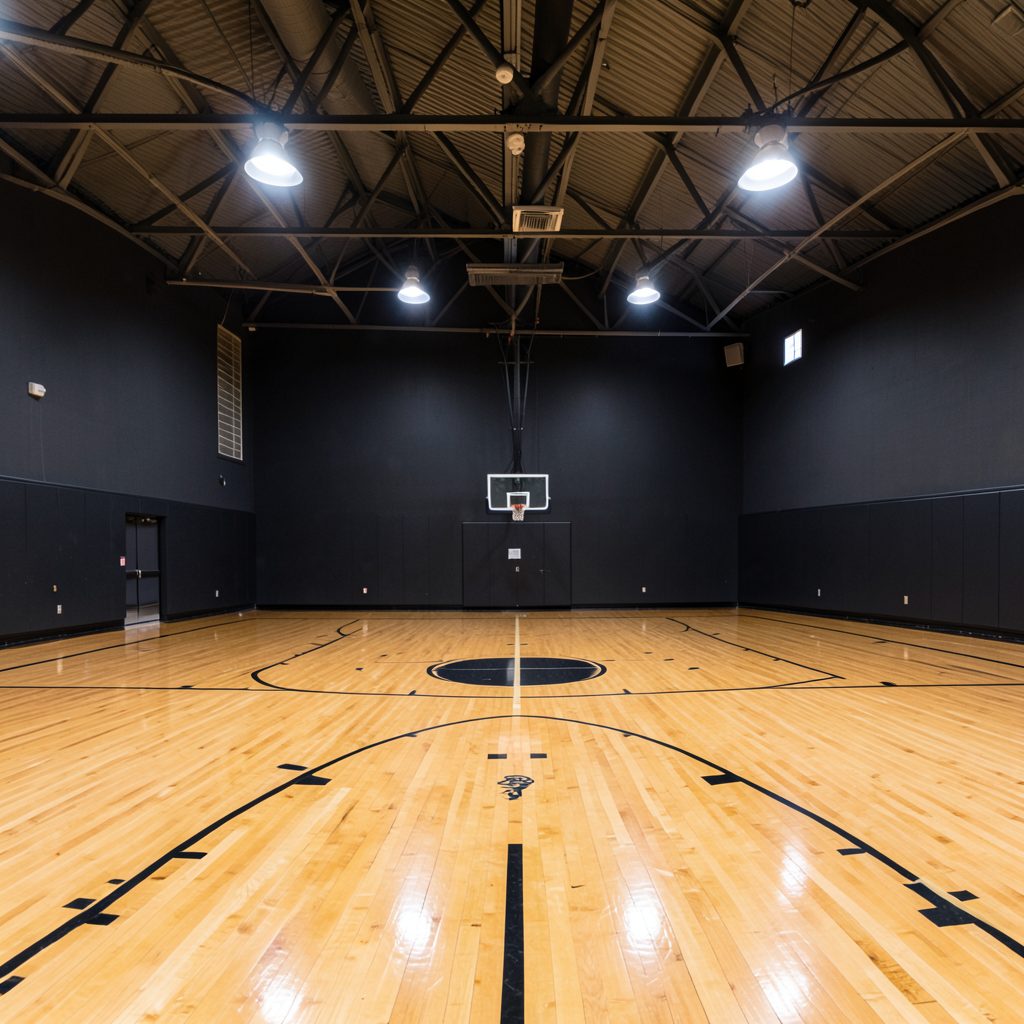

Three Entities, One Roof
Leagues
Eight league divisions span every age group: Indy Pro AM, 18+ Open Men's, 30+ Men's, Bite Size (ages 3–6), Impact League, 5th/6th Grade, Middle School, and High School. Gather your team and compete.
Training
Individual and group basketball training for all skill levels. Major M.O.V.E.S. Basketball Training serves ages 4–7 on Wednesday and Thursday evenings at 6:30 PM — $30 per session or $100 unlimited monthly.
Wellness & Recovery
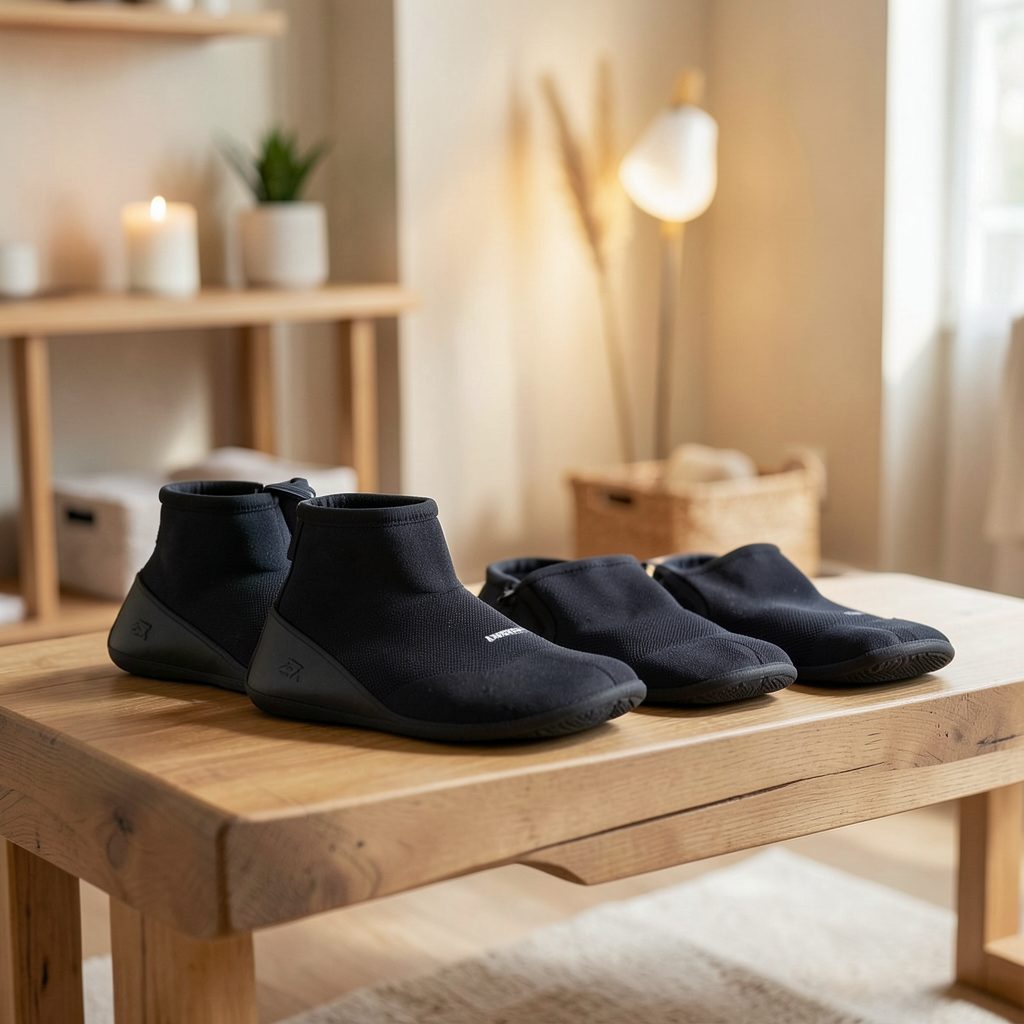
Normatec boot recovery and cryotherapy treatments help athletes bounce back faster. Cycle and spin classes add a cardio dimension to the holistic performance approach.
Have a Question?