Train. Compete. Recover.
A multi-purpose athletic facility in Speedway, Indiana — basketball leagues, skill training, and wellness services all under one roof.
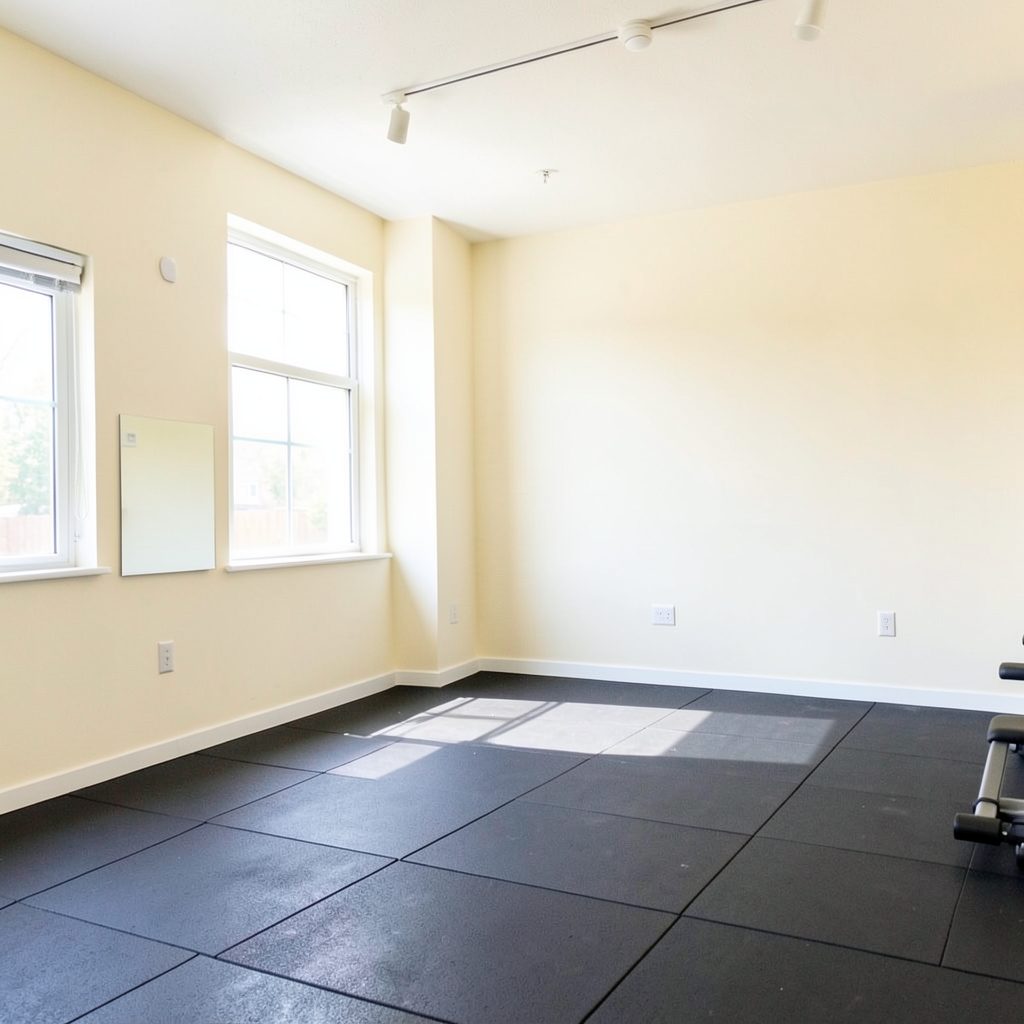
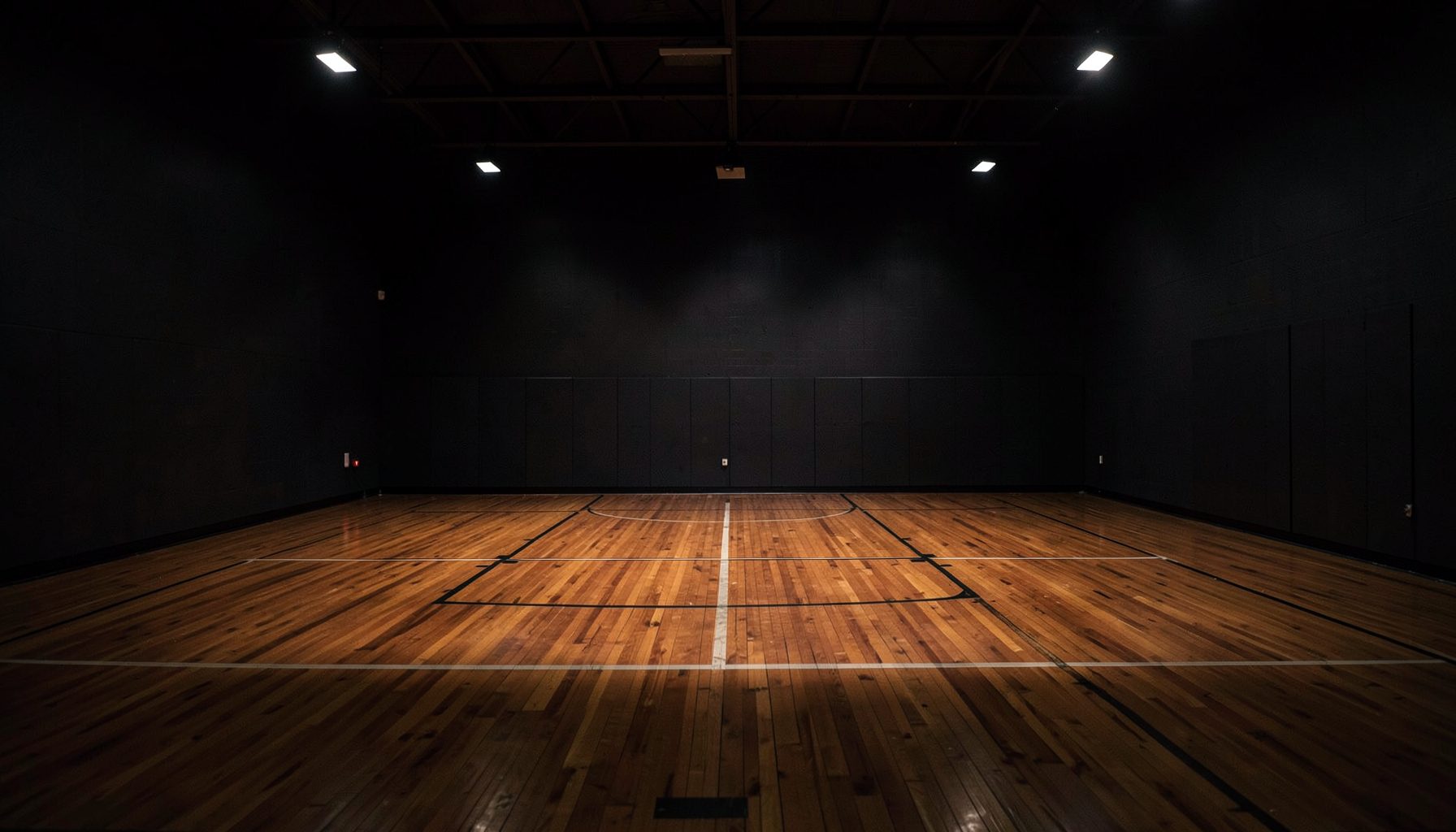
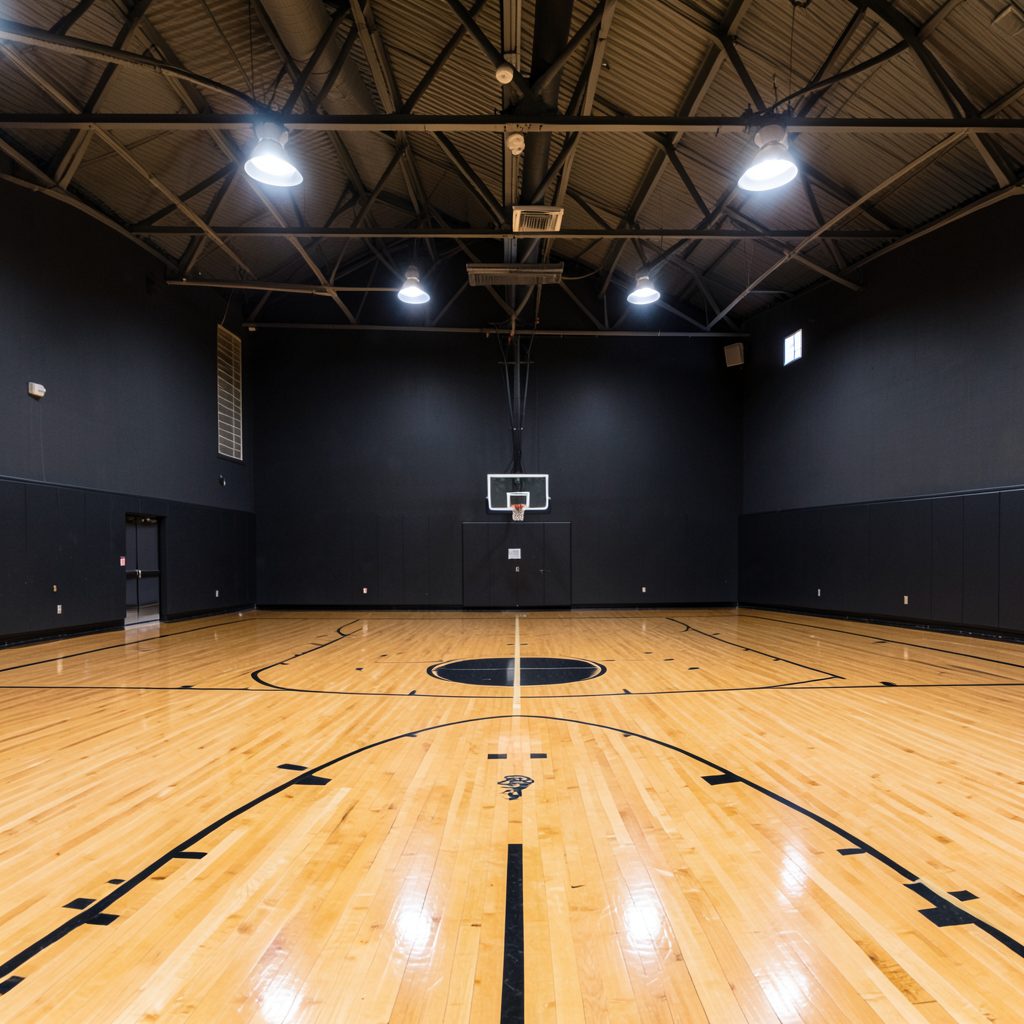
The Factory D1 Indy brings together three entities under one roof: competitive basketball leagues for all age groups, individual and group training, and wellness & recovery services including Normatec boot recovery and cryotherapy. Located off I-465 and High School Road at 6331 Crawfordsville Road, Speedway, Indiana 46224.
Get In TouchFuel Your Morning Spin Class For Steady Energy
An early spin class can set a strong rhythm for the day, but the right breakfast matters. Indoor cycling uses a blend of aerobic endurance and short, demanding efforts, so your body needs accessible carbohydrate without a heavy meal sitting in your stomach.
The best pre-ride food depends on how much time you have, the intensity of the session and your personal tolerance. A small snack may be enough before a 6 a.m. class, while a longer endurance ride calls for a more substantial breakfast beforehand.
For Australian riders, practical choices are easy to find in local supermarkets and cafés. Oats, bananas, yoghurt, toast, Weet-Bix and long blacks can all fit into a useful fuelling routine when portions and timing are matched to the workout.
Match Your Meal To The Clock
If you have two to three hours before class, eat a balanced breakfast containing carbohydrates, a moderate amount of protein and only a little fat. Porridge with banana and yoghurt, or toast with eggs and fruit, can provide lasting energy without being overly rich.
With 60 to 90 minutes available, simplify the meal. Try a banana with a small tub of yoghurt, two slices of toast with honey, or a bowl of cereal with milk. These options supply readily available carbohydrate while keeping fibre and fat at manageable levels.
When you are leaving within 30 minutes, choose a compact snack rather than forcing down breakfast. A ripe banana, a few dates, a slice of white toast with jam or a small sports drink can work well. Test your choices during ordinary training rather than trying an unfamiliar product before a hard class.
Prioritise Easily Digested Carbohydrates
Carbohydrates are the primary fuel for repeated efforts on a spin bike. They support the high-cadence pushes, standing climbs and intervals that can quickly drain stored glycogen when you start class under-fuelled.
Low- to moderate-fibre foods are often more comfortable immediately before exercise. White or sourdough toast, rice cakes, a banana, stewed fruit and simple cereal may digest more easily than a large serve of bran, legumes or raw vegetables.
This does not mean nutritious wholegrains need to be avoided. They are valuable at breakfast when you have plenty of digestion time. A bowl of oats can be excellent two hours before a session, while a large bowl of high-fibre muesli 20 minutes before cycling may cause discomfort.
Add Protein Without Making Breakfast Heavy
A little protein can help make a meal more satisfying, particularly when you are training regularly or attending a longer class. Greek yoghurt, milk, cottage cheese, eggs or a modest amount of nut butter can complement your carbohydrate intake.
Keep the serving sensible before intense cycling. High-fat foods such as a large avocado breakfast, fried eggs, pastries or generous spoonfuls of peanut butter digest slowly and may feel uncomfortable when the pace rises.
A useful Australian-style option is two slices of toast with banana and a thin spread of peanut butter, paired with water. If you prefer a café breakfast in Melbourne or Sydney, choose fruit toast with yoghurt or a simple egg-and-toast combination instead of a greasy brunch plate.
Choose A Practical Pre-Ride Combination
Your routine should be simple enough to repeat on busy mornings. Riders commuting through Brisbane, Perth or Adelaide may have limited time between waking and arriving at the studio, so preparing food the night before can prevent a rushed decision or an empty stomach.
The following combinations provide a starting point. Adjust the quantity according to your body size, training load and appetite.
| Time Before Class | Suitable Food Choice | Why It Works |
|---|---|---|
| 2–3 hours | Oats with milk, banana and yoghurt | Sustained carbohydrate with moderate protein |
| 90 minutes | Toast with honey and a small yoghurt | Quick fuel without excessive volume |
| 60 minutes | Weet-Bix with milk and sliced banana | Familiar, affordable and easy to portion |
| 30 minutes | Banana or two dates with water | Fast carbohydrate in a small serving |
| 10–15 minutes | A few sips of sports drink | Useful when there is almost no digestion time |
Australian supermarket staples make this approach affordable. A packet of Weet-Bix, a loaf of bread, seasonal fruit and plain yoghurt can cover several training mornings without relying on expensive energy products.
Hydrate For The Studio Environment
Start drinking water when you wake rather than waiting until the warm-up. Indoor cycling rooms can become hot, particularly during summer in places such as Darwin or the Gold Coast, and sweat losses can build quickly during a high-intensity class.
For most standard sessions, water is enough when you have eaten a normal breakfast. If the class is long, exceptionally sweaty or held after a hot commute, an electrolyte drink may be useful. Select a product that provides fluid and sodium without introducing a large amount of concentrated sugar if you are also eating beforehand.
A morning coffee can fit into your plan if you already tolerate caffeine. A flat white or long black may improve alertness, but avoid increasing the dose suddenly. Too much coffee on an empty stomach can cause nausea, shakiness or an uncomfortable heart rate during intervals.
Adjust Food For Training Intensity
A gentle technique or recovery ride requires less fuel than a demanding interval class. On an easy day, a banana or small piece of toast may be enough if you ate a balanced dinner and have a normal appetite.
For a hard 45- or 60-minute session, eating carbohydrate beforehand is more important. Add a second slice of toast, a larger banana or a serving of cereal if you regularly fade during the final blocks. Persistent low energy can indicate that your overall daily intake is too low, rather than a problem with breakfast alone.
Cyclists who also play basketball, lift weights or attend conditioning sessions need to consider the whole schedule. The Factory D1 Indy’s athletic facility model reflects how training, competition and recovery can sit within one active routine; your meals should support the complete week rather than one class in isolation.
Avoid Common Pre-Class Mistakes
Skipping food may feel convenient, yet it can leave you light-headed during climbs or intervals. If a full meal is unappealing early in the morning, use a liquid or semi-solid option such as a milk-based smoothie with banana, or drinkable yoghurt with a piece of toast.
Eating too much is another frequent problem. A large breakfast burrito, creamy pastry or oversized smoothie may contain plenty of energy but can be difficult to digest while bent over the handlebars. Reduce portion size and move the meal earlier when possible.
Avoid experimenting with unfamiliar gels, supplements or very spicy foods before class. Training facilities that combine fitness, performance and recovery, such as integrated training spaces, highlight the value of a consistent routine. Give your gut time to adapt to any new fuelling strategy during lower-stakes sessions.
Build A Routine You Can Repeat
Keep two or three reliable choices available. Overnight oats, banana toast and cereal with milk are easy to rotate, while a small snack can be packed in advance for an early start. Checking the class time the night before also helps you decide whether breakfast should be a meal or a quick top-up.
After the session, eat a balanced meal within the next couple of hours. Include carbohydrate to restore energy, protein to support muscle repair and fluids to replace sweat losses. Eggs on toast with fruit, yoghurt with oats and berries, or a rice bowl with chicken are practical options.
Track how you feel rather than copying another rider’s breakfast. Note the time you ate, the food, your energy during class and any stomach symptoms. After a few sessions, you will have a personal plan suited to your schedule, local food preferences and training goals.
Make your next morning ride easier by preparing the food and water the evening before, then choose a simple carbohydrate-based option that matches the time available. Book a spin session, arrive fuelled and use the first few rides to refine portions until steady energy becomes part of your routine.
Inside The Factory

Three Entities, One Roof
Leagues
Eight league divisions span every age group: Indy Pro AM, 18+ Open Men's, 30+ Men's, Bite Size (ages 3–6), Impact League, 5th/6th Grade, Middle School, and High School. Gather your team and compete.
Training
Individual and group basketball training for all skill levels. Major M.O.V.E.S. Basketball Training serves ages 4–7 on Wednesday and Thursday evenings at 6:30 PM — $30 per session or $100 unlimited monthly.
Wellness & Recovery
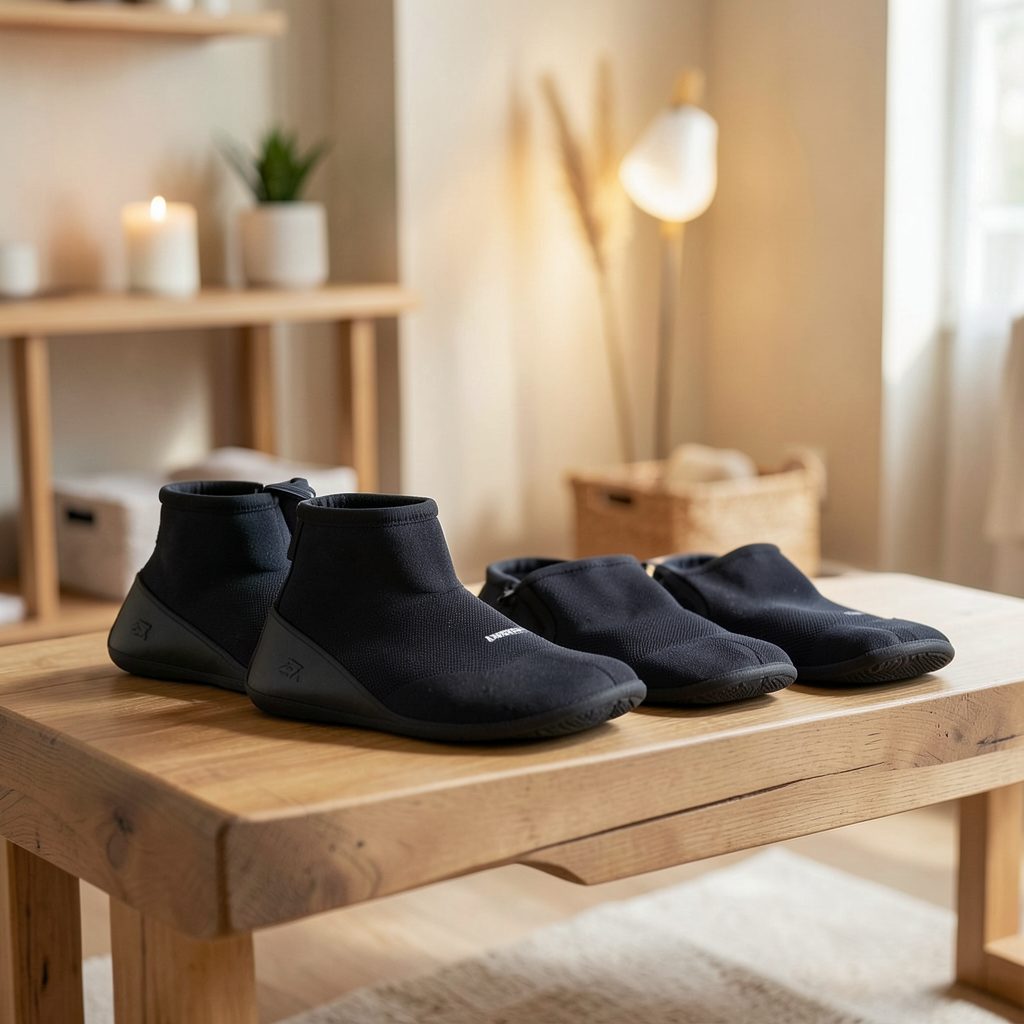
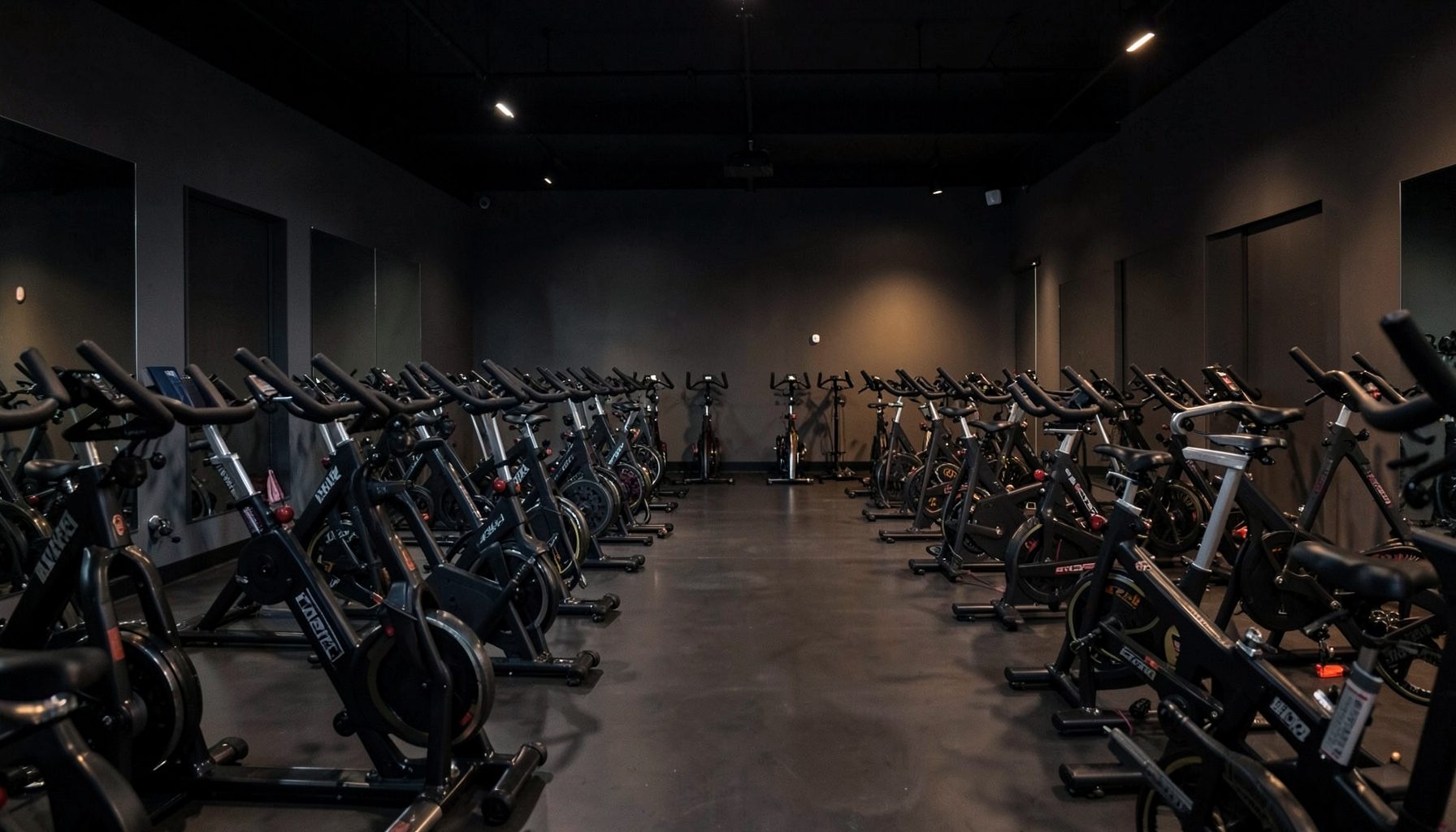
Normatec boot recovery and cryotherapy treatments help athletes bounce back faster. Cycle and spin classes add a cardio dimension to the holistic performance approach.
Have a Question?