Train. Compete. Recover.
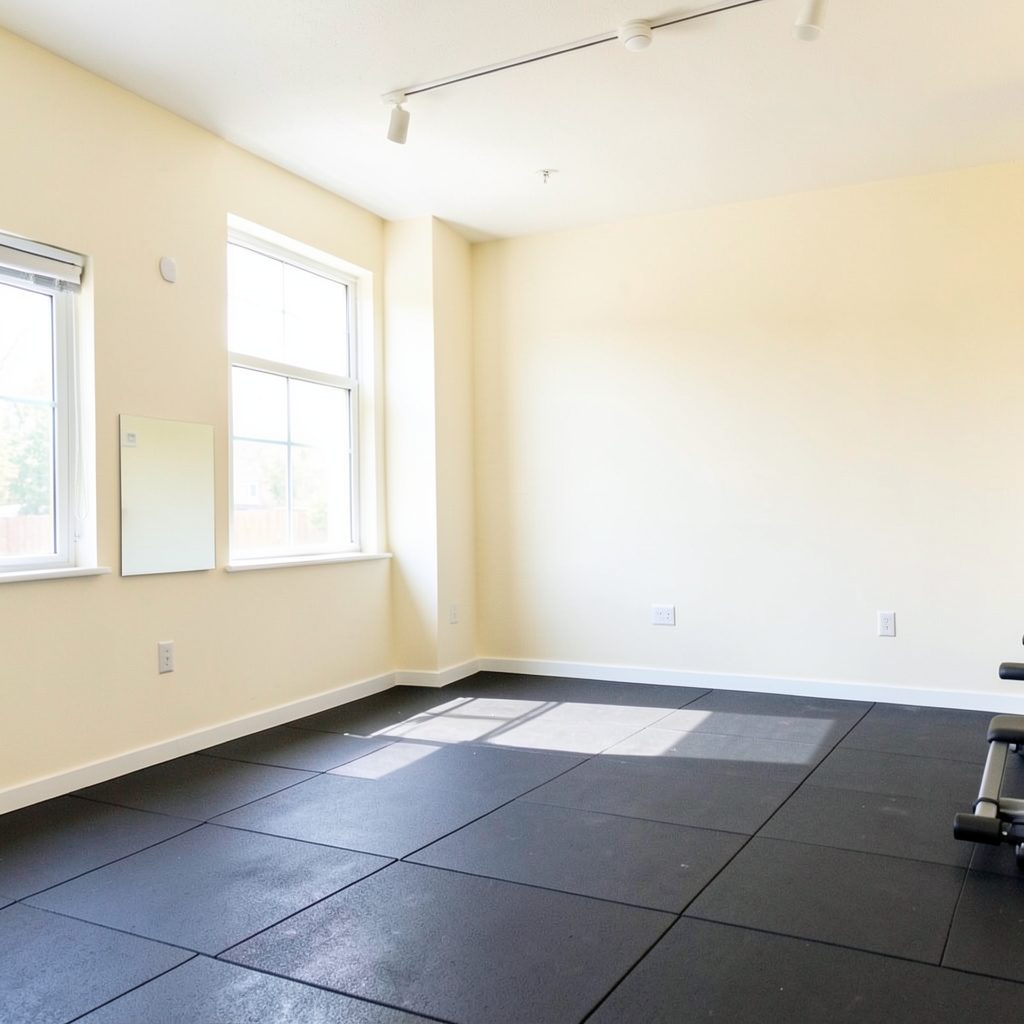
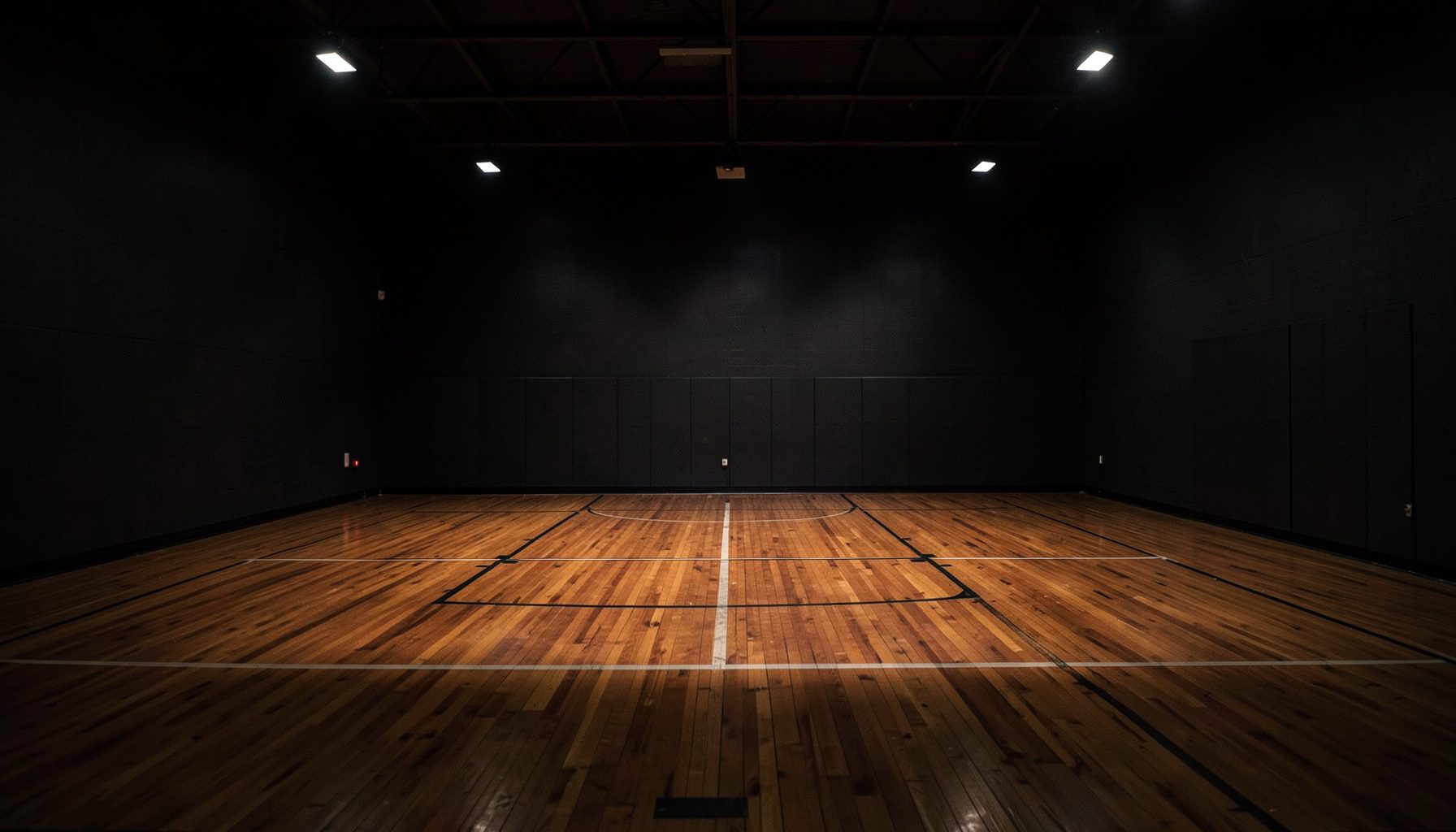
A multi-purpose athletic facility in Speedway, Indiana — basketball leagues, skill training, and wellness services all under one roof.
The Factory D1 Indy brings together three entities under one roof: competitive basketball leagues for all age groups, individual and group training, and wellness & recovery services including Normatec boot recovery and cryotherapy. Located off I-465 and High School Road at 6331 Crawfordsville Road, Speedway, Indiana 46224.
Get In TouchWhat to Eat Before and After a High-Intensity Spin Class
A demanding spin class can push your heart rate, legs, and mental focus for 30 to 60 minutes. The right nutrition strategy helps you start with usable energy, maintain power through intervals, and recover without feeling drained for the rest of the day.
Food choices do not need to be complicated. A balanced combination of carbohydrates, moderate protein, fluids, and sensible timing usually supports indoor cycling better than a large, heavy meal eaten right before class.
At The Factory D1 Indy, athletes can combine cycling and spin workouts with basketball training, competition, and recovery services. Understanding how to fuel those sessions can help you get more from every class while supporting long-term fitness.
Fuel the Work Ahead
Carbohydrates are the primary fuel source for high-intensity cycling. During sprints, climbs, and resistance intervals, your muscles rely heavily on stored glycogen. Eating some carbohydrate before class can help you ride with greater intensity and reduce the chance of an early energy crash.
A pre-workout meal does not have to be large. A banana with peanut butter, oatmeal with berries, toast with eggs, or Greek yogurt with fruit can provide a practical balance. If you have only a short time before class, choose something smaller and easier to digest, such as applesauce, a granola bar, pretzels, or a piece of fruit.
Build Meal Timing Around Class
Your schedule should determine the size of your pre-spin meal. When you have two to three hours before class, a regular meal with carbohydrates, lean protein, and a small amount of fat can work well. Rice with chicken, a turkey sandwich, a baked potato with cottage cheese, or a grain bowl with vegetables are useful options.
About 60 to 90 minutes before riding, reduce the portion and keep the meal relatively simple. A smoothie made with fruit, milk, and yogurt can provide fuel without sitting heavily in your stomach. Cereal with milk, a bagel with a thin layer of nut butter, or overnight oats can also fit this window.
Within 30 minutes of class, prioritize quick-digesting carbohydrates and avoid experimenting with rich or greasy foods. High-fat meals, large servings of fiber, and spicy dishes may cause discomfort while you are pedaling hard. Individual tolerance matters, so use training sessions to learn which snacks feel comfortable.
Choose Carbs and Protein Wisely
A useful pre-class plate contains mostly carbohydrate, a moderate serving of protein, and limited fat. Carbohydrates support immediate training demands, while protein helps you feel satisfied and contributes to muscle maintenance. Fat is important in the overall diet, but large amounts digest slowly and may feel uncomfortable during vigorous exercise.
Post-workout nutrition has two main jobs: replenish glycogen and provide amino acids for muscle repair. Aim for a meal or snack containing both carbohydrates and protein within roughly one to two hours after class. You do not need to rush to eat the instant the bike stops, but waiting many hours can make recovery and appetite control more difficult.
The best recovery foods are often simple. Try a chocolate milk, turkey and avocado wrap, rice with salmon, a yogurt and fruit parfait, or a smoothie with milk, banana, oats, and protein powder. If the class was especially long or intense, increase the carbohydrate portion rather than relying on protein alone.
| Timing | Useful Choices | Main Purpose |
|---|---|---|
| Two to three hours before | Rice and chicken, oatmeal with yogurt, turkey sandwich | Build energy stores and support fullness |
| 60 to 90 minutes before | Bagel, smoothie, cereal with milk, overnight oats | Provide steady, comfortable fuel |
| Within 30 minutes before | Banana, applesauce, pretzels, small granola bar | Offer quick-digesting energy |
| Within one to two hours after | Chocolate milk, yogurt with fruit, rice and salmon | Restore glycogen and support muscle repair |
Stay Hydrated Before and After
Sweat loss can affect power, concentration, and perceived effort. Begin class well hydrated rather than trying to compensate by drinking a large amount immediately beforehand. Pale yellow urine is a general sign that fluid intake is adequate, although sweat rate and conditions vary from person to person.
Drink water regularly during the day and take small sips before and throughout class. For a typical indoor cycling session lasting about an hour, water may be enough. An electrolyte drink can be useful when you sweat heavily, train in a hot environment, attend a longer class, or complete several workouts close together.
After class, continue drinking fluids and include sodium through normal foods or an electrolyte beverage if you lost a lot of sweat. Rehydration is especially important before another workout, basketball league game, or demanding training session. Hydration supports recovery, but it cannot replace a balanced meal.
Adjust for Your Training Goals
If your goal is improved performance, avoid cutting carbohydrates too aggressively. Low energy intake can make high-intensity intervals feel harder and may limit training quality. A consistent eating pattern with carbohydrates around workouts can support stronger efforts and better recovery across the week.
For weight management, portion size and total daily intake matter more than skipping all food before exercise. A small snack before class may prevent excessive hunger later. Build meals around vegetables, fruit, lean protein, whole grains, and satisfying fats, while choosing portions that match your activity level.
People with sensitive stomachs may need lower-fiber and lower-fat choices before riding. Those following vegetarian or vegan diets can use tofu, tempeh, beans, soy yogurt, or plant-based protein drinks after class. Athletes managing diabetes, food allergies, or gastrointestinal conditions should create a personalized plan with a qualified healthcare professional.
Make Recovery Part of the Routine
Nutrition is one part of post-workout recovery. A few minutes of easy spinning, gentle mobility work, and adequate sleep can help you transition out of a demanding session. Regular recovery habits become increasingly valuable when you combine spin classes with strength training, basketball practices, or competitive games.
The Factory D1 Indy also supports athletes beyond the workout itself through wellness and recovery services. Learning about the athlete recovery options can help you consider how compression therapy, cryotherapy, and other services fit into a broader training routine.
Pay attention to how you feel later in the day. Persistent fatigue, headaches, unusual soreness, or strong cravings may signal that your pre- or post-class intake needs adjustment. Keep a simple record of meals, timing, energy, and recovery so you can identify patterns instead of guessing.
Build A Practical Fueling Plan
Use these recommendations to create a repeatable routine:
- Eat a carbohydrate-rich snack or meal before intense cycling, matching the portion to the time available.
- Include a moderate amount of protein before class when eating one to three hours ahead.
- Choose quick, familiar foods close to the start time and avoid heavy, greasy meals.
- Rehydrate steadily before, during, and after class, adding electrolytes when sweat loss is substantial.
- Pair carbohydrates with protein after riding to restore energy and support muscle repair.
Your plan should be convenient enough to follow on busy days. Preparing overnight oats, washing fruit, keeping shelf-stable snacks in your gym bag, or portioning smoothie ingredients in advance can make better choices easier. Consistency matters more than finding a perfect menu.
Start with one adjustment at your next high-intensity spin class: eat a timed carbohydrate snack, drink fluids steadily, and prepare a recovery option before you leave home. Repeat what works, refine what does not, and make fueling a dependable part of every ride.
Inside The Factory

Three Entities, One Roof
Leagues
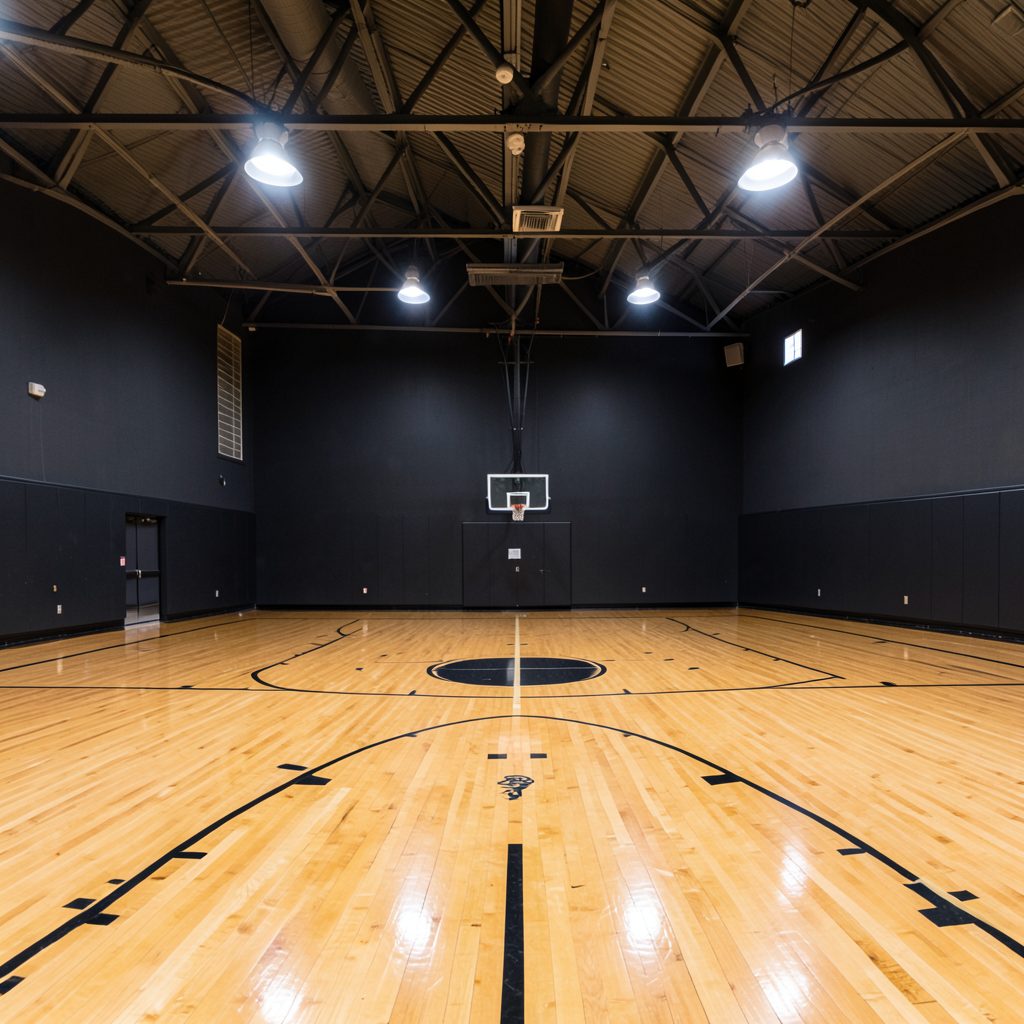
Eight league divisions span every age group: Indy Pro AM, 18+ Open Men's, 30+ Men's, Bite Size (ages 3–6), Impact League, 5th/6th Grade, Middle School, and High School. Gather your team and compete.
Training
Individual and group basketball training for all skill levels. Major M.O.V.E.S. Basketball Training serves ages 4–7 on Wednesday and Thursday evenings at 6:30 PM — $30 per session or $100 unlimited monthly.
Wellness & Recovery
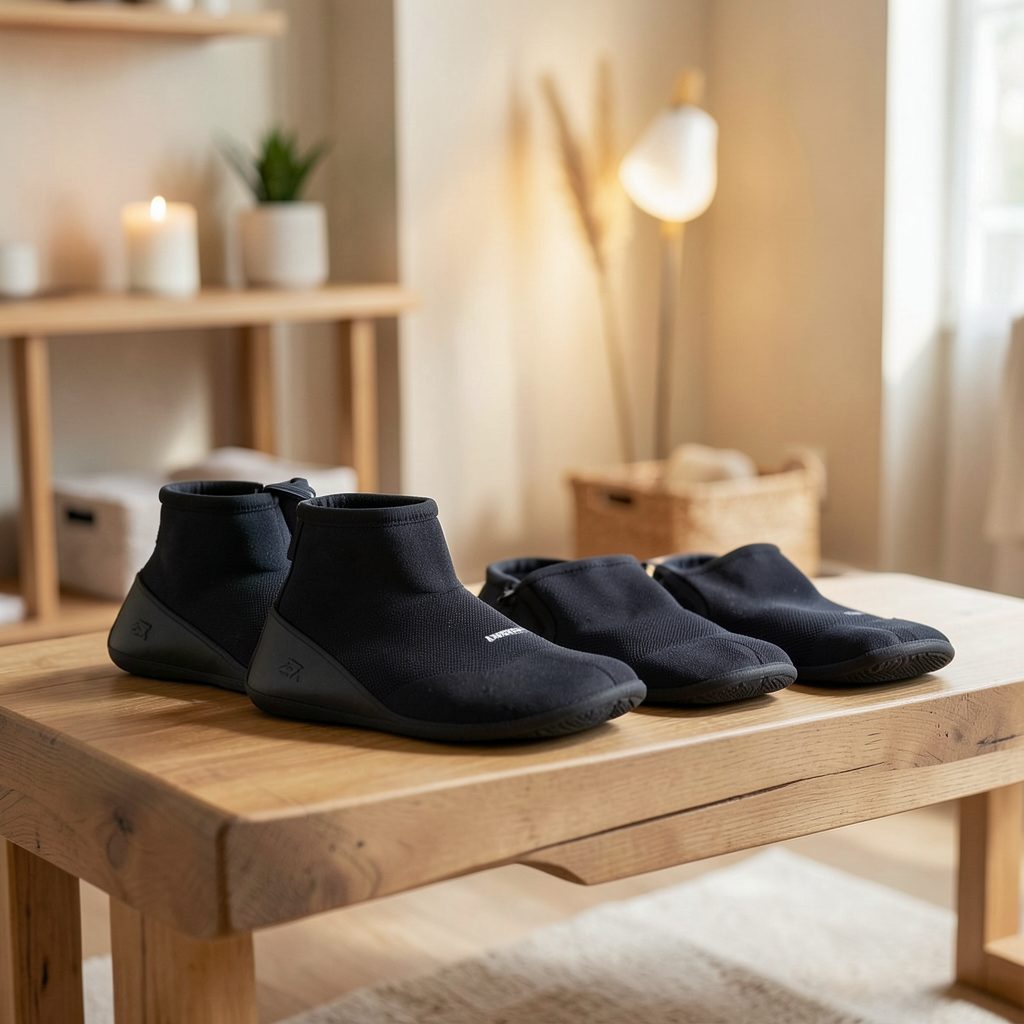
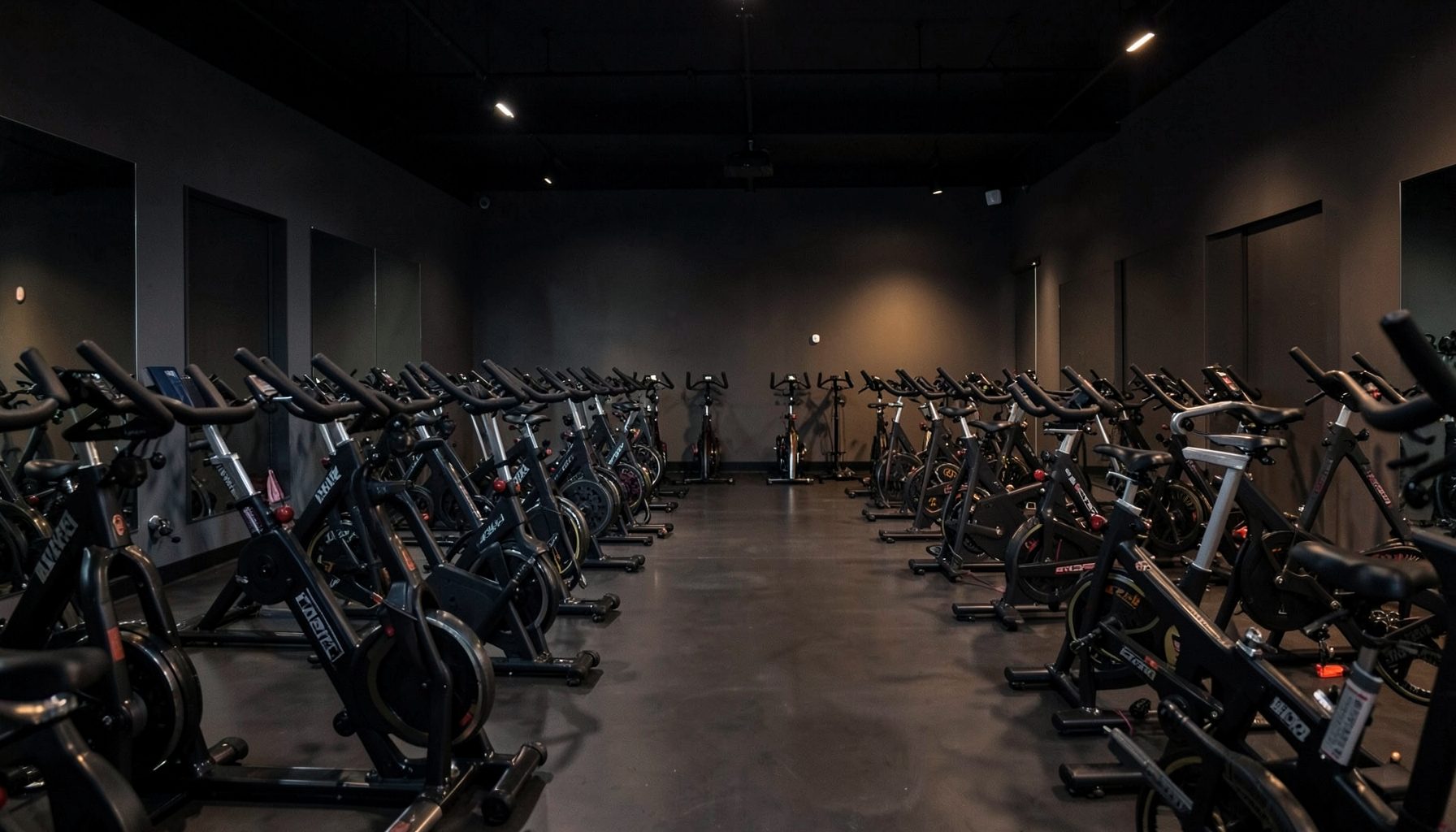
Normatec boot recovery and cryotherapy treatments help athletes bounce back faster. Cycle and spin classes add a cardio dimension to the holistic performance approach.
Have a Question?