Train. Compete. Recover.
A multi-purpose athletic facility in Speedway, Indiana — basketball leagues, skill training, and wellness services all under one roof.
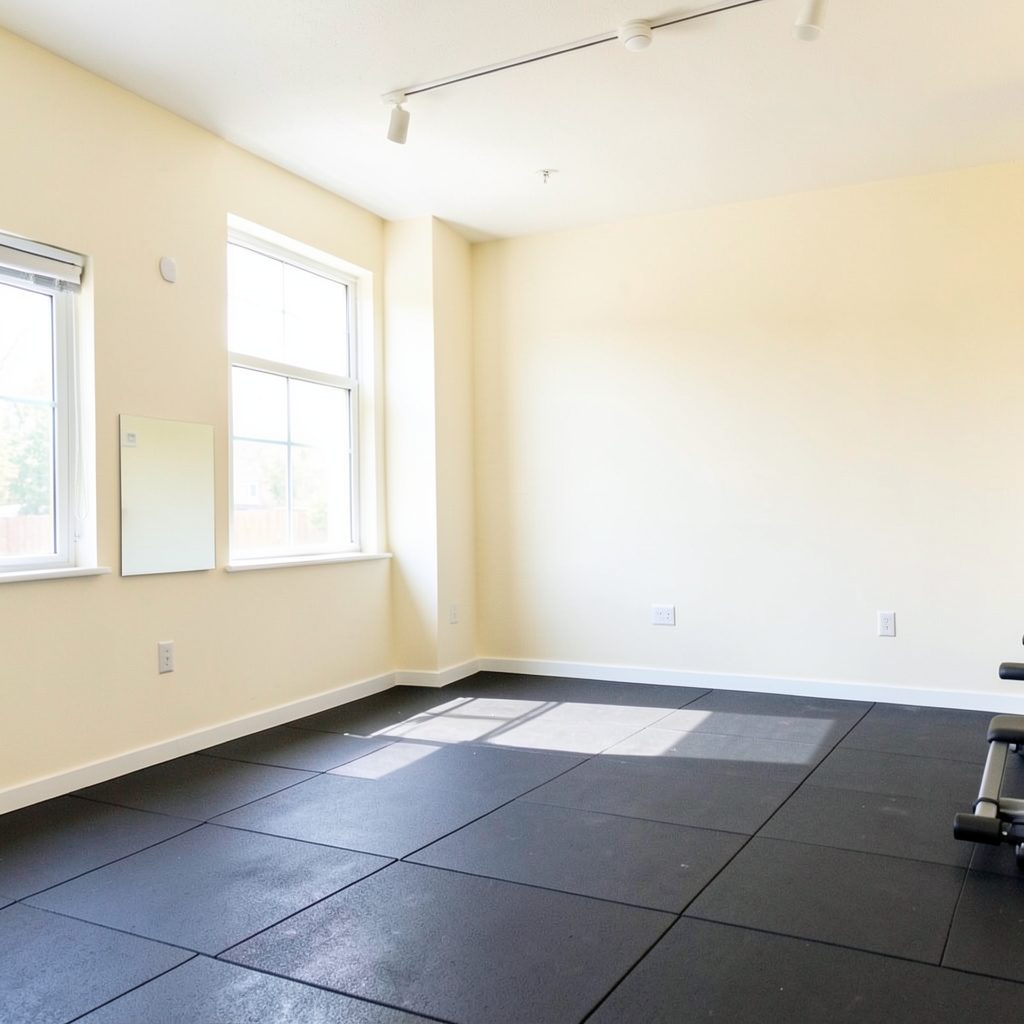
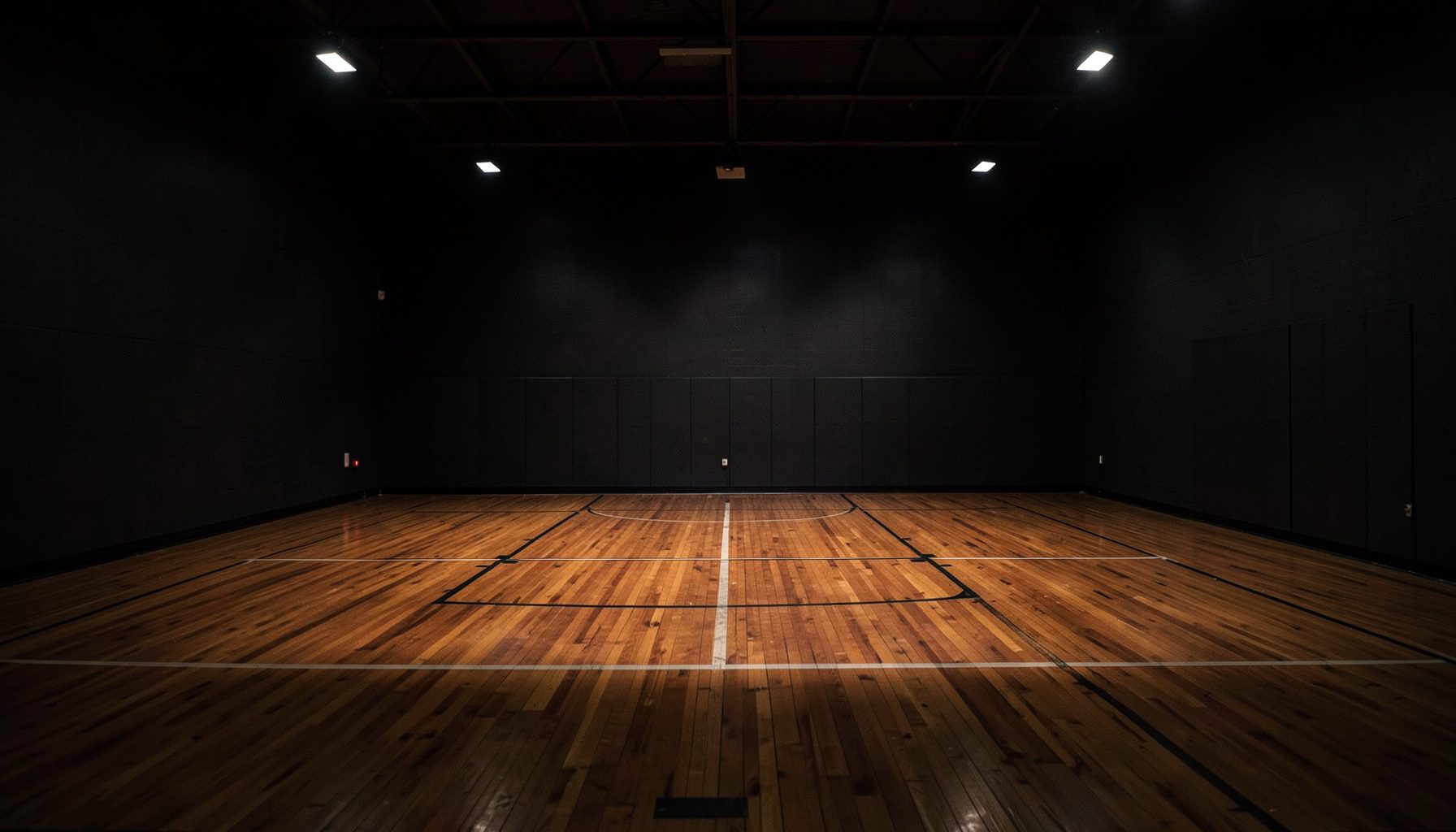
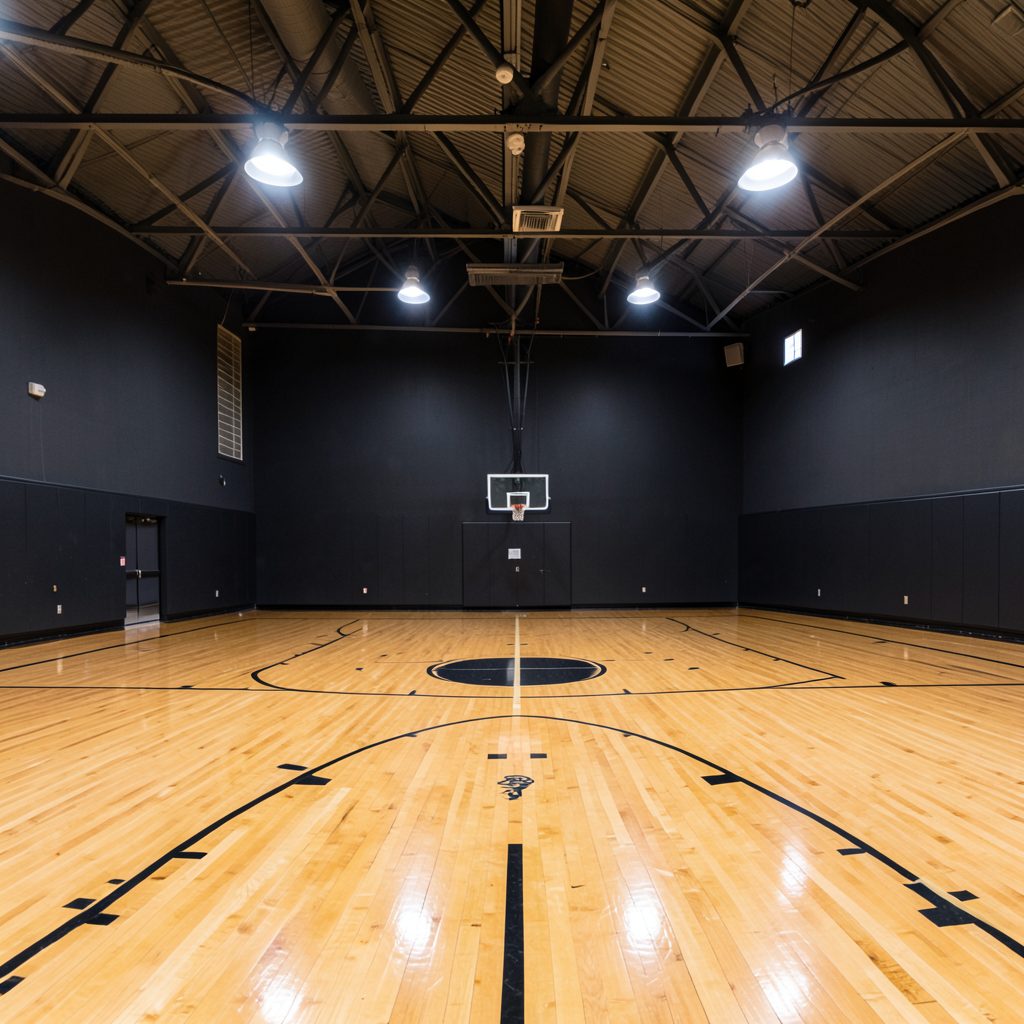
The Factory D1 Indy brings together three entities under one roof: competitive basketball leagues for all age groups, individual and group training, and wellness & recovery services including Normatec boot recovery and cryotherapy. Located off I-465 and High School Road at 6331 Crawfordsville Road, Speedway, Indiana 46224.
Get In TouchWhat to Expect During Your First Normatec Compression Session
Recovery is an essential part of athletic performance, whether you are preparing for a basketball league game, building endurance in a spin class, or managing the demands of regular training. Normatec compression therapy offers a comfortable, non-invasive way to support circulation and help your legs feel refreshed after physical activity.
The system uses inflatable sleeves that fit around the legs, arms, or hips. These sleeves fill and release in sequence, creating dynamic air compression that moves from one section to the next. The process is designed to feel rhythmic and controlled rather than intense or painful.
Your first session at The Factory D1 Indy should be straightforward. Knowing what to wear, how the equipment works, what sensations to expect, and how to respond afterward can make the experience more comfortable and productive.
What Normatec Compression Does
Normatec is a form of intermittent pneumatic compression. During a session, the connected sleeves inflate in sections, applying gentle pressure and then releasing it before moving through another cycle. This pattern can support blood flow and encourage fluid movement in the treated area.
Many athletes use compression recovery after practices, tournaments, strength workouts, running, cycling, or other demanding activities. The goal is usually to help reduce the heavy, tired feeling that can follow exercise and support the body’s normal recovery process. It is a wellness and recovery service, not a replacement for medical care or treatment for an injury.
The equipment can be adjusted for pressure, timing, and the body area being treated. Your provider or session staff member should explain the available settings and help select a comfortable starting level.
Before You Arrive
Wear clothing that allows the sleeves to fit comfortably. Loose athletic shorts, sweatpants, or leggings usually work well, depending on the type of compression sleeves being used. Avoid clothing with bulky layers, sharp hardware, or anything that could make the sleeves feel overly tight.
You can generally eat and drink as you normally would before the appointment. Staying hydrated is sensible after exercise and may help you feel more comfortable during recovery. Arriving a few minutes early gives you time to discuss your workout, any areas of soreness, and your goals for the session.
Tell the staff about medical conditions, recent procedures, swelling, unexplained pain, skin irritation, circulation concerns, or medications that may affect your response to compression. If you are unsure whether pneumatic compression is appropriate for you, consult a qualified healthcare professional before booking.
During Your First Session
A staff member will help you sit or recline in a comfortable position before fitting the sleeves. Depending on the service, the sleeves may cover your feet and legs or extend around another treatment area. They should feel secure, but they should not cause sharp pain, numbness, burning, or an alarming change in skin color.
Once the sleeves are connected, the system will inflate one section at a time. You may notice pressure beginning around your feet or lower legs and moving upward. The sensation is often described as a series of gentle squeezes, similar to a firm massage that pauses and repeats.
The first session may be used to help you become familiar with the equipment. Staff can adjust the pressure if it feels too strong or too light. You should communicate throughout the appointment rather than trying to tolerate discomfort silently. The session should feel controlled and manageable.
How The Sensation May Change
At the beginning, the inflation cycle may feel unusual because the pressure arrives in a predictable sequence. After a few minutes, many people settle into the rhythm and use the time to rest, breathe, read, or review their training schedule. You may feel warmth, light pressure, or a sense of release as each chamber deflates.
Normal sensations can include mild compression, rhythmic squeezing, and temporary awareness of the treated area. The sleeves should not create significant pain. If you experience dizziness, shortness of breath, tingling, numbness, intense discomfort, or a worsening sensation, tell the staff immediately so the session can be paused or stopped.
Compression therapy is often used as part of a larger recovery routine. It may be paired with mobility work, appropriate hydration, sleep, nutrition, and a well-planned training schedule. It should not be viewed as a quick fix for overtraining or as permission to ignore persistent symptoms.
| What You May Notice | What It Usually Means | What To Do |
|---|---|---|
| Rhythmic squeezing | The chambers are inflating in sequence | Relax and allow the cycle to continue |
| Firm but comfortable pressure | The setting is providing active compression | Mention it if you want the pressure adjusted |
| Temporary warmth or lightness | Your body is responding to the recovery routine | Continue observing how you feel |
| Pain, numbness, or burning | The fit or pressure may need attention | Notify staff immediately |
| Dizziness or unusual discomfort | The session may not be agreeing with you | Stop the session and seek guidance |
After The Session Ends
When the cycle is complete, the sleeves will deflate and a staff member will help you remove them. Stand up gradually, especially if you have been reclining. Give yourself a moment to notice how your legs or other treated areas feel before returning to intense activity.
Some people leave feeling relaxed, refreshed, or less aware of post-workout heaviness. Others notice little immediate change and experience benefits as part of repeated recovery sessions. Individual responses vary based on training load, hydration, sleep, injury status, and general health.
Continue with reasonable recovery habits after the appointment. Drink fluids, eat appropriately for your activity level, and avoid using a compression session to mask pain that needs evaluation. If swelling, soreness, or another symptom persists or worsens, contact a healthcare professional.
Who Should Ask Before Using Compression
Normatec is not appropriate for everyone. People with certain vascular conditions, active blood clots, severe circulation problems, uncontrolled heart or kidney conditions, acute infection, or other medical concerns may need to avoid pneumatic compression or receive clearance first.
Pregnancy, recent surgery, open wounds, significant swelling with an unknown cause, and diagnosed vascular or lymphatic disorders also warrant a conversation with a medical professional. The staff can explain the general service, but they cannot replace personalized medical advice.
Be specific when describing your health history. Saying that you recently had a procedure, developed unusual swelling, or started a new medication may change whether compression is suitable. Honest information helps the session remain safe and appropriately tailored.
Make Recovery Sessions Work For You
A first appointment is a chance to learn how your body responds and how compression fits into your schedule. Athletes may choose to use recovery services after particularly demanding sessions, during tournament periods, or on days when their legs feel unusually fatigued. Frequency should be based on your needs and guidance from qualified professionals.
If you train at The Factory D1 Indy, Normatec can complement basketball skills work, competitive leagues, cycling, and other athletic activities under one roof. Pairing treatment with sensible workload management can help you create a more consistent approach to preparation and recovery.
- Schedule the session after a demanding workout or competition when appropriate.
- Wear comfortable clothing that allows the sleeves to fit without bulky layers.
- Tell staff about soreness, medical conditions, recent procedures, or unusual symptoms.
- Start with a comfortable pressure and request an adjustment whenever needed.
- Track how you feel afterward instead of assuming every session will feel the same.
Your first Normatec compression session should be calm, adjustable, and easy to understand. If you want to learn whether the service fits your training and recovery routine, contact The Factory to discuss availability and next steps with The Factory D1 Indy.
Inside The Factory

Three Entities, One Roof
Leagues
Eight league divisions span every age group: Indy Pro AM, 18+ Open Men's, 30+ Men's, Bite Size (ages 3–6), Impact League, 5th/6th Grade, Middle School, and High School. Gather your team and compete.
Training
Individual and group basketball training for all skill levels. Major M.O.V.E.S. Basketball Training serves ages 4–7 on Wednesday and Thursday evenings at 6:30 PM — $30 per session or $100 unlimited monthly.
Wellness & Recovery
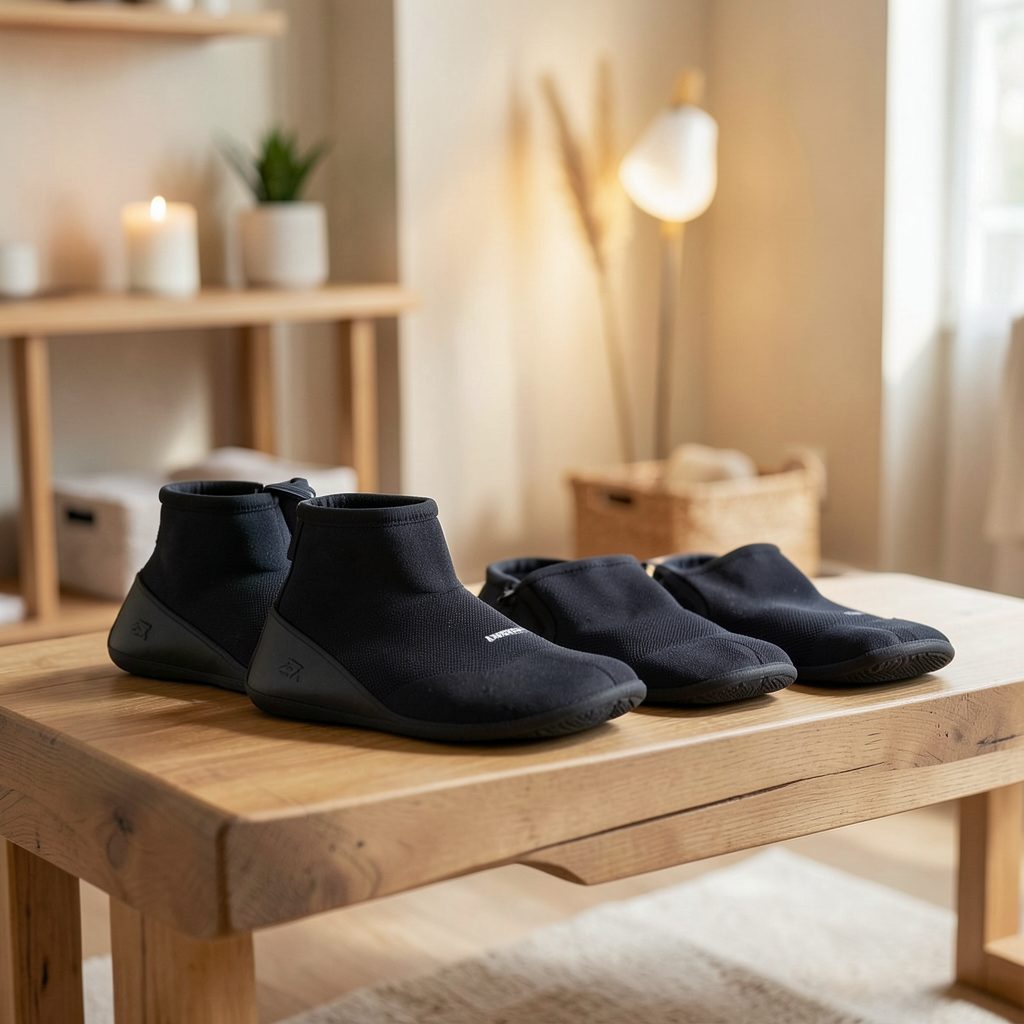
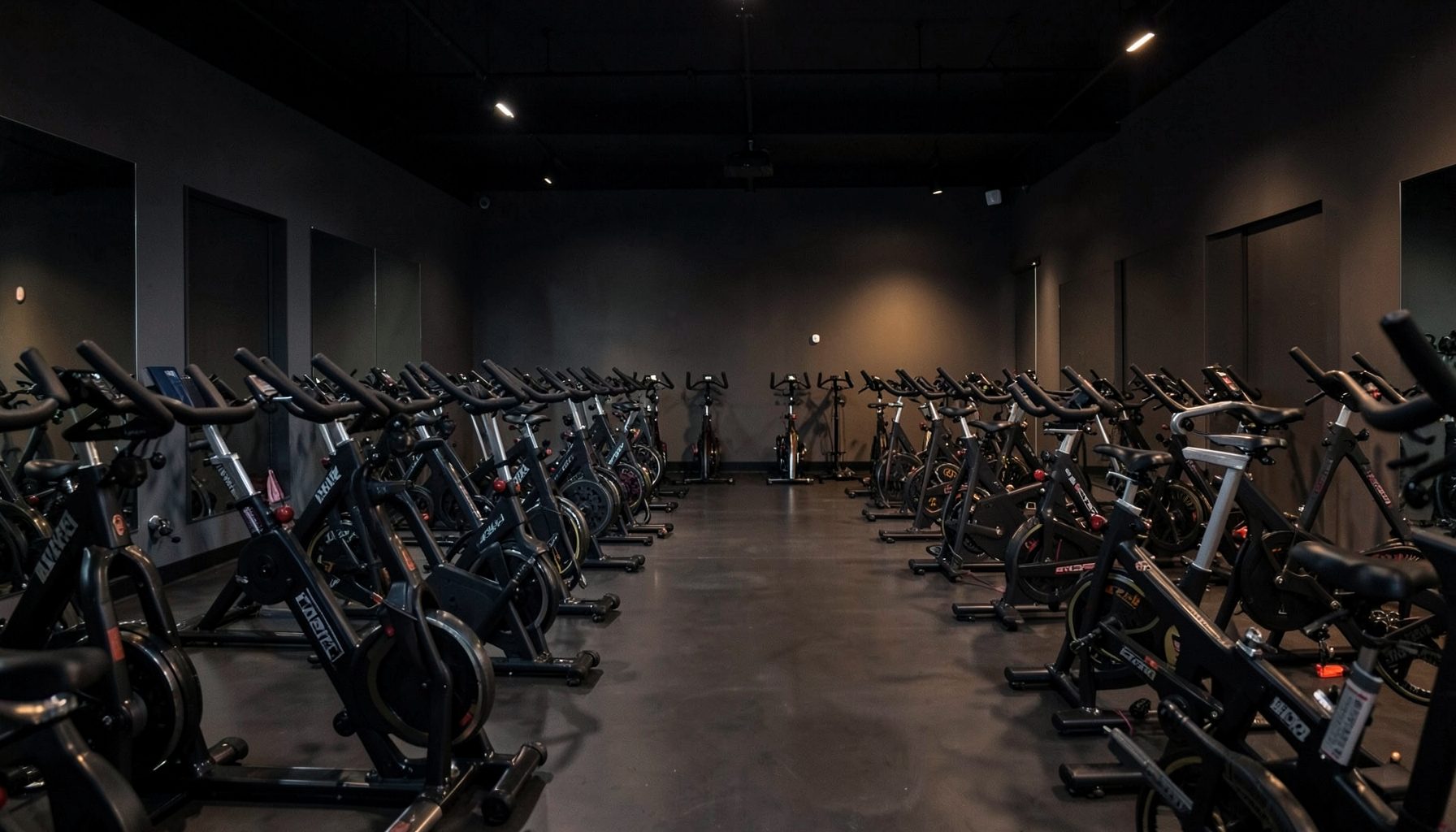
Normatec boot recovery and cryotherapy treatments help athletes bounce back faster. Cycle and spin classes add a cardio dimension to the holistic performance approach.
Have a Question?