Train. Compete. Recover.
A multi-purpose athletic facility in Speedway, Indiana — basketball leagues, skill training, and wellness services all under one roof.
The Factory D1 Indy brings together three entities under one roof: competitive basketball leagues for all age groups, individual and group training, and wellness & recovery services including Normatec boot recovery and cryotherapy. Located off I-465 and High School Road at 6331 Crawfordsville Road, Speedway, Indiana 46224.
Get In TouchWhat to Expect During a Cryotherapy Session
Cryotherapy is a short, controlled exposure to very cold air designed to support recovery, reduce the feeling of post-training soreness and leave you feeling refreshed. For many first-time visitors, the temperature sounds more intimidating than the actual experience. A session is brief, supervised and very different from sitting in an ice bath.
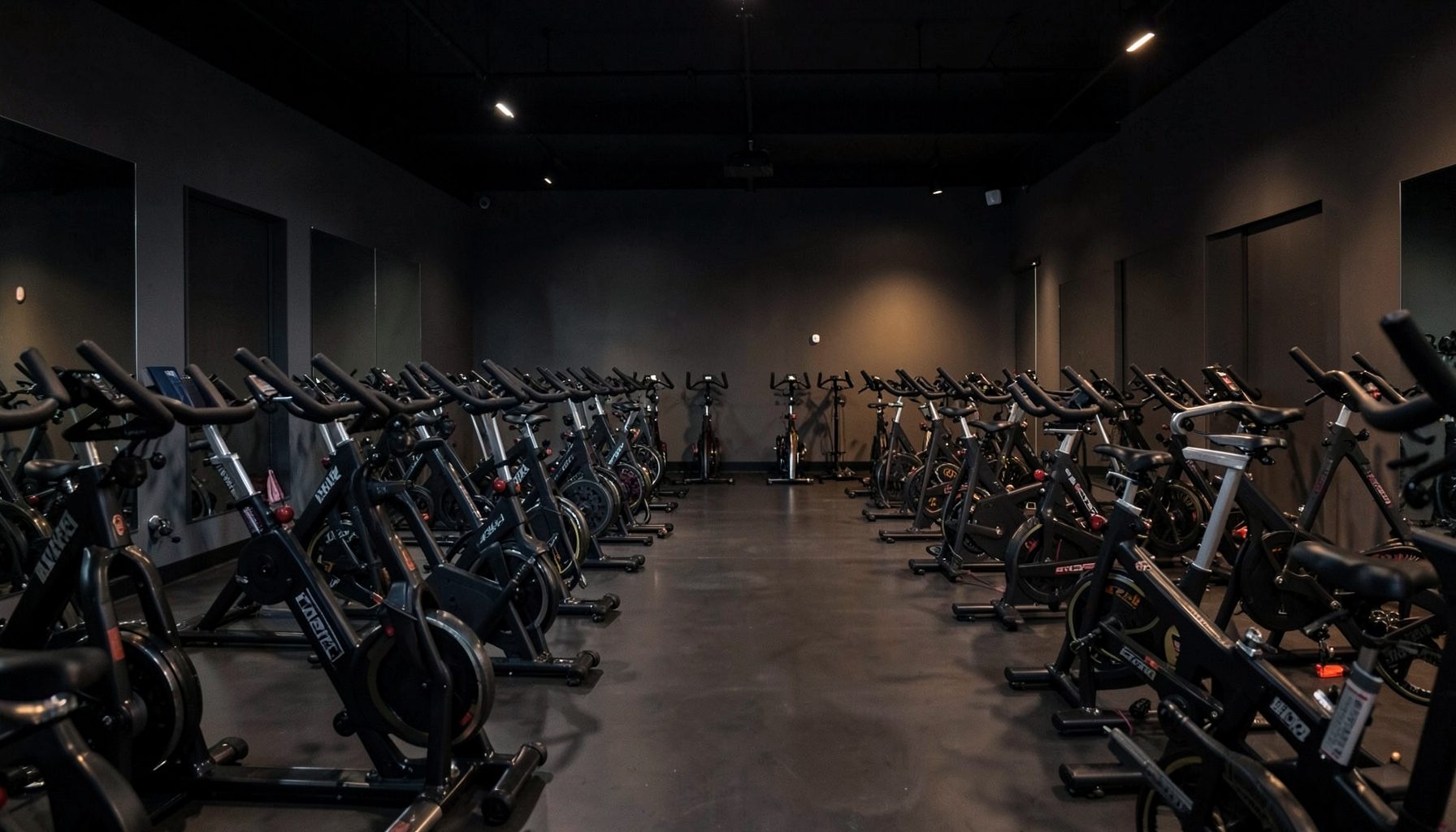
At The Factory D1 Indy, cryotherapy forms part of a broader wellness and recovery offering alongside athletic training, competitive basketball, cycling and fitness services. Australian athletes may recognise the setting: much like adding recovery work after a footy session, long run or spin class, the aim is to give your body structured support after physical effort.
What Happens Before You Enter
A staff member should explain the equipment, session length and safety procedure before you begin. You will usually remove jewellery and damp clothing, then change into dry protective items such as socks, gloves, slippers and clothing that covers sensitive areas. Moisture matters because wet skin can feel dramatically colder and may increase the risk of irritation.
A whole-body cryotherapy chamber generally exposes the body to very cold, dry air, often around -110°C to -140°C. Those figures can sound extreme when compared with a chilly Melbourne morning or a cool winter training session, but the air is dry and the exposure lasts only a few minutes. Your head may remain outside the chamber in some designs, while other systems use a cabin that surrounds the body.
Tell the operator about medical conditions, medications, circulation concerns, recent injuries or unusual reactions to cold. A reputable facility will check whether the session is suitable and will remain nearby throughout. Cryotherapy should complement professional care, rather than replace diagnosis or treatment for an injury.
The Sensations You May Notice
The first sensation is usually an immediate burst of cold around the legs, torso and arms. It can feel sharp, dry and intense, but it is generally more manageable than people expect because the session is short. You may notice goosebumps, tingling or a temporary tightening feeling in the skin.
As the minutes pass, the cold may feel more uniform. Some people describe their skin as prickly or lightly numb, while others focus on the refreshing, alert feeling that follows. You should never force yourself to tolerate severe pain, burning, dizziness or distress. Tell the attendant straight away if anything feels wrong.
| Stage | Common sensation | What to do |
|---|---|---|
| Before entry | Cool skin and anticipation | Remove moisture and follow the staff briefing |
| First minute | Sudden dry cold and goosebumps | Keep moving gently if instructed |
| Middle of session | Tingling, prickling or temporary numbness | Breathe normally and communicate with staff |
| Final minute | Strong cold with a clear end point | Leave promptly when directed |
| Afterward | Warmth returning and possible light redness | Dress comfortably and hydrate |
When the session ends, the cold sensation usually fades quickly as you return to normal room temperature. Light redness or tingling can occur briefly. If you develop persistent numbness, blistering, significant pain or another concerning symptom, seek medical advice rather than booking another session.
How Long a Session Takes
The cold exposure itself often lasts between two and three minutes for a first visit, although the precise duration depends on the equipment, your experience and the facility’s protocol. The full appointment takes longer because it includes screening, changing, instructions and post-session observation. Allow roughly 15 to 30 minutes from arrival to departure unless the provider gives different guidance.
This short duration is one reason cryotherapy can fit around a busy training schedule. An athlete could attend after a morning basketball workout, a lunchtime spin class or an evening competition. In Australia, where people often move between work, school, club sport and long commutes, a concise recovery appointment can be easier to manage than a lengthy spa treatment.
It is useful to arrive calm and well hydrated, rather than rushing in straight from a hard session. Avoid treating the appointment as a test of toughness. The goal is a controlled exposure, not the longest possible time in extreme cold. Staff may adjust the protocol or recommend stopping if you are uncomfortable.
Cryotherapy Compared With Other Recovery Options
Cryotherapy creates a cold, stimulating sensation, whereas compression therapy applies pressure to the limbs and gentle movement-based services focus on mobility. Normatec compression, for example, feels more like a rhythmic squeeze than an intense temperature change. Some athletes prefer one method, while others use different options depending on whether they are managing heavy legs, general fatigue or post-training stiffness.
A low-intensity mobility session may also pair well with a recovery plan. Australian clients who enjoy reformer classes, yoga or stretching may choose a gentle session at D Studio Yoga on a separate day, particularly when the priority is range of motion rather than an immediate cold stimulus. Avoid aggressive stretching while an area feels numb.
| Recovery option | Main sensation | Typical time commitment | Best suited to |
|---|---|---|---|
| Cryotherapy | Intense, dry cold | A few minutes of exposure | A brief, supervised recovery stimulus |
| Compression therapy | Repeated squeezing and release | Around 20–40 minutes | Heavy or tired legs after training |
| Ice bath | Cold water surrounding the body | Often 5–15 minutes | Athletes accustomed to water immersion |
| Gentle mobility | Stretching and controlled movement | Around 20–60 minutes | Stiffness, movement quality and relaxation |
| Rest and hydration | No strong physical sensation | Flexible | General recovery and routine maintenance |
Results vary from person to person. Some visitors feel energised immediately, while others notice the main benefit later as perceived soreness settles. There is no single recovery method that suits every athlete, and a session should be considered one part of sleep, nutrition, training load management and appropriate medical care.
Safety, Aftercare and Local Considerations
After cryotherapy, allow your skin to warm naturally and put on comfortable clothing. A normal walk, light mobility routine or easy cycle can help you transition back into the day. Drink water according to your usual needs, especially if you have trained in hot or humid conditions. Someone coming in from a Brisbane summer, for example, may feel a stronger contrast between outdoor heat and the chamber than a visitor arriving during a cool Adelaide morning.
Do not schedule an intense workout simply because you feel invigorated after the session. The alert sensation can be misleading, and it does not mean damaged tissue has fully recovered. Give yourself time to assess how your body feels. Athletes preparing for basketball leagues, weekend footy or a long-distance running event should keep their overall training plan in charge.
Cryotherapy is not appropriate for everyone. Pregnancy, uncontrolled high blood pressure, significant heart or circulation problems, cold sensitivity, certain nerve conditions and other medical concerns may require avoidance or medical clearance. Australian consumers should look for clear pricing, qualified staff, proper screening and transparent information rather than choosing a provider based solely on the lowest advertised rate. Local health advice from a GP or qualified clinician is especially important if you have a diagnosed condition or are recovering from an injury.
The Factory D1 Indy brings this service into an athletic environment where recovery can sit alongside skills training, leagues, cycling and conditioning. For visitors from Australia, including athletes accustomed to club-based sport and practical, appointment-driven wellness services, the experience is straightforward: brief exposure, close supervision and time to warm up afterwards.
Book a supervised cryotherapy session through wellness and recovery services at The Factory D1 Indy, follow the pre-session instructions and treat the appointment as part of a balanced recovery routine. Arrive dry, communicate clearly with staff and give your body time to respond.
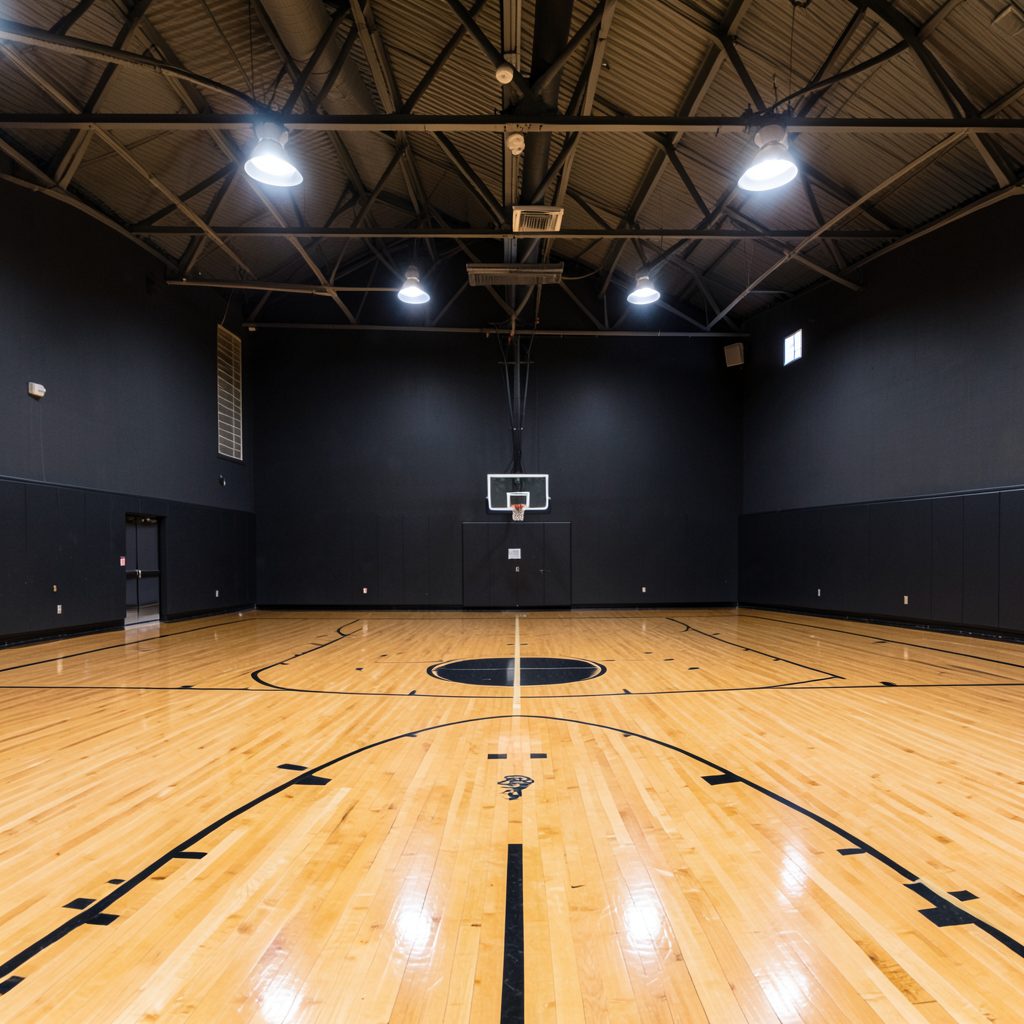
Inside The Factory

Three Entities, One Roof
Leagues
Eight league divisions span every age group: Indy Pro AM, 18+ Open Men's, 30+ Men's, Bite Size (ages 3–6), Impact League, 5th/6th Grade, Middle School, and High School. Gather your team and compete.
Training
Individual and group basketball training for all skill levels. Major M.O.V.E.S. Basketball Training serves ages 4–7 on Wednesday and Thursday evenings at 6:30 PM — $30 per session or $100 unlimited monthly.
Wellness & Recovery
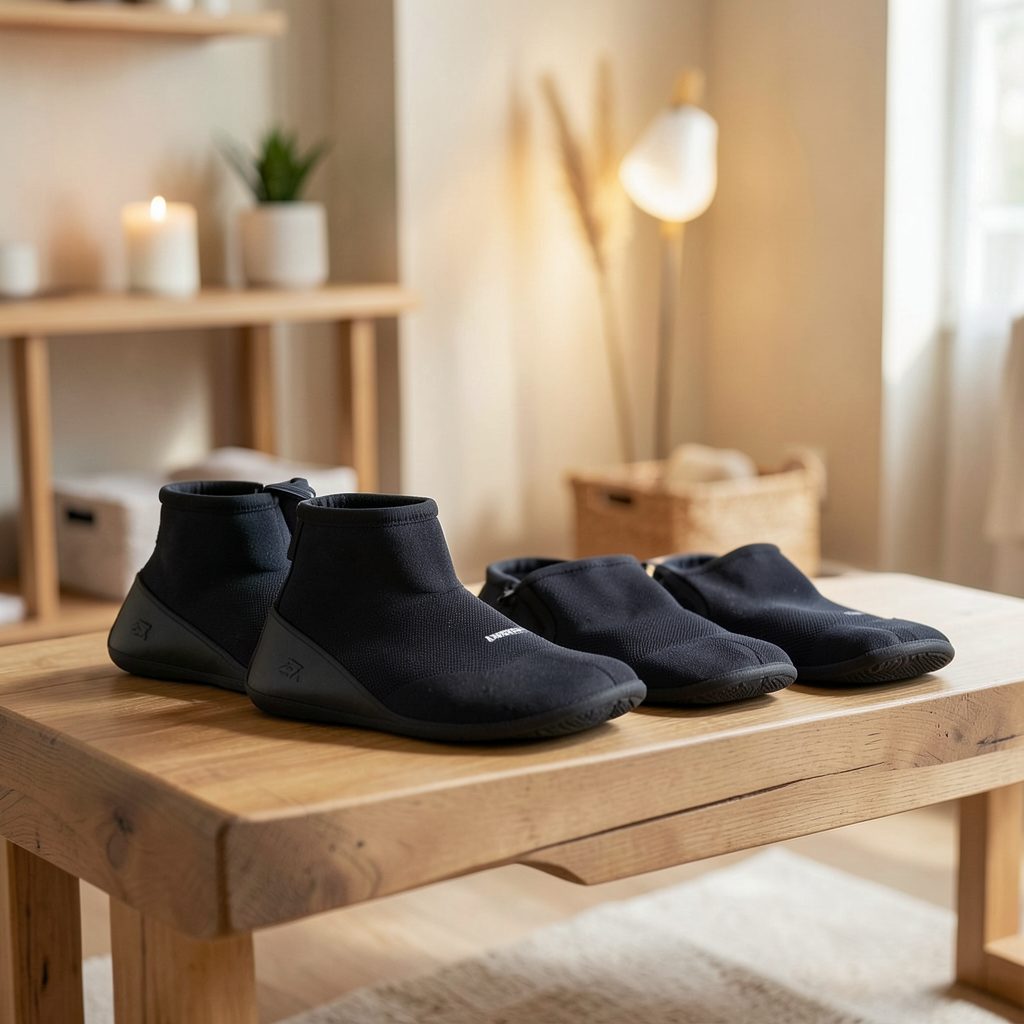
Normatec boot recovery and cryotherapy treatments help athletes bounce back faster. Cycle and spin classes add a cardio dimension to the holistic performance approach.
Have a Question?