Train. Compete. Recover.
A multi-purpose athletic facility in Speedway, Indiana — basketball leagues, skill training, and wellness services all under one roof.
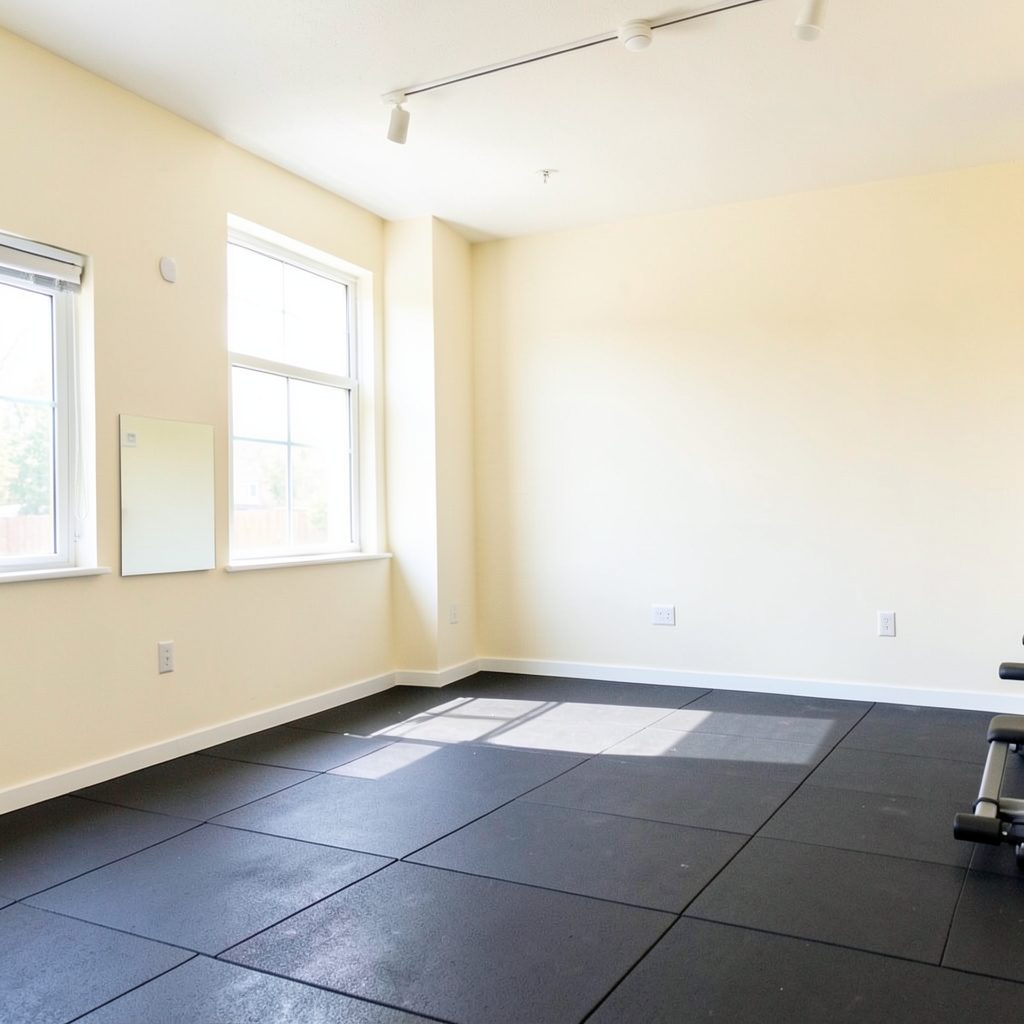
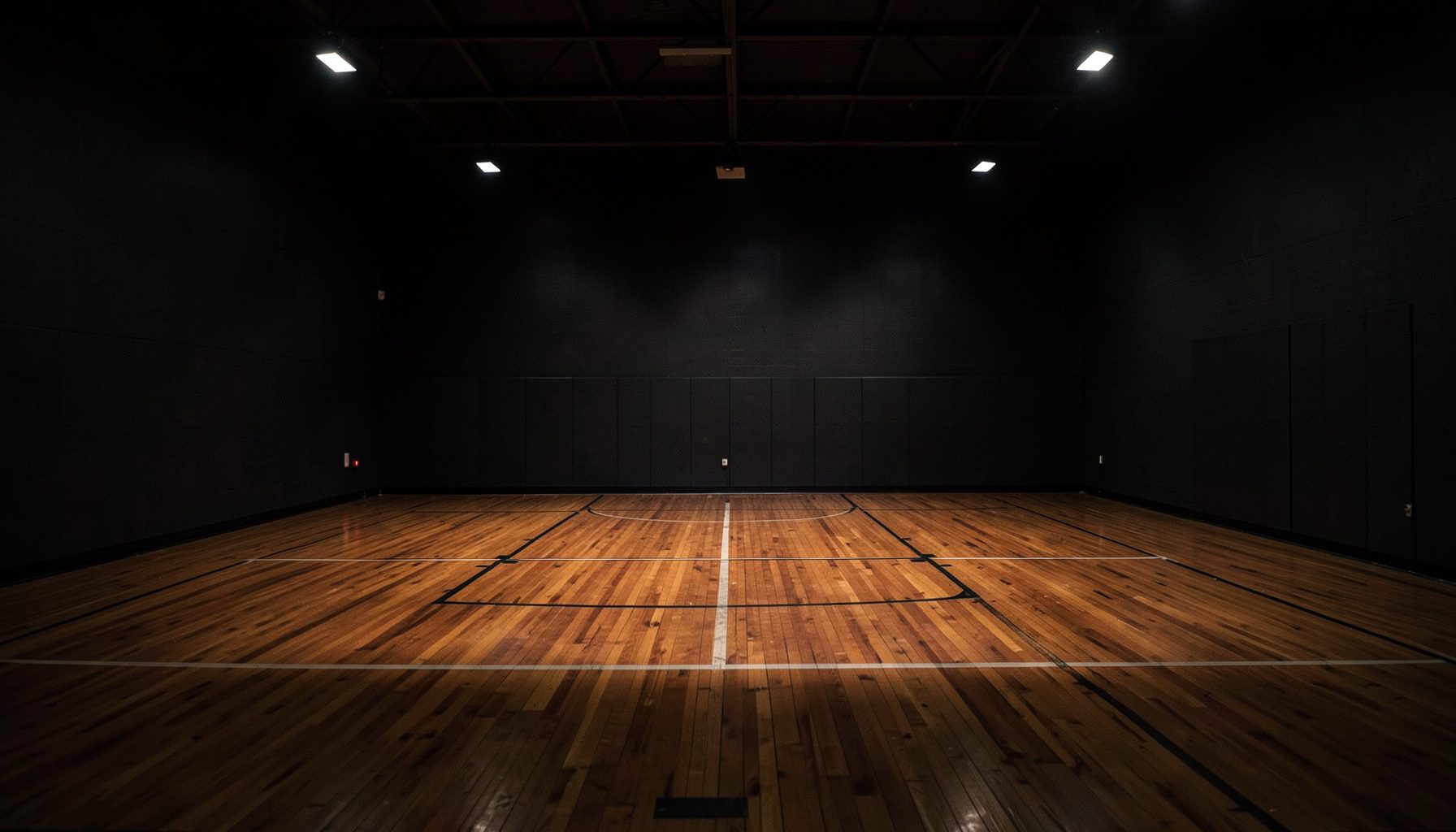
The Factory D1 Indy brings together three entities under one roof: competitive basketball leagues for all age groups, individual and group training, and wellness & recovery services including Normatec boot recovery and cryotherapy. Located off I-465 and High School Road at 6331 Crawfordsville Road, Speedway, Indiana 46224.
Get In TouchWhat to expect from Normatec before a spin class
A Normatec session before a spin class workout can be a useful way to prepare your legs for steady, demanding movement. At The Factory D1 Indy, compression recovery is part of a broader athletic experience that includes cycle classes, basketball training, competitive leagues, and wellness services. The goal is to help you arrive at your workout feeling more aware of your body and ready to move.
Normatec uses inflatable attachments that fit around the legs and apply sequential compression. The pressure moves through different zones in a gradual pattern, creating a rhythmic squeezing and releasing sensation. Many people describe it as a firm massage or a series of gentle hugs around the legs.
The experience is designed to be comfortable and relaxing rather than strenuous. It does not replace a warm-up, hydration, or good cycling technique, but it can fit naturally into a pre-class routine when used appropriately and with guidance from facility staff.
Why use compression before cycling
Spin classes place repeated demands on the muscles of the thighs, hips, calves, and glutes. You may alternate between seated climbs, standing efforts, sprints, and resistance intervals, so your lower body needs to feel mobile and prepared before the instructor raises the pace.
A compression session may help you focus on how your legs feel before you begin. The sequential pressure can provide a calming pre-workout ritual and encourage you to notice areas that feel unusually tight, tender, or fatigued. That awareness is valuable because it gives you a chance to adjust your effort instead of ignoring a potential problem.
Normatec is best viewed as one part of recovery and readiness. It is not a substitute for dynamic movement, a gradual increase in resistance, or coaching during the ride. After compression, you will still need time to activate the muscles and settle into the bike.
How to prepare for your appointment
Wear comfortable clothing that allows the leg attachments to fit without excessive layers. Loose athletic shorts, leggings, or lightweight training pants are generally practical, although staff can explain what works best with the equipment available. Avoid arriving immediately after a large meal, and bring water so you can hydrate before class.
Give yourself enough time to check in, ask questions, and transition from recovery to the cycling studio. Rushing from the compression area directly onto a bike may make the session feel disjointed. A short buffer lets you stand up slowly, walk around, and assess whether your legs feel ready for activity.
Tell staff about relevant health concerns, recent injuries, unusual swelling, skin irritation, or changes in how your body feels. Compression may not be appropriate for everyone, particularly people with certain circulation problems or medical conditions. If you have been advised to avoid compression therapy, follow that advice and speak with a qualified healthcare professional before scheduling a session.
What the session feels like
You will usually sit or recline while the leg sleeves are positioned around your lower body. The sleeves contain air chambers that inflate in sequence, generally moving from the feet upward. The pressure may feel noticeable at first, but it should not feel sharply painful, numb, or alarming.
The equipment cycles through periods of inflation and release. You may read, rest, or simply pay attention to your breathing while the program runs. Staff can help with fit and settings, and you should speak up if the pressure feels uncomfortable or if something does not feel right.
| Stage | What you may notice | Helpful approach |
|---|---|---|
| Fitting | Sleeves feel secure around the legs | Check that they are snug without pinching |
| Initial pressure | A firm squeeze begins near the lower legs | Relax your muscles and breathe normally |
| Sequential cycle | Pressure moves upward in repeating waves | Use the time to assess areas of tension |
| Release phase | The sleeves loosen before another cycle | Notice whether comfort improves |
| Finish | The attachments deflate and are removed | Stand slowly and walk before cycling |
The timing and pressure level can vary according to the equipment, facility protocol, and individual comfort. A longer session is not automatically better, and stronger pressure is not necessarily more effective. The most useful setting is one that allows you to remain relaxed and comfortable.
Transitioning from compression to spin
After the sleeves come off, take a moment before standing. Move your ankles, bend and straighten your knees, and walk at an easy pace. These simple actions help you shift from a passive recovery setting to active preparation for the ride.
Use the studio warm-up to increase effort gradually. Start with light resistance and a comfortable cadence, then follow the instructor’s progression. Pay attention to how your knees, hips, and lower legs respond rather than assuming that a refreshed feeling means you should immediately push harder.
A pre-class compression session may leave your legs feeling light or relaxed, but the bike still requires coordination and control. Set your saddle and handlebars correctly, keep your knees tracking comfortably, and maintain enough resistance to avoid bouncing. Let the workout build naturally.
Those looking to make training and recovery part of a broader routine can browse the facility’s digital magazine for updates and wellness-focused information. Consistency across sleep, hydration, mobility, strength work, and recovery generally matters more than any single session.
When to modify or skip the session
Compression should feel like controlled pressure, not pain. Stop and notify staff if you experience sharp discomfort, tingling, numbness, unusual coldness, skin color changes, dizziness, or a feeling that the sleeves are restricting circulation. Do not try to tolerate symptoms simply to complete the scheduled time.
You may also want to postpone the session if you have a fresh injury, significant swelling, severe muscle soreness, or symptoms that are worsening. A recovery device cannot determine the cause of those symptoms. When there is uncertainty, medical guidance is more appropriate than experimenting with pressure settings.
The same caution applies to the spin class itself. If your legs feel unstable, your pain changes your pedal stroke, or you cannot warm up comfortably, reduce the intensity or sit out the workout. A productive training plan includes sensible adjustments.
Simple ways to make the routine worthwhile
The most effective pre-ride routine is easy to repeat and tailored to your needs. Consider these practical habits:
- Arrive early enough for check-in, compression, hydration, and a gradual warm-up.
- Tell staff about injuries, circulation concerns, skin sensitivity, or unusual soreness.
- Use a comfortable pressure setting and report discomfort promptly.
- Walk and move gently after the session before taking your place on the bike.
- Treat Normatec as a complement to sleep, nutrition, mobility, and smart training.
Keep brief notes about how you feel before and after the session, especially if you attend spin classes regularly. You may notice that compression feels most useful after demanding training, during a busy competition week, or when your legs feel generally heavy. Those observations can help you decide when it fits your schedule.
Avoid judging the session only by whether you feel an immediate performance boost. The value may be a calmer transition into class, better awareness of muscle tension, or a more deliberate recovery habit. Your response can change with training load, stress, hydration, and sleep.
A Normatec appointment can be a comfortable first step before cycling when it is used with realistic expectations and appropriate guidance. Schedule time at The Factory D1 Indy, discuss your needs with the wellness staff, and give yourself room to move from compression into a controlled spin warm-up. Take that first step toward a more intentional training and recovery routine.
Inside The Factory

Three Entities, One Roof
Leagues
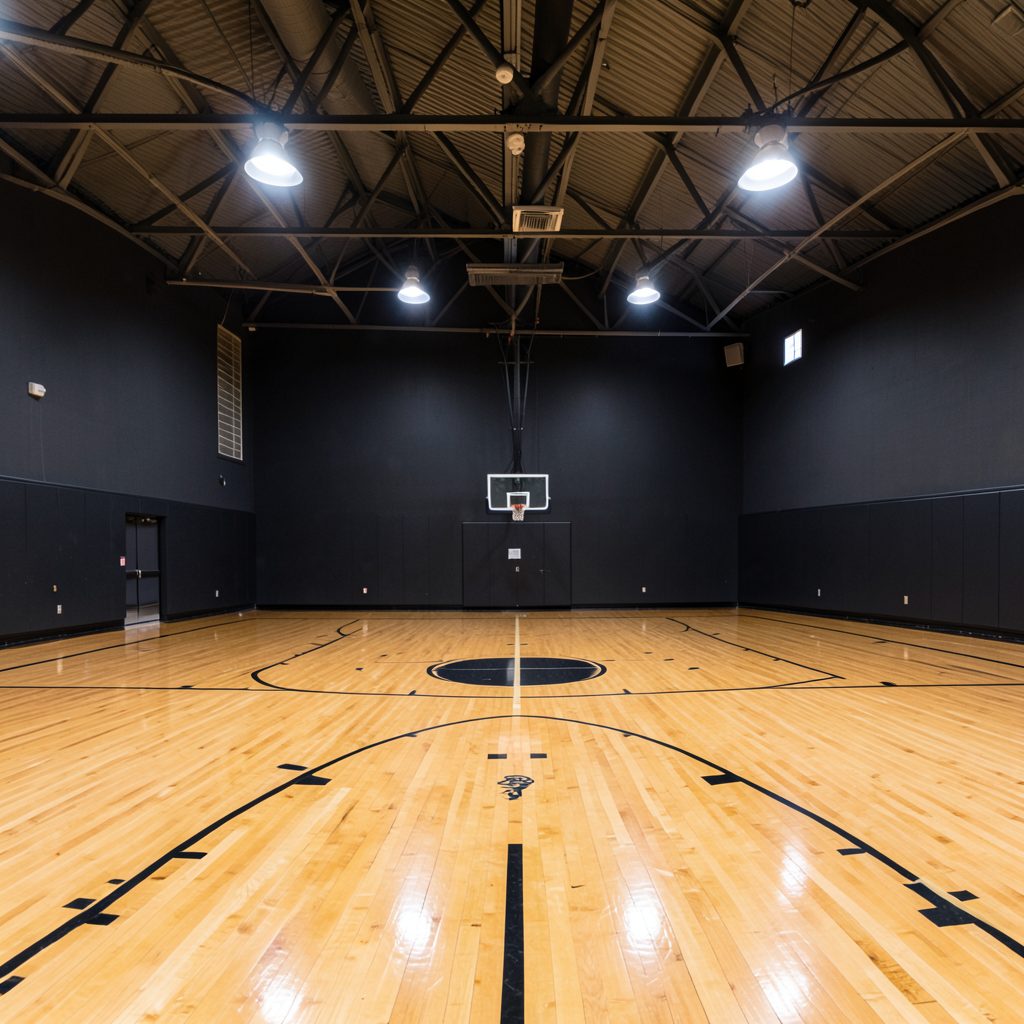
Eight league divisions span every age group: Indy Pro AM, 18+ Open Men's, 30+ Men's, Bite Size (ages 3–6), Impact League, 5th/6th Grade, Middle School, and High School. Gather your team and compete.
Training
Individual and group basketball training for all skill levels. Major M.O.V.E.S. Basketball Training serves ages 4–7 on Wednesday and Thursday evenings at 6:30 PM — $30 per session or $100 unlimited monthly.
Wellness & Recovery
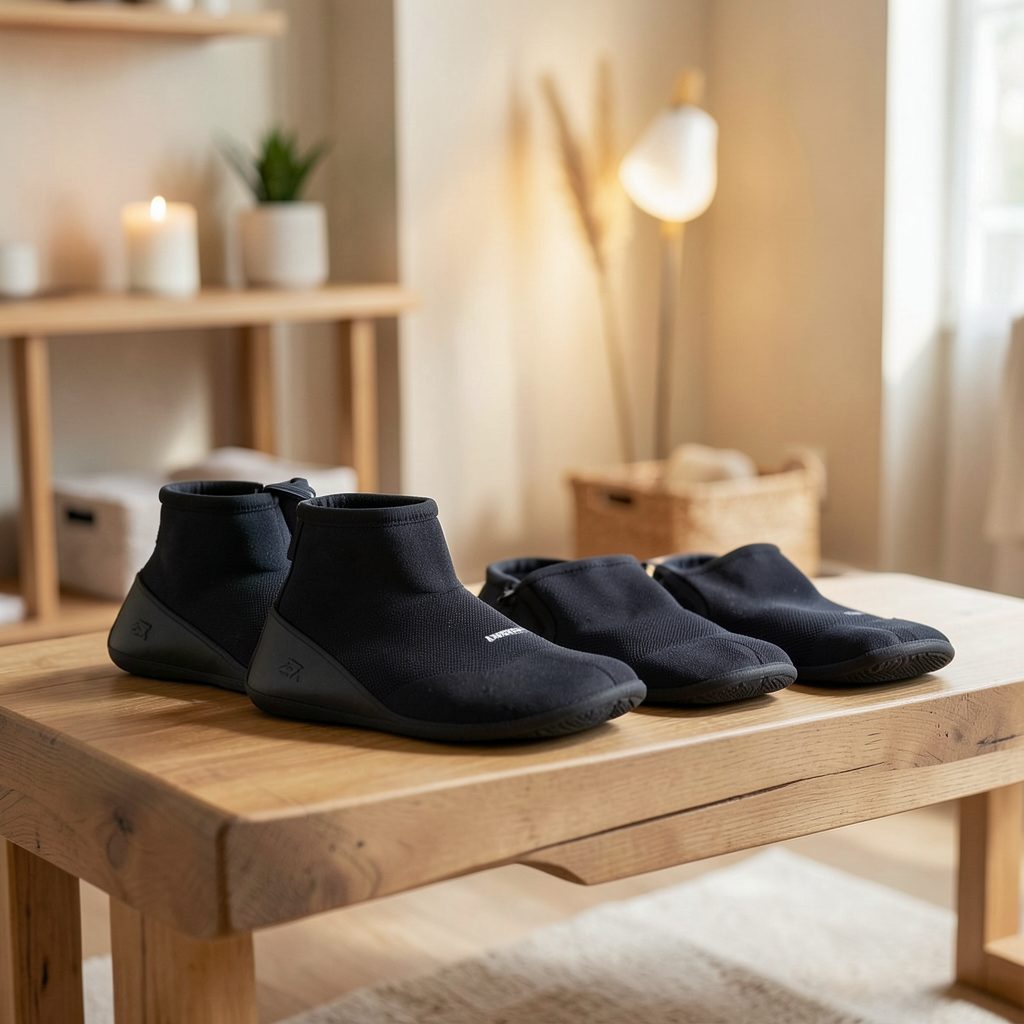
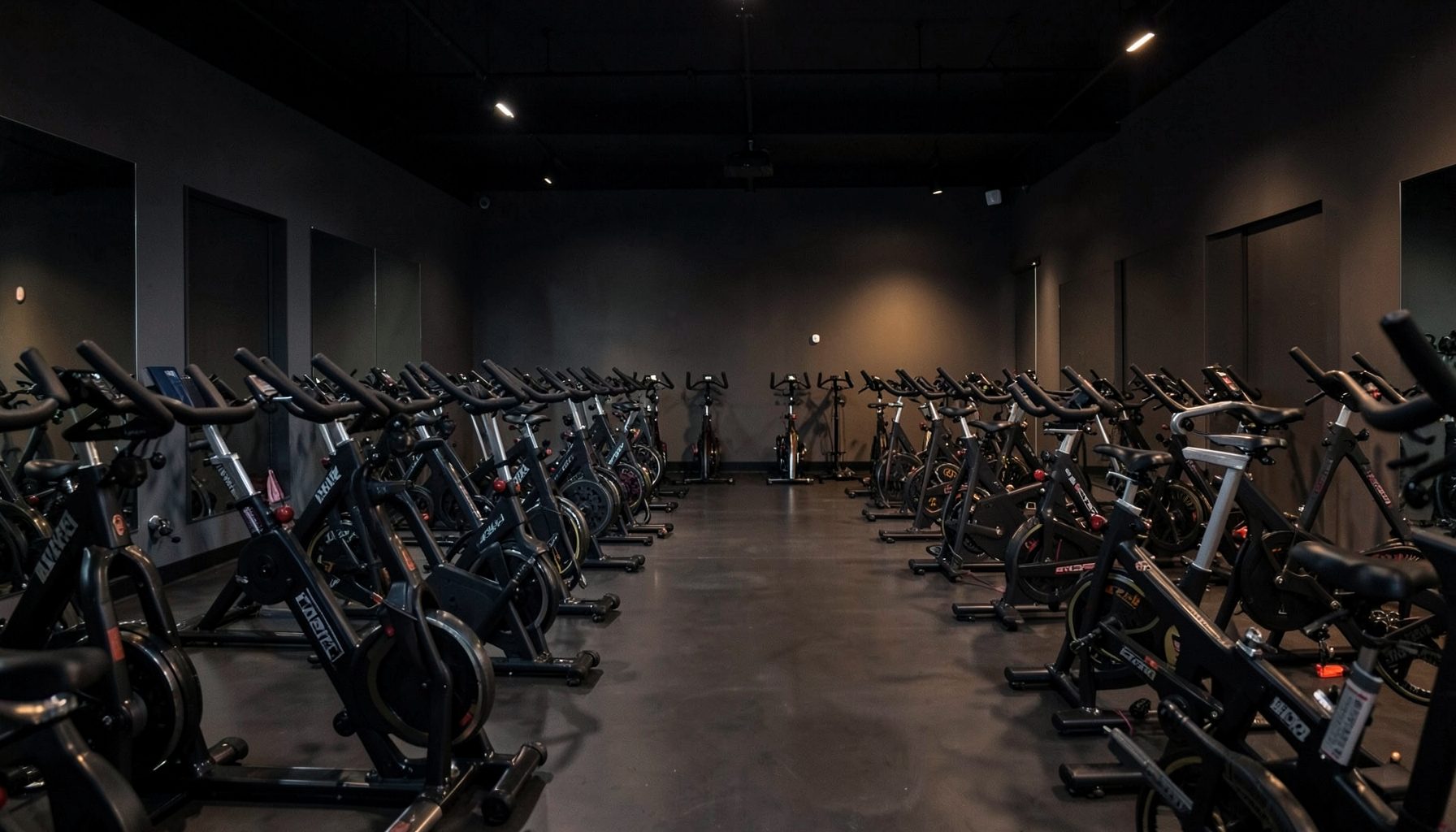
Normatec boot recovery and cryotherapy treatments help athletes bounce back faster. Cycle and spin classes add a cardio dimension to the holistic performance approach.
Have a Question?