Train. Compete. Recover.
A multi-purpose athletic facility in Speedway, Indiana — basketball leagues, skill training, and wellness services all under one roof.
The Factory D1 Indy brings together three entities under one roof: competitive basketball leagues for all age groups, individual and group training, and wellness & recovery services including Normatec boot recovery and cryotherapy. Located off I-465 and High School Road at 6331 Crawfordsville Road, Speedway, Indiana 46224.
Get In TouchWhat to look for in a basketball skills trainer for your child
Choosing a basketball skills trainer for your child involves more than finding someone who can demonstrate impressive drills. The right coach should help young athletes build sound fundamentals, confidence, decision-making ability, and a lasting enjoyment of the game. A trainer’s influence can shape how a child approaches practice, competition, teamwork, and personal growth.
Every player develops at a different pace. Some children need help with ball handling and footwork, while others are ready to refine shooting technique, defensive positioning, or game awareness. The best youth basketball coach recognizes those differences and creates a development plan that matches the athlete’s age, experience, goals, and personality.
Parents should also consider the broader training environment. A facility that combines individual instruction, group workouts, competitive leagues, conditioning, and recovery can give a young player more ways to grow. When training and competition support each other, athletes can apply new skills in realistic situations instead of practicing movements in isolation.
Match the trainer to your child’s needs
Start by identifying what your child wants from basketball. A beginning player may benefit from a patient instructor who emphasizes coordination, balance, dribbling, passing, and enjoyment. An experienced athlete may need specialized work on shooting consistency, attacking closeouts, defensive reads, or finishing through contact.
Age-appropriate instruction matters. Younger children should not be pushed into advanced systems before they have developed basic movement skills and confidence with the ball. Older players may need more challenging basketball performance training, including game-speed repetitions, position-specific instruction, and decision-making under pressure.
A strong trainer should be willing to evaluate the player before prescribing a routine. Ask how the coach identifies strengths and weaknesses, how goals are established, and how progress is measured. A thoughtful assessment is usually more valuable than a generic package that gives every athlete the same drills.
Look for a clear coaching philosophy
Effective trainers teach the reasons behind a technique, not just the technique itself. For example, a coach should explain when to use a crossover, how to create space before a shot, or why a defensive stance changes in different areas of the court. This helps children transfer skills from practice into live play.
Good youth basketball instruction also balances repetition with variety. Repeating a movement builds coordination, but athletes need changing angles, speeds, opponents, and decisions to become adaptable players. A training session should include purposeful practice rather than a long sequence of flashy exercises with little connection to competition.
Ask how the coach handles mistakes. Young athletes need correction, but constant criticism can make them hesitant and afraid to try. A constructive trainer identifies the error, gives a clear adjustment, and allows the player to attempt the skill again. Confidence grows when children understand that mistakes are part of learning.
Verify experience, communication, and safety
A trainer’s playing background can be useful, but it should not be the only qualification. Coaching experience with children of the same age group is often more relevant than a long playing résumé. Look for someone who understands youth development, communicates clearly, and can adjust instruction when a child is frustrated or struggling.
Parents should feel comfortable asking about certifications, background checks, first-aid training, and facility safety procedures. A professional trainer should welcome questions about supervision, injury prevention, hydration, and what happens if a child reports pain. Basketball skill development should support healthy athletic growth rather than encourage unsafe overuse.
Communication outside the workout is important too. Parents should know how sessions are structured, what goals are being addressed, and how feedback is shared. A coach does not need to provide a lengthy report after every practice, but consistent updates can help families understand whether the program is meeting the athlete’s needs.
Compare training formats and development benefits
Individual lessons offer focused attention and can be especially helpful when a player needs to correct a specific habit. Group basketball training adds competition, teamwork, communication, and the challenge of performing skills near other athletes. Neither format is automatically better; the right choice depends on the child’s goals and learning style.
A well-rounded program may combine private instruction with small-group workouts and organized games. League play exposes athletes to spacing, transition defense, passing under pressure, and the emotional demands of competition. Families looking for a place to apply new skills can review league registration options at The Factory D1 Indy, where youth and adult divisions support a wider athletic community.
| Training option | Best for | Benefits to look for | Questions to ask |
|---|---|---|---|
| Individual sessions | Specific skill needs or focused correction | Personalized feedback and a tailored pace | How will goals be measured? |
| Small-group workouts | Players who learn through interaction | Competition, communication, and shared energy | How many athletes attend each session? |
| Team leagues | Applying skills in live situations | Decision-making, teamwork, and game confidence | Are divisions organized by age and ability? |
| Skills camps | Intensive short-term development | High repetition and exposure to new coaches | Is instruction appropriate for my child’s level? |
| Conditioning and recovery | Athletes managing a demanding schedule | Movement quality, endurance, and readiness | How are workload and recovery handled? |
The training environment should also offer enough variety to keep children engaged. A player who practices fundamentals, competes regularly, and learns how to prepare and recover is building habits that extend beyond a single season.
Observe how the trainer interacts with children
Whenever possible, watch a session before enrolling. Notice whether the trainer is actively engaged or spends most of the time talking to one athlete. Look at how long children wait between repetitions, whether everyone receives feedback, and whether drills are adjusted for different skill levels.
The coach’s language provides useful clues. Clear instructions, specific praise, and calm corrections usually create a productive atmosphere. A trainer who uses embarrassment, sarcasm, or excessive yelling may produce short-term intensity but can damage a child’s motivation and self-esteem.
Children should leave practice challenged yet encouraged. A demanding session is not automatically a good session if the athlete feels confused or defeated. Ask your child what they learned, what felt difficult, and whether they felt comfortable asking for help. Their experience should be part of the evaluation.
Consider the facility and long-term fit
Convenience affects consistency. A quality trainer who is too difficult to reach may lead to missed sessions and an unstable routine. Consider location, schedule, session length, make-up policies, cost, and how the program fits around school and other activities.
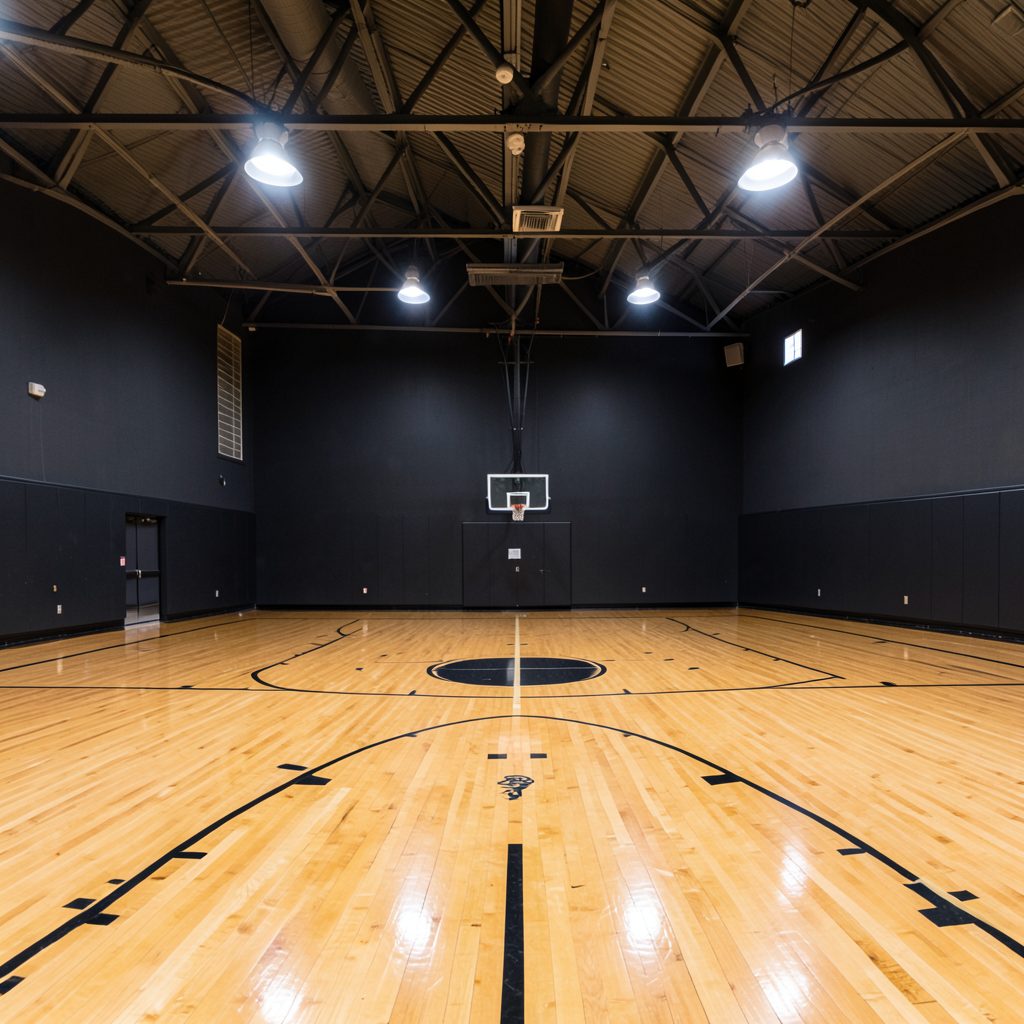
The facility itself should be clean, organized, and appropriate for youth sports. Adequate court space, safe equipment, qualified staff, and clear check-in procedures all matter. A multi-purpose athletic setting can be valuable when it gives athletes access to basketball instruction alongside conditioning and wellness services.
Recovery support can be particularly useful for older or highly active players. Services such as compression therapy, cryotherapy, stretching, and guided recovery may complement training when used appropriately and with attention to the athlete’s age and health. These services should enhance a sound training plan, not replace rest, nutrition, medical care, or sensible workload management.
Questions worth asking before enrollment
A short conversation with the trainer can reveal whether the program is a good match. Prepare questions that focus on coaching quality, communication, safety, and measurable development rather than simply asking how many drills fit into a session.
- How do you assess a new player’s current skill level?
- What goals would you recommend for my child over the next few months?
- How do you adapt drills for different ages, abilities, or learning styles?
- How do you communicate progress and concerns with parents?
- What steps do you take to prevent overtraining and respond to injuries?
The answers should be specific and realistic. Be cautious of promises about guaranteed scholarships, rapid transformations, or instant shooting results. Skill development takes time, and progress may appear as better balance, quicker decisions, stronger effort, improved confidence, or more consistent execution before it shows up clearly in game statistics.
A suitable trainer will also recognize when another professional should be involved. Persistent pain, movement limitations, or emotional distress may require guidance from a physician, physical therapist, athletic trainer, or mental health professional. Responsible coaching includes knowing the boundaries of basketball instruction.
The right basketball trainer gives your child a safe place to work hard, make mistakes, and develop at a sustainable pace. Visit The Factory D1 Indy to explore basketball skills training, youth programs, competitive leagues, conditioning opportunities, and recovery services that can support your athlete’s next stage of development. Consistent practice with thoughtful coaching can turn individual improvement into greater confidence on and off the court.
Inside The Factory
Three Entities, One Roof
Leagues
Eight league divisions span every age group: Indy Pro AM, 18+ Open Men's, 30+ Men's, Bite Size (ages 3–6), Impact League, 5th/6th Grade, Middle School, and High School. Gather your team and compete.
Training
Individual and group basketball training for all skill levels. Major M.O.V.E.S. Basketball Training serves ages 4–7 on Wednesday and Thursday evenings at 6:30 PM — $30 per session or $100 unlimited monthly.
Wellness & Recovery
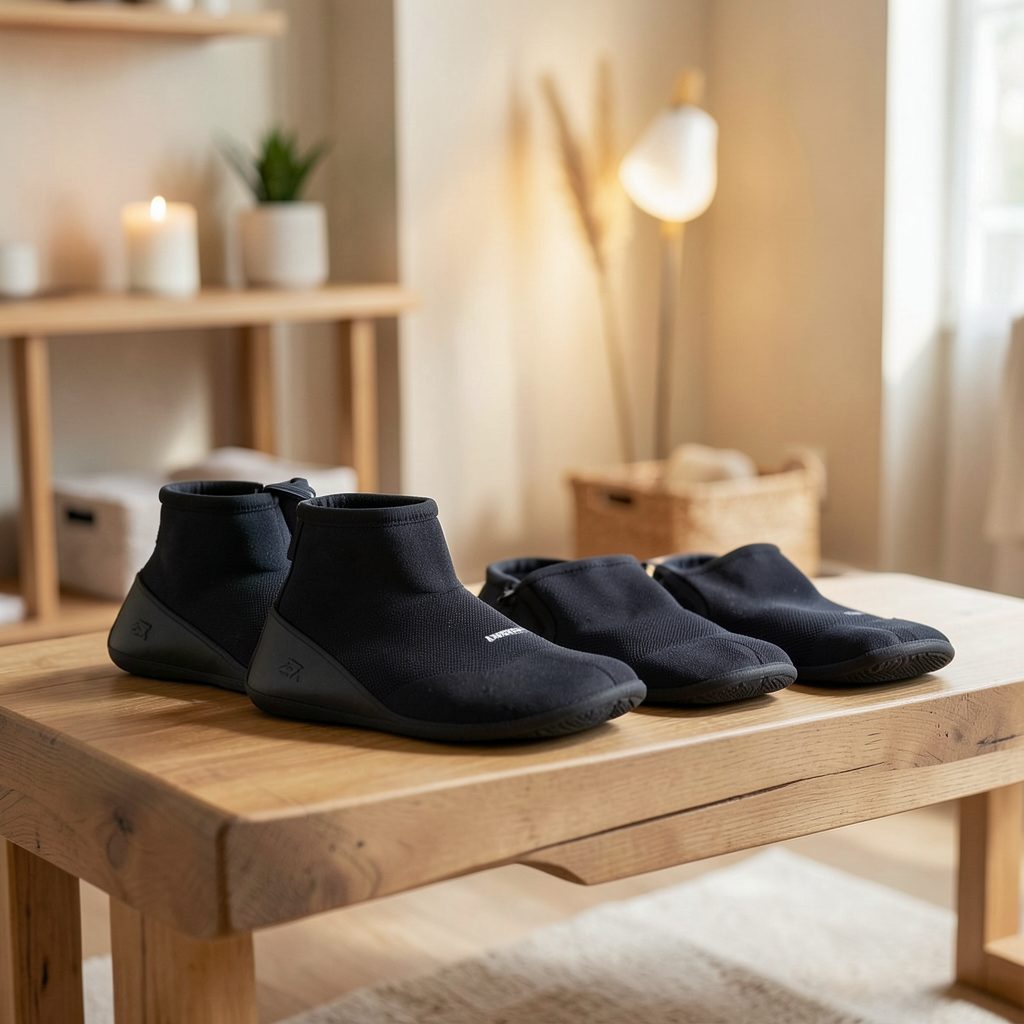
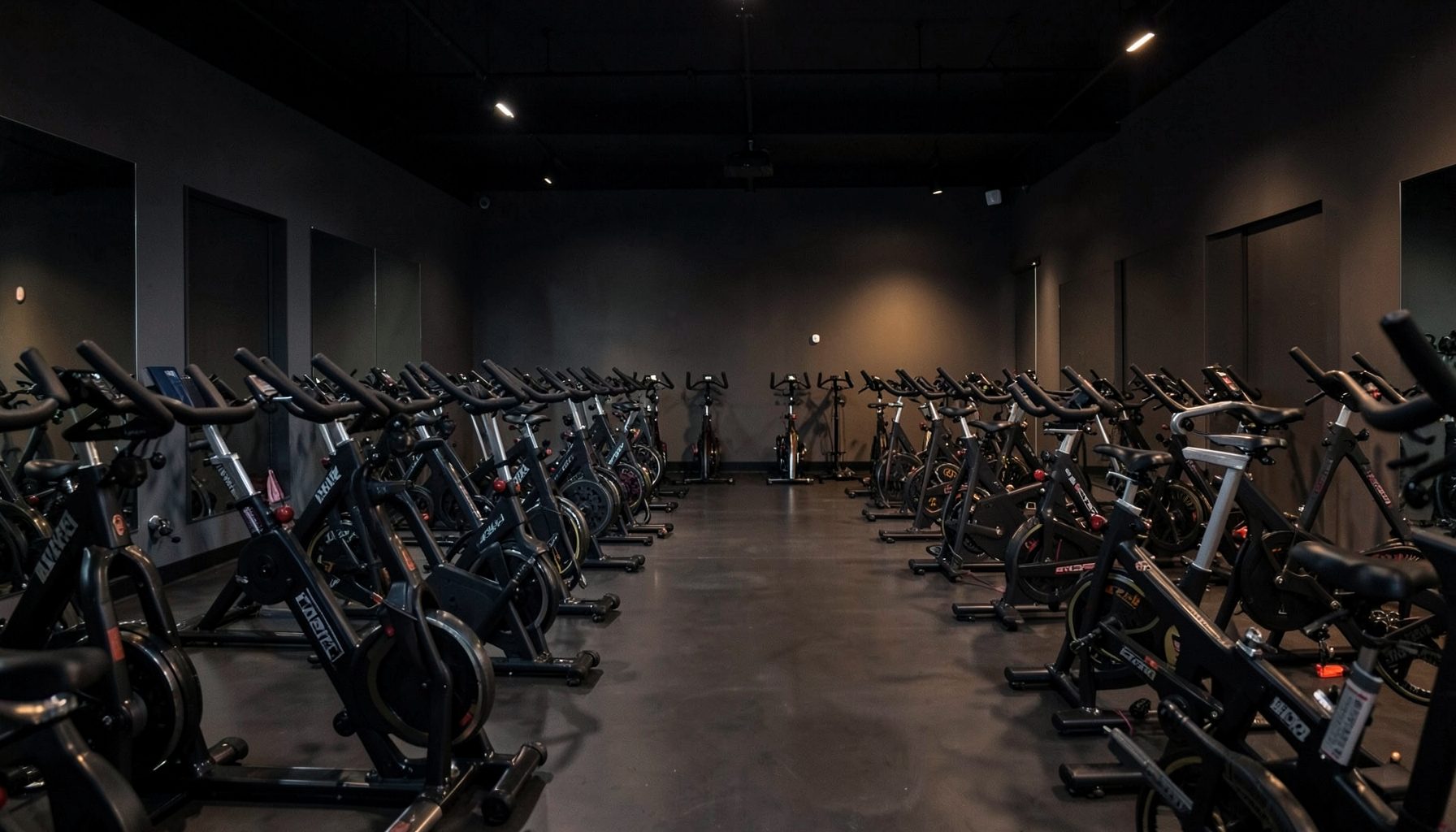
Normatec boot recovery and cryotherapy treatments help athletes bounce back faster. Cycle and spin classes add a cardio dimension to the holistic performance approach.
Have a Question?