Train. Compete. Recover.
A multi-purpose athletic facility in Speedway, Indiana — basketball leagues, skill training, and wellness services all under one roof.
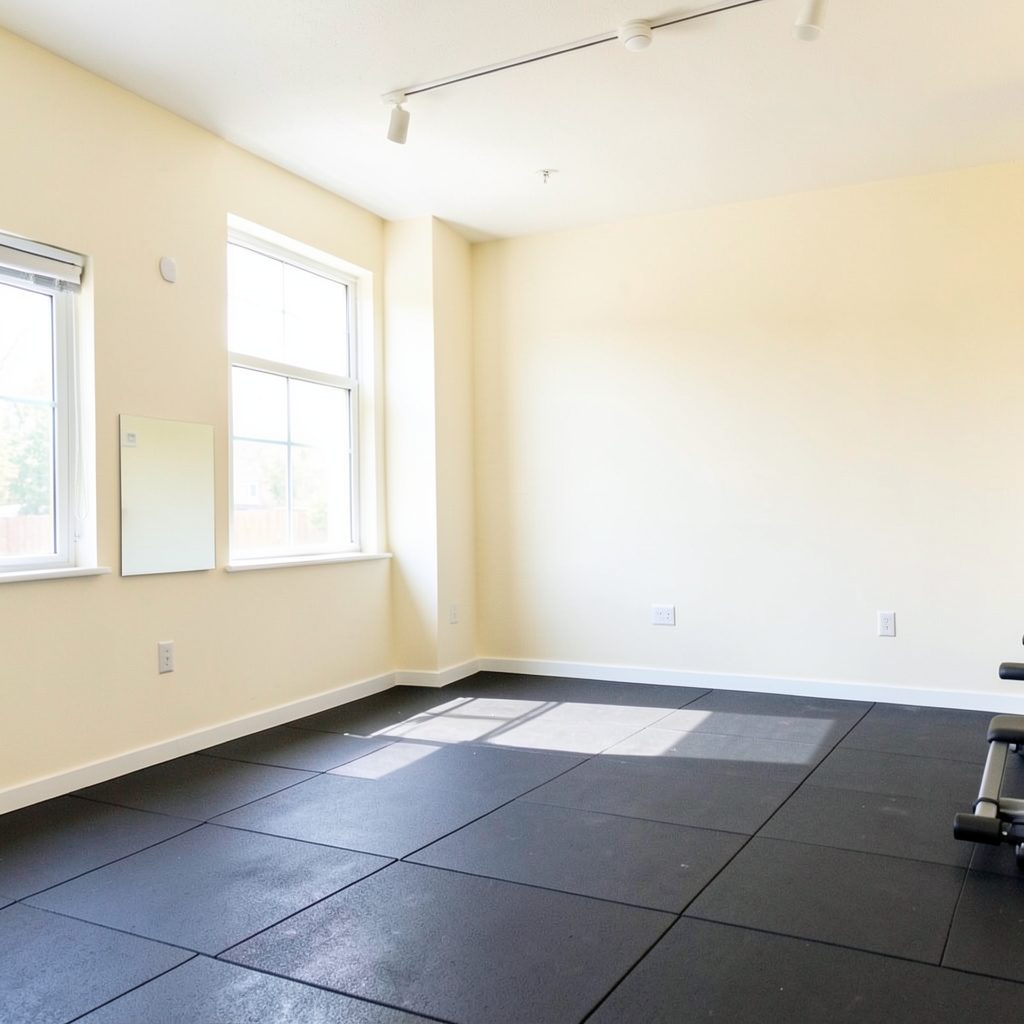
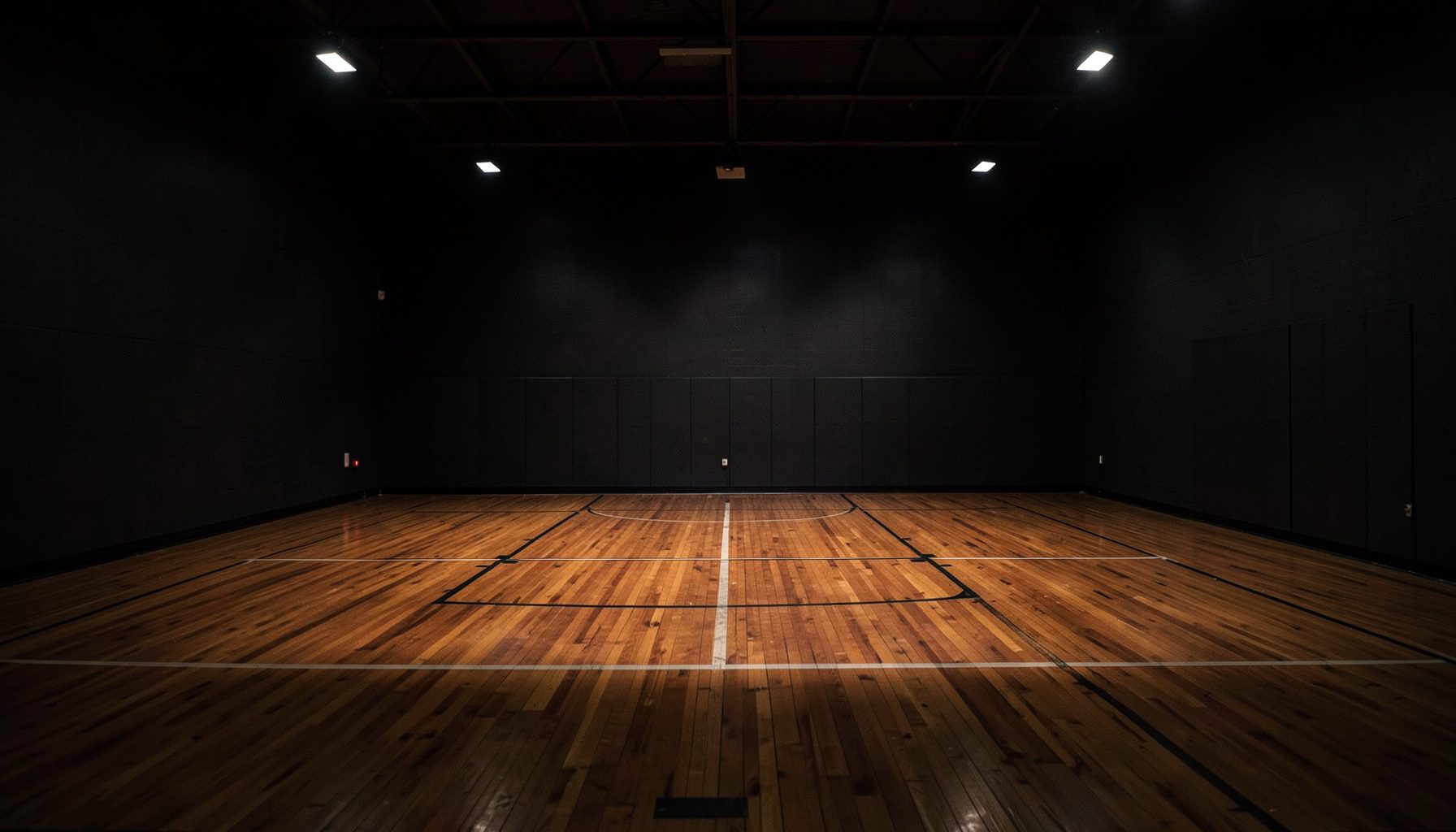
The Factory D1 Indy brings together three entities under one roof: competitive basketball leagues for all age groups, individual and group training, and wellness & recovery services including Normatec boot recovery and cryotherapy. Located off I-465 and High School Road at 6331 Crawfordsville Road, Speedway, Indiana 46224.
Get In TouchWhy Cryotherapy Appeals To Indiana Athletes
Athletes across Indiana are paying closer attention to what happens after training, competition, and conditioning. Recovery has become part of the performance routine, especially for basketball players, cyclists, runners, and active adults balancing demanding schedules with work, school, and family responsibilities.
Cryotherapy has gained attention because it offers a brief, structured way to use cold exposure after physical activity. Athletes often seek it after intense practices, tournaments, lifting sessions, or long rides when their muscles feel fatigued and their normal recovery routine needs additional support.
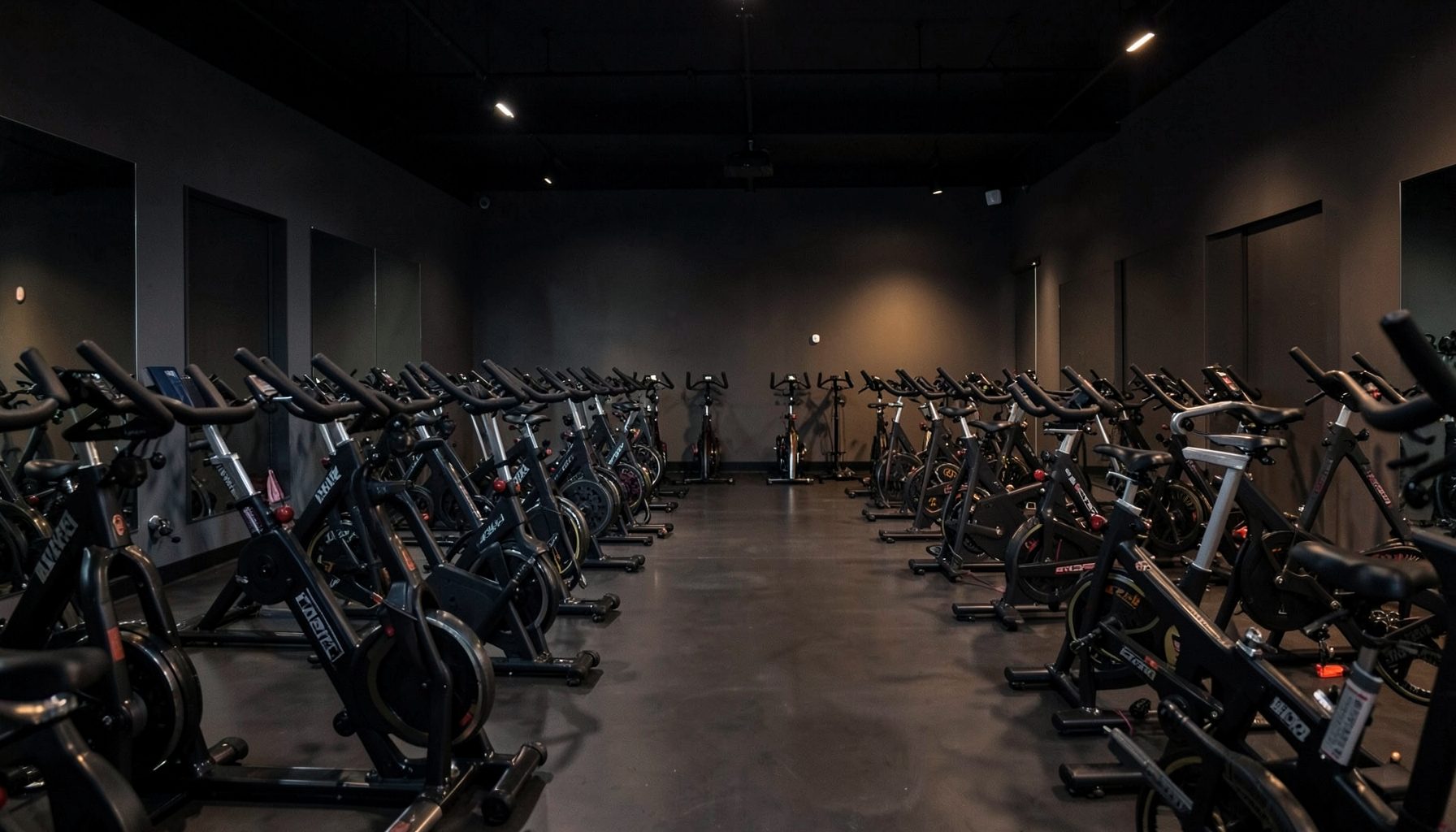
At a facility such as Factory D1 Indy, recovery can fit naturally alongside skills training, leagues, cycling classes, and conditioning. That combination makes it easier for athletes to view wellness services as part of an ongoing routine rather than an occasional response to soreness.
What Cryotherapy Does For Active Bodies
Cryotherapy uses controlled cold exposure to lower skin temperature for a short period. Depending on the service, this may involve whole-body exposure or targeted treatment for a specific area. The cold sensation can temporarily narrow blood vessels near the skin and create a distinct contrast as circulation returns afterward.
Many athletes describe the experience as refreshing and energizing. The session itself is brief, which appeals to people who want a recovery option that fits between work, practice, and other commitments. It does not replace sleep, hydration, balanced nutrition, mobility work, or appropriate medical care, but it may complement those fundamentals.
The appeal also comes from its simplicity. Instead of spending a long time managing multiple recovery tools at home, an athlete can add a focused cold therapy session to a visit for training or fitness. That convenience has helped make cryotherapy more visible in athletic communities throughout Indiana.
Why Basketball Players Are Exploring Cold Therapy
Basketball creates repeated stress through jumping, sprinting, sudden stops, lateral movement, and physical contact. A player may complete a demanding practice, return for a game the following day, and then continue with strength training. That pattern makes recovery between sessions especially important.
Cold therapy is attractive to basketball athletes because it can be used after high-intensity activity when the body feels overheated or fatigued. Players may use it as part of a post-practice routine, during tournament weekends, or after a league game. The goal is generally to feel prepared for the next session, not to treat an injury independently.
For youth athletes, parents and coaches should take a cautious, supervised approach. A qualified facility should explain the process, screen for relevant health concerns, and follow age-appropriate safety procedures. Adult athletes should also communicate with a healthcare professional if they have cardiovascular conditions, circulation problems, cold sensitivity, or an acute injury.
How Cryotherapy Compares With Other Recovery Tools
Cryotherapy is one piece of a larger recovery strategy. Compression therapy, stretching, massage, light movement, hydration, and sleep each serve different purposes. The best choice depends on the athlete’s training load, current symptoms, goals, and personal response.
Normatec compression, for example, uses sequential pressure to support the sensation of refreshed legs after exercise. Cryotherapy provides a short cold stimulus, while active recovery keeps the body moving at a low intensity. These methods can be used separately or combined when a trained professional believes the approach is appropriate.
| Recovery Method | Common Use | What Athletes Should Know |
|---|---|---|
| Cryotherapy | Short cold exposure after intense activity | Brief and stimulating; use with proper screening |
| Compression therapy | Heavy or tired legs after training | Comfortable for many athletes; follow session guidance |
| Light mobility | Stiffness after practices or games | Supports movement and should remain gentle |
| Hydration and nutrition | Replacing fluids and fueling repair | Essential foundation for every recovery plan |
| Sleep | Physical and mental restoration | Often the most influential long-term recovery habit |
No recovery service can compensate for consistently poor training habits. Athletes who combine professional services with adequate rest, sensible programming, and regular movement are more likely to build a sustainable routine.
The Convenience Factor In Indiana Training Schedules
Cryotherapy is gaining popularity partly because athletes want efficient services close to where they already train. Indiana athletes may travel across a city for practices, school events, leagues, and work. A recovery option inside a multi-purpose athletic environment reduces the need for a separate appointment across town.
This is particularly useful for families with several athletes. A young player might attend a basketball skills session while a parent uses a wellness service or joins a cycle class. Adult league participants can also pair competition with a recovery appointment instead of treating each activity as an isolated commitment.
Convenience encourages consistency. A single cryotherapy session may feel useful, but the larger value comes from creating a repeatable routine that supports the demands of a full season. Athletes can monitor how they feel before and after sessions and adjust their approach with guidance from coaches, trainers, or healthcare providers.
What Athletes Should Expect During A Session
Before treatment, staff should explain the equipment, timing, clothing requirements, and safety expectations. Athletes typically wear protective garments for sensitive areas and follow instructions throughout the session. The experience is cold and intense, but it is designed to be brief and controlled.
Afterward, some people feel alert and refreshed, while others notice temporary redness or a warming sensation as the skin returns to its normal temperature. Individual responses differ, so athletes should avoid assuming that a more intense feeling means a better result. Gradual familiarity is usually more sensible than overuse.
Cryotherapy should be postponed or medically reviewed when an athlete has unexplained swelling, significant pain, numbness, an open wound, or symptoms that could indicate a serious injury. Recovery services are not a substitute for evaluation. Persistent pain, loss of function, or unusual symptoms deserve attention from a qualified medical professional.
Building A Practical Recovery Routine
The most effective recovery plan is realistic enough to follow during the entire season. Athletes can begin with fundamentals and add services based on their training demands rather than copying someone else’s routine. A coach or trained wellness professional can help identify which options fit best.
Useful habits include:
- Schedule cryotherapy after demanding sessions when it fits the athlete’s overall plan.
- Prioritize sleep, hydration, and post-workout nutrition before adding recovery services.
- Pair intense training with gentle mobility or low-intensity movement on recovery days.
- Track soreness, energy, performance, and comfort to understand individual responses.
- Ask staff about screening requirements and disclose relevant medical conditions.
Using recovery tools thoughtfully can also improve an athlete’s awareness of workload. When players pay attention to fatigue and stiffness, they may recognize when they need additional rest instead of pushing through every symptom. That awareness supports healthier decisions across a long season.
Recovery That Fits The Whole Athlete
The growing interest in cryotherapy reflects a broader shift in athletic culture. Players and fitness enthusiasts increasingly understand that performance depends on preparation, training quality, and recovery capacity. Cold therapy is appealing because it is fast, structured, and easy to combine with other services.
For Indiana athletes, the most practical setting may be one that brings training, competition, fitness, and wellness together. At The Factory D1 Indy, basketball athletes can work on skills, join a league, take part in conditioning, and explore recovery options within a community-focused facility. Schedule a visit to learn how cryotherapy and other wellness services can fit into a balanced athletic routine.
Inside The Factory

Three Entities, One Roof
Leagues
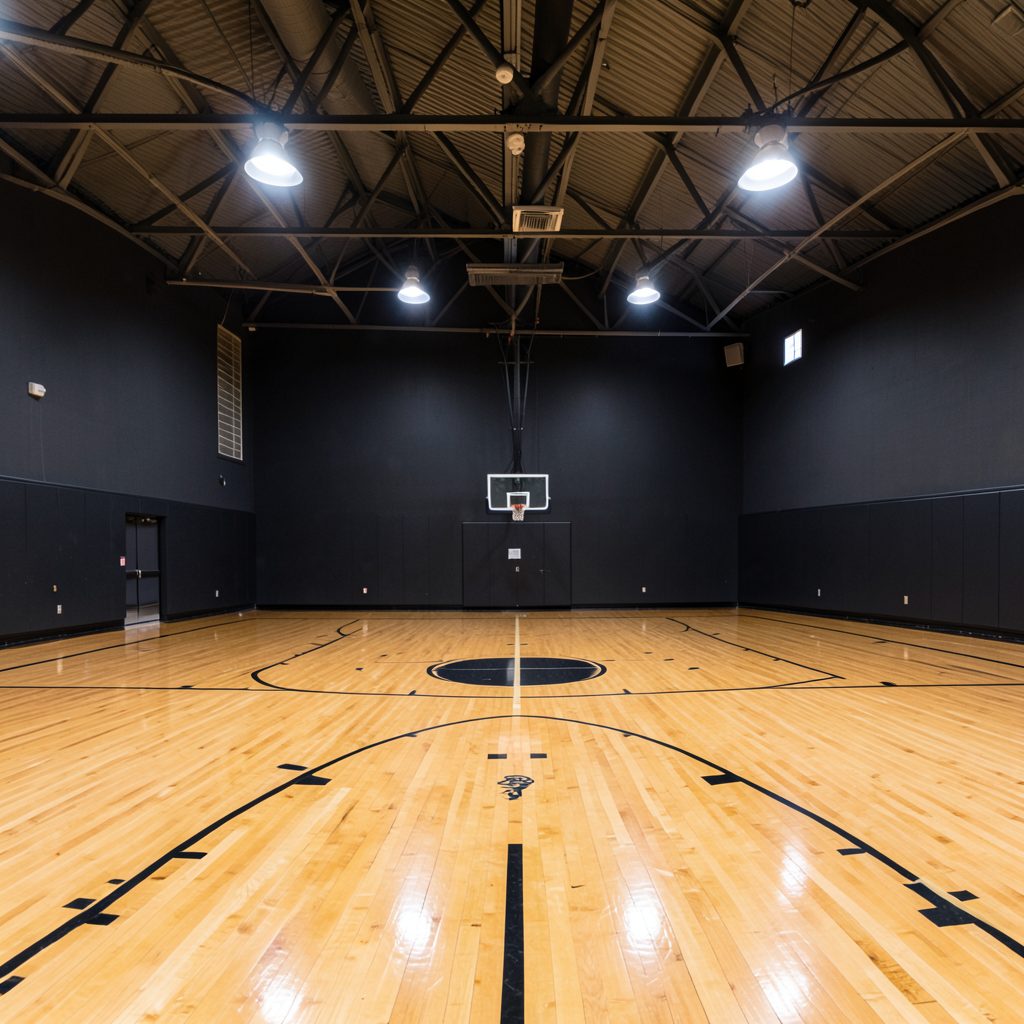
Eight league divisions span every age group: Indy Pro AM, 18+ Open Men's, 30+ Men's, Bite Size (ages 3–6), Impact League, 5th/6th Grade, Middle School, and High School. Gather your team and compete.
Training
Individual and group basketball training for all skill levels. Major M.O.V.E.S. Basketball Training serves ages 4–7 on Wednesday and Thursday evenings at 6:30 PM — $30 per session or $100 unlimited monthly.
Wellness & Recovery
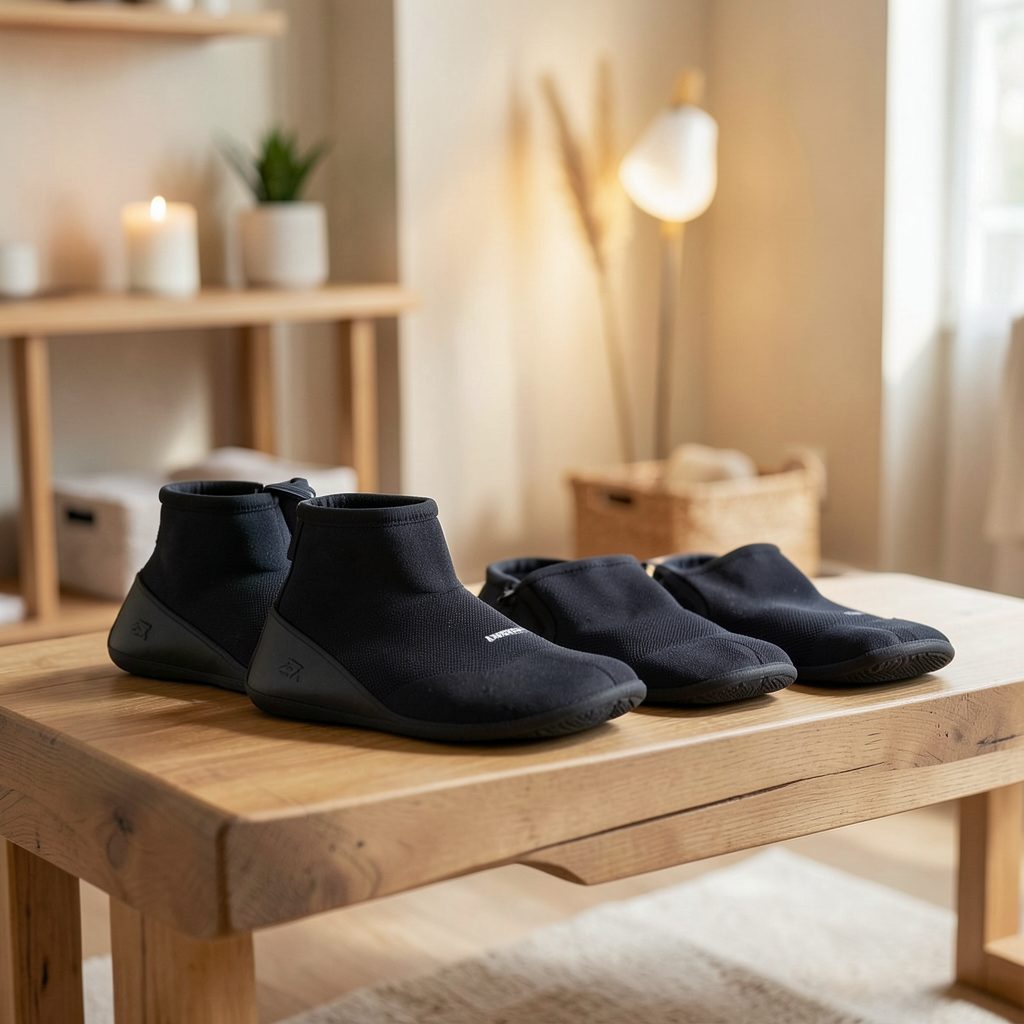
Normatec boot recovery and cryotherapy treatments help athletes bounce back faster. Cycle and spin classes add a cardio dimension to the holistic performance approach.
Have a Question?