Train. Compete. Recover.
A multi-purpose athletic facility in Speedway, Indiana — basketball leagues, skill training, and wellness services all under one roof.
The Factory D1 Indy brings together three entities under one roof: competitive basketball leagues for all age groups, individual and group training, and wellness & recovery services including Normatec boot recovery and cryotherapy. Located off I-465 and High School Road at 6331 Crawfordsville Road, Speedway, Indiana 46224.
Get In TouchHoop Height Matters for Developing Better Shooting Mechanics
Why hoop height matters for developing proper shooting mechanics in kids comes down to how a young athlete turns intention into a repeatable movement. Basket height changes the distance to the target, the leg and arm extension needed, and how clearly a child can see the rim. Used well, it gives players a practical way to build balance, touch and a consistent release without relying on power they have not developed.
Australian juniors often practise on community courts, school gymnasiums or club equipment with adjustable hoops. The right height supports age-appropriate learning and helps coaches separate a technique issue from a strength, decision-making or confidence issue. The aim is a motion that transfers to competition, not a drill that only works at one ring. Heights are adjustable tools, not fixed age tests.
| Basket height | Useful training purpose | Technical emphasis |
|---|---|---|
| About 2.44 m (8 ft) | Close-range touch and repetition | Stable base, controlled dip and balanced release |
| About 2.59 m (8 ft 6 in) | Skills work with a defender | Leg drive, arc and decision timing |
| About 2.74 m (9 ft) | Intermediate range and consistency | Repeatable set point, strength and shot selection |
| 3.05 m (10 ft) | Competition-height shooting | Full range, balance and release under pressure |
Height changes the shot, not the essentials
A lower basket shortens the shot and may allow a child to reach the target with less leg drive. That can be useful, but it can also reward an overpowered release: the legs straighten quickly, the shoulders tense and the ball leaves on a low, flat line. A flatter release might score from close range in training, yet it often becomes a heavy shot when the target moves farther away.
The fundamentals still apply at every height: a balanced base, a square set point, controlled dip, aligned wrist and a finish that points the fingers toward the rim. Lowering the hoop should make those details easier to isolate, not create a different set of rules. With many Australian children also playing AFL, cricket or netball, coordination work should build general control without making basketball practice feel like another rigid drill.
Choose the right training height
Training height should match the purpose of the session. A closer, lower ring is useful for close-range releases, touch and rebounding. The full-height basket is useful for range and shot selection. Australian clubs organise teams by age division and season, so practice can prepare for one ring height before matches introduce another.
Readiness matters more than a birthday. Consider whether the child can control a dip, hold a stable base, follow the ball with both eyes and make a shot without losing balance. An adjustable ring lets one group train at different heights without separating children by fixed age alone. Basketball Australia age divisions and club rules provide structure, but skills and confidence are better guides for progression.
Build a repeatable shooting motion
At the basket, ask the child to start with feet comfortably apart and weight balanced. The ball begins in a comfortable shooting pocket, the guide hand comes off as the shooting hand reaches the set point, and the shooting wrist stays behind the ball. Let the legs and hips contribute to the lift while the shooting arm finishes upward.
The dip deserves attention at a low ring. The ball should travel down under control through the elbow and forearm, not jerk downward from the wrist. Some children need a smaller dip or a slightly different set point because of shoulder mobility, so the coach should adjust the movement to the body rather than force a rigid elbow position. A simple drill can make this visible: a make earns a move away from the rim, while a miss returns the player to the front of a queue. It develops shooting, rebounding and footwork together.
Connect arc, touch and strength
Shot arc connects hoop height with strength and touch. A low ring can make a high arc look strange because the release point is nearer the rim, yet a higher arc generally gives a shot more margin for error. The child needs enough leg drive and trunk control to create that arc without leaning backwards. If the ball is falling short, work on balance and the dip before adding more speed.
Australian junior clubs commonly move from a size 5 ball in the youngest divisions to a size 7 as players progress, although local rules set the cut-offs. The larger ball asks more from the shooting hand while supporting greater handling and range. Pair hoop adjustments with grip work, catch-to-shoot drills and repeated shots from the same spots. Coaching guidance from Hybrid Gym Group reinforces the value of pairing these changes with broader skills development.
Transfer skills into real games
Children need to recognise when taking a shot is the best choice. Begin close to the rim, then add a gather, a shot fake and a defender. The ball should arrive in the shooting pocket as the feet settle. At lower training heights, an extra distance to the rim can delay the gather and disrupt that rhythm, so a quick first touch helps.
Game decisions should be trained at the height children will face in a match. Younger Australian competitions often use lower rings, while older divisions usually use a standard ring. That difference makes it useful to alternate close-range shooting with full-court decisions. Melbourne laneway courts and Sydney’s suburban multi-sport ovals can have fixed outdoor rings different from club equipment, while a Perth backyard basket may stand in intense sun. School holiday clinics and winter indoor leagues give players chances to compare conditions and refine their shot without settling for one setting.
Protect young athletes between sessions
Shooting work still loads growing bodies. Keep beginner sessions short, build quality repetitions gradually and leave room for running, unstructured play and rest. Footwear with a grippy, non-marking sole suits indoor courts; a firm outdoor surface calls for different support and more care during hot weather. Persistent pain is a reason to stop and seek advice from a qualified health professional, not a badge of tough training.
Recovery services can support an active athlete, but they do not correct a shooting sequence. Normatec compression and cryotherapy are available within broader performance programmes at The Factory D1 Indy in Speedway, Indiana, yet treatment for a child needs age-appropriate screening, staff supervision and sensible hydration. Quality sleep, regular meals and time away from the ball often matter more than an extra recovery gadget. Add recovery when it supports safe, consistent practice.
Turn technique into confident game shots
Track progress without turning every session into a test. Record makes from chosen spots, note the release and balance, and repeat the same routine after a few weeks. A child who lands balanced and repeats the motion has evidence of progress even if the percentage moves around. Give every player a fair go at meaningful attempts, then keep the arvo upbeat with specific praise and a little friendly ripple.
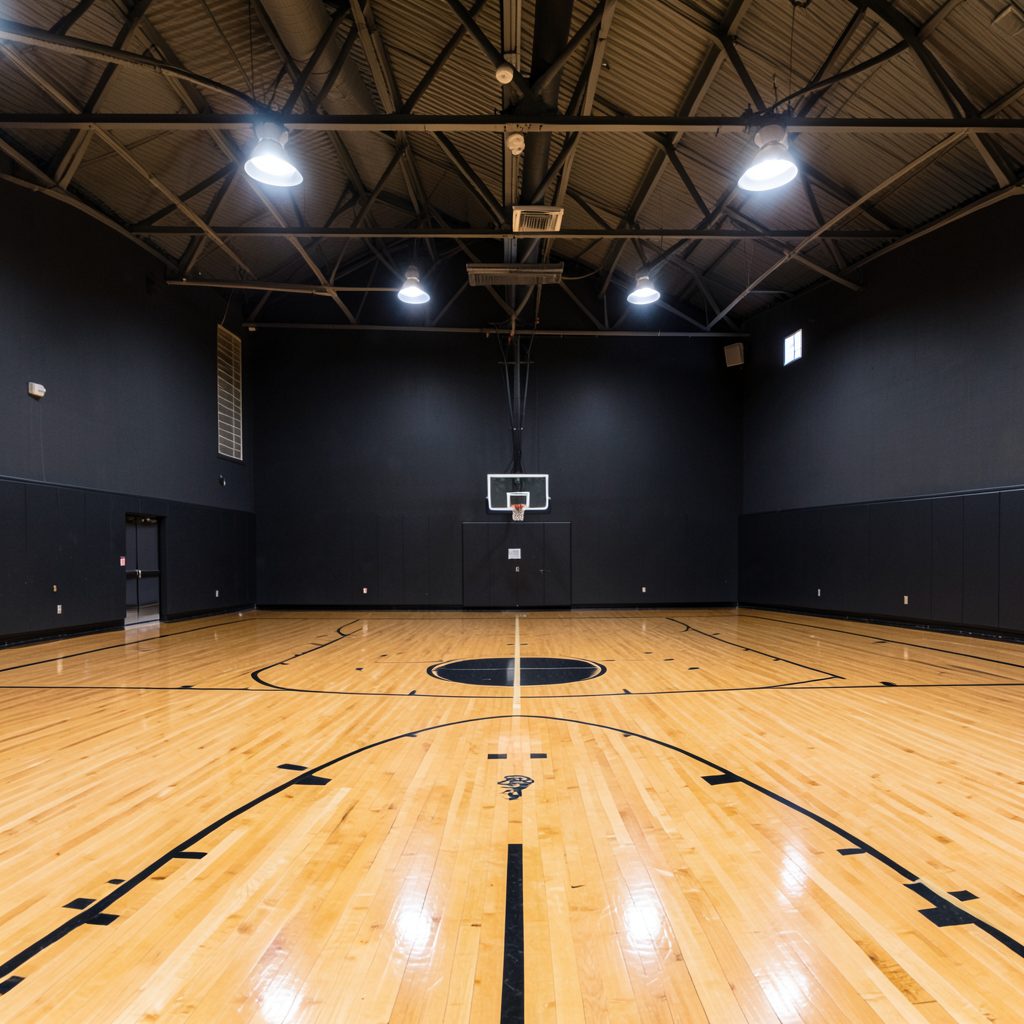
The Factory D1 Indy in Speedway, Indiana offers individual and group skills coaching, youth programmes and leagues from early-childhood divisions through to adult competition. Families can explore The Factory D1 gallery to see the facility’s training and competition spaces before choosing a programme. Choose the option suited to your child’s age and current ability, then book an introductory skills session or reserve a place in the matching league division.
Inside The Factory
Three Entities, One Roof
Leagues
Eight league divisions span every age group: Indy Pro AM, 18+ Open Men's, 30+ Men's, Bite Size (ages 3–6), Impact League, 5th/6th Grade, Middle School, and High School. Gather your team and compete.
Training
Individual and group basketball training for all skill levels. Major M.O.V.E.S. Basketball Training serves ages 4–7 on Wednesday and Thursday evenings at 6:30 PM — $30 per session or $100 unlimited monthly.
Wellness & Recovery
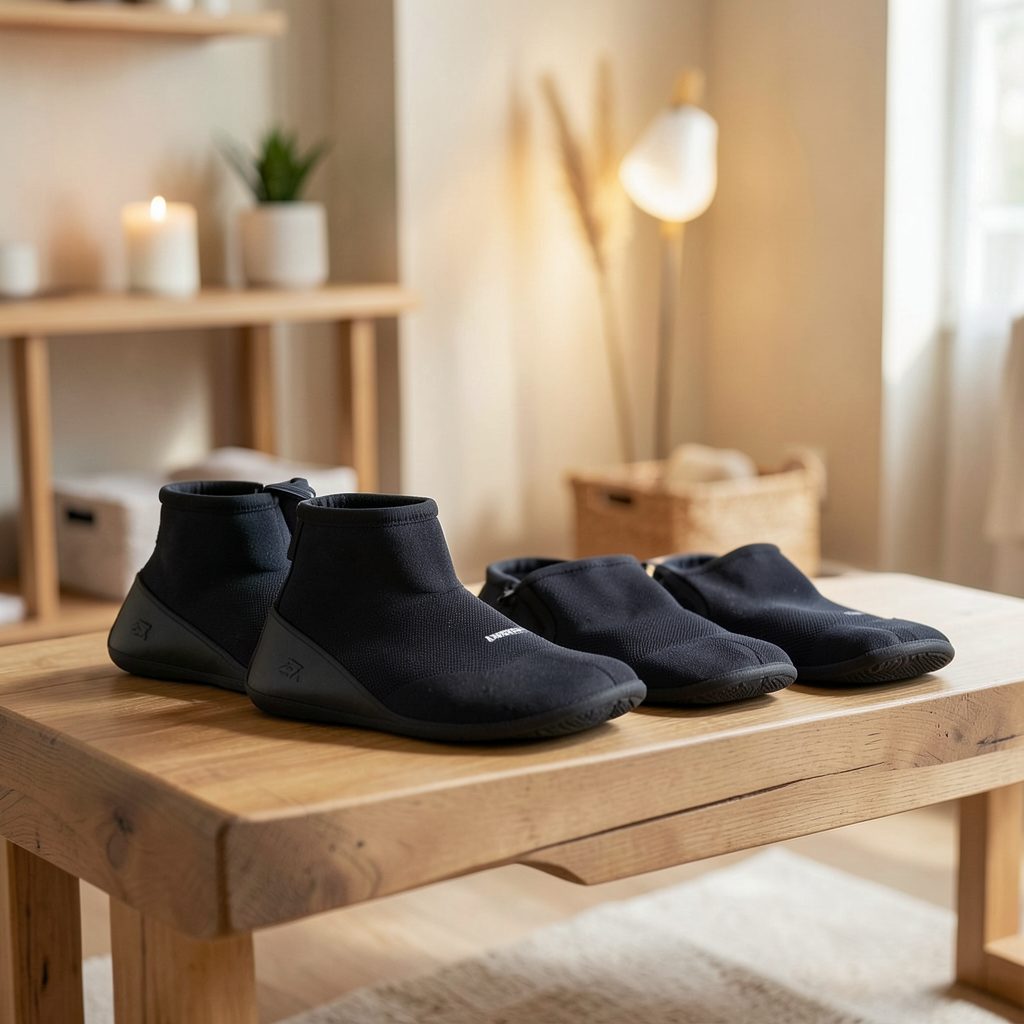
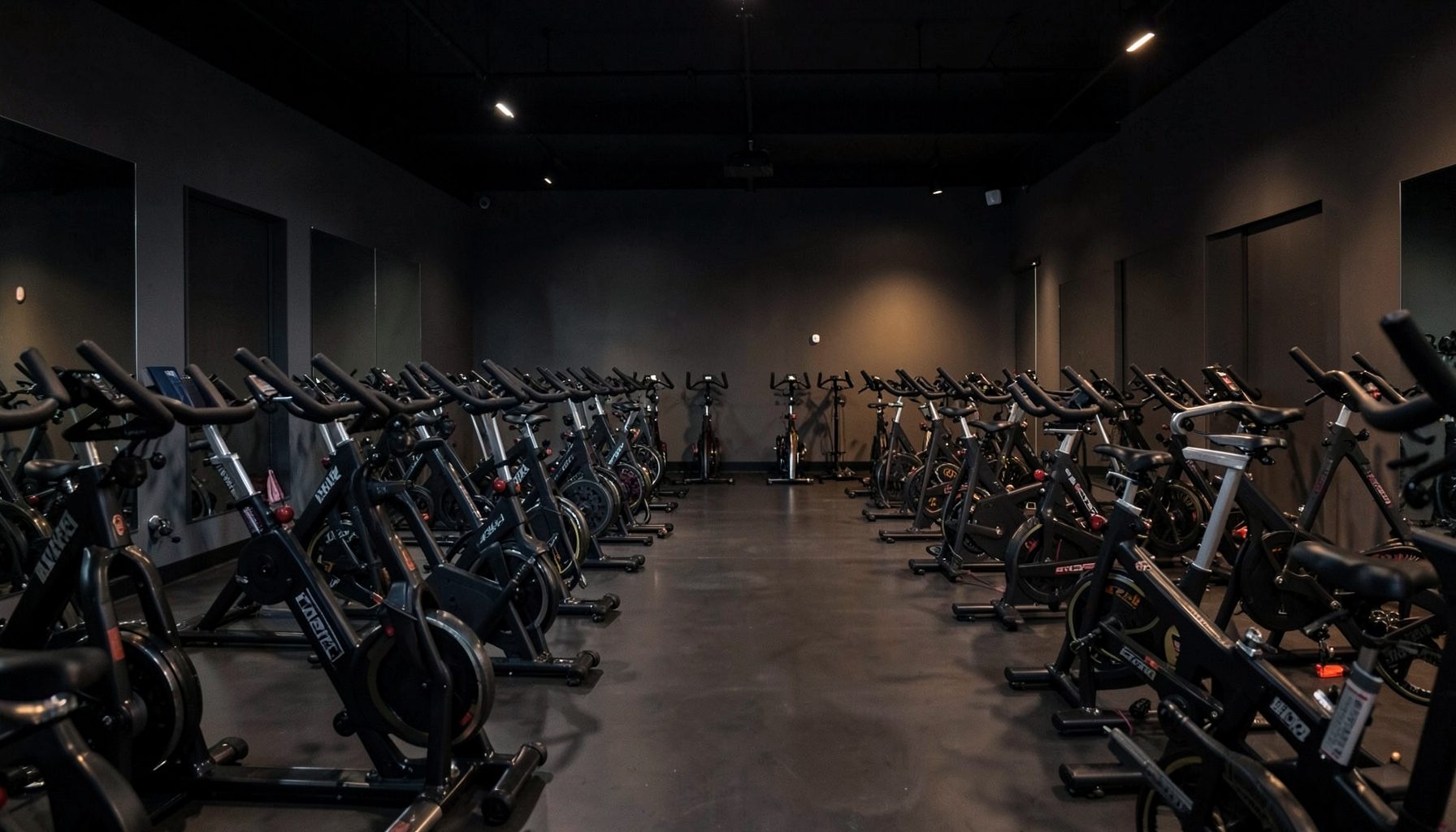
Normatec boot recovery and cryotherapy treatments help athletes bounce back faster. Cycle and spin classes add a cardio dimension to the holistic performance approach.
Have a Question?