Train. Compete. Recover.
A multi-purpose athletic facility in Speedway, Indiana — basketball leagues, skill training, and wellness services all under one roof.
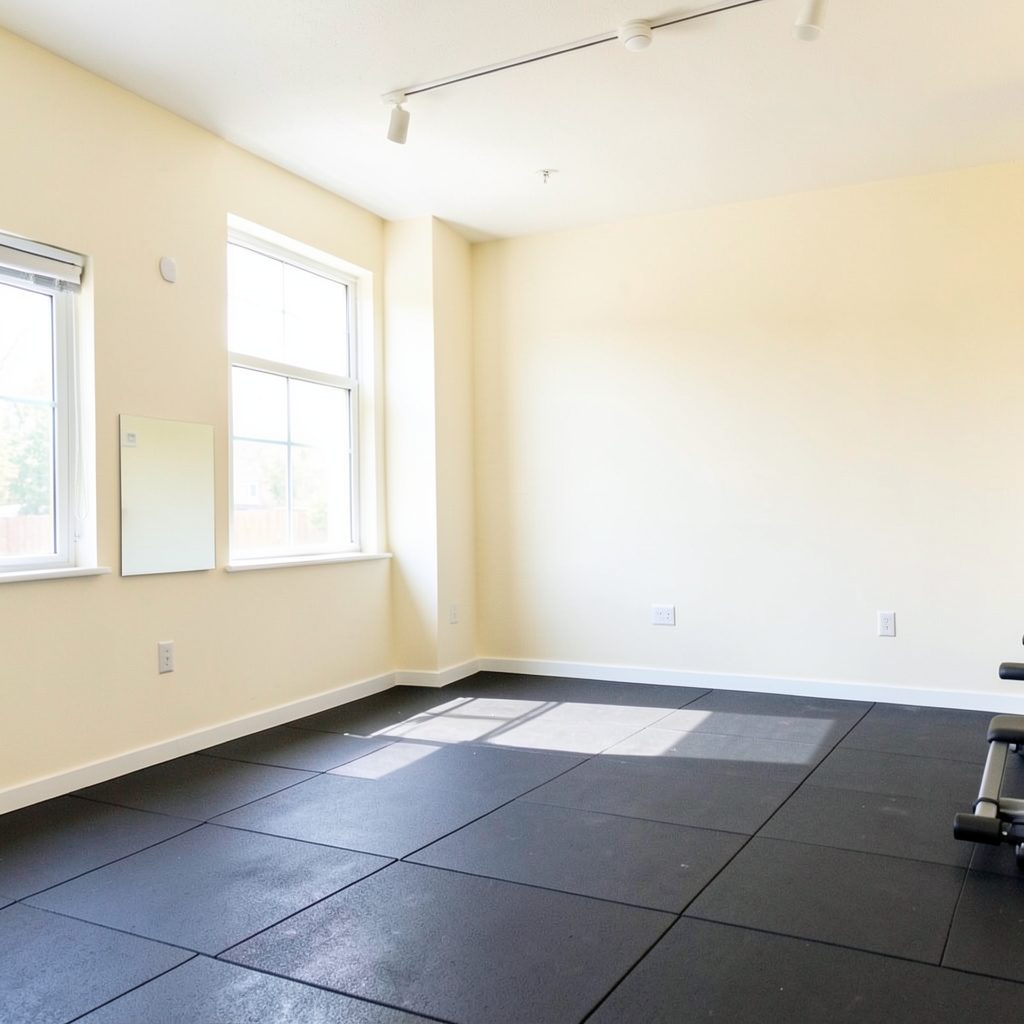
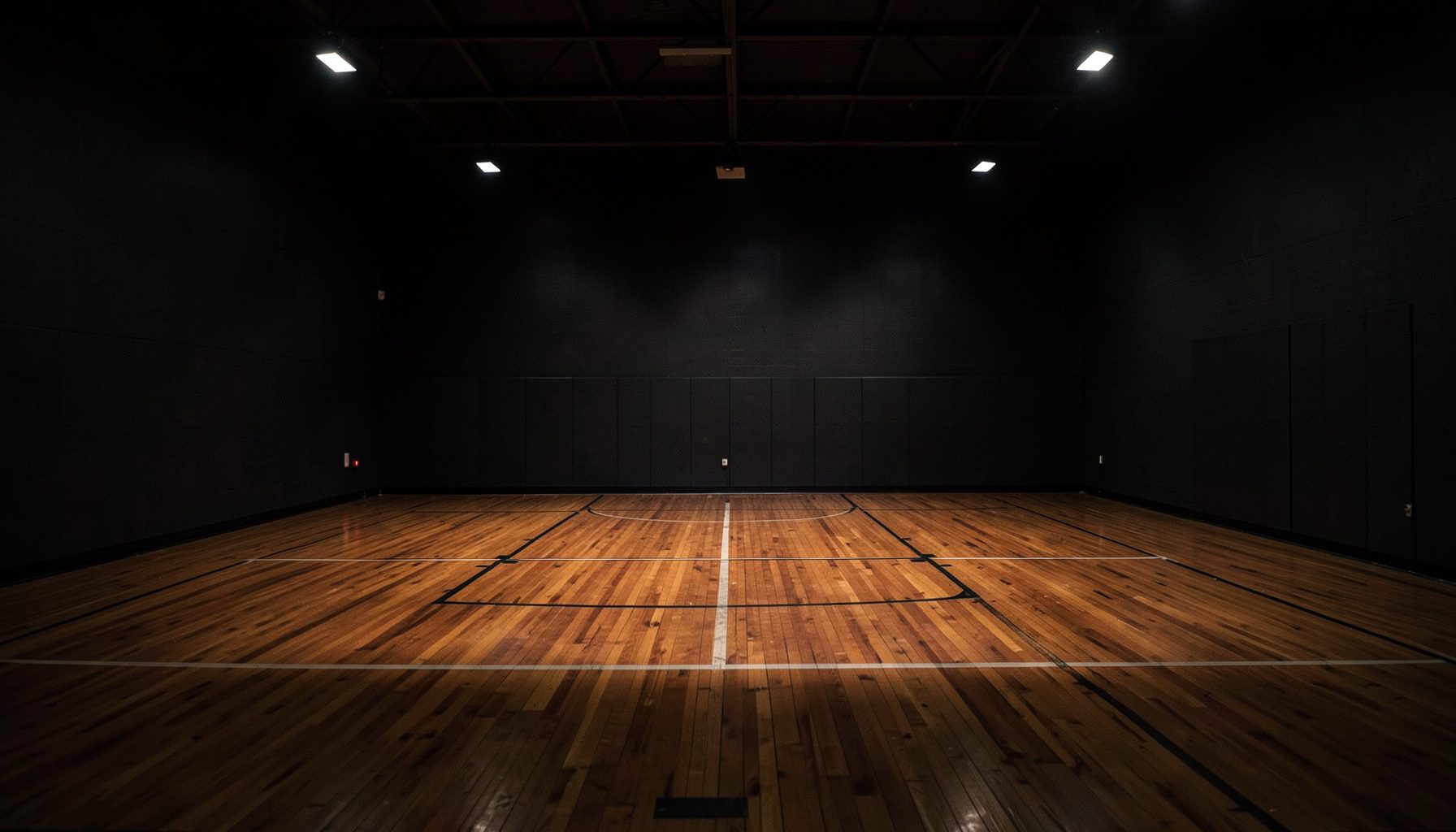
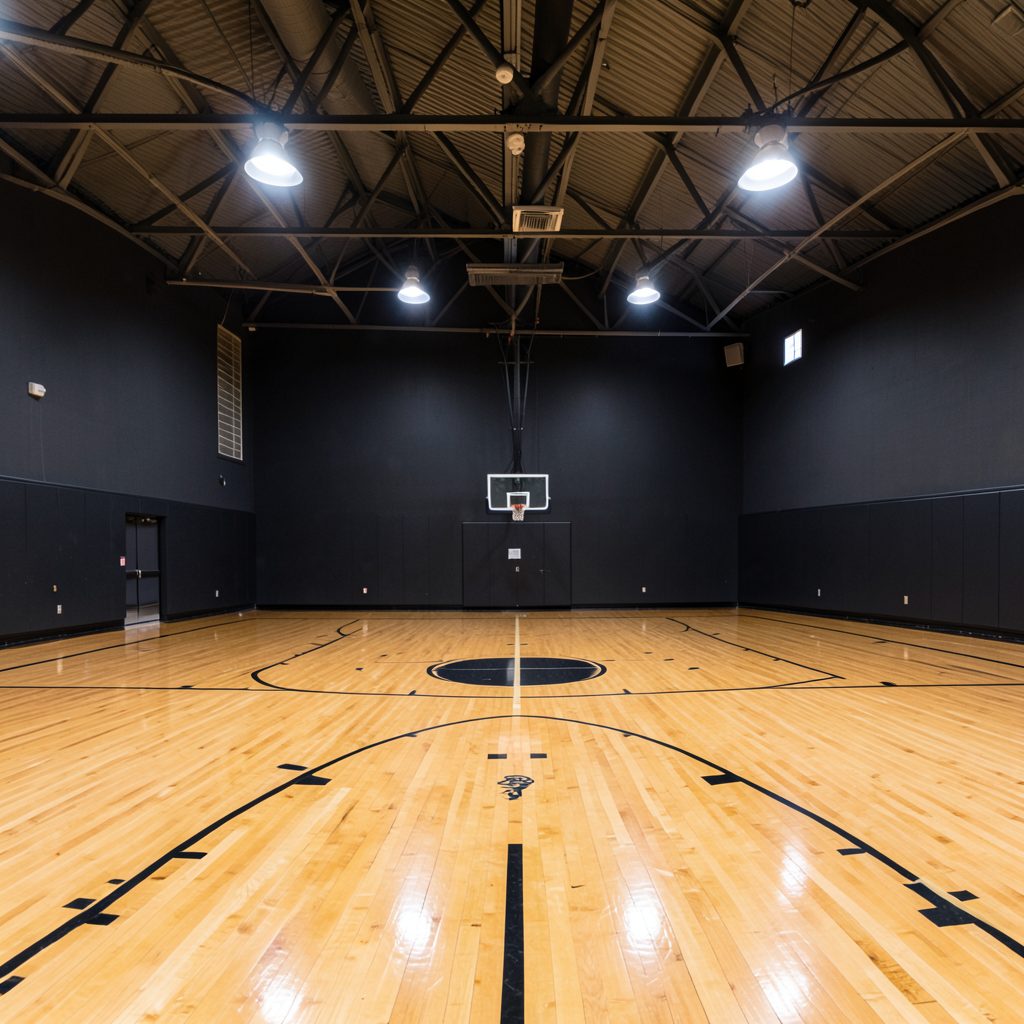
The Factory D1 Indy brings together three entities under one roof: competitive basketball leagues for all age groups, individual and group training, and wellness & recovery services including Normatec boot recovery and cryotherapy. Located off I-465 and High School Road at 6331 Crawfordsville Road, Speedway, Indiana 46224.
Get In TouchWhy Easy Spin Sessions Build A Stronger Base For Hoopers
Low-intensity spin classes still improve cardiovascular base for hoopers because they train the body to produce energy efficiently for longer periods. Basketball athletes need repeated bursts, yet those bursts are supported by the quieter aerobic work happening between sprints, defensive possessions and fast breaks.
For players in Australia, this matters across every level of the game. A junior athlete in Melbourne, a social competitor in Sydney or a representative player travelling between Brisbane venues all need fitness that lasts beyond the opening quarter. A reliable aerobic base helps make hard efforts repeatable and improves the quality of recovery between them.
Easy cycling is also practical. It places less impact on the knees, ankles and feet than constant court running, which can be valuable during a heavy training block, after a minor soreness issue or when players are balancing basketball with school, work and weekend commitments.
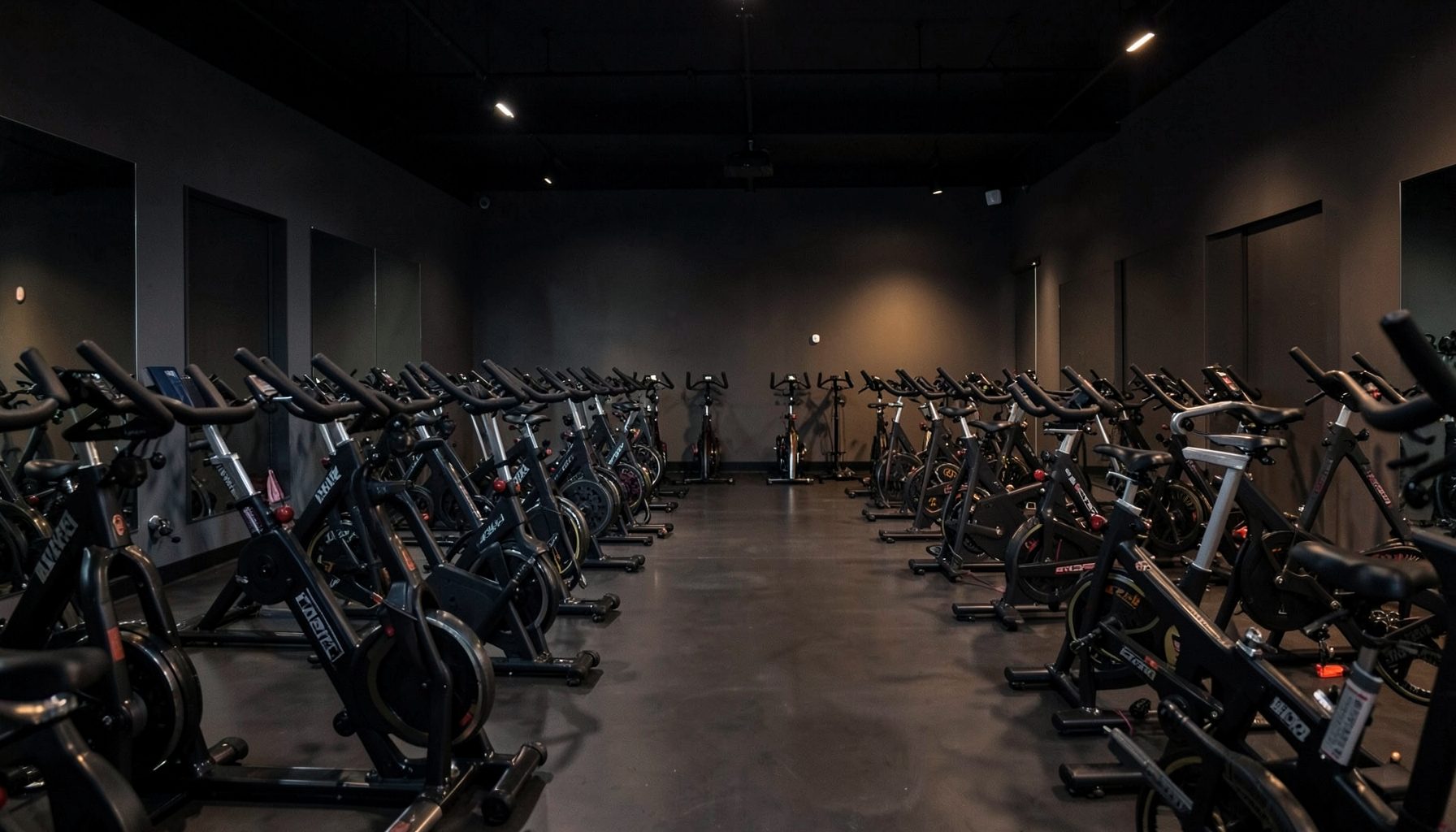
At The Factory D1 Indy, cycling and spin sessions sit alongside basketball training, leagues and recovery services. Australian athletes can use the same training principles locally: keep the effort controlled, build consistency and treat aerobic conditioning as support for sharper basketball rather than a replacement for skill work.
Why Basketball Players Need An Aerobic Base
Basketball is often described as an anaerobic sport because it involves jumping, sprinting, cutting and rapid changes of direction. Those explosive actions are essential, but the aerobic system helps restore energy between them. A player with better aerobic conditioning can settle their breathing sooner after a closeout, sprint back into defensive position and remain more composed late in a game.
Low-intensity cycling develops this foundation by keeping the heart rate elevated without creating excessive muscular fatigue. The body becomes more efficient at transporting oxygen and using energy over time. This does not make a player slow; it gives them a larger conditioning platform from which to perform high-intensity work.
The effect is especially useful in basketball leagues with multiple games, tournaments or long travel days. An athlete who recovers steadily between possessions may make better decisions in the fourth quarter, when tired legs can affect passing accuracy, defensive communication and shooting mechanics.
How Controlled Spin Training Supports Recovery
A low-intensity class should feel purposeful but manageable. Most of the session can sit around an easy-to-moderate effort, where breathing is faster than normal but conversation remains possible. On a ten-point effort scale, this is often around four to six, depending on the athlete’s fitness and the coach’s plan.
The goal is not to chase exhaustion. A steady cadence with light or moderate resistance encourages circulation and provides conditioning without the pounding associated with repeated court sprints. This makes easy cycling useful after a demanding basketball practice, during a deload week or on a day when an athlete wants movement without adding another hard session.
Australian athletes often train through warm summers, and indoor cycling can provide a predictable environment when outdoor conditions are uncomfortable. A controlled session in an air-conditioned facility may be more manageable than running outside in Brisbane humidity or Melbourne’s rapidly changing weather. Hydration still matters, particularly during January and February training blocks.
When scheduling allows, players can explore cycle and spin sessions as part of a broader conditioning routine. The important principle is to match the session’s intensity to the day’s purpose rather than turning every workout into a test.
| Training Goal | Suitable Spin Effort | Basketball Benefit | Best Timing |
|---|---|---|---|
| Basic aerobic conditioning | Easy, steady pace | Improved endurance between efforts | Separate conditioning day |
| Recovery movement | Very easy pace | Increased circulation with low impact | After a hard session |
| Pre-season foundation | Moderate, controlled pace | Greater tolerance for training volume | Early preparation phase |
| Tournament support | Easy maintenance ride | Reduced stiffness between games | Later that day or next morning |
| Deload week | Easy to moderate | Maintains fitness while fatigue falls | During reduced court load |
Building The Right Class Around Basketball
Not every spin class produces the same training effect. For a hoopers’ aerobic session, the coach should provide enough resistance to create smooth pedalling without turning the workout into a series of maximal climbs. Long, even intervals are generally more useful for base development than constant all-out changes.
A 35- to 50-minute class might include a gradual warm-up, sustained blocks at a comfortable pace and a relaxed cool-down. Athletes can monitor breathing, perceived exertion and, where available, heart-rate data. The right workload should leave them feeling trained rather than drained.
Cadence also deserves attention. Very low cadence with heavy resistance can create more local muscular fatigue in the quadriceps, while an uncontrolled high cadence may raise effort too quickly. A smooth rhythm allows players to accumulate useful minutes without compromising the next basketball session.
For teenagers, the priority should be technique, consistency and enjoyment. Coaches and parents can use simple cues such as “steady enough to speak” rather than demanding precise heart-rate numbers. Adult players may prefer heart-rate zones, power readings or a structured weekly plan, but the training principle remains the same.
Where Low-Intensity Work Fits In The Week
A basketball athlete could place an easy spin session after a high-intensity court day, provided the ride is genuinely light. This can work well after repeated sprint training, a competitive league game or a demanding skills session. The following day’s legs should feel ready for normal movement, not heavy from another hard workout.
Another option is to use cycling on a non-court day. For a player training three times weekly, one easy ride can build aerobic volume without adding extra jumping and cutting. This is helpful for athletes in Australia who may have evening club training, Saturday fixtures and long commutes between school, work and a suburban stadium.
During pre-season, a player might use one or two low-intensity rides each week while gradually increasing court work. Once the season begins, the frequency can drop to one maintenance session, depending on game minutes and recovery. The best schedule also accounts for strength training, sleep, school demands and travel.
Spin training should complement, not replace, basketball-specific conditioning. Players still need acceleration, deceleration, lateral movement, repeated jumping and decision-making under fatigue. The bike supplies a low-impact aerobic stimulus, while the court teaches the body how to express fitness in actual game situations.
Measuring Progress Without Chasing Fatigue
Progress may appear in subtle ways. A player might complete the same 40-minute ride at a lower heart rate, speak more comfortably at the same resistance or recover faster after a short increase in pace. These changes suggest improved aerobic efficiency, even when the session does not feel dramatic.
Hoopers can also track how they feel during basketball. Better base conditioning may show up as quicker recovery after a fast break, less breathlessness during defensive possessions and more consistent footwork late in training. Coaches may notice that an athlete remains engaged and technically accurate when other players begin to fade.
A simple weekly record can include session duration, perceived effort, average heart rate if available and next-day soreness. Australian athletes training around school terms, public holidays and representative carnivals may find this especially useful because their workload can change sharply from week to week.
Recovery remains part of the process. Adequate food, fluids, sleep and sensible spacing between hard sessions determine whether aerobic work produces a benefit. Services such as compression therapy or cryotherapy may support a wider recovery routine, but they do not replace consistent training habits.
A low-intensity spin session is valuable because it adds quality work without demanding another maximal performance. For basketball players seeking stronger late-game endurance, better repeat-effort recovery and a more durable training routine, steady cycling is a practical piece of the programme.
Build it into the week with a controlled pace, record how your body responds and pair it with skill work, strength training and appropriate recovery. Visit The Factory D1 Indy to explore its basketball, cycling and wellness options, or use the same approach with a trusted local facility in Australia.
Inside The Factory

Three Entities, One Roof
Leagues
Eight league divisions span every age group: Indy Pro AM, 18+ Open Men's, 30+ Men's, Bite Size (ages 3–6), Impact League, 5th/6th Grade, Middle School, and High School. Gather your team and compete.
Training
Individual and group basketball training for all skill levels. Major M.O.V.E.S. Basketball Training serves ages 4–7 on Wednesday and Thursday evenings at 6:30 PM — $30 per session or $100 unlimited monthly.
Wellness & Recovery
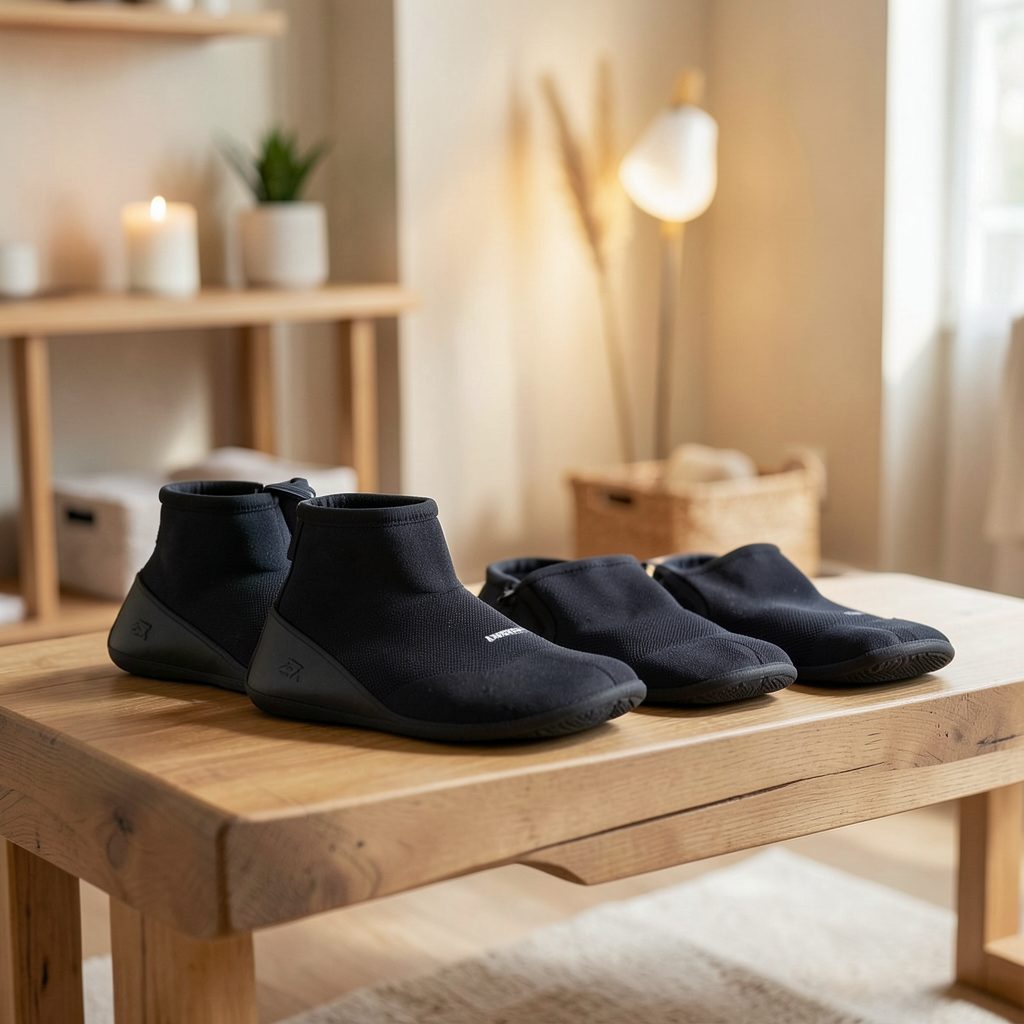
Normatec boot recovery and cryotherapy treatments help athletes bounce back faster. Cycle and spin classes add a cardio dimension to the holistic performance approach.
Have a Question?