Train. Compete. Recover.
A multi-purpose athletic facility in Speedway, Indiana — basketball leagues, skill training, and wellness services all under one roof.
The Factory D1 Indy brings together three entities under one roof: competitive basketball leagues for all age groups, individual and group training, and wellness & recovery services including Normatec boot recovery and cryotherapy. Located off I-465 and High School Road at 6331 Crawfordsville Road, Speedway, Indiana 46224.
Get In TouchWhy cycle classes prioritize cadence and rhythm over speed
A cycle class can look intense from the outside: riders lean into the handlebars, music drives the room, and every interval asks for effort. Yet the most productive ride is rarely the one with the highest speed. At The Factory D1 Indy, cycle training emphasizes cadence, rhythm, control, and purposeful resistance so participants can build fitness that transfers to sport and everyday movement.
Cadence describes how quickly the pedals turn, usually measured in revolutions per minute. Rhythm is the ability to maintain a smooth, repeatable pattern through changing efforts. Together, they help riders develop efficient movement rather than chasing a number that may not reflect good technique or useful conditioning.
Speed can be motivating, but it does not tell the whole story. A rider may pedal quickly with little resistance, lose control during transitions, or shorten the stroke when fatigue sets in. A rhythm-focused approach gives each participant a way to work hard while preserving form, breathing, and awareness.
Speed is only one measure of effort
On a stationary bike, speed is influenced by resistance, cadence, body position, and the bike’s settings. A rapid pedal turnover at low resistance may feel easier than a slower climb with substantial resistance. Comparing speed alone can therefore create a misleading picture of effort and progress.
Cadence offers a more useful reference because it encourages riders to notice how their legs move. A controlled cadence can support an endurance ride, a tempo interval, or a short acceleration without making every segment a race. Instructors can pair a cadence range with resistance and perceived exertion to create a balanced workout.
This approach also makes classes more welcoming. Experienced athletes can challenge themselves through resistance and longer intervals, while newer riders can establish a sustainable rhythm without feeling pressured to match someone else’s pace. Each person has room to train at an appropriate intensity.
Rhythm improves cycling technique
Smooth pedaling begins with consistency. When riders maintain a steady beat, they are more likely to complete a full pedal stroke, keep their hips stable, and distribute effort between both legs. This reduces the tendency to stomp down on the pedals or bounce in the saddle as fatigue increases.
Music provides a practical structure for that consistency. A beat can help riders settle into a cadence, recognize when their pace is drifting, and prepare for a controlled change in intensity. Rather than treating music as background entertainment, the class uses it as a timing tool that connects movement, breathing, and effort.
Rhythm also supports transitions. Moving from a seated climb to a standing effort or from recovery to a sprint requires coordination. Practicing those changes at a deliberate cadence helps riders stay composed and maintain safe posture while the workout becomes more demanding.
Cadence builds conditioning that transfers
A well-designed cycle session can develop several energy systems. Longer, steady intervals support aerobic endurance, while brief high-effort segments train the ability to produce power and recover. Cadence helps organize those efforts so the workout has a clear purpose instead of becoming a series of uncontrolled bursts.
For basketball players, this conditioning matters beyond the bike. Games involve repeated accelerations, defensive slides, short recoveries, and changes of direction. A rider who learns to regulate effort can better manage energy across repeated plays. The same principle applies to athletes in other sports and to adults who want better cardiovascular fitness.
Cycle classes can also complement court-based training. Participants may use a lower-impact ride to build work capacity without adding another session of jumping, cutting, and landing. When combined with basketball skills training or competitive play, cycling can support conditioning while giving joints and muscles a different movement pattern.
| Training focus | What riders practice | Why it matters |
|---|---|---|
| Steady cadence | Consistent pedal turnover | Builds aerobic control and endurance |
| Resistance climbs | Strong, deliberate strokes | Develops muscular stamina |
| Rhythm changes | Smooth transitions between efforts | Improves coordination and pacing |
| Recovery intervals | Controlled breathing and reduced load | Supports repeat-effort fitness |
| Short accelerations | Fast but technically sound pedaling | Develops power without sacrificing form |
Control helps manage fatigue
Fatigue changes movement before people always recognize it. The shoulders may tighten, the knees may drift, or the pedal stroke may become uneven. Chasing speed can amplify those habits because riders focus on keeping a number high instead of responding to what their bodies are doing.
A cadence-and-rhythm focus gives instructors more opportunities to coach technique during fatigue. Riders can lower resistance, adjust their position, or return to a manageable beat without treating the adjustment as failure. That flexibility helps participants finish strong and recover more effectively after class.
This is especially valuable for athletes balancing multiple activities. A basketball player who attends a cycle class between practices needs a workout that develops conditioning without creating unnecessary strain. A controlled ride can be challenging while still allowing the athlete to monitor recovery and prepare for the next training demand.
Every rider can find a meaningful challenge
Group fitness works best when a single class can serve different experience levels. Cadence ranges, resistance adjustments, and perceived exertion allow riders to customize the workload while following the same coaching cues. One participant may add resistance, another may extend an interval, and a newer rider may focus on maintaining steady form.
This flexibility is central to a community-oriented facility. The goal is not to create a room where only the fastest riders feel successful. It is to provide a structured environment where people can train with purpose, gain confidence, and recognize improvement through better control, longer efforts, and quicker recovery.
Progress may appear as a smoother pedal stroke, a stronger climb, or the ability to hold a target rhythm for several additional minutes. Those changes are meaningful indicators of fitness, even when the speed display does not dramatically increase.
A balanced ride supports recovery and performance
Hard training has a place in a cycle class, but intensity works best when it is organized. Alternating demanding intervals with purposeful recovery allows participants to practice raising their effort and bringing it back down. This teaches the body and mind to manage exertion instead of staying at maximum output from the first song to the last.
Recovery habits also connect cycling with the wider services at The Factory D1 Indy. Athletes may combine conditioning with wellness support such as compression therapy or cryotherapy, depending on their training schedule and individual needs. A cycle session built around controlled intensity can fit into that larger performance and recovery routine.
The same principle applies to people who participate in leagues. A player preparing for competition can use cycling to improve cardiovascular capacity without replacing skill work, strength development, or rest. Those interested in competitive opportunities can review league registration as part of a broader plan for staying active and engaged.
Habits that make each class more productive
The most effective way to approach a cadence-based ride is to treat every cue as information. Resistance, breathing, posture, and rhythm work together to show whether the current effort is sustainable and technically sound.
- Start with a comfortable resistance and establish a smooth pedal stroke before increasing intensity.
- Use the beat as a timing guide, but adjust the pace when form or breathing begins to deteriorate.
- Keep the upper body relaxed and let the legs create the movement rather than pulling aggressively on the handlebars.
- Treat recovery intervals as active training for breathing, pacing, and repeat-effort performance.
- Track progress through consistency, resistance, endurance, and recovery—not speed alone.
Cadence and rhythm create a clearer connection between effort and outcome. Riders learn how to move efficiently, regulate intensity, and stay engaged through every interval. That foundation can make a cycle class feel challenging without becoming chaotic, and it can support the demands of basketball, other sports, and daily fitness.
Visit The Factory D1 Indy to experience a cycle class built around purposeful movement, strong coaching, and sustainable performance. Pair your ride with training, competition, or recovery services to create a fitness routine that keeps you moving with greater control.
Inside The Factory

Three Entities, One Roof
Leagues
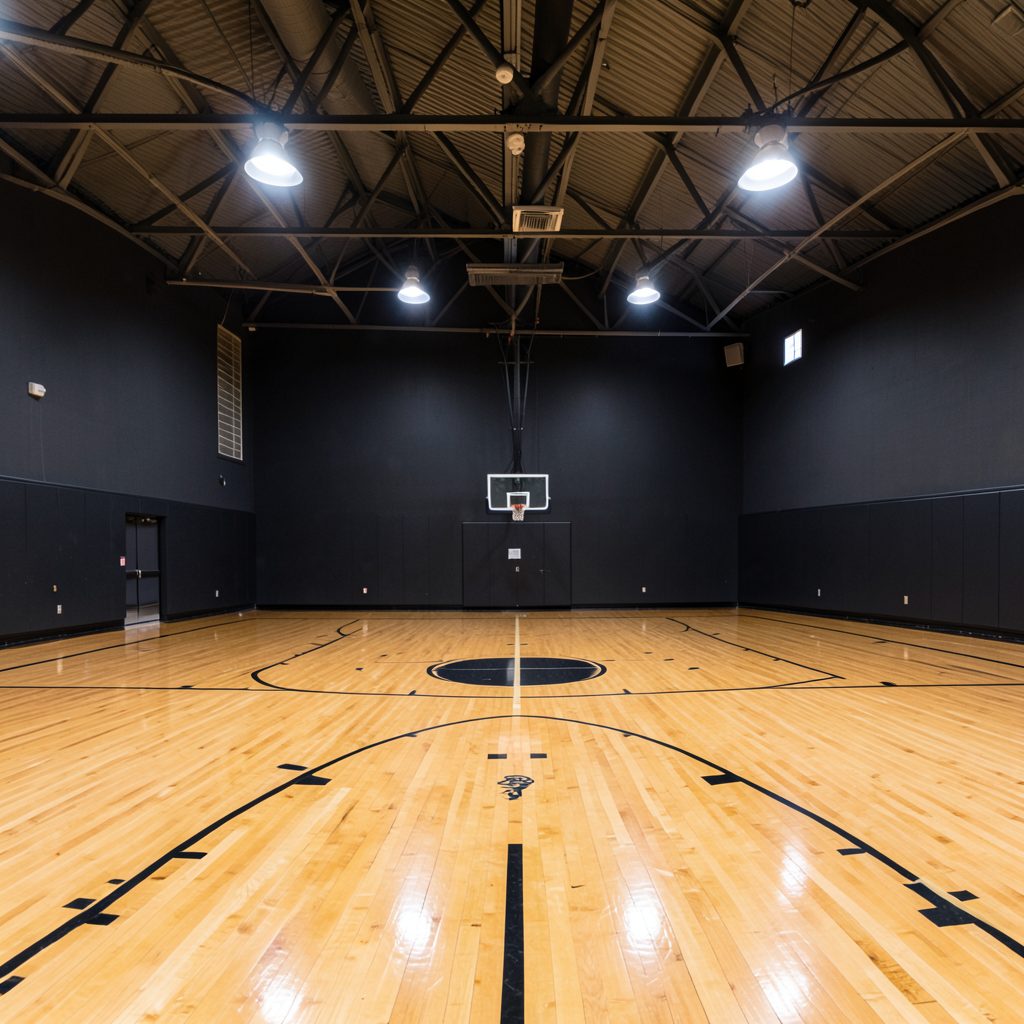
Eight league divisions span every age group: Indy Pro AM, 18+ Open Men's, 30+ Men's, Bite Size (ages 3–6), Impact League, 5th/6th Grade, Middle School, and High School. Gather your team and compete.
Training
Individual and group basketball training for all skill levels. Major M.O.V.E.S. Basketball Training serves ages 4–7 on Wednesday and Thursday evenings at 6:30 PM — $30 per session or $100 unlimited monthly.
Wellness & Recovery
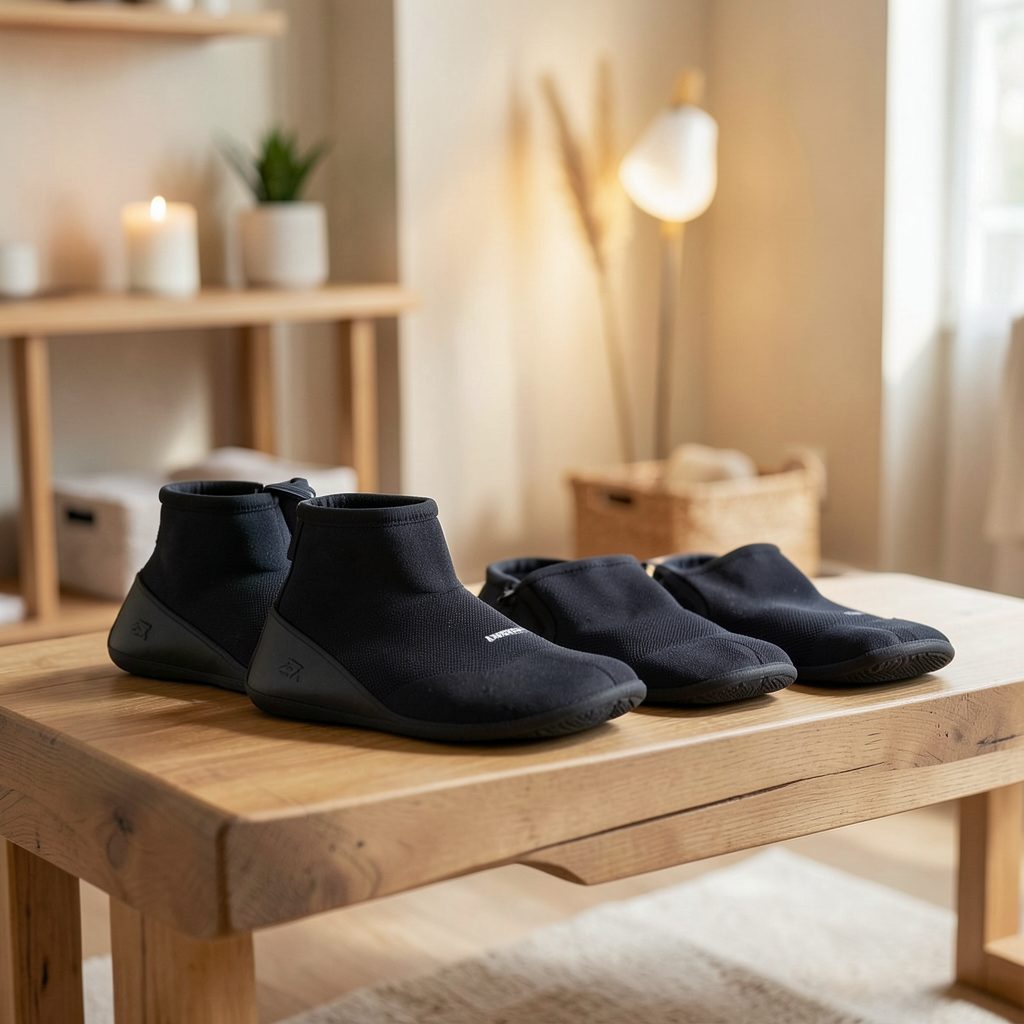
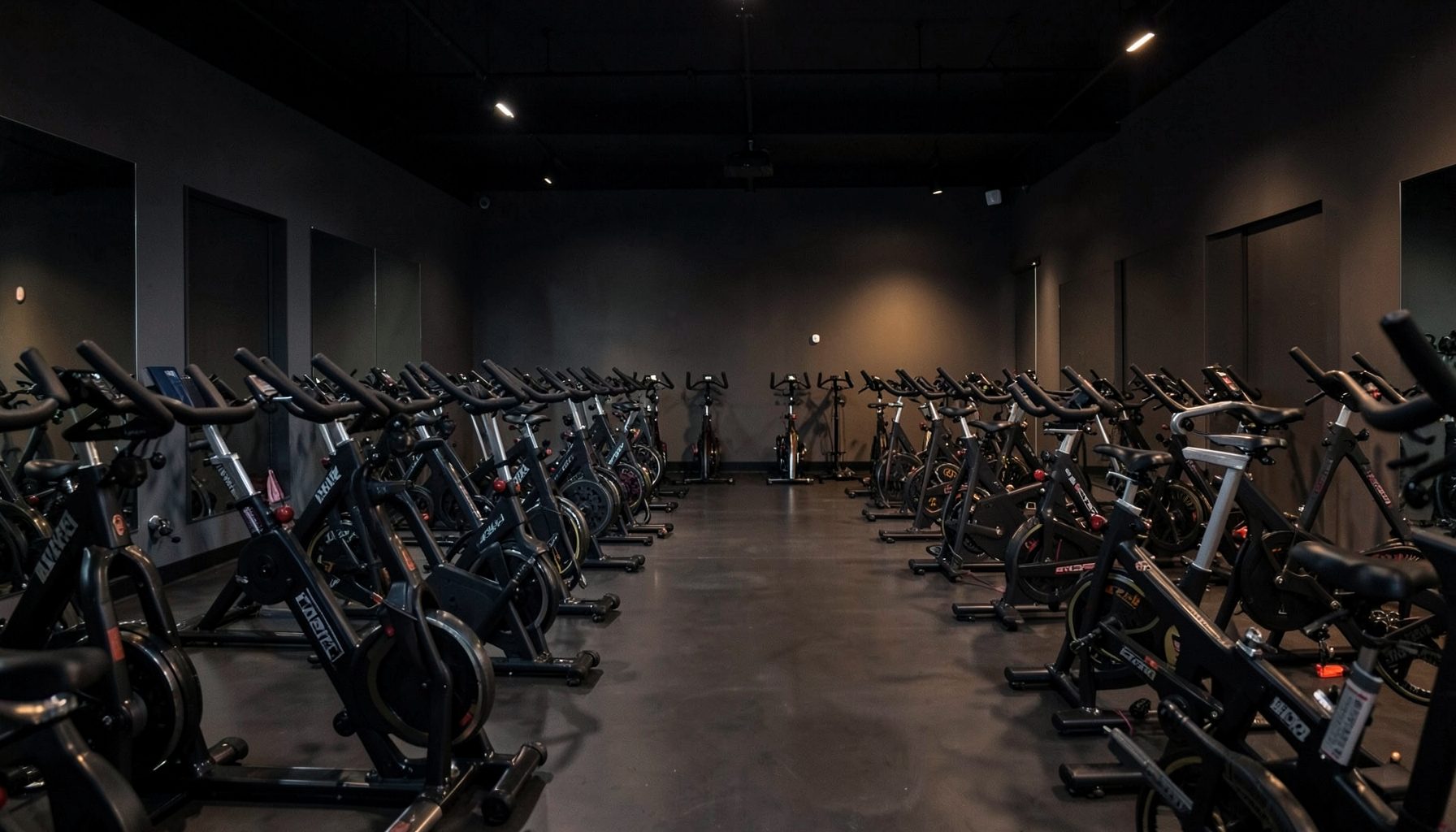
Normatec boot recovery and cryotherapy treatments help athletes bounce back faster. Cycle and spin classes add a cardio dimension to the holistic performance approach.
Have a Question?