Train. Compete. Recover.
A multi-purpose athletic facility in Speedway, Indiana — basketball leagues, skill training, and wellness services all under one roof.
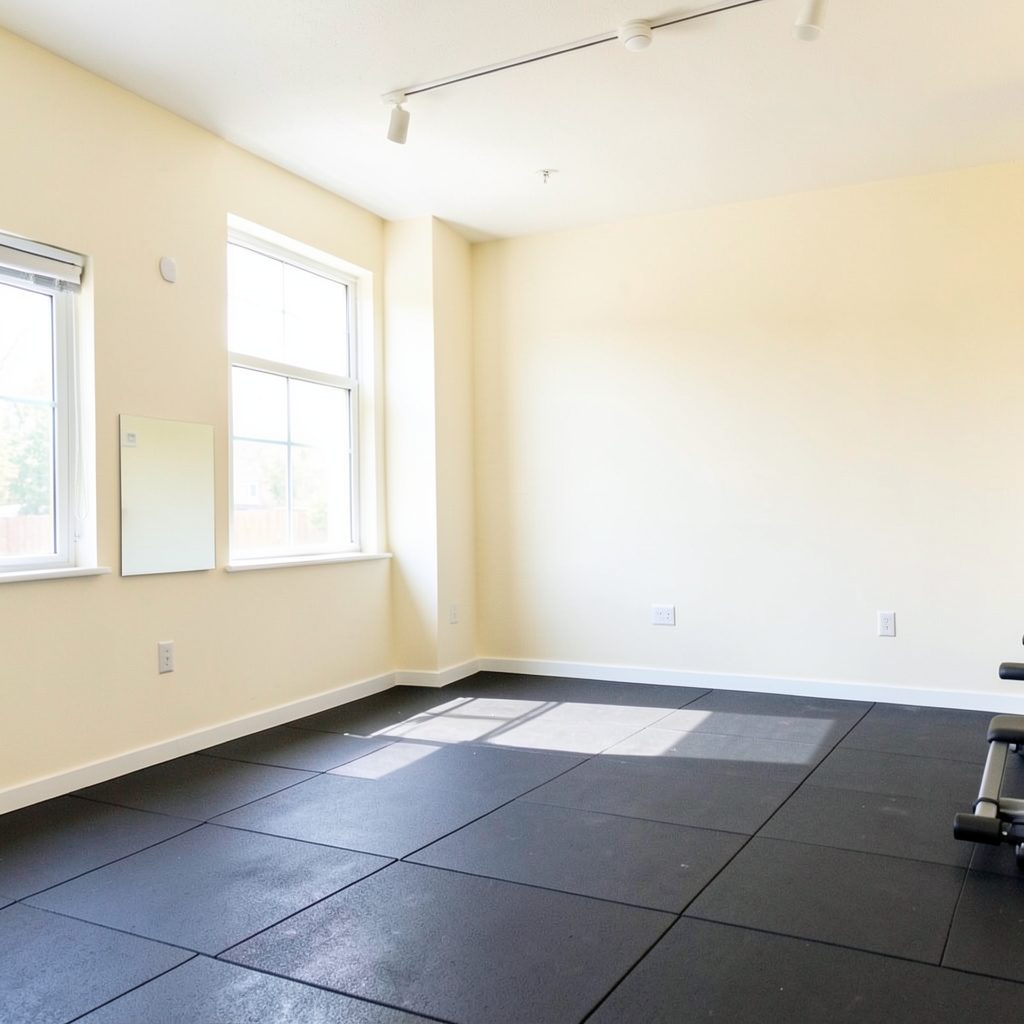
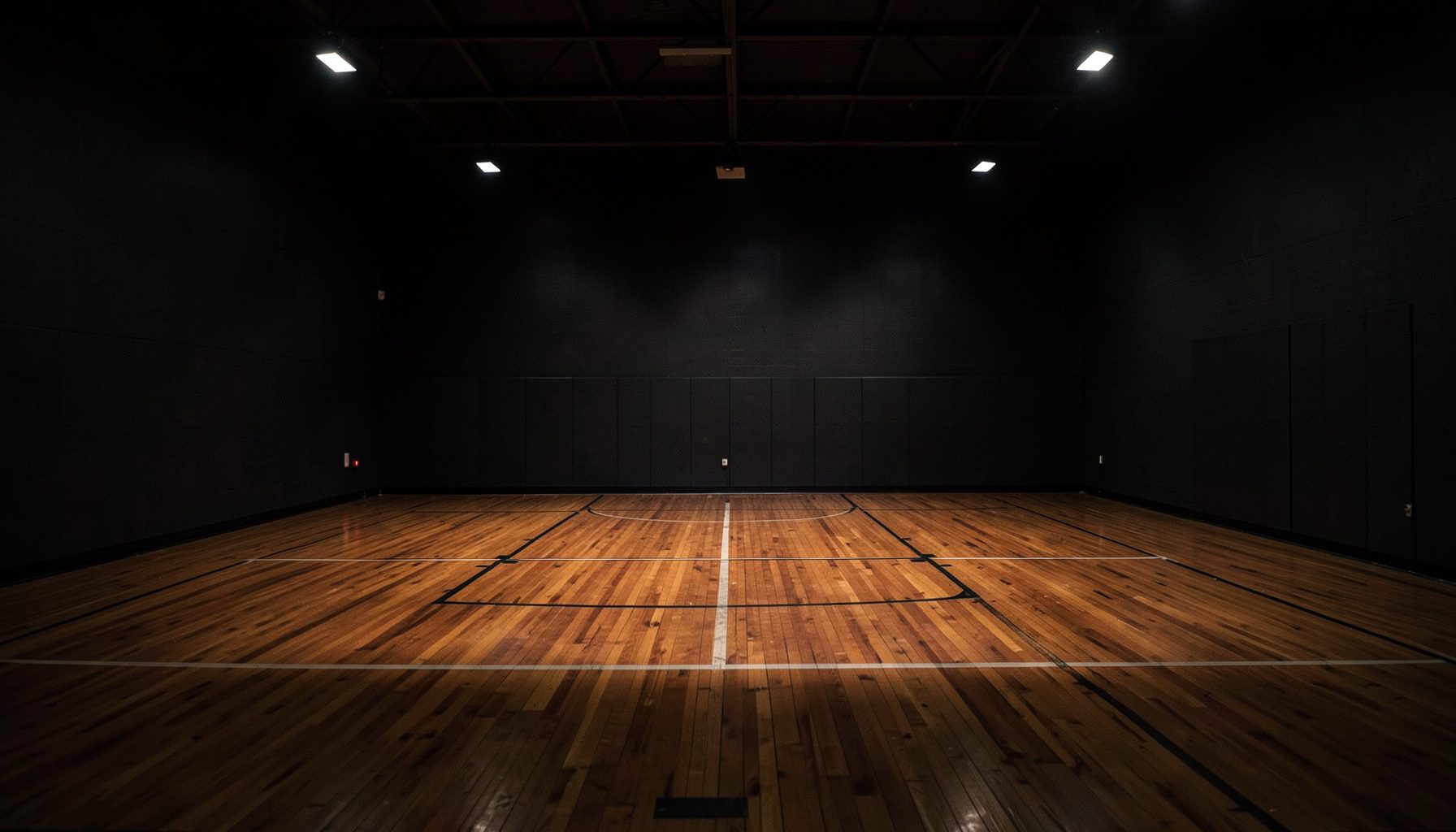
The Factory D1 Indy brings together three entities under one roof: competitive basketball leagues for all age groups, individual and group training, and wellness & recovery services including Normatec boot recovery and cryotherapy. Located off I-465 and High School Road at 6331 Crawfordsville Road, Speedway, Indiana 46224.
Get In TouchWhy we use different basketball rim heights for each age group
The hum of basketballs and the squeak of sneakers echo through training halls from Sydney to Perth every weekend, and the way young players first meet the hoop shapes their relationship with the game for years to come. At our facility in Speedway, Indiana, we have spent years refining how we welcome athletes of every age, and one of the most important decisions we make happens before the first shot is even taken. Adjusting rim height by age group is not a gimmick or a marketing angle; it is a deliberate approach grounded in sports science, long-term athlete development, and a deep respect for how children grow.
Basketball is a global game with passionate followings in countries as far apart as the United States and Australia, and the same developmental principles that guide our gym in Indiana are mirrored in the Aussie Hoops pathway and in NBL club academies from Cairns to Tasmania. When parents and coaches understand the reasoning behind age-appropriate rims, training becomes more purposeful, more enjoyable, and far more effective. The following sections explain exactly why our facility takes this approach, what the research says, and how it connects to broader trends shaping youth basketball in Australia and beyond.
The case for adjustable rims
Most players grow up imagining the regulation 3.05 metre hoop, but that height was designed for elite adult athletes with years of strength training behind them. Asking a seven year old to launch a ball to that target is a bit like handing a beginner a racing bike; technically possible, but rarely productive. Adjustable systems allow our coaches to drop the ring to 2.44 metres for the youngest players, then raise it gradually as bodies, technique, and confidence catch up.
This staged progression mirrors the framework used by Basketball Australia and most national federations, where the focus in the early years is on fun, motor skill development, and ball familiarity. A child who can actually make a shot at their own rim height experiences the feedback loop that turns curiosity into passion. That first swish is more than a memory; it is a neurological reward that keeps them coming back week after week.
Building sound shooting mechanics
A rim that is too high forces young players to compensate. They flatten their shots, push the ball with two hands from their chest, or rely on awkward scooping motions just to get the ball close to the target. These habits are notoriously difficult to undo, and they often follow players into their teenage years and beyond. By lowering the hoop, coaches create room for the proper kinetic chain to emerge naturally, with legs driving, core rotating, elbow aligning, and a soft wrist release following through.
You can see the same logic in how Australian club academies in Melbourne and Brisbane structure their early training blocks. The goal is to plant the seed of a repeatable motion before the body is asked to handle the full force of a regulation shot. When players eventually graduate to the 3.05 metre ring, the mechanics are already in place, and the jump in difficulty becomes a strength challenge rather than a complete relearning of the shot.
Confidence, enjoyment, and retention
Youth sport faces a quiet but serious problem, and that problem is attrition. Children drop out of organised basketball every year, often because the early experience feels frustrating or embarrassing. A ten year old who misses fifteen shots in a row at full height will quickly decide that basketball is not for them, no matter how much they loved dribbling around in the driveway. Lower rims give them a fighting chance to score, to celebrate, and to feel competent in front of teammates and parents.
This is particularly relevant in Australia, where participation pathways like Aussie Hoops depend on keeping families engaged through the primary school years. Facilities that adopt variable heights are reporting higher retention rates and stronger numbers flowing into representative programs. Confidence is the currency of long-term athletic development, and every basket a child makes at the right height is a deposit in that account.
Injury prevention and physical readiness
Beyond skill development, there is a simpler reason to be cautious about rim height, and that is the fact that growing bodies are still developing. Repeatedly straining to reach a 3.05 metre target with a heavy junior basketball can stress shoulders, elbows, and lower backs, particularly during growth spurts when coordination temporarily lags behind limb length. Adjustable rims reduce the leverage required and let young athletes train harder without piling up microtrauma.
This philosophy aligns with the holistic approach seen at the Australian Institute of Sport in Canberra, where long-term athlete development models emphasise loading the body appropriately for its stage of maturation. Our coaches view the court as a training environment first and a competition venue second, and that means treating the equipment, including the hoop, as a tool for safe progression rather than a fixed obstacle.
Following national and global standards
Australia has been at the forefront of structured junior basketball, with Basketball Australia publishing clear guidelines on court dimensions, ball sizes, and rim heights for each age division. Our facility follows the same progressive model, moving through 2.44, 2.60, 2.75, and finally 3.05 metres as players advance through our youth leagues. The consistency helps athletes who might also train with a local association in Adelaide or compete in school championships in Sydney, because the targets they see at our gym match what they encounter elsewhere.
Internationally, the same logic underpins FIBA's youth recommendations and the development pathways of powerhouses like the Perth Wildcats and Illawarra Hawks, who scout players coming through these age-appropriate systems. Standardisation is not about removing challenge; it is about ensuring the challenge is calibrated. When a thirteen year old finally plays on a full-height ring, the moment is earned, not imposed.
Beyond the hoop: a complete training environment
Basketball training does not happen in isolation, and rim height is just one piece of a much larger puzzle that includes strength, conditioning, mobility, and recovery. Players who develop shooting strength through age-appropriate hoops still need complementary work to stay durable through a long season, which is why we encourage our athletes to weave in cross-training like Pilates and focused hip strengthening. For runners in particular, the lower-body stability work translates surprisingly well to footwork on the court, and resources like this Pilates for runners guide offer ideas that can be adapted for basketball players as well.
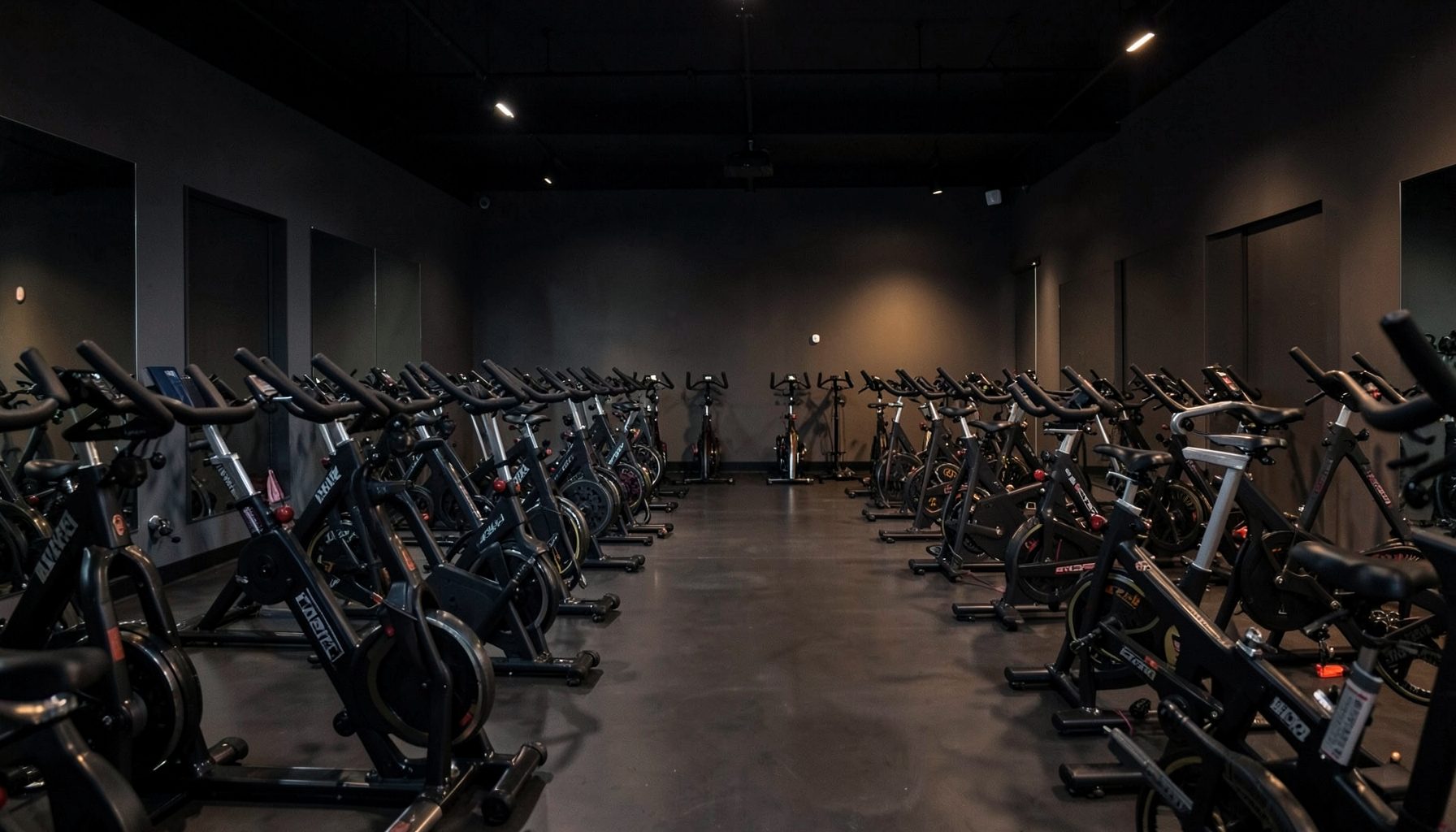
Recovery matters too. Our facility integrates cycle classes, Normatec compression, and cryotherapy alongside court time, recognising that young bodies heal faster when they are supported with the right tools. The same attention to detail that drives our rim height policy shapes every other decision we make about the athlete experience.
What parents and coaches should look for
If you are choosing a club or facility for your child, ask direct questions about how they set up their courts for different age groups. Do they have breakaway rims that actually adjust? Do their coaches understand the reasons behind the progression? Are their leagues structured so that every player, not just the tallest or most advanced, gets meaningful minutes and genuine chances to develop?
These questions matter whether you are based in Geelong or Parramatta, because the quality of the early experience sets the trajectory for years of enjoyment. A program that respects the science of youth development will almost always outperform one that simply lines kids up at full height and hopes for the best. Our commitment to age-appropriate rims is one of many ways we try to honour that responsibility, and you can read more about our facility's philosophy on our website.
If you are curious about how our leagues and training programs work, or you would like to see our adjustable hoops in action, we invite you to visit the facility or reach out to our coaching staff. Whether your young athlete is picking up a basketball for the first time or preparing for representative selection, the right rim height makes every rep count. Bring your questions, bring your gear, and let us help you build a foundation that lasts a lifetime on the court.
Inside The Factory

Three Entities, One Roof
Leagues
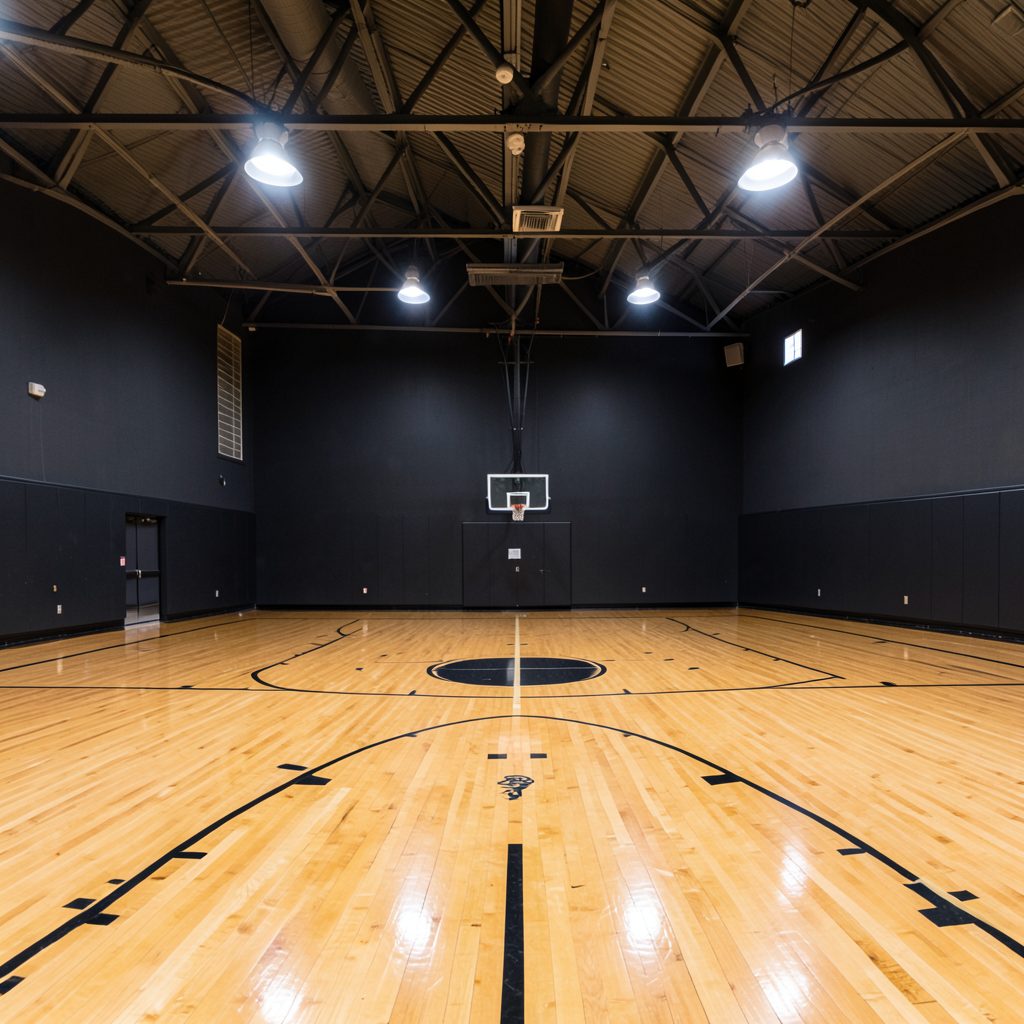
Eight league divisions span every age group: Indy Pro AM, 18+ Open Men's, 30+ Men's, Bite Size (ages 3–6), Impact League, 5th/6th Grade, Middle School, and High School. Gather your team and compete.
Training
Individual and group basketball training for all skill levels. Major M.O.V.E.S. Basketball Training serves ages 4–7 on Wednesday and Thursday evenings at 6:30 PM — $30 per session or $100 unlimited monthly.
Wellness & Recovery
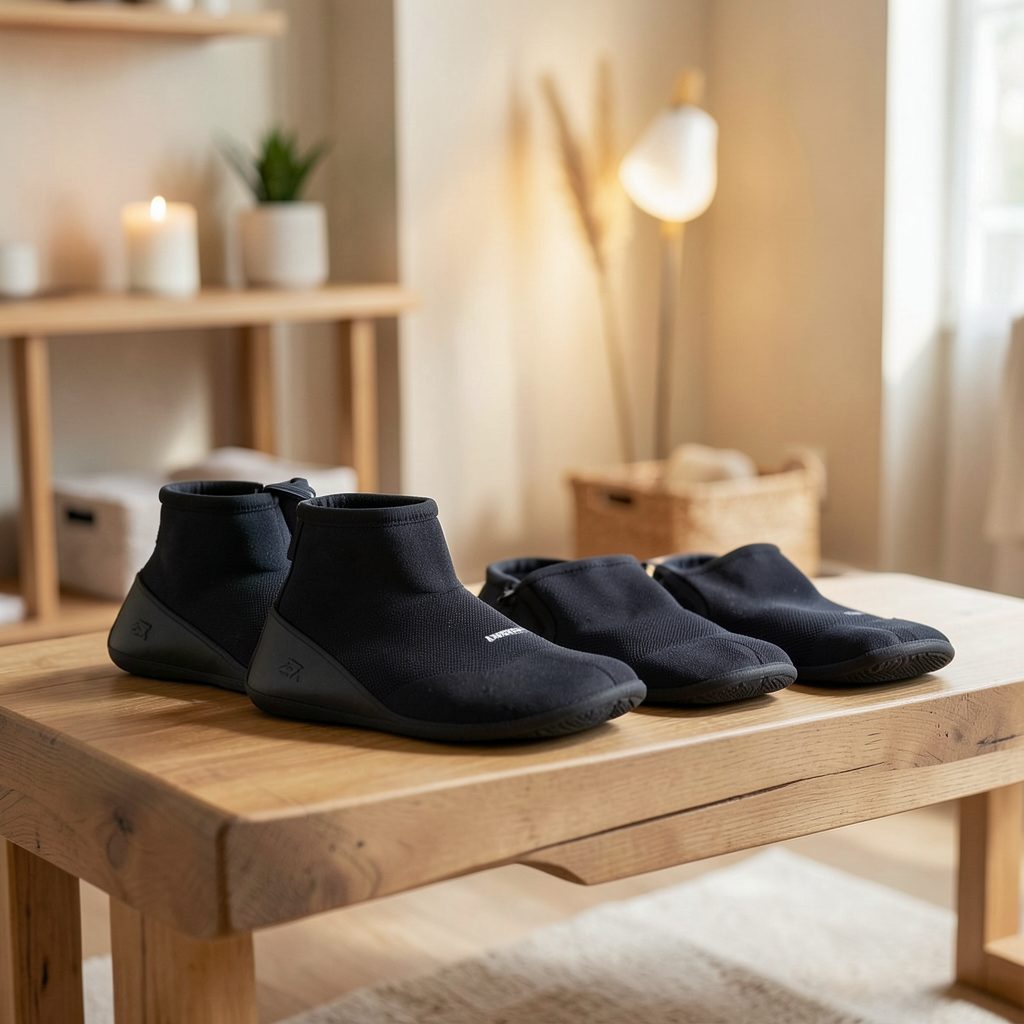
Normatec boot recovery and cryotherapy treatments help athletes bounce back faster. Cycle and spin classes add a cardio dimension to the holistic performance approach.
Have a Question?