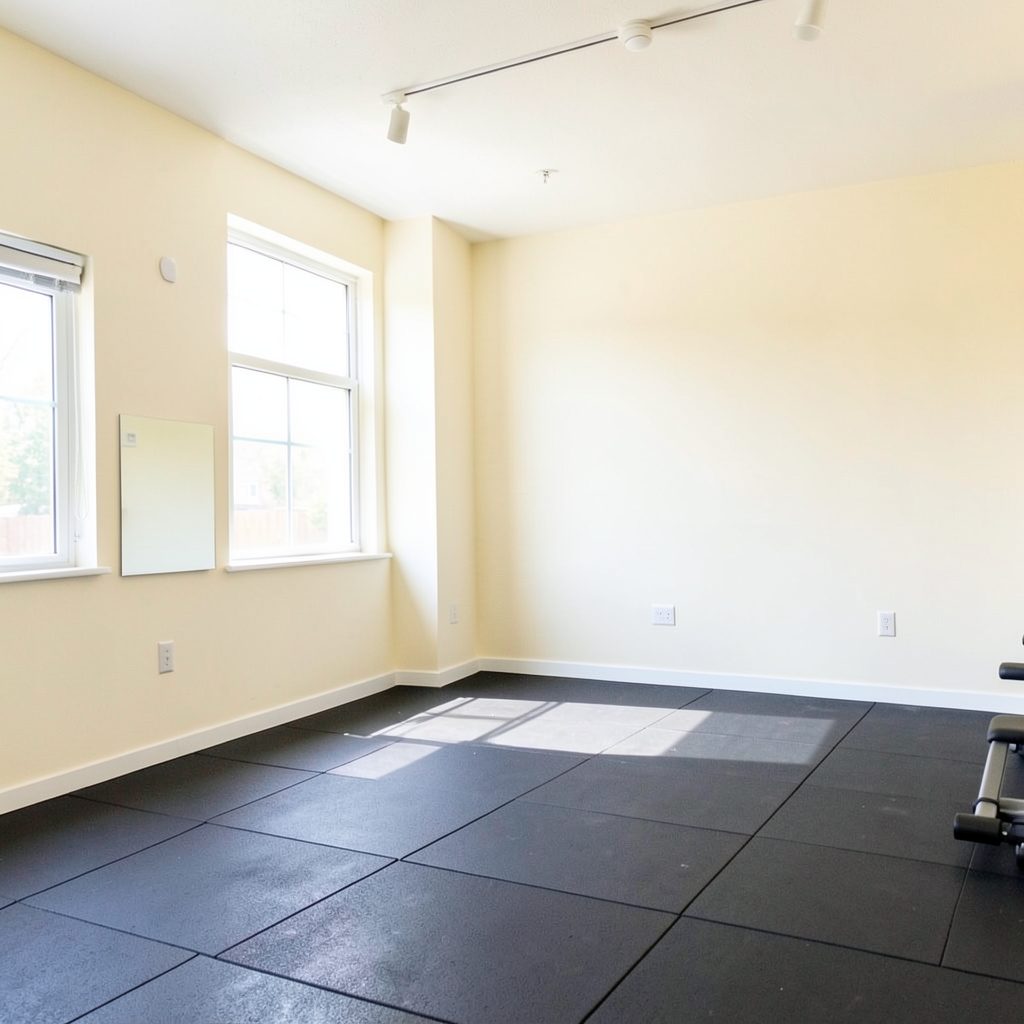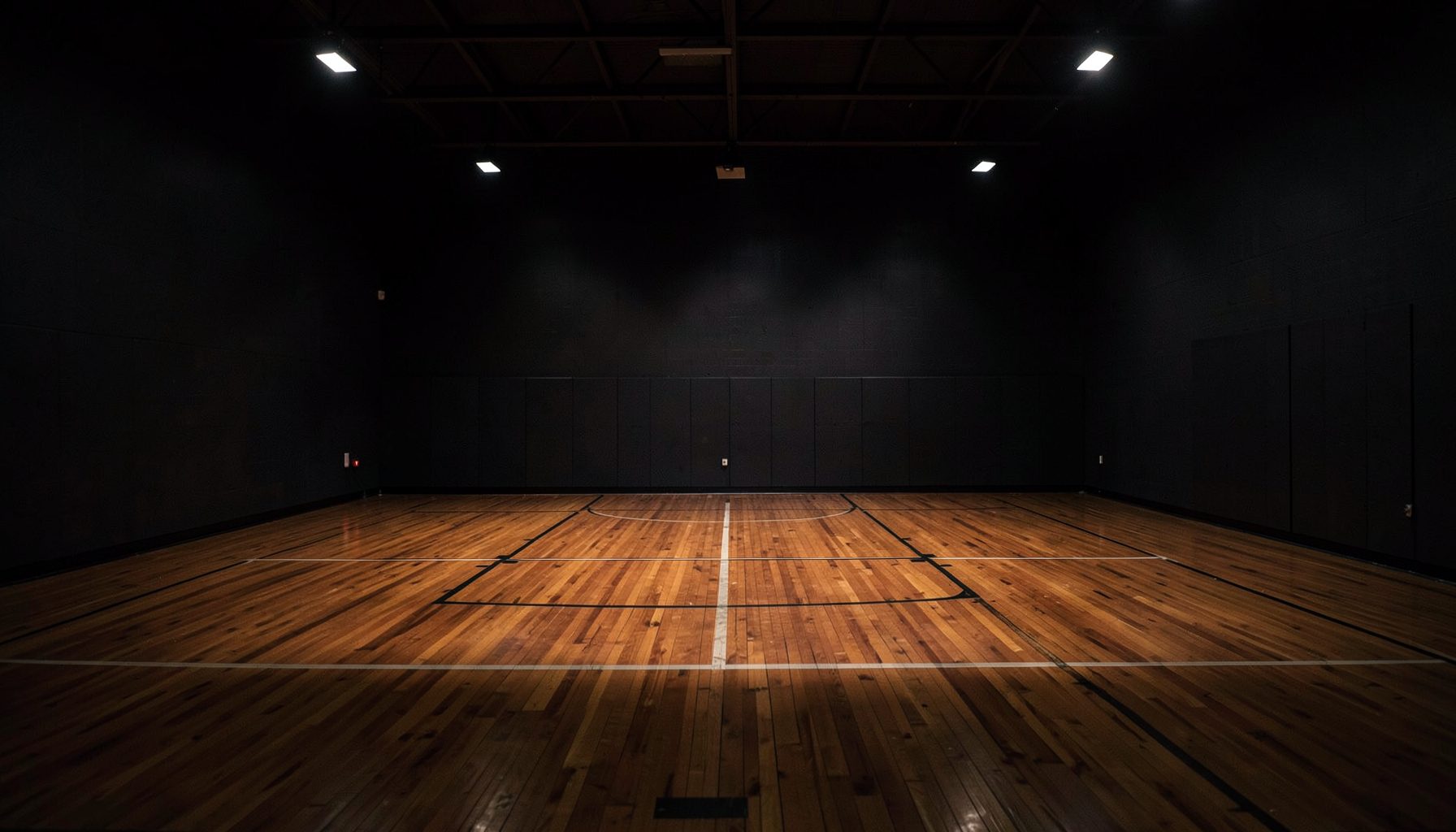
Train. Compete. Recover.
A multi-purpose athletic facility in Speedway, Indiana — basketball leagues, skill training, and wellness services all under one roof.
The Factory D1 Indy brings together three entities under one roof: competitive basketball leagues for all age groups, individual and group training, and wellness & recovery services including Normatec boot recovery and cryotherapy. Located off I-465 and High School Road at 6331 Crawfordsville Road, Speedway, Indiana 46224.
Get In TouchWhy our spin classes use heart rate monitors for training zones
Music fills the room, the lights pulse, and the instructor calls out the next effort. For many riders, that is enough to get lost in the workout. A heart rate display adds something different: it shows whether the effort on the bike matches the goal of the interval, whether recovery is really recovery, and where training can become more personal over time.
At The Factory D1 Indy in Speedway, Indiana, we use those readings to make indoor cycling more purposeful and less competitive. The focus is not the biggest number on a screen. It is choosing a sustainable pace, giving proper efforts room to develop, and helping every rider understand the work their body is doing.
What heart rate training zones mean
A training zone links a heart rate range, usually expressed in beats per minute (bpm), to a particular kind of effort. Zone 1 is recovery-level work, Zone 2 is easy aerobic cycling, Zone 3 sits around steady endurance work, Zone 4 approaches the threshold of hard effort, and Zone 5 is very intense. The labels matter less than the intent behind them: easier work should feel manageable, while harder efforts should demand concentration.
Knowing your zones changes how you approach a class. You can settle into Zone 2 without chasing another rider’s sprint, then hold Zone 3 during a longer sequence with enough control to finish strong. During recovery, you can recognise when your heart rate has actually settled instead of continuing at threshold pace simply because the music is still loud.
Personal boundaries matter, too. Maximum heart rate differs between people, and a generic age-based estimate can be misleading. Medications, fitness, heat and stress also affect the readings. We treat a monitor as a guide alongside perceived effort and breathing, then help riders establish working ranges that reflect their own experience rather than forcing them into a universal chart. You can see how spin fits alongside basketball training, competitive leagues and recovery services in our facility.
How live readings shape coaching
Live feedback can turn an interval from guesswork into a focused task. When a rider sees that an effort has slipped into a harder zone, the coach can encourage a controlled adjustment. If a rider is holding the intended range, the effort becomes easier to sustain. This feedback supports clear coaching without turning the room into a race for the highest reading.
Heart rate data also has limits, and good coaching respects them. Readings can lag at the start of an interval, so the first minute is not always a reliable guide. Wrist sensors may be affected by movement and grip, while chest straps generally offer steadier tracking during intense work. Heat, dehydration, caffeine and fatigue can raise heart rate without changing the intended effort, so the coach considers the whole picture rather than the number alone.
Why zone training fits Australian life
Australia’s national physical activity guidelines recommend adults build toward 150 to 300 minutes of moderate activity or 75 to 150 minutes of vigorous activity each week, with muscle-strengthening work on at least two days. A spin class can contribute to that total, but it works best as part of a varied week that also includes resistance training and everyday movement. Children and adolescents are advised to average 60 minutes of movement daily.
City routines shape how Australians train. Long commutes and limited daylight make indoor cycling appealing in Melbourne, while Sydney riders often plan around traffic, harbour crossings and busy workdays. Brisbane and Perth bring heat and humidity that can make outdoor riding less comfortable in summer. An indoor studio can offer a controlled environment and a reliable session when outdoor conditions vary.
Australia has a broad fitness market, from large gyms and membership-based studios to class packs and boutique studios competing for early-evening slots. Wearables and connected bike monitors are familiar choices, which makes it important to understand how equipment is regulated. The Therapeutic Goods Administration regulates products that make medical claims; a general heart-rate display is not automatically a medical device, while a product marketed to diagnose a heart condition faces a different regulatory pathway.
Privacy deserves attention too. Under the Privacy Act 1988, covered organisations must handle personal information according to the Australian Privacy Principles, with specific rules for sensitive information such as health data. Some small businesses fall outside the Act’s coverage, so clear practices still matter. Operators should explain what readings are collected, why they are needed, who can access them, and how long they are kept.
Trust, privacy and a coach-led approach
A monitor is useful only when riders feel comfortable using it. Training should never become a public leaderboard or a judgement of fitness. Riders need the option to ask questions, adjust the display or use perceived effort instead, and coaches should treat individual readings confidentially. Good zone training creates useful feedback while preserving the supportive atmosphere that keeps people returning to class.
Consistency also builds trust. When the same zone language appears from week to week, riders can compare sessions and see gradual progress without chasing an arbitrary benchmark. Our digital magazine offers additional guidance from the team for readers who want to explore training and recovery in greater depth.
Recovery is part of the training system
Hard intervals produce value only when the body can recover from them. That means including easier sessions, sufficient sleep, regular meals and hydration rather than trying to live permanently in Zone 4. A heart rate that stays elevated during recovery can reflect heat, stress or poor sleep, so it should prompt a thoughtful adjustment, not automatically a harder effort.
Our wider recovery offering includes Normatec compression therapy and cryotherapy. These services can be used as tools for comfort and recovery within a broader training plan, with individual responses varying. They do not replace sleep, nutrition, appropriate load management or advice from a qualified health professional when something does not feel right.
Complementary routines can also support time between rides. The relationship between rest, breathing, movement and daily habits is explored in Ayurvedic wellness and yoga. These ideas should complement, rather than replace, evidence-based training and medical care, especially for riders managing an injury or a health condition.
Start a heart-rate-led spin class
Choose a class that suits your current routine and arrive about ten minutes early so the coach can explain the bike setup and help establish your working ranges. Tell the coach about relevant injuries or health conditions, follow the setup instructions for the monitor, and remember that the first session is about learning your ranges, not setting a personal record.
Bring water, a towel and clothing suited to cycling, then focus on clear cues and controlled breathing. Book a session with The Factory D1 Indy and experience coaching that respects your pace while giving your effort a clear purpose. Ride with intention, recover with discipline, and let your heart rate guide the work ahead.
Inside The Factory
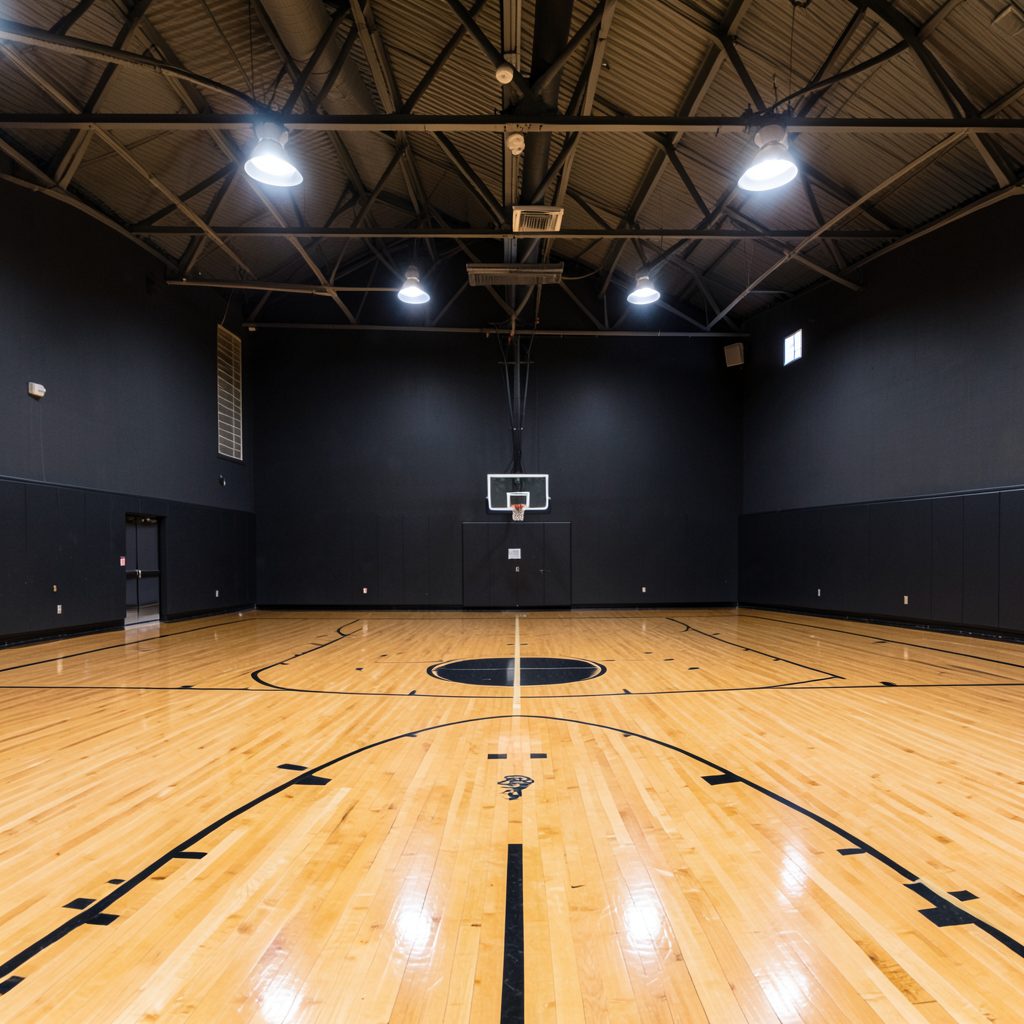

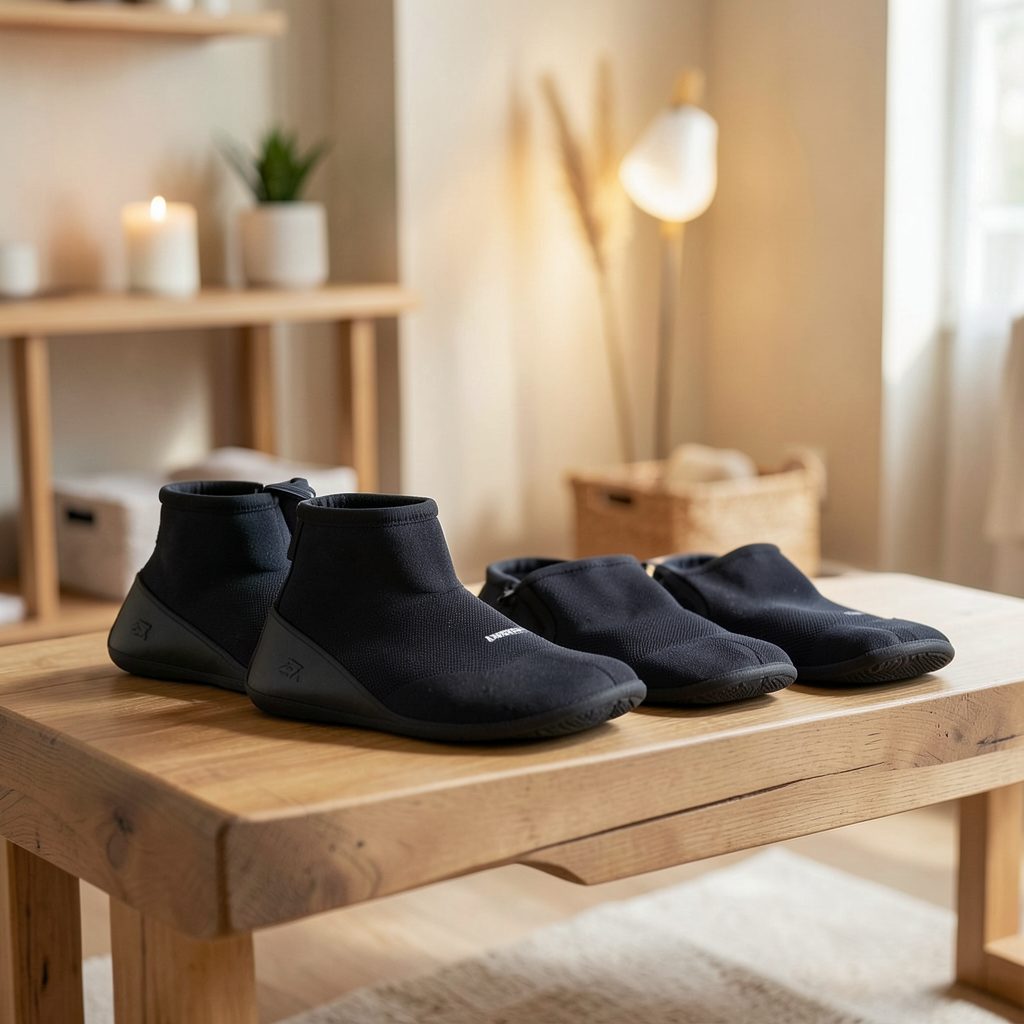
Three Entities, One Roof
Leagues
Eight league divisions span every age group: Indy Pro AM, 18+ Open Men's, 30+ Men's, Bite Size (ages 3–6), Impact League, 5th/6th Grade, Middle School, and High School. Gather your team and compete.
Training
Individual and group basketball training for all skill levels. Major M.O.V.E.S. Basketball Training serves ages 4–7 on Wednesday and Thursday evenings at 6:30 PM — $30 per session or $100 unlimited monthly.
Wellness & Recovery
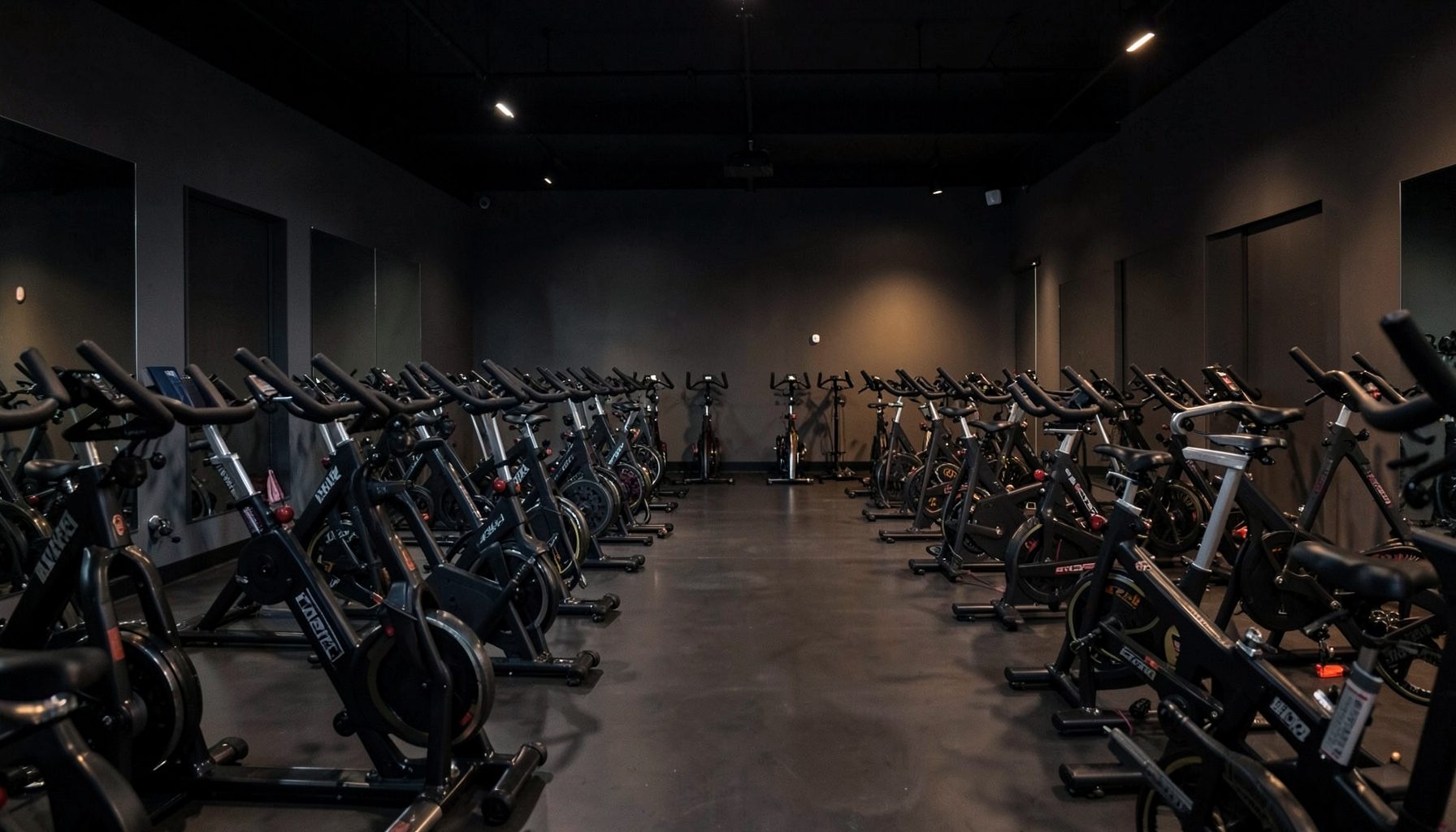
Normatec boot recovery and cryotherapy treatments help athletes bounce back faster. Cycle and spin classes add a cardio dimension to the holistic performance approach.
Have a Question?