Train. Compete. Recover.
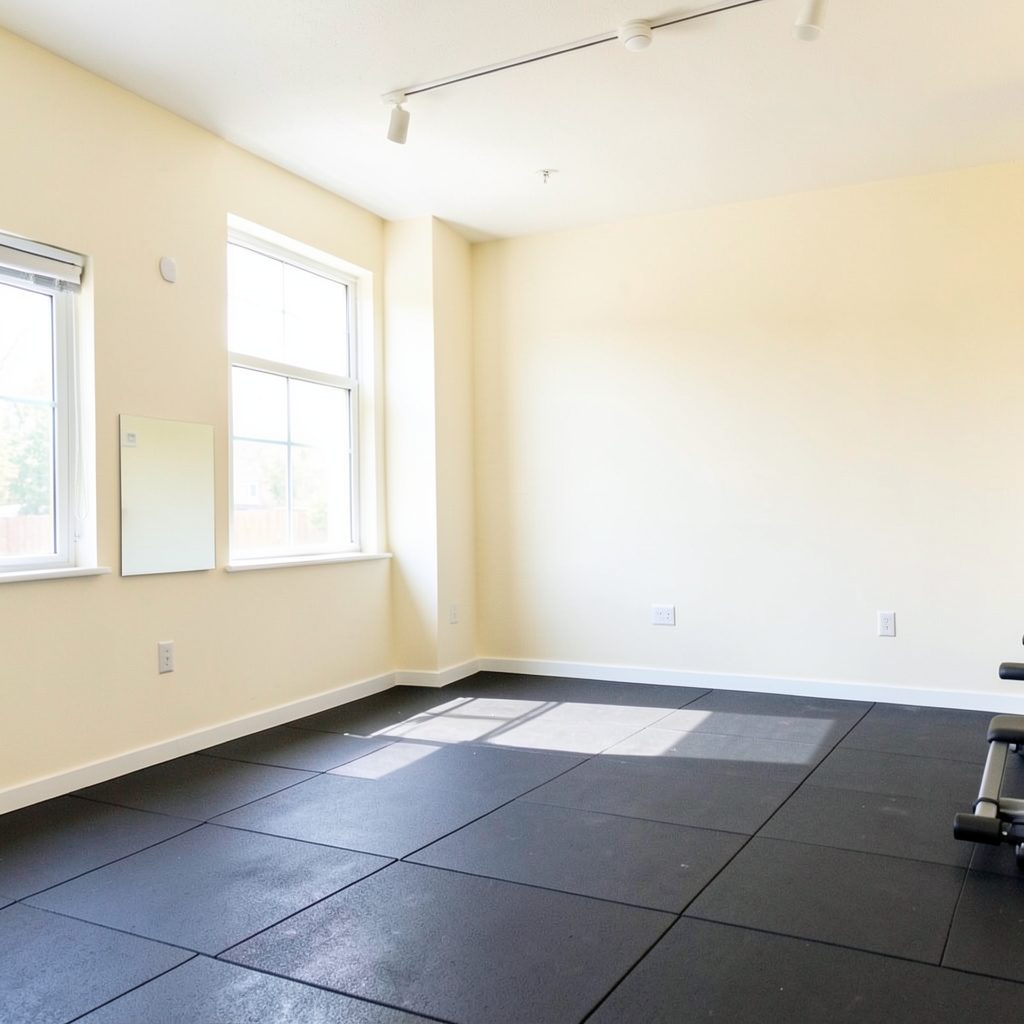
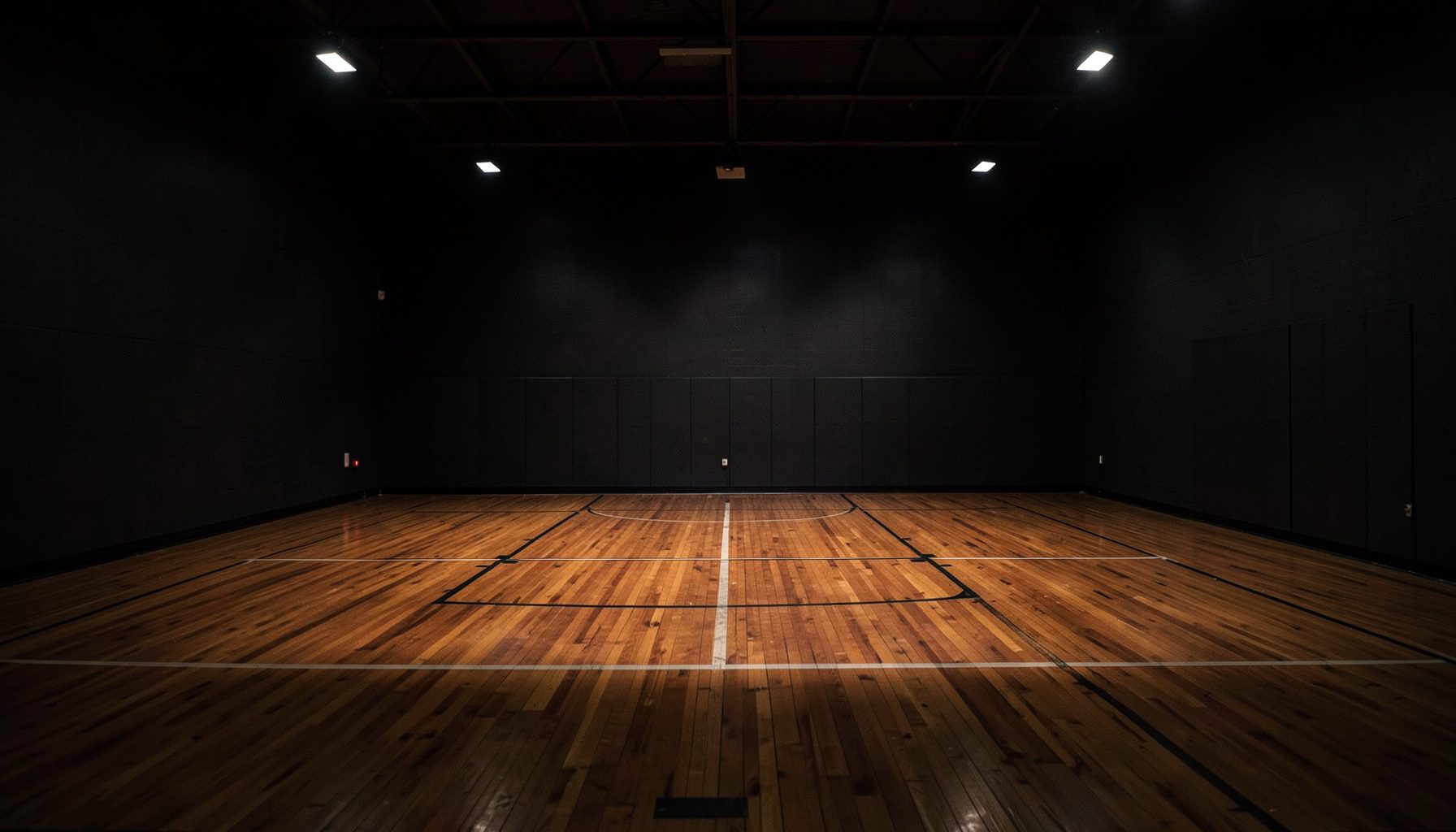
A multi-purpose athletic facility in Speedway, Indiana — basketball leagues, skill training, and wellness services all under one roof.
The Factory D1 Indy brings together three entities under one roof: competitive basketball leagues for all age groups, individual and group training, and wellness & recovery services including Normatec boot recovery and cryotherapy. Located off I-465 and High School Road at 6331 Crawfordsville Road, Speedway, Indiana 46224.
Get In TouchWhy Recovery Days Are Essential for Serious Athletes
Serious athletes often measure commitment by how hard they train, how often they compete, and how much discomfort they can tolerate. Yet progress depends on more than effort. The body needs time to repair muscle tissue, restore energy, regulate stress, and prepare the nervous system for another demanding session.
A recovery day is not wasted time or a sign of reduced ambition. It is a planned part of athletic development. When rest is treated as part of the training program, athletes can produce higher-quality work, reduce accumulated fatigue, and stay consistent throughout a long season.
At The Factory D1 Indy, athletes can combine basketball training, competitive leagues, conditioning, and wellness services in one community-centered facility. That broad approach reflects an important principle: performance is built through the relationship between training stress and recovery.
Why Rest Supports Athletic Adaptation
Training creates a stimulus, not the finished result. Strength, speed, coordination, and endurance develop as the body responds to that stimulus during the hours and days afterward. Muscle fibers repair, stored fuel is replenished, and the nervous system works to make movement more efficient.
Without enough recovery, the next workout may arrive before the body is ready. An athlete might complete the session, but the quality of shooting, footwork, sprinting, or lifting can decline. Repeated low-quality sessions can limit progress because the athlete is practicing movement while fatigued rather than reinforcing sharp technique.
Rest also supports mental performance. Basketball players need decision-making, spatial awareness, communication, and composure. A tired athlete may react more slowly or lose focus during drills and competition. A recovery day helps preserve those cognitive skills as well as physical capacity.
How Training Fatigue Affects Performance
Fatigue can appear in obvious ways, such as sore muscles, heavy legs, reduced sprint speed, or difficulty completing normal workloads. It can also be less visible. Irritability, poor concentration, restless sleep, and a lack of enthusiasm for practice may signal that total stress has become too high.
Athletes who ignore these signs often try to compensate by pushing harder. That approach can create a cycle of underperformance: training quality drops, frustration rises, and additional intensity adds even more fatigue. In team sports, this may also affect technical execution and confidence.
A recovery day gives coaches and athletes an opportunity to distinguish productive discomfort from excessive strain. Normal post-workout soreness may improve with light movement, while persistent pain, unusual weakness, or a significant change in performance deserves attention from a qualified health professional.
What A Productive Recovery Day Looks Like
Recovery does not always mean lying on the couch. The right approach depends on training load, age, competition schedule, sleep, and individual needs. Gentle walking, mobility exercises, easy cycling, stretching, or low-intensity shooting can increase movement without adding substantial stress.
Nutrition and hydration remain important on days away from intense training. Athletes need adequate calories, protein, carbohydrates, fluids, and micronutrients to support tissue repair and replenish energy stores. Skipping meals because there is no practice can slow the recovery process.
Sleep is another essential component. A consistent bedtime, a cool and dark room, and reduced screen use before bed can support deeper rest. Young athletes in particular may need more sleep than adults because they are managing both athletic demands and normal growth.
Recovery Methods And Their Roles
Different recovery tools address different needs. Light activity can reduce stiffness, mobility work can support range of motion, and a calm routine can help lower mental stress. Compression therapy may provide a comfortable option after demanding training, while cold-based services should be used thoughtfully and according to appropriate guidance.
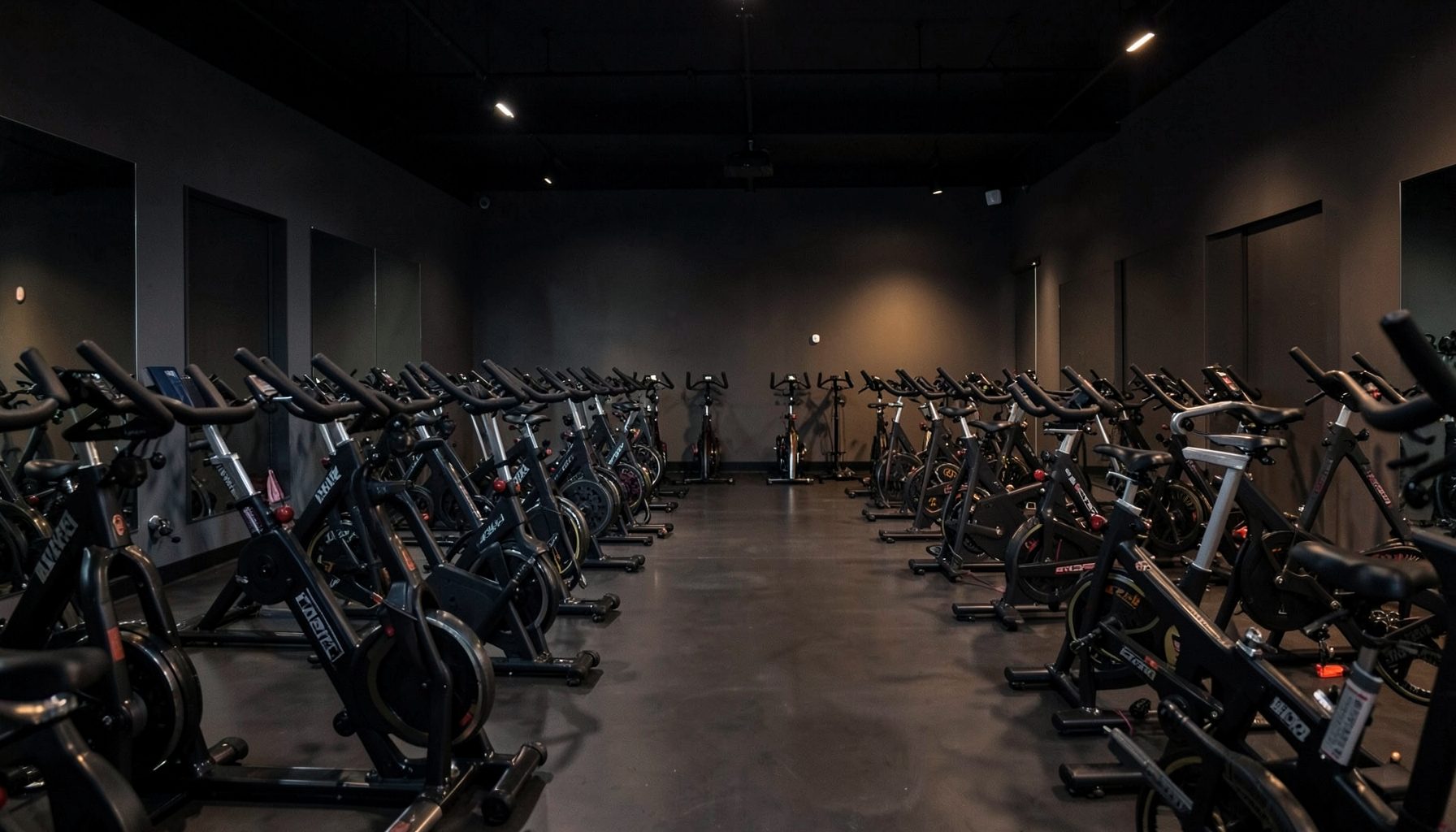
At The Factory D1 Indy, services such as Normatec compression therapy and cryotherapy complement its basketball, cycling, and fitness offerings. These options do not replace sleep, nutrition, or sensible workload management. Instead, they can become part of a broader routine designed to help athletes feel prepared for their next session.
| Recovery Approach | Main Purpose | Best Use |
|---|---|---|
| Easy walking or cycling | Promotes gentle circulation and movement | After hard practices or long periods of sitting |
| Mobility and stretching | Maintains comfortable movement | On rest days and before low-intensity activity |
| Normatec compression | Provides pneumatic compression support | After demanding training, when appropriate |
| Cryotherapy | Offers brief cold exposure | With professional guidance and individual suitability in mind |
| Sleep and nutrition | Restores energy and supports repair | Every day, especially during heavy training blocks |
The most effective recovery plan is rarely based on a single device or technique. It combines basic habits with services that fit the athlete’s training demands, preferences, and health considerations.
Planning Rest Around Competition
Recovery days should be scheduled before fatigue becomes overwhelming. A basketball player may need lighter activity after a tournament weekend, while a cyclist or strength athlete may require reduced volume after a demanding training block. The timing should reflect the stress created by the previous sessions and the demands still ahead.
Before competition, recovery often means maintaining movement while reducing intensity. A brief technical workout, relaxed shooting session, or easy spin may keep the athlete feeling coordinated without creating new fatigue. After competition, the priority may shift toward hydration, food, sleep, gentle movement, and assessing any soreness.
Adult athletes often have additional work, family, and travel responsibilities. A practical routine must account for the total workload outside the gym. Resources such as competitive adult training can help illustrate how structured practice and recovery can fit into a demanding schedule.
Signs Your Schedule Needs More Recovery
A single tired day does not necessarily require a major change. A pattern of warning signs does. Athletes and coaches should track how the body feels, how performance changes, and whether normal motivation returns after lighter activity.
Useful indicators include:
- A sustained drop in speed, strength, accuracy, or coordination
- Muscle soreness that does not improve with ordinary rest and movement
- Changes in sleep, appetite, mood, or concentration
- Increased reliance on caffeine or mental effort to complete normal sessions
- Repeated minor injuries or pain during familiar drills
A training log can make these patterns easier to see. Record session intensity, sleep quality, soreness, mood, and performance rather than relying on memory alone. If symptoms persist or include sharp pain, swelling, dizziness, or unusual shortness of breath, consult an appropriate medical professional.
Building A Sustainable Weekly Rhythm
A balanced week alternates demanding sessions with easier periods. For example, an athlete might place high-intensity basketball training on selected days, use lower-intensity cycling or mobility work between them, and reserve at least one day for more complete rest. The exact schedule should change during tournaments, holidays, travel, and periods of increased competition.
Coaches can also adjust volume instead of eliminating activity entirely. Fewer repetitions, shorter practices, longer breaks, and technique-focused work can preserve skill development while reducing physical stress. This is especially useful for younger athletes, who need opportunities to develop without treating every practice like a championship event.
Recovery should be viewed as a performance habit. It protects consistency, supports better training quality, and gives athletes a greater chance of remaining active across multiple seasons. Make a recovery day part of your weekly plan at The Factory D1 Indy by combining intentional rest with appropriate movement, wellness services, and guidance from experienced coaches.
Inside The Factory
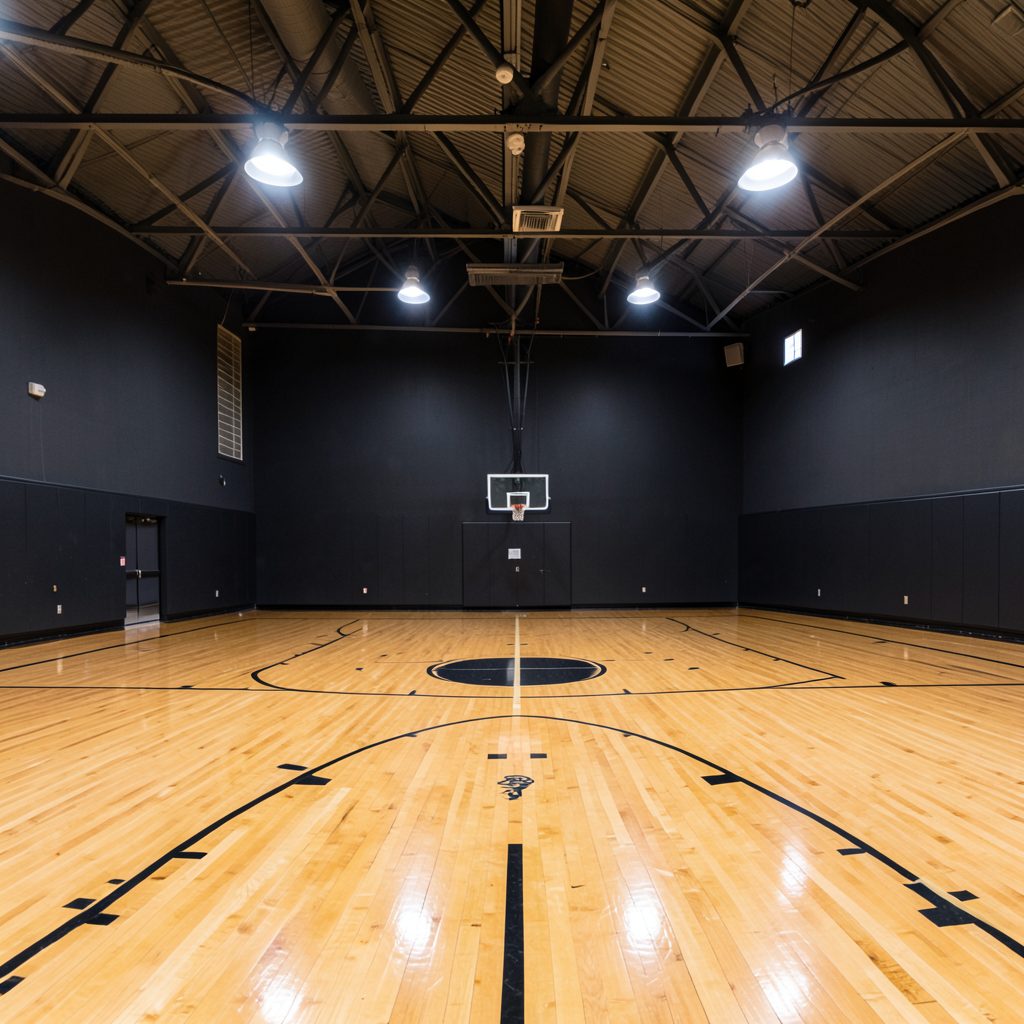

Three Entities, One Roof
Leagues
Eight league divisions span every age group: Indy Pro AM, 18+ Open Men's, 30+ Men's, Bite Size (ages 3–6), Impact League, 5th/6th Grade, Middle School, and High School. Gather your team and compete.
Training
Individual and group basketball training for all skill levels. Major M.O.V.E.S. Basketball Training serves ages 4–7 on Wednesday and Thursday evenings at 6:30 PM — $30 per session or $100 unlimited monthly.
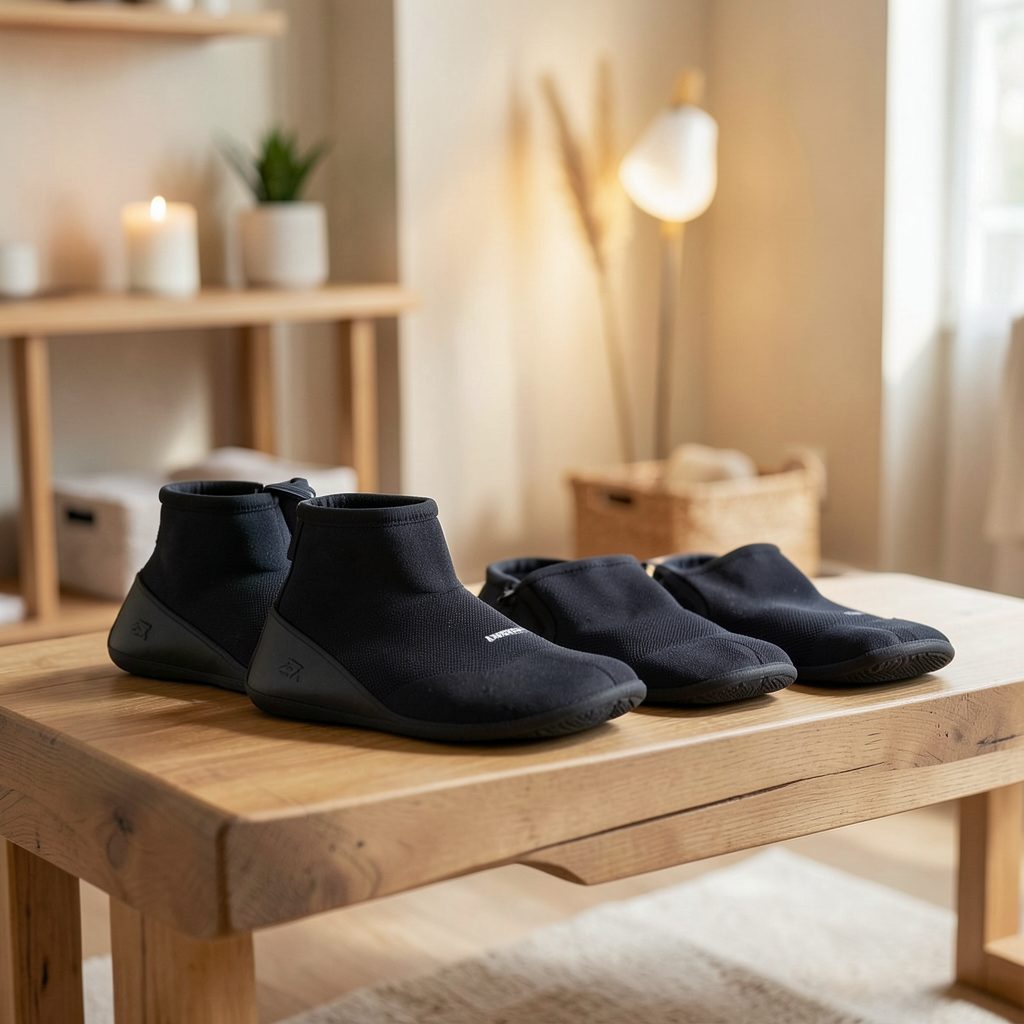
Wellness & Recovery
Normatec boot recovery and cryotherapy treatments help athletes bounce back faster. Cycle and spin classes add a cardio dimension to the holistic performance approach.
Have a Question?