Train. Compete. Recover.
A multi-purpose athletic facility in Speedway, Indiana — basketball leagues, skill training, and wellness services all under one roof.
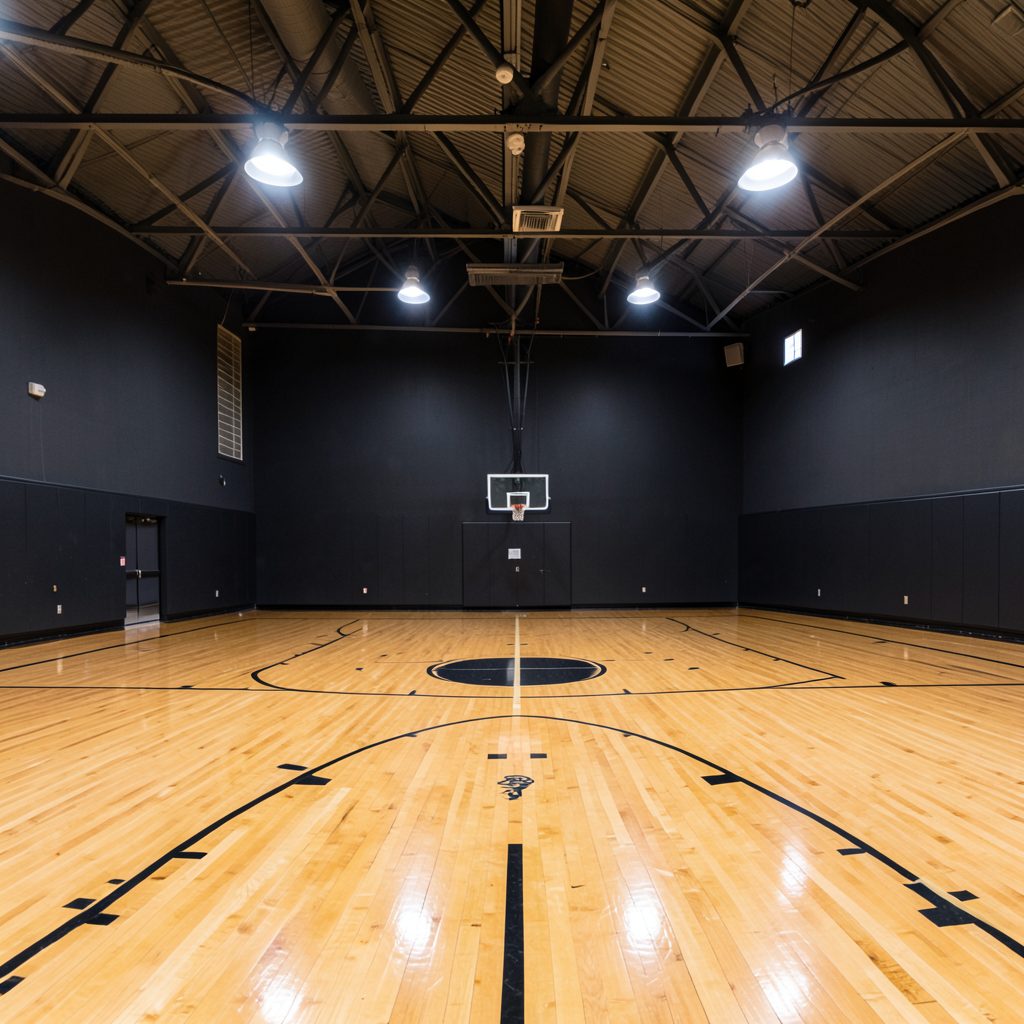
The Factory D1 Indy brings together three entities under one roof: competitive basketball leagues for all age groups, individual and group training, and wellness & recovery services including Normatec boot recovery and cryotherapy. Located off I-465 and High School Road at 6331 Crawfordsville Road, Speedway, Indiana 46224.
Get In TouchWhy spin classes work so well for basketball players
Basketball demands repeated bursts of acceleration, sudden stops, lateral movement, jumping, and enough stamina to stay effective late in a game. A player may sprint the length of the court, defend several possessions, then immediately need the control and focus to execute a skilled play. Building that combination requires more than basketball drills alone.
Spin classes offer a structured form of cross-training that develops cardiovascular fitness without adding constant impact to the feet, ankles, knees, and hips. The bike allows athletes to challenge their heart and lungs, strengthen the legs, and practice pacing while controlling resistance and intensity.
For athletes training at The Factory D1 Indy, cycling can complement basketball skills training, youth programs, and competitive play. It provides a productive way to improve conditioning while giving heavily used joints a temporary break from jumping and court contact.
Build a stronger repeated-effort engine
Basketball conditioning is rarely a single long-distance effort. Players work through repeated high-intensity sequences: sprint, recover, cut, jump, and repeat. A spin class mirrors this rhythm through intervals that alternate between hard climbs, fast efforts, seated recovery, and sustained aerobic work.
This type of conditioning helps improve the ability to recover between plays. As cardiovascular fitness develops, a player may regain a steady breathing pattern sooner after a defensive sprint or fast break. That recovery capacity can support better decision-making, communication, and shooting mechanics when fatigue begins to build.
Cycling also makes it easy to control the workload. Athletes can increase resistance during a challenging interval without needing to reach maximal speed. This creates a demanding workout that develops endurance and power while keeping the session organized around clear effort changes.
Train the legs without adding court impact
Basketball players already place significant stress on their lower bodies. Practices and games include repeated landings, hard cuts, defensive slides, and contact around the basket. Adding another high-impact conditioning session may leave the legs tired before the athlete has completed essential skill work.
Indoor cycling reduces impact because the body remains supported and the pedals provide a smooth, continuous motion. The quadriceps, hamstrings, glutes, and calves still work hard, but the workout does not require repeated landing forces. This makes a spin class useful during a busy training week or as an alternative when an athlete needs conditioning with less pounding.
Low-impact does not mean low-effort. A properly coached ride can produce substantial muscular fatigue and elevate the heart rate quickly. Riders can use resistance, cadence, and interval length to create a demanding session that fits their age, experience, and current training phase.
Improve power, stamina, and movement control
Resistance-based cycling can strengthen the muscles responsible for pushing through the floor. While it does not replace squats, lunges, Olympic lifts, or sport-specific plyometrics, it can support lower-body strength endurance. That quality matters when a player must continue defending, rebounding, or driving after several demanding possessions.
Spin classes can also develop awareness of effort and pacing. Athletes learn to distinguish between a sustainable aerobic pace, a hard interval, and a short all-out push. That understanding helps players manage energy during practices and games instead of treating every movement as a maximum effort.
The seated position offers another benefit: players can focus on rhythm and controlled output without worrying about foot placement during a sprint or landing. This can be especially valuable for younger athletes who are still developing body awareness and for experienced players returning from a demanding competition schedule.
See how cross-training supports basketball
The best results come from using cycling as a complement to court work rather than as a replacement. Basketball drills develop shooting, ball handling, defensive positioning, reaction speed, and tactical awareness. A spin class fills a different role by targeting aerobic conditioning, leg endurance, and repeated-effort recovery.
| Training quality | Basketball work | Spin class contribution | Practical benefit |
|---|---|---|---|
| Acceleration | Sprints, fast breaks, closeouts | Short high-resistance efforts | Better tolerance for repeated bursts |
| Aerobic fitness | Extended drills and scrimmages | Sustained riding and controlled intervals | Faster recovery between intense plays |
| Leg endurance | Defensive stance and repeated jumps | Continuous pedaling against resistance | More reliable movement late in sessions |
| Impact management | Cutting, landing, and contact | Smooth, low-impact motion | Conditioning with less additional pounding |
| Pacing | Practice and game awareness | Cadence and resistance changes | Improved control of effort |
| Mental toughness | Competition and pressure drills | Completing demanding intervals | Greater comfort with sustained discomfort |
Cycling should still be balanced with mobility, strength training, rest, and technical practice. A player who attends several intense rides but neglects shooting repetitions will not gain the full value of the program. The goal is a well-rounded training schedule in which each session has a clear purpose.
For athletes who also compete in organized games, conditioning can be placed around the competition calendar. The basketball leagues at The Factory D1 Indy provide regular opportunities to test how improved fitness translates into competitive play, from youth divisions through adult competition.
Make each ride useful for the court
A basketball-focused rider should approach class with a training objective. One session might emphasize aerobic endurance, while another develops short, powerful intervals. Trying to make every workout a maximal effort can create unnecessary fatigue and reduce the quality of basketball practices.
During a ride, athletes can pay attention to posture, breathing, and smooth pedal mechanics. Keeping the torso stable while driving through the pedals reinforces body control. Coaches can also encourage participants to monitor effort using perceived exertion, heart-rate data, or the resistance settings on the bike.
Timing matters as well. A moderate spin session may work well after a demanding basketball practice because it promotes movement without adding another round of jumping. A harder interval class is better placed away from a major game or an intense lower-body strength session. Younger athletes should receive age-appropriate instruction and avoid competing against adult intensity standards.
Recommendations for a balanced training week
A useful cross-training plan should reflect the player’s age, schedule, competition level, and recovery needs. These guidelines can help basketball athletes add cycling without allowing it to interfere with skill development:
- Use one moderate spin session weekly during a heavy basketball season, then add a second session during an off-season conditioning block if recovery remains strong.
- Schedule high-intensity cycling away from games, scrimmages, and demanding lower-body strength sessions.
- Keep at least one full recovery day or very light movement day in the weekly plan.
- Combine cycling with mobility work for the hips, ankles, and thoracic spine, along with basketball-specific strength and jumping exercises.
- Reduce resistance or duration when soreness, unusual fatigue, or declining court performance appears.
Recovery should guide progression. Compression therapy, cryotherapy, sleep, hydration, and adequate nutrition may all support an athlete managing a busy schedule, but none replaces sensible workload control. Players should also tell the instructor about injuries or limitations before class so resistance and intensity can be adjusted appropriately.
Turn conditioning into competitive confidence
The clearest benefit of cross-training appears when improved fitness changes what a player can do on the court. A well-conditioned athlete may close out with better discipline, sprint back on defense without giving up on the next possession, and maintain shooting form deeper into a game. Those gains are valuable because they connect physical preparation to basketball performance.
Spin classes can also make conditioning more engaging. Group energy, music, coaching cues, and changing intervals can provide structure that is difficult to create during an individual cardio workout. The shared environment may encourage athletes to train consistently while still allowing each person to choose an appropriate level of resistance.
At The Factory D1 Indy, cycling can fit into a broader athletic routine that includes skills training, leagues, conditioning, and recovery services. Athletes who use each part of that environment intentionally can build fitness while continuing to develop the technical and competitive qualities basketball requires.
Add a cycling session to your basketball routine at The Factory D1 Indy and use the experience to build stronger legs, better recovery between plays, and greater confidence late in competition. Explore the facility’s athletic and wellness offerings, choose a class that matches your current workload, and make cross-training part of your next phase of development.
Inside The Factory

Three Entities, One Roof
Leagues
Eight league divisions span every age group: Indy Pro AM, 18+ Open Men's, 30+ Men's, Bite Size (ages 3–6), Impact League, 5th/6th Grade, Middle School, and High School. Gather your team and compete.
Training
Individual and group basketball training for all skill levels. Major M.O.V.E.S. Basketball Training serves ages 4–7 on Wednesday and Thursday evenings at 6:30 PM — $30 per session or $100 unlimited monthly.
Wellness & Recovery
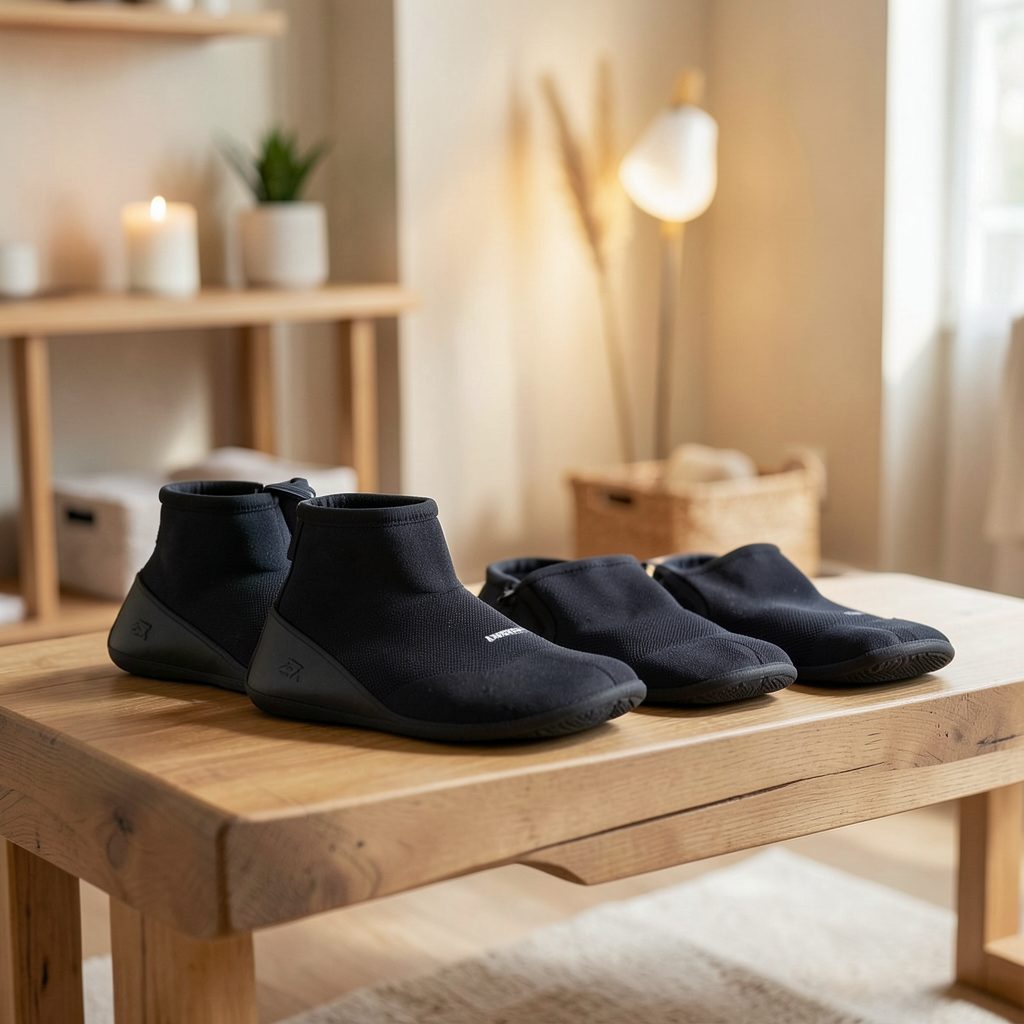
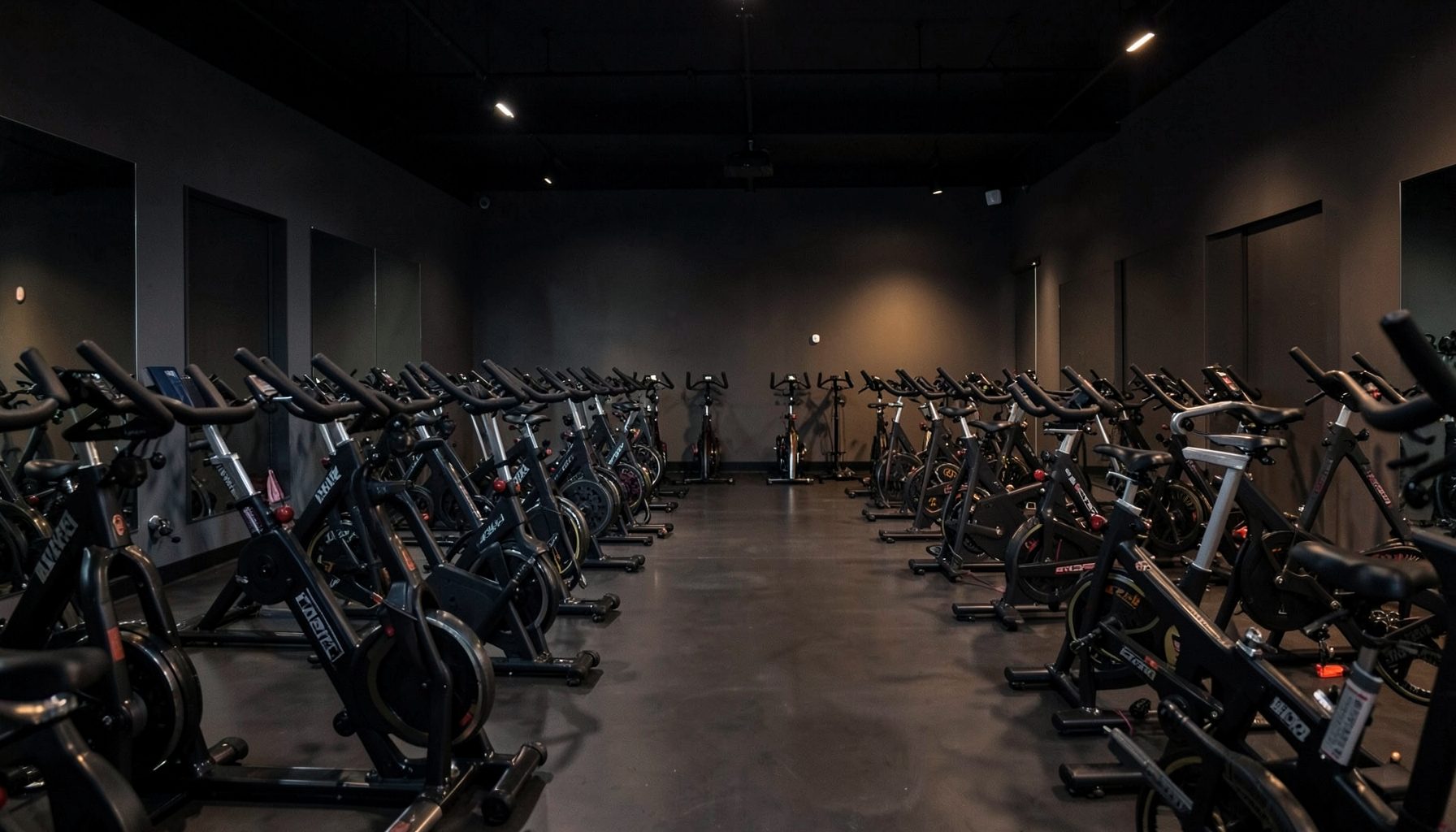
Normatec boot recovery and cryotherapy treatments help athletes bounce back faster. Cycle and spin classes add a cardio dimension to the holistic performance approach.
Have a Question?