Train. Compete. Recover.
A multi-purpose athletic facility in Speedway, Indiana — basketball leagues, skill training, and wellness services all under one roof.
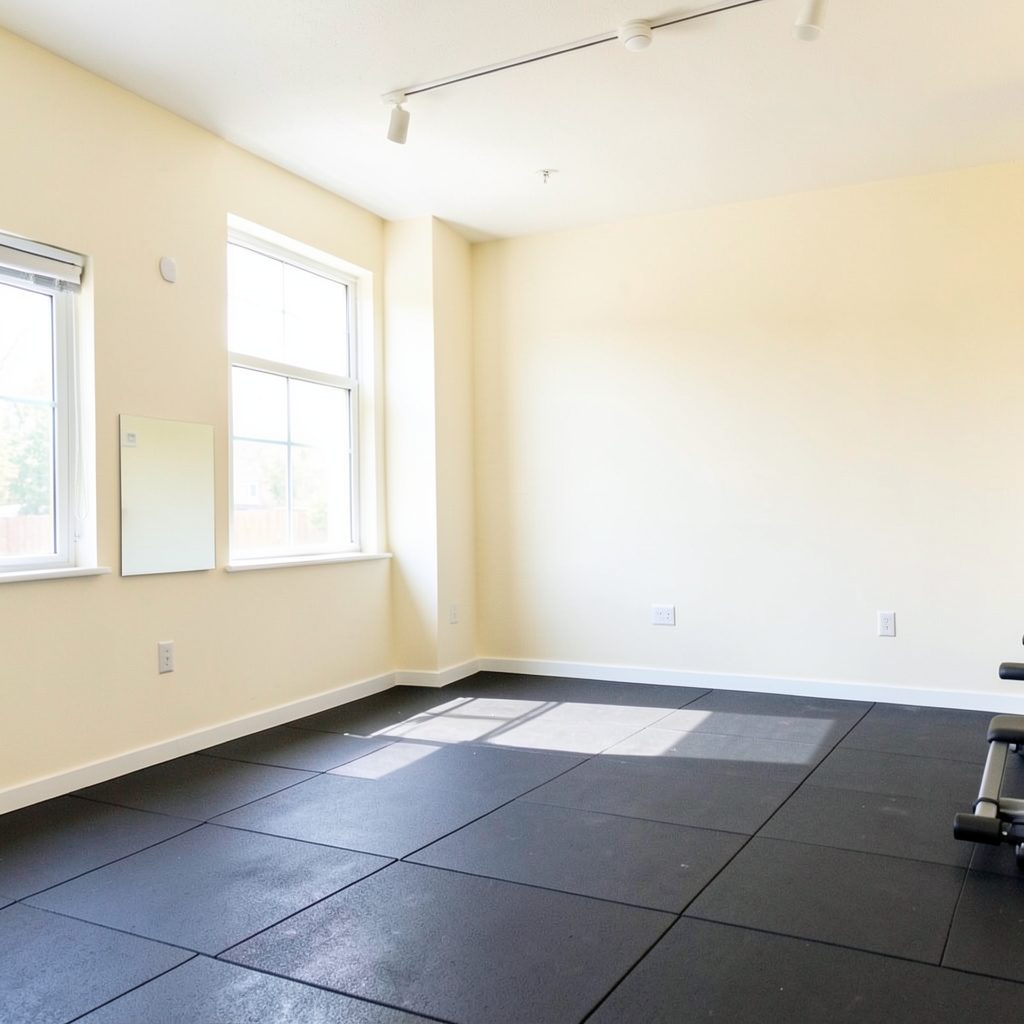
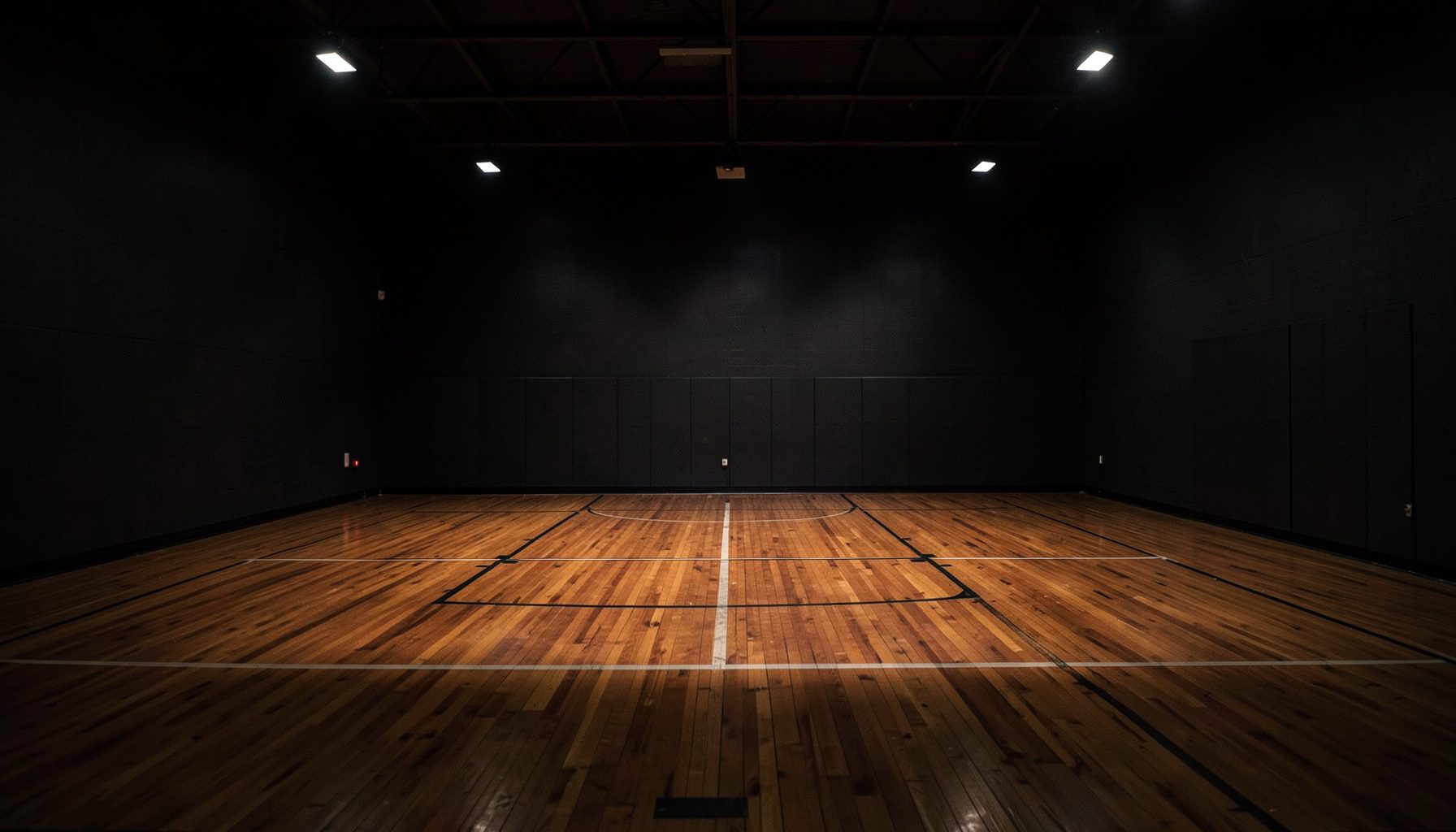
The Factory D1 Indy brings together three entities under one roof: competitive basketball leagues for all age groups, individual and group training, and wellness & recovery services including Normatec boot recovery and cryotherapy. Located off I-465 and High School Road at 6331 Crawfordsville Road, Speedway, Indiana 46224.
Get In TouchWhy Spin Classes Are a Low-Impact Cardio Option for Athletes
Athletes need cardiovascular conditioning, but every workout does not need to involve sprinting, jumping, or repeated contact. Spin classes offer a way to raise the heart rate, build endurance, and challenge the lower body while limiting the pounding placed on joints. That makes indoor cycling useful for basketball players and athletes in many other sports.
A stationary bike also gives participants control over resistance, cadence, and effort. Beginners can develop a foundation at a manageable pace, while experienced competitors can use hill climbs, intervals, and sustained efforts to create a demanding session. The result is adaptable conditioning that can support both performance and long-term training consistency.
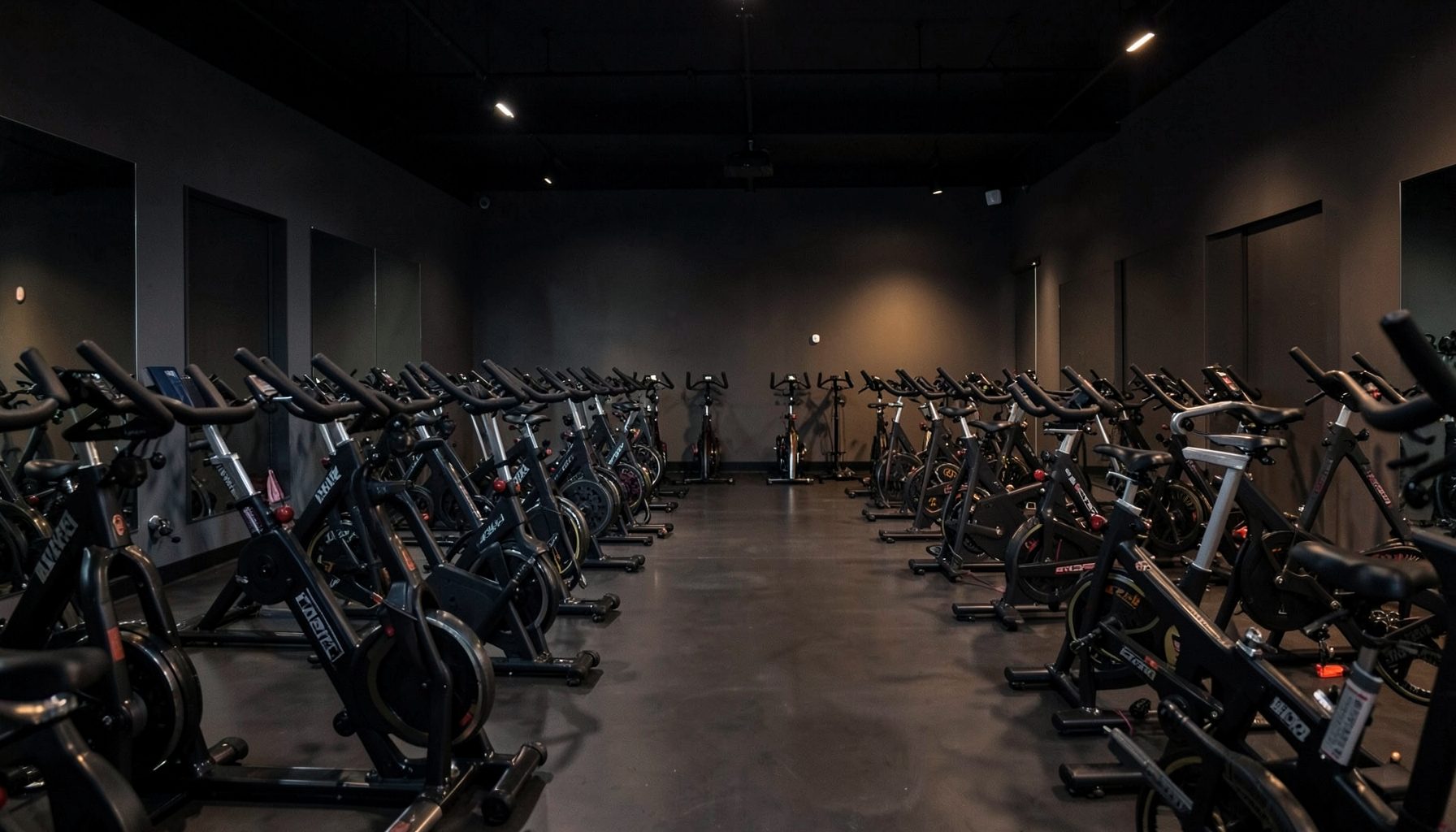
At The Factory D1 Indy, cycling and spin sessions fit into a broader athletic environment that includes basketball development, leagues, and recovery services. The facility’s athletic approach supports athletes who want to train with purpose while balancing conditioning, competition, and wellness.
Less Stress On Joints And Connective Tissue
Running, court drills, and plyometric exercises create repeated impact as the feet strike the ground. That stress can be valuable when programmed correctly, but too much high-impact work may aggravate the knees, ankles, hips, or lower back. Indoor cycling removes the landing phase and keeps the body supported by the bike, creating a smoother cardiovascular stimulus.
The circular pedal stroke also spreads effort across repeated movement rather than sudden takeoffs and stops. Athletes can work hard without subjecting their joints to the same forces associated with road running or jump training. For players managing a busy basketball schedule, that difference can make it easier to add cardio without overwhelming the body.
Low impact does not mean low effort. Increasing resistance or sustaining a faster cadence can produce significant muscular and cardiovascular demand. The bike simply allows athletes to pursue that challenge with less jarring force.
Builds Sport-Specific Conditioning
Spin classes can strengthen the energy systems that athletes rely on during competition. A class may include short surges that resemble repeated defensive possessions, longer climbs that challenge aerobic endurance, or recovery periods that teach the body to settle between hard efforts. These varied intervals can complement practices and strength sessions.
Basketball players, for example, must repeatedly accelerate, recover, and accelerate again. While cycling cannot duplicate cutting or jumping, it can train the ability to produce effort under fatigue and recover efficiently before the next push. That aerobic foundation may help athletes maintain intensity deeper into practices and games.
Indoor cycling is also useful during phases when an athlete needs conditioning but should reduce impact volume. It can support preseason preparation, in-season maintenance, and off-season aerobic development without taking away from technical skill work.
Makes Intensity Easier To Control
A major advantage of a spin bike is immediate resistance adjustment. Riders can respond to their current fitness level, recovery status, and training goal without leaving the workout. A newer athlete may use moderate resistance and steady cadence, while a seasoned competitor can increase the load for demanding intervals.
Instructors can guide a class through warmups, tempo blocks, climbs, sprints, and cooldowns. Athletes still have the ability to reduce resistance or slow their pace when necessary. This flexibility makes group exercise more accessible while preserving enough structure to encourage progress.
Perceived exertion, heart-rate data, and cadence can all help participants monitor intensity. The goal is not to chase maximum effort every time. Some sessions should improve aerobic capacity, while others should provide a lighter conditioning option that supports recovery between harder training days.
Supports Recovery-Friendly Training
A low-impact cardio session can increase circulation and movement without recreating the muscle damage associated with repeated jumping or heavy eccentric loading. Athletes may use easy cycling after demanding practices to keep the legs moving, or choose a moderate class on a day when they need activity without another high-impact workout.
That does not make every spin class a recovery session. A hard interval ride can leave the legs fatigued, especially when resistance is high. The key is matching the class intensity to the larger training plan. A coach or instructor can help athletes distinguish between restorative movement, aerobic development, and high-output conditioning.
When paired with appropriate mobility work, hydration, sleep, and recovery services, cycling can become part of a sustainable weekly routine. At a multi-purpose facility, athletes can coordinate training and wellness habits instead of treating cardio as an isolated task.
How Indoor Cycling Compares With Other Cardio Choices
Different forms of cardio place different demands on the body. The best option depends on the athlete’s sport, current workload, injury history, and conditioning goals. Spin classes stand out because they combine measurable intensity with relatively low impact and a guided group environment.
| Cardio option | Impact level | Main training benefit | Useful consideration |
|---|---|---|---|
| Spin class | Low | Aerobic endurance, leg strength, interval conditioning | Resistance can be adjusted quickly |
| Outdoor running | Moderate to high | Running economy, speed, broad endurance | Requires more impact tolerance |
| Elliptical training | Low | Steady aerobic work with upper- and lower-body involvement | May offer less cycling-specific leg demand |
| Rowing | Low to moderate | Full-body conditioning and power | Technique is important for efficient movement |
| Court sprint drills | High | Acceleration, agility, and sport-specific movement | Adds substantial impact and nervous-system demand |
This comparison shows why indoor cycling works well alongside basketball training rather than replacing every other form of conditioning. Running and court drills remain important for athletes who must sprint, stop, cut, and jump. Cycling fills a different role by developing cardiovascular capacity with less orthopedic stress.
Fits Athletes At Different Fitness Levels
Spin classes can serve a wide range of participants because the bike does not impose one fixed pace on everyone. Riders choose their resistance and cadence, which allows a mixed group to train together while working at different absolute intensities. That makes the format suitable for youth athletes building confidence, adults returning to exercise, and competitive players seeking additional conditioning.
The group setting can also improve consistency. Music, instructor cues, and shared effort create a structured experience that may feel more engaging than completing a solo cardio workout. Athletes learn to pace themselves, respond to changing demands, and stay committed through challenging intervals.
For those who play in organized competition, cycling can complement the competitive opportunities available through basketball leagues. A balanced schedule might combine practices, games, strength training, spin sessions, and recovery work according to the athlete’s age and performance demands.
Uses Proper Form To Protect The Body
Although cycling is joint-friendly, setup and technique still matter. The seat should allow a slight bend in the knee at the bottom of the pedal stroke, while the handlebars should support a comfortable posture without excessive rounding through the back. Athletes should keep their feet secure and avoid forcing a cadence that causes the hips to rock.
Resistance should be heavy enough to maintain control but not so high that the knees collapse inward or the rider strains to turn the pedals. Smooth movement is more valuable than chasing a number. Beginners can start conservatively and increase workload as their technique and tolerance improve.
A proper warmup prepares the hips, knees, and cardiovascular system for harder efforts. Cooling down with easy pedaling gives breathing and heart rate time to return toward normal. These simple habits help athletes gain the benefits of indoor cycling while reducing avoidable discomfort.
Spin classes provide an effective low-impact cardio option for athletes who need endurance, leg conditioning, and training variety without adding constant pounding. They can help build an aerobic base, support recovery-focused movement, and create a controlled path toward greater intensity.
Schedule a spin session at The Factory D1 Indy and make indoor cycling part of a broader plan for training, competition, and athletic wellness. With consistent effort and the right intensity, every ride can contribute to stronger conditioning and more durable performance.
Inside The Factory

Three Entities, One Roof
Leagues
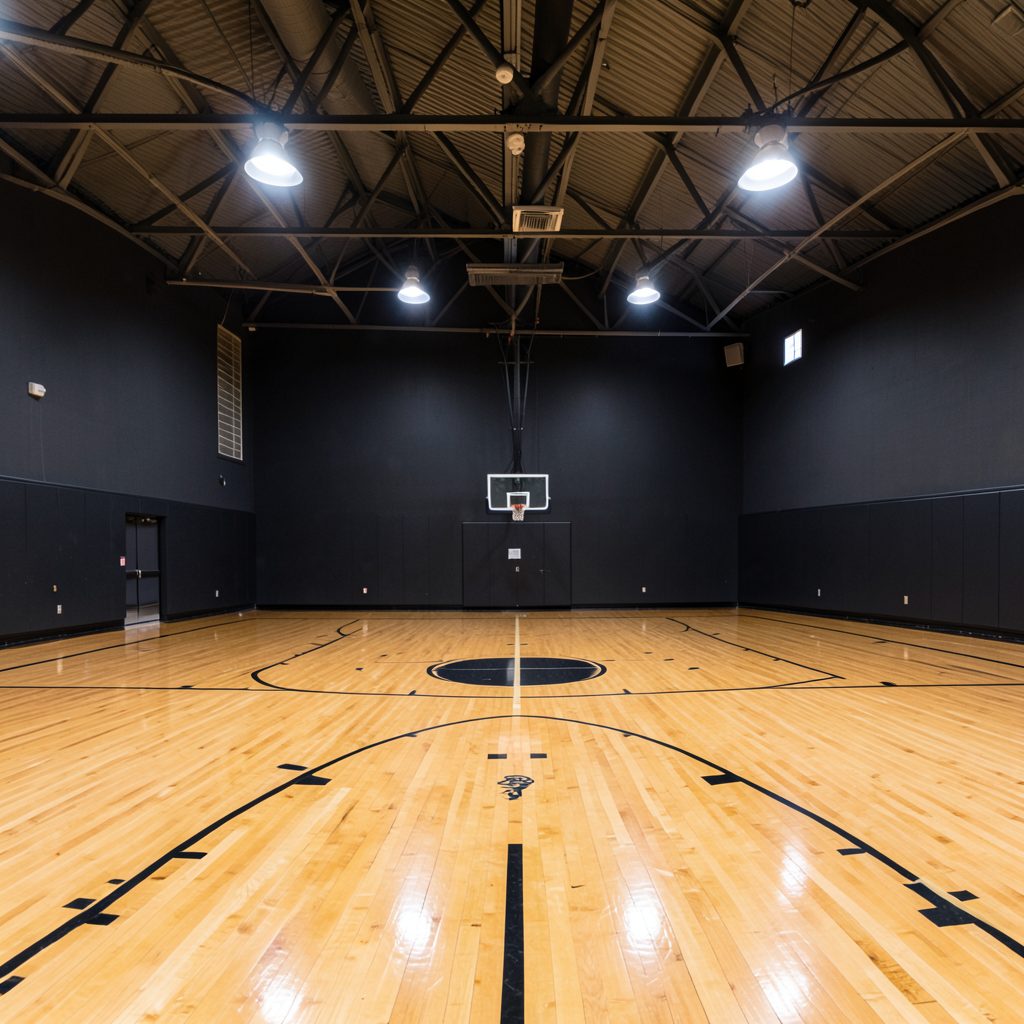
Eight league divisions span every age group: Indy Pro AM, 18+ Open Men's, 30+ Men's, Bite Size (ages 3–6), Impact League, 5th/6th Grade, Middle School, and High School. Gather your team and compete.
Training
Individual and group basketball training for all skill levels. Major M.O.V.E.S. Basketball Training serves ages 4–7 on Wednesday and Thursday evenings at 6:30 PM — $30 per session or $100 unlimited monthly.
Wellness & Recovery
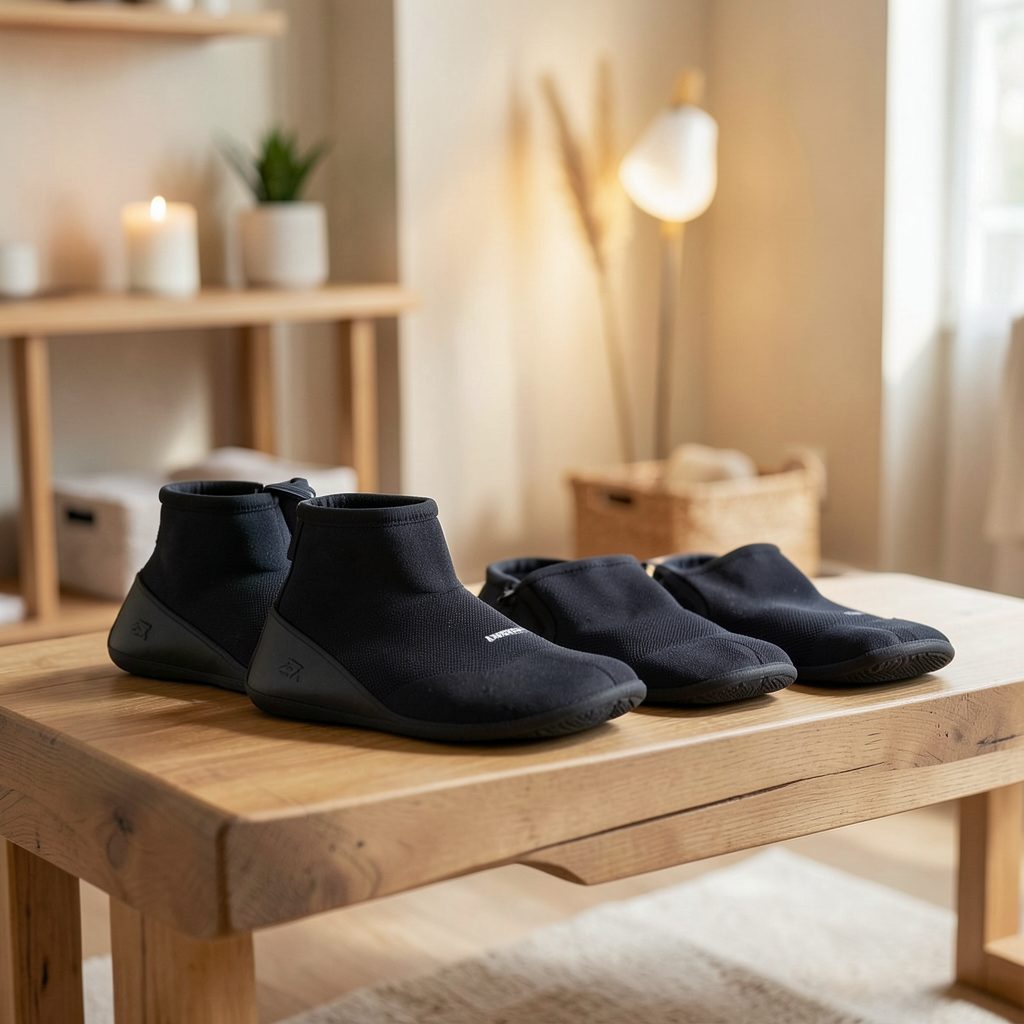
Normatec boot recovery and cryotherapy treatments help athletes bounce back faster. Cycle and spin classes add a cardio dimension to the holistic performance approach.
Have a Question?