Train. Compete. Recover.
A multi-purpose athletic facility in Speedway, Indiana — basketball leagues, skill training, and wellness services all under one roof.
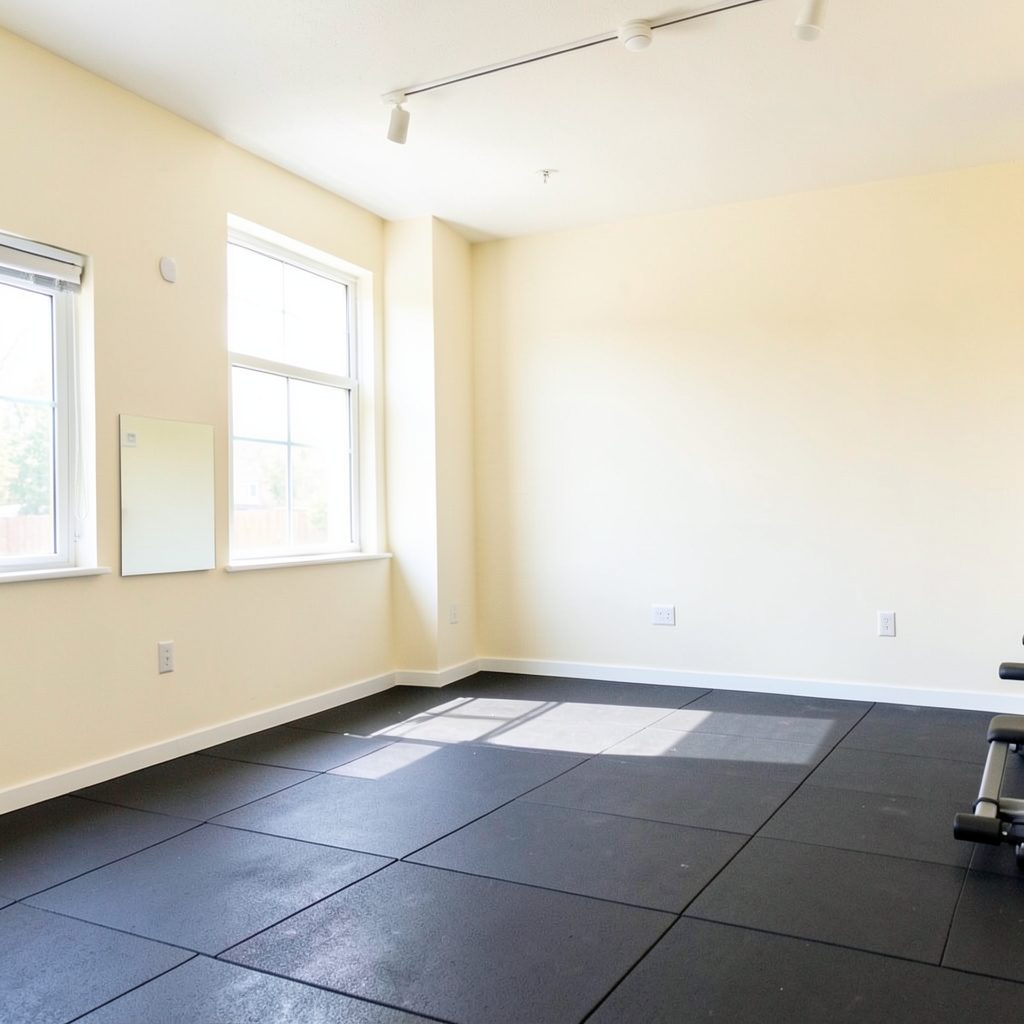
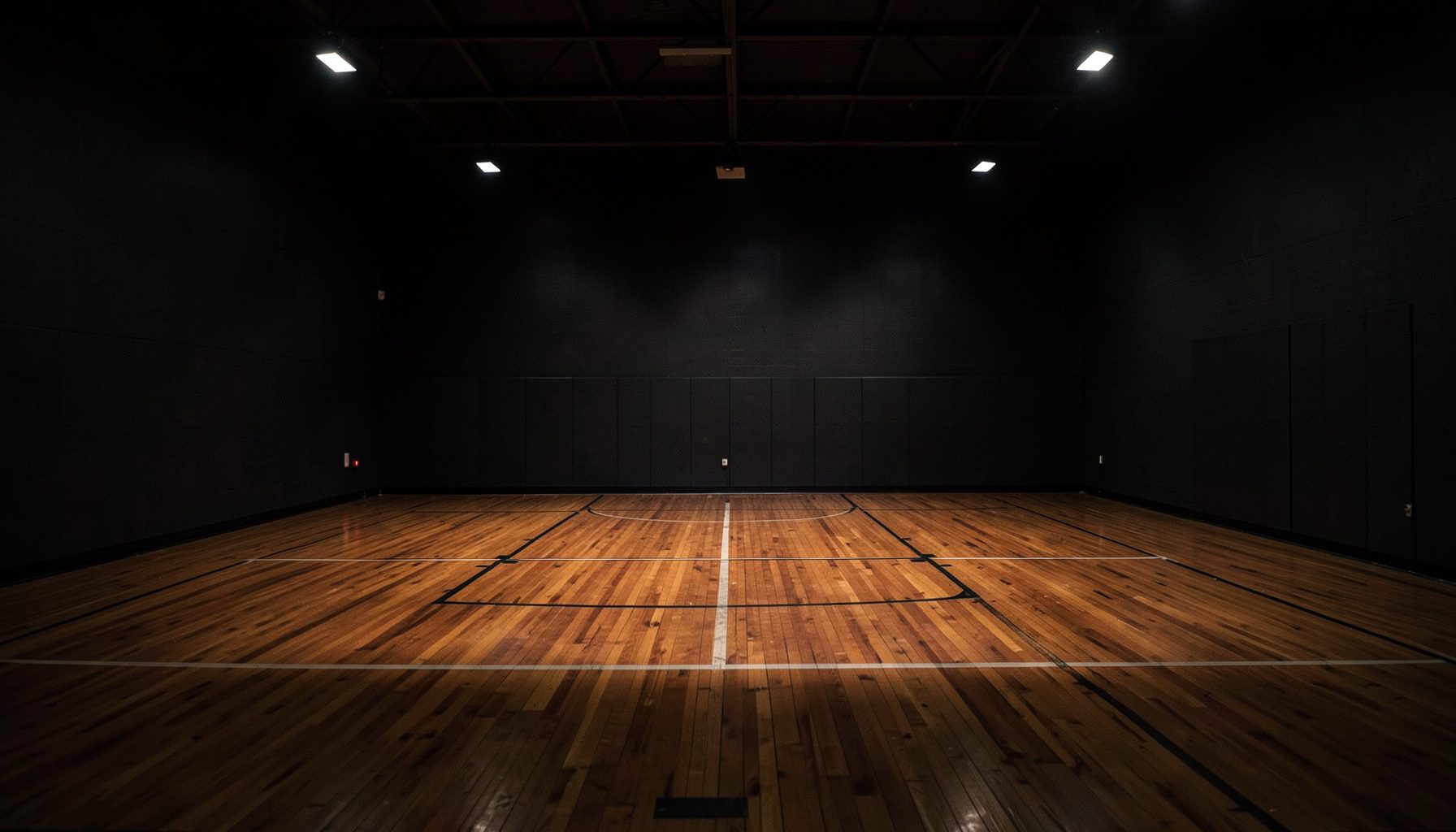
The Factory D1 Indy brings together three entities under one roof: competitive basketball leagues for all age groups, individual and group training, and wellness & recovery services including Normatec boot recovery and cryotherapy. Located off I-465 and High School Road at 6331 Crawfordsville Road, Speedway, Indiana 46224.
Get In TouchWhy basketball players should hit spin class for cross-training
Basketball is one of the most physically demanding team sports on the planet, asking athletes to sprint, jump, pivot, and grind through contact for forty-plus minutes at a stretch. Smart players know that the work they put in off the court shapes what they can do on it, which is why so many serious hoopers spend their off-season chasing every training edge they can find. Adding a structured indoor cycling session to the weekly routine is one of the smartest cross-training moves a basketballer can make, building the engine required for elite competition while keeping the body fresh for the next court session.
In Australia especially, where basketball ranks among the fastest-growing participation sports and the NBL draws big crowds from Hobart to Cairns, athletes are always looking for ways to stay ahead of the pack. Spin studios have exploded across the country, from converted warehouses in Fitzroy to beachside studios in Bondi, and the format fits neatly into a busy training calendar. For ballers weighing up their next conditioning block, indoor cycling deserves a serious look.
Cardiovascular gains without the pavement pounding
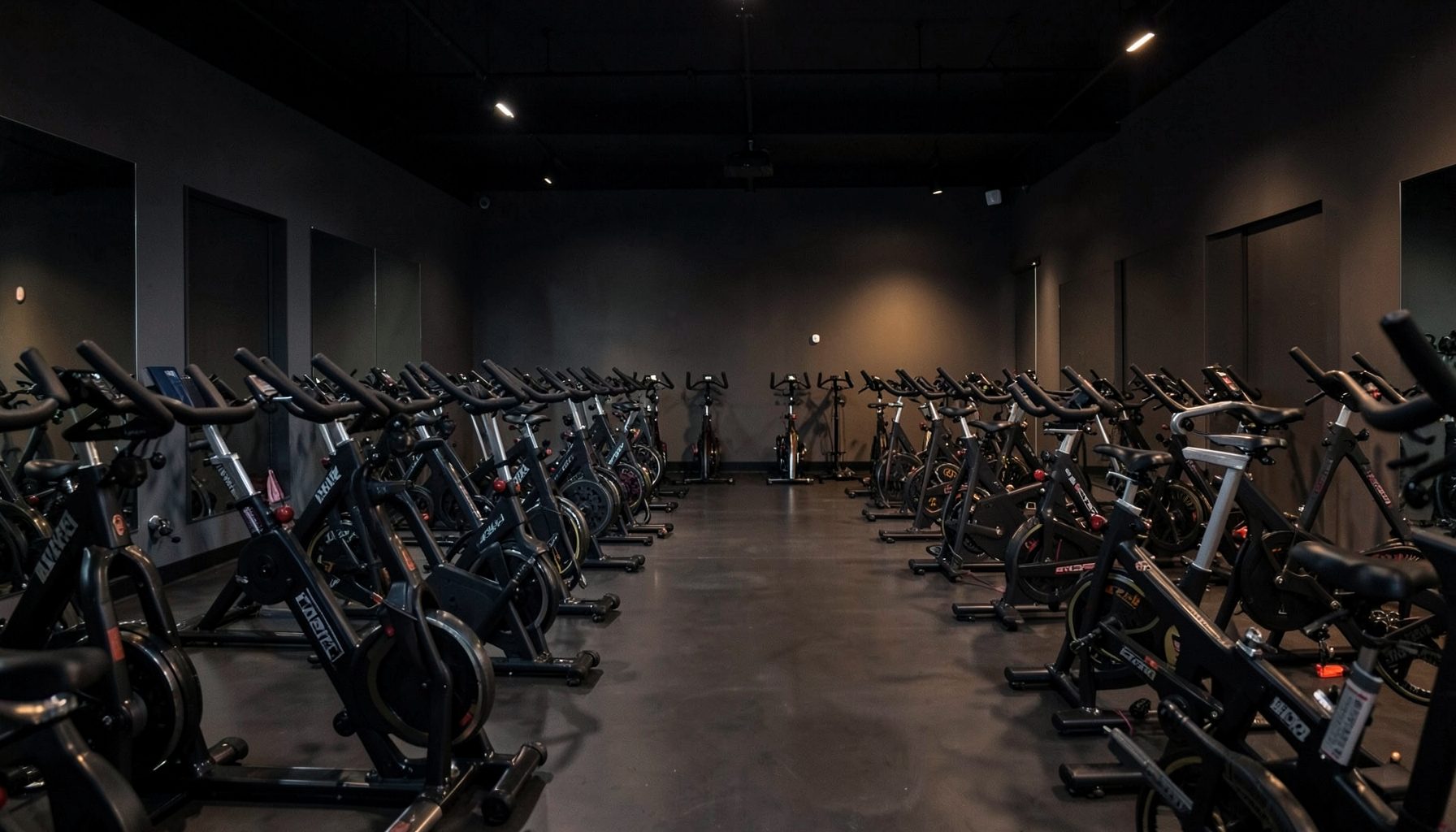
A standard basketball shift involves roughly a hundred short bursts of high-intensity effort, with active rest and recovery mixed in between. That interval-style demand asks a lot from the heart, lungs, and aerobic base, and there is only so much work a player can log on the hardwood before the joints start to ache. Indoor cycling offers a near-perfect way to develop that cardio engine while keeping the ankles, knees, and hips relatively unloaded. A forty-five-minute spin class can torch serious calories and push the heart rate into the same zones a five-on-five game requires, without the constant stopping and starting that leaves the shins sore.
Cyclists who ride regularly tend to develop strong, efficient quadriceps and hamstrings, but the seated position also encourages a deeper, more controlled breathing pattern that translates well to the constant chatter of a point guard calling out a play. Players who struggle to keep their breath during long transition runs often find that a few weeks of steady spin work makes those back-and-forth sprints feel noticeably easier. The bike also lets a player dial in the resistance and cadence to suit the focus of a session, whether the goal is steady-state endurance or hill-repeat intensity.
Lower-body strength that complements the hardwood
Explosiveness off one foot, the ability to change direction on a dime, and the leg drive needed to rise up for a contested finish at the rim all live in the lower body. While heavy squat racks and plyo boxes have their place, the bike offers a lower-impact way to build the muscular endurance needed to keep that power output high deep into the fourth quarter. Climbing out of the saddle on a heavy gear hammers the glutes, hamstrings, and calves in a way that mirrors the repeated drive phase of a rebounding sequence.
There is also a useful balancing effect. Basketball is famously quad-dominant, and the constant jumping can leave the posterior chain, particularly the hamstrings and glutes, lagging behind. A steady dose of indoor cycling encourages balanced development between the front and back of the thigh, which may help reduce the kind of soft-tissue strains that sideline players during a finals run. For anyone logging big minutes on the wing, even one or two weekly sessions can pay dividends when the legs start to feel heavy late in a tight game.
Mental reset and active recovery between sessions
Hoopers know the feeling of waking up the morning after a hard game with legs that feel like concrete. Sliding into complete rest for a week rarely fixes the issue, and the body often responds better to light, rhythmic movement that promotes blood flow without piling on more stress. A gentle spin session, kept at conversational pace, can flush the legs, calm the nervous system, and clear the head in a way that staring at the ceiling rarely manages.
The dim lighting, thumping playlist, and group energy of a typical studio class also gives the mind somewhere to land outside the constant tactical thinking basketball demands. Many athletes find that stepping away from a ball for forty minutes actually sharpens their focus when they return to the court, because the brain has had a chance to switch contexts. It is a small change, but small changes compound across a long season, especially for athletes juggling club commitments, rep fixtures, and the usual pre-season grind.
How indoor cycling slots into an Aussie training week
Spin culture in Australia has moved well beyond the early boutique studios and into the mainstream, with major chains and independent operators running classes from sunrise to late arvo in most capital cities. A player living in Brisbane might pop into a studio near the Riverwalk before heading to training, while someone based in Sydney could catch a session in Surry Hills or Paddington between work and a club run. The format is built for busy schedules, with most sessions clocking in at forty-five minutes and requiring nothing more than a towel and a water bottle.
The social element matters too. Group classes create accountability, and chasing a wattage score or holding a target cadence adds a layer of friendly competition that mirrors the energy of a contested pick-up game at a local stadium. Plenty of Australian basketballers have built weekly rituals around a regular class, treating it the way a surfer treats a dawn check of the swell. It becomes less of a chore and more of a habit, which is exactly what consistent conditioning requires.
Pairing spin with complementary body work
Cycling by itself is not a complete conditioning program, and the smartest athletes pair their indoor sessions with other modalities that target the gaps bike work leaves behind. Mobility, breathwork, and guided recovery all play a role in keeping a basketballer moving well across a long calendar, and combining steady cycling with a focused recovery practice can keep the body humming through heavy fixture blocks. Some players add structured breath-focused movement, including approaches that draw on ayurvedic principles for balancing the body's natural rhythms, to round out their weekly plan.
Players interested in exploring that kind of complementary work can dig deeper through resources like this overview of dosha-balancing practices, which walks through how different movement styles suit different body types. Pairing the steady effort on the bike with a focused recovery practice off it tends to produce a more balanced athlete, and the combination is one many elite Australian basketballers swear by during heavy fixture windows.
Building habits that pay off for years
Cross-training choices made in a player's teenage years often shape the kind of athlete they become as an adult. Introducing indoor cycling early, alongside the usual mix of court skills, strength work, and recovery, builds a fitness base that supports whatever level of competition the player ends up chasing. A teenager who treats the bike as a tool rather than a punishment is far more likely to stick with the habit when the calendar fills up with rep games and travel.
Programs that keep the joy in the game during those early years often shape how players view movement for the rest of their lives, and the same friendly, low-pressure approach can be applied to building a spin habit. Parents and coaches looking for ideas on keeping the fun front and centre can take a look at The Factory D1 Indy's youth basketball pathways for inspiration. The takeaway is the same whether the activity is shooting drills or steady cycling: the players who enjoy the work tend to be the ones who keep showing up.
The same logic applies to adults balancing weekend club basketball with work and family. Forty-five minutes on the saddle is an easy sell compared with a five-kilometre run in thirty-degree heat, and the controlled environment of a studio means the session happens rain, hail, or shine, regardless of what the cricket score looks like at the SCG. Over a full pre-season, that consistency compounds into real gains on the hardwood, and the players who build the habit earliest are usually the last ones standing when the ladder matters most.
The next move is simple. Pull up the schedule at your nearest spin studio, lock in a class this week, and treat it like any other non-skippable block in the diary. The aerobic gains, balanced leg strength, and mental reset will show up on the court sooner than most players expect, and the habit is one that travels from weekend rep games all the way to the biggest stage of the season.
Inside The Factory
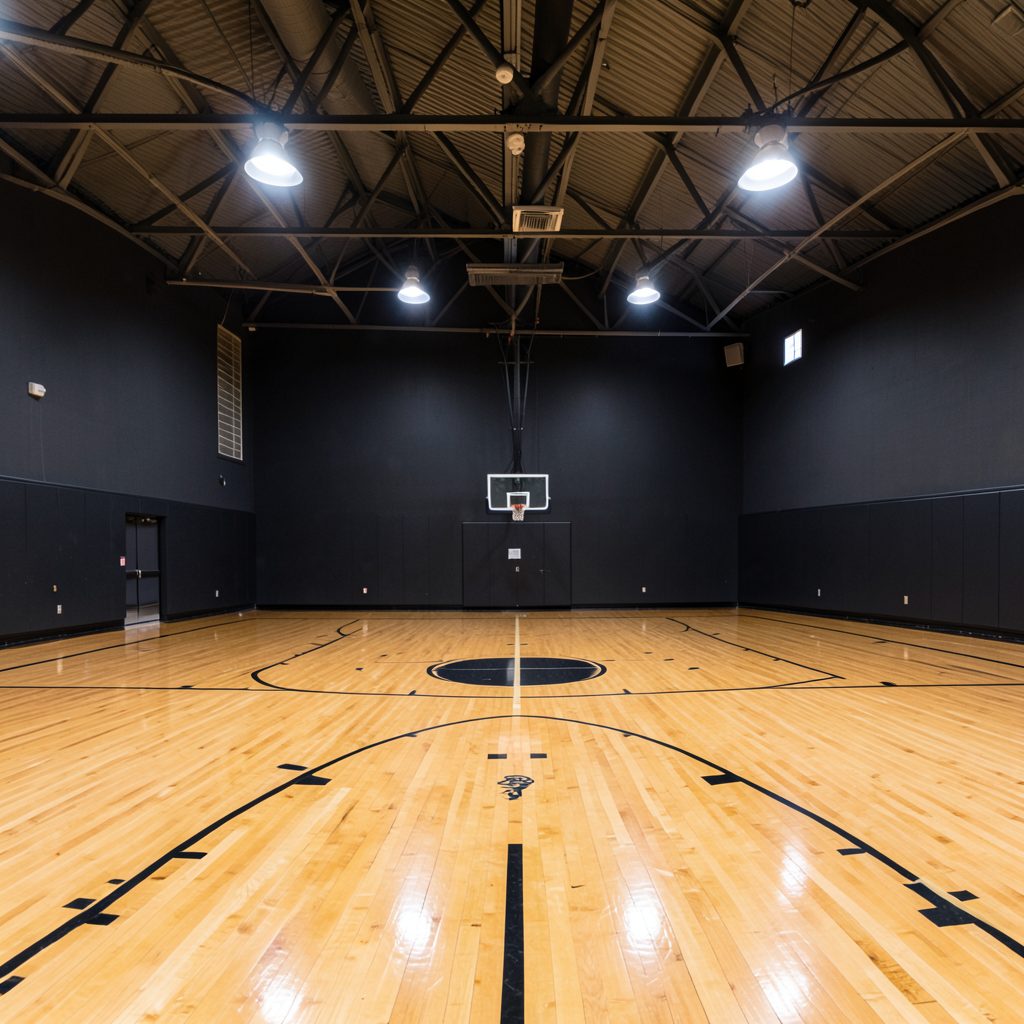

Three Entities, One Roof
Leagues
Eight league divisions span every age group: Indy Pro AM, 18+ Open Men's, 30+ Men's, Bite Size (ages 3–6), Impact League, 5th/6th Grade, Middle School, and High School. Gather your team and compete.
Training
Individual and group basketball training for all skill levels. Major M.O.V.E.S. Basketball Training serves ages 4–7 on Wednesday and Thursday evenings at 6:30 PM — $30 per session or $100 unlimited monthly.
Wellness & Recovery
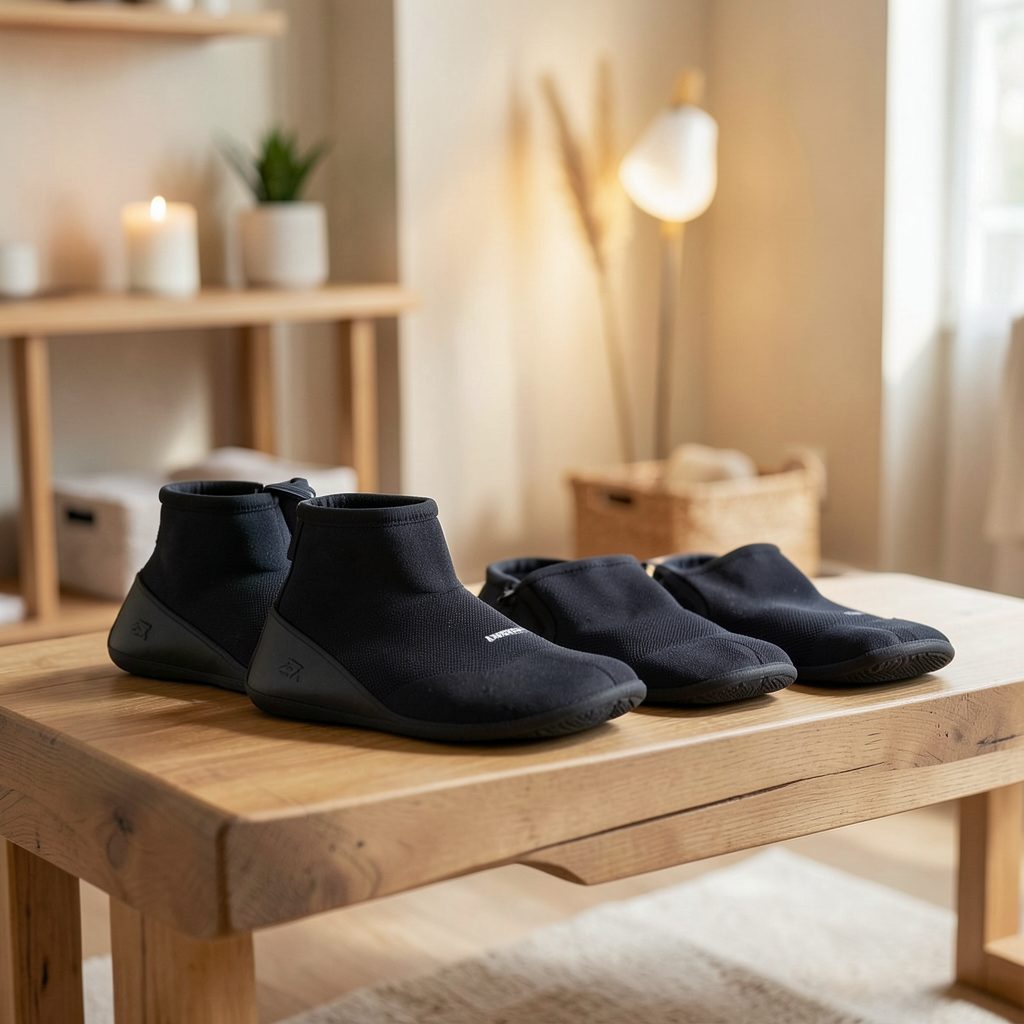
Normatec boot recovery and cryotherapy treatments help athletes bounce back faster. Cycle and spin classes add a cardio dimension to the holistic performance approach.
Have a Question?