Train. Compete. Recover.
A multi-purpose athletic facility in Speedway, Indiana — basketball leagues, skill training, and wellness services all under one roof.
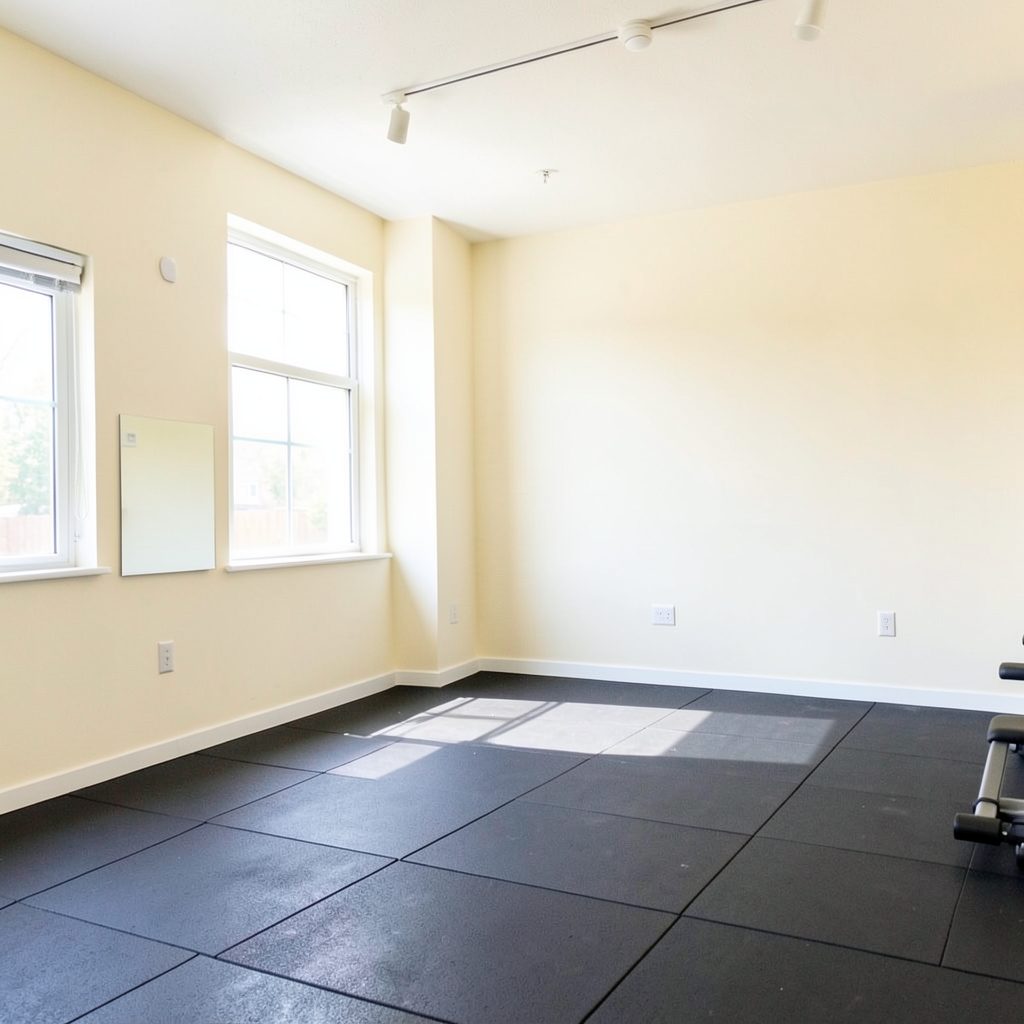
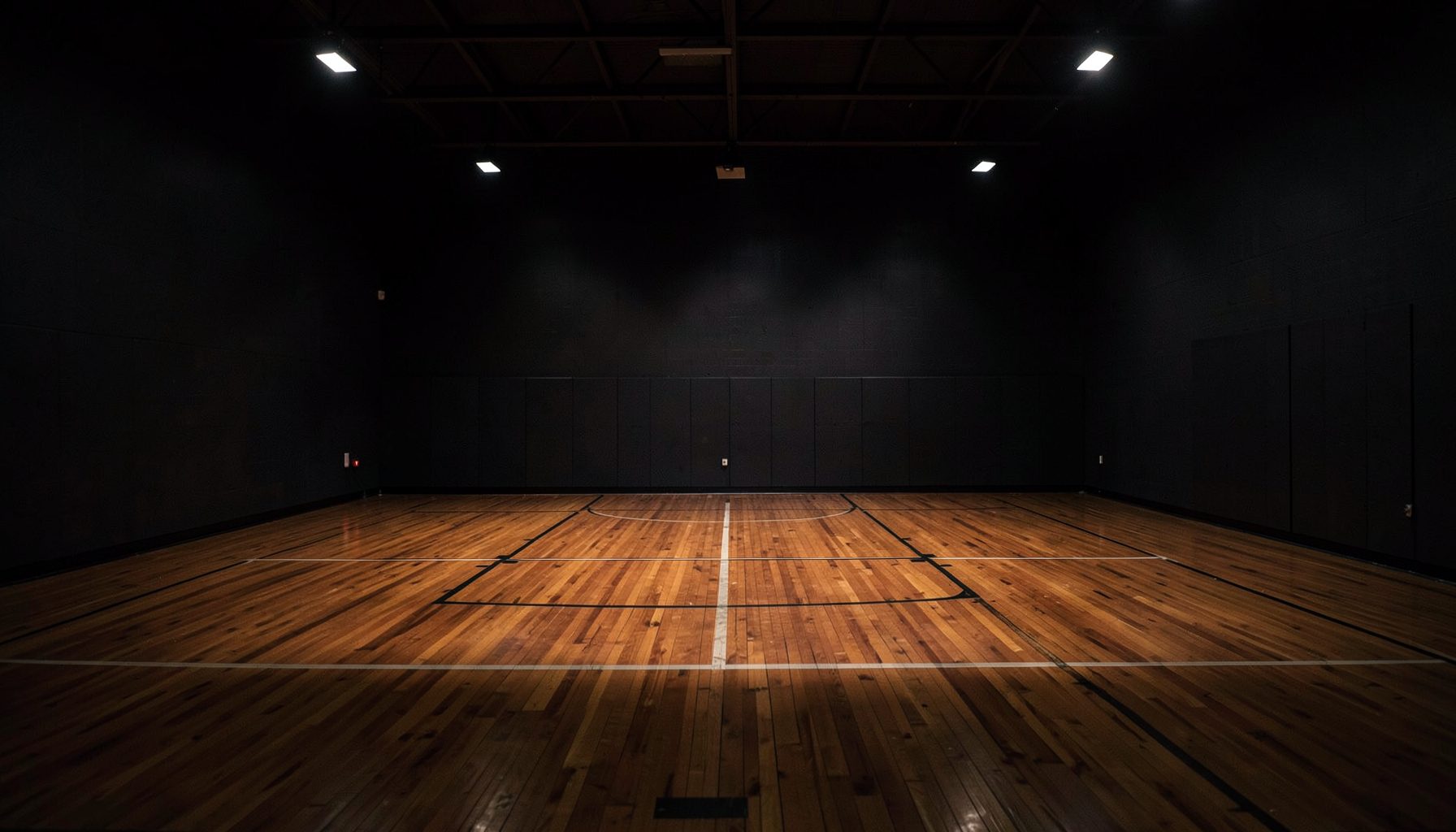
The Factory D1 Indy brings together three entities under one roof: competitive basketball leagues for all age groups, individual and group training, and wellness & recovery services including Normatec boot recovery and cryotherapy. Located off I-465 and High School Road at 6331 Crawfordsville Road, Speedway, Indiana 46224.
Get In TouchWhy we recommend cycling as a low-impact recovery activity for hoopers
Basketball recovery has to do more than stop moving. After shooting drills, scrimmages or travel, athletes need a way to keep the heart and circulation working without repeating the sharp jumps, cuts and landings that irritate tired joints. Stationary cycling provides that middle ground: rhythmic, low-impact cardio that can be adjusted to the athlete rather than the other way around.
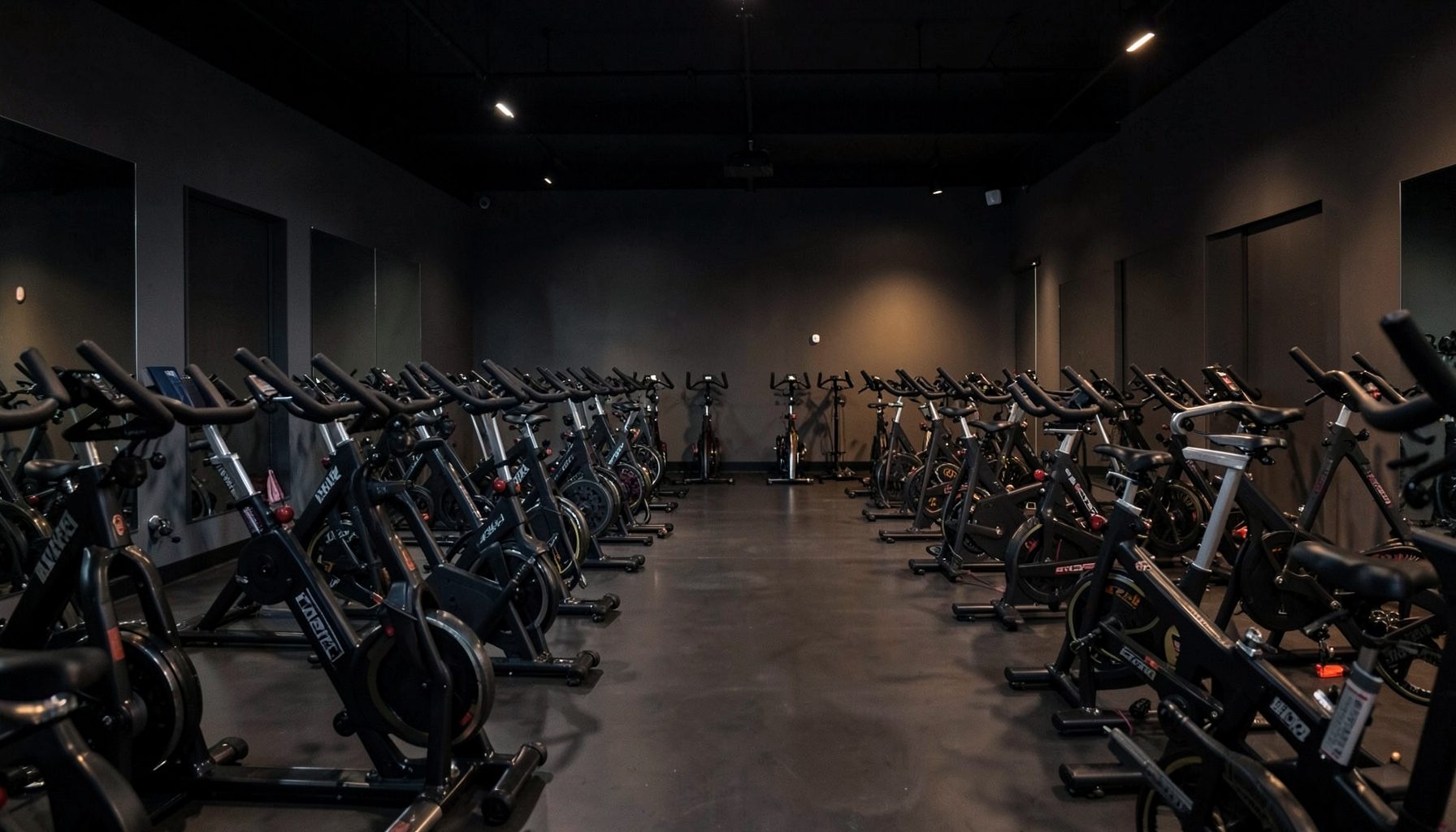
At The Factory D1 Indy, indoor cycle and spin classes complement basketball skills work, competitive leagues, Normatec compression therapy and cryotherapy. The same pairing works well for Australian hoopers, from junior development players to adults in pick-up competitions, because it gives recovery a practical place in the weekly plan instead of leaving it as an afterthought.
Why cycling fits between basketball sessions
Cycling is particularly useful on the day after a demanding practice or between two games in a busy weekend. A steady ride raises the heart rate, moves blood through the legs and can ease the sensation of stiffness without adding the downward impact of running or repeated box jumps. It also gives players a chance to review footwork or tactics mentally while the body works at a manageable pace.
The activity is also easy to scale. A beginner can use almost no resistance and keep the pedals turning, while a conditioned athlete can add hills or a longer ride for a steadier aerobic stimulus. That flexibility makes cycling useful across early-childhood programmes, youth training and adult leagues, where readiness and recovery demands can differ considerably.
What low-impact loading means for joints and muscles
Low impact describes the joints, not the workout. The hips and knees still flex, the quadriceps and calves still contract, and the cardiovascular system still adapts. Unlike running, cycling does not require the body to absorb a landing for every stride, so it can reduce cumulative load on the ankle, shin, knee and patellar tendon when an athlete is already sore.
That reduced impact can support active recovery by maintaining movement and calorie expenditure while limiting jarring forces. It may also feel psychologically easier than another court session, which matters when fatigue has reduced focus. However, an aggressive sprint class can still create heavy muscular and cardiovascular stress, so the ride must remain genuinely easier than a hard practice.
Building a recovery ride that works
A simple session starts with five to eight minutes of easy pedalling, followed by 20 to 35 minutes at a conversational pace, then a gradual five-minute cool-down. On the perceived-exertion scale, most recovery rides sit around three to four out of ten: breathing is faster than rest, but a full sentence is still comfortable. Add time gradually rather than chasing distance on the first ride.
Place the session after high-intensity basketball work, not in the middle of it, and avoid stacking another hard session immediately afterward. Athletes returning to structured gym work can use a brief guide to beginner training basics to set sensible expectations, while coaching or a physiotherapist can tailor the plan to injuries and training history.
Technique intensity and smart progression
Set the saddle so the hips can stay stable through the pedal stroke, and keep a soft bend in the elbows. Use light enough resistance to maintain smooth circles rather than pushing and grinding. Most people settle into a comfortable cadence of roughly 70 to 90 revolutions per minute; the right range is the one that feels controlled and allows an easy breathing rhythm.
Progress one variable at a time: add five minutes, a modest hill or a little more resistance, then hold the new level for several sessions before increasing again. Avoid stacking hard intervals on a recovery day. If the rider cannot speak normally, loses form, feels dizzy or notices unusual pain, ease off or stop, since a recovery ride should leave energy intact rather than consume it.
Recovery practices beyond cycling
Recovery continues after the ride. Normalise with water and include a carbohydrate-rich meal or snack when the next meal is hours away; a practical post-training choice in Australia is toast with banana and yoghurt, or a sandwich with milk protein. Sleep remains the strongest biological recovery tool, so aim for a consistent bedtime rather than treating an extra spin as a substitute for rest.
The recovery services at The Factory D1 Indy can support that broader approach. Normatec compression may help players feel less stiff after heavy lower-body work, while cryotherapy offers a short, controlled cooling option. These tools are not magic erasers, and evidence varies, but they can work well alongside easy movement, good nutrition and a sensible training load.
Why the plan suits Australian athletes
Australian cities make cycling a familiar part of everyday life. Separated paths and bike-share schemes support short trips in Melbourne, Sydney, Brisbane, Adelaide and other metropolitan centres, while weekend riders often use river routes and rail trails. That culture makes an easy spin feel accessible, even for people who do not see themselves as cyclists, and home trainers give another option after work.
Climate and regulation still shape the choice. Brisbane’s heat and humidity can make an outdoor ride uncomfortable, while Melbourne’s rapidly changing weather can disrupt plans, so an indoor bike offers a predictable environment. The Australian market also includes boutique spin studios, conventional gyms and smart trainers. On the road, rules are set by each state or territory: a compliant pedal-assist e-bike is generally capped at 25 km/h, but helmet, path-access and registration duties vary, so riders should check local requirements.
When to modify or seek advice
Some athletes need a modified version. Fresh ankle or knee injuries, post-operative restrictions and symptoms that worsen with knee flexion should be assessed before cycling. A qualified physiotherapist can advise on range of motion, resistance and session length, particularly during a return-to-play plan. Cycling can complement rehabilitation, but it does not diagnose or replace clinical care.
Persistent fatigue, a very high resting heart rate, disturbed sleep or declining performance may signal that training load is too high. Stop exercising and seek medical advice for chest pain, fainting, severe shortness of breath or other acute symptoms. Players planning to return after concussion or a serious lower-body injury need individual clearance. For everyone else, the best ride is the one that restores readiness for the next basketball session.
For players who want recovery to support organised competition, The Factory D1 Indy offers leagues from early-childhood divisions through adult play. Complete league registration and then speak with the coaching team about matching training frequency to the competition schedule.
Start with one practical change: schedule a 30-minute easy ride after your next demanding basketball session, keep the resistance light, and note how your legs and energy feel over the following 24 hours. If the ride feels restorative and the next court session is sharp, you have found a useful rhythm.
Contact The Factory D1 Indy to ask about cycle and spin class times, recovery services and the appropriate league for your age or ability. Build a repeatable routine around manageable movement, purposeful competition and recovery that supports your basketball throughout the Australian season.
Inside The Factory

Three Entities, One Roof
Leagues
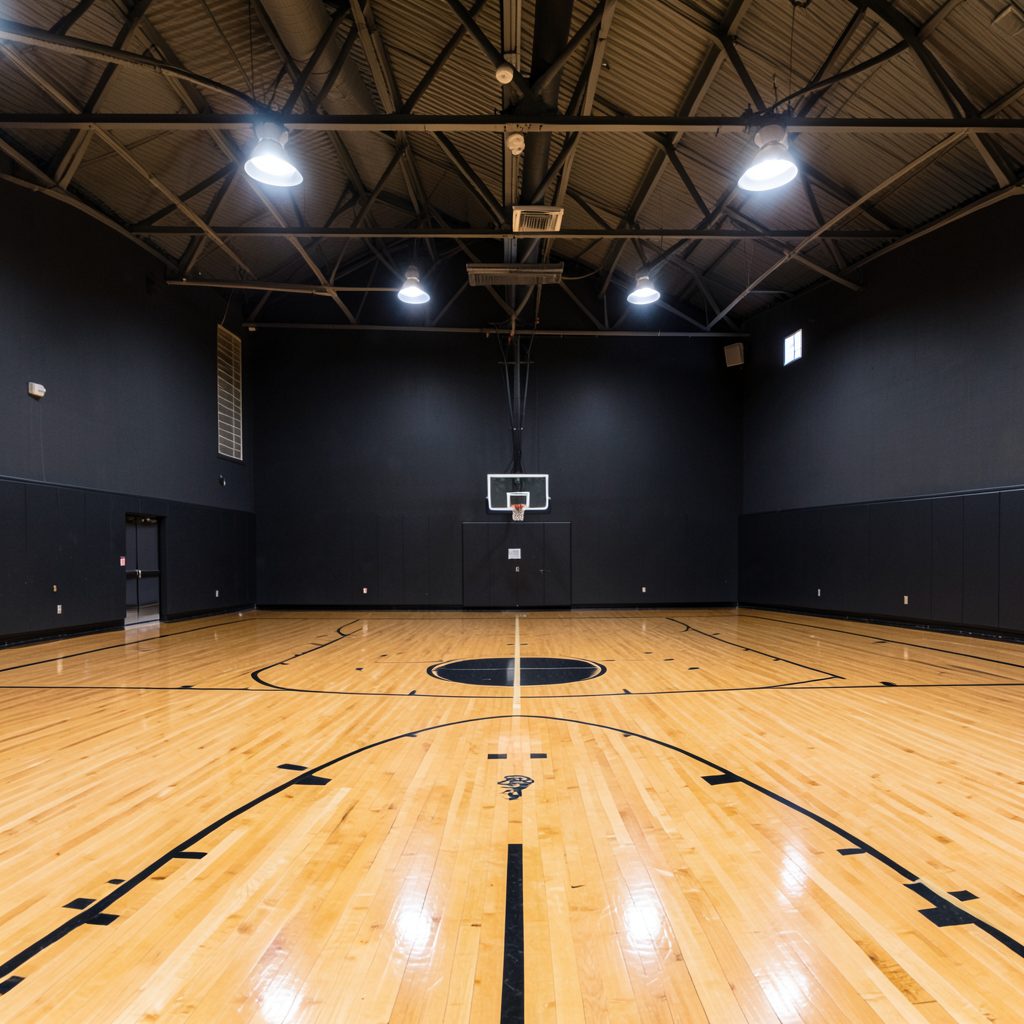
Eight league divisions span every age group: Indy Pro AM, 18+ Open Men's, 30+ Men's, Bite Size (ages 3–6), Impact League, 5th/6th Grade, Middle School, and High School. Gather your team and compete.
Training
Individual and group basketball training for all skill levels. Major M.O.V.E.S. Basketball Training serves ages 4–7 on Wednesday and Thursday evenings at 6:30 PM — $30 per session or $100 unlimited monthly.
Wellness & Recovery
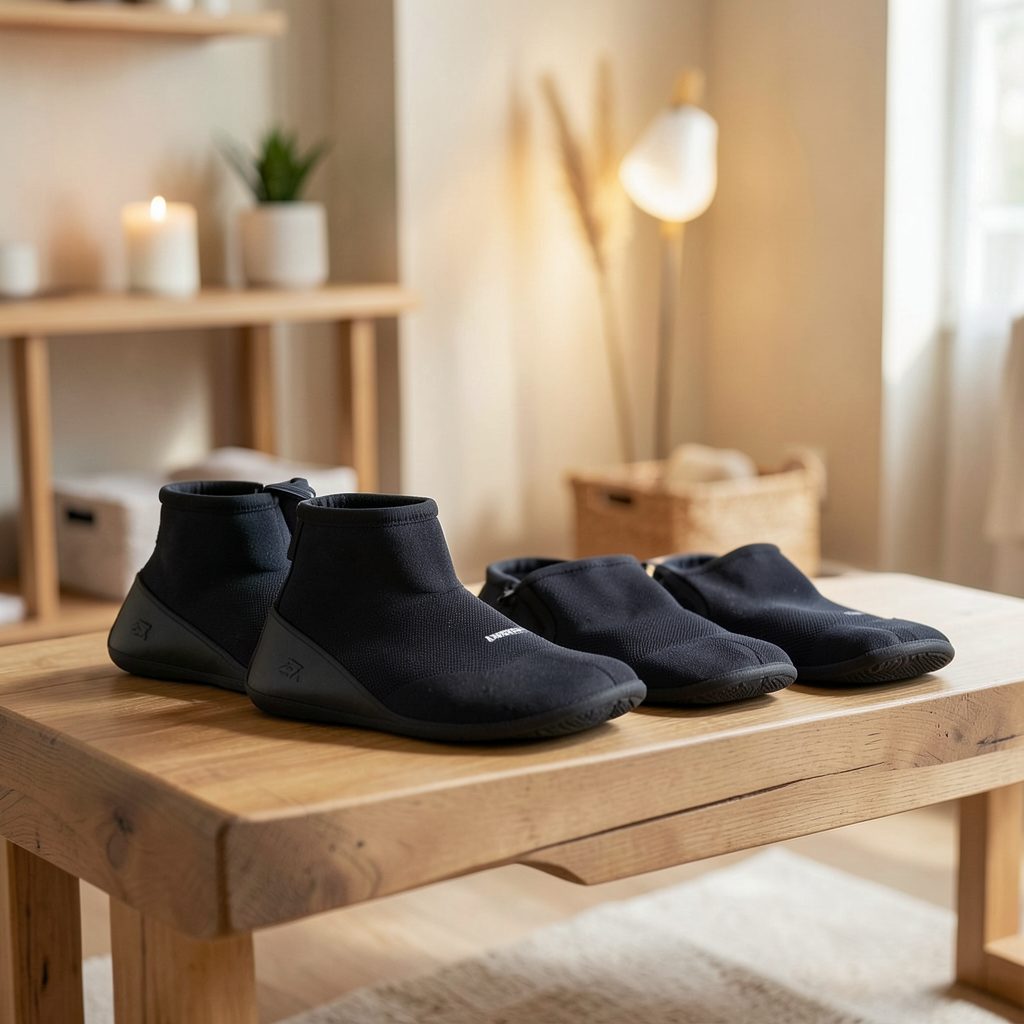
Normatec boot recovery and cryotherapy treatments help athletes bounce back faster. Cycle and spin classes add a cardio dimension to the holistic performance approach.
Have a Question?