Train. Compete. Recover.
A multi-purpose athletic facility in Speedway, Indiana — basketball leagues, skill training, and wellness services all under one roof.
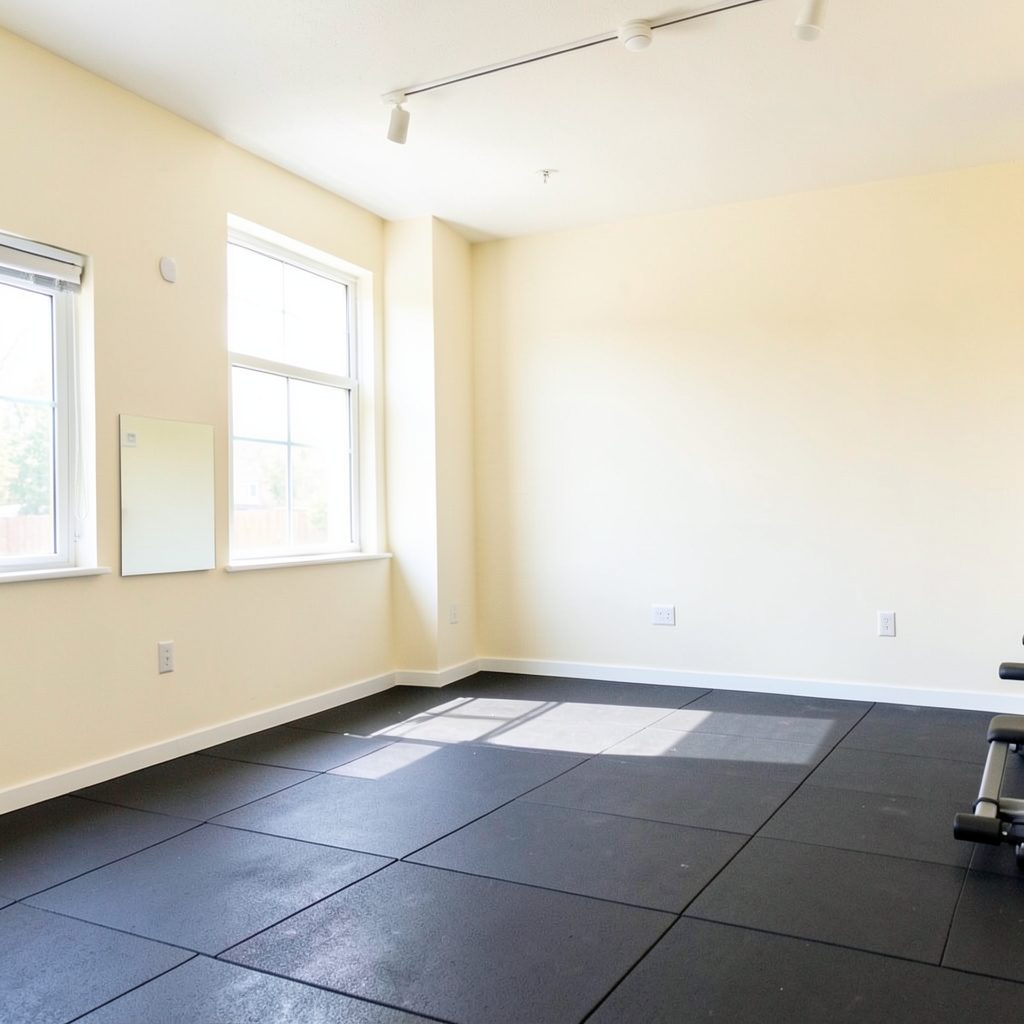
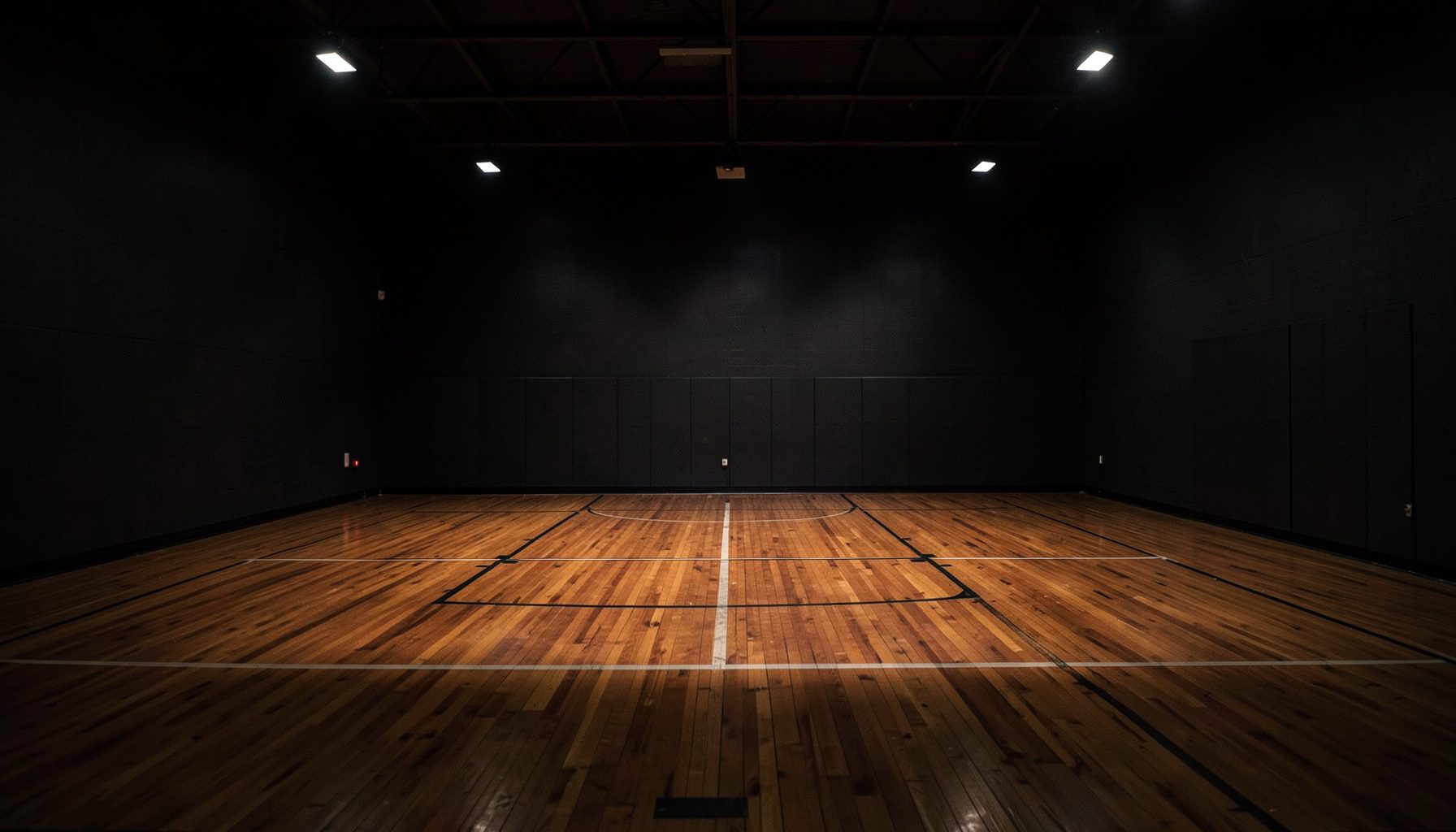
The Factory D1 Indy brings together three entities under one roof: competitive basketball leagues for all age groups, individual and group training, and wellness & recovery services including Normatec boot recovery and cryotherapy. Located off I-465 and High School Road at 6331 Crawfordsville Road, Speedway, Indiana 46224.
Get In TouchWhy Spin Belongs in Your Off-Season Training
The off-season gives athletes valuable space to recover from competition, correct weaknesses, and build physical qualities that are difficult to develop during a busy schedule. For basketball players, that period should not mean abandoning sport-specific work. It should create room for smarter conditioning that supports speed, endurance, mobility, and durability.
Spin classes can fill that role effectively. Indoor cycling delivers a challenging cardiovascular workout with adjustable resistance and minimal impact on the joints. Riders can work through intervals, sustained efforts, and recovery periods without repeating the same jumping and sprinting demands found in basketball practice.
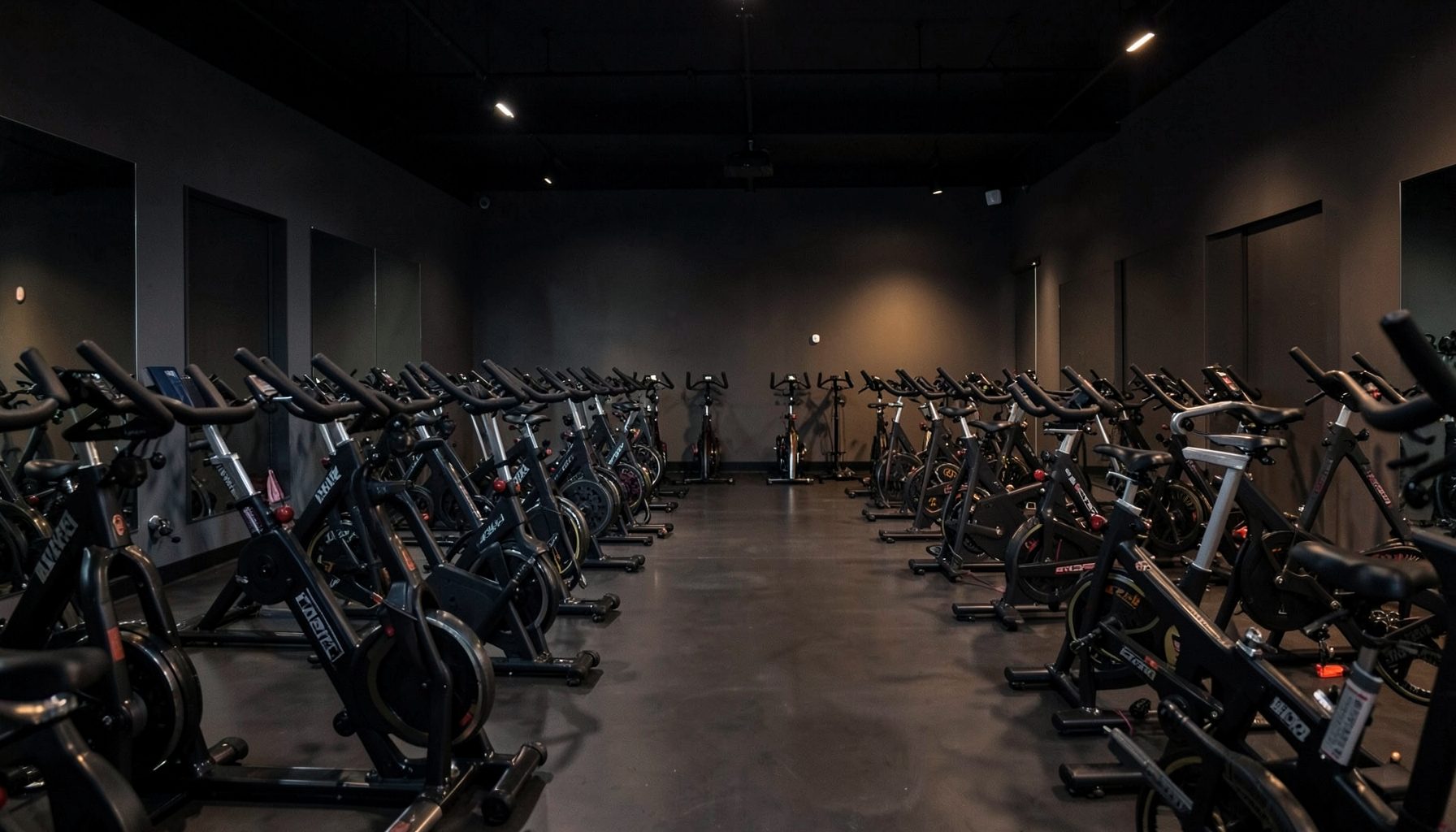
Adding cycling to a broader program can also make training more engaging. A well-coached class brings structure, music, pacing, and group energy, while still allowing athletes to control intensity. At The Factory D1 Indy, spin and cycle classes fit naturally alongside basketball training, leagues, and wellness services in a facility built around active performance.
Build A Stronger Conditioning Base
Basketball requires repeated bursts of movement, but athletes also need enough aerobic capacity to recover between those bursts. Spin training improves the body’s ability to sustain work and restore energy during lower-intensity moments. That can help a player stay sharper late in a practice, finish defensive possessions, and maintain effort through a long game.
A cycling class can include steady riding, short sprints, hill simulations, and resistance climbs. Each format develops a different part of the conditioning system. Longer efforts support endurance, while interval work resembles the changing pace of basketball more closely than a single continuous jog.
This variety matters during the off-season because it lets athletes develop fitness without forcing every workout to look like a game. A player can build cardiovascular capacity while preserving time and energy for shooting, ball handling, strength training, and tactical development.
Improve Repeated-Sprint Recovery
Basketball players rarely run at one speed for an entire possession. They accelerate, stop, change direction, jog, walk, and accelerate again. Spin classes can support this repeated-effort profile through structured intervals that alternate hard pushes with controlled recovery.
A coach may ask riders to increase resistance for a short climb, maintain a demanding pace, and then reduce the load before repeating the sequence. These transitions train athletes to manage discomfort and regain control of their breathing. Over time, that ability can translate into better recovery between fast breaks, defensive rotations, and offensive movements.
The seated position also allows athletes to challenge their cardiovascular system without placing the same impact load on the ankles, knees, and hips. This makes cycling especially useful after a demanding court session or during a week when an athlete already has significant jumping volume.
Match The Workout To Your Training Goals
Spin is flexible enough to support different phases of an off-season plan. A developing athlete may benefit from moderate, consistent rides that establish basic fitness. A more advanced player might use high-intensity intervals to improve power and tolerance for repeated hard efforts.
| Training Goal | Useful Cycling Format | Basketball Benefit |
|---|---|---|
| Aerobic foundation | Steady moderate ride | Better overall endurance and recovery |
| Repeated-effort fitness | Short intervals with easy recoveries | Improved ability to repeat sprints |
| Lower-body strength endurance | Higher-resistance climbs | Stronger sustained leg drive |
| Active recovery | Easy spin with light resistance | Increased circulation with less impact |
| Mental toughness | Structured challenging intervals | Greater focus during fatigue |
The key is to match the class intensity to the rest of the week. A hard cycling session may be appropriate after an upper-body strength day, while an easier ride could work after intense court training. Treating every class as a maximum-effort test can create unnecessary fatigue and interfere with skill development.
Athletes should also consider their competitive calendar. Early in the off-season, longer rides may help rebuild fitness. Closer to preseason, shorter intervals and sport-specific movement sessions may become more important. Cycling should support the plan rather than compete with its highest priorities.
Reduce Impact While Staying Active
Basketball places considerable stress on the body through jumping, landing, cutting, and rapid deceleration. That stress is part of the sport, but too much repeated impact without adequate variation can contribute to soreness and overuse problems. Spin classes offer a way to train hard while reducing pounding.
Because the bike supports body weight, the workout limits the repeated landing forces associated with running and plyometrics. This does not make cycling effortless. Resistance can create a demanding challenge for the quadriceps, hamstrings, glutes, and calves, while the cardiovascular system works at a high level.
Lower-impact conditioning can be especially valuable for athletes returning from a minor issue, managing general soreness, or trying to balance several weekly practices. It should never replace medical guidance or a rehabilitation program, but it can provide a useful training option when running volume needs to be controlled.
Support Strength, Mobility, And Recovery
Cycling develops muscular endurance in the lower body, but it should complement rather than replace strength training. Basketball athletes still need exercises for maximal force, single-leg control, trunk stability, and upper-body strength. A balanced off-season schedule uses spin to reinforce conditioning while resistance training addresses qualities the bike cannot fully provide.
Mobility work also matters. Riders should prepare the hips, ankles, and spine before class and include stretching or controlled mobility afterward. Proper bike setup is important as well. Seat height, handlebar position, and resistance should allow strong, comfortable movement without excessive knee or lower-back strain.
Recovery services can help athletes manage the total workload. After demanding sessions, options such as compression therapy, cryotherapy, hydration, sleep, and appropriate nutrition may support the recovery process. The most effective approach is consistent: train with purpose, refuel adequately, and schedule easier days before fatigue becomes a performance problem.
Make Group Training Work For You
A group cycling class can add accountability that is difficult to create with solo cardio. The rhythm of the room, instructor guidance, and shared effort can encourage athletes to complete intervals they might skip during an individual workout. It also gives younger athletes and adults a fitness environment that feels social rather than repetitive.
Still, riders should listen to their bodies and adjust intensity when needed. Resistance and pace can usually be modified, and taking a lighter day is a sign of sound training judgment rather than weakness. Athletes should arrive hydrated, learn the bike controls, and communicate with the instructor about injuries or limitations.
For basketball players, the class should connect to broader performance goals. A rider might focus on smooth cadence, controlled breathing, and consistent effort instead of chasing the highest resistance in the room. Those habits build discipline and help athletes learn how to regulate effort under pressure.
Practical Ways To Add Cycling
The best schedule depends on age, experience, current workload, and competitive goals. Start with a manageable amount of cycling, then adjust as the body responds.
- Add one moderate spin class per week during the first two or three weeks.
- Use a second session for intervals only when recovery, sleep, and court performance remain strong.
- Place hard cycling away from heavy lower-body lifting and intense jumping workouts.
- Pair easy rides with mobility work or use them as active recovery after demanding practices.
- Track energy, soreness, and performance to identify when the training load needs to change.
A thoughtful progression is more productive than trying to prove fitness in every class. Athletes who gradually increase duration, resistance, or interval difficulty can gain conditioning while preserving the freshness needed for basketball skill work.
Spin classes are most valuable when they become one part of a complete off-season system. Combine them with basketball practice, strength training, mobility, rest, and recovery services to create a routine that develops the whole athlete.
Visit The Factory D1 Indy to explore cycle classes and build a more balanced training routine for the next season. Adding structured indoor cycling now can help you return to the court with greater endurance, stronger recovery between efforts, and confidence in your conditioning.
Inside The Factory

Three Entities, One Roof
Leagues
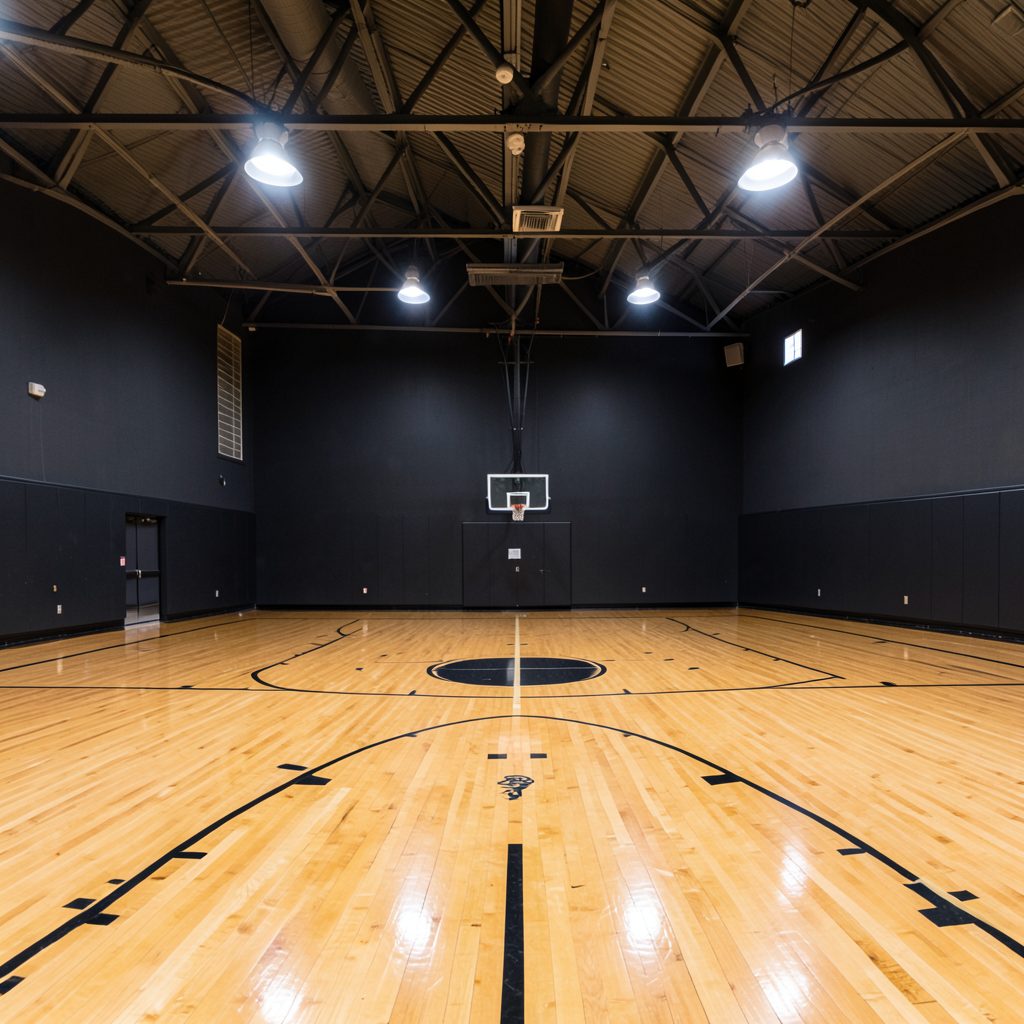
Eight league divisions span every age group: Indy Pro AM, 18+ Open Men's, 30+ Men's, Bite Size (ages 3–6), Impact League, 5th/6th Grade, Middle School, and High School. Gather your team and compete.
Training
Individual and group basketball training for all skill levels. Major M.O.V.E.S. Basketball Training serves ages 4–7 on Wednesday and Thursday evenings at 6:30 PM — $30 per session or $100 unlimited monthly.
Wellness & Recovery
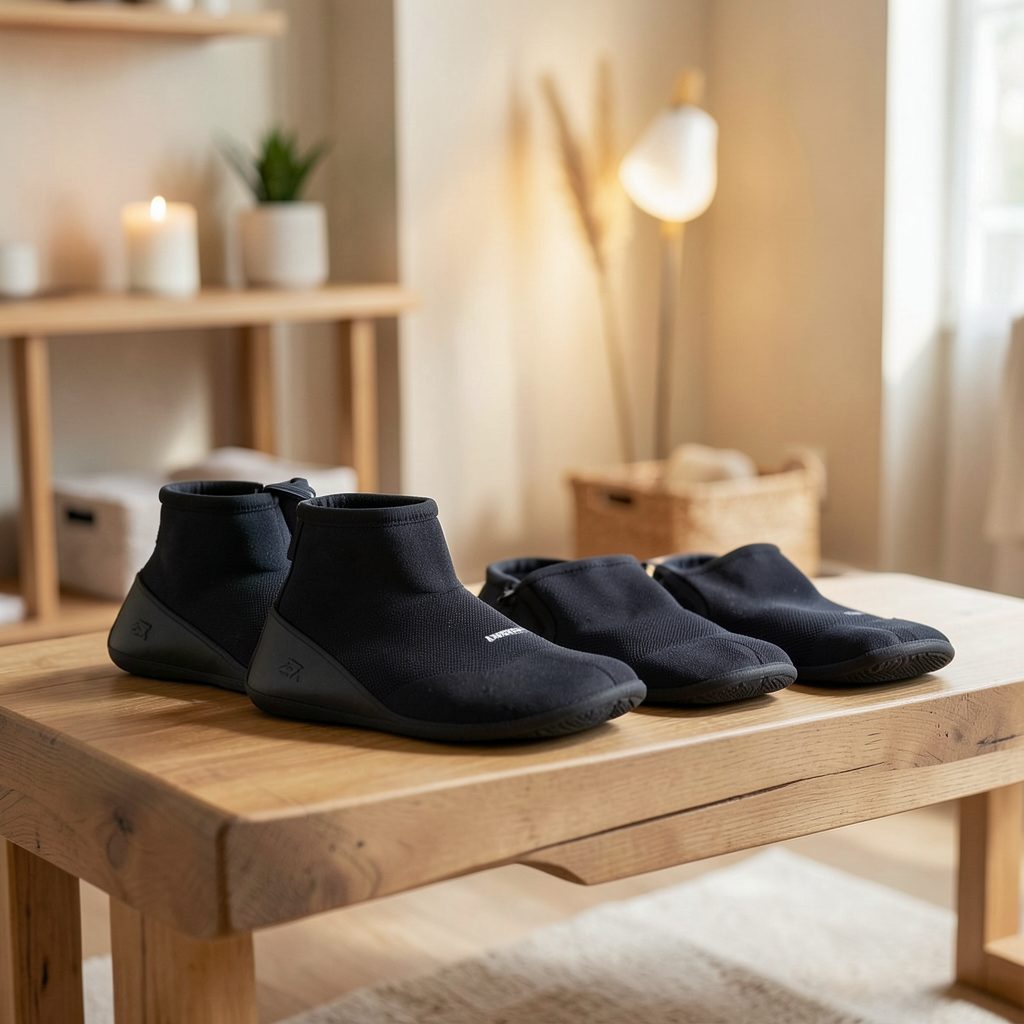
Normatec boot recovery and cryotherapy treatments help athletes bounce back faster. Cycle and spin classes add a cardio dimension to the holistic performance approach.
Have a Question?