Train. Compete. Recover.
A multi-purpose athletic facility in Speedway, Indiana — basketball leagues, skill training, and wellness services all under one roof.
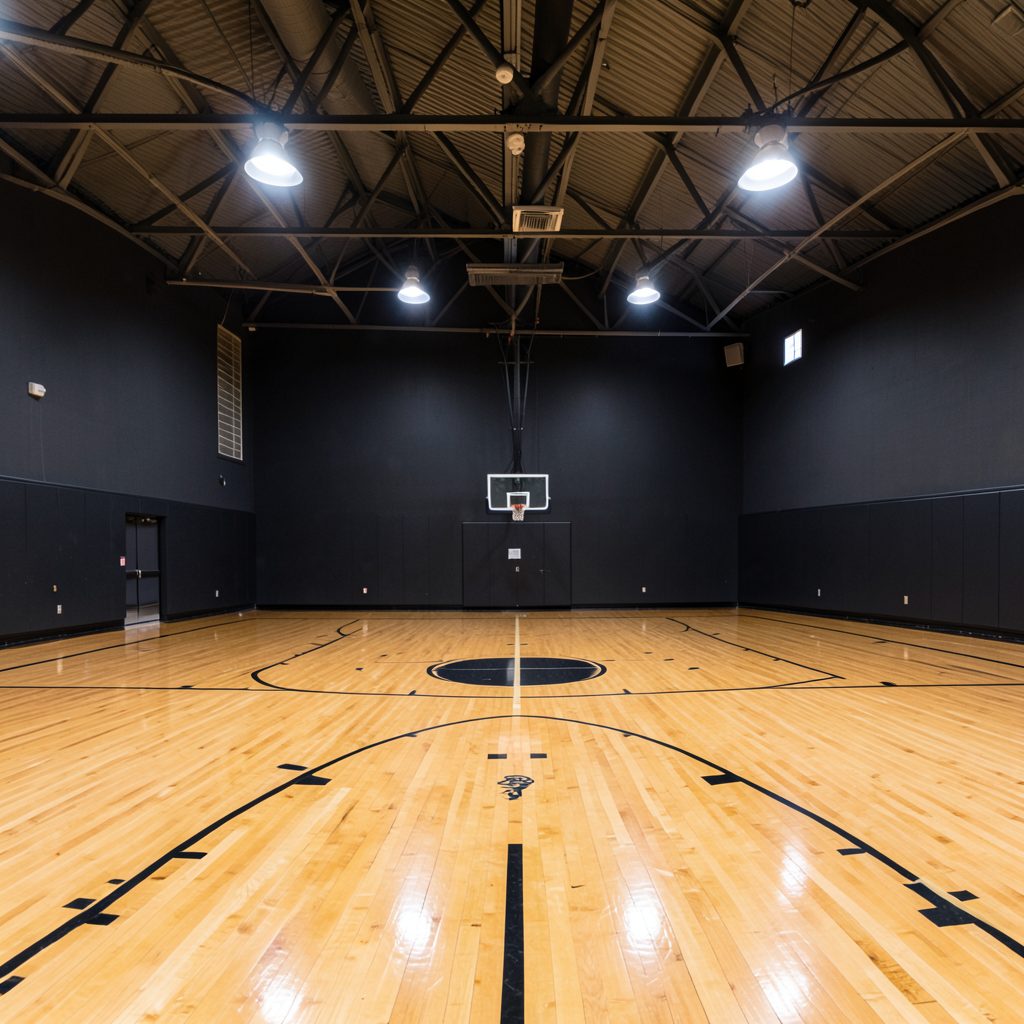
The Factory D1 Indy brings together three entities under one roof: competitive basketball leagues for all age groups, individual and group training, and wellness & recovery services including Normatec boot recovery and cryotherapy. Located off I-465 and High School Road at 6331 Crawfordsville Road, Speedway, Indiana 46224.
Get In TouchYouth Basketball League Registration Made Clear
Registering a child for a youth basketball league involves more than entering a name and paying a fee. Families need to understand age divisions, practice expectations, game schedules, equipment requirements, and the type of experience a league provides. A well-matched program can help a young athlete build confidence, learn teamwork, and enjoy consistent competition.
The Factory D1 Indy serves families in Speedway, Indiana, with basketball training and competitive opportunities for athletes at several stages. Its youth leagues are part of a broader athletic environment that can include skills development, conditioning, and community connections. Reviewing the details before signing up helps parents choose a program that fits both the player and the family schedule.
Whether your child is joining a league for the first time or moving into a more competitive division, preparation makes the process easier. The information below covers the main registration decisions, practical questions, and game-day details families should review.
Start With Age And Experience
Most youth basketball leagues organize players by age, grade, or a combination of both. The purpose is to create games with reasonably balanced physical development and skill levels. A child’s eligibility may be based on age as of a specific date, school grade, or birth year, so read the division rules rather than relying on the child’s current grade alone.
Experience matters, too. Some children may be old enough for a division but still developing basic dribbling, passing, shooting, and defensive movement. Others may need a faster pace and more structured competition. If a league offers beginner, recreational, or advanced options, select the level that challenges the athlete without making every game feel overwhelming.
Ask whether the program uses evaluations, team placement, or a request to play with friends. Placement policies can affect the child’s first experience and may determine whether teams are balanced. If the league includes an assessment session, treat it as a placement tool rather than a high-pressure tryout.
Review The Registration Details
Before completing an online youth basketball registration form, collect the information commonly requested by the organizer. This may include the athlete’s full name, date of birth, grade, emergency contact, medical information, and parent or guardian details. Some programs also request shirt sizes and information about previous playing experience.
Fees should be reviewed as a complete package. Determine whether the registration cost includes a uniform, referee fees, practices, facility use, or postseason events. Check for additional charges such as late registration, optional training, tournament entry, or replacement gear. A clear understanding of the total cost prevents surprises after teams are formed.
Look closely at deadlines and refund policies. Registration may close once divisions reach capacity, even if the published deadline has not arrived. Families should also know what happens if the league cancels a season, a player withdraws, or a schedule conflict becomes unavoidable. Save the confirmation email and any payment receipt for future reference.
For current program information, schedules, and available athletic services, visit The Factory D1 Indy. Official facility information is the best source for registration windows and program-specific requirements.
Choose The Right Division
The best division is the one that supports development while keeping competition enjoyable. A younger player may benefit from modified rules, shorter games, smaller courts, or coaching that emphasizes fundamentals. Older divisions may introduce more formal strategies, full-court play, standings, and increased physical intensity.
Use the comparison below as a starting point, then confirm the exact structure with the league organizer because age ranges and rules vary by season.
| Program Feature | Developmental Division | Recreational League | Competitive Division |
|---|---|---|---|
| Primary focus | Fundamentals and enjoyment | Skill growth and game experience | Performance and stronger competition |
| Typical pace | Gentle and highly coached | Moderate | Fast and structured |
| Playing time | Often broadly shared | Usually managed for balance | May depend on team needs and rules |
| Best fit | New or very young players | Players with basic experience | Athletes ready for greater challenge |
| Parent priority | Positive first experience | Consistent participation | Higher-level competition and development |
Parents should also consider temperament. A highly energetic child may enjoy a competitive setting, while a cautious player may flourish in a supportive recreational league first. The decision does not permanently define the athlete’s path; children can move between levels as their skills, confidence, and interests change.
Understand The Weekly Commitment
League participation usually includes more than game day. Find out how often teams practice, how long sessions last, and whether practices occur on weekdays, weekends, or both. Ask when the season begins and ends, whether there are holiday breaks, and how makeup games are handled when weather or facility issues affect the schedule.
Travel time can influence the family experience as much as the basketball itself. A nearby facility may make it easier to attend practices consistently, while a league with multiple locations could require additional planning. Place all known dates on a shared family calendar before registration so transportation and other activities can be coordinated.
Attendance expectations should be clear. Young athletes improve through regular participation, and coaches build team systems around the players who attend. At the same time, families should communicate early when school, illness, or another important commitment creates a conflict.
Prepare Your Child For The Season
A short period of preparation can help a child enter the league with confidence. Regularly practicing a few basic movements—athletic stance, stationary dribbling, chest passes, layups, and defensive slides—can make the first practices feel less unfamiliar. The goal is to build comfort, not create an intense home training program.
Make sure the athlete has suitable basketball shoes, comfortable athletic clothing, and a water bottle. If the league supplies a uniform, follow its instructions about what players should wear underneath. Labeling personal items can reduce the chance of lost belongings during busy practices and games.
Parents can reinforce useful habits by emphasizing effort, listening, respect, and resilience. A child may miss shots, lose possession, or spend time learning a new position. Encouragement focused on learning and teamwork helps young players stay engaged while coaches handle technical instruction.
Know What Game Day Looks Like
Game-day procedures vary, but families should expect a check-in process, assigned court or team area, warmups, and instructions from coaches or staff. Arriving early gives the athlete time to use the restroom, fill a water bottle, put on equipment, and settle in before play begins.
Clarify how playing time, substitutions, scorekeeping, and standings are managed. Younger leagues often prioritize participation and development, while older or competitive programs may use more formal rotation policies. Knowing the approach ahead of time helps parents set appropriate expectations.
Spectator behavior also shapes the atmosphere. Cheer positively, allow coaches to coach, and direct questions about playing time or team decisions through the appropriate communication channel. A calm, supportive sideline helps children focus on learning the game instead of managing adult tension.
Make Registration A Family Decision
A youth league should fit the athlete’s readiness, interests, and physical needs as well as the household schedule. Consider whether the child wants organized games, skill development, social interaction, or a combination of all three. A program can be valuable even when the athlete is not pursuing school or club basketball.
Families may also appreciate access to related training and wellness services. A facility that offers basketball instruction, conditioning, cycle classes, or recovery options can provide several ways to support an active lifestyle. For young athletes, recovery still begins with basics such as sleep, hydration, balanced meals, rest days, and reporting pain to a trusted adult.
Before submitting registration, review these practical items:
- Confirm the correct age or grade division and any eligibility cutoff date.
- Check the full cost, included equipment, payment options, and refund policy.
- Record practice dates, game windows, evaluation times, and attendance expectations.
- Ask about team placement, playing-time rules, uniforms, and required equipment.
- Save registration confirmations and contact details for league staff.
With these details in place, registration becomes a purposeful step rather than a rushed form submission. Review the current youth basketball offerings at The Factory D1 Indy, choose the division that matches your child’s needs, and complete the registration process before the preferred program reaches capacity.
Inside The Factory

Three Entities, One Roof
Leagues
Eight league divisions span every age group: Indy Pro AM, 18+ Open Men's, 30+ Men's, Bite Size (ages 3–6), Impact League, 5th/6th Grade, Middle School, and High School. Gather your team and compete.
Training
Individual and group basketball training for all skill levels. Major M.O.V.E.S. Basketball Training serves ages 4–7 on Wednesday and Thursday evenings at 6:30 PM — $30 per session or $100 unlimited monthly.
Wellness & Recovery
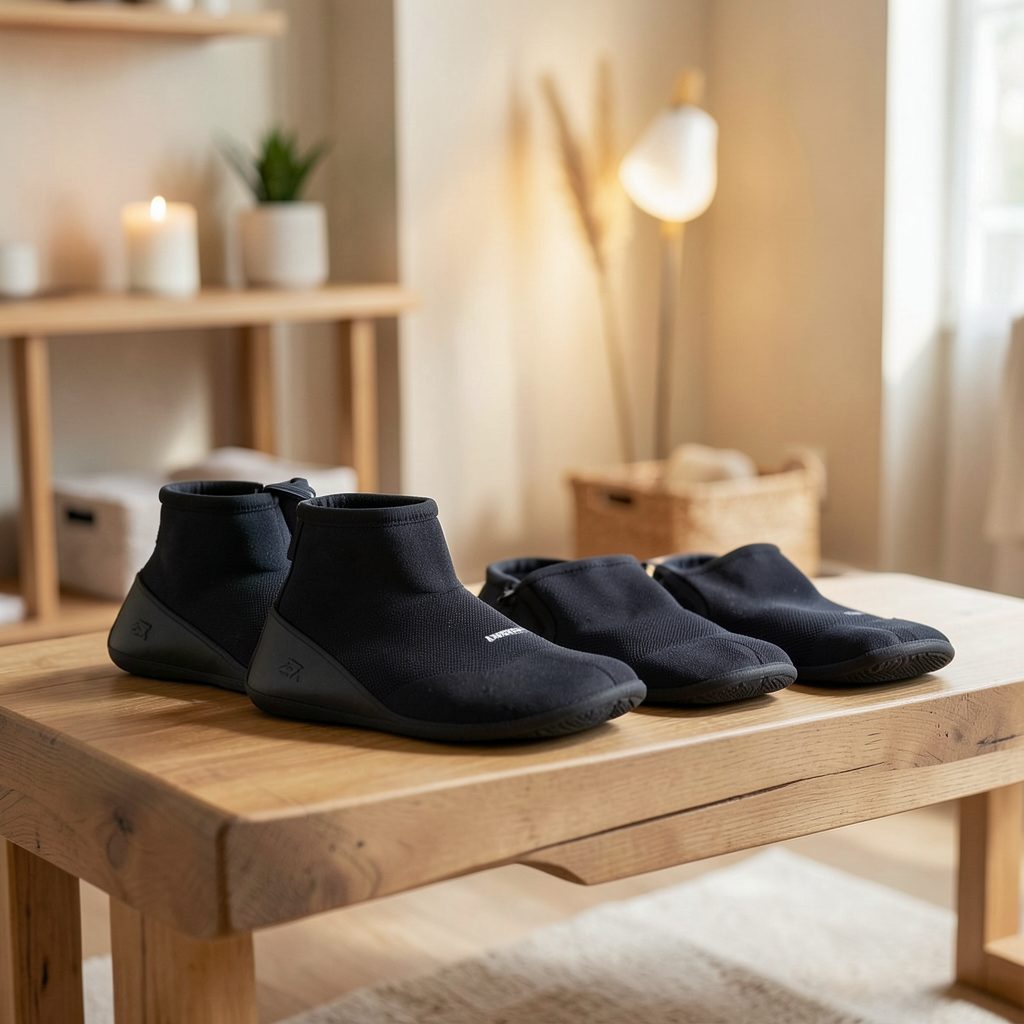
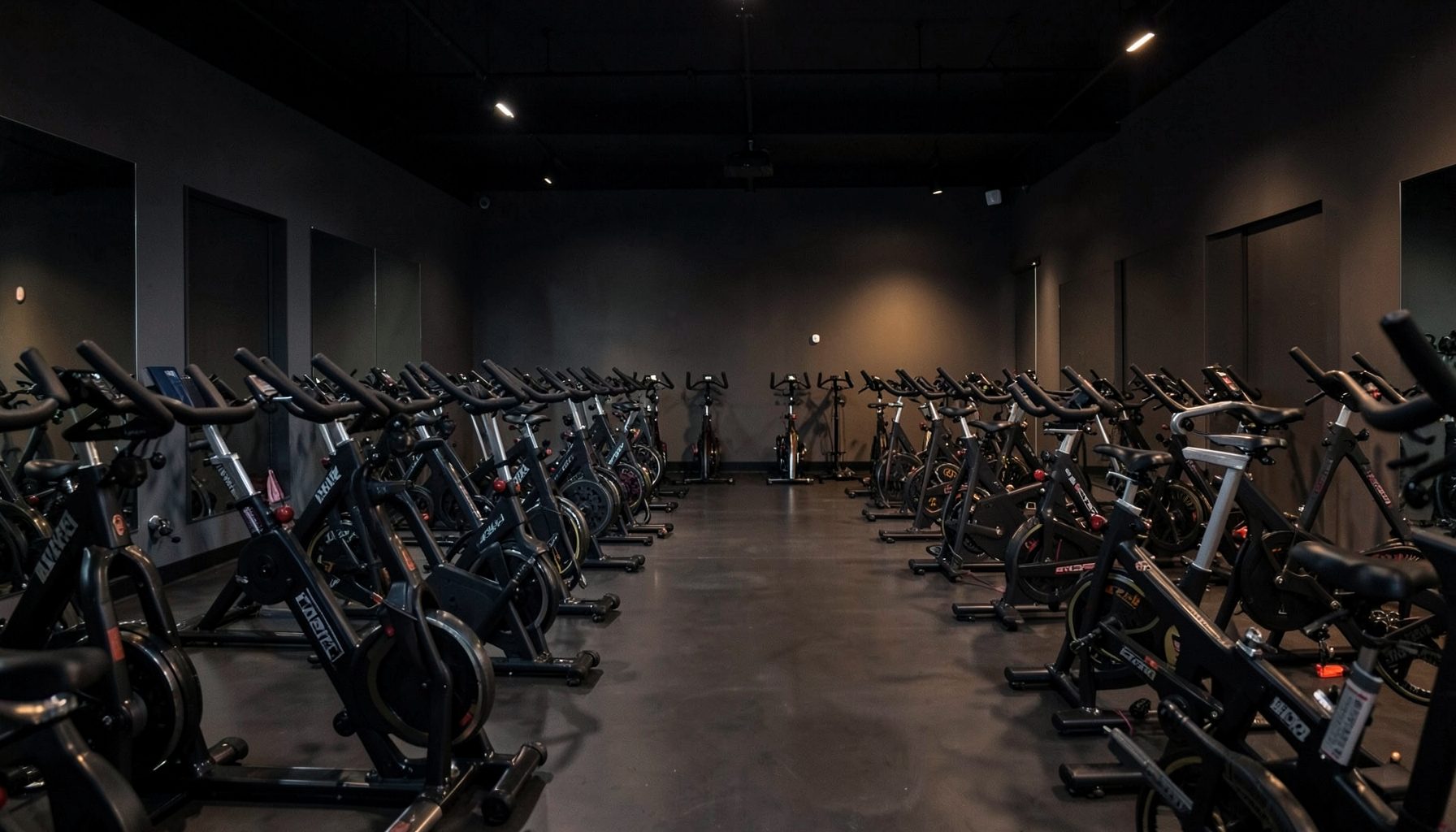
Normatec boot recovery and cryotherapy treatments help athletes bounce back faster. Cycle and spin classes add a cardio dimension to the holistic performance approach.
Have a Question?