Train. Compete. Recover.
A multi-purpose athletic facility in Speedway, Indiana — basketball leagues, skill training, and wellness services all under one roof.
The Factory D1 Indy brings together three entities under one roof: competitive basketball leagues for all age groups, individual and group training, and wellness & recovery services including Normatec boot recovery and cryotherapy. Located off I-465 and High School Road at 6331 Crawfordsville Road, Speedway, Indiana 46224.
Get In TouchA Balanced Training Week For Intermediate Basketball Players
Intermediate basketball players usually have enough experience to understand the game, yet still have clear areas to improve. You may handle the ball comfortably, recognize basic defensive rotations, and contribute in organized competition, but consistency can separate a promising player from a dependable one.
A productive training week should develop several qualities at once: shooting accuracy, ball control, movement skills, strength, conditioning, decision-making, and recovery. The goal is not to train at maximum intensity every day. It is to arrange demanding sessions and lighter work so your body can adapt without losing sharpness.
The following schedule is designed for athletes who practice or compete regularly and want a practical rhythm. It can be completed in a basketball facility such as The Factory D1 Indy, where court training, leagues, cycling, and recovery services support a complete athletic routine.
Set The Week Around Your Competition Schedule
Begin by identifying the most important game of the week. If competition takes place on Saturday, the hardest sessions can fall on Monday and Tuesday, while Thursday and Friday should gradually reduce fatigue. If your league game is on Wednesday, shift the demanding work earlier and use the weekend for recovery and skill development.
A sample week should remain flexible. School, work, travel, and previous injuries may require adjustments. Use the schedule as a framework rather than a strict test of discipline. When your legs feel heavy or your shooting mechanics deteriorate, reduce volume while preserving technical quality.
| Day | Primary Focus | Example Workload |
|---|---|---|
| Monday | Skill development and strength | 75–90 minutes |
| Tuesday | Conditioning and game-speed play | 60–75 minutes |
| Wednesday | Recovery and mobility | 30–45 minutes |
| Thursday | Shooting and decision-making | 60–75 minutes |
| Friday | Light preparation | 30–45 minutes |
| Saturday | League game or controlled scrimmage | Competition intensity |
| Sunday | Rest and reset | Gentle movement only |
Monday Builds A Strong Foundation
Start the week with a focused basketball skills session. After a dynamic warm-up, spend 10 minutes on footwork, including jump stops, pivots, defensive slides, closeout steps, and changes of direction. These movements support nearly every game action and help you become more efficient before adding speed.
Follow footwork with ball-handling under pressure. Use two-ball drills, hesitation moves, retreat dribbles, crossovers, and change-of-pace attacks. Finish each sequence with a realistic action such as a pull-up jumper, a finish through contact, or a kick-out pass. Intermediate players gain more from connecting skills than from performing isolated moves quickly.
Add a moderate strength session afterward or later in the day. Prioritize split squats, goblet squats, Romanian deadlifts, push-ups, rows, and anti-rotation core exercises. Two or three sets of controlled repetitions are enough when basketball remains the main priority. Leave one or two repetitions in reserve so soreness does not interfere with Tuesday’s work.
Tuesday Adds Speed And Competitive Pressure
Tuesday is a suitable day for conditioning because your body has had time to recover from Monday’s strength work. Basketball conditioning should reflect the sport’s repeated bursts rather than rely entirely on long-distance running. Try short court sprints, defensive slide intervals, shuttle runs, and transition drills with full recovery between demanding efforts.
After conditioning, include competitive skill work. Play one-on-one from different spots, practice attacking closeouts, or run three-player advantage drills such as two-on-one and three-on-two transition situations. These exercises develop decision-making while your heart rate is elevated, which makes the practice more relevant to game conditions.
If you participate in adult competition, league play can provide valuable structure and accountability. The benefits of adult leagues extend beyond game experience by creating regular opportunities to apply skills, communicate, and adjust to different playing styles. Keep Tuesday competitive, but avoid turning every drill into an exhausting full-court battle.
Wednesday Protects Recovery And Movement Quality
A recovery day is still a training day when it helps you prepare for the next session. Take a 20- to 30-minute walk, complete gentle cycling, or perform low-intensity mobility work. Focus on ankles, hips, hamstrings, thoracic rotation, and shoulders. Smooth movement is more useful than forcing deep stretches while your muscles are cold.
You can also review film or write down observations from recent practices. Note whether you rushed open shots, lost track of cutters, picked up your dribble too early, or stood upright on defense. Choose one or two corrections for Thursday instead of trying to fix every weakness at once.
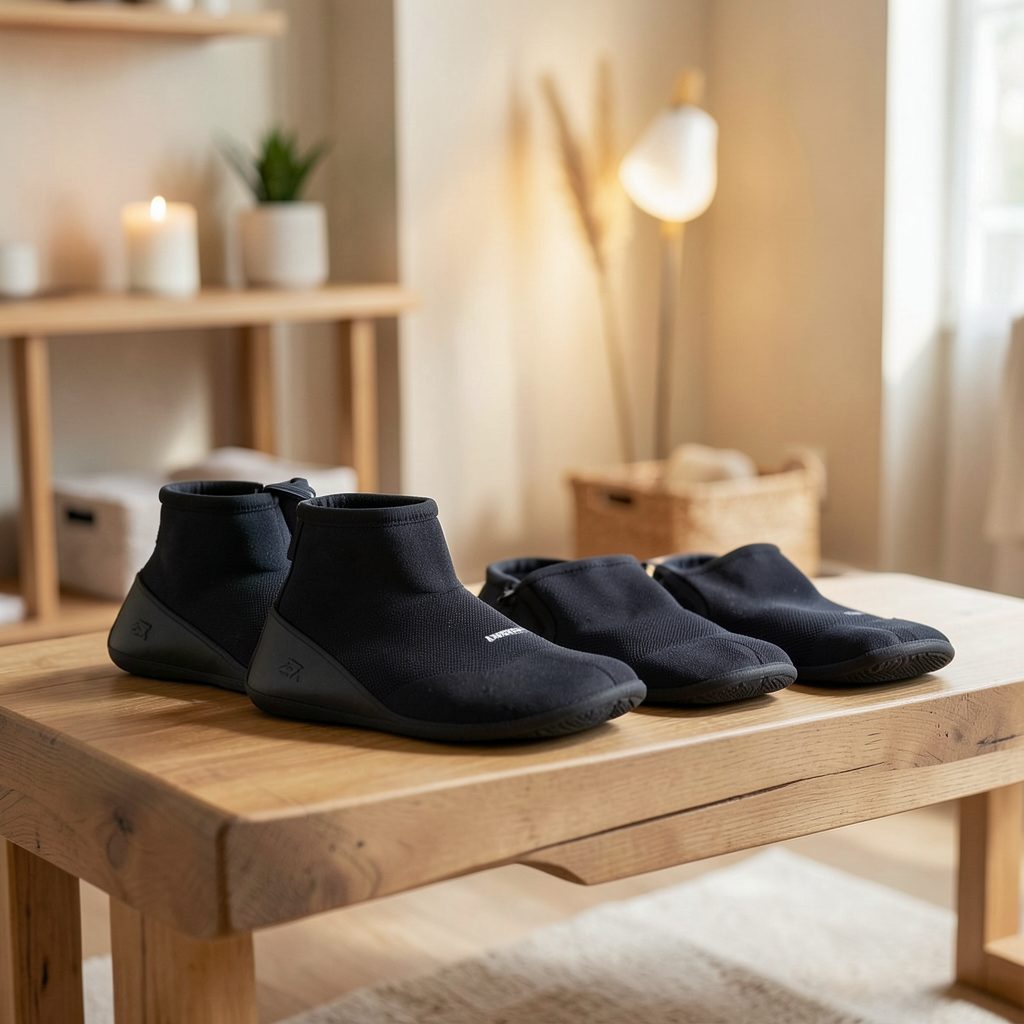
Recovery services may be useful after especially demanding sessions or games. Athletes interested in compression therapy can review what happens during a first Normatec session before scheduling one. Hydration, balanced meals, and consistent sleep remain the foundation, while recovery tools should support those habits rather than replace them.
Thursday Sharpens Shooting And Reads
Thursday should bring you back to the court with quality rather than excessive volume. Begin close to the basket and make a series of short, balanced shots before moving into catch-and-shoot attempts. Track makes instead of rushing through a preset number of attempts. A useful target is to finish each spot with a high percentage while maintaining the same footwork and release.
Progress into movement shooting: sprint from the corner to the wing, relocate after a pass, use a handoff, or rise after a controlled dribble. Add one- and two-dribble pull-ups, then finish with free throws while tired. These details help connect shooting mechanics to the actions that create real scoring opportunities.
Use the final portion of the session for decision-making. Practice reading a defender’s hips, identifying help position, and choosing between a drive, pull-up, or pass. Small-sided games are effective here because they give you repeated possessions without the long waiting periods found in a full scrimmage.
Friday Reduces Volume Before Competition
Friday should feel productive but easy to recover from. Spend 10 minutes on dynamic movement, then complete a brief ball-handling sequence and a shooting routine built around confidence. Include layups with both hands, free throws, spot-up shots, and a few game-speed attempts from your most common areas.
Avoid heavy lifting, exhaustive sprint intervals, and extended five-on-five play. The purpose is to prepare your nervous system, not prove your fitness. Finish with mobility and a short visualization of defensive communication, transition effort, and your first offensive actions.
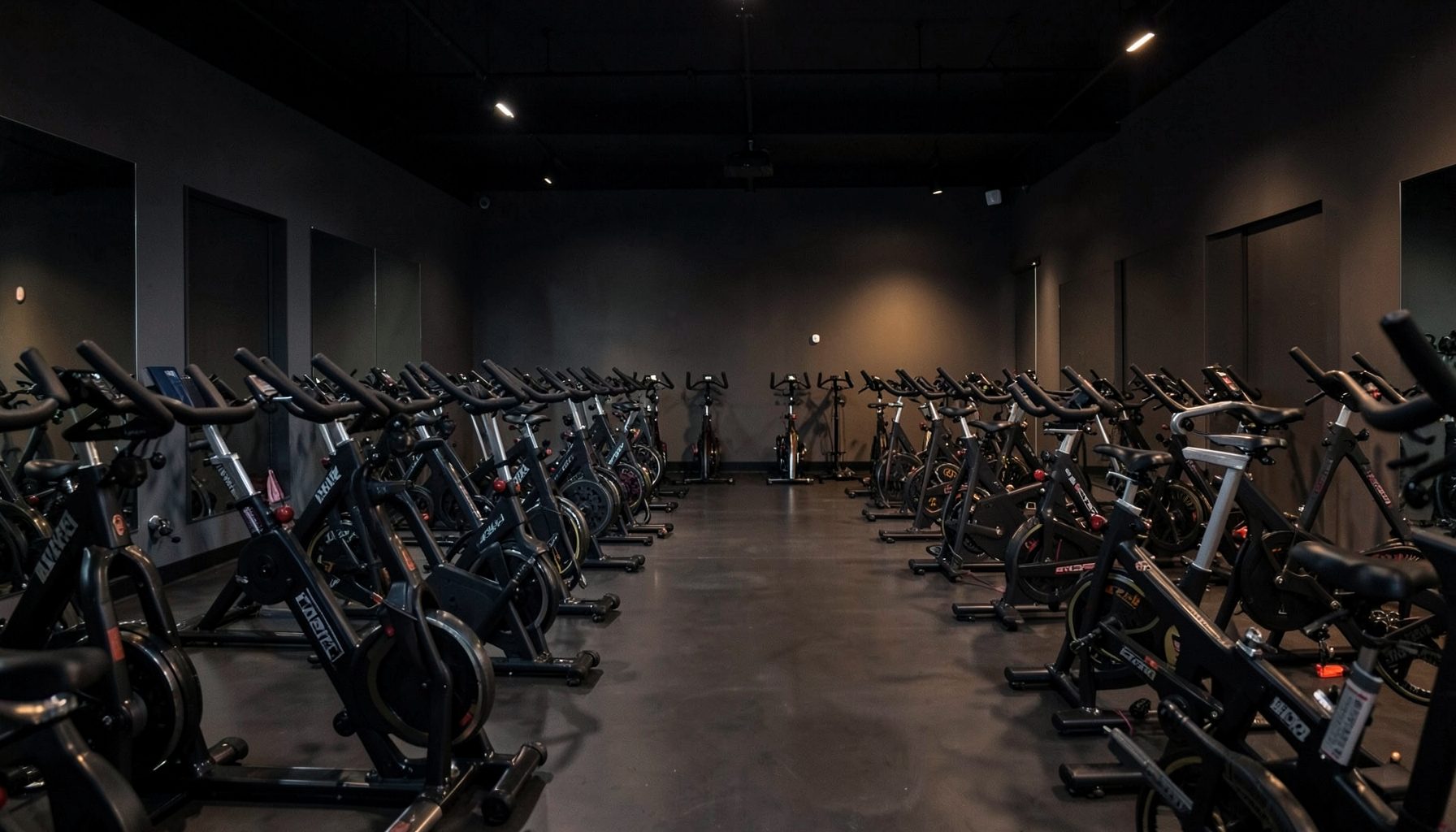
A light cycle or spin class can work for some players if the resistance stays moderate and the session does not leave the legs tired. Athletes should judge the effect based on how they feel later that day and the next morning. A preparation session has done its job when you leave feeling more coordinated than when you arrived.
Saturday Competes With Purpose
On game day, arrive early enough to eat, hydrate, and complete a gradual warm-up. Start with jogging and mobility, move into defensive slides and closeouts, then progress to layups, short jumpers, and shots from game locations. Include a few high-speed actions, but do not use the warm-up to exhaust yourself.
During the game, focus on controllable habits. Sprint back after turnovers, communicate through screens, box out with contact, make the extra pass, and take open shots without hesitation. Intermediate players often improve fastest when they become reliable in several small ways rather than chasing spectacular plays.
After competition, walk for a few minutes and restore fluids and carbohydrates. If the game was particularly physical, gentle mobility or a supervised recovery service may help you transition into the next day. Record a few notes while the experience is fresh, including one successful habit and one priority for the next week.
Sunday Resets The Body And Mind
Sunday can be a complete rest day, especially after a demanding game. Light walking, relaxed stretching, or easy mobility is enough. Avoid turning recovery into another hard workout simply because you have free time. Adaptation occurs when your body has a chance to rebuild.
Use the day to plan the next week. Check your schedule, identify your competition date, and decide which skills deserve emphasis. If your shooting percentage dropped under pressure, schedule more movement shooting. If turnovers increased against aggressive defense, include more pressure ball-handling and passing decisions.
Keep the plan sustainable by changing only one or two variables at a time. You might add a few repetitions, increase defensive intensity, or introduce a new finishing angle, but avoid increasing duration, weight, and speed in the same week.
Habits That Make The Schedule Work
A well-organized routine becomes more effective when basic habits support it:
- Sleep consistently and aim for enough rest to feel alert before training.
- Eat a meal with carbohydrates and protein several hours before intense court work.
- Hydrate throughout the day instead of waiting until practice begins.
- Track shooting makes, perceived exertion, soreness, and game performance.
- Stop or modify drills when sharp pain appears rather than training through it.
The schedule should also reflect your role and current needs. A guard may devote extra time to pick-and-roll reads and pull-up shooting, while a forward may emphasize post footwork, rebounding angles, and finishing through contact. Every player benefits from defensive movement, passing accuracy, balance, and conditioning.
The Factory D1 Indy gives intermediate athletes a place to combine individual instruction, group training, competitive leagues, cycling, and recovery in one athletic environment. Use the week as a starting point, adjust the workload to your competition calendar, and bring consistent purpose to every session. Book your next training visit or league opportunity and turn the plan into measurable progress on the court.
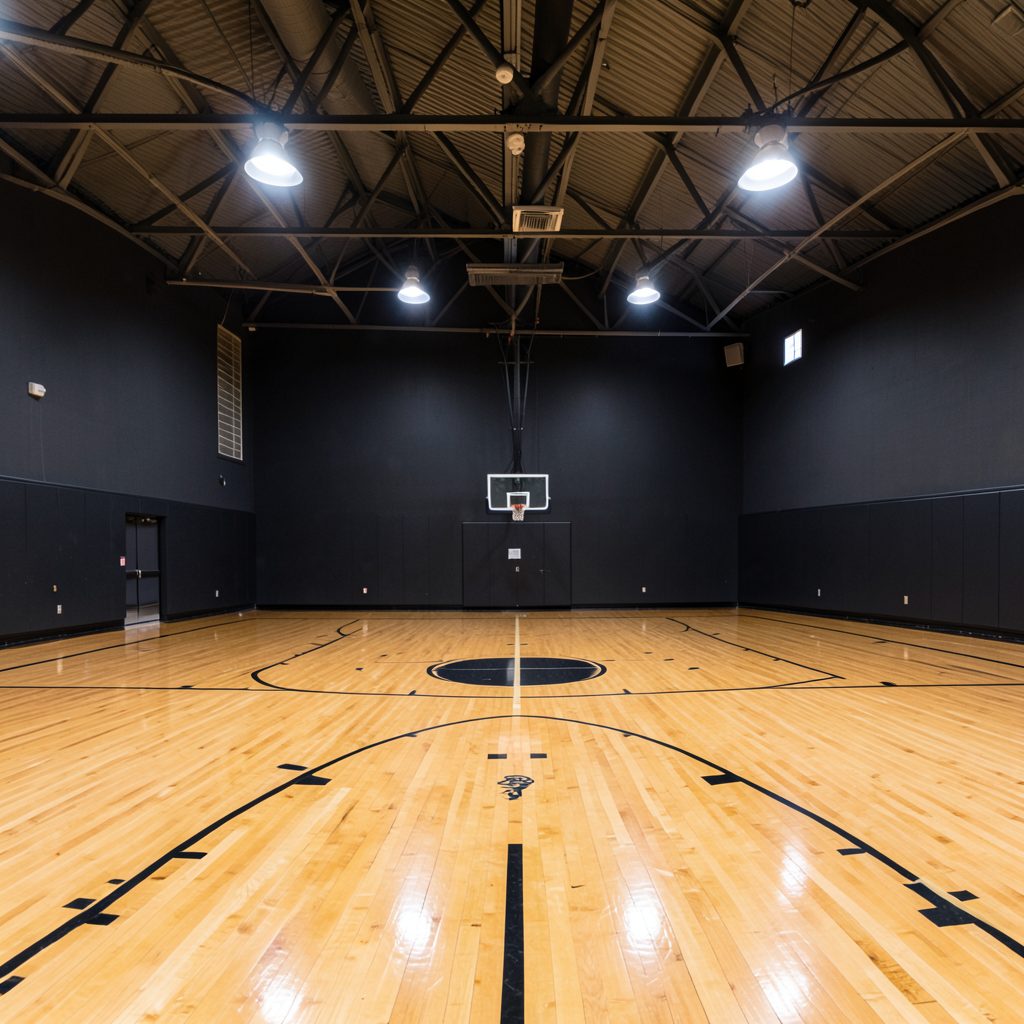
Inside The Factory
Three Entities, One Roof
Leagues
Eight league divisions span every age group: Indy Pro AM, 18+ Open Men's, 30+ Men's, Bite Size (ages 3–6), Impact League, 5th/6th Grade, Middle School, and High School. Gather your team and compete.
Training
Individual and group basketball training for all skill levels. Major M.O.V.E.S. Basketball Training serves ages 4–7 on Wednesday and Thursday evenings at 6:30 PM — $30 per session or $100 unlimited monthly.
Wellness & Recovery
Normatec boot recovery and cryotherapy treatments help athletes bounce back faster. Cycle and spin classes add a cardio dimension to the holistic performance approach.
Have a Question?