Train. Compete. Recover.
A multi-purpose athletic facility in Speedway, Indiana — basketball leagues, skill training, and wellness services all under one roof.
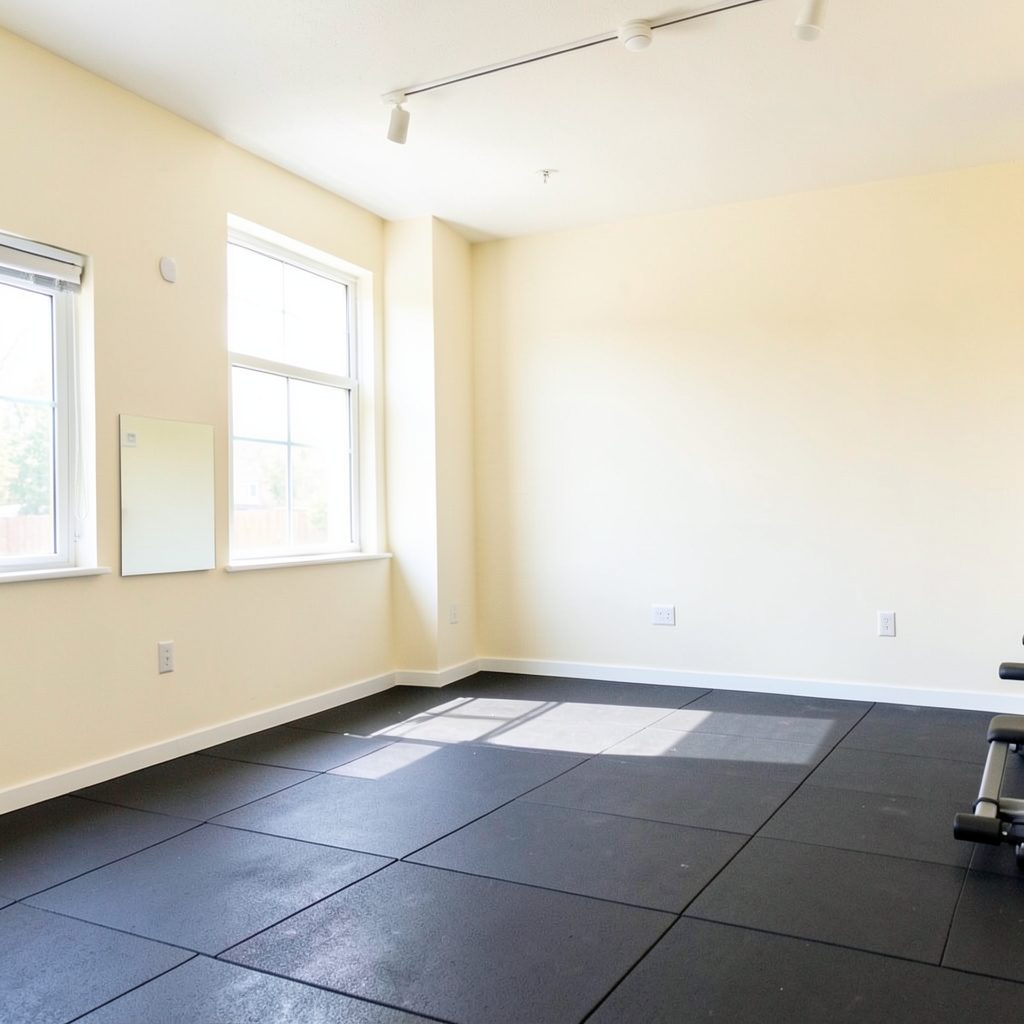
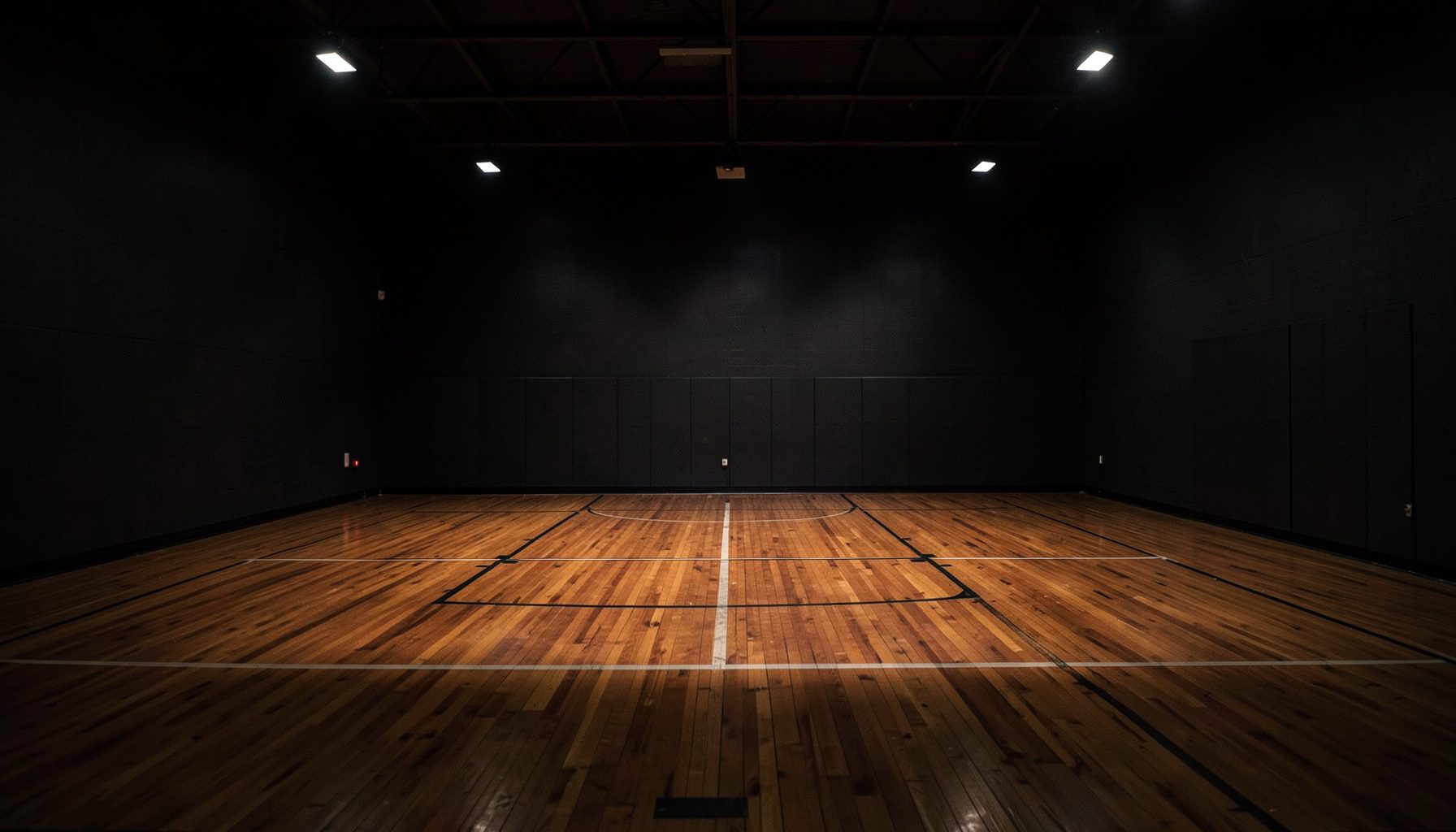
The Factory D1 Indy brings together three entities under one roof: competitive basketball leagues for all age groups, individual and group training, and wellness & recovery services including Normatec boot recovery and cryotherapy. Located off I-465 and High School Road at 6331 Crawfordsville Road, Speedway, Indiana 46224.
Get In TouchAdvanced Dribbling Drills for Experienced Basketball Players
An effective ball handler does more than keep the ball close. Advanced dribbling is about controlling pace, reading defensive pressure, creating angles, and making the next action available before the defender can react. Experienced players need drills that connect hand speed with footwork, vision, balance, and decision-making.
The best workouts also resemble real possessions. A player may have to change direction in a narrow lane, protect the ball while turning away from contact, or attack immediately after a hesitation move. Repetition matters, but purposeful repetition matters more.
At The Factory D1 Indy, athletes can build those skills in a competitive, community-focused setting designed for training, leagues, conditioning, and recovery. The drills below can support individual workouts, small-group sessions, and preparation for high-level game play.
Build Control Before Adding Speed
Begin with movement quality rather than maximum pace. Advanced players often lose efficiency because their dribble becomes too high, their shoulders rise, or their feet stop working during a rapid combination. Start each drill with a low, controlled bounce and a strong athletic stance: hips loaded, chest lifted, eyes forward, and weight balanced over the balls of the feet.
Use a stationary sequence that includes pound dribbles, pocket dribbles, crossovers, between-the-legs exchanges, and behind-the-back transfers. Perform each movement with the right hand and left hand, then connect two or three actions without looking down. The purpose is to establish precise hand placement and consistent rhythm.
Progress by changing cadence. Complete three slow repetitions, three fast repetitions, and one repetition with an unexpected pause. This teaches the nervous system to respond to timing changes instead of memorizing a fixed pattern. A controlled pause can be as useful as explosive hand speed when trying to move a defender.
Manipulate Pace And Defensive Position
A defender reacts to the ball handler’s body, not simply to the dribble. Effective change-of-pace work combines a subtle deceleration with a convincing acceleration. Begin at a moderate speed, lower the hips, briefly reduce the stride length, and then explode past the imaginary defender’s front foot.
Try the hesitation-to-cross drill across the court. Attack with the right hand, hesitate as if preparing to rise into a shot, then cross over and push off the outside foot. Repeat from the opposite side. Keep the hesitation compact; excessive pauses give the defender time to recover.
Another useful pattern is the in-and-out, crossover, burst sequence. The in-and-out move should shift the shoulders and eyes without allowing the ball to drift too far from the body. After the crossover, take two powerful separation steps. Players should finish at the rim, pull up from the midrange, or transition directly into a passing decision.
Train Tight-Space Ball Protection
Crowded areas expose weaknesses in ball security. Mark a small box with cones and dribble inside it while performing changes of direction every two or three steps. Use crossovers, reverse pivots, spin moves, and retreat dribbles, keeping the ball on the side farthest from the imaginary defender.
For a more demanding version, have a partner apply light, legal pressure with a foam pad or forearm shield. The ball handler must maintain a low center of gravity, keep the non-dribbling arm active without extending it illegally, and use the body to create a shield. The goal is to protect possession while still seeing the floor.
Add a verbal cue such as “left,” “right,” “retreat,” or “attack.” The player responds immediately with the appropriate movement. This develops reaction speed and peripheral awareness, two skills that often separate polished guards from players who can perform moves only in an empty gym.
Connect Dribbling To Reads And Finishes
A move has value because of what it creates. To make advanced ball-handling transferable, pair each combination with a decision. Set up three cones: one at the top of the key and two near the elbows or wings. Attack the first cone, read a coach’s signal, and respond with a crossover, behind-the-back escape, or hesitation attack.
After the move, choose a finish based on the defensive angle. A defender trailing the play may call for a strong-hand layup or floater. A defender cutting off the lane may require a step-back jumper, jump stop, or kick-out pass. The drill should reward the correct read rather than a predetermined highlight move.
Experienced players can add a second defender or a closeout. Start with a live advantage, such as a one-dribble lead, and require the ball handler to make a quick decision. This develops handle combinations, court vision, and finishing technique in the same sequence.
| Drill | Primary Skill | Suggested Workload | Key Coaching Cue |
|---|---|---|---|
| Hesitation to crossover | Pace change and first step | 4 sets of 4 attacks | Sell the pause with the shoulders |
| In-and-out to burst | Deception and acceleration | 3 sets per side | Keep the ball outside the knee |
| Tight-box protection | Ball security under pressure | 30-second rounds | Use the body as a shield |
| Retreat and re-attack | Space creation | 4 repetitions per direction | Retreat with balance, not panic |
| Cone read and finish | Decision-making | 6 live possessions | Let the defender determine the move |
Add Advanced Combinations Carefully
Combination moves should be built in layers. Start with two linked actions, such as a between-the-legs move into a crossover. Once the player can maintain balance and direction, add a third action, such as a spin, retreat, or inside-hand finish. More moves do not automatically create a better attack.
A strong sequence might begin with a left-hand push dribble, shift into a right-to-left crossover, flow into a left-to-right between-the-legs exchange, and finish with a right-hand drive. The player should cover ground after the final move rather than staying in place to display technique.
Use both predictable and random patterns. Predictable patterns build coordination, while random combinations develop adaptability. A coach or partner can call out the final action, forcing the player to process information while moving at game speed. The ball handler should also practice ending combinations early when a driving lane opens.
Players preparing for youth competition can benefit from age-appropriate versions of these concepts. The youth league preparation guide offers useful context for building confidence, readiness, and game habits before competition begins.
Develop A Reliable Practice Structure
A productive session should move from control to pressure, then from pressure to live decisions. Spend five minutes on stationary coordination, eight to ten minutes on movement-based combinations, and another ten minutes on constrained live play. Finish with game-speed attacks and free throws while tired.
Track quality, not just repetitions. Record how often the player maintains vision, uses the correct hand, creates separation, and reaches a preferred finishing area. If a drill produces frequent turnovers, reduce the speed or simplify the combination before progressing again.
Rest also affects ball-handling quality. Fatigue can reveal useful weaknesses, but exhausted players may reinforce poor posture and careless control. Short recovery periods between intense rounds help preserve technique. At a facility that combines basketball training with conditioning and wellness services, athletes can support performance through structured recovery as well as demanding workouts.
Recommendations For Consistent Progress
- Practice both sides of the floor, beginning with the weaker hand rather than avoiding it.
- Keep most dribbles below the waist unless a high exchange has a clear tactical purpose.
- Add a defender, reaction cue, or finishing decision once the movement becomes comfortable.
- Film occasional repetitions to check posture, vision, foot placement, and separation.
- Use competitive scoring, such as awarding points for clean reads and successful finishes.
Turn Skill Work Into Game Confidence
Advanced dribbling becomes useful when it creates space, protects possession, and leads to a strong decision. Players should leave each workout knowing which move works best against pressure, which counter is available when the first option is stopped, and how to finish the possession efficiently.
The Factory D1 Indy provides a setting where individual development can connect with group training, competitive leagues, fitness sessions, and recovery. Athletes and families can explore the facility’s digital magazine for additional basketball and wellness resources, then bring these drills into a focused practice routine.
Schedule time to work on one pace-change move, one protection sequence, and one live decision drill in your next session. With consistent practice and realistic pressure, sharper handles can become faster reads, stronger drives, and more confident play when the game is on the line.
Inside The Factory
Three Entities, One Roof
Leagues
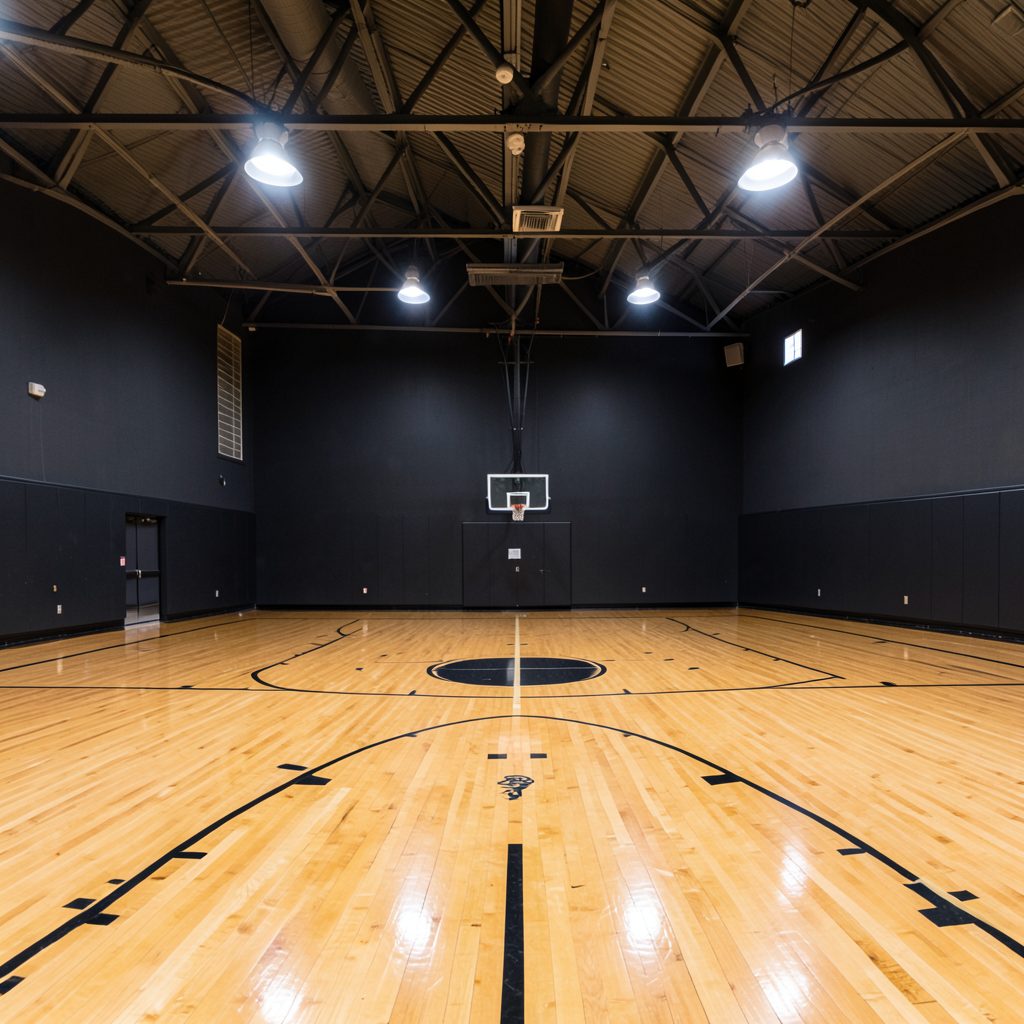
Eight league divisions span every age group: Indy Pro AM, 18+ Open Men's, 30+ Men's, Bite Size (ages 3–6), Impact League, 5th/6th Grade, Middle School, and High School. Gather your team and compete.
Training
Individual and group basketball training for all skill levels. Major M.O.V.E.S. Basketball Training serves ages 4–7 on Wednesday and Thursday evenings at 6:30 PM — $30 per session or $100 unlimited monthly.
Wellness & Recovery
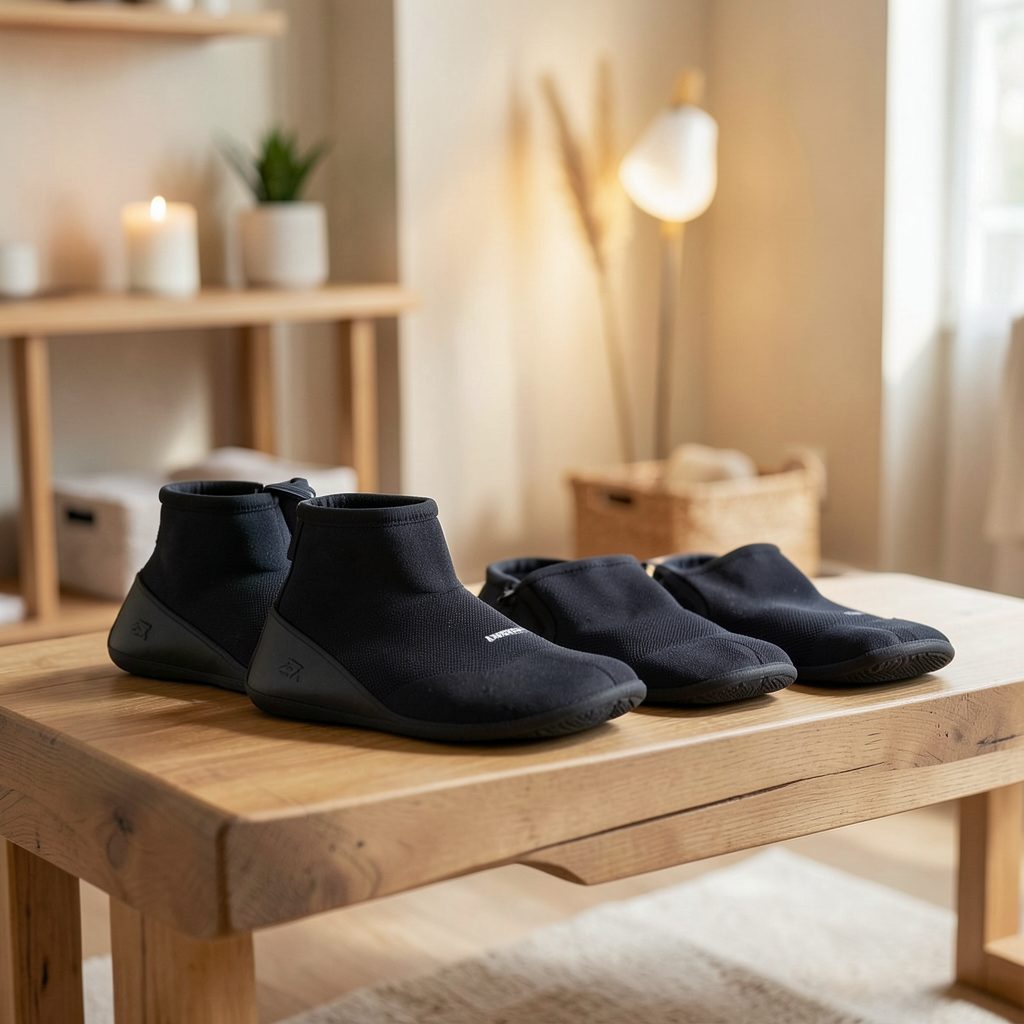
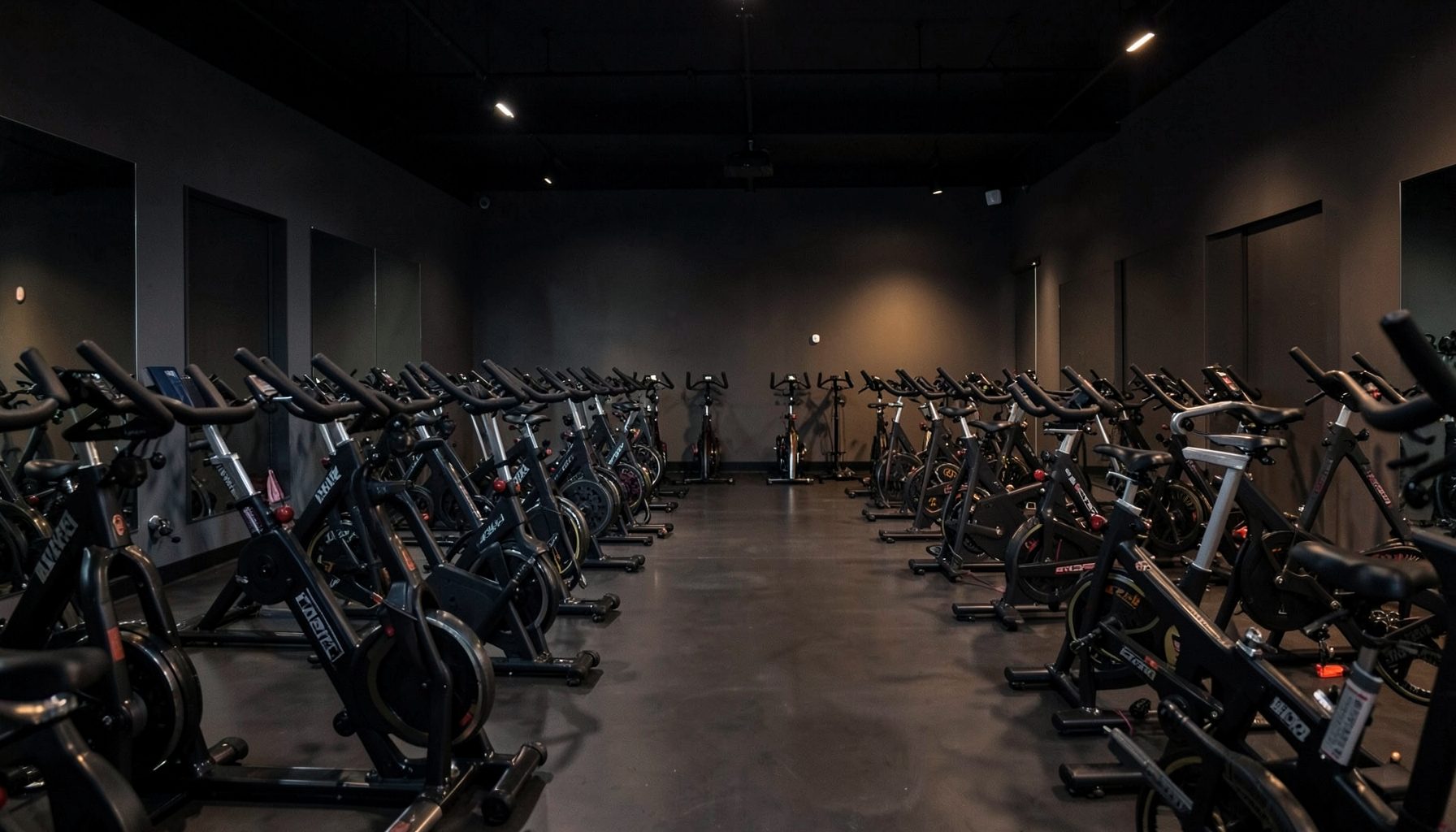
Normatec boot recovery and cryotherapy treatments help athletes bounce back faster. Cycle and spin classes add a cardio dimension to the holistic performance approach.
Have a Question?