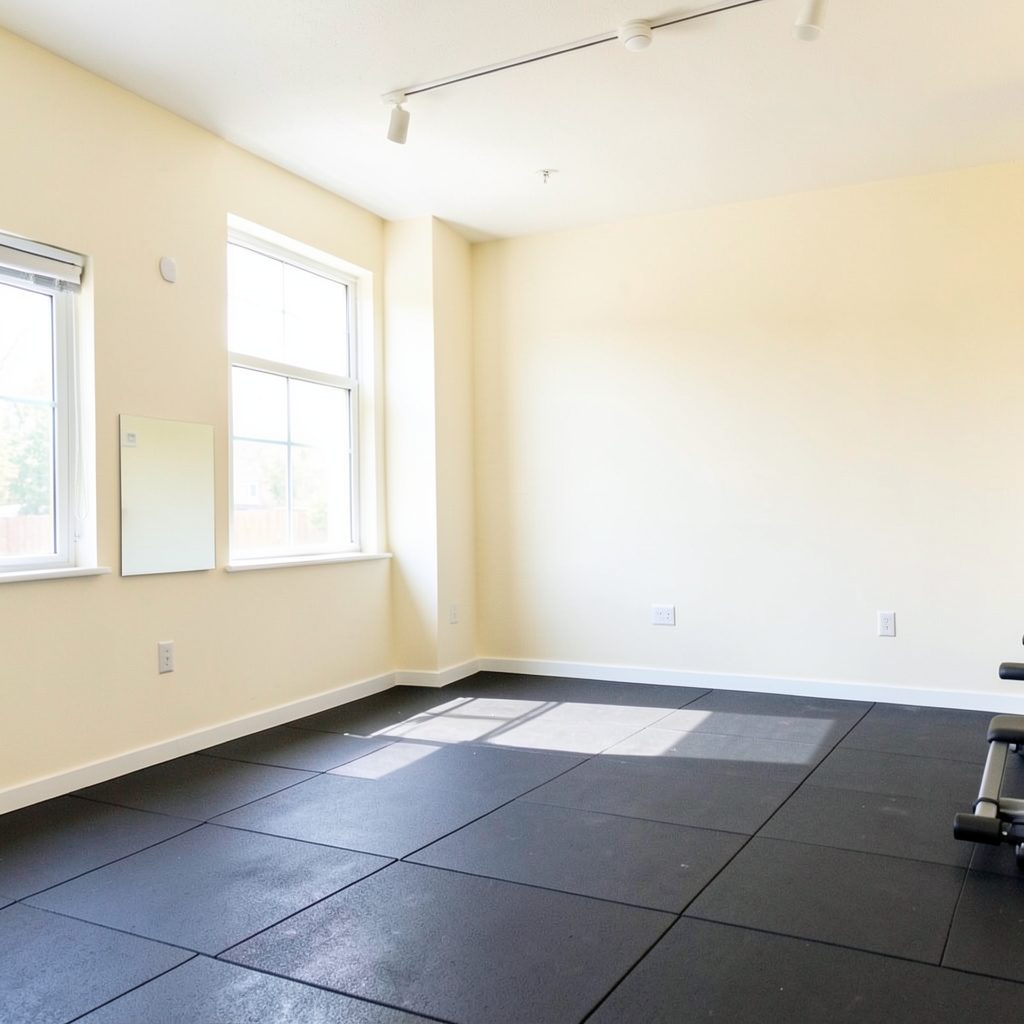
Train. Compete. Recover.
A multi-purpose athletic facility in Speedway, Indiana — basketball leagues, skill training, and wellness services all under one roof.
The Factory D1 Indy brings together three entities under one roof: competitive basketball leagues for all age groups, individual and group training, and wellness & recovery services including Normatec boot recovery and cryotherapy. Located off I-465 and High School Road at 6331 Crawfordsville Road, Speedway, Indiana 46224.
Get In TouchBasketball Catching Drills for Sharper Hand-Eye Coordination
A clean catch is the beginning of nearly every successful basketball action. Before a player can shoot, pass, drive, or make a quick decision, the ball has to arrive under control. Strong hand-eye coordination helps athletes track the ball, position their hands, absorb force, and move into the next action without hesitation.
Catching skills are often treated as a warm-up detail, yet they influence confidence throughout practice and competition. A player who routinely bobbles passes may rush a shot, lose space on a cut, or miss a passing window. Focused catching drills turn those moments into dependable habits.
The best approach blends stationary exercises with movement, changing angles, different speeds, and realistic decisions. Young players can build basic ball awareness, while experienced athletes can use reaction-based work to sharpen their response under pressure.
Why catching deserves focused practice
Catching depends on several skills working together. The eyes must locate the ball, the brain must estimate its speed and path, and the hands must adjust before contact. This process becomes more challenging when a player is running, looking away from the ball, communicating, or preparing to make a play.
Good receiving technique starts with hands visible and ready, fingers spread comfortably, and elbows relaxed. Players should meet the ball rather than wait for it to hit their chest. As the ball arrives, soft hands cushion it toward the body, allowing the athlete to secure possession and transition smoothly.
Coordination drills also reinforce balance and posture. A player who catches with a stable base is better prepared to pivot, pass, shoot, or attack the rim. These small improvements can make practices more productive because less time is spent correcting avoidable fumbles.
Build a reliable catching base
Begin with simple partner passing from a short distance. Use chest passes, bounce passes, and overhead passes, asking the receiver to call for the ball and show a clear target. The passer should deliver accurate but purposeful passes, while the receiver catches with two hands and quickly returns the ball.
To develop soft hands, have players catch tennis balls or smaller training balls before progressing to a basketball. The reduced size demands concentration and encourages active fingers. Alternating hands helps prevent athletes from relying on their dominant side.
A useful variation is the “catch, chin, pivot” drill. The player receives the ball, brings it securely near the chin, establishes a strong stance, and pivots on command. This sequence teaches athletes to protect the ball immediately instead of exposing it after the catch.
Progressive drills for coordination
The two-ball toss is a straightforward way to challenge visual tracking. A partner stands a few feet away and tosses two balls at slightly different heights. The receiver catches both, one after the other, then returns them. Start slowly and increase the pace only when the athlete can maintain control.
For solo work, use a wall. Pass a basketball against the wall with one hand, catch it with the opposite hand, and alternate sides. Change the target height and distance to create different rebound angles. Players can also clap once before catching, which briefly removes the hands from their normal receiving position.
The drop-and-react drill develops reaction time. A partner holds a ball at shoulder height and releases it without warning. The athlete must sprint, slide, or reach to catch it before the second bounce. Keep the distances short and emphasize quick visual recognition rather than reckless diving.
These exercises should feel challenging without becoming chaotic. If the athlete misses repeatedly, slow the drill down, shorten the distance, or use a softer ball. Quality repetitions teach coordination more effectively than hurried attempts.
Add movement and decision-making
Stationary catching is a foundation, but basketball rarely allows a player to stand still. Add footwork by having the receiver sprint from a cone, plant, and catch a pass on the move. After securing the ball, the athlete should complete a jump stop, stride stop, or controlled two-step finish.
Cutting drills are especially useful for game-like hand-eye coordination. The player starts on the wing, changes direction around a cone, and receives a pass as they emerge into space. The passer can vary the timing, forcing the cutter to keep vision active and adjust the route.
Another option is the read-and-catch drill. Place a defender or coach between the passer and receiver. The receiver must show hands only after reading the defender’s position, then catch and immediately choose between a shot, drive, or extra pass. This connects ball reception with awareness and decision-making.
For younger athletes, keep instructions simple and praise correct positioning, communication, and effort. Older players can add closeouts, contact from a pad, limited dribbles, or a shot clock to make the drill more demanding.
Match the drill to the training goal
Different exercises emphasize different parts of receiving technique. Rotating through several formats keeps practices engaging while ensuring that athletes develop more than one type of coordination.
| Drill | Primary focus | Useful progression | Best setting |
|---|---|---|---|
| Partner passing | Hand position and soft hands | Increase distance or pass speed | Warm-up or fundamentals |
| Wall pass and catch | Tracking and unilateral control | Add a clap or change angles | Individual practice |
| Two-ball toss | Visual processing | Vary height and timing | Small-group training |
| Drop-and-react | Reaction speed | Add lateral movement | Athletic development |
| Cut-and-catch | Timing and movement | Add a defender or finish | Team practice |
| Read-and-catch | Awareness and decisions | Limit time or dribbles | Game preparation |
A short block of six to ten minutes can be enough when players stay focused. Coaches should watch for common errors, including catching with stiff arms, turning the head too early, standing upright, or allowing the ball to drift away from the body.
Build a practical practice routine
Catching work fits naturally into a basketball session when it follows a clear progression. Start with control, move to movement, then add pressure. This sequence prepares the nervous system gradually and gives players a chance to experience success before facing faster decisions.
A balanced routine might include:
- Two minutes of stationary chest, bounce, and overhead catches
- Three minutes of wall passes with alternating hands
- Three minutes of movement-based cut-and-catch repetitions
- Two minutes of reaction catches or unpredictable passes
- A final game-speed drill that finishes with a shot or drive
Use both hands, both directions, and multiple passing heights. Rotate partners frequently so athletes learn to adjust to different release points and passing styles. Coaches can track successful catches, clean transitions, and accurate decisions instead of measuring speed alone.
Recovery and nutrition also support quality coordination. Players who arrive fatigued or under-fueled may struggle to focus on visual cues and precise hand placement. Simple options such as fruit, yogurt, sandwiches, or a balanced smoothie can help athletes replenish after demanding sessions; this post-workout snack guide offers practical ideas for basketball players.
Recommendations for consistent progress
Small improvements become noticeable when catching drills are practiced regularly and adjusted to the athlete’s level. Keep the ball moving, but protect technique as intensity rises.
- Practice catching at the start of every basketball workout while attention is fresh.
- Progress from two-hand catches to one-hand, off-angle, and movement-based receptions.
- Add a decision after the catch, such as a pivot, pass, shot, or drive.
- Use clear communication: call the passer’s name, show a target, and say “ball.”
- Record successful repetitions and gradually increase speed, distance, or defensive pressure.
A coach should also create an environment where mistakes provide useful feedback. Ask athletes to identify whether the problem came from poor footwork, late vision, rigid hands, or an inaccurate pass. This helps players learn how to correct the issue instead of simply repeating the drill.
Turn better catches into better plays
Hand-eye coordination grows through frequent, purposeful exposure. A few minutes of catching practice can improve passing reliability, finishing readiness, defensive rebounding, and confidence under pressure when the exercises reflect real basketball demands.
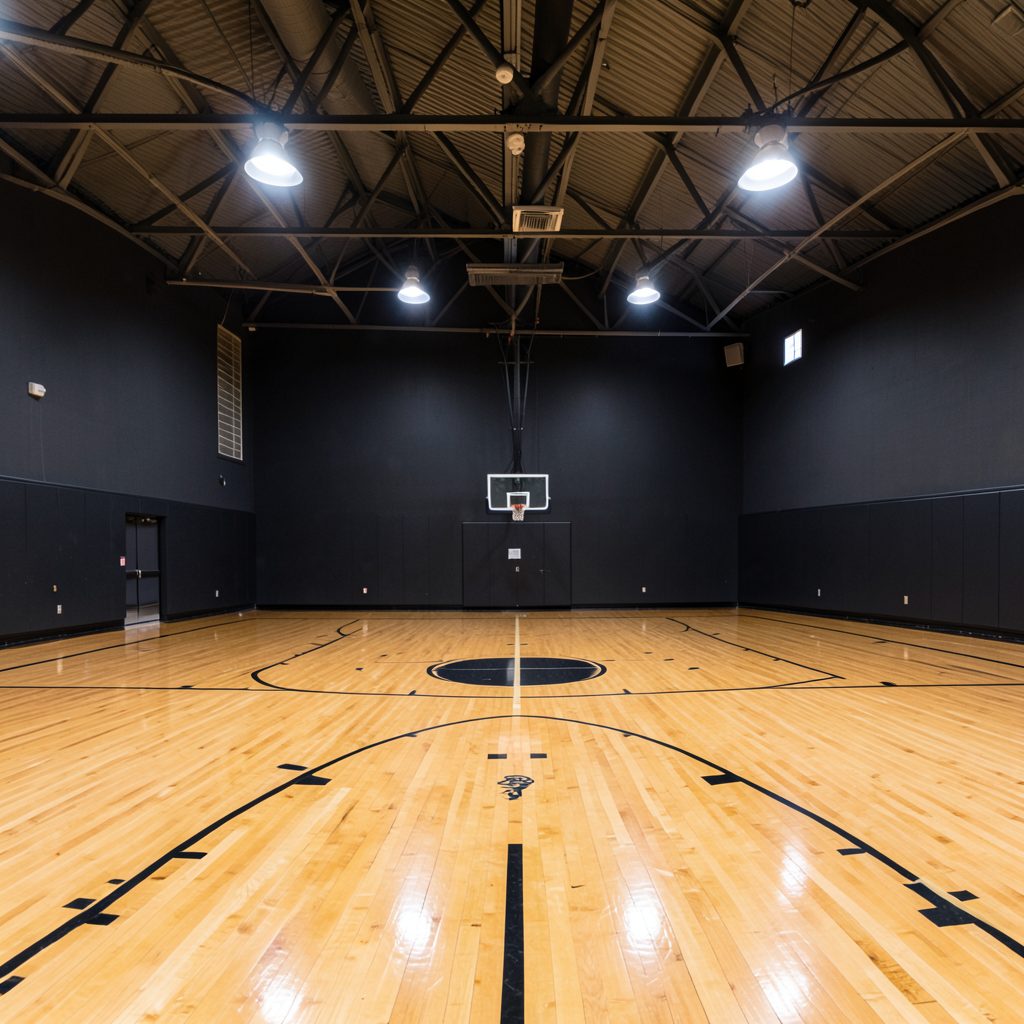
Facilities that combine instruction, leagues, conditioning, and recovery give athletes more opportunities to apply these skills. The Factory D1 Indy serves athletes across ages and experience levels, with a community-centered training environment built around basketball development and active lifestyles.
Bring these drills into your next workout, begin with controlled repetitions, and increase the challenge as clean catches become automatic. Every secure reception gives a player more time, more options, and greater control over the next play.
Inside The Factory
Three Entities, One Roof
Leagues
Eight league divisions span every age group: Indy Pro AM, 18+ Open Men's, 30+ Men's, Bite Size (ages 3–6), Impact League, 5th/6th Grade, Middle School, and High School. Gather your team and compete.
Training
Individual and group basketball training for all skill levels. Major M.O.V.E.S. Basketball Training serves ages 4–7 on Wednesday and Thursday evenings at 6:30 PM — $30 per session or $100 unlimited monthly.
Wellness & Recovery
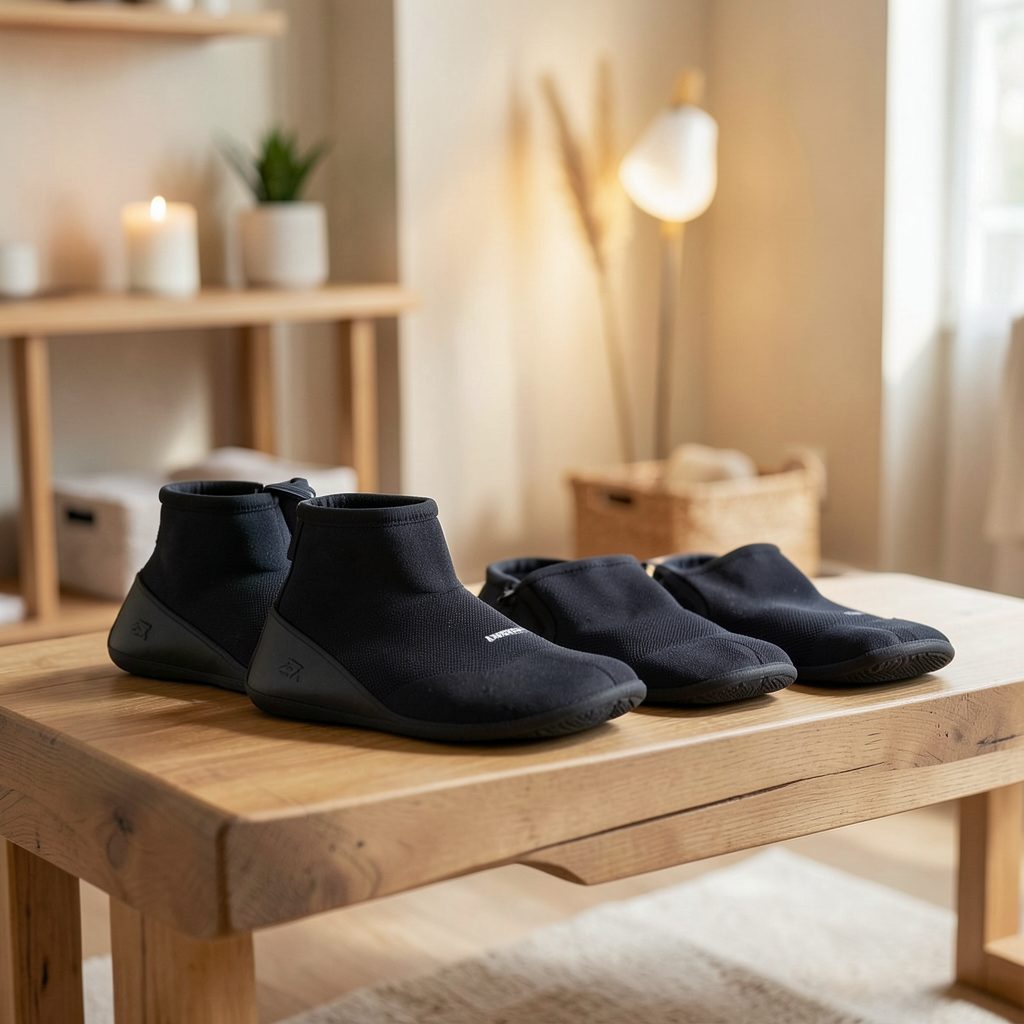
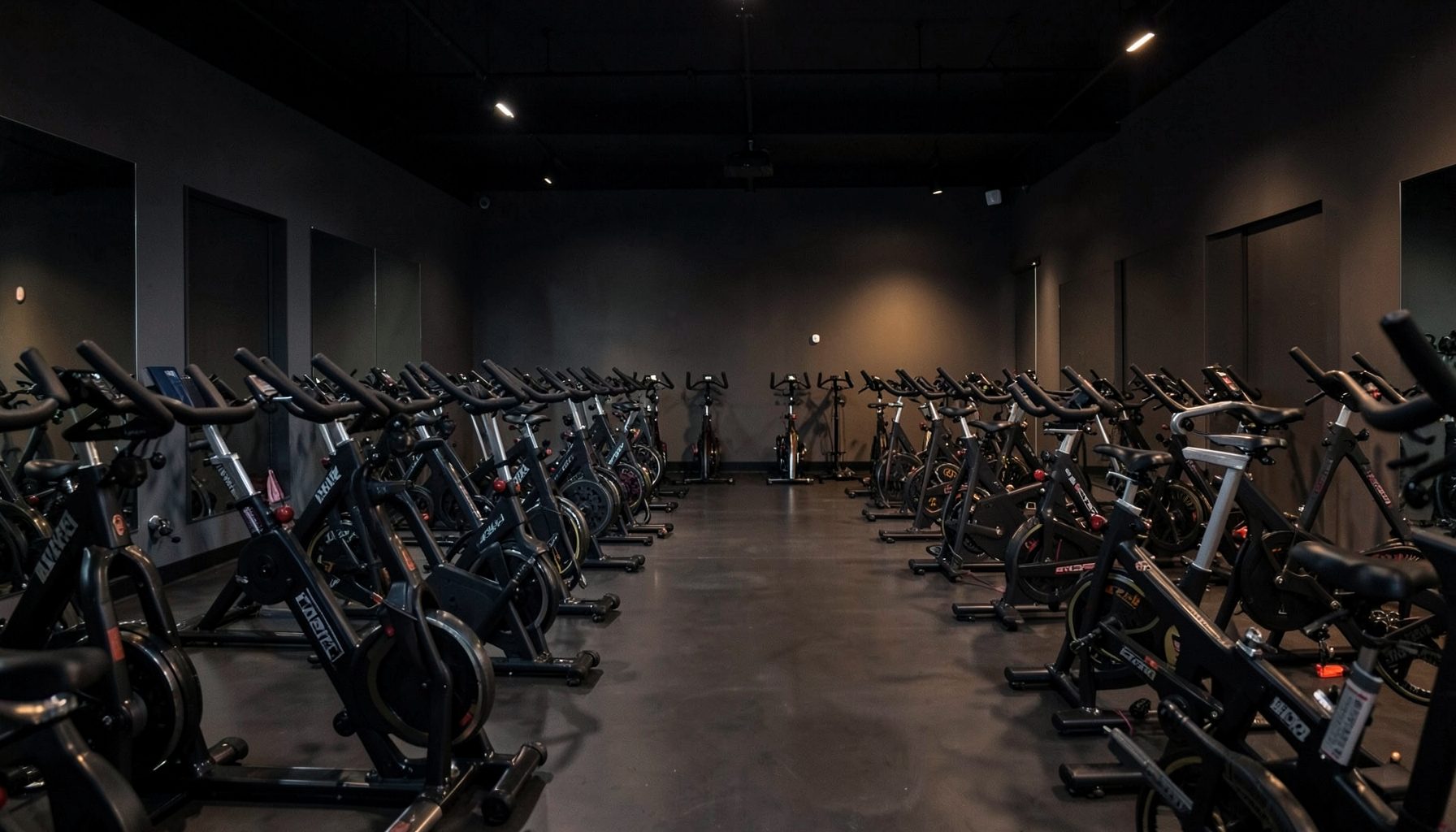
Normatec boot recovery and cryotherapy treatments help athletes bounce back faster. Cycle and spin classes add a cardio dimension to the holistic performance approach.
Have a Question?