Train. Compete. Recover.
A multi-purpose athletic facility in Speedway, Indiana — basketball leagues, skill training, and wellness services all under one roof.
The Factory D1 Indy brings together three entities under one roof: competitive basketball leagues for all age groups, individual and group training, and wellness & recovery services including Normatec boot recovery and cryotherapy. Located off I-465 and High School Road at 6331 Crawfordsville Road, Speedway, Indiana 46224.
Get In TouchBasketball Footwork Drills For A Faster First Step
A quick first step can create space before a defender has time to react. It helps a guard turn the corner, gives a wing room for a pull-up jumper, and allows any player to attack a closeout with confidence. Speed matters, but effective basketball movement begins with balance, timing, and efficient foot placement.
The best footwork drills teach athletes how to load the hips, push from the floor, and keep their bodies under control while changing direction. These skills support acceleration in isolation plays, cuts, defensive slides, rebounds, and fast-break situations.
A strong first step is also a repeatable movement pattern. Players should practice it at different speeds, from both stances, and with realistic reactions. Quality repetitions are more valuable than rushing through a long workout with poor posture.
Why The First Step Matters
The first step is the beginning of nearly every attacking advantage. When a player catches the ball on the wing, the defender is usually trying to contain the drive, influence the direction, or force a difficult shot. A sharp initial movement can shift the defender’s weight and open a driving lane.
Acceleration comes from pushing backward into the floor rather than reaching forward with the foot. The hips should stay low, the chest should remain controlled, and the first step should travel forward at an angle instead of rising straight up. Players who stand tall often lose valuable time before they begin moving.
Footwork also affects defensive performance. The same ability to stop, plant, and redirect helps an athlete stay in front of a ball handler. Developing offensive and defensive movement together creates better body awareness and reduces wasted steps.
Build A Reliable Athletic Stance
Begin in a stance that allows immediate movement. Feet should be slightly wider than shoulder-width, knees bent, hips loaded, and weight distributed through the balls of the feet. The torso should lean slightly forward without folding at the waist. Hands remain active and ready to protect the ball or contest a pass.
A useful teaching cue is “nose over toes.” This position keeps the body prepared to accelerate while avoiding excessive weight on the heels. Players should also keep their feet underneath their hips rather than crossing them before the movement has started.
Practice the stance without a ball first. Hold it for 10 to 15 seconds, then perform short bursts in different directions. Add a ball only after the lower-body position feels natural. Athletes who master the starting position can focus on reading defenders instead of thinking about every joint in the movement.
Drills That Sharpen Initial Burst
The following exercises develop different parts of first-step quickness. Perform each drill with control at first, then add speed while preserving posture and clean foot placement.
| Drill | Main Skill | Suggested Volume | Coaching Focus |
|---|---|---|---|
| Split-Stance Push-Off | Explosive acceleration | 3 sets of 5 each side | Push through the back foot |
| Jab And Go | Creating defensive movement | 3 sets of 6 each side | Sell the jab, then attack |
| Cone Angle Drive | Directional speed | 4 reps each direction | Keep the first step low |
| Drop-Step Sprint | Hip turn and recovery | 3 sets of 4 each side | Open the hips quickly |
| Mirror Shuffle | Reaction and balance | 4 rounds of 15 seconds | Stay square and controlled |
The split-stance push-off is a simple starting point. Place one foot slightly ahead of the other, load the hips, and drive forward for three explosive steps. Reset completely between repetitions. This drill teaches players to create force without rocking backward first.
For the jab-and-go drill, face a cone or partner as though defending the ball. Jab with the lead foot, return quickly to balance, and attack in the opposite direction. The jab should move the defender without causing the offensive player to rise. Add a live defender once the rhythm becomes consistent.
Cone angle drives help athletes understand that the quickest path is not always straight ahead. Set cones at 45-degree angles and attack them from a stationary stance. Emphasize the push from the inside edge of the back foot and the ability to protect the ball with the outside shoulder.
Train Braking And Direction Changes
A fast first step has little value if a player cannot stop after gaining an advantage. Deceleration drills teach athletes to lower their center of gravity, shorten their steps, and absorb force through the hips. This control supports pull-up jumpers, hesitation moves, and safe changes of direction.
Try a three-step burst followed by a controlled stop. Sprint for three steps, sink into a balanced stance, and hold the finish for two seconds. The knees should track over the toes, and the feet should not slide excessively apart. Progress by adding a crossover, retreat dribble, or shot fake after the stop.
The drop-step sprint is another useful movement. Start in a defensive stance, turn the hips toward a marked direction, and sprint for five yards. Return with a controlled backpedal or defensive slide. This teaches the hips to rotate without losing balance, which is essential when a defender is beaten by an initial drive.
Avoid practicing change-of-direction work only at maximum intensity. Athletes need technical repetitions at half speed before they can perform the pattern safely during competition. Good stopping mechanics reduce unnecessary stress on the knees and ankles while making the next movement faster.
Connect Footwork To Game Decisions
Stationary drills build mechanics, but game-ready footwork requires perception. Add a coach, partner, or visual signal to determine whether the player drives left, drives right, retreats, or stops. This trains the first step as a response rather than a memorized sequence.
Use closeout attacks to connect footwork with common basketball situations. A passer throws the ball to the offensive player while a defender closes out under control. The receiver uses a shot fake, jab, or immediate drive based on the defender’s balance. The goal is to recognize space and attack before the closeout is complete.
Small-sided games are especially effective because they force players to make decisions under pressure. Limit the game to one or two dribbles, award points for paint touches, or require a drive after every catch. These constraints encourage efficient footwork and discourage unnecessary dribbling.
Players should also practice both sides of the floor. A right-handed athlete may naturally prefer a right-foot lead and right-hand drive, but defenders will take away familiar options. Balanced training improves confidence when the first move is blocked.
Use Recovery To Support Consistent Training
Explosive footwork places repeated demands on the calves, quadriceps, hamstrings, hips, and feet. Recovery should be part of the training routine, especially for athletes combining skills sessions, league games, strength work, and conditioning.
A basic recovery plan includes a gradual warm-up, dynamic mobility, hydration, quality sleep, and a cooldown after practice. Light movement on the following day can help maintain circulation without adding heavy impact. Athletes should report persistent pain rather than trying to train through it.
Some players also use specialized recovery services after demanding sessions. This cryotherapy and soreness guide explains how cold-based recovery may fit into a broader approach to managing post-exercise discomfort. Recovery tools should support sound training habits, not replace them.
Track progress through measurable details: the time needed to reach a cone, the number of clean drives from each side, or the ability to stop without losing balance. Improvement is easier to recognize when athletes record consistent tests instead of relying only on how fast a drill feels.
Make First-Step Work Part Of Practice
A short footwork block can fit into nearly any basketball workout. Spend five minutes on stance and push-off mechanics, five minutes on change-of-direction work, and another five minutes applying the movements to live attacks. Keep repetitions brief enough that every attempt remains sharp.
Use these recommendations to organize a practical routine:
- Warm up with skips, hip mobility, ankle rolls, and controlled defensive slides.
- Perform first-step drills on both sides, beginning with the weaker direction.
- Keep acceleration repetitions short and rest long enough to preserve explosiveness.
- Add a defender or decision cue once the movement pattern is technically sound.
- Record one measurable result each week, such as sprint time or successful paint touches.
Consistency matters more than occasional exhausting sessions. Two or three focused footwork workouts each week can improve acceleration, balance, and confidence when paired with strength training and live basketball. At The Factory D1 Indy, athletes can turn these movements into structured skill work, competitive repetitions, and conditioning that reflects real game demands.
Bring these drills to your next practice, start with controlled repetitions, and build toward live reads at game speed. A quicker first step develops through deliberate footwork, strong body control, and regular opportunities to attack with purpose.
Inside The Factory
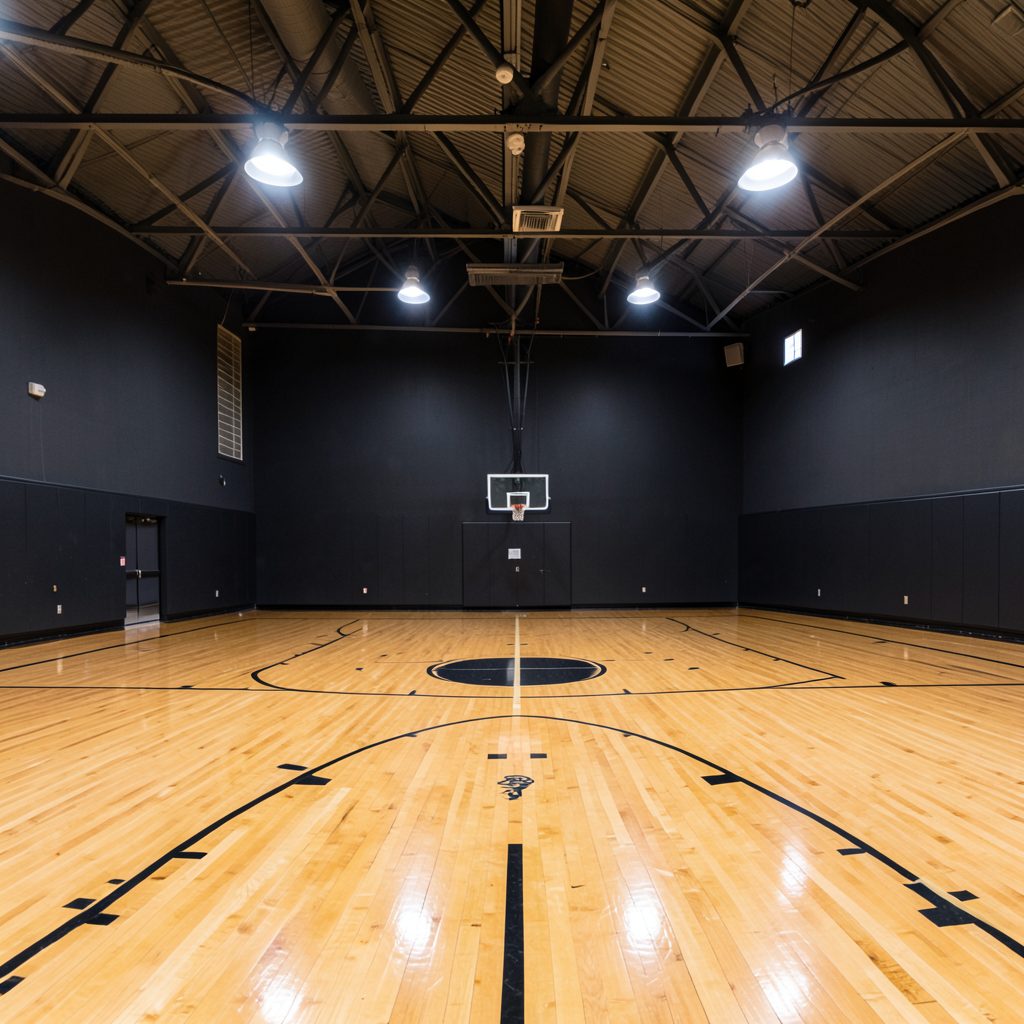

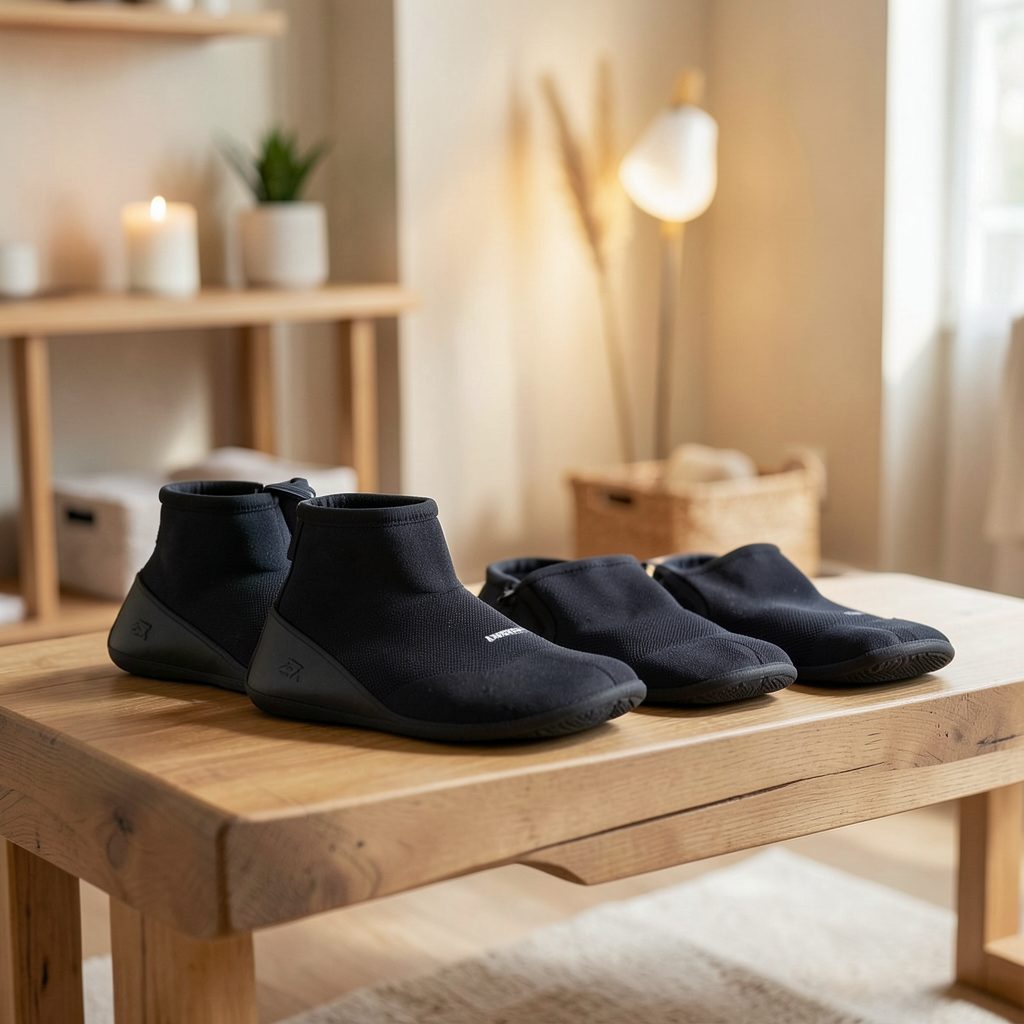
Three Entities, One Roof
Leagues
Eight league divisions span every age group: Indy Pro AM, 18+ Open Men's, 30+ Men's, Bite Size (ages 3–6), Impact League, 5th/6th Grade, Middle School, and High School. Gather your team and compete.
Training
Individual and group basketball training for all skill levels. Major M.O.V.E.S. Basketball Training serves ages 4–7 on Wednesday and Thursday evenings at 6:30 PM — $30 per session or $100 unlimited monthly.
Wellness & Recovery
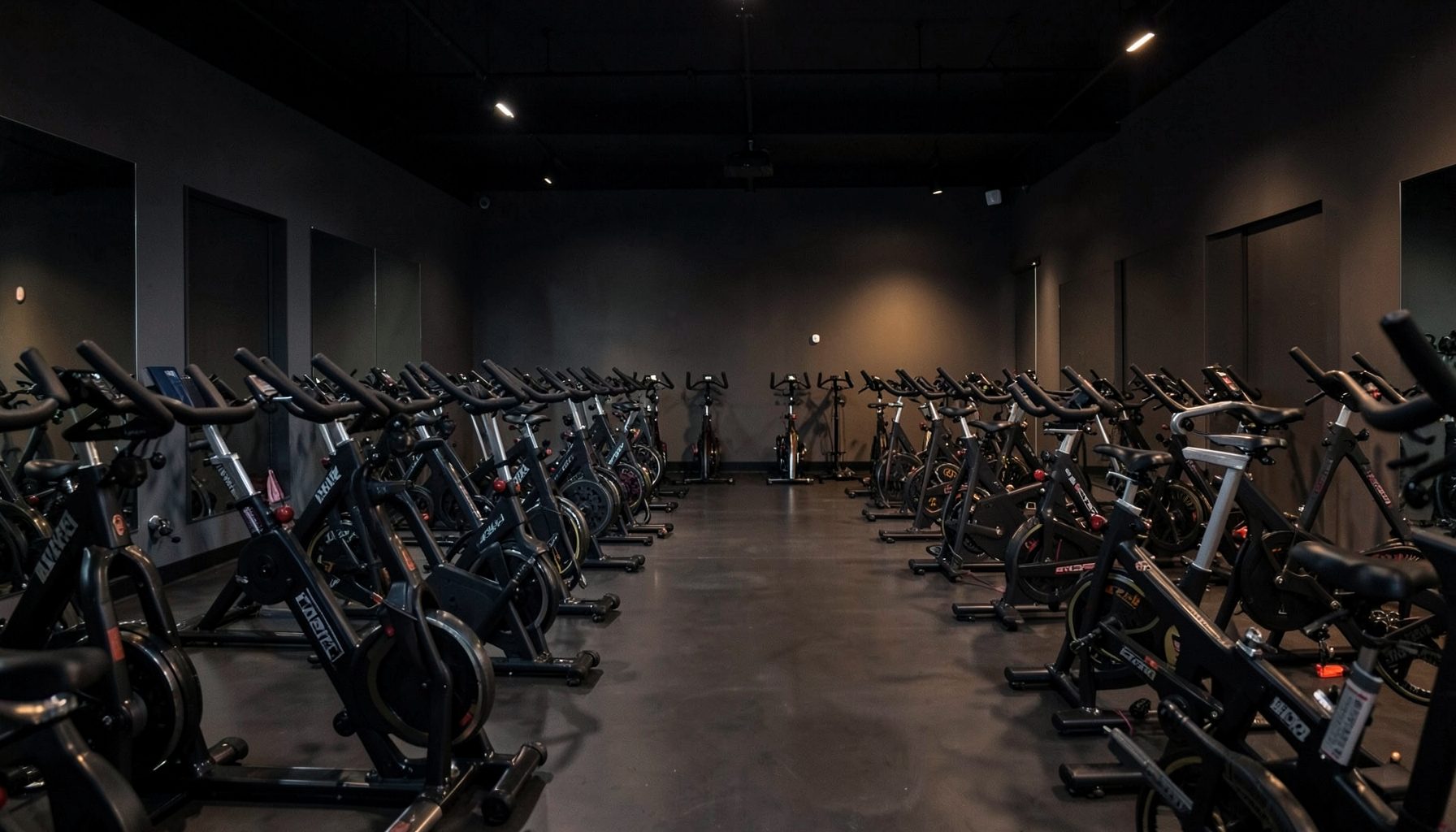
Normatec boot recovery and cryotherapy treatments help athletes bounce back faster. Cycle and spin classes add a cardio dimension to the holistic performance approach.
Have a Question?