Train. Compete. Recover.
A multi-purpose athletic facility in Speedway, Indiana — basketball leagues, skill training, and wellness services all under one roof.
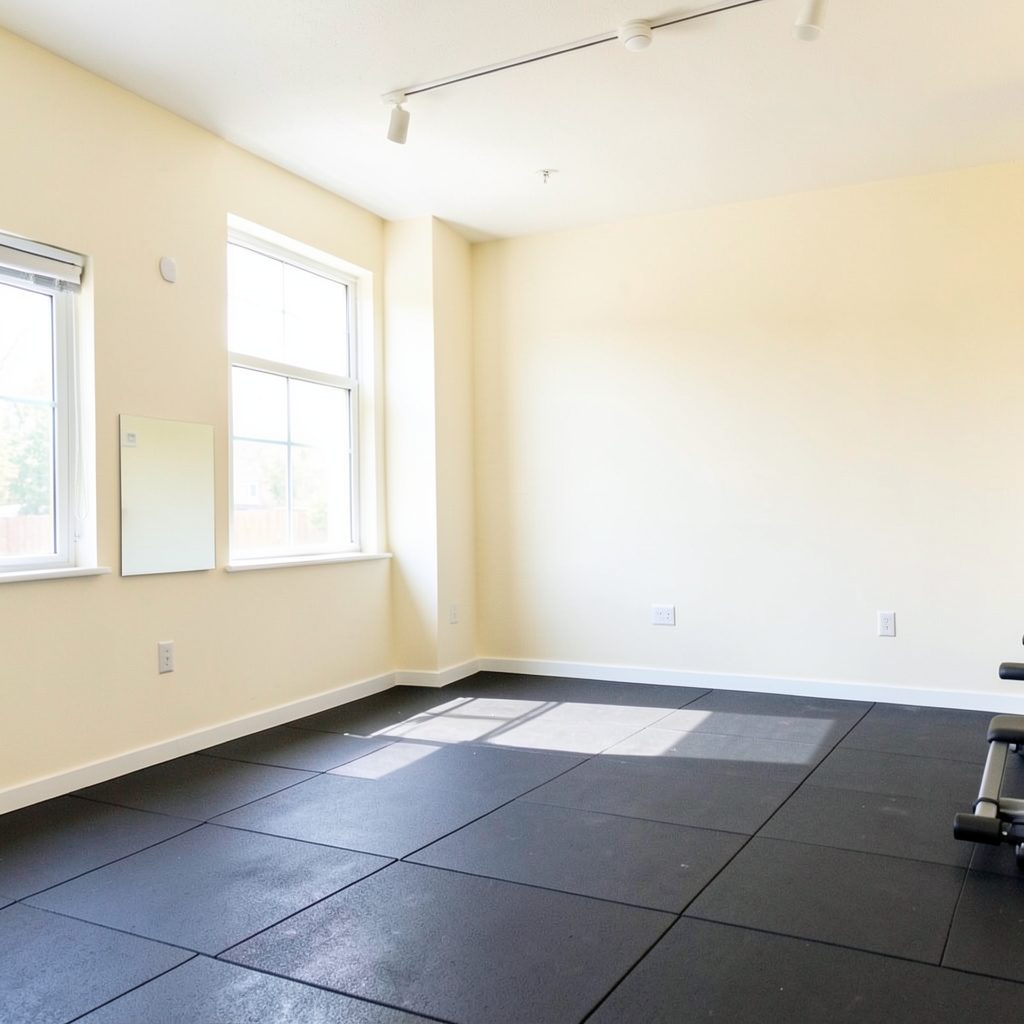
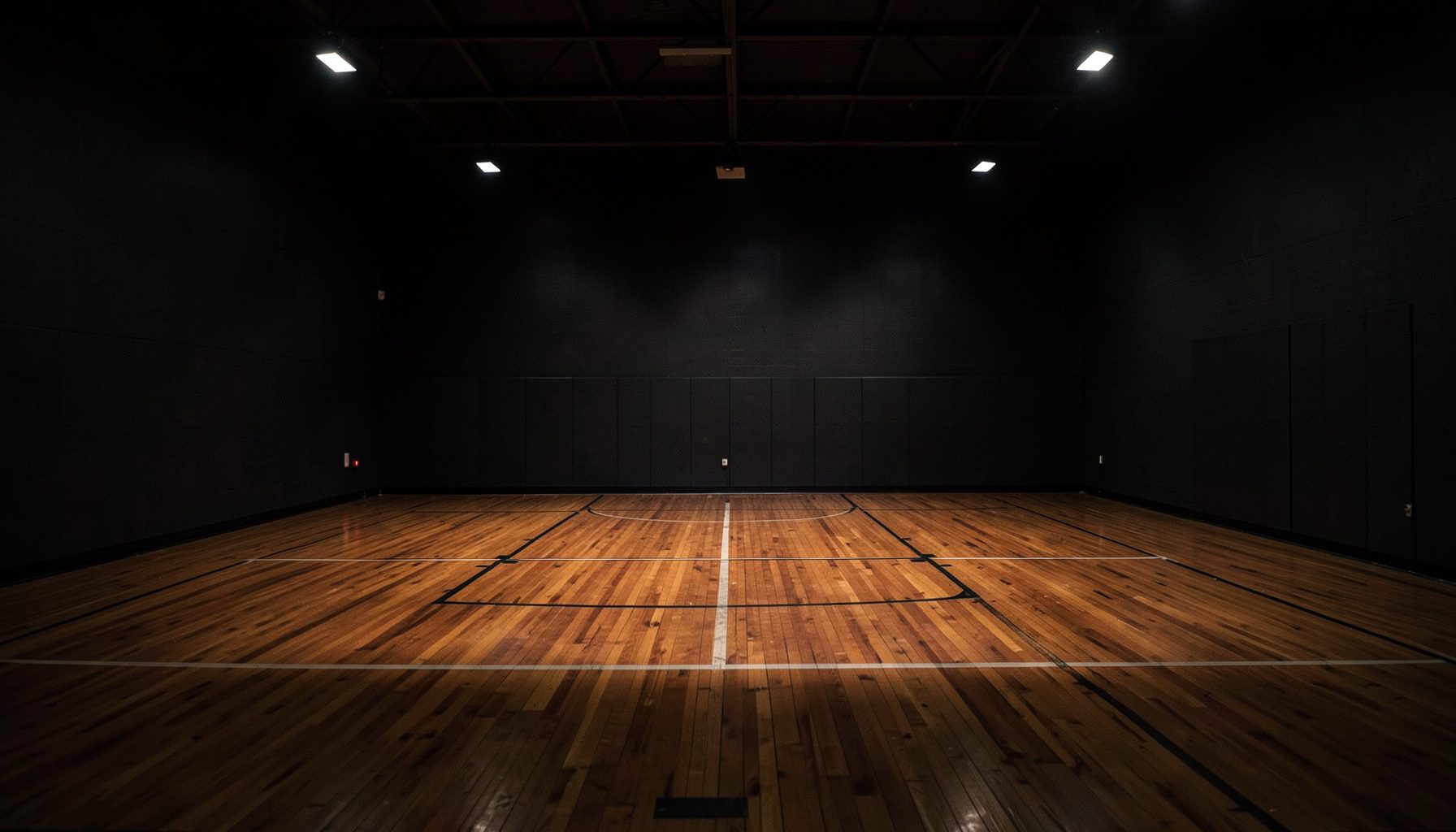
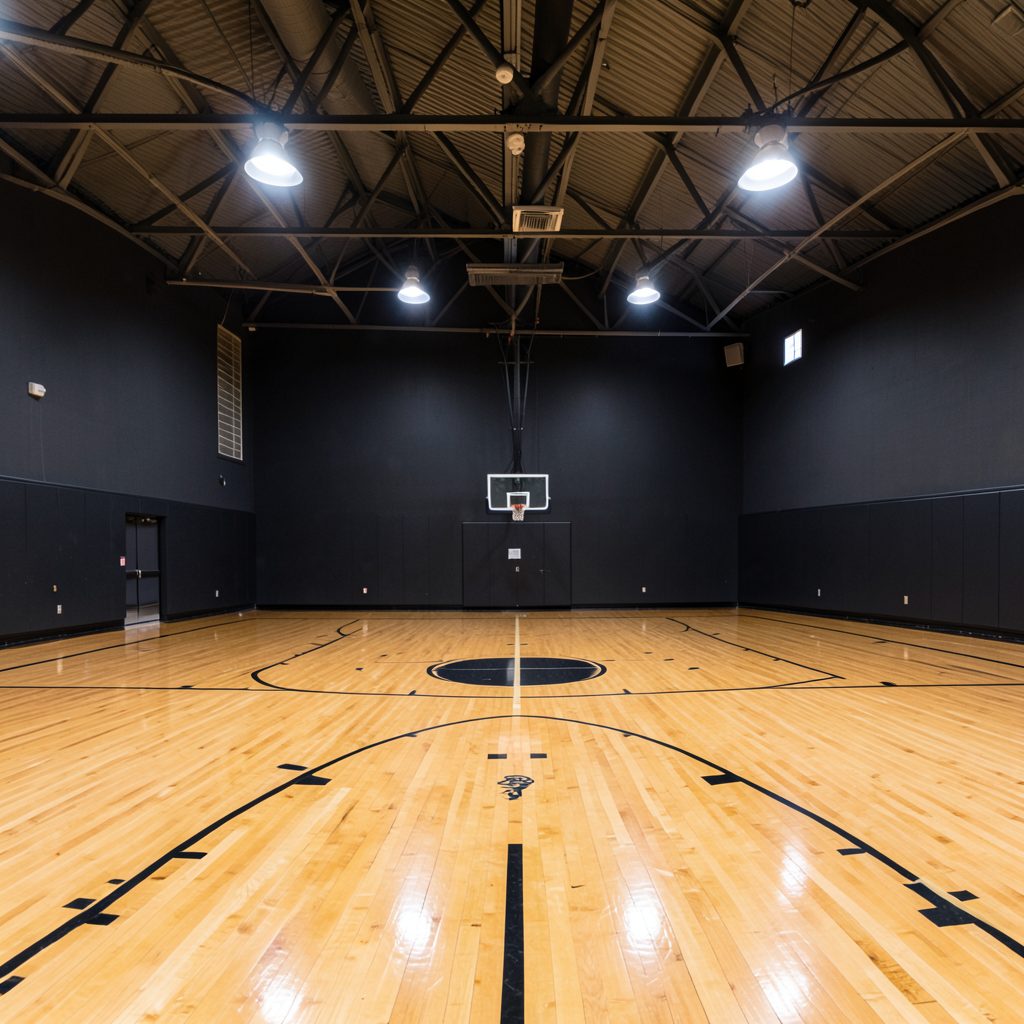
The Factory D1 Indy brings together three entities under one roof: competitive basketball leagues for all age groups, individual and group training, and wellness & recovery services including Normatec boot recovery and cryotherapy. Located off I-465 and High School Road at 6331 Crawfordsville Road, Speedway, Indiana 46224.
Get In TouchHow Cryotherapy May Ease Muscle Soreness
Muscle soreness is a familiar part of training, whether it follows a demanding basketball workout, a hard spin class, or a new strength routine. The tenderness that appears hours later is commonly called delayed-onset muscle soreness, or DOMS. It often develops when muscles perform unfamiliar movements, absorb repeated impact, or work through lengthening contractions.
Cryotherapy uses carefully controlled cold exposure to influence pain signals, blood flow, and tissue temperature. It may help an athlete feel more comfortable after intense exercise, but it is not a shortcut that repairs every form of muscle damage. Understanding what cold can and cannot do makes recovery decisions more effective.
At The Factory D1 Indy, athletes can combine training, competition, conditioning, and recovery in one athletic environment. Basketball players, cyclists, and active adults can use recovery services as part of a wider routine that includes appropriate training loads, nutrition, hydration, sleep, and mobility work.
What Causes Post-Exercise Muscle Soreness
DOMS usually begins between 12 and 24 hours after strenuous activity and can remain noticeable for several days. It is associated with microscopic disruption to muscle fibers and connective tissue, along with a temporary inflammatory response. Movements that place tension on a muscle while it lengthens, such as landing, sprint deceleration, or lowering a weight, are especially likely to trigger soreness.
The discomfort is different from the sharp pain of an acute injury. Sore muscles may feel tender, stiff, weak, or sensitive when touched. Joint swelling, sudden loss of function, bruising, severe pain, or symptoms that worsen rapidly deserve medical attention rather than routine recovery treatment.
Soreness can also affect movement quality. An athlete who changes running mechanics or avoids loading a painful area may place extra stress on another body part. Managing discomfort can therefore support better movement, although reducing pain should never be used to disguise an injury or justify returning to competition too soon.
How Cold Exposure Affects the Body
When tissue is exposed to cold, local blood vessels constrict. This vasoconstriction can temporarily reduce blood flow near the treatment area and lower tissue temperature. Cold also slows nerve conduction, which may decrease the speed at which pain signals travel to the brain. The result is often a temporary numbing or analgesic effect.
Cold may influence the body’s inflammatory activity as well. By reducing local metabolic demand and changing fluid movement, it can help limit feelings of throbbing or heaviness after strenuous exercise. These effects are physiological responses, not proof that all muscle damage has been reversed.
Cryotherapy can refer to several approaches, including an ice pack, cold-water immersion, localized cooling, or whole-body cold exposure. The temperature, duration, body area, and timing all matter. A brief, supervised session is very different from prolonged exposure to extreme cold, and treatment should follow the facility’s safety procedures.
What Research Says About Soreness Relief
Studies of cold-water immersion and other cooling methods often find a short-term reduction in perceived soreness and fatigue. Athletes may report feeling more ready to move, which can be valuable when games or training sessions occur close together. The benefit is usually strongest for comfort and perceived recovery rather than a dramatic improvement in muscle repair.
The evidence is less consistent when researchers measure strength, power, range of motion, or long-term performance. Some people respond well to cooling, while others notice little change. Individual training status, exercise intensity, sleep, hydration, and expectations can influence the outcome.
Timing also matters. Regularly applying intense cold immediately after resistance training may reduce some of the signals involved in muscle adaptation. That does not make cryotherapy inappropriate, but athletes focused on strength or hypertrophy may prefer to use it selectively instead of after every workout. A coach, athletic trainer, or qualified health professional can help match recovery methods to the training goal.
| Recovery question | What cold may do | Practical consideration |
|---|---|---|
| Immediate discomfort | Temporarily dull pain signals and reduce the feeling of heat or throbbing | Useful when soreness interferes with comfortable movement |
| Swelling or heavy legs | Constrict blood vessels and alter fluid movement | Effects vary by person and treatment method |
| Muscle repair | May ease symptoms without directly repairing damaged fibers | Sleep, protein, hydration, and appropriate rest remain essential |
| Strength adaptation | Could blunt some training signals when used aggressively after lifting | Use strategically during strength-building phases |
| Return to activity | May improve perceived readiness | Feeling better does not guarantee full tissue recovery |
Choosing The Right Recovery Window
Cryotherapy is often most useful when an athlete needs symptom relief between demanding sessions. A basketball player facing a tournament weekend, for example, may value temporary soreness reduction before the next game. A cyclist may use cooling after a high-intensity class when the legs feel overheated and fatigued.
For a standard strength session designed to build muscle, immediate cooling may not always be the best default. Allowing the normal training response to occur can be part of the adaptation process. In that situation, athletes may reserve cryotherapy for unusually difficult sessions, congested competition schedules, or soreness that limits normal movement.
Recovery should also be individualized across age groups. Young athletes need age-appropriate training, supervision, hydration, and rest rather than aggressive recovery routines modeled on professional sports. Families preparing for a child’s first league experience can review youth basketball preparation to understand how gradual participation and a positive environment support long-term development.
Pairing Cryotherapy With Better Habits
Cold treatment works best as one part of a recovery plan. Adequate sleep supports tissue repair and nervous-system recovery, while protein provides amino acids needed for muscle maintenance. Fluids and electrolytes help replace what is lost through sweat, particularly after long practices, spin sessions, or games in warm conditions.
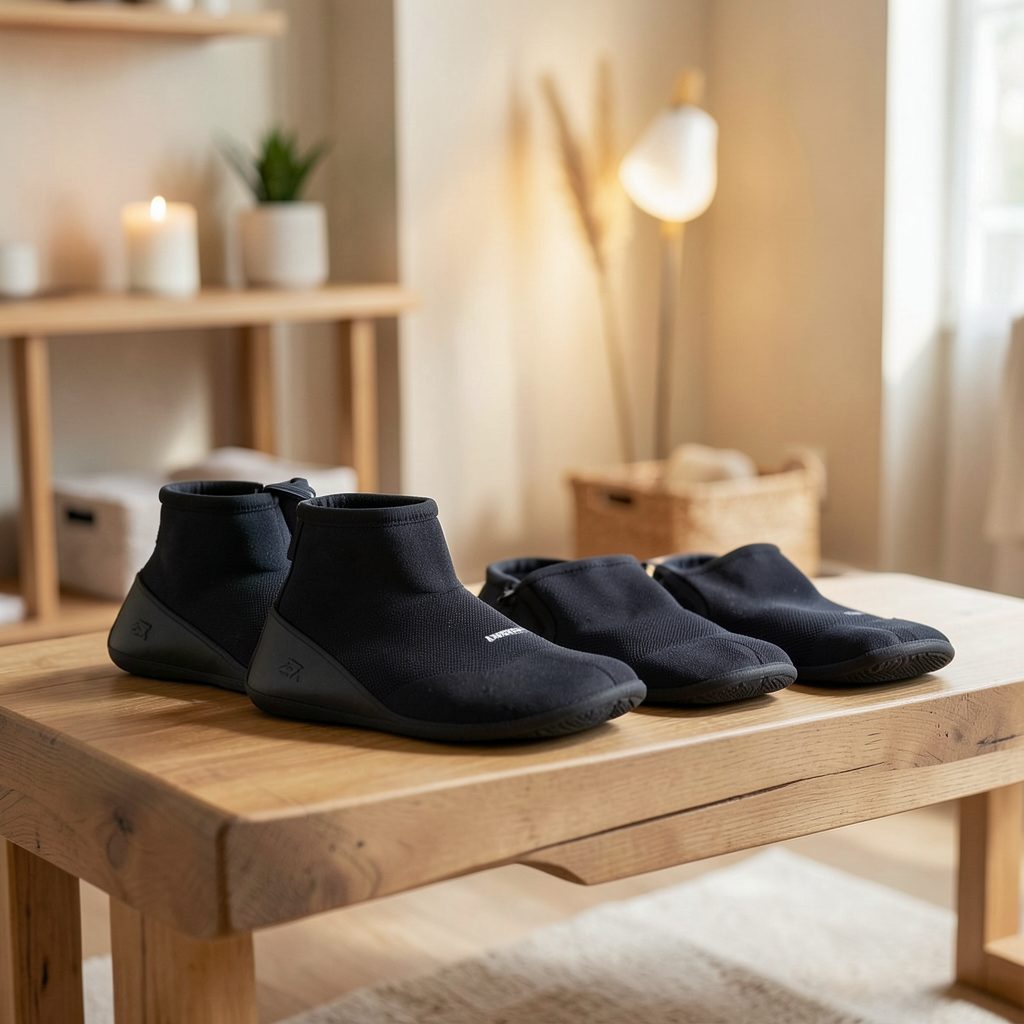
Gentle movement can also be useful. Easy walking, light cycling, mobility exercises, and a gradual warm-up may reduce stiffness without adding significant training stress. Compression therapy, including Normatec sessions, may offer another option for athletes who want a different approach to managing post-exercise heaviness.
Recovery planning should reflect the next demand on the body. A player preparing for another practice may prioritize mobility and comfort, while someone in a strength-building phase may place greater emphasis on nutrition, sleep, and allowing adaptation. The most effective routine is usually consistent and sustainable rather than built around a single high-tech treatment.
Safety And Sensible Use
Cold exposure is not appropriate for everyone. People with cold sensitivity, impaired circulation, certain cardiovascular conditions, uncontrolled high blood pressure, nerve disorders, or a history of cold-related tissue injury should seek medical guidance before using cryotherapy. Open wounds, reduced sensation, and some skin conditions also require special caution.
A supervised session should follow clear limits for temperature and duration. Skin should be checked before, during, and after treatment, and exposure should stop if there is intense pain, unusual numbness, pale or blotchy skin, dizziness, breathing difficulty, or confusion. Longer exposure is not automatically more effective.
Athletes should also avoid using cold to cover up warning signs. Persistent pain, marked swelling, weakness, dark urine, or symptoms that feel disproportionate to the workout may indicate a more serious problem and require prompt medical evaluation. Cryotherapy belongs in a thoughtful recovery plan, not as a substitute for diagnosis.
Building A Recovery Routine That Fits
A simple routine can help athletes decide when cooling belongs in their schedule:
- Use it for temporary soreness relief when comfort and movement are the immediate priorities.
- Avoid treating every normal workout as a reason for aggressive cold exposure.
- Pair cooling with sleep, hydration, balanced meals, and low-intensity movement.
- Follow supervised duration and temperature guidelines, especially during a first session.
- Track soreness, performance, and next-day readiness to learn whether it genuinely helps.
The Factory D1 Indy gives athletes a place to train hard and recover with purpose. Basketball players can move from skills work or league competition toward a structured recovery session, while fitness participants can explore options that complement their conditioning goals. The facility’s digital magazine also provides a convenient way to stay connected with training and wellness information.
Cryotherapy may ease the sensation of muscle soreness by changing nerve signaling, tissue temperature, blood flow, and short-term inflammatory responses. Its strongest role is often improving comfort and perceived readiness, while the foundations of recovery remain sleep, nutrition, sensible progression, and proper medical care. Visit The Factory D1 Indy in Speedway to learn how supervised cryotherapy and other wellness services can fit into your next training cycle.
Inside The Factory

Three Entities, One Roof
Leagues
Eight league divisions span every age group: Indy Pro AM, 18+ Open Men's, 30+ Men's, Bite Size (ages 3–6), Impact League, 5th/6th Grade, Middle School, and High School. Gather your team and compete.
Training
Individual and group basketball training for all skill levels. Major M.O.V.E.S. Basketball Training serves ages 4–7 on Wednesday and Thursday evenings at 6:30 PM — $30 per session or $100 unlimited monthly.
Wellness & Recovery
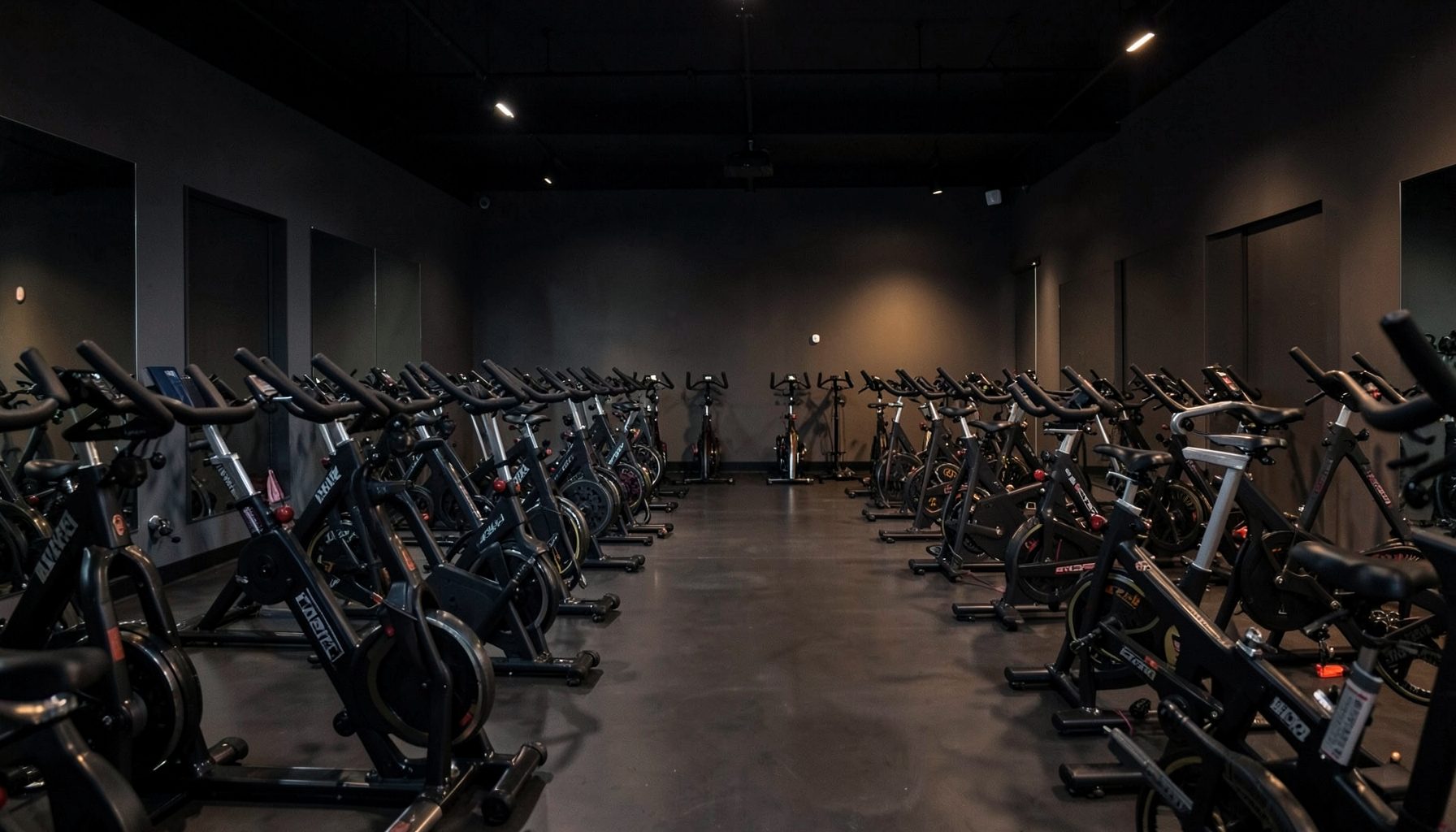
Normatec boot recovery and cryotherapy treatments help athletes bounce back faster. Cycle and spin classes add a cardio dimension to the holistic performance approach.
Have a Question?