Train. Compete. Recover.
A multi-purpose athletic facility in Speedway, Indiana — basketball leagues, skill training, and wellness services all under one roof.
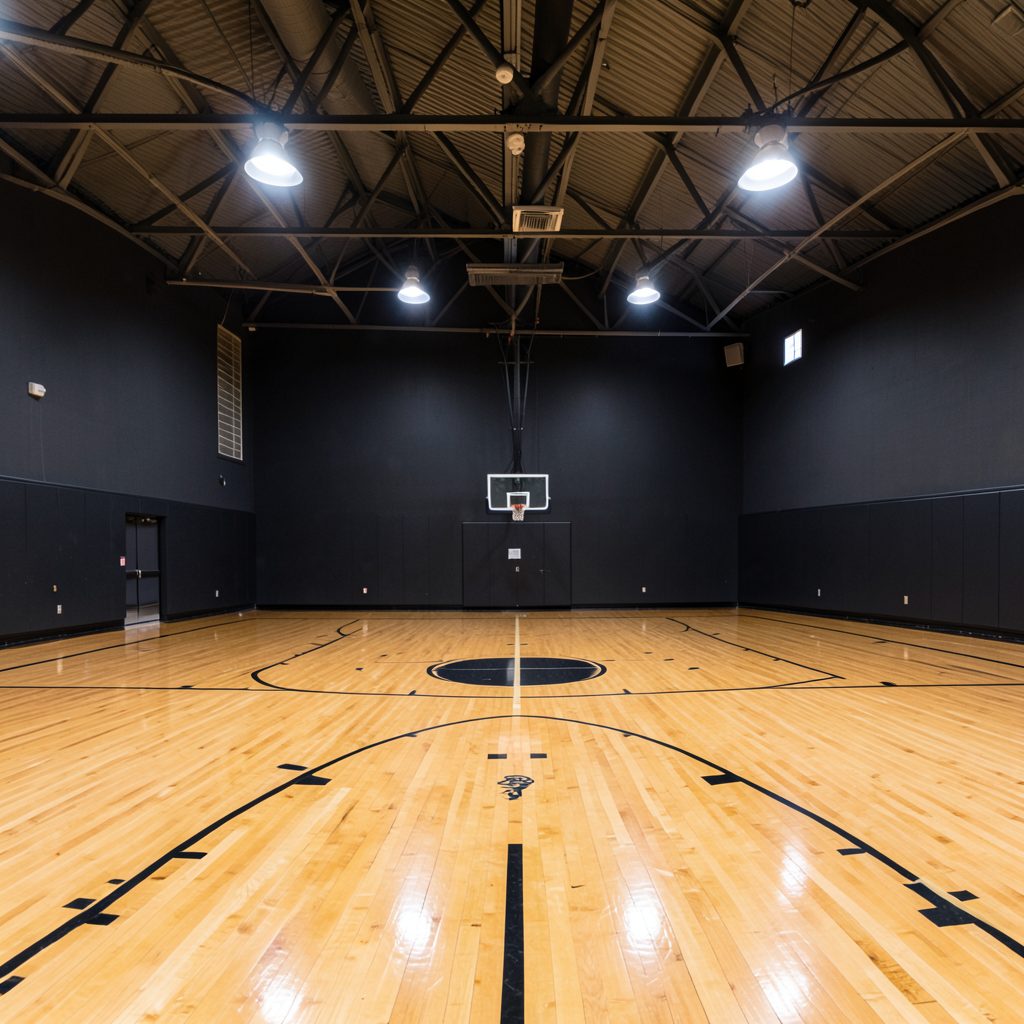
The Factory D1 Indy brings together three entities under one roof: competitive basketball leagues for all age groups, individual and group training, and wellness & recovery services including Normatec boot recovery and cryotherapy. Located off I-465 and High School Road at 6331 Crawfordsville Road, Speedway, Indiana 46224.
Get In TouchBuilding A Basketball Shooting Routine That Works
A reliable jump shot is rarely the result of taking random shots until practice ends. Effective shooting development comes from a routine that gives every repetition a purpose, reinforces sound mechanics, and gradually prepares an athlete for the speed and pressure of competition. The best plan is simple enough to repeat and flexible enough to grow with the player.
A useful shooting workout should balance volume with quality. Young athletes may need short, engaging sessions that develop coordination and confidence, while experienced players may benefit from detailed work on footwork, decision-making, and shot selection. In either case, progress becomes easier to see when practice follows a consistent structure.
The Factory D1 Indy provides an athletic setting where basketball players can combine skill development with leagues, conditioning, and recovery. Whether the goal is to make a school team, become a more dependable scorer, or stay sharp for adult competition, a deliberate shooting plan creates a stronger bridge between training and performance.
Build Around One Clear Goal
Every session should begin with a specific objective. A player might focus on catching the ball in balance, creating separation off a dribble, finishing a workout with tired legs, or improving accuracy from a particular range. A narrow goal helps athletes pay attention to details that can disappear during unfocused repetition.
Choose one primary skill and one supporting skill for each workout. For example, a session centered on catch-and-shoot accuracy could include footwork into the catch as a secondary focus. A workout aimed at pull-up jumpers might pair that shot with ball control and stopping under control. This approach keeps practice organized without making it complicated.
The goal should be measurable. Instead of saying “shoot better,” set a target such as making 35 of 50 uncontested midrange shots with consistent footwork. For game-speed work, count makes after a specific movement or record how often the shot is created within the intended number of dribbles.
Use A Repeatable Warm-Up
A shooting session should start close to the basket. Begin with form shots using one hand, keeping the shooting elbow under the ball and finishing with relaxed fingers pointed toward the rim. Move gradually from short-range bank shots and direct shots to free throws, midrange attempts, and three-pointers.
This progression gives the body time to find rhythm without immediately demanding maximum distance. It also lets the athlete identify mechanical issues early. If the ball is consistently short, the player can adjust leg drive and release timing before fatigue and poor habits become part of the session.
Footwork deserves attention from the first repetition. Practice inside-foot and outside-foot finishes, hop gathers, one-two steps, and shots after a controlled closeout. The feet should prepare the body to rise straight up, rather than forcing the upper body to compensate for an unstable base.
Train Shots In Game Context
Stationary shooting has value, but basketball rarely provides a perfectly still catch. After basic mechanics are warm, add movement, reaction, and decision-making. Sprint to a spot, receive a pass, square the shoulders, and shoot. Then mix in relocations, flare cuts, handoffs, closeouts, and one- or two-dribble pull-ups.
A strong routine changes the visual and physical demands of the shot. Have a partner call the direction of movement, use a coach’s hand signal, or alternate between shooting and attacking a closeout. These details teach the athlete to recognize when a shot is available instead of simply waiting for a comfortable repetition.
Game-like practice should still protect technique. If rushed shots consistently produce a fading body, a low release, or poor balance, reduce the speed briefly and rebuild the movement. Intensity is useful only when the athlete can maintain the habits the workout is designed to improve.
| Training Phase | Main Purpose | Example Work | Quality Standard |
|---|---|---|---|
| Form shooting | Reinforce release and balance | Short-range one-hand and two-hand shots | Smooth motion and soft arc |
| Spot shooting | Build consistency from set areas | Five locations, catch-and-shoot | Set percentage of makes |
| Movement shooting | Connect footwork to mechanics | Relocations, curls, and handoffs | Balanced landing |
| Shot creation | Practice self-generated attempts | Pull-ups and step-backs | Controlled pace and separation |
| Pressure shooting | Prepare for late-game moments | Free throws or timed makes | Routine under fatigue |
Track Quality, Not Just Makes
A made basket is useful feedback, but it does not tell the whole story. Record whether the player arrived on balance, used the intended footwork, released at the right height, and held the finish. A shot that goes in with poor mechanics may be less valuable than a miss produced by a repeatable movement.
Track results in small groups rather than relying only on a full-session total. Ten-shot or twenty-shot sets make it easier to spot trends. An athlete might shoot 70 percent from a stationary corner but struggle after a sprint, or make pull-ups going right while losing accuracy when moving left.
Include pressure in the final portion of practice. Set a target for consecutive makes, require a certain number before changing spots, or finish with free throws after conditioning. The consequence does not need to be punitive; the purpose is to teach the player to maintain a pre-shot routine when breathing hard or feeling urgency.
A pre-shot routine can be brief: locate the rim, set the feet, take one breath, and focus on the target. Repeating the same sequence before free throws and jump shots helps create a familiar mental trigger for confidence.
Adjust Volume To The Athlete
Shooting volume should match age, experience, schedule, and physical condition. A beginning player may benefit from 75 to 150 purposeful shots in a short session, while a seasoned athlete could handle several hundred if the repetitions remain technically sound. More attempts are not automatically better when fatigue changes the movement.
Use work-to-rest intervals to preserve concentration. For example, shoot for four minutes, rest for one, and repeat for three or four rounds. Younger athletes may need shorter blocks and more variety. Competitive players can use timed segments that imitate possessions, transition bursts, and end-of-game situations.
The rest of the training week matters too. A player participating in league games, cycling classes, or demanding strength sessions may need fewer high-volume shooting workouts. The objective is to arrive at competition fresh enough to apply the skill, not exhausted from constantly chasing a larger shot count.
Connect Practice With Recovery
Shooting depends on legs, hips, ankles, shoulders, and concentration. Recovery should therefore be part of the routine rather than an afterthought. A few minutes of walking, mobility work, and gentle stretching can help the body transition out of a demanding session.
Nutrition also supports the next workout. Athletes should replace fluids and choose a meal or snack containing carbohydrates and protein after intense training. Practical guidance on post-workout snacks can help players make recovery food more consistent, especially when practice ends close to school, work, or another activity.
Facilities that offer recovery services can add structure to this process. Normatec compression therapy and cryotherapy may be useful options for athletes managing heavy training schedules, while cycling and spin classes can develop conditioning when programmed appropriately. Recovery choices should support the overall plan rather than replace sleep, hydration, and sensible workload management.
A Weekly Practice Checklist
A weekly schedule works best when it gives each session a distinct purpose. Rather than repeating the same spot-shooting workout every day, rotate technical work, movement shooting, pressure practice, and lighter maintenance sessions. This provides variety while giving key skills enough repetition to improve.
Use the following framework as a starting point:
- Begin one session with form shooting, footwork, and controlled catch-and-shoot repetitions.
- Make another session game-like with relocations, closeouts, pull-ups, and shots after conditioning.
- Include free throws at the beginning and end of selected workouts to measure focus under fatigue.
- Record makes, misses, balance, shot type, and perceived effort after each session.
- Schedule at least one lighter day for mobility, recovery, and confidence-building shots.
Review the numbers once a week. Look for patterns rather than reacting to a single poor workout. If accuracy falls during movement shooting, devote more time to footwork and receiving the ball. If stationary accuracy is strong but game performance remains inconsistent, add more decision-making and pressure to practice.
A shooting routine becomes effective when players can repeat it, measure it, and connect it to real basketball demands. Build from close-range mechanics, progress toward movement and pressure, and stop a set when technique loses its shape. Over time, those disciplined repetitions can make the shot feel more natural when the game moves quickly.
Athletes in Speedway can put this approach into action through basketball training, youth programming, competitive leagues, conditioning, and recovery services at The Factory D1 Indy. Visit the facility to create a purposeful development routine and turn practice time into reliable game performance.
Inside The Factory
Three Entities, One Roof
Leagues
Eight league divisions span every age group: Indy Pro AM, 18+ Open Men's, 30+ Men's, Bite Size (ages 3–6), Impact League, 5th/6th Grade, Middle School, and High School. Gather your team and compete.
Training
Individual and group basketball training for all skill levels. Major M.O.V.E.S. Basketball Training serves ages 4–7 on Wednesday and Thursday evenings at 6:30 PM — $30 per session or $100 unlimited monthly.
Wellness & Recovery
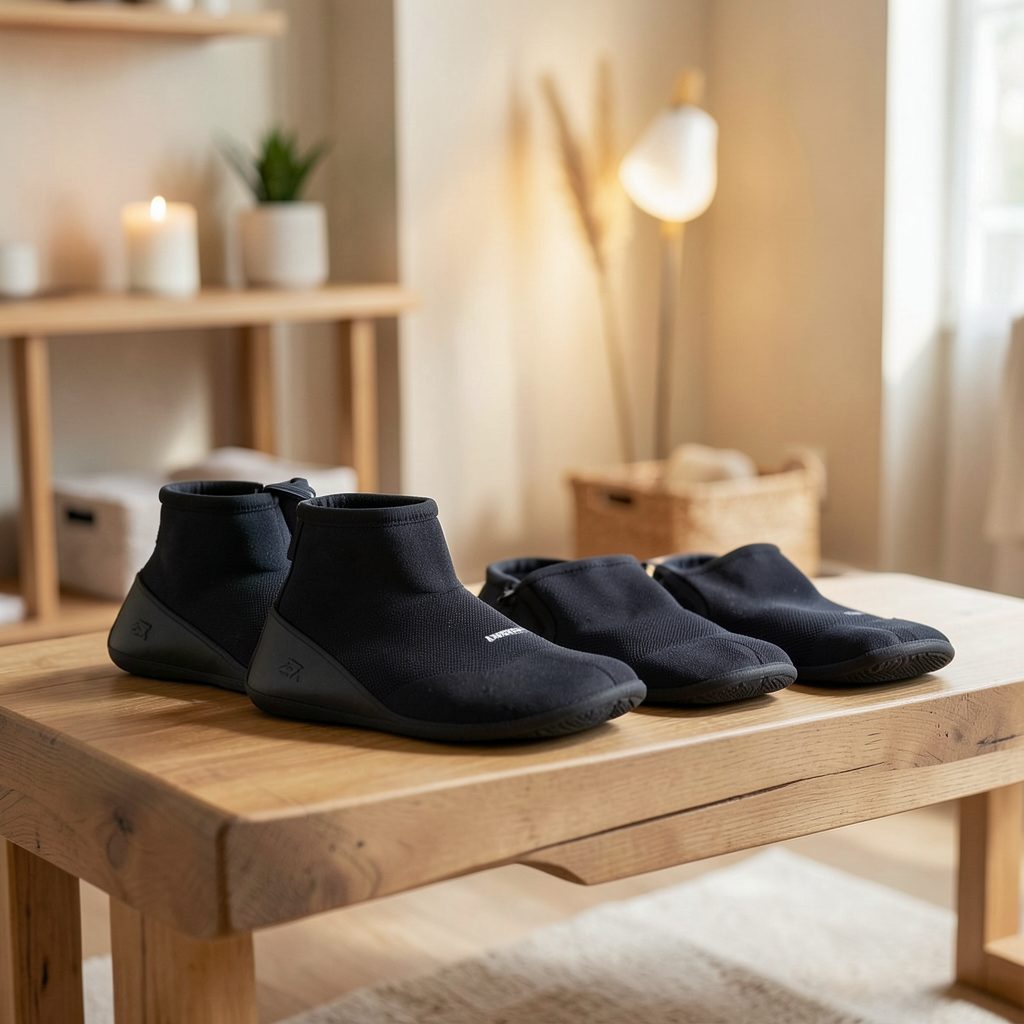
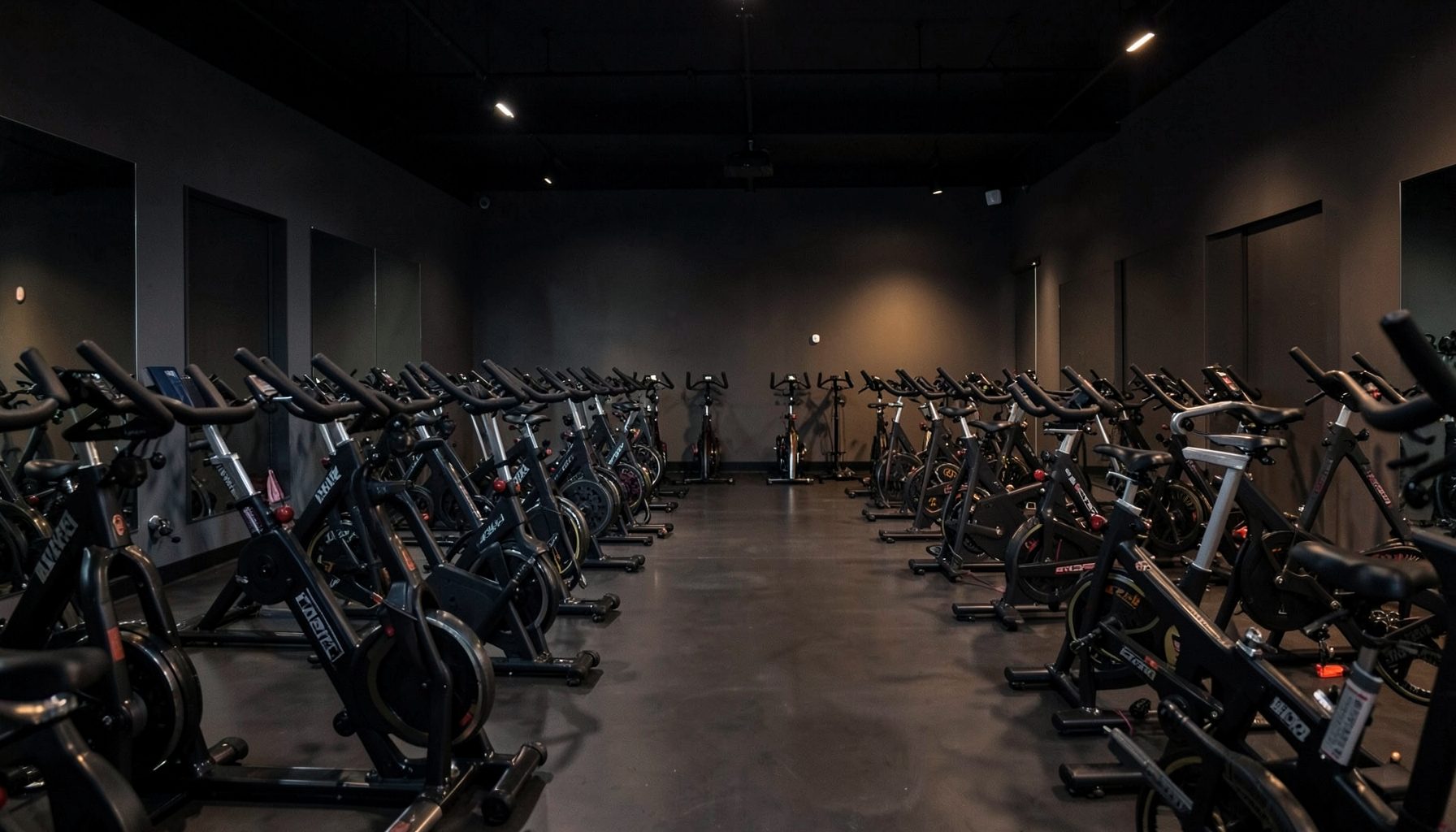
Normatec boot recovery and cryotherapy treatments help athletes bounce back faster. Cycle and spin classes add a cardio dimension to the holistic performance approach.
Have a Question?