Train. Compete. Recover.
A multi-purpose athletic facility in Speedway, Indiana — basketball leagues, skill training, and wellness services all under one roof.
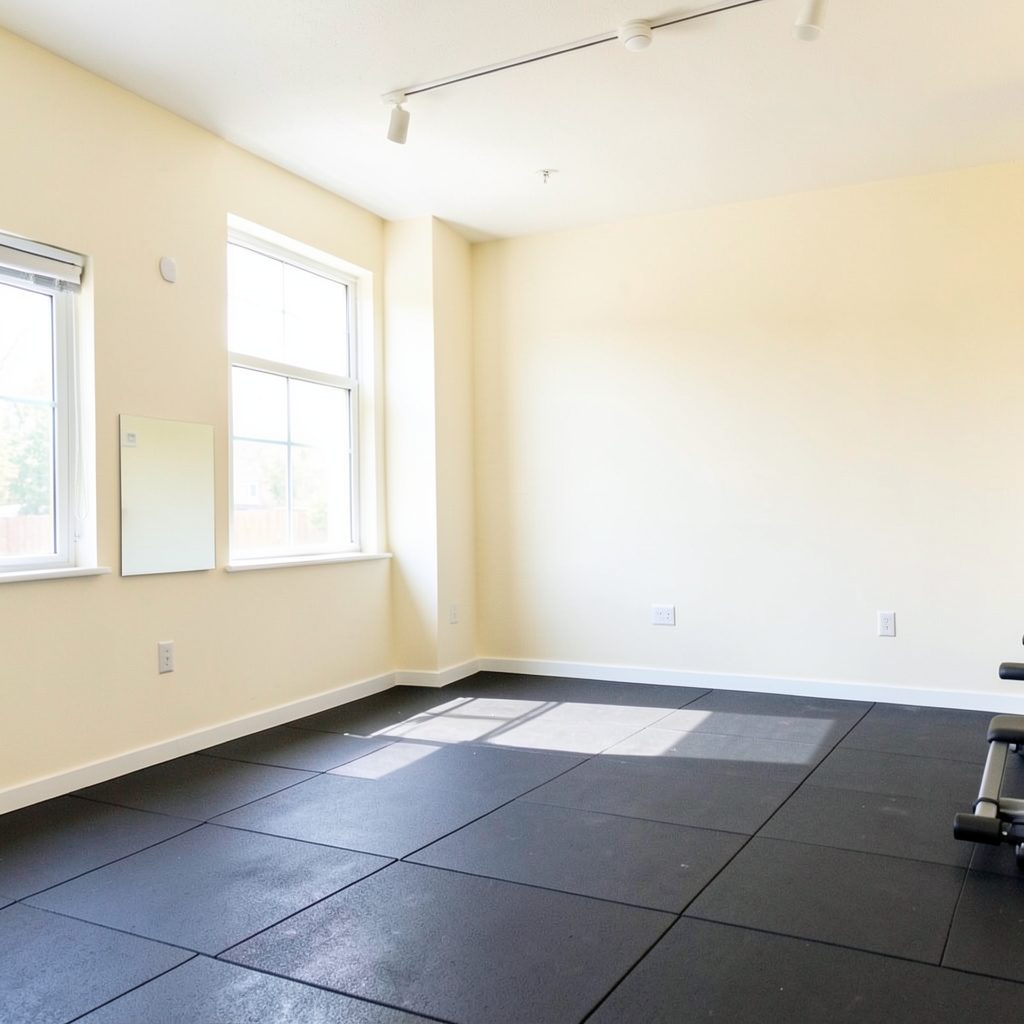
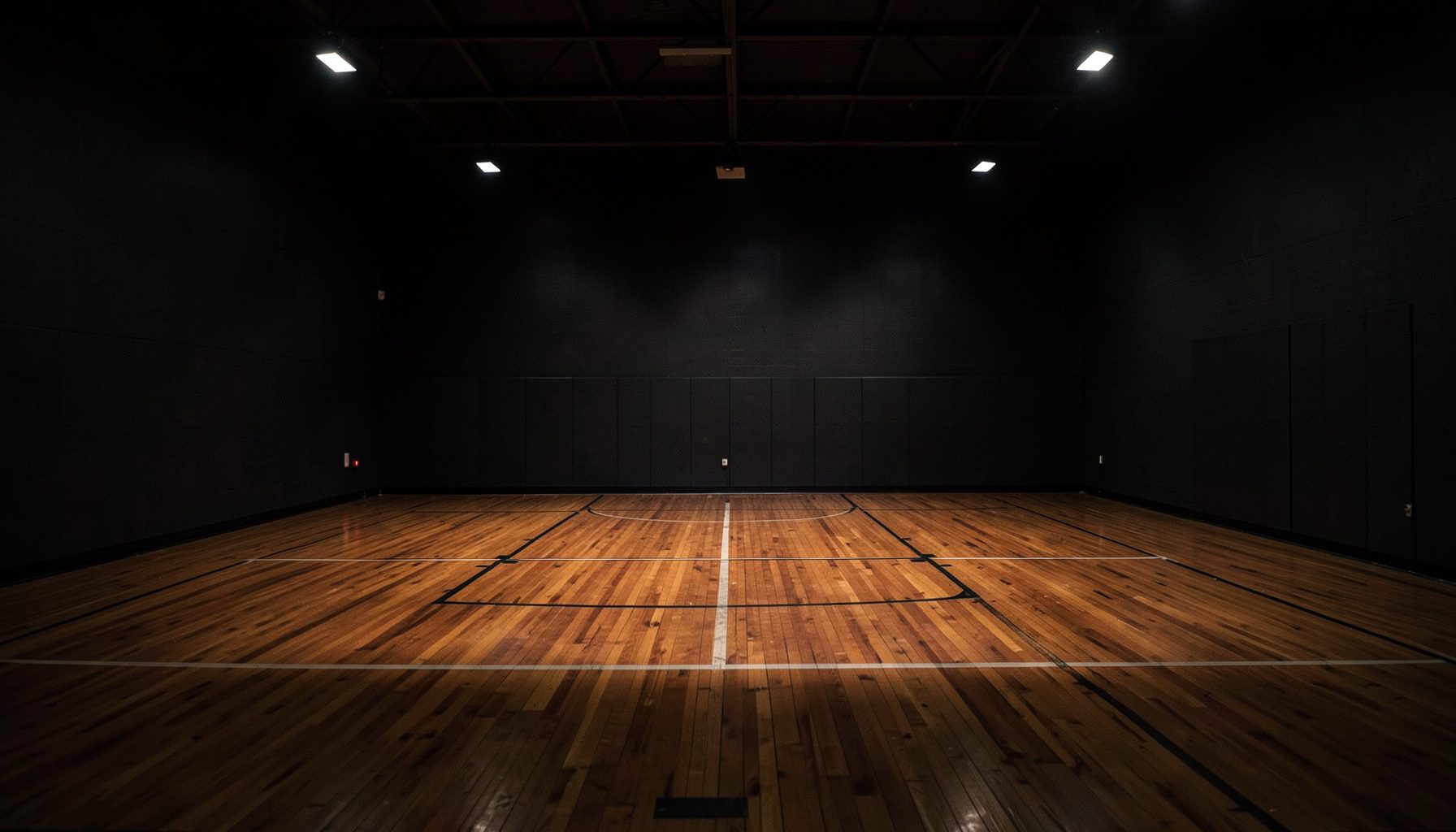
The Factory D1 Indy brings together three entities under one roof: competitive basketball leagues for all age groups, individual and group training, and wellness & recovery services including Normatec boot recovery and cryotherapy. Located off I-465 and High School Road at 6331 Crawfordsville Road, Speedway, Indiana 46224.
Get In TouchBuilding a reliable three-point shot through arc and follow-through
A dependable three-point shot is built through repeatable movement, not occasional flashes of accuracy. The best shooters create a consistent ball flight, release point and finish, then practise those details until they hold up against fatigue, pressure and a closing defender. Arc and follow-through are especially valuable because they provide clear technical checkpoints during every session.
For players in Australia, this work can support everything from school and club basketball to NBL1, WNBL and local association competition. Whether you train in a Melbourne stadium, use an outdoor court in Brisbane or attend a school holiday clinic in Sydney, a structured routine helps turn extra shooting time into measurable progress.
Why arc changes the shot
A three-point attempt needs enough height to give the ball a clean path into the ring. A flat shot travels quickly but leaves little margin for error, particularly when the release is slightly short or off line. A controlled arc gives the ball more opportunity to enter the basket through the front or centre of the hoop rather than striking the front rim at speed.
Arc should feel natural rather than forced. If you try to launch the ball higher by pushing hard with your arms, the shot may lose its rhythm and fall short. Instead, allow the legs, hips and shooting arm to work together. The ball should rise above the level of the backboard’s upper edge at its peak for many players, although body height and release style will affect the exact flight.
Use the ring as the final target, but watch the ball’s shape. A good three-point shot usually has a visible rise, a soft peak and a controlled descent. Recording a few attempts on a phone can reveal whether your arc is consistently flat, excessively high or changing from one position to another.
Set up repeatable mechanics
Begin each repetition with the same stance. Place your feet roughly shoulder-width apart, keep the shooting-side foot slightly ahead if that feels comfortable, and point your hips and shoulders towards the basket. Your knees should be relaxed rather than deeply bent. A stable base makes it easier to reproduce the same lift and release.
Bring the ball into a comfortable shooting pocket near the chest or upper torso. Keep the shooting elbow generally underneath the ball, with the guide hand supporting the side without adding force. As you rise, transfer energy smoothly from the floor through the legs and body into the wrist and fingers. The motion should be continuous instead of a pause followed by a heave.
A useful practice cue is “up, then out”. Lift the ball along a consistent path, then let the wrist and fingers direct it towards the target. Avoid allowing the ball to drift across your face or away from your shooting shoulder. Small changes in alignment can make a technically sound release miss left or right.
Build range in layers
Start close enough to make several shots with a comfortable arc and relaxed follow-through. The aim is to establish clean movement before adding distance. Begin around the lane line or mid-range area, then step back gradually in small increments. If your legs start pushing harder or your release becomes flat, move forward again.
A strong progression might include five makes from each side of the key, five from the elbows and five from a short corner position. Once the mechanics remain consistent, move to the three-point line and repeat the same pattern. Australian players often train across different venues, where court spacing and background distractions vary, so practising from several spots helps transfer the skill.
Do not treat the three-point line as a test of strength. If you cannot reach it without leaning backwards or throwing the ball, the distance is currently beyond your reliable range. Build power through coordinated leg drive and regular strength work, but keep technical shooting within a distance that allows a repeatable arc.
Make the follow-through automatic
The follow-through is the final evidence of how the ball left your hand. After release, the shooting arm should extend towards the ring, the wrist should remain relaxed and the fingers should point down naturally. Hold that position briefly instead of pulling the arm away immediately. This pause gives you time to observe the result and reinforces the same finish on every attempt.
A common error is finishing with a stiff wrist or allowing the thumb of the guide hand to influence the ball. The guide hand should leave the shot quietly, while the shooting hand supplies the final direction and backspin. If the ball spins sideways, examine whether the guide hand is turning it or whether the elbow is moving across the body.
Practise a “freeze finish” drill: shoot, keep the arm extended and remain balanced until the ball reaches the ring. This is particularly useful after a catch-and-shoot action, when players often rush the finish. The same habit can survive game conditions if it is trained at different speeds and from different locations.
Use drills with clear targets
One effective arc drill is the one-hand form shot. Stand close to the basket, use only the shooting hand and focus on a soft trajectory, clean backspin and a held finish. Make a set number before moving away. This isolates the wrist and fingers without allowing the guide hand or excessive body movement to hide technical faults.
Next, use five-spot shooting. Shoot from both corners, both wings and the top of the key, making a fixed number at each position before rotating. Start with stationary catches, then add a pass, a relocation step or a one-two footwork pattern. Record makes and misses by position so that you know whether your arc changes from the corner to the top.
For game transfer, add a defender closing out at controlled speed. The shooter must land balanced, keep the ball on line and finish with the same wrist position. Increase the pressure only after the shot remains technically sound. This approach is more productive than immediately taking hurried attempts from deep.
Track progress and adjust
Accuracy matters, but it is only one part of a useful shooting record. Note the number of makes, the locations used, the type of pass, whether the shot was off the dribble or caught, and how many attempts were taken when tired. Also record common misses. Short misses often suggest insufficient leg drive or a rushed release, while long misses may indicate too much force.
A simple weekly record can show whether your three-point shooting routine is creating genuine improvement. The progress tracking guide can help organise this information and make training decisions more objective. Reviewing trends is more useful than judging yourself by one unusually good or poor session.
Set process goals alongside result goals. For example, aim to hold the follow-through on 90 per cent of attempts or keep the ball’s arc consistent across five spots. A make percentage goal is valuable, but technical goals are easier to control and often lead to more accurate shooting over time.
Bring recovery into the routine
Quality shooting depends on fresh coordination. If your legs are exhausted from a hard game or conditioning session, your arc may flatten and your follow-through may disappear. This does not mean every tired session is wasted, but it does mean you should distinguish between technical practice and conditioning under fatigue.
Plan demanding shooting sessions when your body can produce controlled movement. On other days, use shorter form-shooting blocks, mobility work or light spot shooting. Players balancing basketball with school, work or travel across Australian cities may benefit from scheduling key sessions rather than relying on whatever time remains.
Recovery can also support consistency across a training week. The Factory D1 Indy provides wellness recovery options, including services designed to help athletes manage training demands. Used alongside sleep, hydration, sensible loading and mobility, recovery work can help you return to the court ready to repeat good mechanics.
The goal is not to make every attempt look identical in real time. It is to create a reliable movement pattern that produces a soft arc and a complete finish from different spots, speeds and levels of pressure. Keep the routine simple: establish the base, build distance gradually, hold the follow-through and record what happens.
Athletes who want structured practice can use individual or group basketball training at The Factory D1 Indy to refine shooting mechanics, apply them in competitive situations and build confidence through repetition. Bring your current shooting notes, work through the arc and follow-through checkpoints, and make each session a purposeful step towards a more dependable three-point shot.
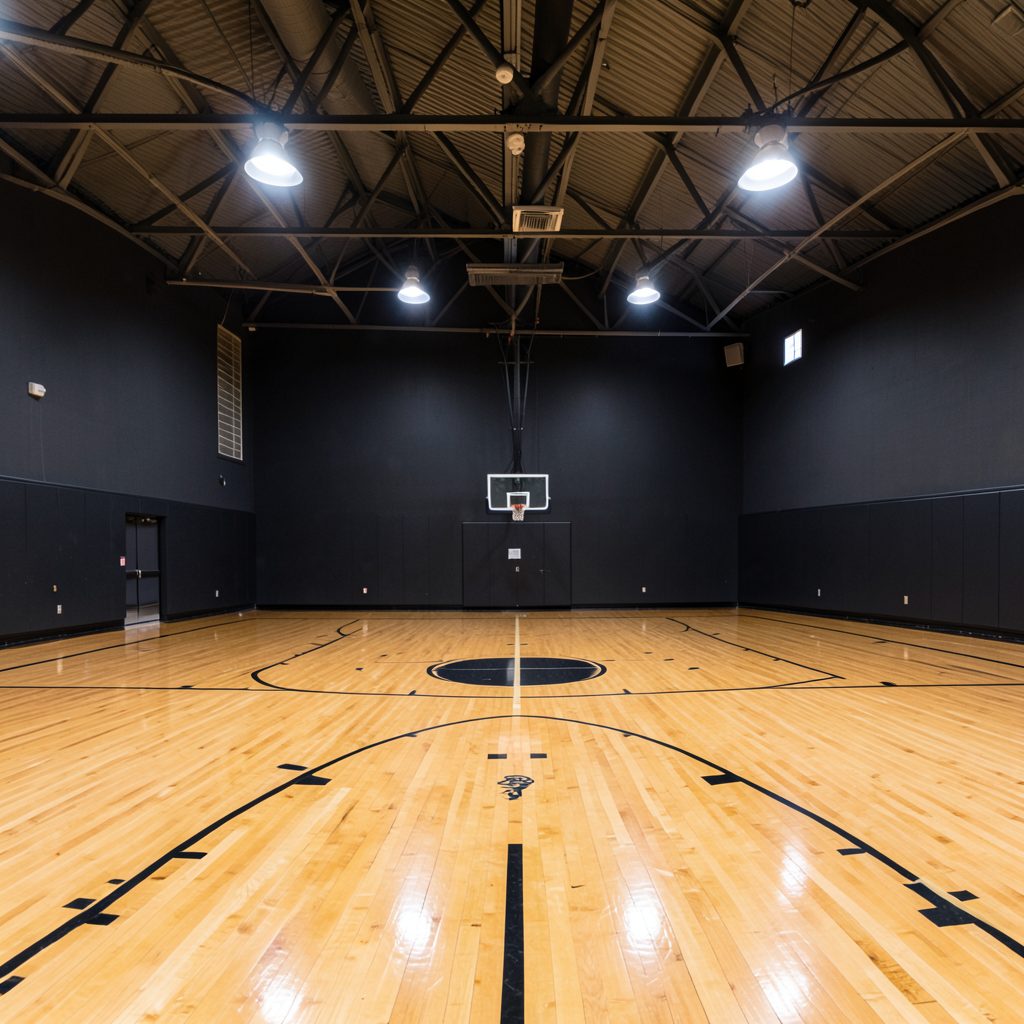
Inside The Factory

Three Entities, One Roof
Leagues
Eight league divisions span every age group: Indy Pro AM, 18+ Open Men's, 30+ Men's, Bite Size (ages 3–6), Impact League, 5th/6th Grade, Middle School, and High School. Gather your team and compete.
Training
Individual and group basketball training for all skill levels. Major M.O.V.E.S. Basketball Training serves ages 4–7 on Wednesday and Thursday evenings at 6:30 PM — $30 per session or $100 unlimited monthly.
Wellness & Recovery
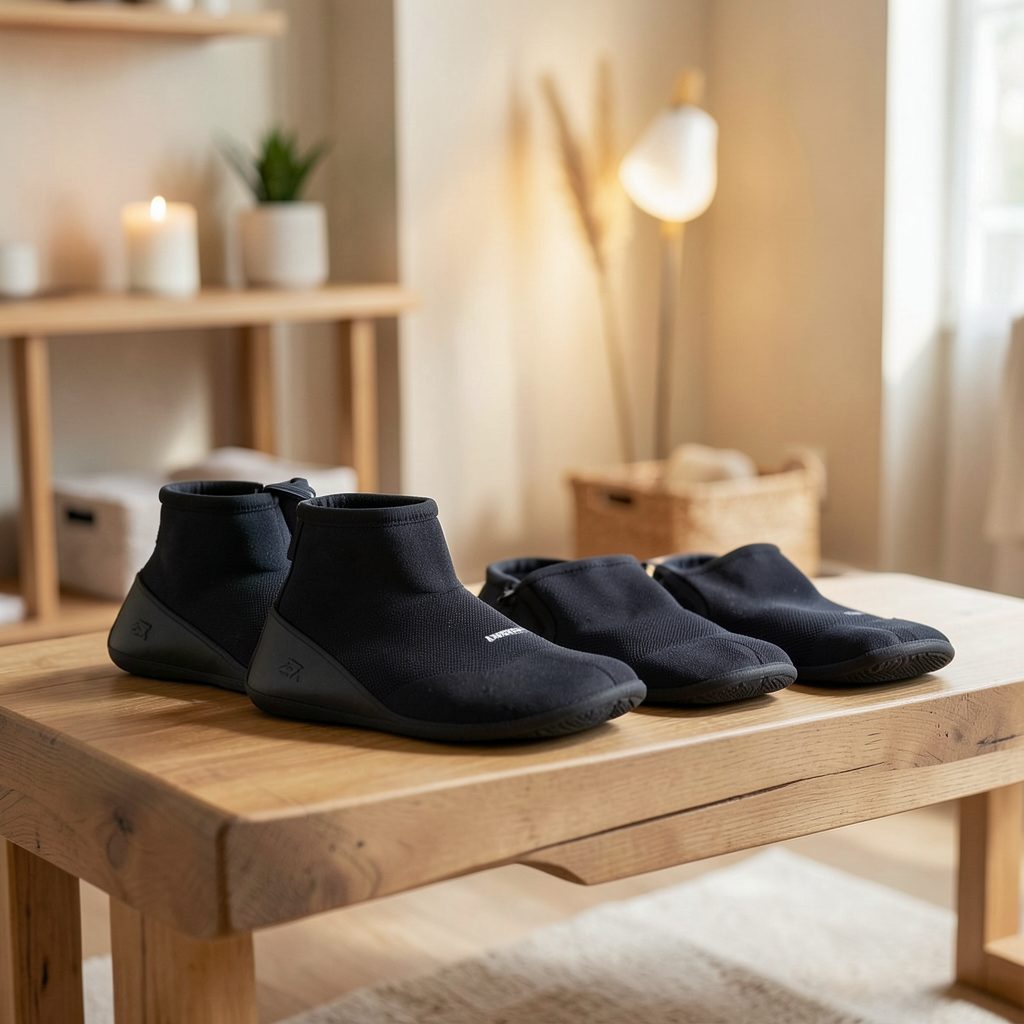
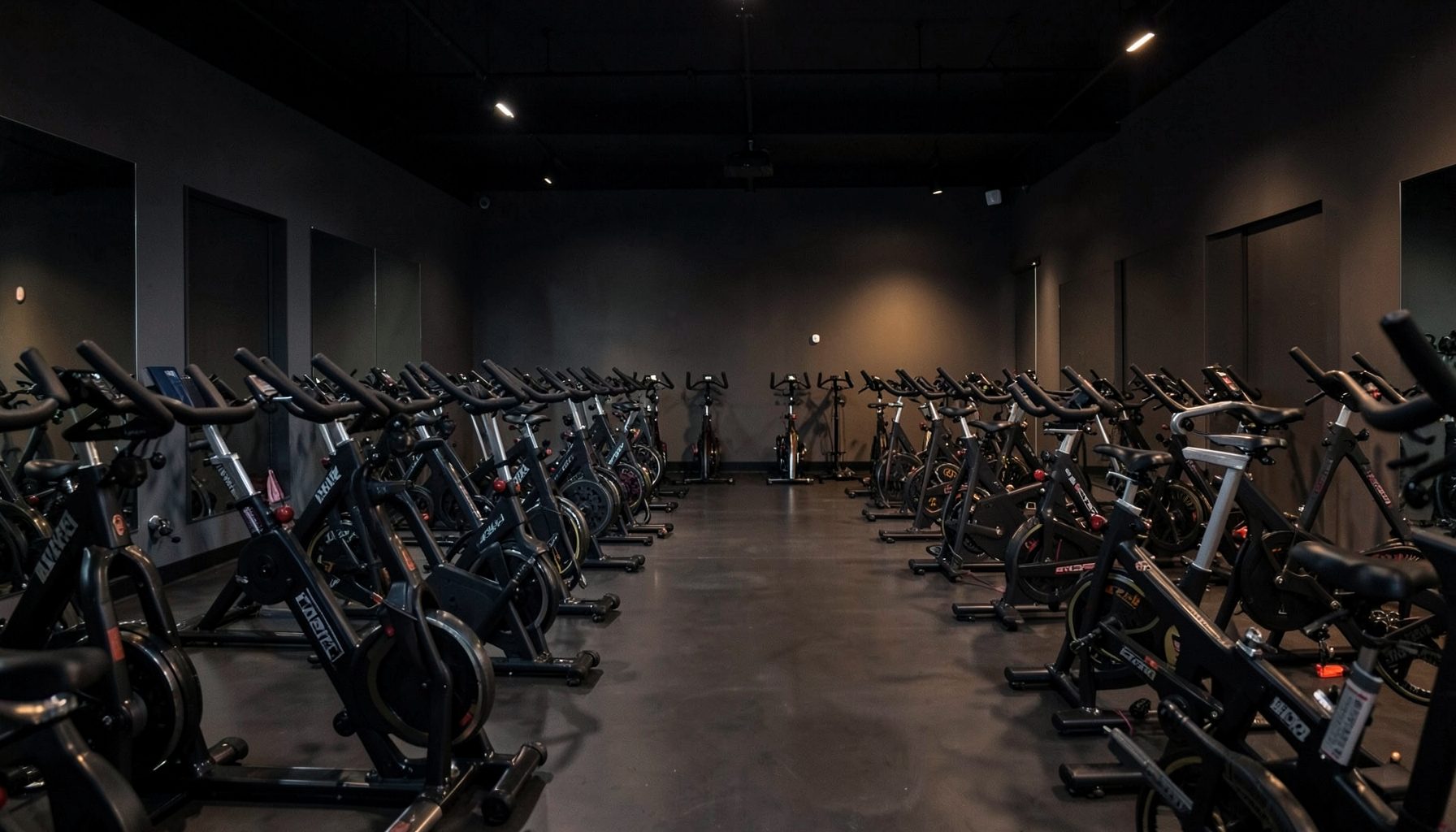
Normatec boot recovery and cryotherapy treatments help athletes bounce back faster. Cycle and spin classes add a cardio dimension to the holistic performance approach.
Have a Question?