Train. Compete. Recover.
A multi-purpose athletic facility in Speedway, Indiana — basketball leagues, skill training, and wellness services all under one roof.
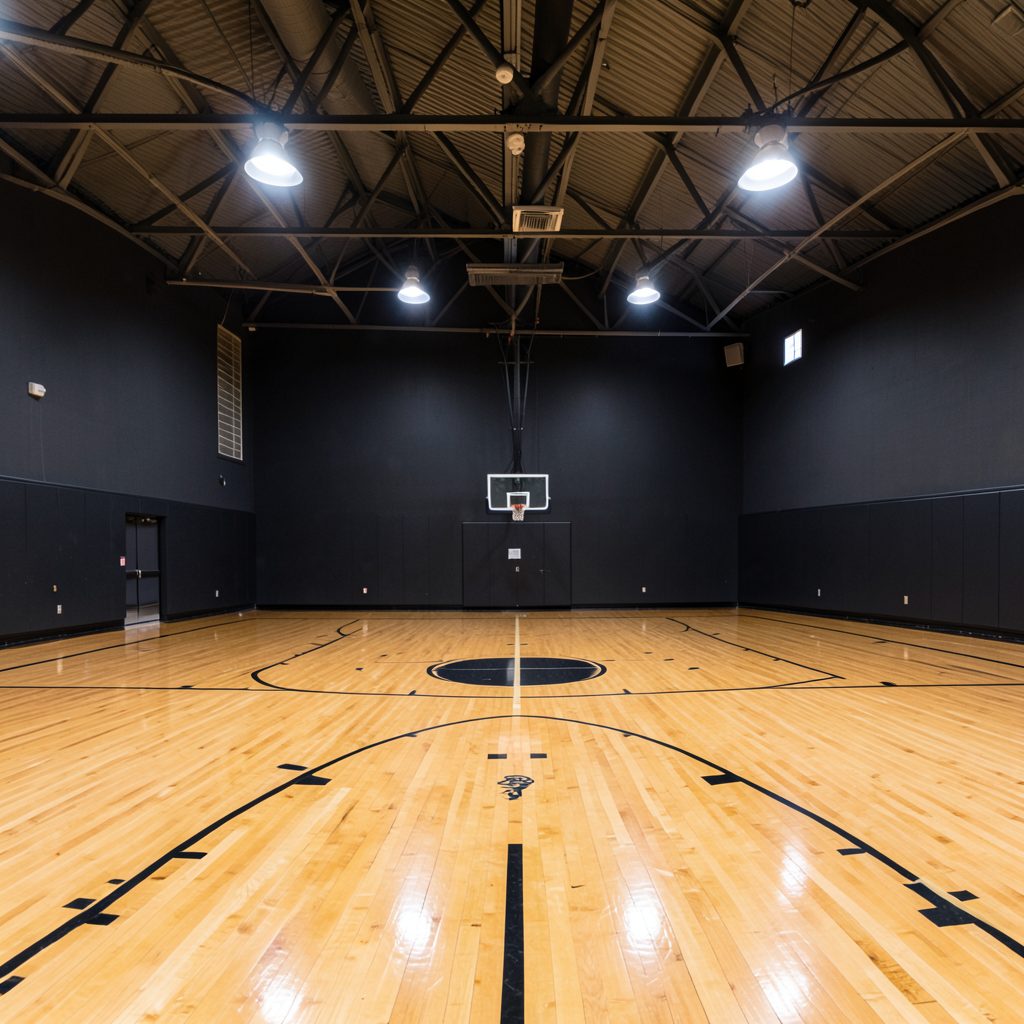
The Factory D1 Indy brings together three entities under one roof: competitive basketball leagues for all age groups, individual and group training, and wellness & recovery services including Normatec boot recovery and cryotherapy. Located off I-465 and High School Road at 6331 Crawfordsville Road, Speedway, Indiana 46224.
Get In TouchHow to Track Basketball Skills Training Progress
Improvement in basketball rarely happens in a straight line. A player may add range to a jump shot one week, struggle with accuracy the next, and then show a noticeable breakthrough during a game. Tracking progress gives those changes context and turns practice into a measurable development process.
A useful system does more than count made baskets. It connects skill development with decision-making, conditioning, confidence, and game performance. Whether you are a young athlete learning fundamentals, an intermediate player preparing for league competition, or an adult sharpening your game, the right records can reveal what deserves attention.
The Factory D1 Indy provides a practical setting for this process through individual and group basketball training, competitive leagues, youth programs, and conditioning options. Athletes can use the facility to establish benchmarks, repeat standard tests, and compare practice results with performance under pressure.
Start With A Clear Baseline
Before setting a new goal, record where your game stands today. A baseline might include free-throw percentage, three-point accuracy, ball-handling speed, finishing success, defensive slides, or the number of quality passes completed in a small-sided game. Choose tests that reflect the skills you actually want to improve.
Keep testing conditions as consistent as possible. Use the same number of shots, court area, time limit, and level of fatigue whenever you repeat an assessment. If one shooting test takes place after a fresh warm-up and the next follows a demanding conditioning session, the results may say as much about fatigue as they do about shooting ability.
A baseline should be specific enough to guide training without becoming overwhelming. Three to five key measurements are usually sufficient at first. Record the date, drill, result, and a short note about how the session felt.
Measure Skills In Game-Relevant Ways
Repetition totals can be useful, but they do not always show whether a skill transfers to competition. A player might make 80 stationary shots and still hesitate when a defender closes out. Include drills that require movement, reaction, timing, and decisions so your basketball performance metrics reflect the demands of a real game.
For shooting, track makes from several locations, but also include shots after a sprint, a change of direction, or a pass. For ball handling, measure control with both hands while changing pace and direction. For finishing, record results against contact pads, angled approaches, and different takeoff steps. These variations show whether the skill is adaptable.
Film can add another layer of useful information. Review a few possessions and look for details such as balance, footwork, release timing, defensive stance, or spacing. Video does not need to document an entire workout; short clips from the beginning and end of a training block can make technical changes easier to see.
Combine Numbers With Quality Notes
Statistics tell you what happened, while written observations can help explain why. After each workout, rate energy, focus, confidence, and physical soreness on a simple scale. Note whether a missed shot came from poor mechanics, rushed decisions, tired legs, or an unfamiliar situation.
Keep a short training journal with four pieces of information: the main focus, the measurable result, the strongest part of the session, and the next adjustment. This approach keeps reflection brief enough to maintain while still creating a record of patterns over time.
Use weekly averages instead of reacting to one unusually good or poor session. A single cold shooting day does not necessarily indicate a setback, just as one excellent workout does not prove a permanent change. Trends across several sessions provide a more dependable picture of development.
| Area | What To Record | Useful Test | Review Rhythm |
|---|---|---|---|
| Shooting | Makes, attempts, location, shot type | Spot shooting plus movement shots | Weekly |
| Ball handling | Errors, weak-hand control, completion time | Cone or change-of-direction drill | Every two weeks |
| Finishing | Makes by hand and angle, contact success | Layups and finishes with defensive pressure | Weekly |
| Decision-making | Correct reads, turnovers, effective passes | Small-sided game or advantage drill | Every two weeks |
| Conditioning | Work interval, recovery time, effort level | Repeated court sprints or game segments | Monthly |
| Confidence and focus | Self-rating and session notes | Reflection after practice or competition | Each session |
Build A Reliable Tracking Routine
Progress tracking works best when it becomes part of the workout rather than an extra project. Spend a few minutes before training reviewing the target, then record results immediately afterward. Delaying the notes can lead to forgotten details and less accurate comparisons.
Use one notebook, spreadsheet, or tracking app rather than scattering information across several places. Create simple categories for shooting, finishing, ball handling, defense, conditioning, and game performance. If a coach provides feedback, add it beside the relevant drill so technical advice stays connected to the result.
A reliable routine can include these habits:
- Select one primary skill focus for each training block.
- Record attempts and makes instead of relying on memory.
- Test both dominant and non-dominant sides.
- Review trends every two to four weeks.
- Replace a goal when it becomes consistent under pressure.
The purpose is to make decisions, not to collect endless data. If a metric does not influence your next practice, simplify the system. A few meaningful measurements are more valuable than a detailed log that becomes difficult to maintain.
Track Transfer From Training To Competition
The strongest evidence of progress appears when improved technique helps during live play. Compare practice goals with game actions: Did you create space before shooting? Did you protect the ball under pressure? Did you make the correct pass from a pick-and-roll? Did you recover into defensive position after a mistake?
After a league game or scrimmage, choose two or three possessions to review. Record what happened, what decision you made, and what you would try next time. Avoid judging the entire performance by points scored. Rebounding position, closeouts, screens, cuts, communication, and low-turnover play can be important signs of development.
The Factory D1 Indy’s competitive leagues give athletes opportunities to test skills in organized game environments. Training numbers become more meaningful when paired with real competition, where fatigue, opponents, teammates, and time pressure challenge a player’s habits.
Account For Recovery And Readiness
Training results are affected by sleep, soreness, nutrition, stress, and recovery. If your legs are heavy, your shooting percentage may fall even when your mechanics are improving. Tracking readiness can prevent you from misreading temporary fatigue as a technical problem.
Add a quick pre-session rating for energy and soreness. After demanding workouts, allow adequate recovery before repeating a high-intensity test. Services such as compression therapy and cryotherapy may support an overall recovery routine when used appropriately. The facility’s cryotherapy guide explains what first-time visitors can expect and how the service fits into a broader wellness approach.
Recovery information should guide training intensity, not become a reason to avoid every challenge. A lower-readiness day may be ideal for form shooting, film study, mobility, or controlled ball-handling work. A well-rested day may be better suited to competitive drills and high-speed decision-making.
Turn The Data Into New Goals
At the end of each month, review your records and identify one clear improvement, one persistent weakness, and one skill that needs better game transfer. Then create a measurable target for the next training block. “Become a better shooter” is difficult to evaluate; “raise movement-shot accuracy from 42% to 50% in four weeks” gives the goal a defined path.
Break long-term objectives into process goals. A player working toward better three-point shooting might commit to a certain number of technically sound repetitions, maintain balanced footwork, and complete pressure shots at the end of each session. Process goals keep attention on controllable actions while outcome goals provide a way to evaluate results.
A structured weekly schedule can help distribute shooting, ball handling, strength, conditioning, competition, and rest. This sample training week offers a model for organizing different demands without placing every intense activity on consecutive days.
Use your records to adjust the plan as your needs change. If the numbers improve but game confidence remains low, add more live reads and pressure situations. If skills decline late in games, include conditioning with decision-making. If one side remains noticeably weaker, devote consistent time to that area rather than relying on occasional extra work.
Make your next workout measurable by choosing a small set of tests, writing down the starting results, and scheduling a review date. Train at The Factory D1 Indy, apply the skills in competition, and use each record to shape the session that follows. Progress becomes easier to recognize—and easier to repeat—when every practice has a purpose and every result informs the next step.
Inside The Factory
Three Entities, One Roof
Leagues
Eight league divisions span every age group: Indy Pro AM, 18+ Open Men's, 30+ Men's, Bite Size (ages 3–6), Impact League, 5th/6th Grade, Middle School, and High School. Gather your team and compete.
Training
Individual and group basketball training for all skill levels. Major M.O.V.E.S. Basketball Training serves ages 4–7 on Wednesday and Thursday evenings at 6:30 PM — $30 per session or $100 unlimited monthly.
Wellness & Recovery
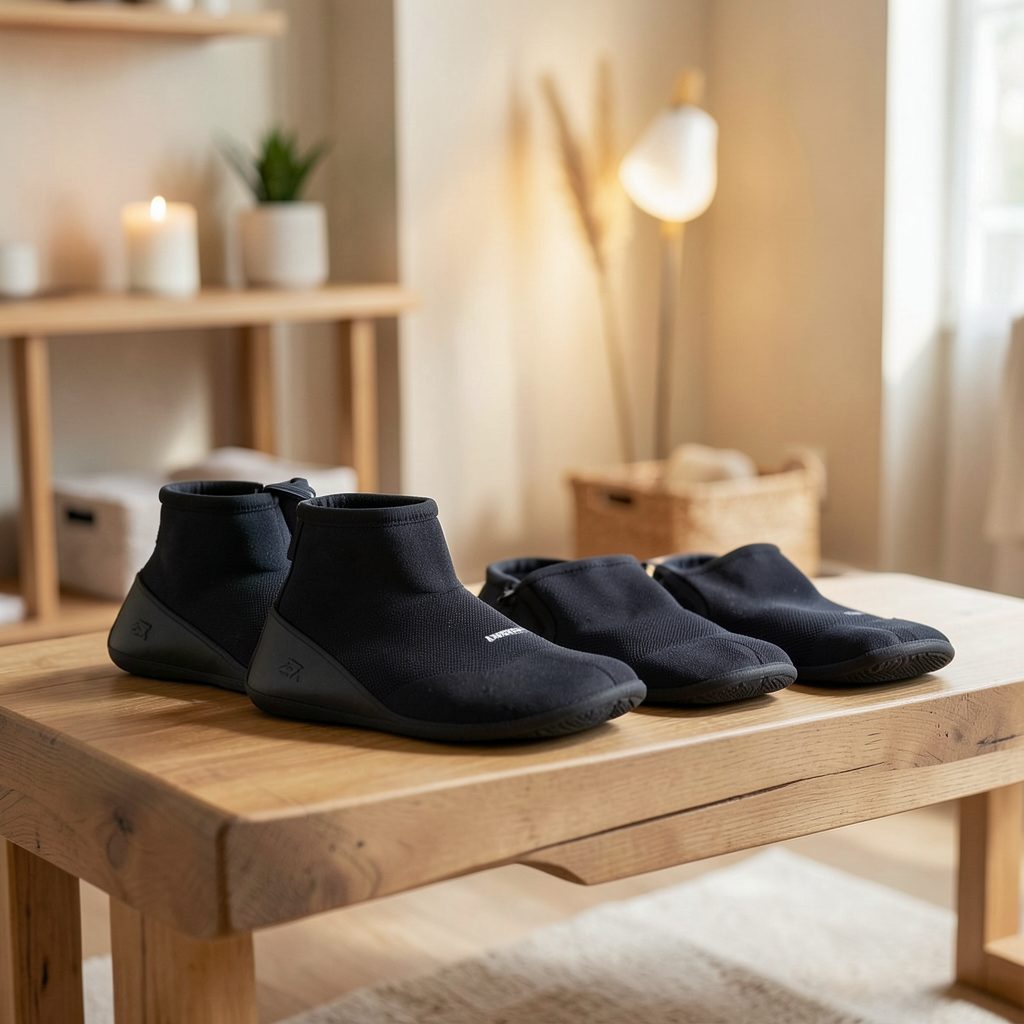
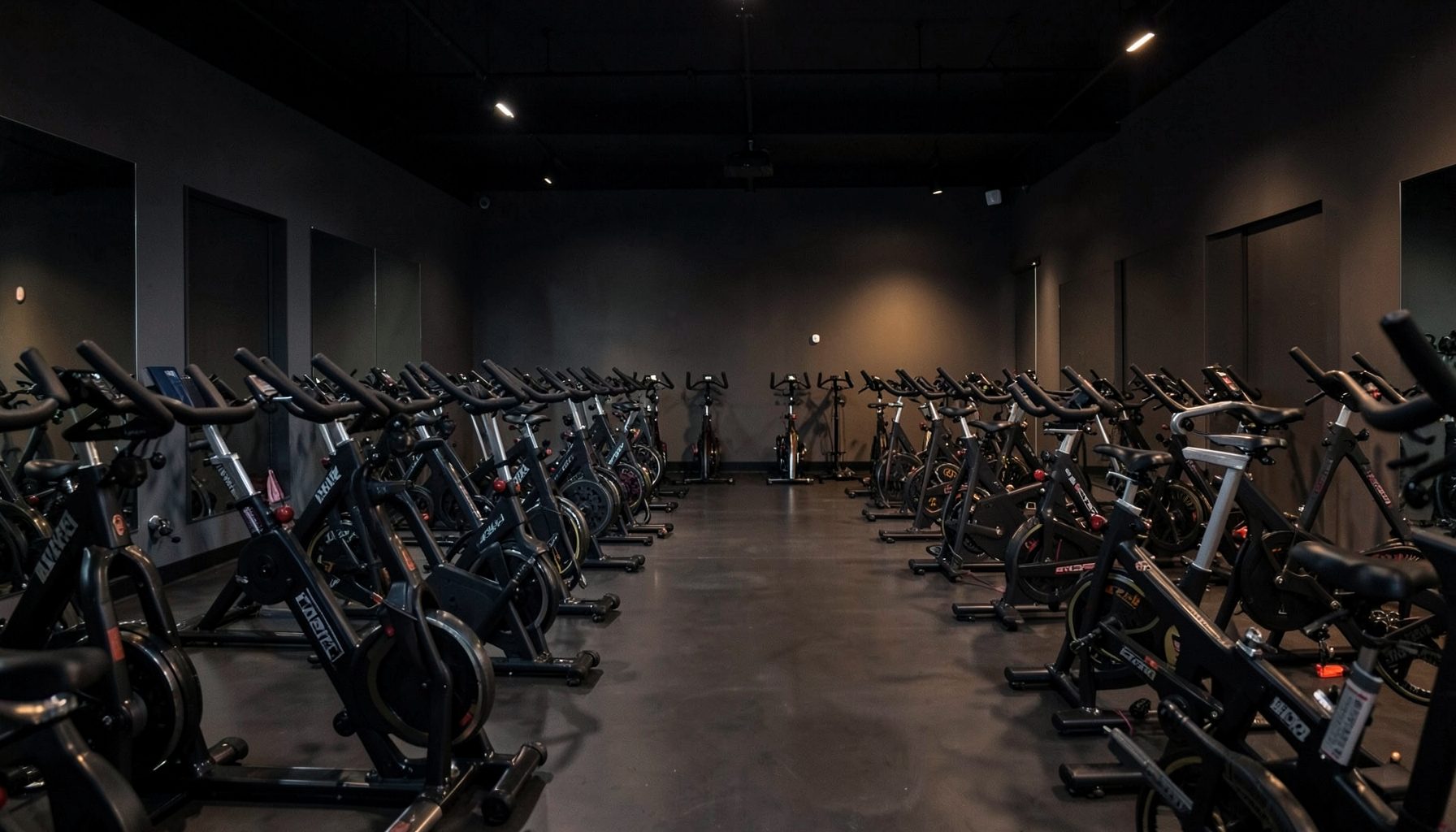
Normatec boot recovery and cryotherapy treatments help athletes bounce back faster. Cycle and spin classes add a cardio dimension to the holistic performance approach.
Have a Question?