Train. Compete. Recover.
A multi-purpose athletic facility in Speedway, Indiana — basketball leagues, skill training, and wellness services all under one roof.
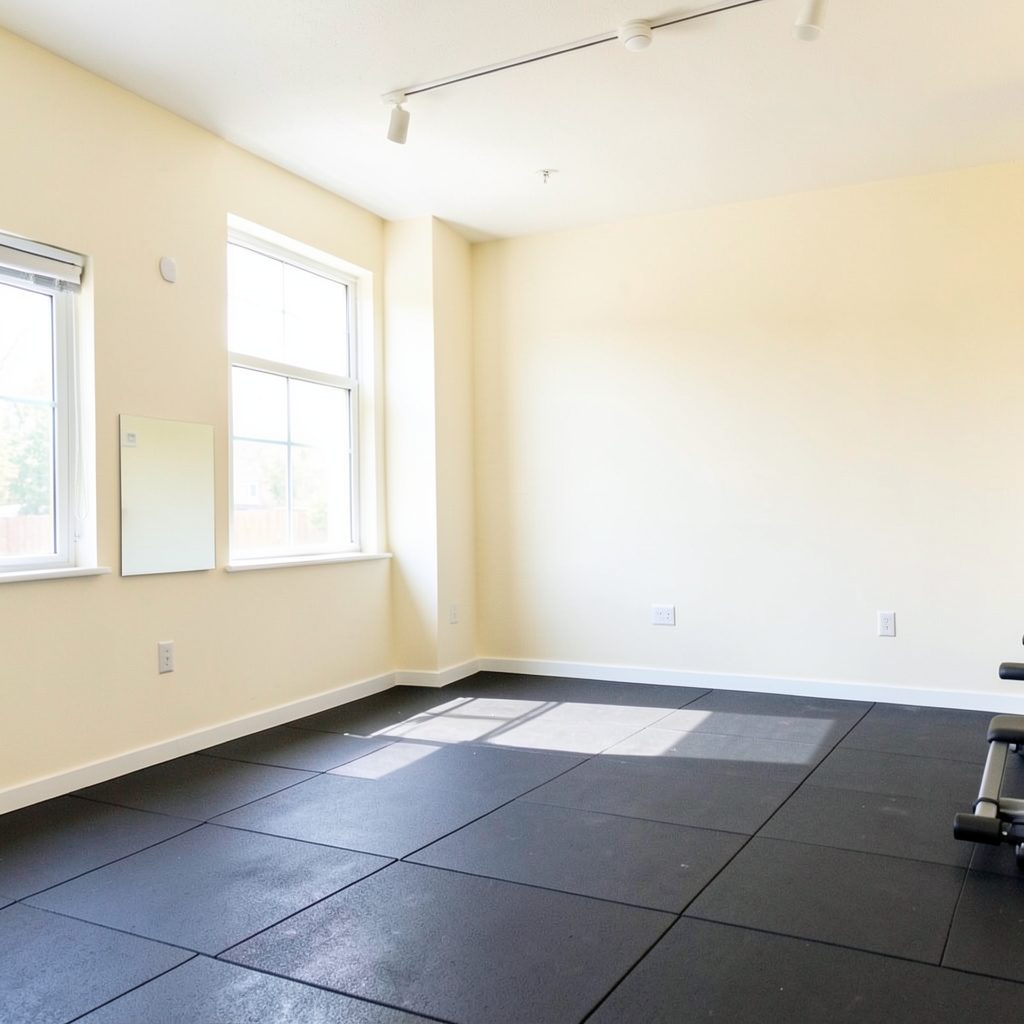
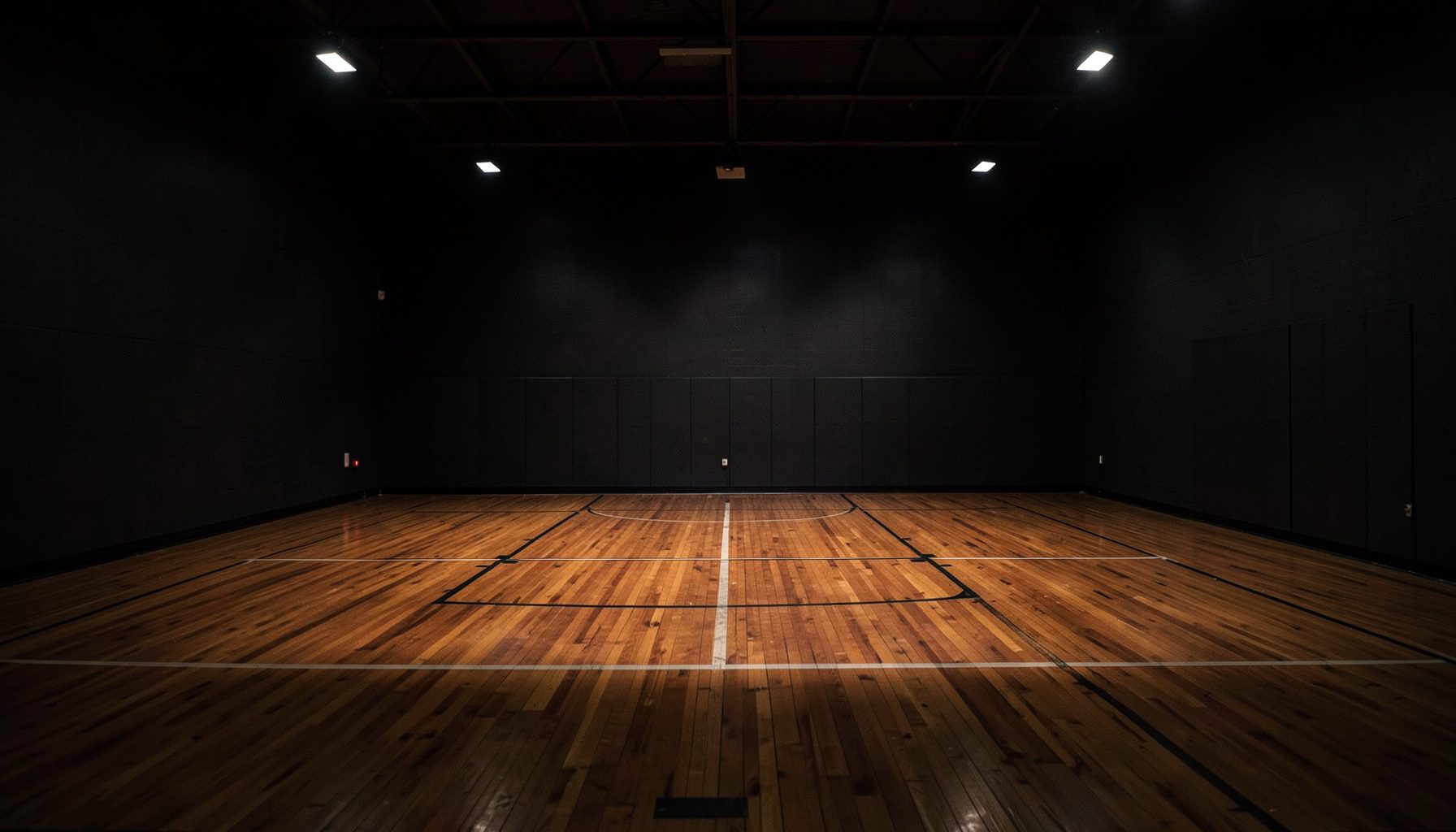
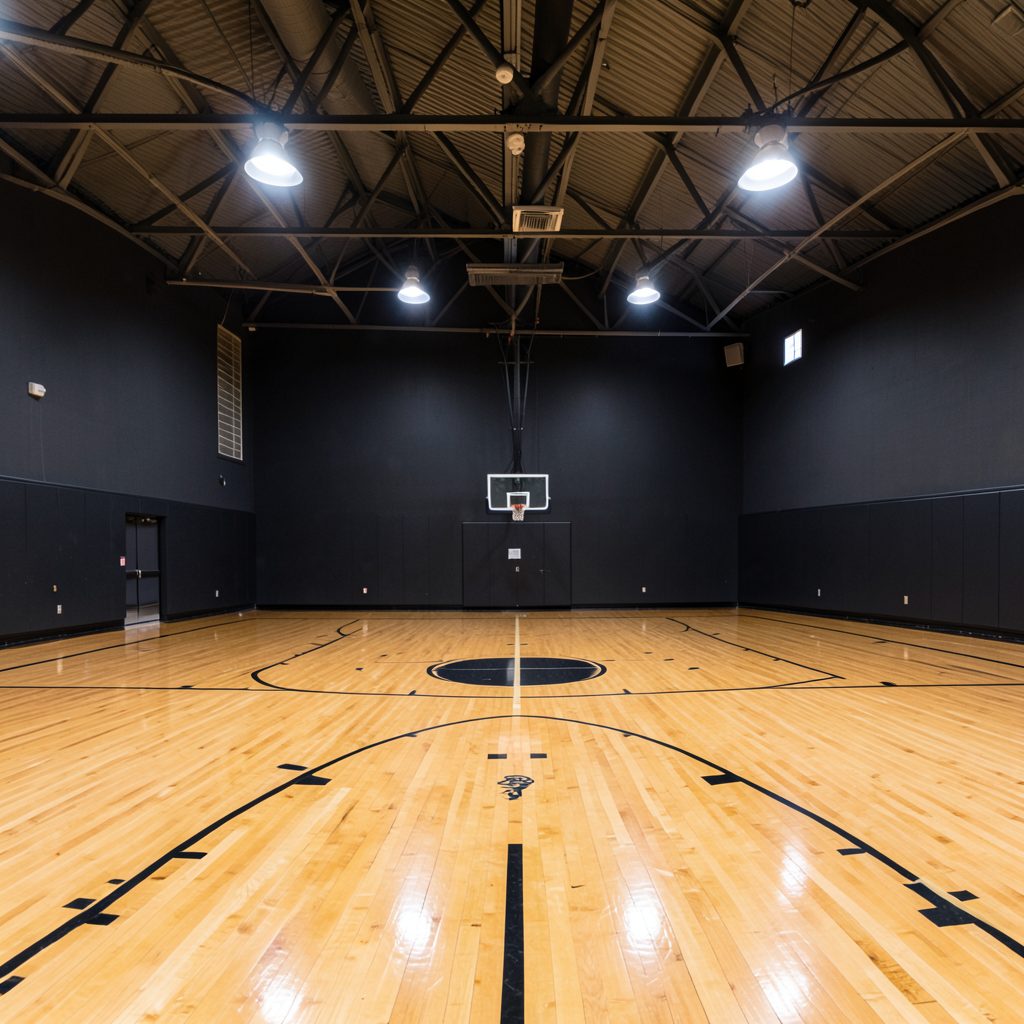
The Factory D1 Indy brings together three entities under one roof: competitive basketball leagues for all age groups, individual and group training, and wellness & recovery services including Normatec boot recovery and cryotherapy. Located off I-465 and High School Road at 6331 Crawfordsville Road, Speedway, Indiana 46224.
Get In TouchBuilding Confidence in Young Athletes Through Basketball
Confidence can change the way a young athlete practices, competes, and responds to setbacks. A player who trusts their preparation is more willing to take an open shot, defend with purpose, communicate with teammates, and keep working after a mistake. That belief is developed through repeated experiences, supportive coaching, and goals that feel challenging but achievable. Learn more about The Difference Between Individual And Group Basketball Skills Training 5336.
Basketball provides a natural environment for this growth. Every practice includes decisions, adjustments, and opportunities to improve. Athletes learn that progress does not happen all at once; it develops through footwork drills, ball-handling repetitions, defensive habits, conditioning, and game situations that gradually become more demanding.
At The Factory D1 Indy, young players can find structured basketball training, youth programming, and competitive leagues in a community-centered athletic setting. The goal is to help athletes develop their skills while also becoming more focused, resilient, and comfortable in their own abilities.
Why Confidence Grows on Court
Confidence is built through competence. When an athlete learns how to execute a crossover, finish with both hands, make a proper closeout, or read a pick-and-roll, they gain evidence that preparation works. Those small successes create a foundation for taking on more advanced challenges.
Basketball also teaches athletes to make decisions under pressure. A player may miss a shot, lose possession, or get beaten on defense, yet the next play arrives quickly. With patient instruction and consistent encouragement, athletes learn to recover instead of allowing one mistake to define their performance.
Coaches play a central role in this process. Specific feedback is more helpful than general praise. Telling a player that their balance improved on a jump shot or that they communicated well during a defensive rotation gives them a clear behavior to repeat.
Small Wins Build Durable Belief
Young athletes need goals that match their current stage of development. A beginner may focus on dribbling with control or remembering defensive positioning, while a more experienced player may work on shot selection, pace changes, or leadership. Progress feels more attainable when the target is clear and measurable.
Individual improvement should also be recognized alongside game statistics. A player who boxes out consistently, makes the extra pass, or stays engaged from the bench is contributing to team success. Recognizing these habits helps athletes understand that value comes from effort, awareness, and reliability—not just scoring.
Families can reinforce this mindset by discussing what the athlete learned rather than focusing only on wins and losses. A short conversation about effort, communication, or a new skill helps children view competition as part of a longer development journey.
Training That Meets Athletes Where They Are
Effective development considers age, experience, learning style, and physical readiness. Young players benefit from energetic instruction, simple cues, and plenty of movement. Older athletes may be ready for more detailed tactical concepts, position-specific work, and competitive drills that require quick reads.
Both individual and group settings have an important place in this process. Individual sessions can address a specific weakness or refine a technical detail, while team workouts help athletes apply those skills around teammates and defenders. Families can explore individual and group training to understand how each format supports player development.
A well-designed session should include repetition and variety. Athletes need enough practice to create reliable movement patterns, but they also need changing constraints that encourage creativity. Drills involving time limits, defensive pressure, or decision-making can make skill work feel relevant to real games.
Competition With Purpose
Competition can strengthen confidence when it is presented as an opportunity to apply preparation. Leagues give athletes regular chances to communicate, manage nerves, respond to opponents, and experience different roles. A player may be a primary scorer in one game and a defensive specialist or facilitator in another.
The environment surrounding competition matters. Coaches can set expectations around effort, composure, teamwork, and sportsmanship before the game begins. Afterward, a brief review can focus on what worked, what needs attention, and what the athlete can practice next.
| Confidence-building experience | Skill or habit developed | Positive athlete outcome |
|---|---|---|
| Repeating a fundamental skill | Technique and consistency | Greater trust in preparation |
| Playing small-sided games | Decision-making and communication | More comfort under pressure |
| Receiving specific feedback | Self-awareness and focus | Clearer next steps |
| Competing in a league | Resilience and adaptability | Better response to setbacks |
| Supporting teammates | Leadership and empathy | Stronger connection to the team |
Competitive opportunities should be appropriate for the athlete’s age and readiness. When the challenge is meaningful without becoming overwhelming, players are more likely to stay engaged and view difficult moments as manageable.
Recovery Supports Complete Development
Physical recovery influences confidence because tired, sore athletes may struggle to move well or concentrate. Teaching young players to value hydration, sleep, mobility, and rest helps them understand that preparation extends beyond the court.
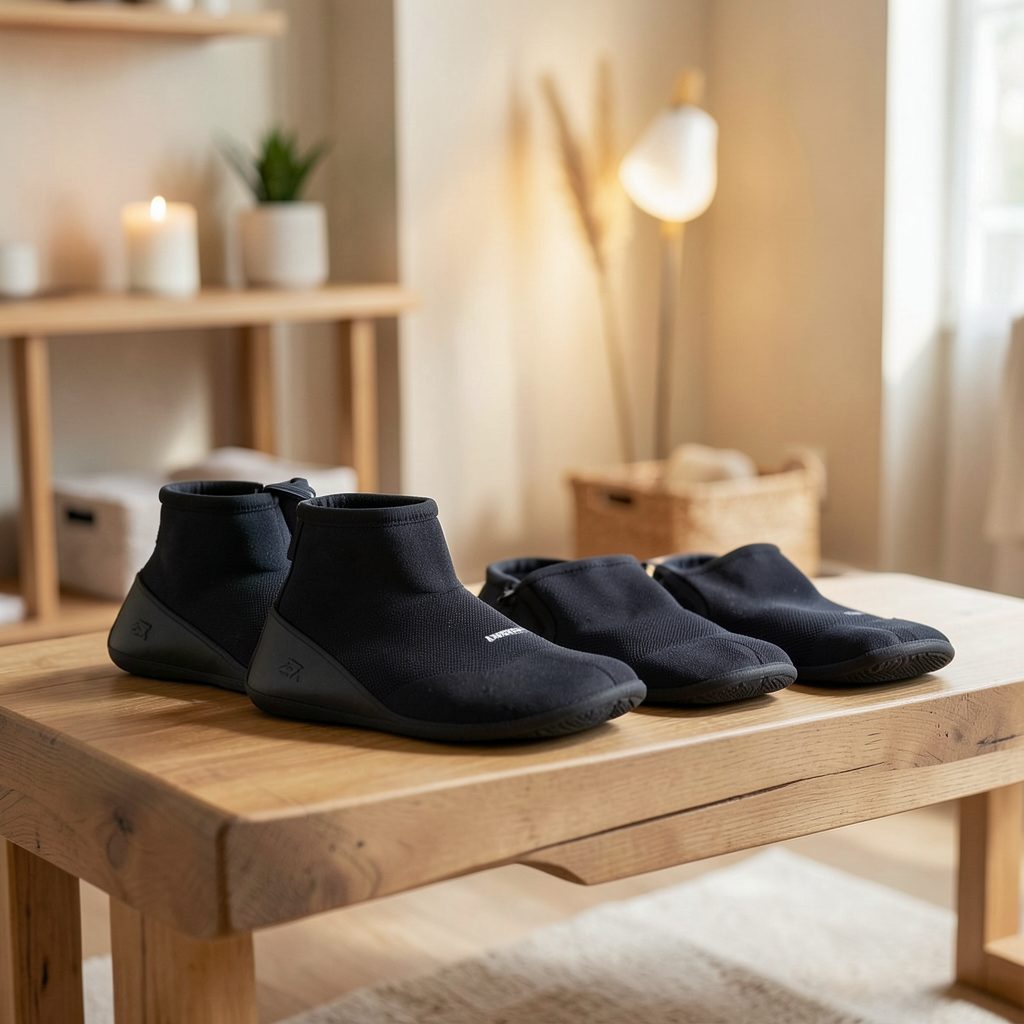
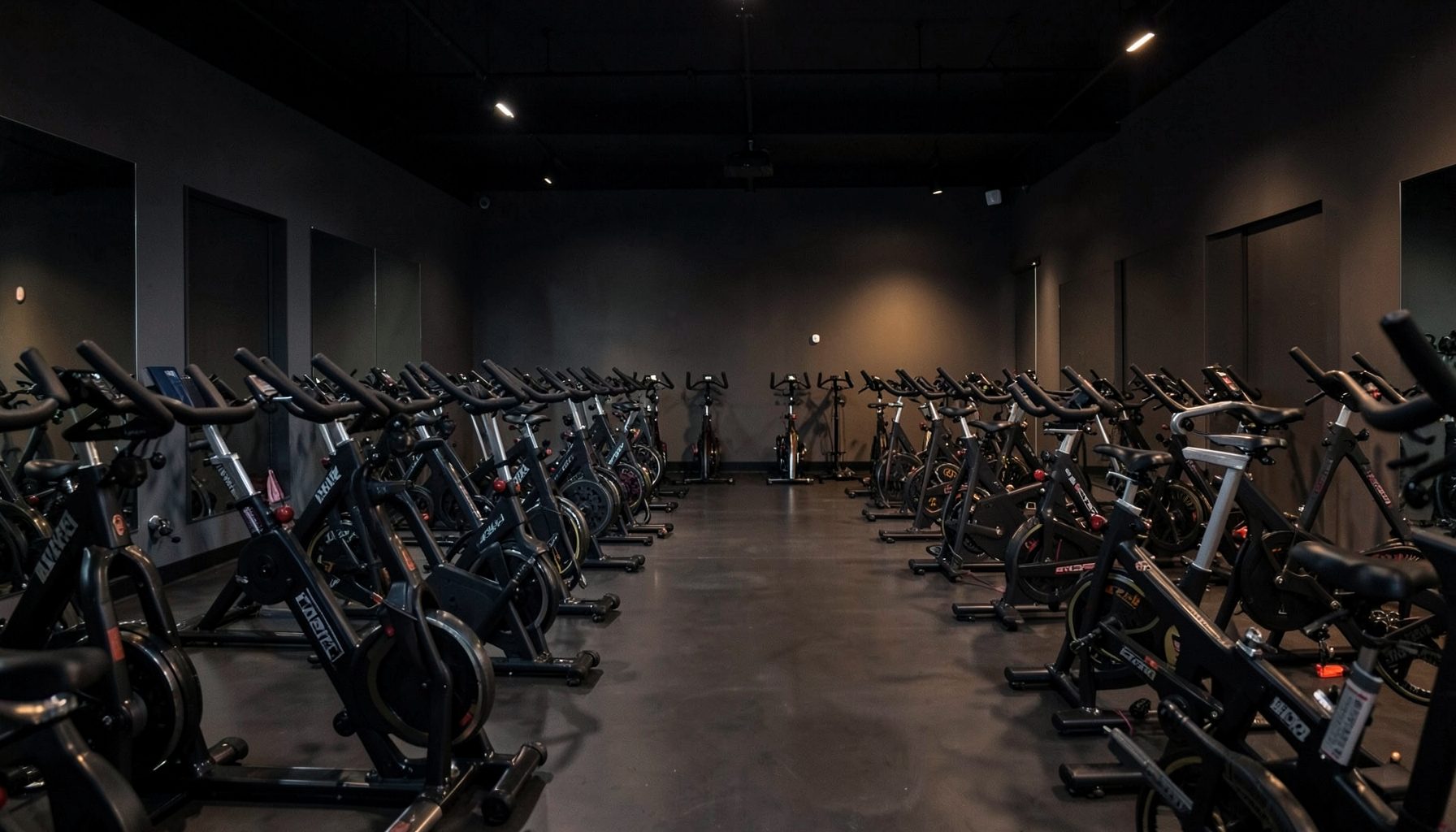
A multi-purpose facility can support this broader approach by combining training with conditioning and wellness services. Cycle and spin classes may help athletes build cardiovascular fitness in a controlled environment, while recovery options such as Normatec compression therapy and cryotherapy can complement an age-appropriate wellness routine.
Recovery should never be treated as a shortcut or a replacement for sound training habits. It works best as part of a balanced plan that includes gradual workload increases, proper supervision, and attention to how an athlete feels. When players learn to care for their bodies, they often feel more prepared to perform.
Practical Ways Families Can Reinforce Confidence
Confidence grows faster when the messages athletes hear at home support the lessons they receive in training. Parents and guardians can help by emphasizing controllable actions, allowing children to solve appropriate problems, and keeping competition in perspective.
Simple routines can make a meaningful difference:
- Praise focused effort, brave decision-making, and supportive communication.
- Set one or two performance goals instead of demanding perfection.
- Let athletes describe what they noticed before offering advice.
- Encourage consistent practice habits while protecting time for rest.
- Celebrate improvement in skills, attitude, and teamwork.
Young athletes also benefit from having a dependable place to compete and belong. The Factory D1 Indy offers leagues for multiple age groups, giving players a structured setting to build experience over time. Families looking for an organized opportunity can review league registration and choose a program that fits the athlete’s age and goals.
The most powerful confidence-building message is consistent: preparation matters, mistakes are part of learning, and every practice offers another chance to improve. Visit The Factory D1 Indy to explore basketball training, youth programs, leagues, conditioning, and recovery services that can help your athlete take the next step with purpose.
Inside The Factory
Three Entities, One Roof
Leagues
Eight league divisions span every age group: Indy Pro AM, 18+ Open Men's, 30+ Men's, Bite Size (ages 3–6), Impact League, 5th/6th Grade, Middle School, and High School. Gather your team and compete.
Training
Individual and group basketball training for all skill levels. Major M.O.V.E.S. Basketball Training serves ages 4–7 on Wednesday and Thursday evenings at 6:30 PM — $30 per session or $100 unlimited monthly.
Wellness & Recovery
Normatec boot recovery and cryotherapy treatments help athletes bounce back faster. Cycle and spin classes add a cardio dimension to the holistic performance approach.
Have a Question?