Train. Compete. Recover.
A multi-purpose athletic facility in Speedway, Indiana — basketball leagues, skill training, and wellness services all under one roof.
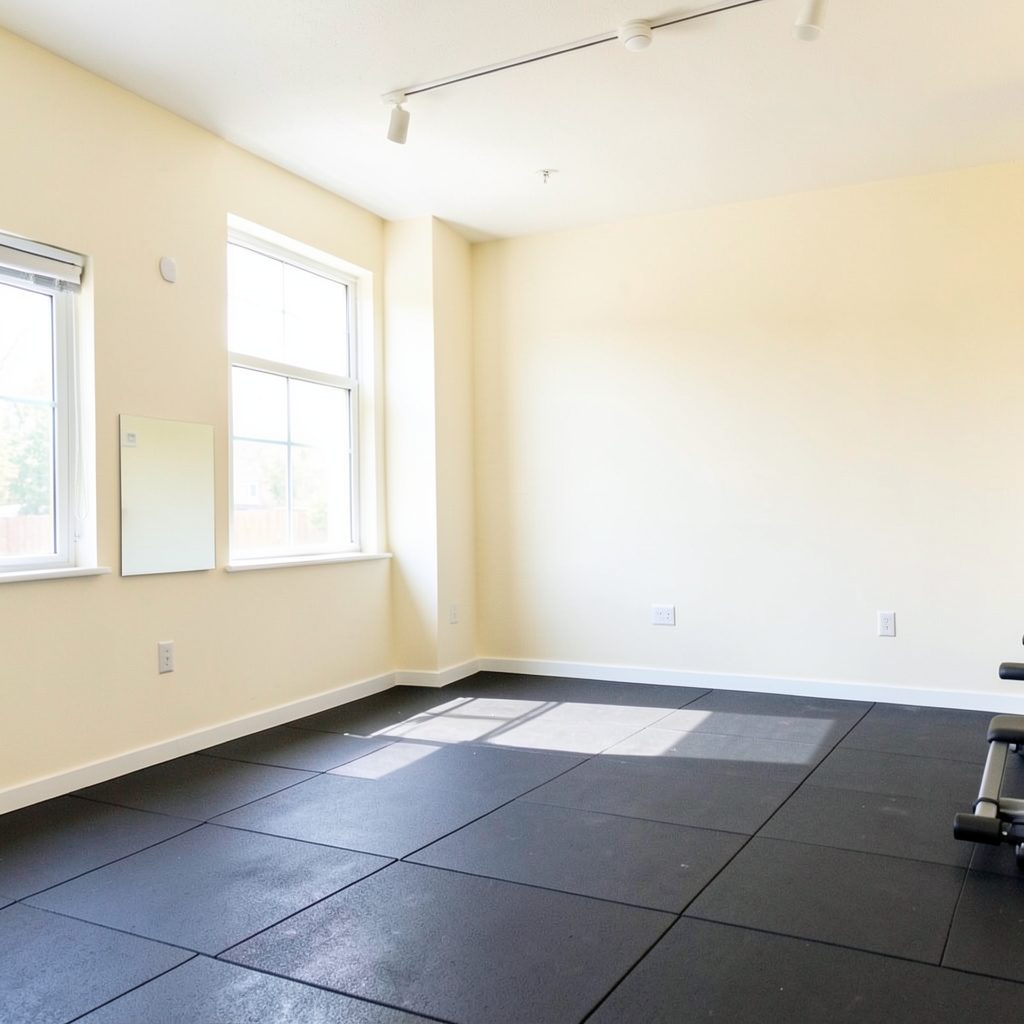
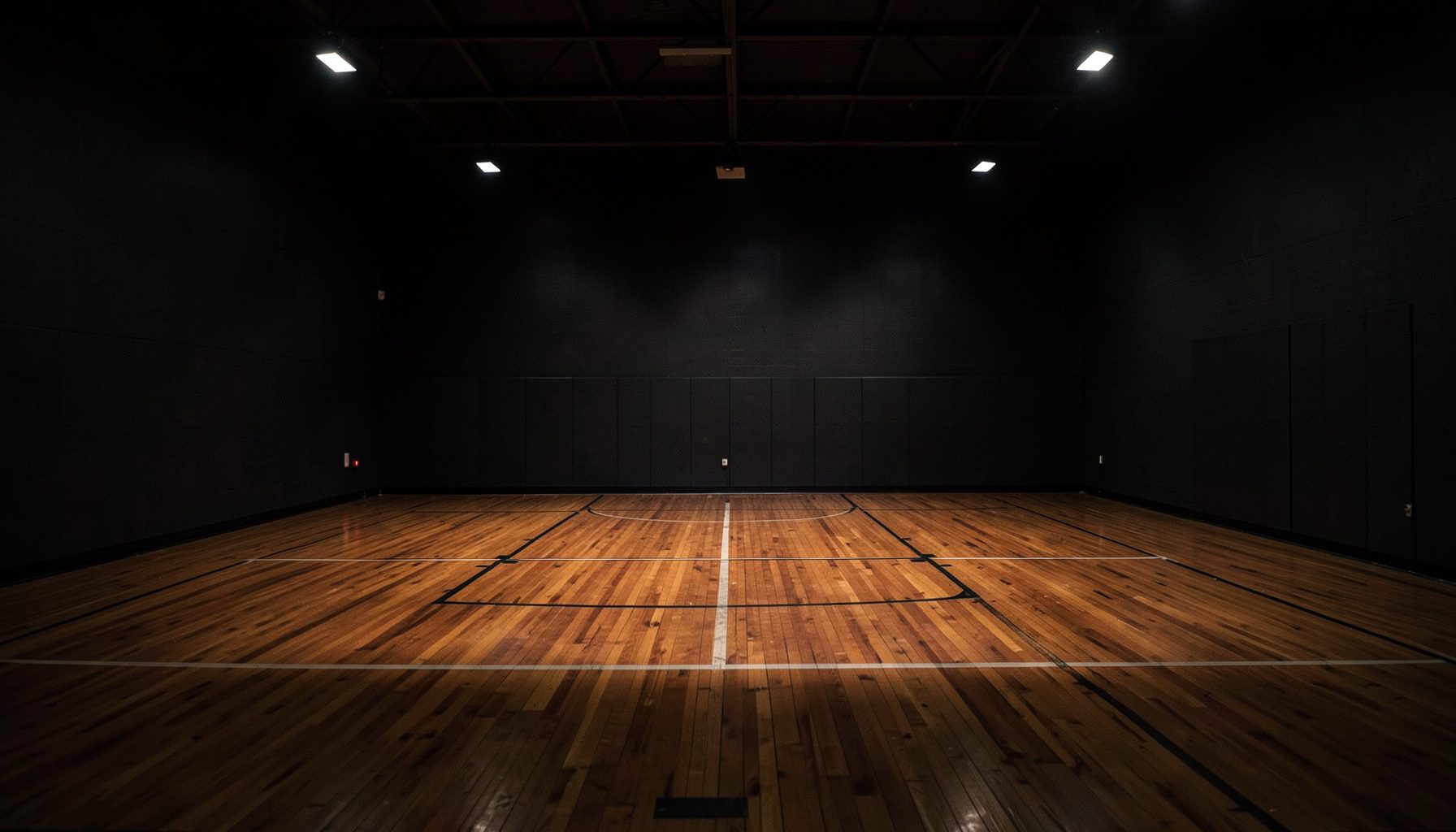
The Factory D1 Indy brings together three entities under one roof: competitive basketball leagues for all age groups, individual and group training, and wellness & recovery services including Normatec boot recovery and cryotherapy. Located off I-465 and High School Road at 6331 Crawfordsville Road, Speedway, Indiana 46224.
Get In TouchBuilding Core Strength for Better Balance on the Basketball Court
Balance influences nearly every basketball action. A player needs control while stopping quickly, absorbing contact, changing direction, contesting a shot, or landing after a rebound. Although strong legs and quick feet receive much of the attention, the muscles around the trunk provide the stability that allows those movements to stay efficient.
Core strength is more than visible abdominal definition. It includes the abdominals, obliques, lower back, hips, and deep stabilizing muscles that connect the upper and lower body. When these areas work together, athletes can transfer force smoothly and maintain body control under pressure.
For players of all ages, improving balance begins with movements that resemble the demands of basketball. A well-designed program combines strength, coordination, mobility, and game-speed decision-making rather than isolating the midsection with endless crunches.
Why Core Stability Matters In Basketball
Basketball is played from constantly changing positions. Athletes accelerate from a low stance, rise for jump shots, pivot around a planted foot, and react to opponents who may pull them in different directions. A stable core helps the body remain organized through each transition.
Strong trunk control also improves force transfer. When the hips and shoulders remain connected, energy from the legs can travel efficiently through the body during a drive, pass, or jump. Without that connection, athletes may lose power, lean excessively, or place unnecessary stress on the knees and ankles.
Balance is especially important during single-leg actions. A player finishing at the rim often takes off from one foot, adjusts in the air, and lands while defenders create contact. Core training cannot eliminate every error, but it can improve the body’s ability to respond and recover.
The Muscles Behind Better Balance
The abdominal wall helps resist unwanted movement. The rectus abdominis supports trunk control, while the transverse abdominis acts like a deep brace around the midsection. The internal and external obliques assist with rotation, side-to-side stability, and deceleration.
The lower back and glutes are equally important. The glute muscles stabilize the pelvis during running and jumping, while the lower back works with the abdominal muscles to maintain a strong posture. If one area is weak or poorly coordinated, another may compensate.
The hips also deserve attention. Hip mobility allows players to drop into a defensive stance and rotate efficiently, while hip strength helps them control the pelvis during lateral movement. Effective basketball conditioning therefore trains the core as part of a connected movement system rather than treating it as a separate body region.
Basketball-Friendly Core Exercises
A plank is a useful starting point because it teaches athletes to brace while keeping the spine aligned. Players can progress from a standard plank to shoulder taps, lateral planks, or plank reaches. The goal is to resist twisting and shifting instead of simply holding the position for as long as possible.
Dead bugs and bird dogs develop control through opposite arm and leg movement. These exercises challenge the athlete to keep the ribs, hips, and spine steady while the limbs move. Slow repetitions are valuable because they emphasize coordination and body awareness.
Pallof presses build anti-rotation strength. With a resistance band or cable anchored to the side, the athlete presses the handle forward while resisting the pull. This resembles the need to stay balanced when changing direction or absorbing contact from an opponent.
Single-leg Romanian deadlifts, suitcase carries, and controlled split squats connect core stability with lower-body strength. They challenge balance while requiring the trunk to remain tall and the hips to stay level. Coaches can adjust resistance and range of motion for younger athletes, beginners, and advanced competitors.
Progressing From Stability To Game Movement
Core exercises should gradually become more dynamic. Once an athlete can maintain alignment during a stationary plank or dead bug, the next step may include reaching, stepping, rotating, or responding to an external cue. This progression prepares the body for the unpredictable nature of competition.
A useful sequence might begin with a controlled split stance, move into a lateral shuffle, and finish with a closeout or jump stop. The athlete must stabilize the trunk while the feet move quickly. Medicine ball throws, band-resisted steps, and balance holds can add resistance without losing movement quality.
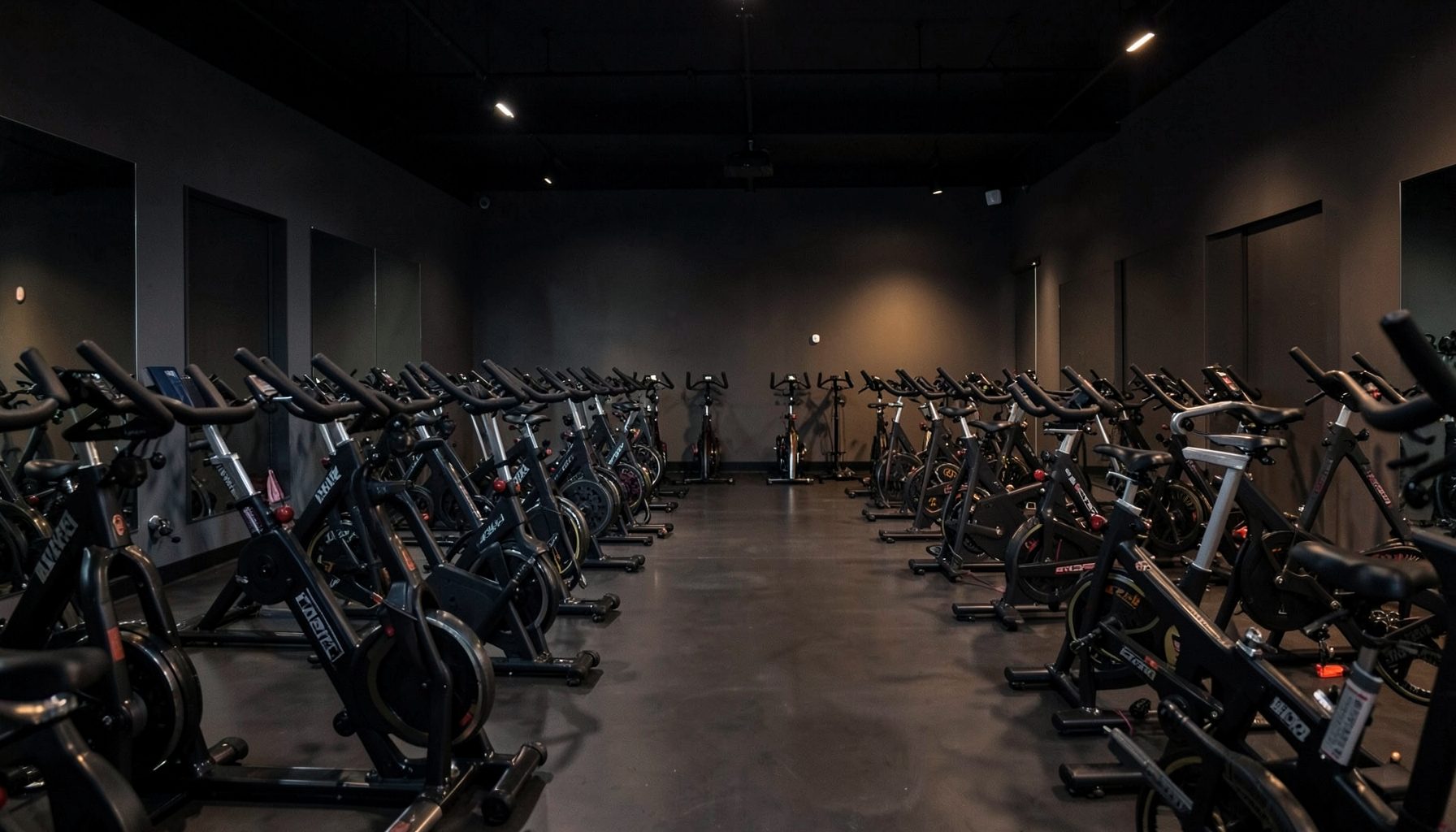
Conditioning can support this progression. Faster movement requires the athlete to control the body while fatigued, which is why cycle and spin training can complement court work. Stronger cardiovascular capacity helps players maintain posture, footwork, and decision-making late in a game.
| Training Focus | Example Exercise | Basketball Benefit | Coaching Cue |
|---|---|---|---|
| Anti-extension | Plank or dead bug | Maintains posture during acceleration and landing | Keep ribs stacked over hips |
| Anti-rotation | Pallof press | Improves control during contact and direction changes | Resist the pull without twisting |
| Single-leg balance | Single-leg hinge | Supports drives, jumps, and defensive slides | Keep the pelvis level |
| Lateral stability | Side plank or lateral step | Helps control side-to-side movement | Push through the outside foot |
| Integrated power | Medicine ball throw | Connects the core with passing and shooting force | Rotate through the hips and trunk |
Building A Safe And Consistent Routine
A core-focused session does not need to be long. Two or three sessions each week can produce meaningful results when athletes use controlled technique and increase difficulty gradually. A simple workout may include one anti-extension exercise, one anti-rotation exercise, one single-leg movement, and one dynamic drill.
Young athletes should learn positions and movement patterns before adding heavy resistance. Coaches can use short sets, bodyweight exercises, and games that reward balance and posture. For older or more advanced players, resistance bands, cables, medicine balls, and unstable demands can add challenge when basic control is reliable.
Quality matters more than fatigue. If the hips sag, the shoulders shrug, or the athlete holds their breath, the exercise may be too difficult. Shorter sets with clean repetitions develop better movement habits than prolonged efforts that reinforce poor alignment.
Recovery also supports progress. Adequate sleep, hydration, mobility work, and planned rest allow the muscles to adapt. Athletes managing soreness or heavy competition schedules may benefit from professional recovery options such as compression therapy as part of a broader training routine.
Turning Core Strength Into Court Performance
Strength becomes useful when it appears in basketball skills. Players should practice maintaining a stable trunk while dribbling, passing, shooting, and defending. A coach might add a balance requirement to a catch-and-shoot drill, require a controlled jump stop after a drive, or use contact pads during finishing work.
Defensive training offers many opportunities to apply core control. During slides and closeouts, the athlete should keep the chest lifted, hips loaded, and feet active. A strong core prevents excessive leaning and allows the player to redirect more quickly after a fake or change of direction.
Competitive repetition helps athletes learn how balance holds up under pressure. Players can apply these habits in structured basketball leagues, where decision-making, physical contact, and changing game situations make stability more demanding than a quiet training drill.
Recommendations For A Balanced Training Week
A practical weekly approach should combine strength, skill development, conditioning, and recovery without overloading the same tissues every day.
- Perform core stability exercises two or three times per week, using controlled sets of 20 to 40 seconds or 6 to 12 quality repetitions.
- Include single-leg strength and balance drills during lower-body workouts to connect trunk control with basketball footwork.
- Add dynamic exercises such as medicine ball throws, resisted shuffles, and jump stops after foundational control improves.
- Practice core engagement during shooting, finishing, defensive slides, and rebounding rather than limiting it to the weight room.
- Schedule rest and recovery after demanding practices, tournaments, or high-intensity conditioning sessions.
Train Stability For The Whole Game
Better balance develops through consistent practice, thoughtful progression, and movement that reflects real basketball demands. A stable trunk can help athletes control their bodies during explosive actions, stay composed through contact, and maintain efficient technique as fatigue builds.
The Factory D1 Indy provides a setting where players can combine skills training, competitive experience, conditioning, and recovery in one athletic community. Visit the facility to build a training routine that supports stronger movement, sharper court control, and confident performance from the opening whistle to the final play.
Inside The Factory

Three Entities, One Roof
Leagues
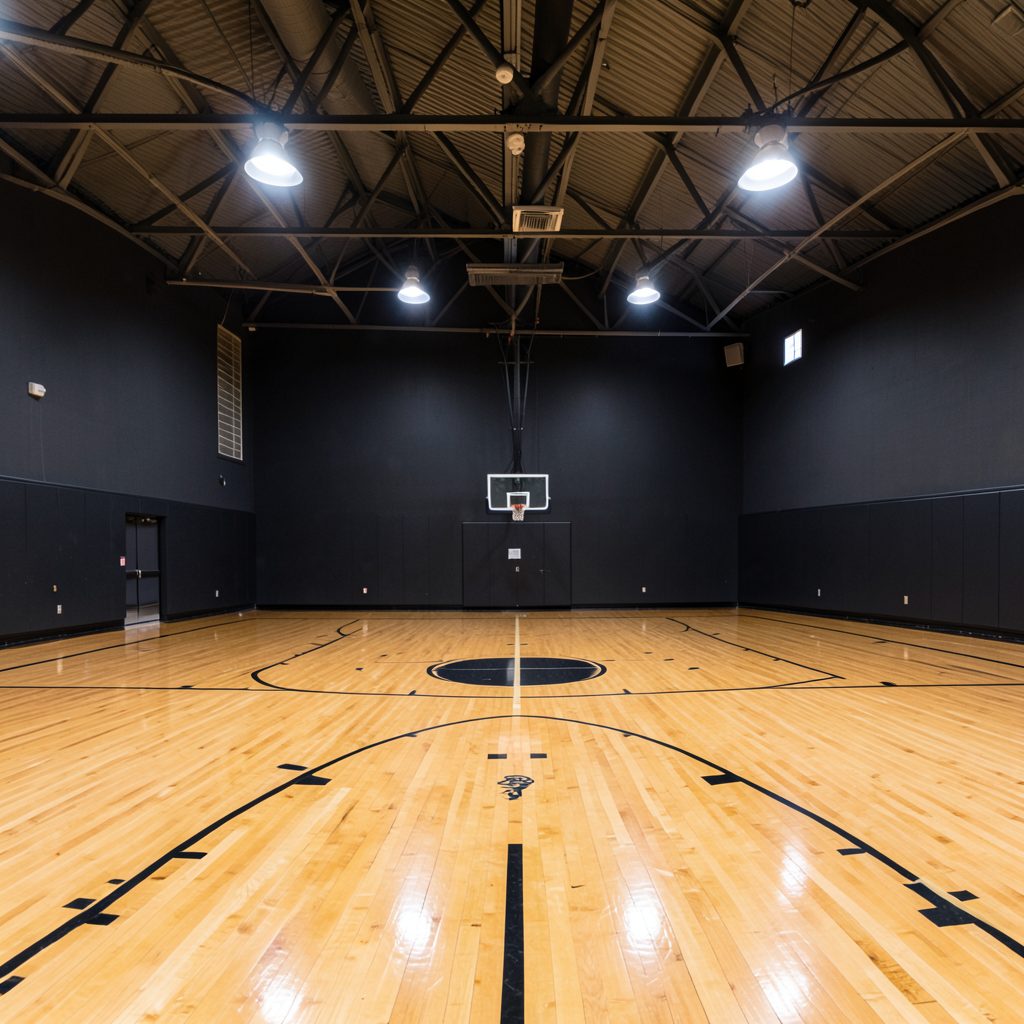
Eight league divisions span every age group: Indy Pro AM, 18+ Open Men's, 30+ Men's, Bite Size (ages 3–6), Impact League, 5th/6th Grade, Middle School, and High School. Gather your team and compete.
Training
Individual and group basketball training for all skill levels. Major M.O.V.E.S. Basketball Training serves ages 4–7 on Wednesday and Thursday evenings at 6:30 PM — $30 per session or $100 unlimited monthly.
Wellness & Recovery
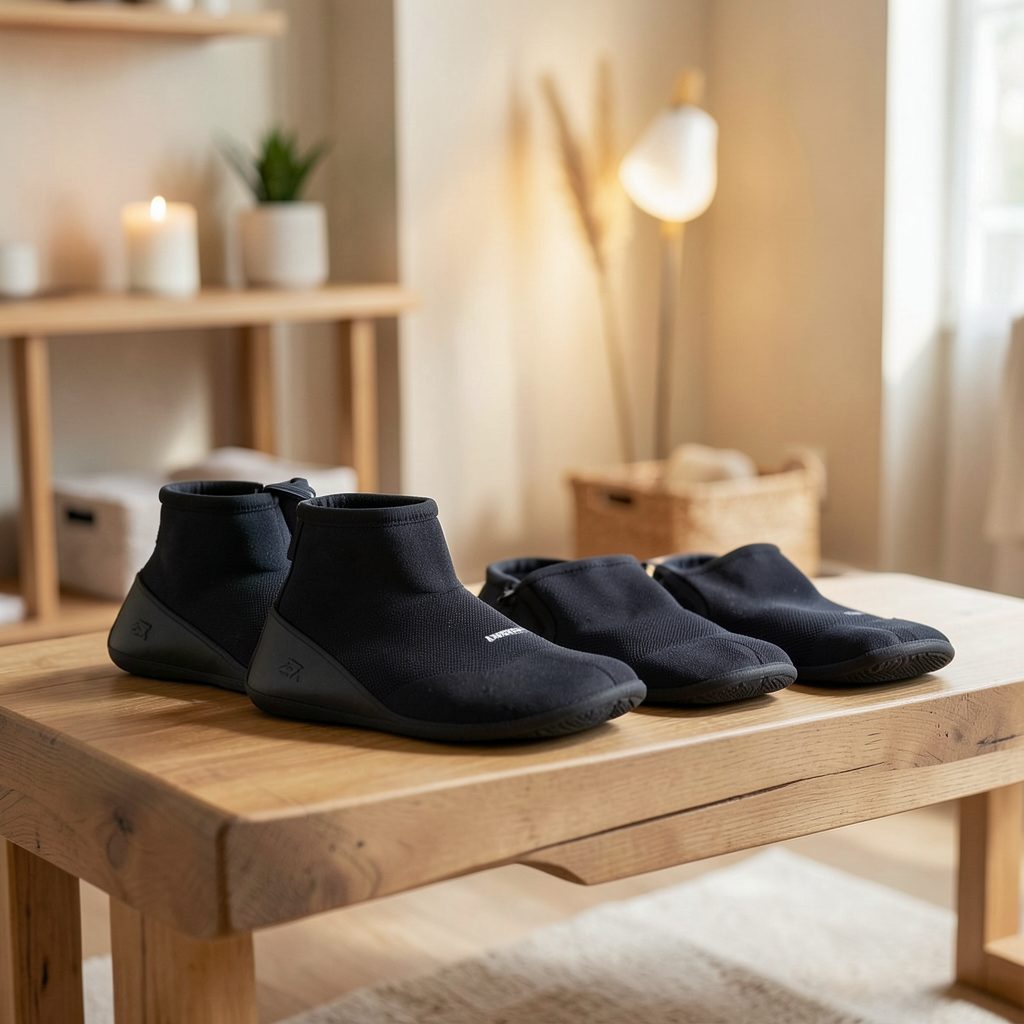
Normatec boot recovery and cryotherapy treatments help athletes bounce back faster. Cycle and spin classes add a cardio dimension to the holistic performance approach.
Have a Question?