Train. Compete. Recover.
A multi-purpose athletic facility in Speedway, Indiana — basketball leagues, skill training, and wellness services all under one roof.
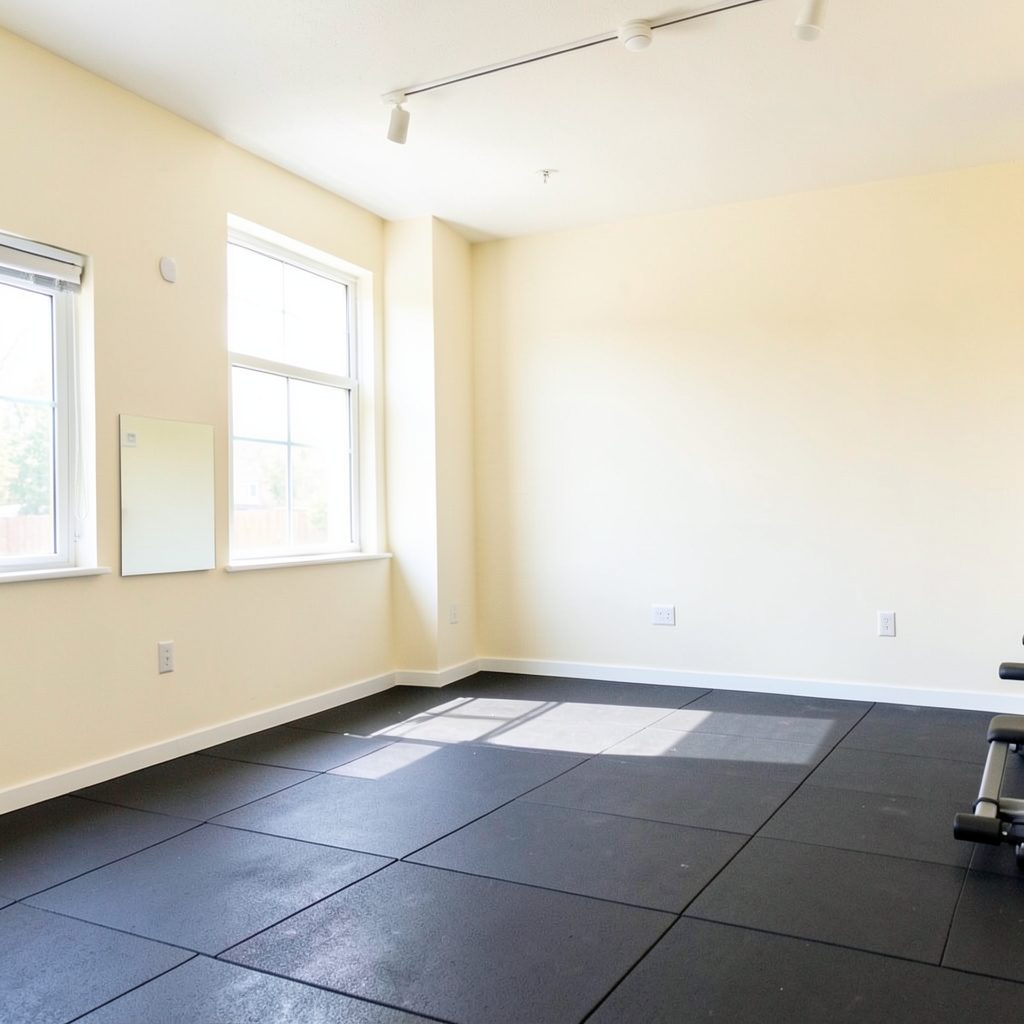
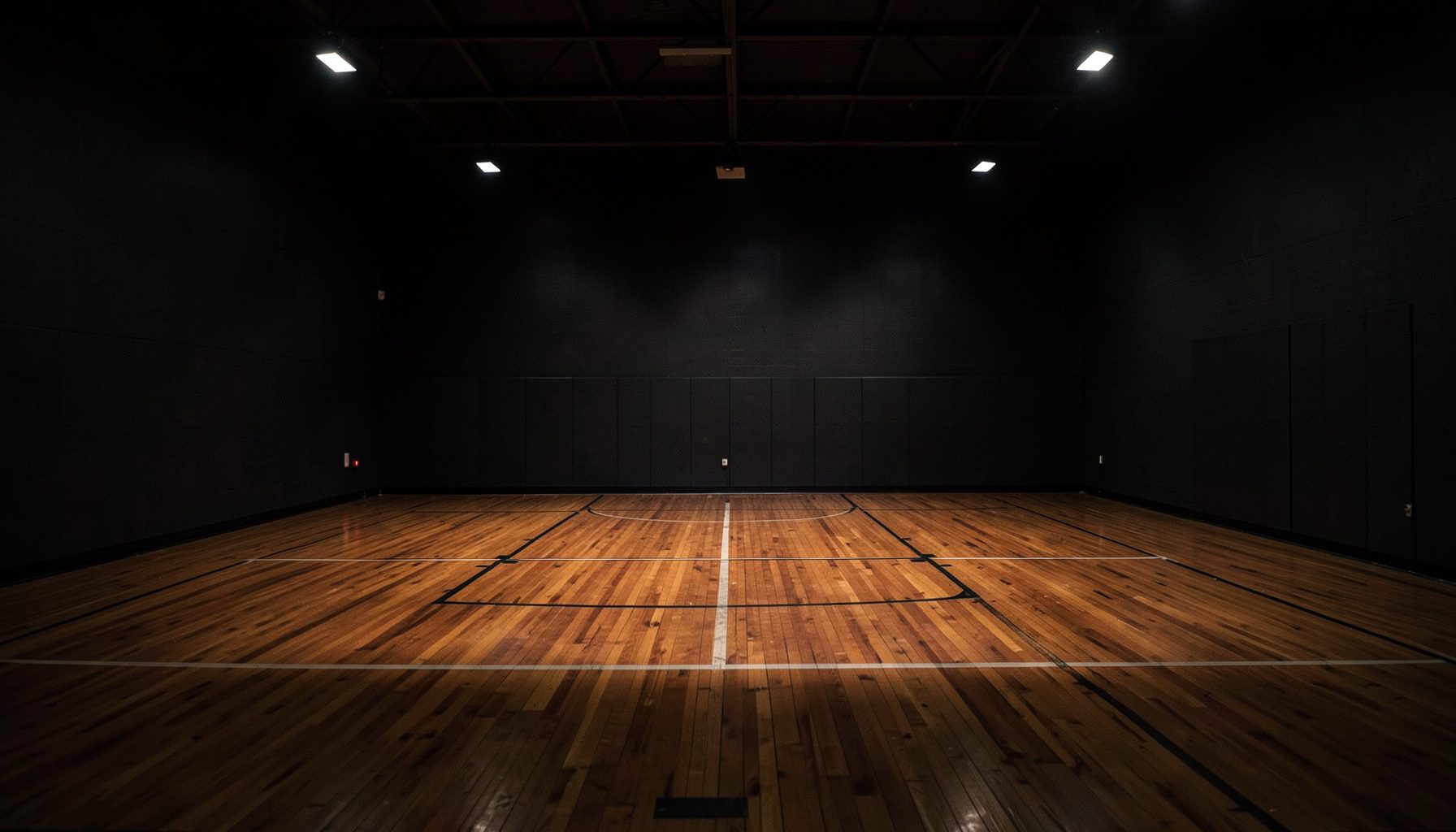
The Factory D1 Indy brings together three entities under one roof: competitive basketball leagues for all age groups, individual and group training, and wellness & recovery services including Normatec boot recovery and cryotherapy. Located off I-465 and High School Road at 6331 Crawfordsville Road, Speedway, Indiana 46224.
Get In TouchBuilding Team Chemistry In Youth Basketball
A successful youth basketball team is built through more than shooting percentages and defensive assignments. Players need to trust one another, communicate under pressure, share responsibility, and understand how individual choices affect the group. Those qualities develop through intentional practice activities that make cooperation part of every possession.
Team chemistry does not mean every player has the same personality or skill level. It means athletes learn how to support different teammates, respond positively to mistakes, and compete with a shared purpose. A well-designed practice can turn those ideas into repeatable habits.
At The Factory D1 Indy, athletes can develop those habits through skills training, youth programs, competitive leagues, and conditioning opportunities. Coaches can use the facility’s team-centered environment to combine technical instruction with activities that strengthen relationships and game awareness.
Create A Culture Of Shared Responsibility
The first step toward stronger team chemistry is establishing clear behavioral standards. Young athletes should know that effort, communication, encouragement, and accountability matter as much as scoring. A coach can introduce three or four simple expectations, such as calling out screens, sprinting back on defense, celebrating unselfish plays, and responding constructively after turnovers.
These standards should appear in every practice rather than during a single team meeting. When a player dives for a loose ball or makes an extra pass, recognize the action specifically. When teammates blame one another, pause the activity and redirect the group toward problem-solving. Consistency teaches players that team-first behavior is a daily responsibility.
Coaches can also rotate leadership roles. One athlete might lead the warm-up, another might organize a defensive communication drill, and a third might summarize the team’s focus at the end of practice. Small leadership opportunities help quieter players contribute while teaching returning leaders to include everyone.
Use Partner Drills To Build Trust
Partner passing drills are simple, yet they can become powerful chemistry exercises when players must communicate and adapt. Pair athletes who do not usually work together and give them a shared target, such as completing ten passes while moving, changing direction, or using both hands. Require the passer to call the receiver’s name before delivering the ball.
A progression can add decision-making. The receiver chooses whether to cut, screen, or replace, while the passer reads the movement and delivers the correct pass. After each round, partners briefly identify one action that helped the sequence succeed. This reflection develops awareness without making the activity feel like a lecture.
Try blindfold-free trust activities that depend on verbal guidance rather than physical risk. For example, one player can face away from the basket while a teammate describes where to move for a backdoor cut. The goal is not perfection; it is learning to listen, give useful information, and trust a teammate’s direction.
Improve Communication Through Small-Sided Play
Three-on-three and four-on-four games create more meaningful communication opportunities than full-court scrimmages. Each player is involved in more actions, so teammates must talk through screens, switches, spacing, help defense, and transition decisions. Use short rounds with clear conditions, such as requiring one paint touch before a shot or awarding bonus points for a defensive stop followed by an assist.
Coaches should reward specific communication rather than general volume. “Screen left,” “I’ve got help,” and “one more” are useful messages because they guide a decision. Players can earn a point for making an accurate defensive call that prevents a breakdown, even if they do not make the steal or block.
Add constraint games that require cooperation. A team might need three passes before attacking, score only after a paint touch, or gain an extra point when all four players touch the ball. These rules encourage movement and unselfishness while revealing which athletes communicate naturally and which need structured prompts.
Compare Activities By Their Chemistry Benefit
Different activities strengthen different parts of team connection. A high-energy competition may teach players to respond together under pressure, while a reflective partner exercise can improve listening and empathy. Coaches should choose drills based on the team’s current needs instead of repeating the same favorite game every week.
| Activity | Primary chemistry skill | Setup | Coaching cue |
|---|---|---|---|
| Partner passing with movement | Trust and listening | Pairs move through passing patterns | Call the receiver’s name early |
| Three-on-three advantage game | Decision-making and spacing | Offense starts with a numerical advantage | Reward the extra pass |
| Defensive shell with rotations | Communication and accountability | Four defenders rotate through help positions | Talk before the action happens |
| Team relay with basketball tasks | Shared effort and encouragement | Groups complete skill stations together | Celebrate every teammate’s progress |
| End-of-practice reflection | Self-awareness and respect | Players share one team success | Focus on behaviors, not statistics |
After each activity, spend one or two minutes connecting the drill to competition. Ask athletes to identify when the same communication or trust behavior would appear in a game. This brief discussion helps players transfer practice lessons into league games and tournament situations.
Design Practices That Reinforce Connection
Team chemistry improves when practices have a logical rhythm. Begin with a cooperative warm-up, move into technical skill work, add a communication-based small-sided game, and finish with a competitive activity that requires players to rely on one another. This sequence lets athletes build comfort before facing pressure.
A consistent weekly structure also helps players understand how individual development supports team performance. Coaches planning several sessions can use this guide to create a weekly training schedule that balances skill development, conditioning, tactical work, and recovery. Young players benefit when every practice has a clear purpose rather than a collection of disconnected drills.
Keep groups flexible throughout the session. Changing partners and teams prevents cliques, gives athletes experience with different playing styles, and helps stronger players learn how to elevate developing teammates. Avoid assigning the same athlete to be a permanent captain or passer; rotating responsibility creates broader ownership.
Make Competition A Positive Experience
Competitive activities can strengthen chemistry when the scoring system values cooperation. Award points for a successful help rotation, a teammate’s extra pass, a loud and accurate defensive call, or a player encouraging someone after a mistake. This teaches athletes that winning involves many contributions that may not appear in the box score.
Avoid using public punishment for errors. A missed pass or defensive lapse is an opportunity to practice communication and recovery. If a team loses a round, give it a specific reset challenge, such as completing three connected defensive stops or producing five purposeful cuts. The response to adversity becomes part of the team’s identity.
End competitive practices with a shared objective rather than an individual ranking. The group might try to reach a combined free-throw percentage, complete a target number of quality possessions, or finish with zero silent defensive possessions. Shared goals encourage players to invest in one another while preserving the intensity young athletes enjoy.
Recommendations For Coaches And Players
Chemistry-building activities work best when they are repeated, observed, and adjusted. A coach should watch who communicates, who withdraws after mistakes, who encourages others, and who struggles to accept feedback. Those observations can guide future pairings, leadership roles, and skill progressions.
Keep the language age-appropriate and specific. Younger players may respond to ideas such as “help your teammate” and “use a strong voice,” while older athletes can discuss role clarity, emotional control, and competitive accountability. In every age group, the goal is to connect an action in practice with a benefit for the entire team.
- Rotate partners and teams so every athlete builds working relationships across the roster.
- Reward communication, screening, rebounding, and unselfish decisions alongside scoring.
- Use short reflection periods to connect each drill with a game situation.
- Set team goals that require cooperation instead of relying on one standout player.
- Revisit behavioral standards before leagues, tournaments, and high-pressure games.
Team chemistry grows through hundreds of small interactions: a teammate calling out a screen, a player making the extra pass, or a group responding calmly after a difficult possession. Build those moments into every practice with purposeful drills, shared challenges, and consistent encouragement. Bring your team to The Factory D1 Indy to train, compete, and develop the habits that make collective success possible.
Inside The Factory
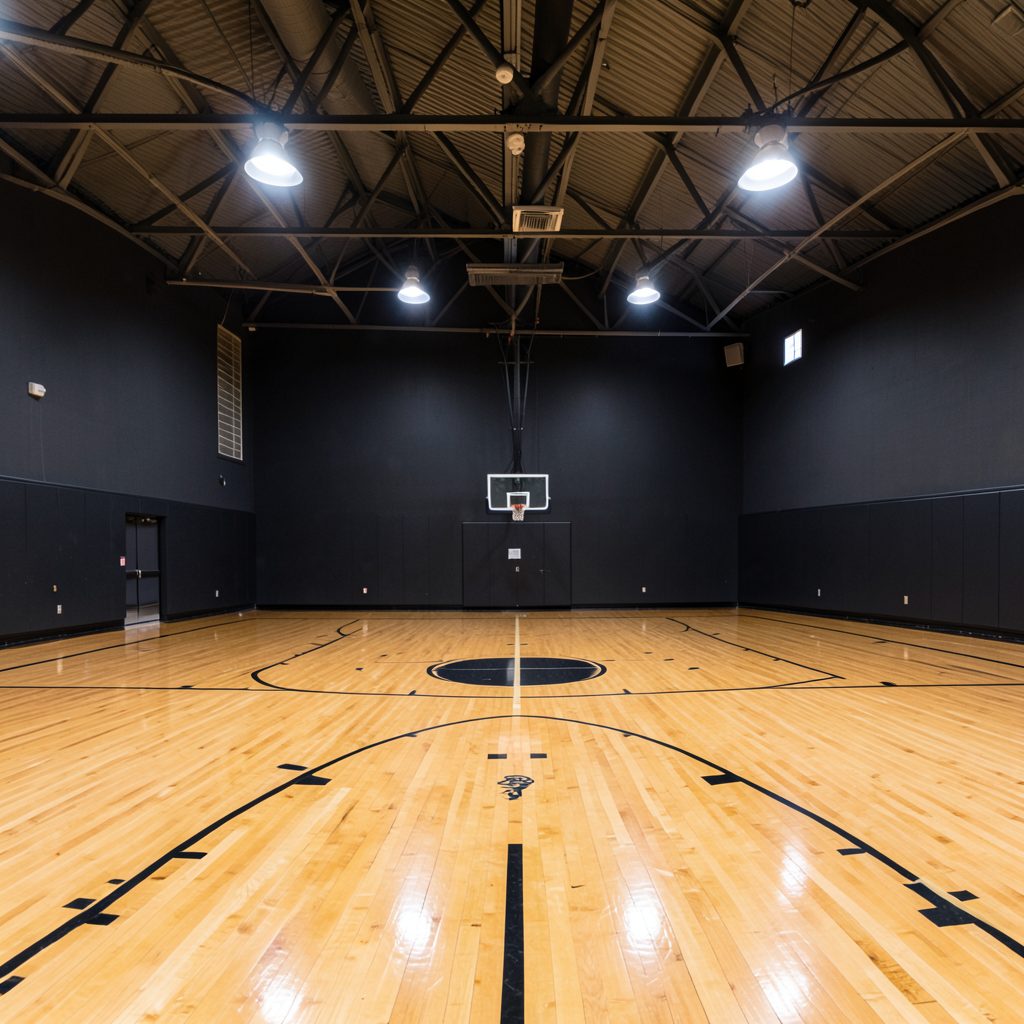

Three Entities, One Roof
Leagues
Eight league divisions span every age group: Indy Pro AM, 18+ Open Men's, 30+ Men's, Bite Size (ages 3–6), Impact League, 5th/6th Grade, Middle School, and High School. Gather your team and compete.
Training
Individual and group basketball training for all skill levels. Major M.O.V.E.S. Basketball Training serves ages 4–7 on Wednesday and Thursday evenings at 6:30 PM — $30 per session or $100 unlimited monthly.
Wellness & Recovery
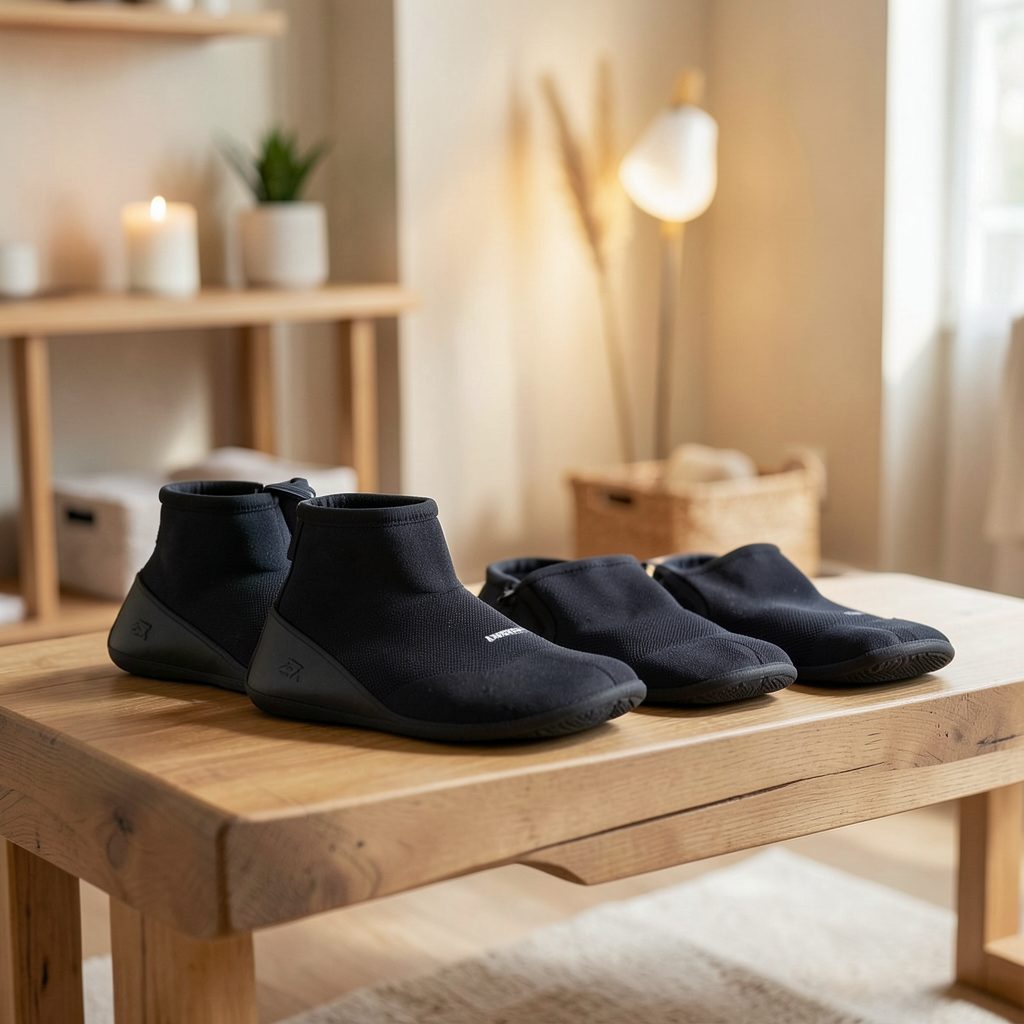
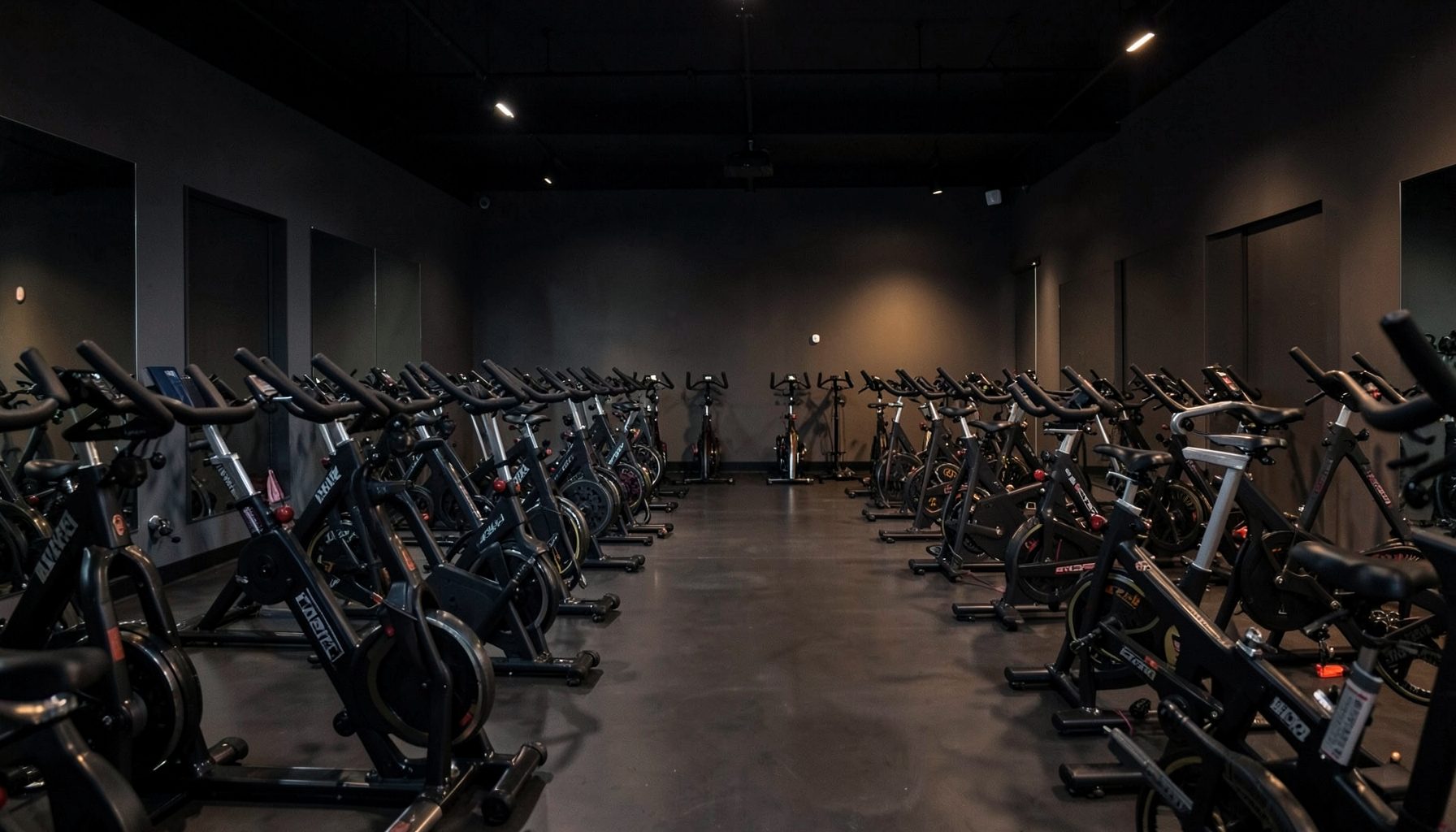
Normatec boot recovery and cryotherapy treatments help athletes bounce back faster. Cycle and spin classes add a cardio dimension to the holistic performance approach.
Have a Question?