Train. Compete. Recover.
A multi-purpose athletic facility in Speedway, Indiana — basketball leagues, skill training, and wellness services all under one roof.
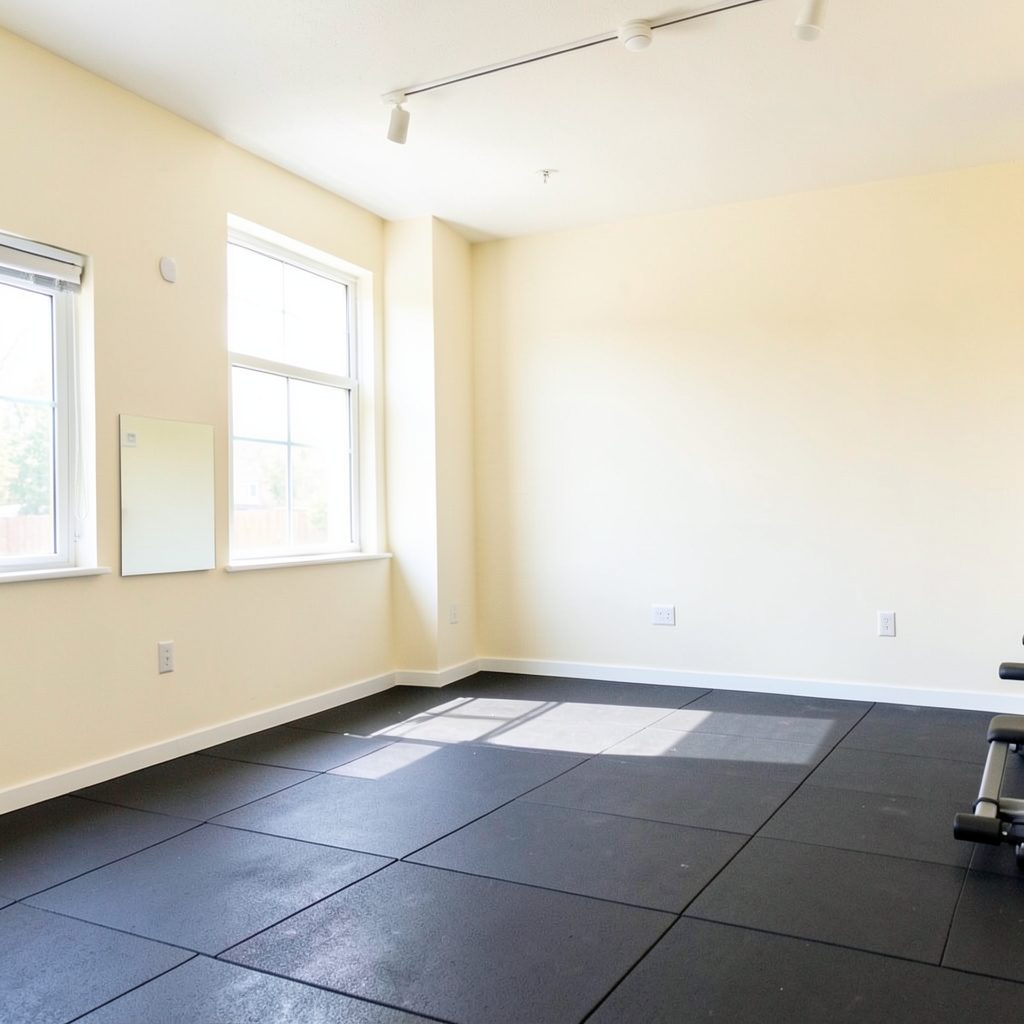
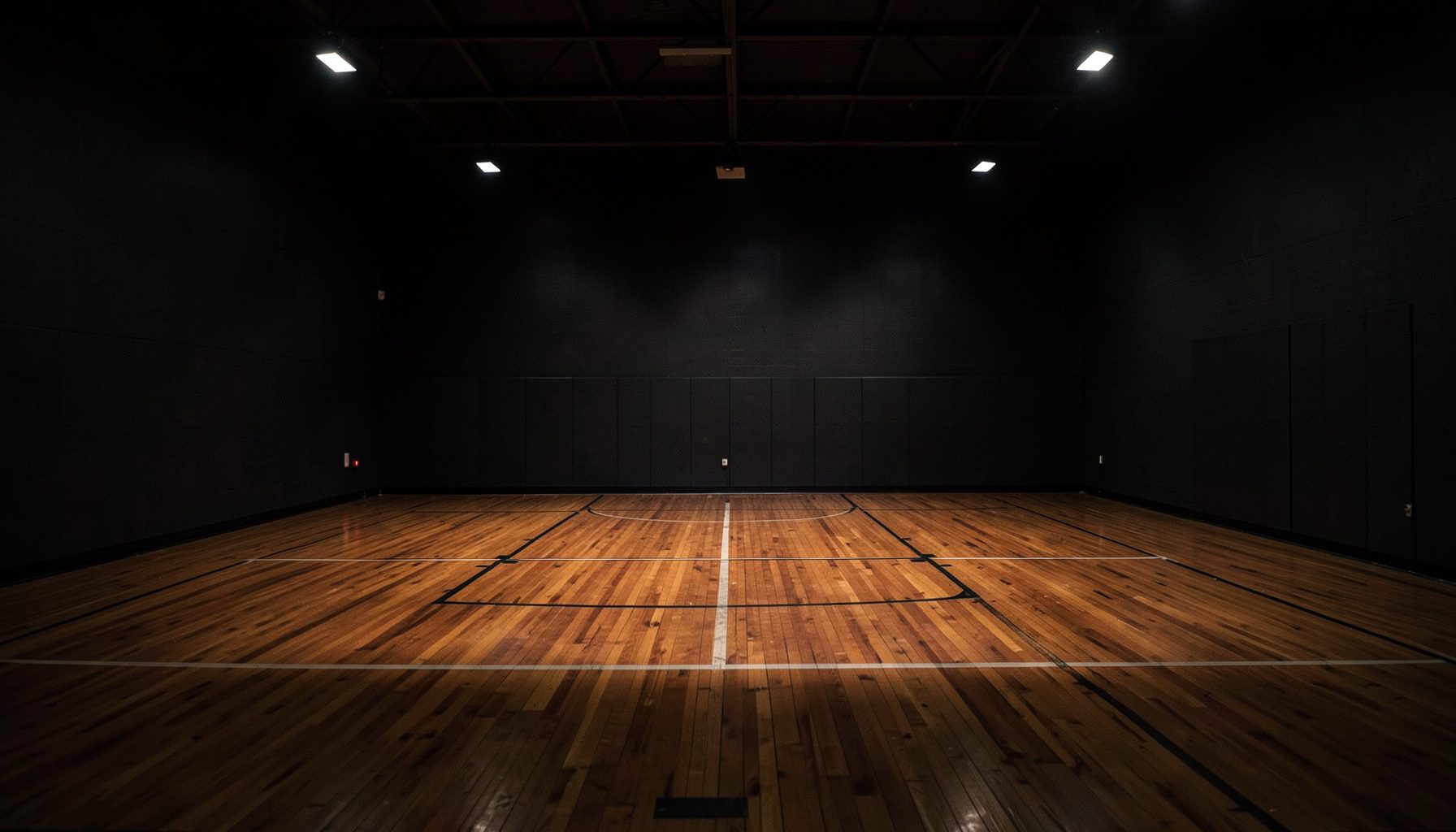
The Factory D1 Indy brings together three entities under one roof: competitive basketball leagues for all age groups, individual and group training, and wellness & recovery services including Normatec boot recovery and cryotherapy. Located off I-465 and High School Road at 6331 Crawfordsville Road, Speedway, Indiana 46224.
Get In TouchCreating A Weekly Training Schedule For High School Basketball Players
A productive basketball week gives athletes enough repetition to improve while preserving the energy required for practices, games, school, and everyday life. The best plan is not the one with the most workouts. It is the one that places the right type of work on the right day.
High school players need a schedule that develops shooting, ball handling, strength, speed, conditioning, decision-making, and recovery. Each element matters, but the workload must be organized so that intense sessions support performance instead of creating constant fatigue.
A useful weekly routine should also change throughout the season. Offseason training can emphasize physical development and individual skill growth, while preseason and in-season schedules should prioritize team execution, game readiness, and maintaining strength.
Build The Week Around Priorities
Start by identifying the player’s fixed commitments: school practices, games, team lifts, tournaments, travel, and other sports. These activities determine how much additional training the body can handle. A player with three demanding team sessions should not add three equally intense individual workouts.
Next, choose two or three improvement priorities. A guard may focus on ball security, pick-and-roll decisions, and finishing through contact. A wing may emphasize shooting off movement, defensive footwork, and rebounding. A post player may need work on positioning, footwork, passing, and interior finishing.
Keep the priorities specific enough to measure. “Improve shooting” is broad, while “make 75 catch-and-shoot attempts from game spots” gives the athlete a clear task. Written targets make each workout more purposeful and prevent random drills from taking over the week.
Balance Hard And Easy Days
Training stress includes more than basketball. A full-speed practice, heavy lower-body lift, sprint session, and competitive game all place significant demands on the nervous system and muscles. Scheduling these stressors back-to-back can reduce movement quality and increase the chance of overuse problems.
Use hard days for demanding work such as live play, high-intensity conditioning, heavy strength training, and explosive speed drills. Follow them with lower-impact sessions focused on shooting technique, mobility, film study, light ball handling, or active recovery.
A rest day does not have to mean lying still. Walking, gentle stretching, mobility exercises, and easy cycling can support circulation without adding substantial fatigue. Athletes should also monitor sleep, soreness, mood, and practice quality. These signals often reveal excessive workload before performance drops noticeably.
Use A Practical Weekly Framework
The schedule below is a starting point rather than a strict rule. It assumes a player has team commitments during the week and can complete some individual work independently. The intensity and duration should be adjusted for age, experience, position, and current fatigue.
| Day | Main Focus | Example Work |
|---|---|---|
| Monday | Skill development and strength | Ball handling, finishing, shooting, followed by a moderate lift |
| Tuesday | Team practice and conditioning | Defensive concepts, transition work, controlled conditioning |
| Wednesday | Recovery and technical repetition | Mobility, easy shooting, free throws, and film review |
| Thursday | High-intensity basketball | Competitive drills, game-speed shooting, and team practice |
| Friday | Strength and short skill session | Full-body lift, form shooting, and free throws |
| Saturday | Competition or extended workout | Game, scrimmage, or position-specific development |
| Sunday | Rest and reset | Walking, mobility, meal preparation, and sleep recovery |
The exact order can change when games are scheduled. A player who competes on Friday may need a lighter Thursday, while a Saturday game may require Friday to be a short shootaround rather than a strength session. The closer the athlete gets to competition, the more valuable freshness becomes.
A complete individual workout may last 45 to 75 minutes, but every session does not need to reach that length. Twenty focused minutes of shooting or ball handling can be useful on a busy school day. Consistency and quality usually matter more than adding unnecessary volume.
Develop Skills With Game Purpose
Skill training should connect directly to situations that appear in games. Instead of performing stationary dribbling for an extended period, include changes of pace, retreat dribbles, split actions, attacks from different angles, and decisions against a defender. Every repetition should reinforce control, balance, and awareness.
Ball handlers can use this collection of crossover dribbling drills to add variety to an individual workout. After mastering the movement, players should progress from stationary repetitions to walking, sprinting, changing direction, and making a pass or finish after the crossover.
Shooting sessions should also reflect game demands. Combine form shooting with catch-and-shoot attempts, shots after a closeout, pull-ups from a live dribble, and finishes at the rim. Track makes rather than only attempts, and use realistic rest periods so mechanics hold up when the athlete is tired.
Conditioning can be built into skill work through timed shooting games, transition drills, and short bursts followed by decisions. This approach develops basketball endurance while preserving the connection between physical effort and competitive execution.
Protect Recovery And Physical Development
Sleep is a central part of a high school athlete’s training plan. Players should establish a regular bedtime, limit late-night screen use, and prepare school and training materials ahead of time. Adequate sleep supports reaction time, learning, muscle repair, and emotional control.
Nutrition should match the day’s demands. Meals and snacks should include carbohydrates for training energy, protein for repair, fluids for hydration, and fruits or vegetables for overall health. Eating soon after a demanding practice can help replenish energy before the next session.
Strength training should be supervised and built around sound technique. High school athletes can benefit from movements such as squats, hinges, lunges, presses, rows, carries, and core exercises, but load and volume should progress gradually. The purpose is to improve force production, stability, and durability—not to chase exhausting workouts that interfere with basketball.
Recovery services can complement, rather than replace, everyday habits. Mobility work, light cycling, and options such as compression therapy may be useful after demanding sessions. At a facility such as The Factory D1 Indy, athletes can combine basketball development with conditioning and recovery resources in a setting designed for ongoing athletic progress.
Adjust The Plan During The Season
The offseason is the best time for meaningful physical and technical development. Players can schedule three or four basketball-focused sessions, two strength sessions, and regular low-intensity recovery. There is more room to correct weaknesses, build strength, and increase training volume gradually.
Preseason requires a transition toward team systems and competitive intensity. Individual workouts should become more efficient, with greater emphasis on shooting under pressure, defensive movement, communication, and decision-making. Athletes should avoid arriving at tryouts or team camp already worn down.
During the regular season, maintenance is the goal. One or two short individual sessions may be enough alongside practices and games. A player who is registered for additional competition should review the league registration information carefully and account for extra games, travel, and recovery time before adding more training.
Tournament weeks require especially careful planning. Reduce lifting volume, avoid exhausting conditioning close to games, and use short shooting sessions to maintain rhythm. After the season, take a brief mental and physical reset before beginning a structured development block.
Simple Rules For Weekly Planning
Use these guidelines when creating or revising a basketball training calendar:
- Place games and the hardest practices first, then build individual workouts around them.
- Limit intense lower-body training before competition and prioritize movement quality.
- Give every workout a clear objective, such as finishing, shooting off movement, or defensive footwork.
- Track sleep, soreness, energy, and performance to identify when volume should be reduced.
- Reassess the plan each week instead of repeating the same workload automatically.
Put The Plan Into Practice
A strong weekly schedule should make the athlete more prepared, not permanently exhausted. Begin with the commitments already on the calendar, add targeted skill sessions, protect recovery days, and adjust the workload when games or school demands increase.
Families and athletes can use a training calendar to record workouts, makes, lifting sessions, sleep, and soreness. With consistent review, the schedule becomes a practical tool for making progress through the season. Visit The Factory D1 Indy to explore basketball training, competitive opportunities, conditioning, and recovery resources that can support the next phase of development.
Inside The Factory

Three Entities, One Roof
Leagues
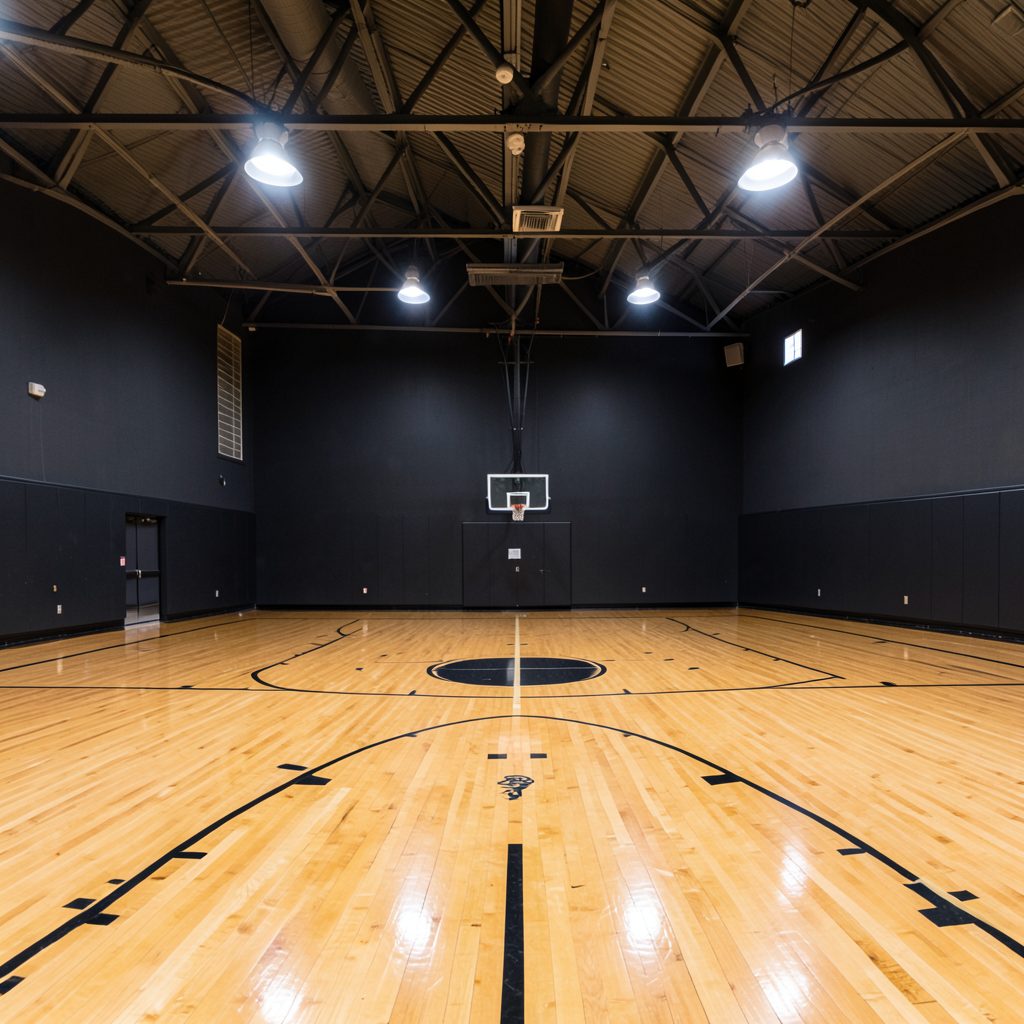
Eight league divisions span every age group: Indy Pro AM, 18+ Open Men's, 30+ Men's, Bite Size (ages 3–6), Impact League, 5th/6th Grade, Middle School, and High School. Gather your team and compete.
Training
Individual and group basketball training for all skill levels. Major M.O.V.E.S. Basketball Training serves ages 4–7 on Wednesday and Thursday evenings at 6:30 PM — $30 per session or $100 unlimited monthly.
Wellness & Recovery
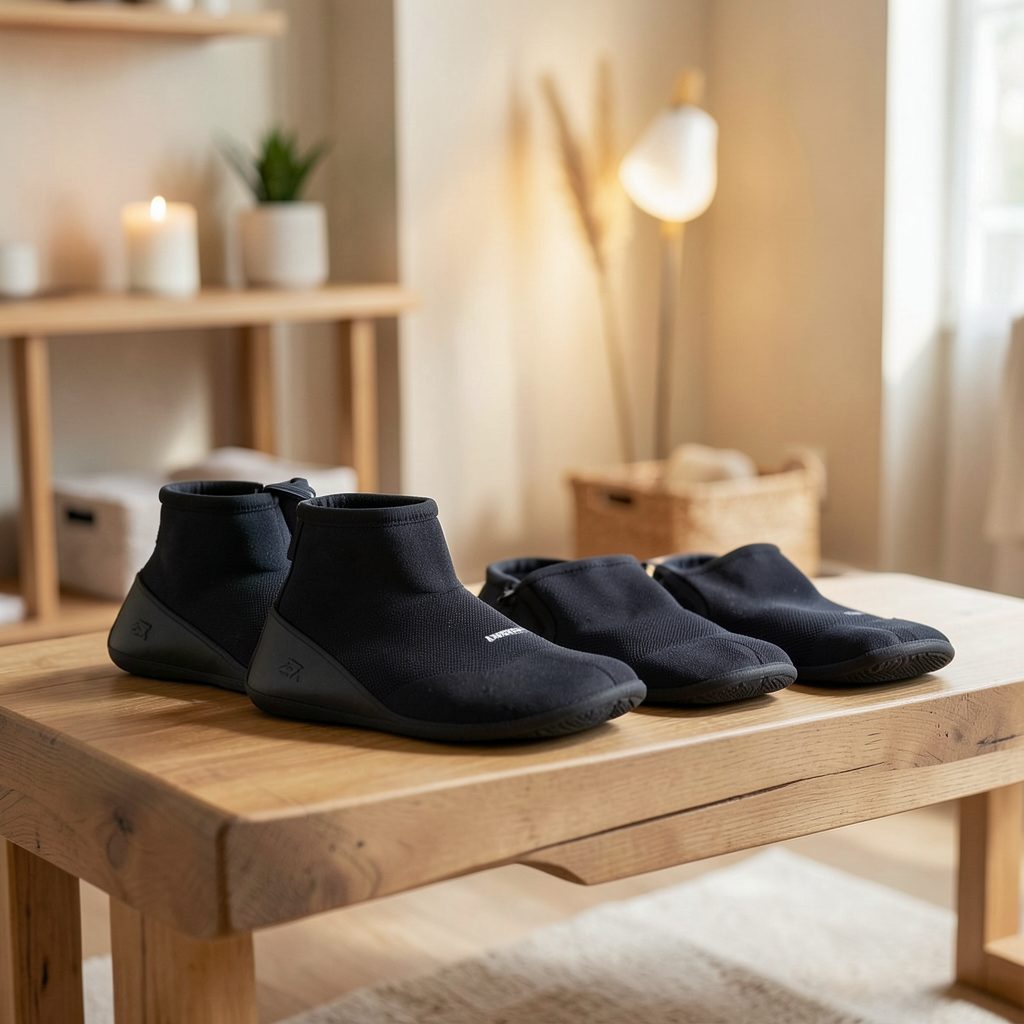
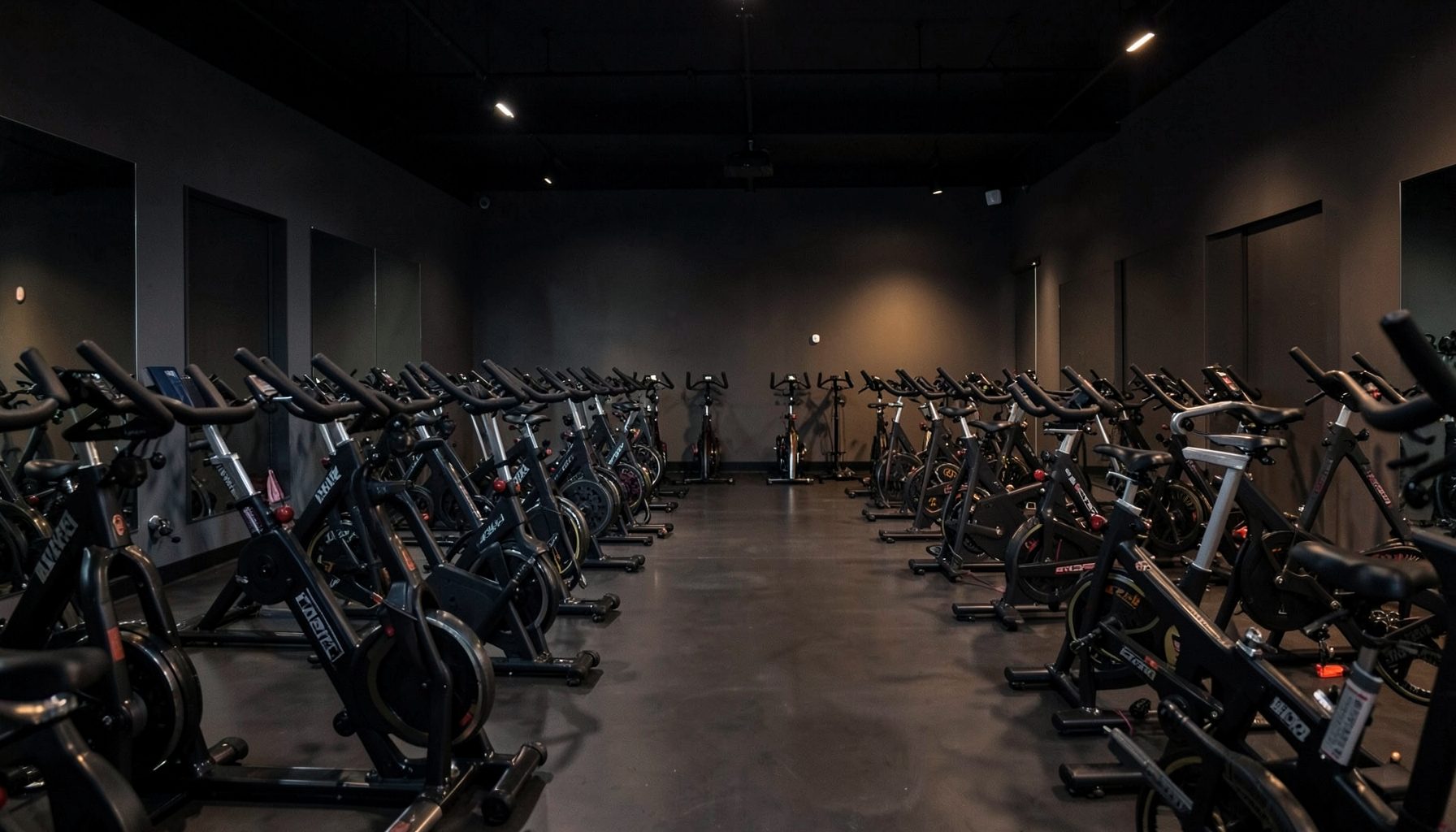
Normatec boot recovery and cryotherapy treatments help athletes bounce back faster. Cycle and spin classes add a cardio dimension to the holistic performance approach.
Have a Question?