Train. Compete. Recover.
A multi-purpose athletic facility in Speedway, Indiana — basketball leagues, skill training, and wellness services all under one roof.
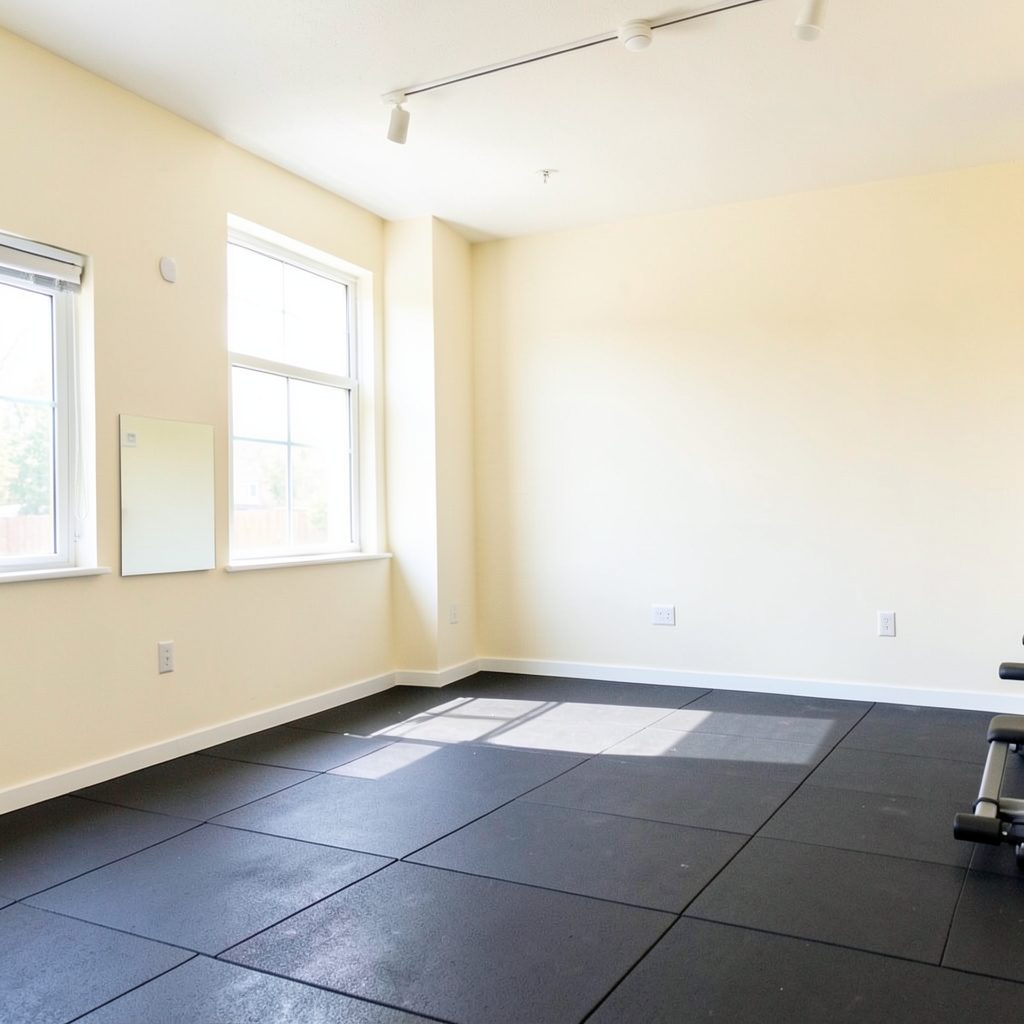
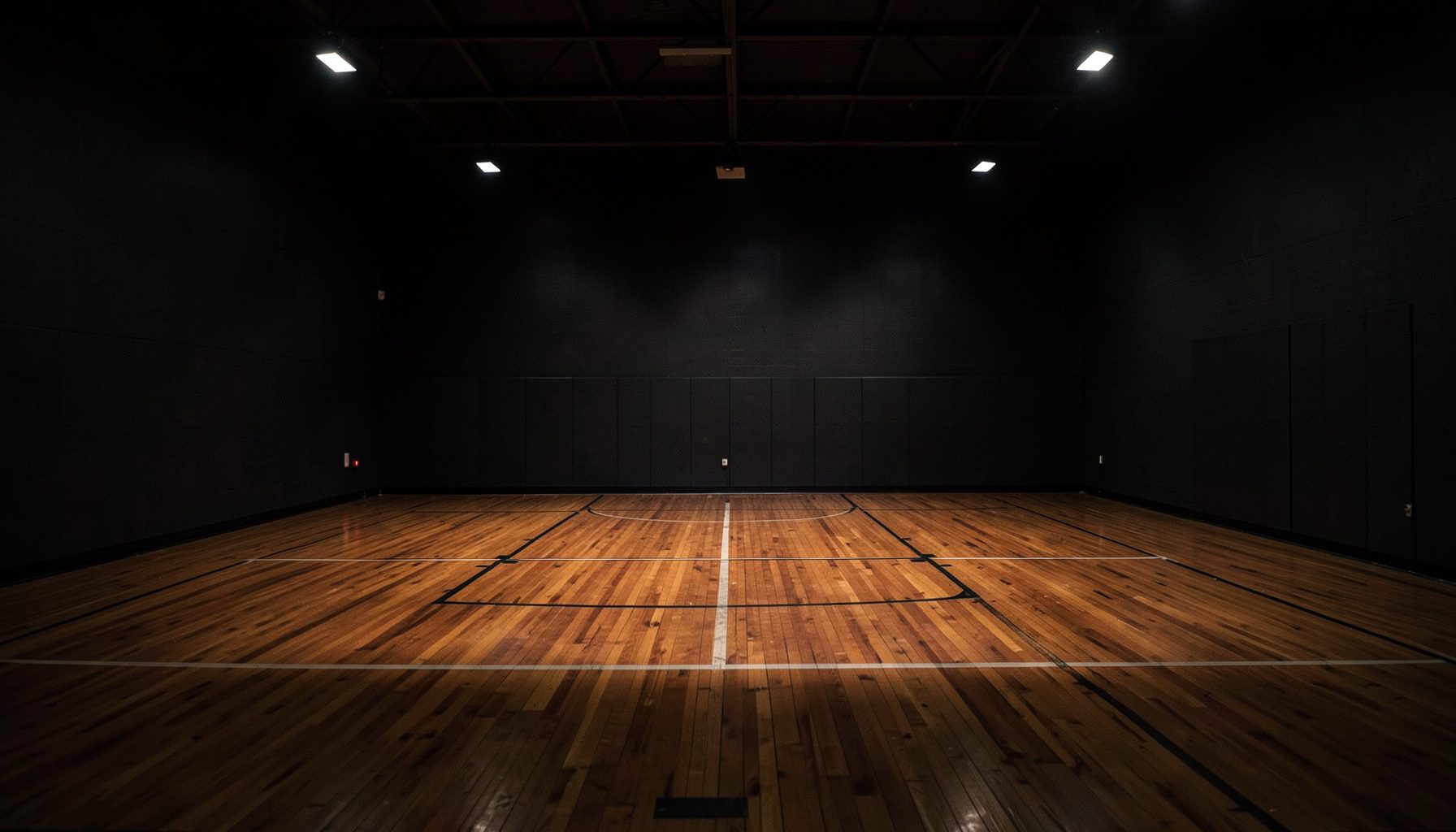
The Factory D1 Indy brings together three entities under one roof: competitive basketball leagues for all age groups, individual and group training, and wellness & recovery services including Normatec boot recovery and cryotherapy. Located off I-465 and High School Road at 6331 Crawfordsville Road, Speedway, Indiana 46224.
Get In TouchCreating A Positive Competition Culture In Youth Basketball Leagues
Youth basketball leagues give children far more than a schedule of games. They create a setting where young athletes learn how to handle pressure, communicate with teammates, respond to mistakes, and respect people who may be trying just as hard to win. The habits developed in these moments can shape both future performance and personal character.
A healthy competitive environment does not remove intensity. It gives intensity a productive direction. Players can pursue improvement, play assertively, and care deeply about results while still treating teammates, opponents, coaches, officials, and families with respect.
For league organizers and coaches, the goal is to make positive behavior visible, consistent, and easier to repeat. When expectations are clear and adults model emotional control, competition becomes a source of confidence rather than anxiety.
Define What Winning Should Mean
Every youth league should explain its definition of success before the first game begins. Winning can matter, but it should exist alongside effort, teamwork, learning, sportsmanship, and personal growth. A team that improves its defensive communication or handles adversity with maturity has achieved something meaningful, even when the final score is unfavorable.
Coaches can turn these values into specific behaviors. “Play hard” is less useful than “sprint back on defense,” “encourage the next player,” or “listen during timeouts.” Clear standards help children understand that character is part of performance. They also give coaches a fair basis for recognizing contributions that may not appear in a box score.
League leaders should reinforce the same message through registration materials, pre-season meetings, gym signage, and award criteria. If the stated goal is development but adults celebrate only scoring and winning margins, young athletes will quickly notice the contradiction.
Coaches Set The Emotional Temperature
Players often mirror the emotional habits of their coaches. A coach who reacts to every missed call with anger can unintentionally teach athletes that frustration deserves an outburst. A coach who calmly assesses a mistake and gives the player a useful next action demonstrates resilience in real time.
Constructive feedback should be specific, timely, and focused on controllable choices. Instead of labeling a child as careless, a coach might say, “Keep your eyes up before the pass,” or “Get into a lower stance on the next possession.” This approach protects confidence while still demanding accountability.
Coaches can also establish routines for difficult moments. A player who misses a free throw might take a breath, receive a teammate’s encouragement, and immediately focus on defensive positioning. These small reset habits help athletes manage emotions during close games and carry composure into school, work, and other activities.
Build Fair Rules And Shared Expectations
Positive competition depends on rules that are understood and applied consistently. Playing time policies, age divisions, conduct standards, and procedures for addressing concerns should be communicated clearly to families. Transparency reduces confusion and prevents disagreements from becoming personal conflicts.
Officials and league administrators need support from the entire basketball community. Referees will make imperfect decisions, just as players and coaches will. Teaching athletes to ask respectful questions, accept calls, and return attention to the next play creates a more stable game environment.
| Culture Element | Healthy Practice | Benefit For Young Athletes |
|---|---|---|
| Playing time | Balance development with attendance, effort, readiness, and team needs | Builds trust and encourages commitment |
| Coaching feedback | Address decisions and skills rather than personal traits | Protects confidence while promoting accountability |
| Referee interactions | Model respectful disagreement and quick emotional resets | Teaches composure and sportsmanship |
| Parent behavior | Cheer effort, teamwork, and improvement without directing every play | Reduces pressure and supports independence |
| Post-game routines | Shake hands, acknowledge opponents, and review lessons learned | Turns competition into a learning experience |
League rules should include a practical process for handling unsportsmanlike conduct. A private conversation, written warning, or temporary restriction may be more effective than public embarrassment. The response should be firm enough to protect the environment and measured enough to teach responsibility.
Give Families A Constructive Role
Parents and guardians strongly influence how children interpret competition. Supportive adults can ask what the player learned, which teammate helped them, or what they want to practice next. These questions shift attention from statistics and outcomes toward development.
Sideline behavior matters just as much. Constant instructions can overwhelm young players and compete with the coach’s message. Families can agree to cheer effort, celebrate unselfish plays, and avoid criticizing officials or opposing athletes. A calm sideline gives children room to think and make decisions independently.
Pre-season family meetings are useful for setting these expectations. Organizers can explain communication channels, playing-time policies, sportsmanship standards, and the difference between support and coaching from the stands. When every family receives the same information, the league creates a shared culture rather than leaving each team to establish unrelated norms.
Connect Skill Development With Character
Technical training and positive culture should operate together. Ball handling, shooting, footwork, conditioning, and defensive skills give athletes tools for competition, while discipline and communication determine how those tools are used. Players should learn that preparation is a form of respect for teammates and opponents.
Facilities that combine basketball instruction with broader athletic development can support this approach. Families exploring structured training and league opportunities can learn more about The Factory D1 Indy, where basketball programs are paired with fitness and wellness services in a community-centered setting.
Recovery habits also belong in the conversation. Rest, hydration, mobility, and responsible conditioning help young athletes remain available and focused throughout a season. Simple movement routines can prepare the body for practice and reduce the tendency to treat discomfort as something to ignore. Coaches and families can use these daily mobility exercises as part of a consistent warm-up and recovery plan.
Character development becomes stronger when athletes are praised for preparation, communication, and care for their bodies. A player who arrives ready, encourages a struggling teammate, and responds well to correction is making progress that deserves recognition.
Make Recognition Broader Than The Score
Awards and public praise shape what a league considers important. Scoring leaders may deserve recognition, but they should not be the only athletes celebrated. Coaches can identify players who show the greatest improvement, best teamwork, strongest defensive effort, reliable attendance, or most positive response to adversity.
Recognition does not need to be expensive or elaborate. A post-game mention, team-voted award, handwritten note, or short story in a league newsletter can make positive behavior visible. The key is consistency and specificity. “Great job” is encouraging, while “You helped the team stay organized by communicating on every defensive possession” teaches the group what excellence looks like.
Players should also have opportunities to recognize one another. Peer acknowledgments can reveal contributions adults miss and strengthen team connection. When athletes regularly notice hustle, unselfishness, and resilience, those behaviors become part of the group identity.
Habits That Strengthen League Culture
A positive competitive environment grows through repeated actions rather than a single speech. Organizers can use the following practices throughout the season:
- Begin each season with a short team agreement covering effort, respect, communication, and response to mistakes.
- Schedule brief coach education sessions on age-appropriate feedback, conflict management, and emotional regulation.
- Create post-game routines that include opponent appreciation, equipment responsibility, and one learning point.
- Track and celebrate improvement, attendance, defensive effort, assists, rebounds, and teammate support alongside points scored.
- Provide a clear, respectful process for families to raise concerns without interrupting games or confronting officials.
These habits work best when adults follow them first. A coach who apologizes after an unnecessarily sharp comment, or a parent who acknowledges an official’s difficult job, shows children that accountability is compatible with authority.
Make Every Game A Learning Experience
A youth league succeeds when athletes leave the gym with stronger skills, greater confidence, and a clearer understanding of how to compete well. Scores will change from week to week, and some games will be tense or disappointing. A stable culture helps players process those experiences without letting one result define their identity.
League directors, coaches, and families can begin by choosing a few shared behaviors and reinforcing them at every practice and game. Set the standard, model it under pressure, and recognize athletes who live it. Visit The Factory D1 Indy to explore training, league, and wellness opportunities that can help make positive competition part of every young player’s development.
Inside The Factory

Three Entities, One Roof
Leagues
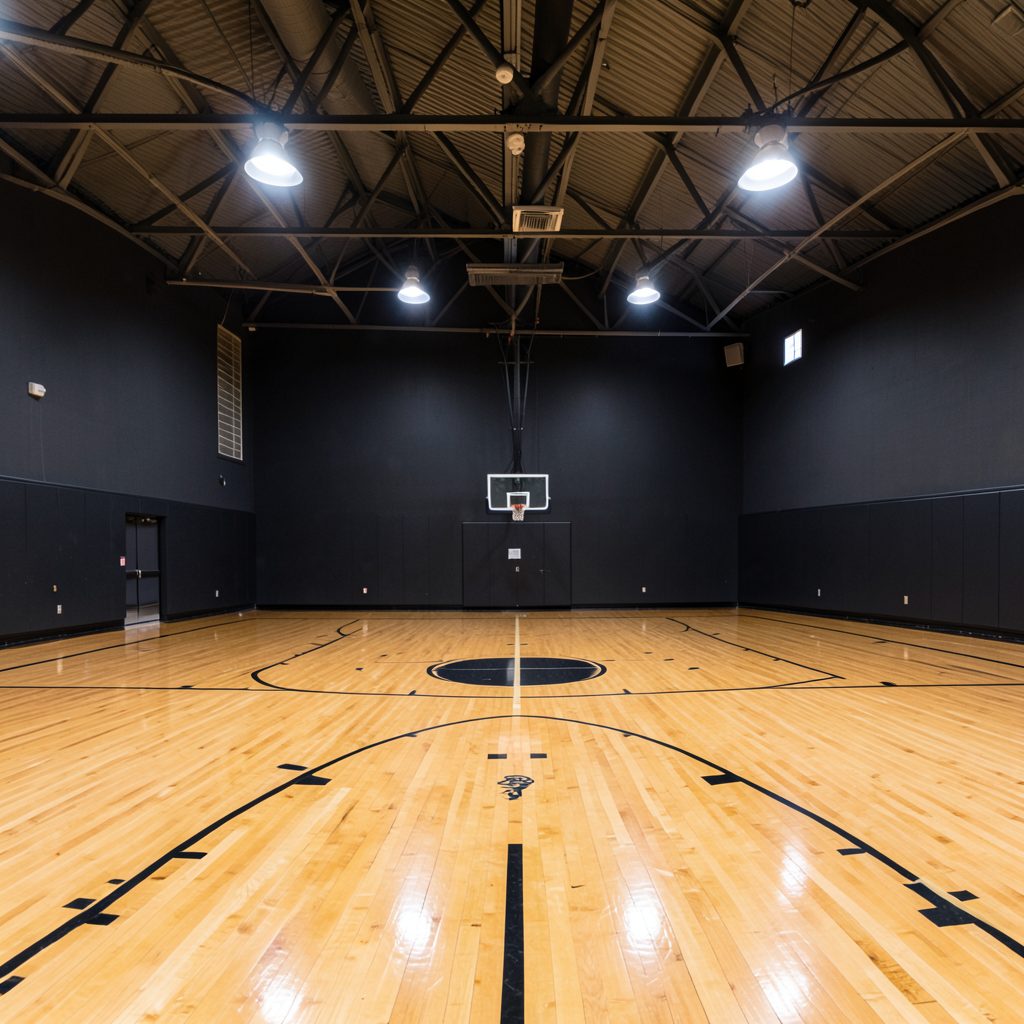
Eight league divisions span every age group: Indy Pro AM, 18+ Open Men's, 30+ Men's, Bite Size (ages 3–6), Impact League, 5th/6th Grade, Middle School, and High School. Gather your team and compete.
Training
Individual and group basketball training for all skill levels. Major M.O.V.E.S. Basketball Training serves ages 4–7 on Wednesday and Thursday evenings at 6:30 PM — $30 per session or $100 unlimited monthly.
Wellness & Recovery
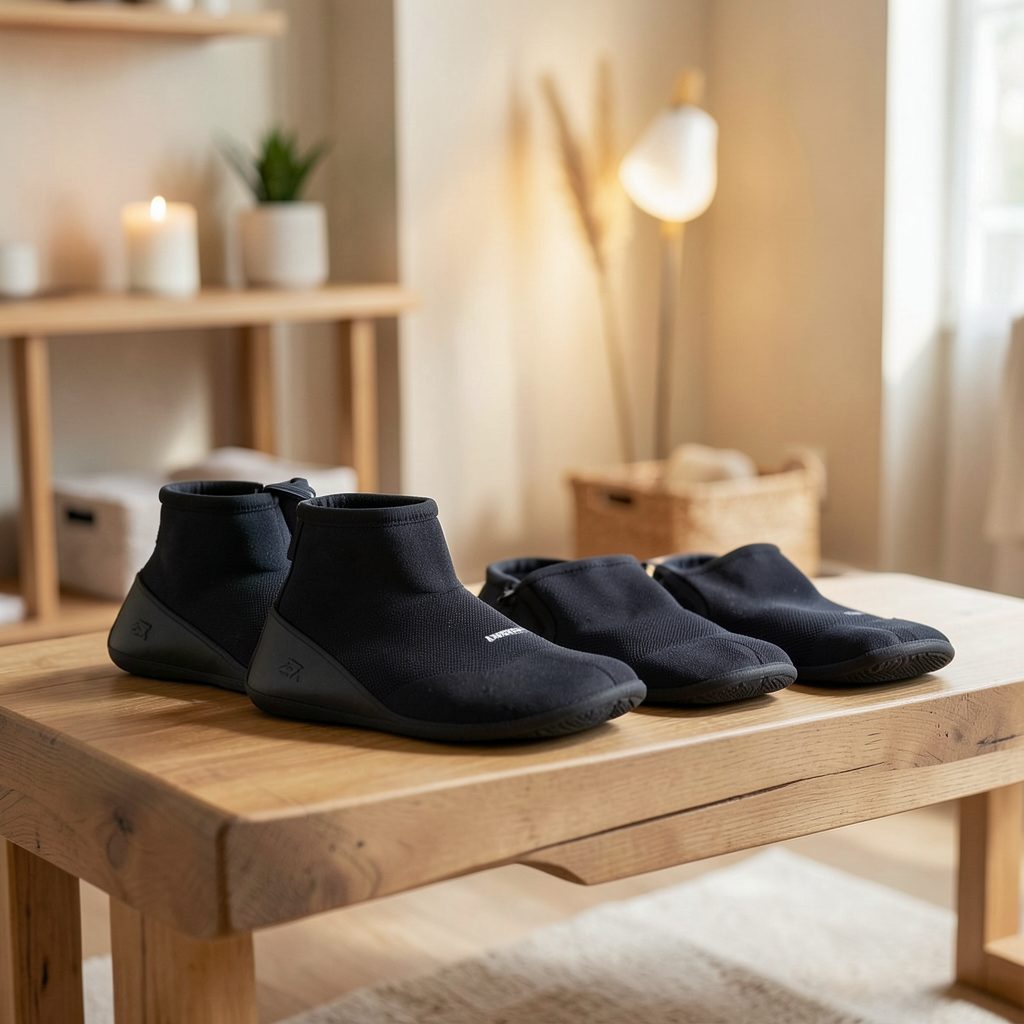
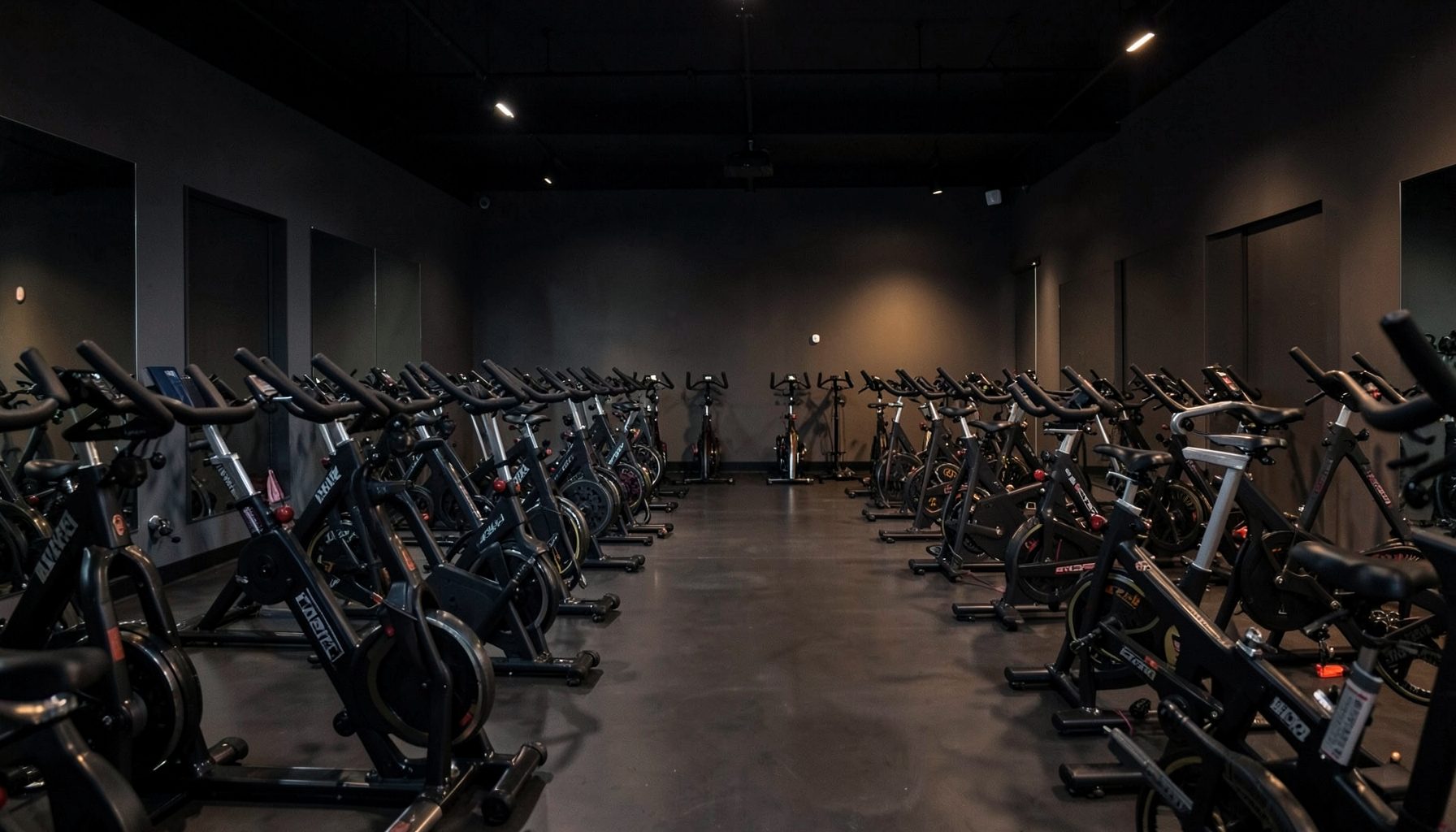
Normatec boot recovery and cryotherapy treatments help athletes bounce back faster. Cycle and spin classes add a cardio dimension to the holistic performance approach.
Have a Question?