Train. Compete. Recover.
A multi-purpose athletic facility in Speedway, Indiana — basketball leagues, skill training, and wellness services all under one roof.
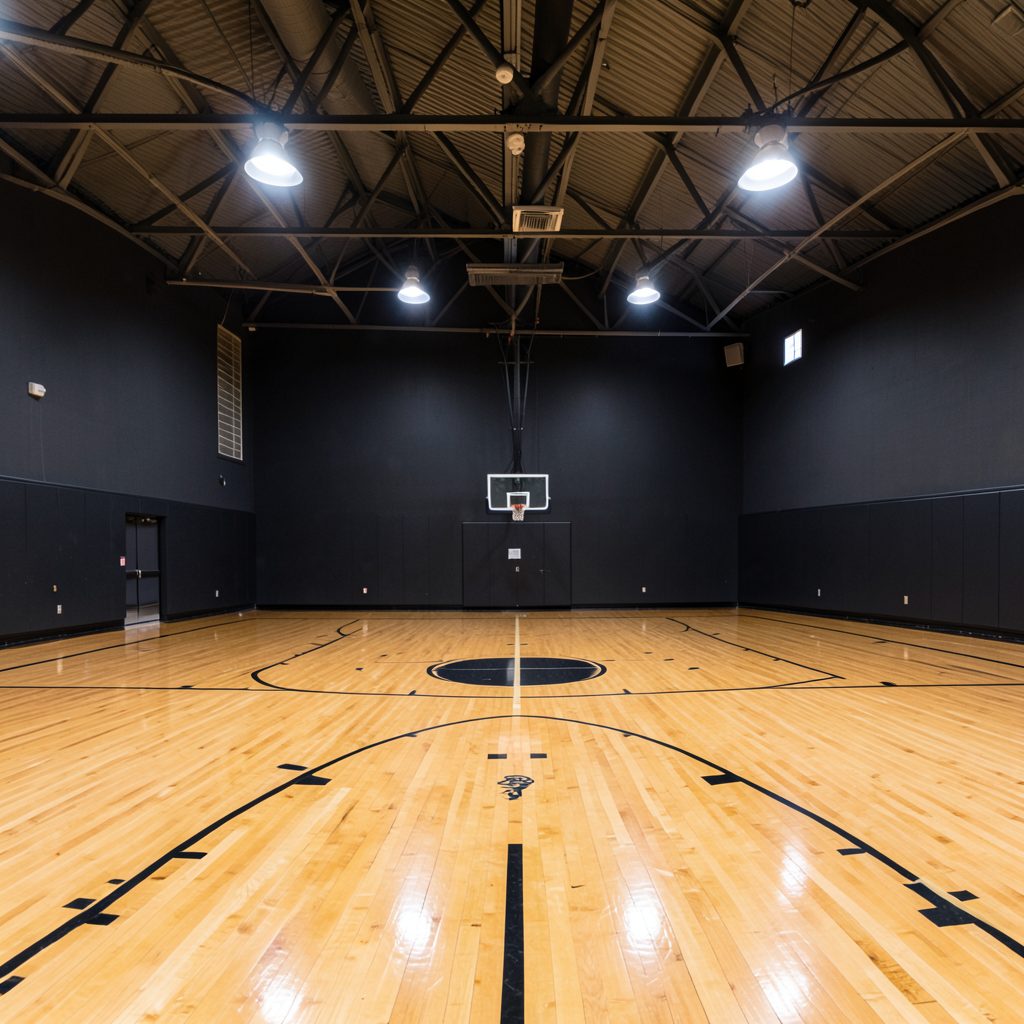
The Factory D1 Indy brings together three entities under one roof: competitive basketball leagues for all age groups, individual and group training, and wellness & recovery services including Normatec boot recovery and cryotherapy. Located off I-465 and High School Road at 6331 Crawfordsville Road, Speedway, Indiana 46224.
Get In TouchDaily Mobility Exercises For Stronger Basketball Performance
Basketball asks the body to move through deep bends, rapid stops, hard cuts, overhead reaches, and repeated jumps. Strength and conditioning help you produce force, but mobility determines whether you can access useful positions efficiently and control them under pressure. A few focused exercises each day can improve movement quality without adding a demanding workout.
Daily mobility work should feel purposeful rather than exhausting. The goal is to increase usable range of motion, prepare the joints for basketball-specific actions, and reduce the stiffness that can build up after practices, games, school, or long periods of sitting.
At The Factory D1 Indy, athletes of different ages and experience levels train, compete, condition, and recover in one community-focused facility. A consistent mobility routine supports all of those activities by helping players arrive prepared and leave with better habits.
Why Mobility Belongs In Every Basketball Day
Mobility is the combination of joint movement, muscle flexibility, and control. A basketball player may have enough passive range to touch the floor, for example, but still lack the stability to keep the heel down during a defensive slide. Effective mobility training connects range with strength and balance.
Ankle, hip, knee, spine, and shoulder mobility all contribute to performance. Limited ankle movement can make a squat or landing position unstable. Tight hips can affect sprint mechanics and cutting angles. A stiff upper back may make it harder to rotate while passing or maintain a comfortable shooting posture.
Use slow, controlled repetitions instead of forcing a stretch. Mild tension is appropriate, but sharp pain, numbness, or joint discomfort is a reason to stop and seek guidance from a qualified professional.
Start With Ankles And Calves
The ankle joint needs enough dorsiflexion—the ability to bring the knee forward over the foot—for squatting, decelerating, and landing. Begin with a knee-to-wall drill. Place one foot a few inches from a wall, keep the heel planted, and gently drive the knee toward the wall without letting it collapse inward. Move the foot slightly farther away as control improves.
Perform eight to twelve repetitions per side, then add slow calf raises through a comfortable range. Rise onto the balls of the feet, pause at the top, and lower for two or three seconds. This combines ankle movement with calf strength, which is useful for repeated jumping and quick changes of direction.
Finish with a half-kneeling ankle rock. Keep the front heel heavy while shifting the body forward and back. The movement should come from the ankle rather than the lower back, and the foot should remain pointed straight ahead.
Open The Hips And Protect The Knees
The hips must rotate and extend during sprinting, jumping, defensive stances, and layups. A 90/90 hip switch is a simple daily exercise: sit with both knees bent, rotate them slowly from one side to the other, and keep the chest tall. Use your hands behind you at first if maintaining posture is difficult.
Add a half-kneeling hip-flexor stretch with the rear knee on the floor. Tuck the pelvis gently, squeeze the glute on the kneeling side, and shift forward only until you feel a moderate stretch at the front of the hip. Reaching the same-side arm overhead can add a controlled side bend without forcing the position.
Good hip mobility can help the knees track more comfortably, but it does not replace knee strength. Include five slow bodyweight squats or split squats after the mobility drills. Keep the knee aligned with the middle toes and move through a range that you can control.
Free The Spine And Shoulders
Basketball players rotate constantly while passing, defending, rebounding, and changing direction. The open-book rotation helps restore movement through the upper back. Lie on your side with the knees bent, arms extended, and palms together. Sweep the top arm across the body while rotating the chest toward the floor, then return slowly.
For the shoulders, use wall slides. Stand with your back against a wall, ribs gently down, and elbows bent. Slide the arms upward while maintaining contact as comfortably as possible. Do not arch the lower back to force the arms higher. Quality matters more than reaching the top of the wall.
Shoulder control also supports a repeatable shooting motion. Once your daily range-of-motion work feels smooth, resistance band shooting drills can connect shoulder stability with basketball technique. Keep the resistance light enough that your mechanics remain clean.
A Practical Daily Sequence
A useful mobility routine can take eight to twelve minutes. Complete it before skill training as a dynamic warm-up, or perform a gentler version later in the day when the body feels stiff. Hold longer stretches after activity, but use active movement before explosive work.
The sequence below covers the main areas without turning mobility into a separate conditioning session. Breathe steadily, move within a pain-free range, and complete both sides when an exercise is unilateral.
| Exercise | Main Area | Suggested Dose | Key Cue |
|---|---|---|---|
| Knee-to-wall rocks | Ankles | 8–12 each side | Keep the heel down |
| Slow calf raises | Calves and feet | 10–15 reps | Lower with control |
| 90/90 hip switches | Hips | 8–10 total | Rotate from the hips |
| Half-kneeling hip stretch | Hip flexors | 20–30 seconds each | Squeeze the rear glute |
| Open-book rotations | Upper back | 6–8 each side | Let the chest rotate |
| Wall slides | Shoulders | 8–12 reps | Keep ribs from flaring |
| Bodyweight split squats | Hips and knees | 5–8 each side | Track the knee over the toes |
Move continuously between exercises if you are preparing for a workout. If you are recovering after a long day or a game, slow the pace and spend more time breathing in each position.
Carry Mobility Into Basketball Training
Mobility has the greatest value when it appears in basketball movements. After ankle rocks, practice low defensive slides. Following hip work, perform controlled lateral lunges. After upper-back rotations, add easy passing movements or form shots while keeping the ribs and shoulders relaxed.
These transitions teach the body to use its available range under realistic demands. A player who can rotate on the floor but cannot maintain balance while passing on the move needs more integrated practice, not simply longer stretches.
Coaches and trainers can also observe whether a mobility drill changes movement quality. If a player’s landing becomes quieter, squat depth improves, or the shooting motion feels less restricted, the exercise is serving a useful purpose. If a drill creates fatigue before practice, reduce the volume.
Build A Sustainable Routine
Consistency matters more than complexity. Young athletes may need only a few foundational movements, while experienced players can adjust the routine around training loads, competition schedules, and individual restrictions. Mobility should support performance rather than compete with sleep, strength work, skill development, or recovery.
Use these habits to keep the routine practical:
- Perform active mobility before basketball and longer static stretches after training.
- Start with one set and add volume only when the movements feel controlled.
- Compare both sides, but do not force the tighter side to match the looser side immediately.
- Pair mobility with simple strength exercises such as calf raises, split squats, and glute bridges.
- Record recurring pain or restricted movement and discuss it with a coach, athletic trainer, or medical professional.
A player who practices for ten minutes most days will usually gain more from mobility than someone who performs an intense, inconsistent stretching session once a week. Keep the routine familiar, track how you move, and adjust it when your schedule or training demands change.
Make these exercises part of your daily basketball preparation at home, before a league game, or during a training session at The Factory D1 Indy. With regular practice and qualified coaching, better mobility can help you move, shoot, defend, and recover with greater confidence.
Inside The Factory

Three Entities, One Roof
Leagues
Eight league divisions span every age group: Indy Pro AM, 18+ Open Men's, 30+ Men's, Bite Size (ages 3–6), Impact League, 5th/6th Grade, Middle School, and High School. Gather your team and compete.
Training
Individual and group basketball training for all skill levels. Major M.O.V.E.S. Basketball Training serves ages 4–7 on Wednesday and Thursday evenings at 6:30 PM — $30 per session or $100 unlimited monthly.
Wellness & Recovery
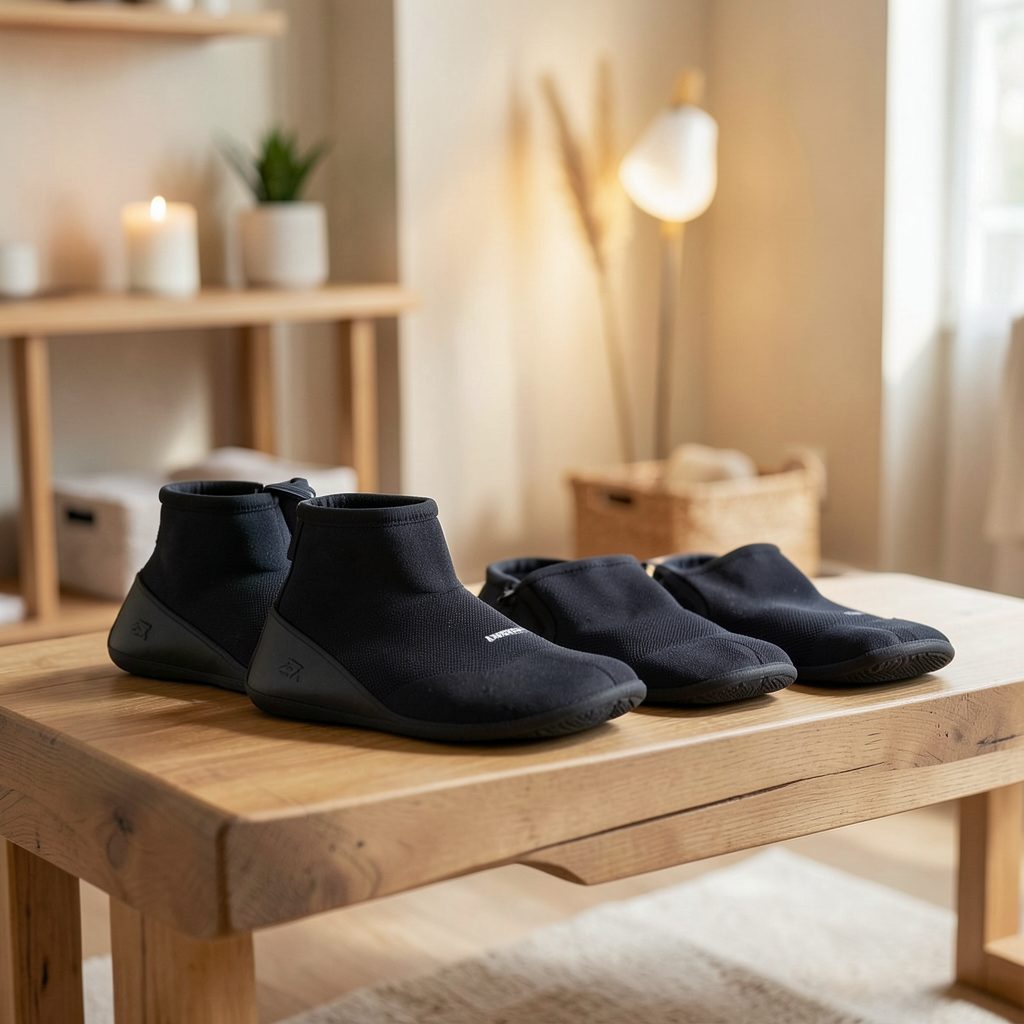
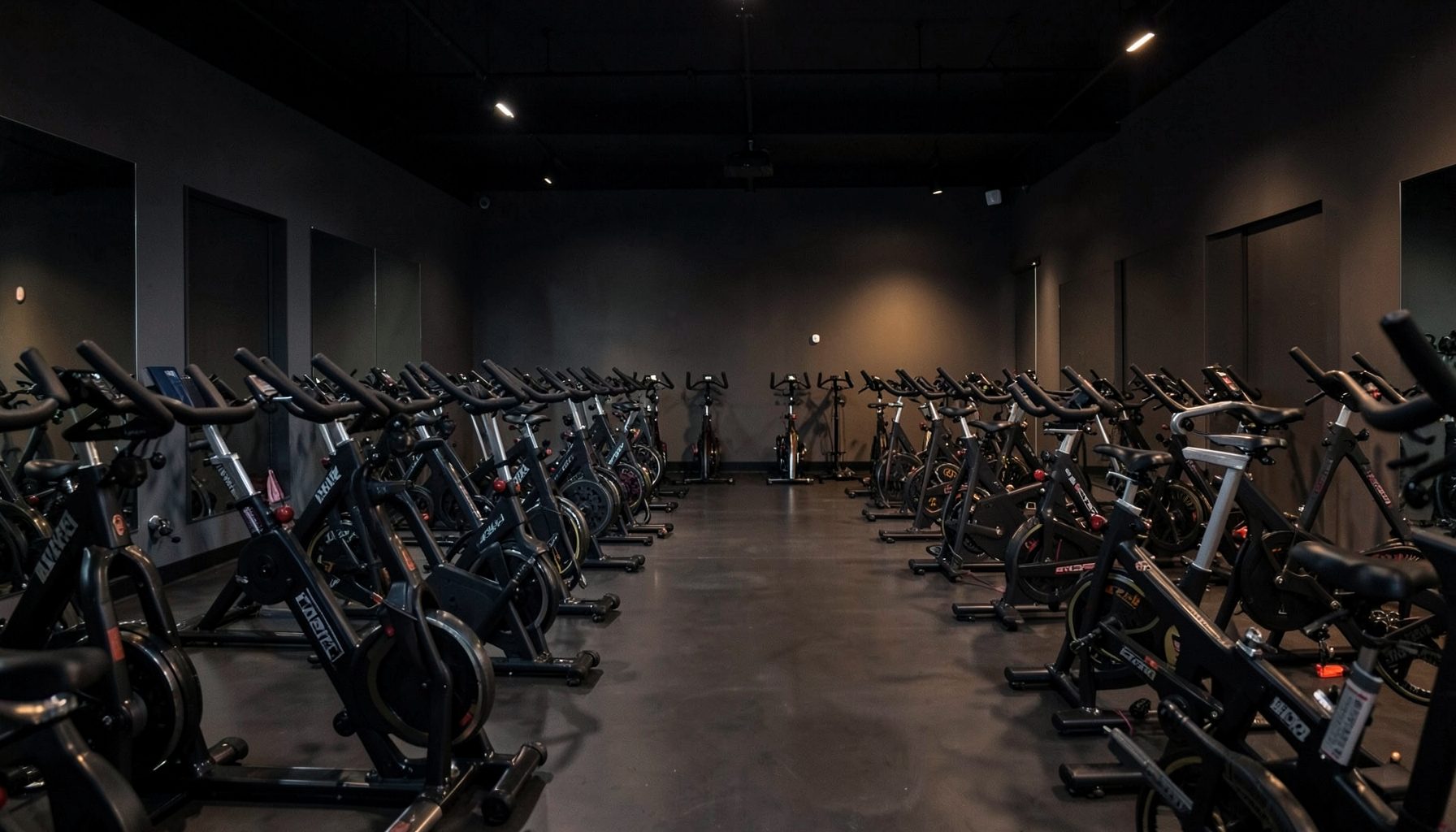
Normatec boot recovery and cryotherapy treatments help athletes bounce back faster. Cycle and spin classes add a cardio dimension to the holistic performance approach.
Have a Question?