Train. Compete. Recover.
A multi-purpose athletic facility in Speedway, Indiana — basketball leagues, skill training, and wellness services all under one roof.
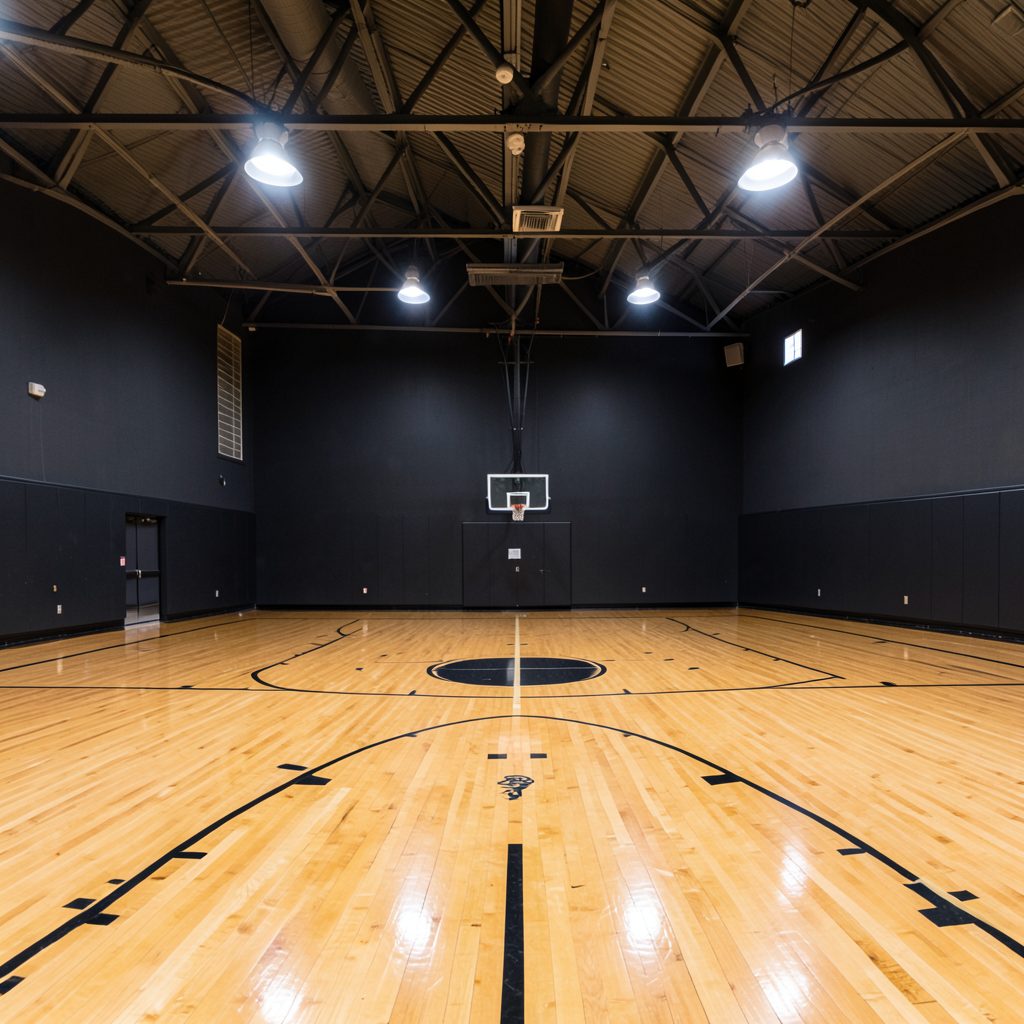
The Factory D1 Indy brings together three entities under one roof: competitive basketball leagues for all age groups, individual and group training, and wellness & recovery services including Normatec boot recovery and cryotherapy. Located off I-465 and High School Road at 6331 Crawfordsville Road, Speedway, Indiana 46224.
Get In TouchCryotherapy and Sleep Quality: What Athletes Should Know
Sleep is a major part of athletic performance. It supports muscle repair, nervous-system recovery, immune function, reaction time, mood, and the ability to learn new movement patterns. For basketball players balancing practices, games, strength work, and school or work, sleep can influence how well the body handles the entire training schedule.
Cryotherapy has become a popular recovery option because short, controlled exposure to cold may temporarily reduce discomfort and create a refreshed feeling. Some athletes also report falling asleep more easily after a session. However, the relationship between cold therapy and sleep is individual, and cryotherapy should support healthy sleep habits rather than replace them.
Understanding the timing, possible benefits, and limitations can help athletes make better recovery decisions. It also helps to distinguish whole-body cryotherapy from a cold shower, ice bath, or localized icing, since these approaches create different levels of cold exposure.
How Cold Exposure May Affect Sleep
Cold exposure can influence the body’s temperature regulation, circulation, and nervous system. After a brief cryotherapy session, the skin cools rapidly, while the body works to restore its normal temperature. That response may leave some people feeling alert immediately afterward and relaxed later, depending on the session and their individual stress response.
Sleep onset is closely connected to the body’s natural evening temperature drop. As bedtime approaches, the body generally releases heat from the hands, feet, and skin before core temperature decreases. A cold stimulus may interact with this process, but the effect is not predictable for everyone. Some athletes feel calm after cooling down, while others feel stimulated by the sudden exposure.
Perceived soreness can also interfere with sleep. When hard practices, tournaments, or strength sessions leave the legs and back uncomfortable, recovery treatment may make it easier to settle into bed. Cryotherapy’s potential effect on inflammation and post-exercise discomfort is discussed in this athlete inflammation guide, although an improved night of sleep should not be treated as a guaranteed result.
What Research Can And Cannot Tell Us
Research on cryotherapy and sleep quality is still developing. Small studies and athlete reports suggest that cold-based recovery may influence perceived fatigue, soreness, mood, or relaxation. Those outcomes can indirectly support sleep if discomfort or post-training tension is keeping an athlete awake.
The evidence is less conclusive when it comes to direct improvements in sleep duration, deep sleep, or consistent sleep efficiency. Many studies examine different methods, including cold-water immersion, localized cooling, and whole-body cryotherapy. Session temperature, exposure time, training load, age, fitness level, and sleep habits can all affect the findings.
This distinction matters for athletes and parents. Feeling refreshed after a session is useful, but it does not prove that cryotherapy has improved every aspect of sleep. A wearable may show changes in sleep stages, but those devices estimate sleep and should be considered alongside energy levels, morning alertness, and performance.
Timing, Intensity, And Individual Response
The best time for cryotherapy depends on the athlete’s schedule and response. A session immediately after demanding training may help reduce the sensation of soreness, while an evening session could feel either calming or energizing. Athletes trying cryotherapy near bedtime should begin on a low-risk day rather than before an important game or early practice.
Keeping a simple recovery log can reveal patterns. Record the session time, training intensity, perceived soreness, bedtime, time needed to fall asleep, and morning energy. After several sessions, an athlete may see whether cold exposure supports relaxation or creates too much alertness late in the evening.
Cryotherapy should remain brief and professionally supervised. Athletes should follow facility guidelines, use appropriate protective clothing, and avoid extending exposure in an attempt to gain a stronger effect. A longer or colder session is not automatically more beneficial, particularly when the goal is restful sleep.
| Recovery approach | Possible sleep-related benefit | Important consideration |
|---|---|---|
| Whole-body cryotherapy | May reduce perceived soreness or create post-session relaxation | Response varies, and research on direct sleep improvement remains limited |
| Cold-water immersion | Can help some athletes manage post-exercise discomfort | May feel stimulating and can be physically demanding |
| Gentle evening mobility | May lower muscle tension and prepare the body for rest | Works best when movements are comfortable and unhurried |
| Consistent sleep schedule | Supports the body’s natural sleep-wake rhythm | Requires regular habits across training and rest days |
| Normatec compression | May promote a relaxed recovery routine and reduce heavy-leg sensations | It should complement, rather than replace, sleep and medical care |
Cryotherapy Within A Broader Recovery Plan
Sleep quality is shaped by far more than one treatment. Training volume, hydration, nutrition, stress, screen use, room temperature, and evening competition times can all affect how quickly an athlete falls asleep. Cryotherapy may be helpful when it fits into a broader recovery plan that includes adequate fueling and planned rest.
For basketball athletes, tournament weekends can make recovery especially complicated. Multiple games create repeated physical stress, while travel and late tipoff times disrupt normal routines. A supervised cryotherapy session may be one option after competition, but athletes should also prioritize fluids, carbohydrates, protein, light mobility, and a realistic bedtime.
The same principle applies to youth athletes. Young players need age-appropriate recovery strategies and adult supervision. A parent, coach, athletic trainer, or healthcare professional can help determine whether cold exposure is suitable and whether ongoing fatigue may signal excessive training or insufficient sleep.
Habits That Help Athletes Sleep Better
A consistent routine gives the nervous system stronger signals that it is time to recover. Athletes can pair recovery services at The Factory D1 Indy with practical evening habits that encourage relaxation and reduce avoidable disruptions.
Useful steps include:
- Keep wake-up and bedtime schedules reasonably consistent, including on weekends.
- Finish intense exercise far enough before bed to allow breathing, heart rate, and body temperature to settle.
- Use a quiet wind-down period with dimmer light and limited phone or gaming exposure.
- Eat a balanced post-training meal and drink enough fluids without consuming large amounts immediately before bed.
- Track soreness, mood, and morning energy to identify whether a recovery method is genuinely helping.
A comfortable sleep environment also matters. A cool, dark, quiet room can support natural temperature regulation, while excessive heat, bright screens, or late caffeine may counteract the benefits of any recovery session. These basic factors deserve attention before adding more treatments to an already busy schedule.
When To Use Caution
Cryotherapy is not appropriate for every athlete. People with certain cardiovascular conditions, uncontrolled high blood pressure, circulation problems, cold sensitivity, Raynaud’s disease, nerve impairment, or other medical concerns should seek professional guidance before using cold exposure. A healthcare provider can review personal risks and recommend safer alternatives when needed.
Athletes should stop a session and notify staff if they experience intense pain, dizziness, breathing difficulty, confusion, numbness that does not resolve, or unusual skin changes. Discomfort from cold should never be treated as a sign that the therapy is working better.
Persistent insomnia, loud snoring, gasping during sleep, morning headaches, or severe daytime fatigue deserves medical attention. These symptoms may point to a sleep disorder, illness, medication effect, or recovery imbalance that cryotherapy cannot address. The goal is to use recovery tools responsibly while identifying problems that require qualified care.
A well-supervised session at The Factory D1 Indy can fit into an athlete’s larger plan for training, conditioning, and recovery. Pairing cryotherapy with dependable sleep habits makes it easier to evaluate its real value and avoid unrealistic expectations. Schedule a recovery visit and use the experience as one measured part of a consistent plan for performing and feeling better.
Inside The Factory

Three Entities, One Roof
Leagues
Eight league divisions span every age group: Indy Pro AM, 18+ Open Men's, 30+ Men's, Bite Size (ages 3–6), Impact League, 5th/6th Grade, Middle School, and High School. Gather your team and compete.
Training
Individual and group basketball training for all skill levels. Major M.O.V.E.S. Basketball Training serves ages 4–7 on Wednesday and Thursday evenings at 6:30 PM — $30 per session or $100 unlimited monthly.
Wellness & Recovery
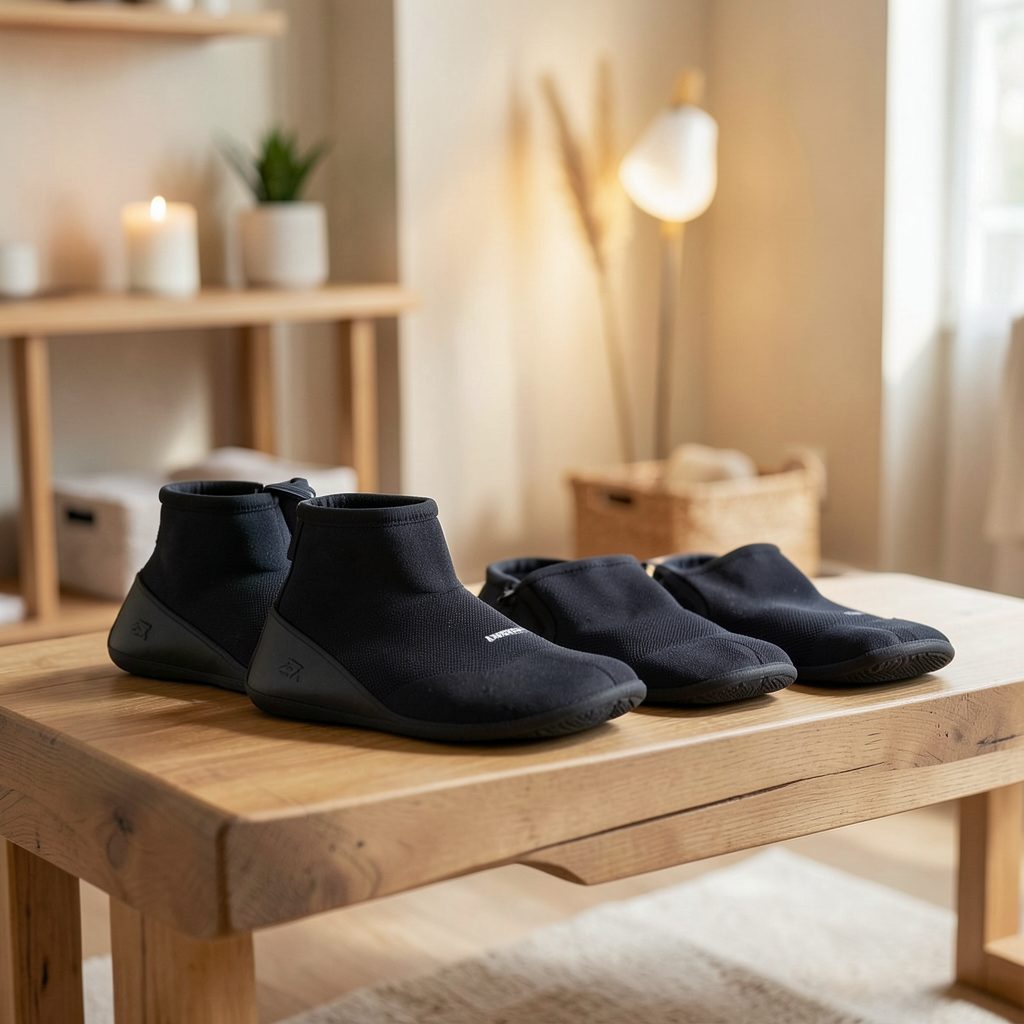
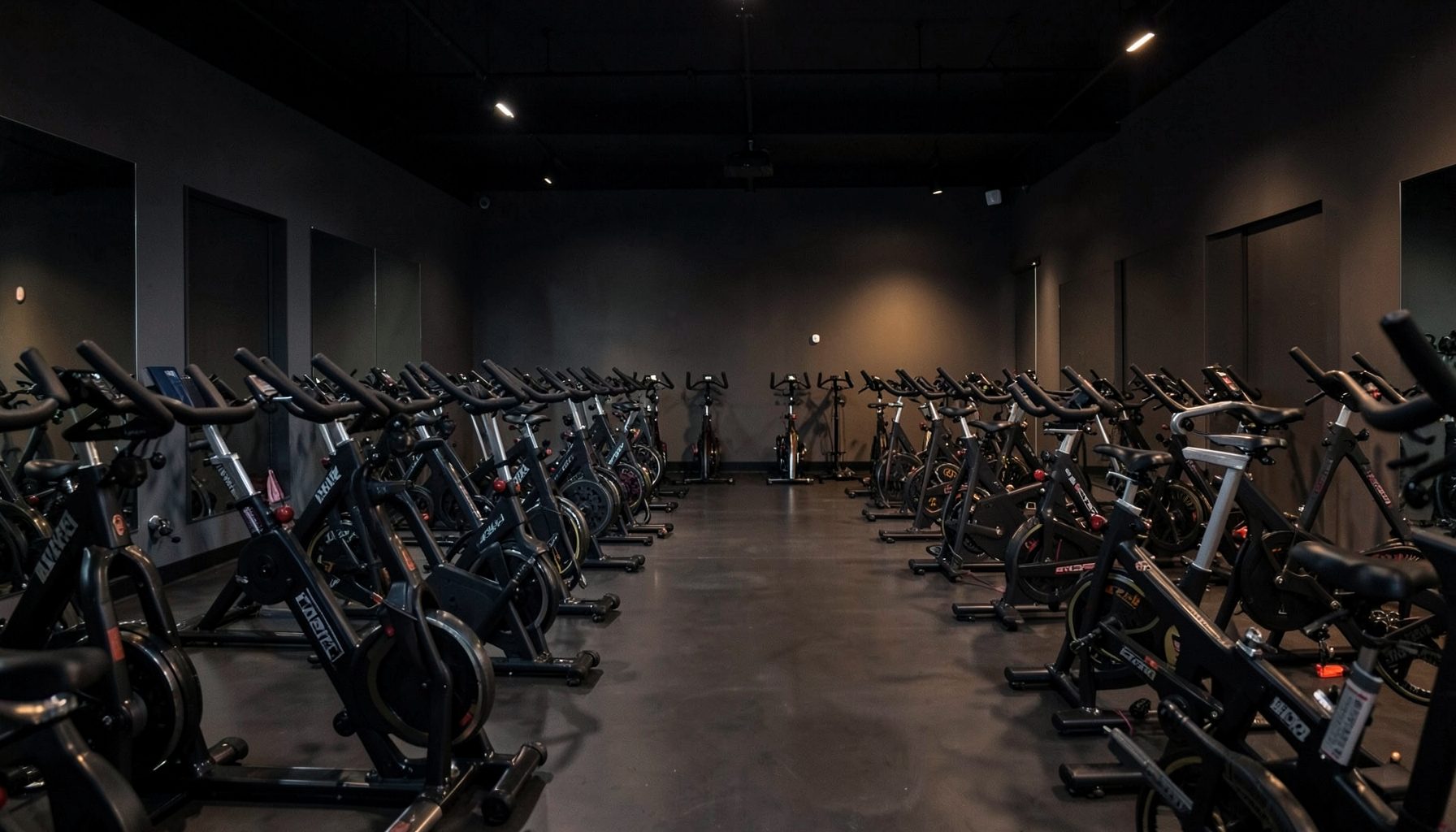
Normatec boot recovery and cryotherapy treatments help athletes bounce back faster. Cycle and spin classes add a cardio dimension to the holistic performance approach.
Have a Question?